Chores for Each Day of the Week

17-year-old Helena Muffly wrote exactly 100 years ago today:   

Wednesday, July 10, 1912:  Did some ironing this forenoon and puttered around this afternoon.
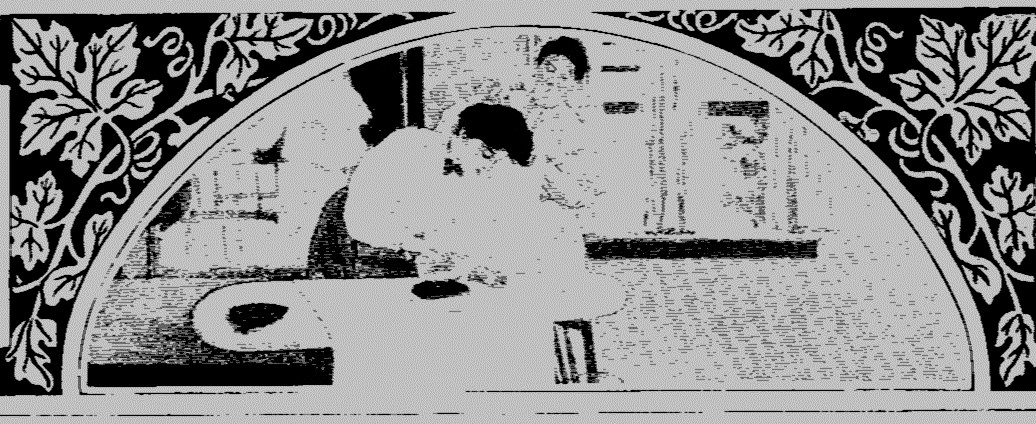
Picture Source: Approved Methods for Home Laundering

Her middle-aged granddaughter’s comments 100 years later:

Each day of the week used to have its own tasks. An old booklet called Approved Methods for Home Laundering published by Proctor & Gamble said that most of the ironing should be done on Wednesday.

Plan for the Week’s Work

MONDAY

1.            Put the house in order.

2.            Plan and cook for Tuesday.

3.            Sort clothes.

4.            Mend clothes (rents grow in washing).

5.            Take out stains.

6.            Soak soiled clothes.

7.            Lay fire for morning.

8.            Fill boiler.

9.            Get tubs and other things ready.

TUESDAY

1.            Light fire and heat water.

2.            Make soap solution.

3.            Do washing.

4.            Sprinkle and roll clothes.

WEDNESDAY

1.            Iron and bake.

2.            Do thick starching.

THURSDAY

1.            Finish ironing.

FRIDAY

1.            Put house in order.

SATURDAY

1.            Bake and plan for Sunday.

There was some variation from one list to the next in which things should be done on which days. (This list doesn’t quite match the recommended tasks for the various days of the week in the old Round and Round the Mulberry Bush ditty.)

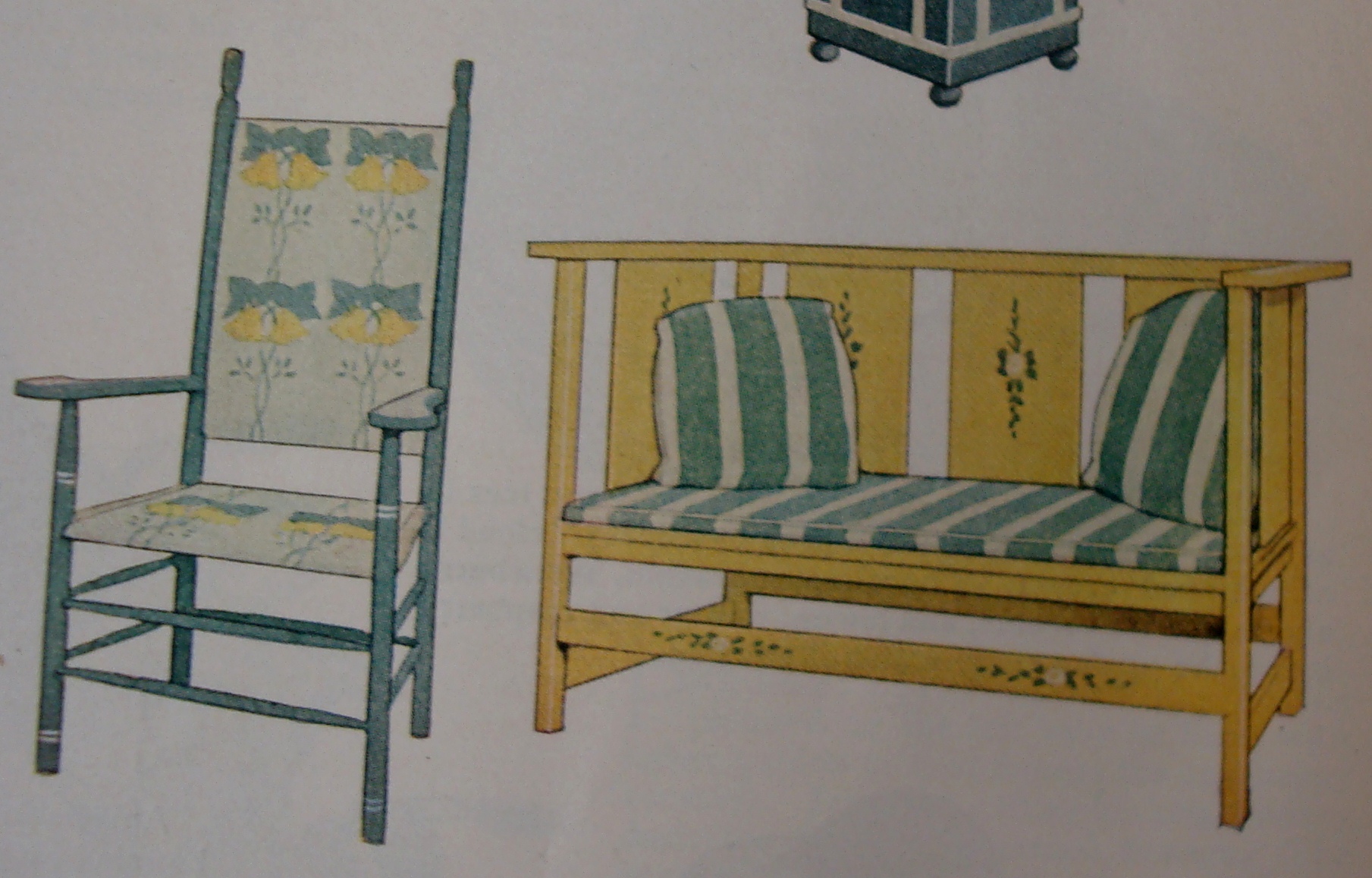
Porch Furniture a Hundred Years Ago

17-year-old Helena Muffly wrote exactly 100 years ago today: 

Monday, July 8, 1912:  Nothing much to record. My head feels sort of heavy like.

Her middle-aged granddaughter’s comments 100 years later:

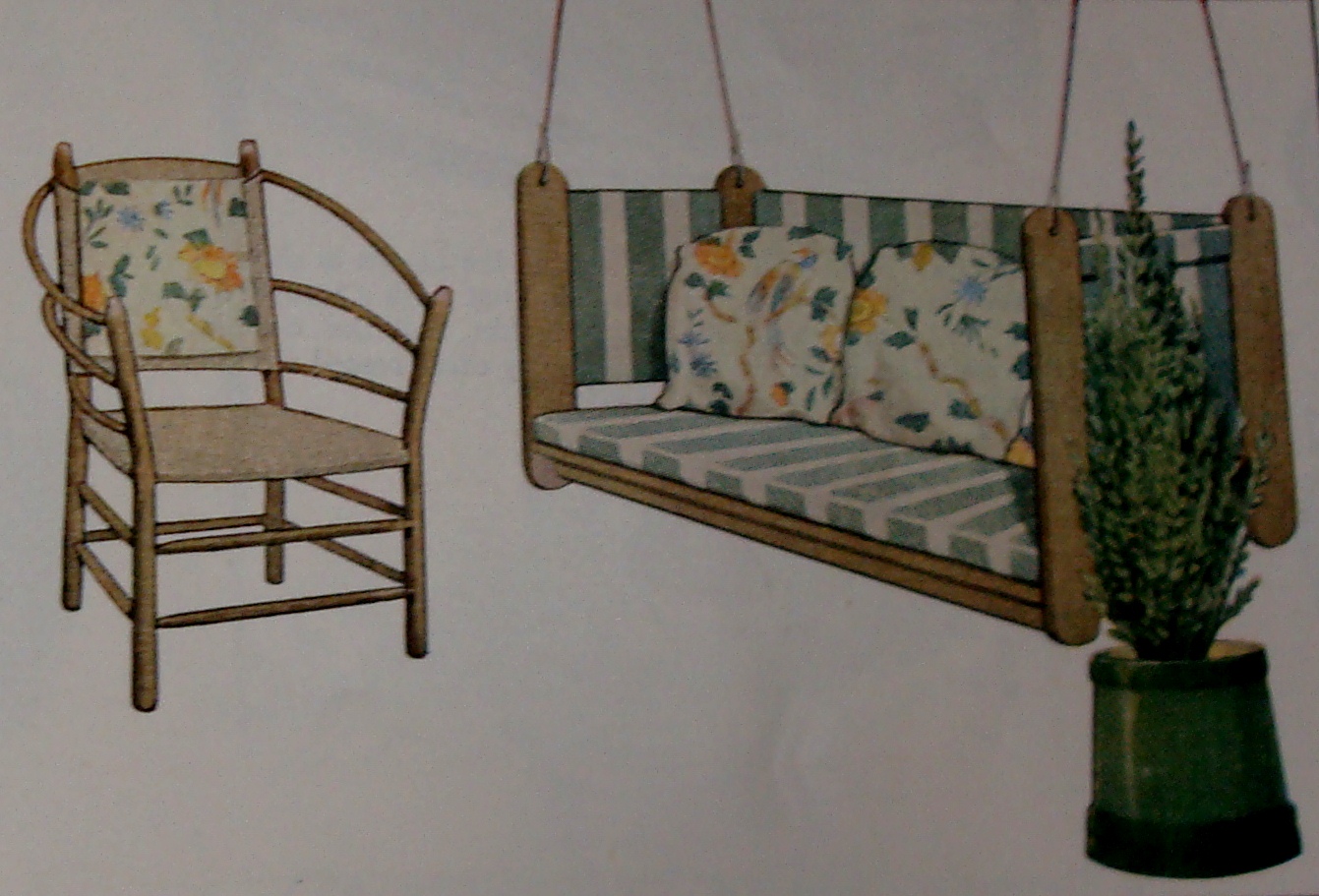
My head feels heavy like, too. I think it’s the hot weather. On days like this, I wish that my house had an old-fashioned porch that I could sit on.

Here are some drawings of furniture for summer porches from an article called “The Little House Summer Porch: Making the Living Porch Attractive” in the July, 1912 issue of Ladies Home Journal.

Finally Received Bible!

17-year-old Helena Muffly wrote exactly 100 years ago today:

Sunday, July 7, 1912:  Went to Sunday School this morning. Received my Bible after having been learning verses for about a year and a half.

Her middle-aged granddaughter’s comments 100 years later:

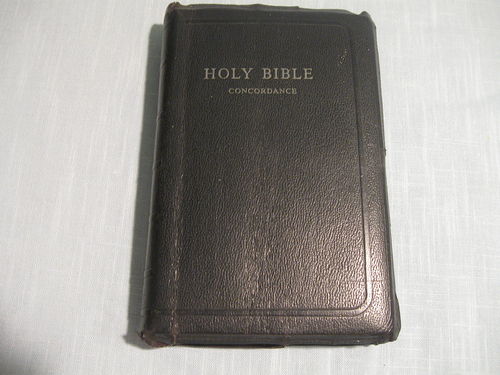
Whew, Grandma finally received her Bible. She learned 700+ verses to get it—and some weeks she learned more than 20 verses. For example, on December 23, 1911 she wrote that she was trying to  learn 27 verses that week.

She sure was persistent—I never would have stuck with it.

Grandma completed memorizing the verses on May 26–and received the Bible the previous week (June 30), but they kept the Bible to put her name on the cover .

Hundred-Year-Old Craft: Paper Horse Directions

17-year-old Helena Muffly wrote exactly 100 years ago today: 

Friday, July 5, 1912:  I must excuse myself for this day and pass onto the night.

Her middle-aged granddaughter’s comments 100 years later:

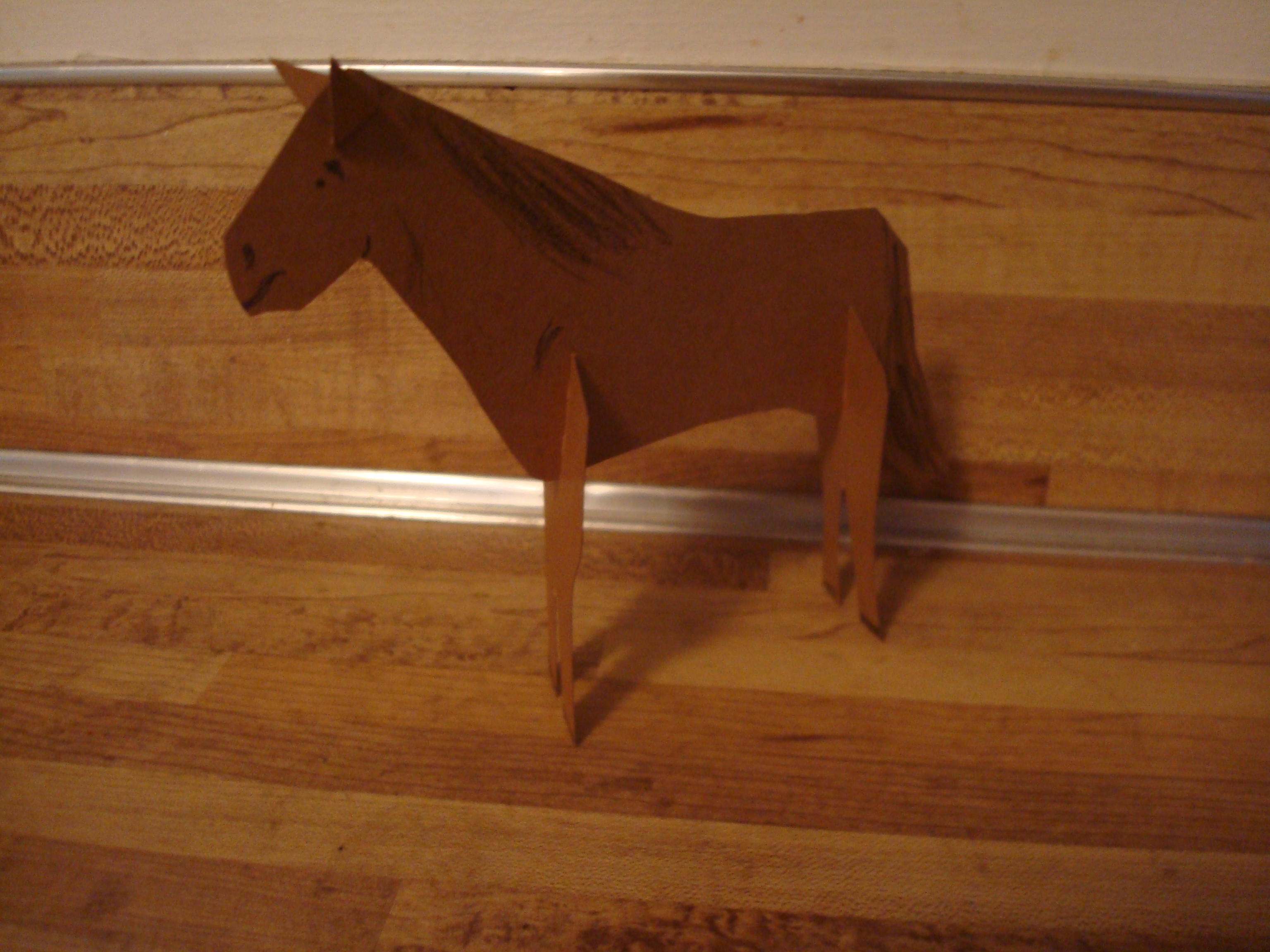
Since Grandma didn’t write much a hundred years ago today, I’ll share an old pattern for making paper horses.

I made the horse in the picture yesterday. Holidays are a great time to do old-fashioned crafts with friends and family.

If you’d like to make a paper horse, here is the pattern and the directions:

Click here for paper horse directions.

Cut out the pattern pieces. On heavy cardstock trace around the  pieces. (Note: for the cardstock I used a brown file  folder.)  Cut out and decorate as desired.

Dovetail the legs and body together at the slits. The slits for the ears (see small black line between eyes and neck) can be made by an adult using a small sharp knife or very small sharp scissors.

P.S.—Previous posts with old-time paper crafts have been very popular. If you haven’t already seen them you may want to check them out:

Paper Doll Girl and Her Swimming Ducks

Paper Birds

Swimming Frog

School Girl Paper Doll

Paper Cow

Why Do Cows Kick?

17-year-old Helena Muffly wrote exactly 100 years ago today: 

Wednesday, July 3, 1912:  Did the same things today as I usually do on other days. Got so mad at a cow who took a notion to run over the whole creation.

Advertisement in June 30, 1911 Issue of Farm Implement Magazine

Her middle-aged granddaughter’s comments 100 years later:

Sounds like Grandma again was having problems with a cow escaping from the pasture. Grandma also occasionally had  to deal with other cow behavior problems. For example, on March 31, 1911 she wrote:

I got kicked today, and it was such a violent one that it caused me to land on my back. It was by a modest cow, who happened to kick me and the bucket at the same time. I guess I was as much surprised as she was.

Here’s an abridged version of what a 1908 book called The Farm Dairy by H.B. Gurler had to say about cows that kick:

Find the Cause of a Cow’s Kicking.—When a cow kicks, the first thing the milker should do is look for the cause. Do not fly into a rage and scold the cow, but remember that the cow must have had cause for the kicking. You may think the cause was not sufficient, especially if she hit you where it hurt, as she probably did for cows have a facility for doing that.

When a cow kicks she is either frightened or hurt, and if she is frightened and kicked you it is strong circumstantial evidence that you have at some time hurt her and she is afraid that you are going to hurt her again, and she feels that her safety depends on her ability to defend herself.

Sometimes cows are hurt. For example, the cause for one cow that kicked was a pond of water in the pasture in which the cow stood fighting flies, getting her teats wet, and causing them to chap, but not so deeply that the milker discovered it until the healing process had commenced. A few applications of linseed oil on the teats remedied the trouble.

There is always a cause for a cow’s kicking and it is not to our credit not to be able to find it.

Oops–Sometimes I Misinterpret a Diary Entry

17-year-old Helena Muffly wrote exactly 100 years ago today: 

Sunday, June 30, 1912:  Oh dear, June is my favorite month and here the last day is almost over. Went to Sunday School this afternoon. I received my Bible today, but haven’t got it yet, as my name was to be written in it, but I suppose I’ll get it next Sunday.

The old McEwensville Baptist Church that Grandma probably attended was located somewhere on the lot that contains this yard and house.

Her middle-aged granddaughter’s comments 100 years later:

I’m amazed how often I’m taken by surprise by diary entries. Today is one of those days.

Before I started this blog I read the entire diary.  I remember many of the “big” events in the dairy, but never noticed or don’t remember many of the smaller details.

Now I only work a day or so ahead—and sometimes realize that things weren’t exactly as I had thought.

Today I was surprised that Grandma still did not have her Bible.

Grandma memorized more than 700 Bible verses and the reward was a Bible. I had thought she’d received it on the first Sunday in June because she’d written on Sunday, May 26:

Went to Sunday School this morning. I’ve finished learned verses for my Bible which means I have learned the required number. I expect to get it next Sunday.

I now realize that she did not receive the Bible when anticipated—and she was  still waiting for it.

Old Lemonade, Iced Tea, and Currant Punch Recipes

17-year-old Helena Muffly wrote exactly 100 years ago today: 

Saturday, June 29, 1912:  Put the hammock up this morning after having quite a time with Ruthie. She’s my boss absolute. It’s gotten very hot now.

Photo source: Wikipedia

Her middle-aged granddaughter’s comments 100 years later:

Sisters!  Was the disagreement about the hammock or something else?

Grandma’s mother bought the hammock the previous day. With the weather turning hot—it sounds like she bought it at the perfect time.

Laying in the hammock with a cool drink sounds like the perfect way to spend a hot summer day.

Here’s a couple recipes for cold drinks from a 1912 cookbook:

Lemonade

Boil two cups of sugar and four cups water until a rich sirup is formed. Add one cup lemon juice. Dilute with ice water.

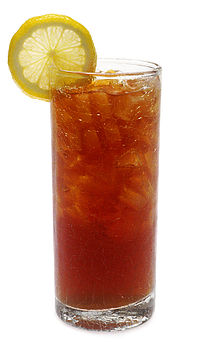
Iced Tea

Make tea. Serve in glasses with crushed ice, with one tablespoon lemon juice in each glass.

Current Punch

4 cups currant juice

4 cups sugar

12 cups water

6 lemons

6 oranges

2 cups tea

Boil sugar and water five minutes; add tea, juice, lemons and oranges sliced, and a large piece of ice.

Lowney’s Cook Book (1912)