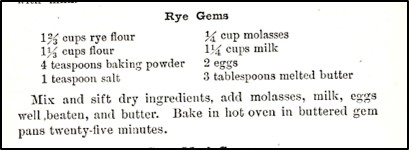
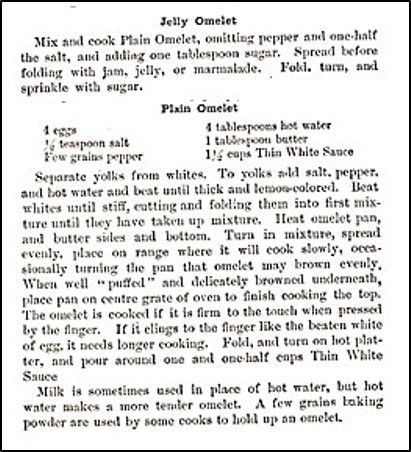
4 eggs, separated
1/4 teaspoon salt
1 tablespoon sugar
4 tablespoons hot water
1 tablespoon butter, melted
jam, jelly, or marmalade
additional sugar to sprinkle on top of omelet (optional)
Preheat oven to 375° F. Place egg whites in a bowl, and beat the egg whites until they form stiff peaks. Set aside.
In another bowl, whisk the egg yolks, then stir in the salt, sugar, hot water, and melted butter. Fold in the beaten egg whites.
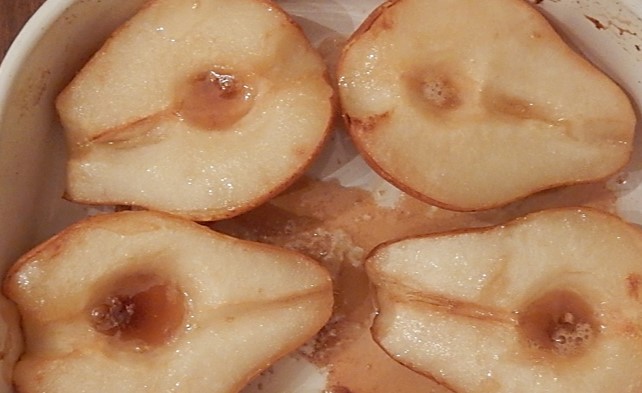
Heat a large oven-proof skillet (or use an omelet pan) on the top of the stove using medium-low heat. (If needed to prevent sticking, liberally grease the skillet before heating.) Pour the egg mixture into skillet, and gently cook for 1 minute. Turn the pan 90° to help ensure that the omelet cooks evenly, and gently cook for another minute. Then move the skillet to the oven, and bake for about 8 – 10 minutes or until the egg mixture is set. Remove from oven, and loosen the edges of the omelet from the skillet with a knife or spatula, then turn onto a plate. Thickly spread jam, jelly, or marmalade onto one half of the omelet, and then fold in half. If desired, sprinkle sugar on top of the omelet. Serve immediately.
http://www.ahundredyearsago.com

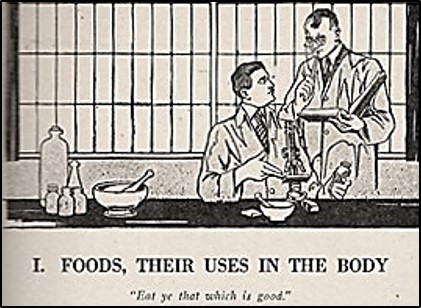


 When my children were younger, I always worried that they would get sick from eating too much candy after trick or treating. I wondered – how much candy is too much? And, should I be firm and ration the candy they’d collected? . . . or was it okay if I let them binge? Here’s what a hundred-year-old home economics textbook says: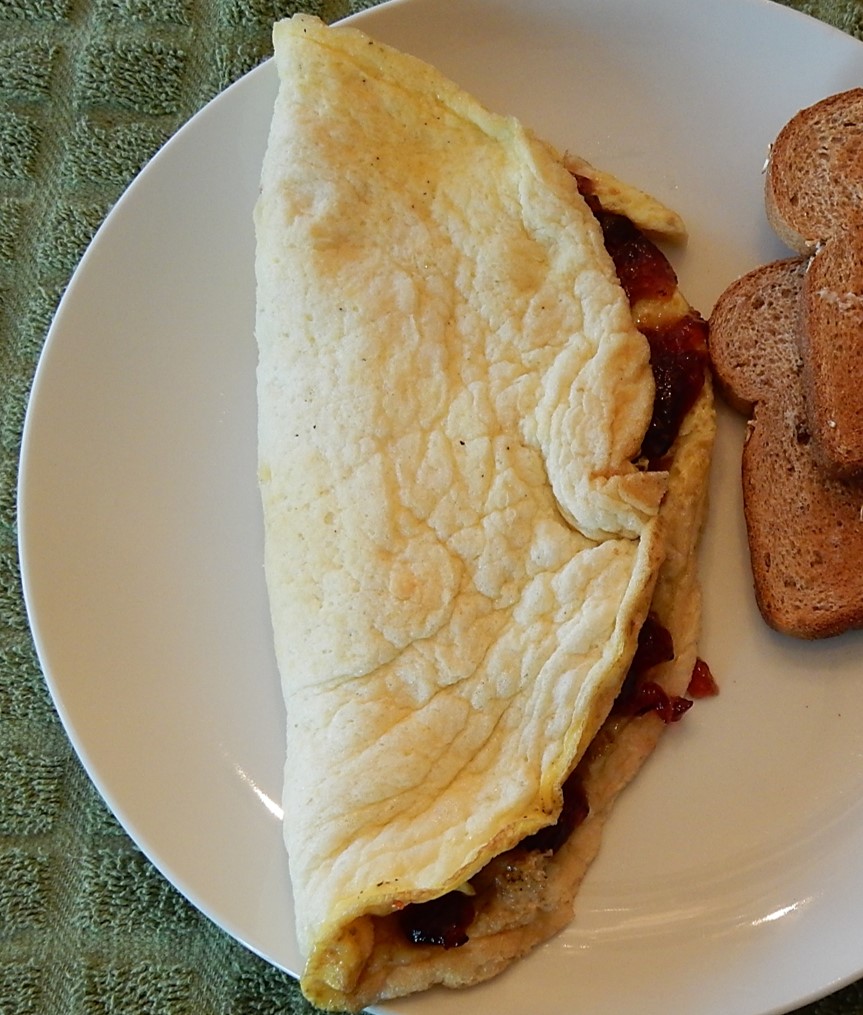
 A hundred years ago people believed that food should be well-chewed before swallowing, and that eating food too rapidly was not healthy. Here is what it said in a 1921 book: