Hundred-Year-Old Oatmeal Muffins Recipe

oatmeal-muffins

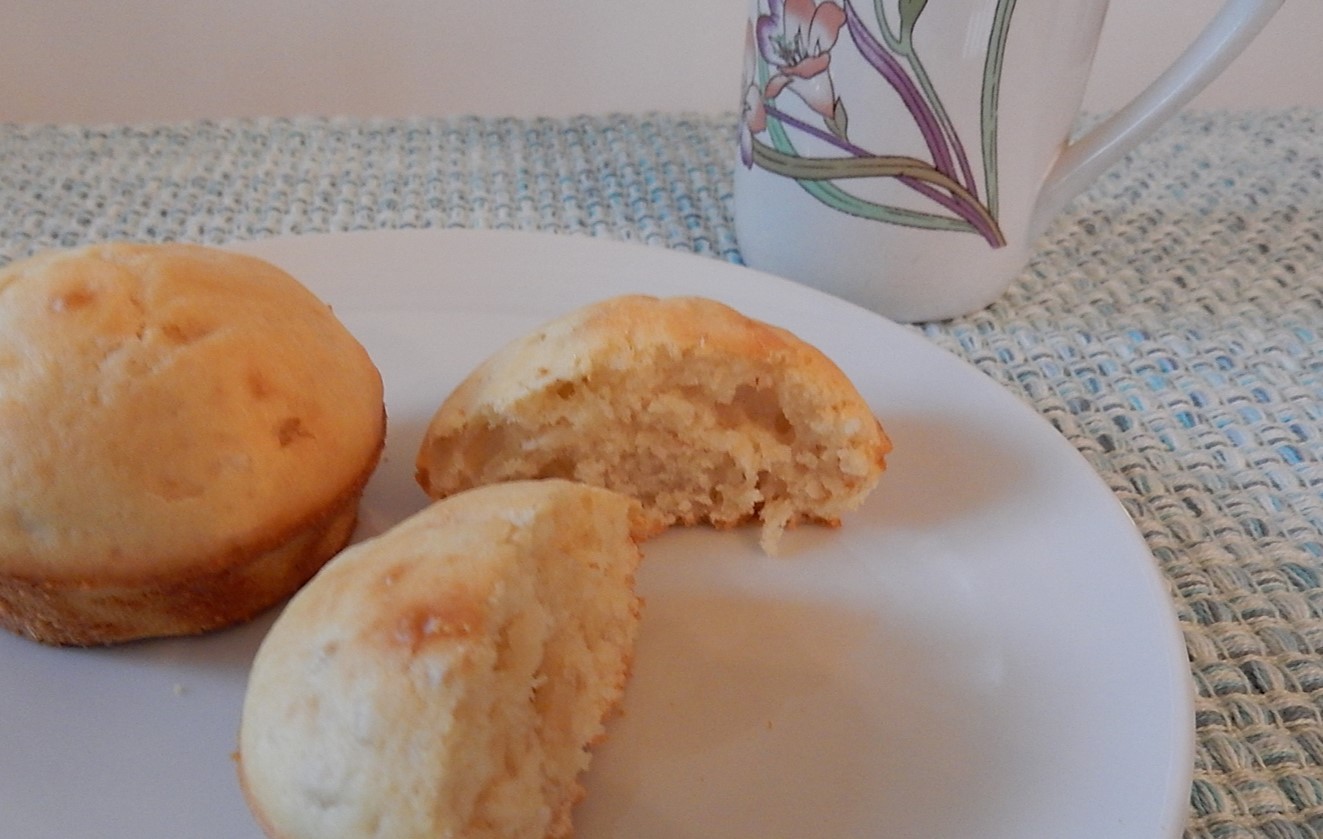
A hundred-year-old small promotional cookbook published by the Calumet Baking Powder Company has lots of intriguing recipes. I decided to try the Oatmeal Muffins recipe.

The muffins were easy to make, and lovely  – though I must admit that I was a little disappointed. I couldn’t really tell that they contained any oatmeal. Instead the seemed very similar to muffins made using only all-purpose flour. The bottom line – if you are looking for a nice basic muffin, you’ll like this recipe.

Here’s the original recipe:
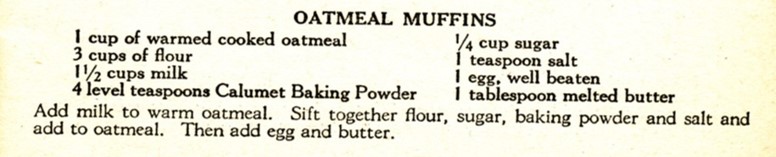
Source: Reliable Recipes (Published by Calumet Baking Powder Co., 1912)

And, here’s the recipe updated for modern cooks:

Oatmeal Muffins

  • Servings: approximately 24 regular-sized muffins
  • Difficulty: easy
  • Print

1 cup water

1/2 cup old-fashioned oatmeal

1 1/2 cups milk

3 cups flour

1/4 cup sugar

4 teaspoons baking powder

1 teaspoon salt

1 egg, beaten

1 tablespoon melted butter

Preheat oven to 400° F. Grease muffin pans (or use paper liners).

Bring water to a boil in small saucepan, then stir in oatmeal. Reduce heat to low and cook for 5 minutes. Remove from heat and stir in milk.

In the meantime in a mixing bowl combine flour, sugar, baking powder, and salt. Add oatmeal mixture, egg, and butter; then stir just enough to combine. Spoon batter into muffin cups; fill each cup about 3/4ths full. Place in oven. Bake approximately 25 minutes or until lightly browned and the muffins spring back when lightly touched.

Hundred-Year-Old Silver (25th) Wedding Anniversary Tablescape

Source: Ladies Home Journal (November, 1911)

Milestone wedding anniversaries are a cause for celebration both now and a hundred year ago. Here’s an old-time suggestion for a lovely silver (25th) wedding anniversary tablescape:

Inverted in a fern dish of the same metal a silver vase forms the fountain, the falling water being strands of silver tinsel. Feathery moss, violets, and lilies-of-the-valley are arranged in the top of the fountain; also border the “pool” which is a mirror. The silver dishes contain bonbons in violet, white, and pistachio.

Ladies Home Journal (November, 1911)

Old-Fashioned Apple Pudding

Apple Pudding

I generally like old-fashioned fruit puddings, so I was pleased when I saw a recipe for Apple Pudding in a hundred-year-old cookbook.

Apple Pudding Recipe
Source: Lycoming Valley Cook Book, compiled by the Ladies of Trout Run M.E. Church, Trout Run, PA (1907)

Most modern apple recipes call for cinnamon and other spices, so I was surprised that this recipe didn’t use any spices. But they weren’t needed–the Apple Pudding was pure apple and delightful.  The apples were embedded in a lovely moist cake pudding.

In general the directions in this old recipe are a little vague. It provides no clue how many apples should be used;  and I was left to decide what a moderate oven meant. However, the recipe was very specific that Cleveland’s Superior Baking Powder should be used. Of course, I’ve never heard of Cleveland’s and it’s probably not been made for decades. So I  had to make due with a modern baking powder brand, which worked just fine. This recipe may have been originally published by the Cleveland Baking Powder Company. Perhaps Mrs. Wm. Mock liked it, and submitted the same exact recipe for the church cookbook.

Here’s the recipe updated for modern cooks:

Apple Pudding

  • Servings: 6 - 8
  • Difficulty: easy
  • Print

4 cups sliced apples

1 tablespoon butter, melted

1 1/2 cups sugar

1 cup flour

1 teaspoon baking powder

1 egg

1 1/2 cups milk

Preheat oven to 350° F. Place sliced apples into a 7 1/2  X  12  X  2 inch rectangular casserole dish, or other similarly-sized dish.

Put butter, sugar, flour, baking powder, egg, and milk into a mixing bowl; beat until smooth.  Pour the batter over the apples. Place in oven and bake for 1 hour – 1 hr, 15 minutes, or until an inserted toothpick comes out clean.  Serve warm or cool. If desired, may be served with whipped cream or milk.

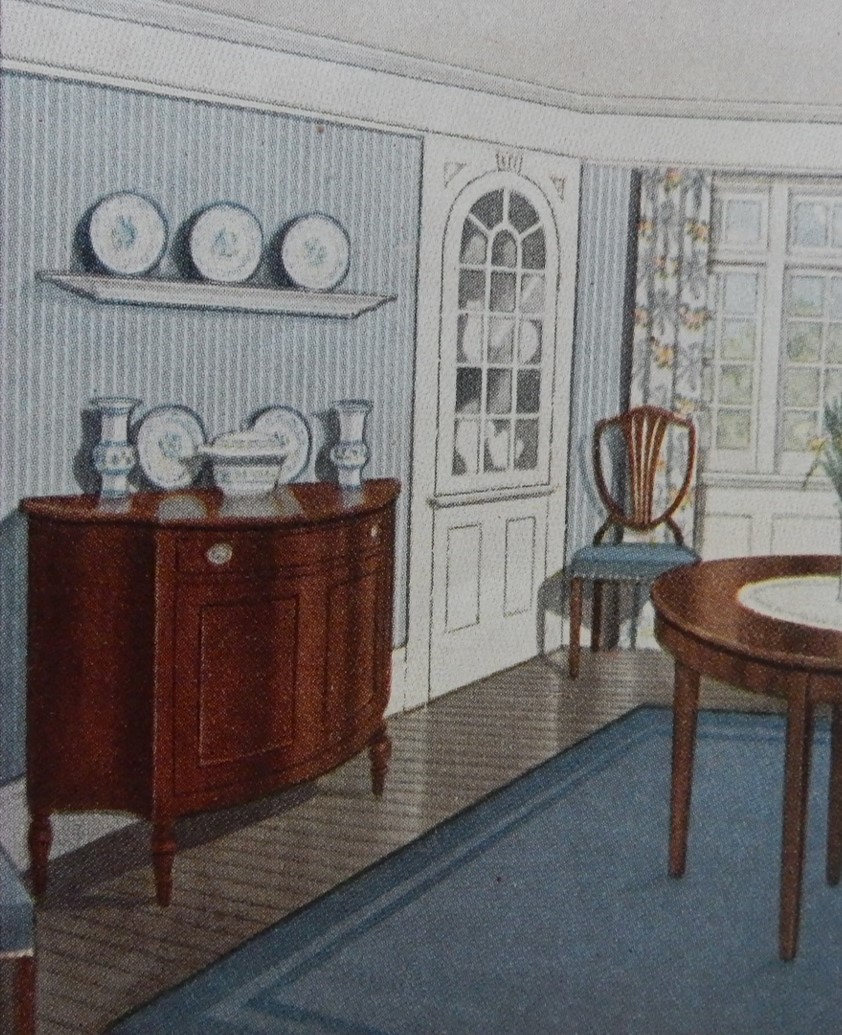
Wallpapered Dining Rooms a Hundred Years Ago

Ladies Home Journal (October, 1911)

Wallpaper was very popular a hundred years ago – and there were lots of lovely papers that worked perfectly in dining rooms. Here’s some advice for using striped wallpapers:

French-striped papers come under the head of plain papers. They look well and are particularly appropriate in Colonial homes. They may be used in the bedroom, dining room, hall or reception room, and look equally well with either plain or figured hangings. They look better, however, with white woodwork than any other kind.

Dining Room LHJ 10 1911

Hundred-Year-Old Potato Salad Recipe

Potato Salad

Over the next couple weeks I have several picnics on my calendar. Potato Salad is the quintessential picnic food, so I was pleased to find a hundred-year-old Potato Salad recipe.

Potato Salad Recipe
Source: Lycoming Valley Cook Book, compiled by the Ladies of Trout Run M.E. Church, Trout Run, PA (1907)

At first I wasn’t quite sure about the recipe. It didn’t contain the usual Potato Salad ingredients like celery and mayonnaise, but rather was a vinaigrette dressing. Yet, the recipe was so easy that I decided to give it a try.

The Potato Salad was lovely, and the vinaigrette dressing with a hint of pepper was just right. It added a delightful flavor to the potatoes, but didn’t overwhelm them.  This recipe is a keeper.

The old recipe made a lot of dressing relative to the potatoes, so I divided it by three when I revised it. Here’s the updated recipe for modern cooks:

Potato Salad

  • Servings: 4-6
  • Difficulty: easy
  • Print

3 large potatoes (approximately 3 cups diced)

3/4 cup  onion, diced

3 tablespoons olive oil

1 tablespoon vinegar

1/3 teaspoon salt

1/3 teaspoon black pepper

parsley sprigs for garnish, optional

Peel and dice potatoes into 3/4 inch chunks. Put into a sauce pan, cover with water and bring to a boil. Reduce heat and cook until the potatoes are just barely tender (about 5-7 minutes). Remove from heat and drain. Chill in refrigerator for several hours, then add onions.

In a small bowl, combine the olive oil, vinegar, salt and pepper. Pour this dressing over the potatoes and onions. Gently toss to coat the potatoes with the dressing. Put in serving bowl; and, if desired, garnish with parsley sprigs.

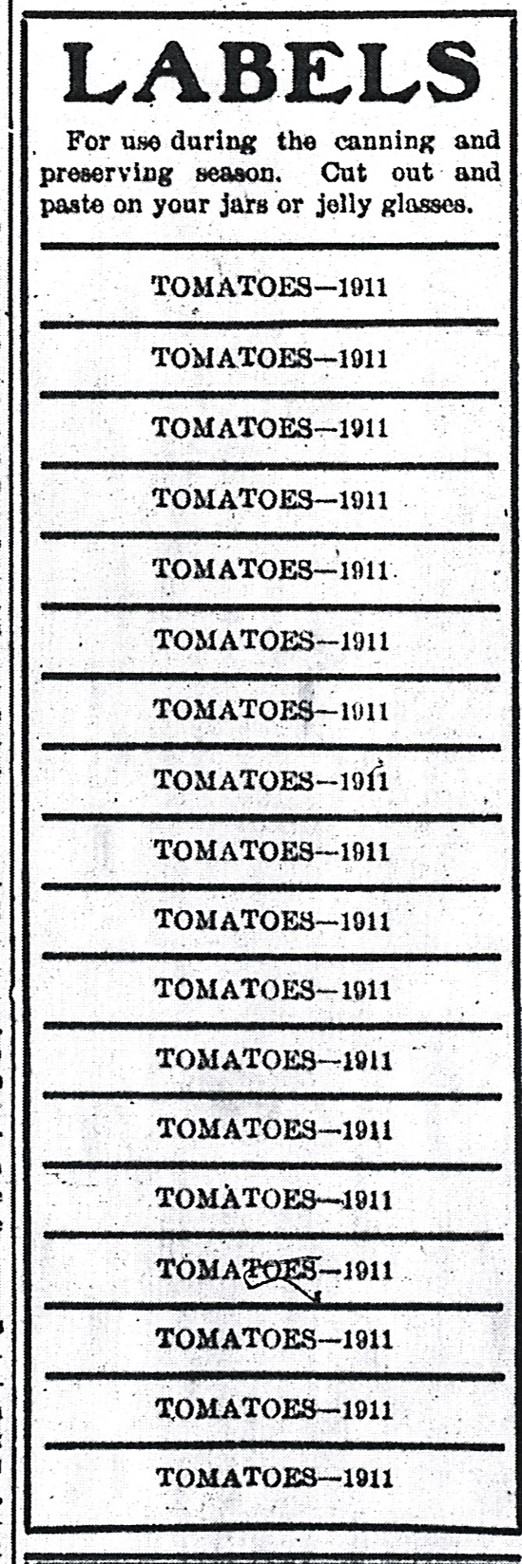
Hundred-Year-Old Canning Jar Labels

Source: Milton (PA) Evening Standard (August 23, 1911)

A hundred years ago people didn’t have markers that could be used to write labels on canning jar lids. They also didn’t have printers to print labels  or even clear tape that could be used to attach labels to the jars. Back then newspapers often printed labels that could be cut out and pasted on jars of freshly canned food.

I generally prepare posts for this blog fairly quickly – but today’s post is an exception. It’s taken me over five years from the time that I first thought about doing this post to actually posting it.

I recently was browsing through a hundred-year-old magazine and saw this tip:

Sometimes the women folks can’t remember when they put up certain cans of fruit. Paste a dated slip of paper on the side.

Farm Journal (August, 1915)

The old tip reminded me that back in 2011, which was the first year I was doing this blog, that I’d scrolled though some old microfilms of hundred-year-old issues of the Milton (PA) Evening Standard,  and had been surprised how the newspaper regularly printed labels for commonly canned foods – cherries in July, tomatoes in August, grape juice in September . . .

I copied a page with labels for tomatoes from the newspaper and planned to do a post on it – but somehow I never actually got around to writing that post and quickly forgot about it until I saw the Farm Journal tip.  So here is the post – better late than never.

Old Poached Egg in Tomato Recipe

Source: Lowney's Cook Book (1912)

Eggs and tomatoes make a nice pairing, so I was excited when I  saw a new way to make eggs and tomatoes in a hundred-year-old cookbook – Poached Egg in Tomato.

Preparing the tomato shell for the egg reminded me of scooping a pumpkin but on a much smaller scale. And, it was fun to slide the egg into the tomato shell, and cover it with a circle of parchment paper that I’d cut out.

The Poached Egg in Tomato was delightful with toast. The one downside – it took longer to bake than I anticipated.  I had to delay breakfast because it took about 45 minutes for the egg white to fully set.

Poached Egg in Tomato

For each serving:

1 medium tomato

1 egg

salt and pepper

Preheat oven to 350° F. Cut the top of the tomato and gently scoop out the pulp, then set the tomato in a ramekin or custard cup. Break the egg into a small bowl, then slide the egg into the tomato shell, and sprinkle with salt and pepper. Cut circles from a piece of parchment paper that is the same size as the ramekin; then cover the filled tomato with the parchment paper circle.

Place the ramekin into a small cake pan or other oven-proof dish or pan. Gently pour hot water (approximately 125° F.)  into the pan until it is about 1 inch deep. (I use the hottest water that comes out of my tap.). Place into the oven and cook until the egg is desired firmness (approximately 45 minutes).

Poached egg in tomato a
Source: Lowney’s Cook Book (1912)