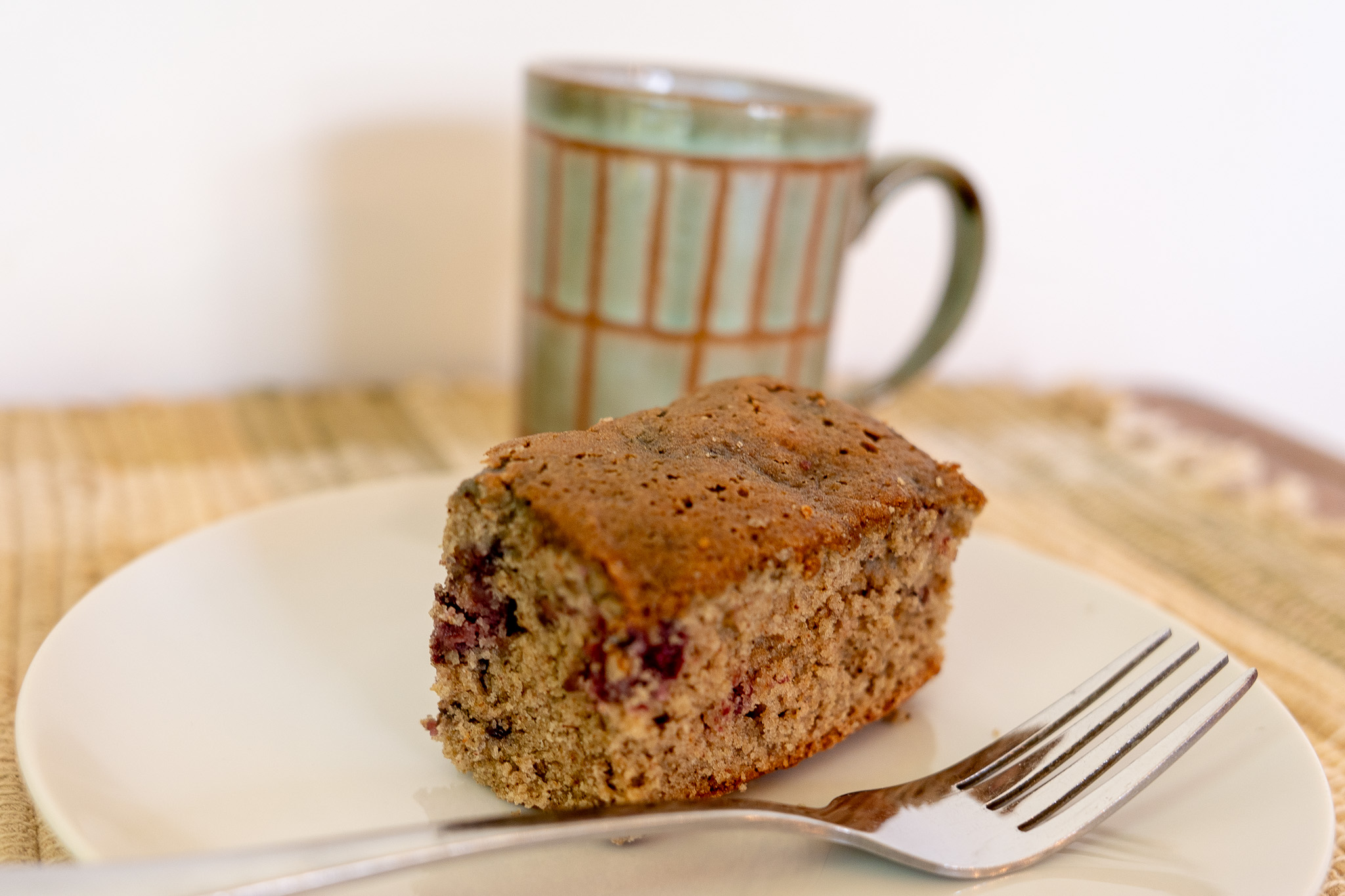
Updating a Hundred-Year-Old Recipe to Make It Gluten Free (with a Date Muffin Example)

Date Muffins
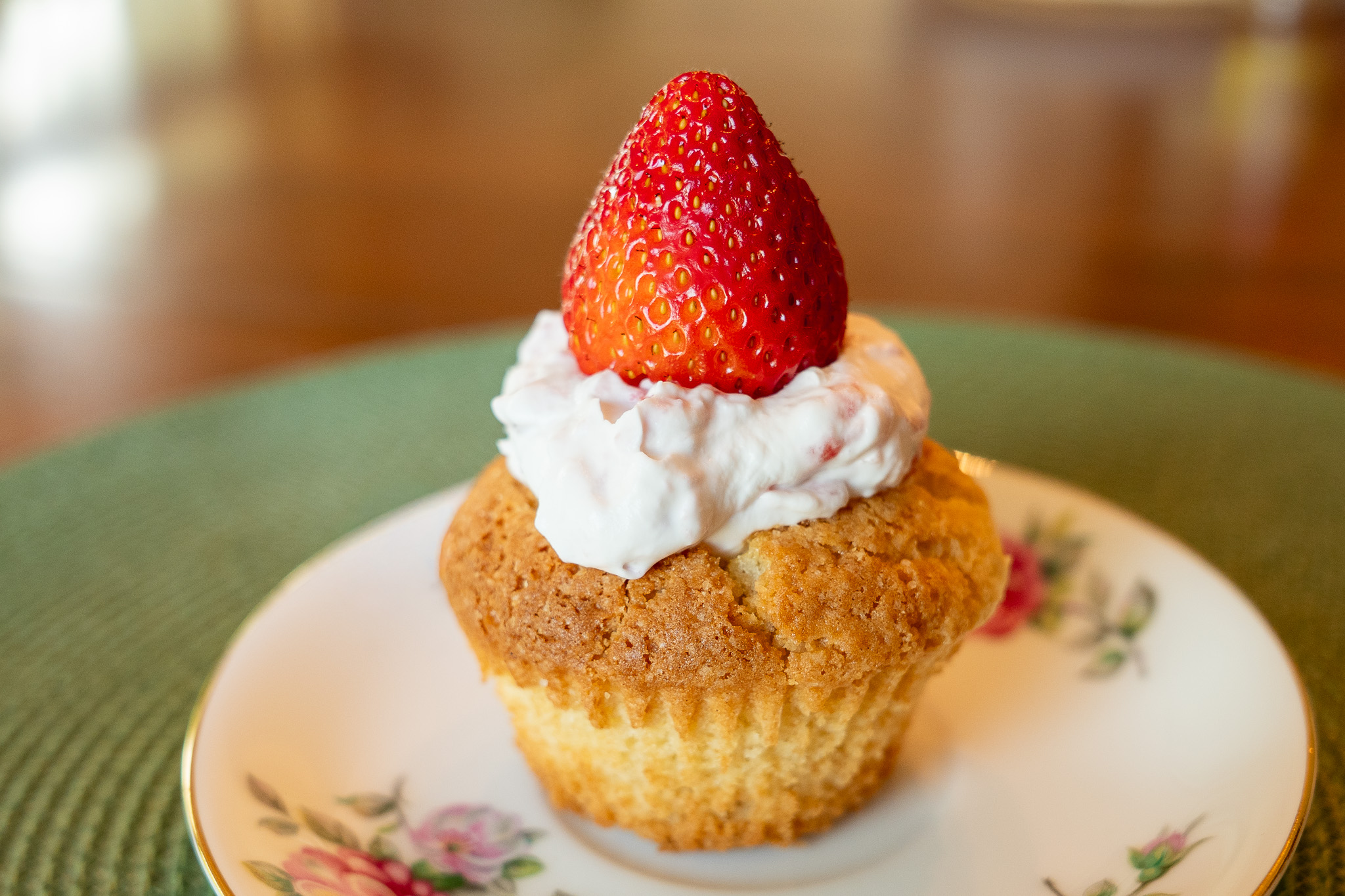
Photographer: Christine Rooney

When I update hundred-year-old recipes for baked goods, I regularly get comments that say something like, “I can only eat gluten-free foods. Would it be possible to convert this recipe to a gluten-free one?”

Since I’m not gluten-free, I had never revised a recipe to make it gluten-free, but I decided that now was the time to give it a try. And, I knew just the person who might be able to help. My friend Christine Rooney at The Rustic Foodie posts seasonal gluten free recipes.

I asked Christine if she’d help me adapt a hundred-year-old recipe to make it gluten free, and I was thrilled when she generously agreed.

We decided to adapt a recipe for Date Muffins. A hundred years ago, the muffins might have been served at any time during the year, but they probably were primarily a winter food. Years ago, dried dates were a very popular winter fruit. Back then, most fresh fruits weren’t available in the winter, and those few that were available (such as oranges and other citrus fruits) were quite expensive in most parts of the U.S.

Christine adapted the recipe to make it gluten free. She then made the muffins and photographed them. I also made the muffins and took them to a coffee group gathering. We then made a few final tweaks to the recipe directions.

Our adventure adapting the recipe was a success. The date muffins had a great taste and texture. The texture was somewhere between a drop biscuit and a scone; the outside was a bit crispy and the inside was moist. They were sweet; but not overly sweet. The dates gave them lovely bursts of rich caramel.

Here’s the original recipe:

Recipe for Date Muffins
Westminster Cook Book 1926 (Cherokee, Iowa)

Gluten free baked goods sometimes tend to crumble. The key to making them less crumbly is to use the right gluten free blend flour, to ensure that the batter has sufficient moisture, and not to overbake them.

Christine said that a gluten free 1-to-1 blend flour (Bob’s Red Mill Gluten Free 1-to-1 Baking Flour, Cup4Cup Gluten Free Multi-Purpose Flour, or other similar gluten free blend flour) should be used. The flour should contain xanthan. Baked goods made with gluten free flours can be crumbly because of a lack of binders in some gluten free flours. Xanthan is a binder that mimics the elasticity provided by gluten in wheat flour recipes. It helps ensure that gluten free baked goods are not crumbly. (Do not use gluten free all-purpose flour, or  other gluten free flours, such as almond flour or oat flour, when making the recipe as this will likely yield different results).

Christine suggested adding a little additional milk when making the batter. Gluten free flour is a little denser and absorbs more liquid than all-purpose wheat flour. The additional milk also reduces the chance that the muffins will be crumbly.

It is also important not to overcook the muffins (they will tend to crumble) or to undercook them (they will be gummy).

Date Muffins
Photographer: Christine Rooney

And, here is the updated recipe:

Date Muffins

  • Servings: 12 muffins
  • Difficulty: moderate
  • Print

1/3 cup unsalted butter, softened (Do not melt.)

1/4 cup sugar

1/4 teaspoon kosher salt

1 egg

3/4 cup milk + an additional 2 – 3 teaspoons milk

2 cups 1-to-1 gluten free flour blend (Bob’s Red Mill Gluten Free 1-to-1 Baking Flour, Cup4Cup Gluten Free Multi-Purpose Flour, or other similar gluten free flour that contains xanthan)

4 teaspoons baking powder

1/4 pound (4 ounces) dried dates, chopped

Step 1. Preheat oven to 350 degrees Fahrenheit.

Step 2. Place muffin liners in a 12-cup muffin pan.

Step 3. Put the butter and sugar in a bowl, then use an electric mixer to beat until light and fluffy.

Step 4. Add egg to the butter and sugar mixture, and beat until light and fluffy.

Step 5. In a separate bowl, put the 1-to-1 gluten free flour blend, baking powder, and kosher salt. Stir until completely combined.

Step 6. Add the butter mixture and 3/4 cup of milk to the dry ingredients alternately, stirring to combine after each addition. Continue until all of the ingredients are combined. The batter will be very thick; Add an additional 2-3 teaspoons of milk to thin it out a bit and stir again until combined. (It will still be quite thick).

Step 7. Add chopped dates to the batter and fold until combined.

Step 8. Place an equal amount of the batter into each muffin cup. (An ice cream scoop can be used to measure to help ensure that an equal amount is put in each cup.)

Step 9. Place the muffin tin in the oven and bake for approximately 20 minutes. A toothpick poked into the center should come out clean when done baking.

www.ahundredyearsago.com

Old-Fashioned Baked Succotash

Baked Succotash in Dish

Kidney bean and corn dishes are having their day in the sun. I see recipes for them all the time, and they are served at many restaurants. Last week I went out for lunch, and had a lovely kidney bean and corn salad. So I was pleased to come across a Baked Succotash recipe that called for kidney beans in a hundred-year-old magazine.

I was a little surprised by the recipe name. I generally think of succotash as a mixture of lima beans and corn, but it apparently is a general term for bean and corn combinations. In any case, I decided to give the Baked Succotash recipe a try.

In addition to the kidney beans and corn, the recipe called for a little chopped green pepper. Beaten egg is stirred into the vegetables, and then it is baked.

The Baked Succotash was tasty, but a little dry (and a few of the kidney beans split).  The vegetables were lightly bonded to one another other by the egg coating, but since there was no milk, it did not have the creaminess of a scalloped vegetable dish. After I made this dish, I actually wondered why the recipe author decided to bake the succotash. If I made this recipe again, I might have a tendency just to heat the vegetables on the top of the stove . . . or I might adapt the recipe and add a white sauce to the egg to make Scalloped Succotash . . .  or . . .

Bottom line: Kidney beans and corn are a wonderful combination. And, I want to make dishes with this combination again in the future, but I’ll probably experiment a little when I do rather than replicating the Baked Succotash recipe.

Here’s the original recipe:

Recipe for Baked Succotash
Source: Ladies Home Journal (May, 1926)

When I made this recipe, it took more than 30 minutes for the food to get hot and for the egg to thicken.

Here’s the Bake Succotash recipe updated for modern cooks:

Baked Succotash

  • Servings: 4 - 5
  • Difficulty: moderate
  • Print

1 egg

1/2 teaspoon salt

1/8 teaspoon pepper

1 can kidney beans, drained and rinses

1 can corn, drained (or 1 1/2 cups frozen corn, thawed)

1 tablespoon green pepper, finely chopped

Step 1. Preheat oven to 375° F.

Step 2.  In a mixing bowl, whisk together the egg, salt, and pepper.

Step 3.  Add the kidney beans, corn, and green pepper. Stir gently to coat the vegetables with the egg mixture.

Step  4. Put in a baking dish (a 1-quart dish works well), and place in oven. Bake for 30 – 40 minutes, or until hot.

http://www.ahundredyearsago.com

Old-Fashioned Raisin Nut Omelet

Raisin Nut Omelet with toast on plateMy weekday breakfasts are boring — think oatmeal or cereal, but I like to make breakfast foods that are a little fancier on weekends, so I was thrilled when I came across a recipe for Raisin Nut Omelet in a hundred-year-old cookbook.

The Raisin Nut Omelet is topped with a sprinkle of powdered sugar. For the omelet, the eggs are separated and the whites beaten, which makes the omelet a little fluffier than many modern omelets. The raisins (and the powdered sugar) give the omelet a lovely sweetness, and the nuts add a delightful crunchy texture. The omelet is perfect for breakfast or brunch – though it almost has a dessert-like essence and could also be served at other times of the day.

Here’s the original recipe:

Recipe for Raisin Nut Omelet
The Modern Method of Preparing Delightful Foods (1926) by Ida Bailey Allen

This recipe was in a cookbook published by the Corn Products Refining Company, so it calls for specific brands for the corn-based ingredients. When I updated the recipe, I just listed the ingredients without the brand names.

The recipe calls for cutting the raisins in half. They probably don’t really need to be cut,  but I followed the recipe directions and cut them. The resulting raisin pieces were a nice size when dispersed throughout the omelet.

I could not figure out why the recipe called for boiling water (and thought it might prematurely cook some of the egg yolk), so I just used regular water.

And, here’s the recipe updated for modern cooks:

Raisin Nut Omelet

  • Servings: 2 - 3
  • Difficulty: moderate
  • Print

5 eggs, separated

1/2 teaspoon salt

1 1/2 teaspoons cornstarch

1/4 cup water

1/2 cup raisins, cut in half

1/4 cup chopped nuts (I used walnuts.)

1 tablespoon olive oil or  other cooking oil

powdered sugar

Step 1. Preheat oven to 350° F.

Step 2. Place egg whites in a bowl, then beat the egg whites until  stiff peaks form. Set aside.

Step 3. In another bowl, whisk the egg yolks, then stir in the salt, corn starch, and water. Add raisins and nuts; then stir until evenly distributed in the mixture.

Step 4. Fold in the beaten egg whites.

Step 5. Grease a large oven-proof skillet (or use an omelet pan) with olive oil or cooking oil, then heat on the top of the stove using medium-low heat.

Step 6. Pour the egg mixture into skillet, and gently cook for 2 minutes. Then gently stir, lifting the cooked portion from the bottom of the pan to allow the uncooked portion to flow to the bottom.  After another minute, again gently lift the cooked portion from the bottom of the pan to help ensure that the omelet cooks evenly, and gently cook for another minute.

Step 7. Move the skillet to the oven, and bake for about 8 – 10 minutes or until the egg mixture is set.

Step 8. Remove from oven, and loosen the edges and bottom of the omelet from the skillet with a spatula, then turn onto a plate.

Step 9. Fold omelet in half. Sprinkle powdered sugar on top of the omelet. Serve immediately.

http://www.ahundredyearsago.com

Old-Fashioned Red Cabbage and Apples

I recently was browsing through a hundred-year-old cookbook and came across a recipe for Red Cabbage and Apples, and decided to give it a try.

The Red Cabbage and Apples are a delightful combination. The slightly bitter cabbage works well with the sweet, tartness of the apple. It is a vibrant, attractive, tasty, side dish.

Here’s the original recipe:

Recipe for Red Cabbage and Apples
Source: 1926 cookbook compiled by the Domestic Science Class of the Peoria (IL) Women’s Club

My sense is that  cabbage heads and apples typically were smaller a hundred years ago than they often are today, so instead of using a whole cabbage, I used  1/2 head of cabbage; and I used one apple rather than two.

The original recipe calls for flour browned in butter. I interpreted this to mean that the butter is browned and then the flour is stirred into it.

The old recipe does not call for any salt, but the flavor of the Red Cabbage and Apples is enhanced if a little salt is added.

Here’s the recipe updated for modern cooks:

Red Cabbage and Apples

  • Servings: 3 - 4
  • Difficulty: moderate
  • Print

1/2  head red cabbage, shredded (approximately 4 – 5 cups)

water

1 tart apple (such as Granny Smith or Braeburn), peeled, cored, and coarsely chopped

1 tablespoon butter

1 tablespoon flour

1/4 teaspoon salt

Step 1. Put the shredded cabbage in a large saucepan; add 1/2 inch of water. Using medium high heat, bring to a boil, then reduce heat and simmer for 5 minutes. Stir the cabbage once or twice while it is cooking.

Step 2. Remove from heat, and drain using a strainer. (Keep the cabbage in the pan.) Reserve the drained cabbage water.

Step 3. Add 1/2 inch of water to the cabbage.  Heat again. Using medium high heat, bring to a boil, then reduce heat and simmer for 5 minutes. Stir the cabbage once or twice while it is cooking.

Step 4. Remove from heat and drain using a strainer. (Keep the cabbage in the pan). Again, reserve the drained juice, and add to the other reserved juice.

Step 5. In the meantime. put the butter in a skillet. Heat using medium heat.  Allow it to bubble, while stirring occasionally. Continue heating until the butter turns a light brown, then stir in the flour. Gradually add some of the reserved cabbage water (about 1/2 cup), while stirring constantly. Continue stirring until it thickens. It should be about the consistency of gravy. If it is too thick add additional cabbage water. Stir in the salt.

Step 6. Pour the thickened cabbage “gravy” over the cabbage in the saucepan. Add the chopped apples.  Heat until hot and bubbly (and the apples pieces are heated through), while stirring constantly. Remove from the heat and serve.

http://www.ahundredyearsago.com

Old-Fashioned Golden West Sandwich (Ham and Cheese Grilled Sandwich)

I love to eat grilled sandwiches for lunch, so was intrigued when I came across a hundred-year-old recipe for Golden West sandwiches. This is basically a recipe for a ham and cheese sandwich made using French toast.

The bread slices are sipped in an egg and milk mixture prior to grilling. The assembled ham and cheese sandwich is then grilled using medium low heat that allows sufficient time for the Swiss (or Gruyere) cheese to melt. The grilled sandwich is then topped with a tomato slice.

The Golden West Sandwich was delightful. The grilled bread was softer and moister than the typical grilled ham and cheese sandwich, and was a nice variation of this classic.

Here’s the original recipe:Golden West Cheese (Ham and Cheese) Sandwich

Recipe for Golden West Sandwich
Source: American Cookery (October, 1926)

A spider pan is a skillet with legs. They originally were used over open fires. I just used a regular skillet to make the sandwich.

Years ago, bread crusts were sometimes removed from bread when making sandwiches. Since bread crusts are seldom removed today, I didn’t remove them when making the Golden West Sandwich.

It sounded challenging to dip the bread slices into the egg mixture after the sandwich was assembled, so I dipped the individual slices prior to making the sandwich.

I’m not sure why the old recipe calls for measuring the milk using a tablespoon. Four tablespoons of milk is the equivalent of 1/4 cup of milk, so when I updated the recipe, I went with 1/4 cup.

I used Swiss cheese when making this sandwich. The recipe gives the option of using either Swiss or Guyerë, cheese. Today, the later option is typically spelled either “Gruyere” or “Gruyère” cheese. I’m not sure whether the spelling (and the way accent markes are used) has changed across the years or if it this was a typo.

Here’s the recipe updated for modern cooks:

Golden West Sandwich (Ham and Cheese Grilled Sandwich)

  • Servings: 1
  • Difficulty: easy
  • Print

2 slices bread

butter

1 egg, beaten

1/4 cup milk

2 slices Swiss or Gruyère cheese (I used Swiss cheese.)

2 – 3 thinly sliced slices of ham

1 tomato slice

Combine the egg and milk in a shallow dish or pan; stir to combine. Butter one side of the bread slices, then dip the slices in the egg and milk mixture. Put one of the slices on a plate, buttered side down. Put a slice of cheese on top of the bread slice, then the ham slices. Put the other slice of cheese on top of the ham slices. Top with the other slice of bread, with the buttered slide facing up.

Using medium low heat, melt enough butter in a skillet to cover the bottom of the pan. Add the assembled ham and cheese sandwich. Cook in the skillet until the bread on the bottom of the sandwich is toasted and golden brown, then use a spatula to gently flip the sandwich. Toast the other side, then remove from heat, top with the tomato slice, and serve.

http://www.ahundredyearsago.com

Old-Fashioned Fillets of Flounder with Spaghetti and Mushroom Sauce


Flounder and Spaghetti in dish

I was recently flipping through a hundred-year-old issue of American Cookery magazine, and noticed a photo of Fillets of Flounder with Spaghetti and Mushroom Sauce. There aren’t many photos of dishes in old cookbooks and magazines, so I always assume that the dishes photographed were ones the publisher considered especially nice. The photo was black and white (and much less enticing that modern food photos), but it looked good. So, the next time I went to the supermarket, I bought some flounder, and made the dish.

This recipe is a winner. Spaghetti is dressed with a creamed mushroom sauce. Fillets of flounder with tangy broiled Parmesan cheese are then placed on top. This dish was a delight that tasted surprisingly modern.

Here’s the original recipe:Fillets of Flounder of Spaghetti

Recipe for Fillets of Flounder with Spaghetti
Source: American Bakery (October, 1926)

When I made this recipe, I purchased a one-pound package of frozen flounder fillets which contained three fillets. I thawed the fish before using in the recipe.

I used milk instead of heavy cream when moistening the Parmesan cheese. For the “rich milk” called for in the mushroom sauce recipe, I used half and half. Milk would also work, though the sauce would be a little less rich.

I used parsley instead of water cress as a garnish.

There are three components to this dish: spaghetti, mushroom sauce, and flounder with a Parmesan cheese topping. The most difficult part of this recipe is getting all of the parts cooked at the same time (and if some are finished before others, keeping those components hot). I made the mushroom sauce, and then turned the heat off. I reheated it for a minute or so when I was ready to assemble the dish.

Here’s the recipe updated for modern cooks:

Fillets of Flounder with Spaghetti and Mushroom Sauce

  • Servings: 3 - 5
  • Difficulty: moderate
  • Print

1/2 pound mushrooms, chopped (1 6.5-ounce can of mushrooms, chopped, can be substituted for the fresh mushrooms.)

3 tablespoons butter

2 tablespoons flour

1 cup half and half (Milk can be substituted for the half and half.)

8 ounces spaghetti

1 pound flounder fillets (3 – 5 fillets)

2 tablespoons butter

salt and pepper

1/2 cup grated Parmesan cheese

1 tablespoon milk

parsley (optional garnish)

Step 1. Make the mushroom sauce by melting the butter in a skillet using medium heat. Place the chopped mushrooms in the skillet and sauté  until tender (3 – 5 minutes). Stir in the flour, then gradually add the half and half while stirring constantly. Continue stirring and cooking until the mixture comes to a boil. Turn off the heat.

Step 2. Make the spaghetti following package instructions. (While the water comes to a boil and while the spaghetti cooks, move on to the next steps and cook the flounder fillets.)

Step 3. In the meantime, put the Parmesan cheese and milk in a small bowl. Stir to combine. Set aside.

Step 4. Melt the butter in a large skillet. Put the flounder fillets in the skillet and sauté  for 2-3 minutes. Flip the fillets and cook the other side until internal temperature reaches 145° F. (Do not overcook.)

Step 5. Line a baking sheet that can be put under the broiler with aluminum foil. Gently use a large spatula to transfer the cooked flounder to the baking sheet. Sprinkle with salt and pepper. Spread the Parmesan and milk mixture on the flounder and put under the broiler until lightly browned.

Step 6. Reheat the mushroom sauce, while stirring constantly.

Step 7. Assemble dish by putting the cooked spaghetti on a platter or flat dish. (I used a 7 1/2″ X 12″ baking dish.) Spoon the mushroom sauce on top of the spaghetti. Using a large spatula, gently put the flounder fillets that are topped with Parmesan cheese on top of the spaghetti and mushrooms. If desired, garnish with parsley sprigs.

http://www.ahundredyearsago.com

Old-Fashioned Cottage Cheese and Tomato Salad

Sometimes I get in a rut when making salads, and basically make the same lettuce salad almost daily. It was time to look for some “new” salads, so I started browsing through my hundred-year-old cookbooks and came across a recipe for Cheese and Tomato Salad, or to be more specific, Cottage Cheese and Tomato Salad.

Medium tomatoes are stuffed with a cottage cheese, paprika, and chopped almond mixture; and, served with a vinaigrette dressing. The salad was lovely, with the sweet, slightly acidic taste of the tomatoes balancing nicely with the mild, salty, tanginess of the cottage cheese. The chopped almonds added a nice, crunchy texture.

Here is the original recipe:

Recipe for (Cottage) Cheese and Tomato Salad
Source: Westminster Cook Book 1926 (Cherokee, Iowa)

I decided to stuff three tomatoes, so, in the updated ingredients list, I included amounts needed to stuff that many tomatoes. A hundred-years-ago tomatoes were often peeled, but today they are seldom peeled, so I did not peel them when I made the recipe. Since cottage cheese (as well as the French Dressing) already contains salt, I did not add additional salt to the stuffing mixture.

The old recipe called for serving the salad with French Dressing. A hundred years ago, French Dressing was a vinaigrette dressing, and quite different from the commercial, orange-colored French dressing that is common today. There was no recipe for French Dressing in the cookbook that contained the salad recipe, so I found a French Dressing recipe in another cookbook:

Recipe for French Dressing
Source: The New Winston Cook Book of Guaranteed Recipes (1926)

This recipe makes more French dressing than needed for three stuffed tomatoes, so I halved the recipe.

Here’s the recipe updated for modern cooks:

Cottage Cheese and Tomato Salad

  • Servings: 3
  • Difficulty: moderate
  • Print

3 medium tomatoes (Select tomatoes that are nicely shaped and that will be level when placed on a plate.)

1/2 cup cottage cheese

1/8 teaspoon paprika (plus additional paprika to garnish, if desired)

2 tablespoons almonds, chopped (plus additional chopped almonds to garnish, if desired)

lettuce leaves, if desired

Step 1. Cut the top of the tomatoes and then scoop out the pulp in the center. (Be sure to leave the shell of the tomato.) Turn tomato upside down on a plate to drain out any remaining liquid.

Step 2. Make the filling for the tomatoes by putting the cottage cheese, paprika, and almonds in a small bowl; stir until mixed.

Step 3. Stuff the tomatoes with the filling.  If desired, sprinkle additional paprika and chopped almonds on top. The stuffed tomatoes may be served on lettuce leaves and with French Dressing (recipe below).

French Dressing (Vinaigrette  Dressing)

1/2 teaspoon salt

1/4 teaspoon paprika

3 tablespoons olive oil

1 tablespoon vinegar

Step 1. Put the salt and paprika in a small bowl.

Step 2. Gradually add the olive oil while stirring constantly.

Step 3. Then slowly add the vinegar, a small amount at a time, while continuing to stir.

http://www.ahundredyearsago.com