Milk and Cream: How Rich was the Milk?

17-year-old Helena Muffly wrote exactly 100 years ago today:

Tuesday, July 2, 1912:  Ruth tried to deceive me this morning about the quantity and richness of Mollie’s milk. I had saved some last evening to see how rich it was, and Rufus dumped nearly all of it out and filled it up with cream. Wasn’t she mean?

Photo source: The Farm Dairy (1908) by H. B. Gurler

Her middle-aged granddaughter’s comments 100 years later:

Hmm—I grew up on a dairy farm and I barely understand this diary entry, but I’ll give a whirl at trying to explain it.

Each of the Muffly children apparently had their own cow—and Mollie was Grandma’s cow.

Milk that has not been homogenized separates after sitting for awhile. The cream floats on top of the skim milk.

Cream is worth more than skim milk because it can be used to make butter.

Cows vary in the ratio of cream to milk that they produce. And, cows that produce lots of cream were considered more valuable.

Here’s a quote from a 1908 book about the importance of having cows that produce a lot of cream (butter-fat).

A cow that produces less than 200 lbs. of butter per year should not be kept in the herd, and the 200-lb. cow should only be retained in such a time as is necessary to secure a better one. No one will become rich milking 200-lb. cows.

You can afford to pay $130 for a cow that will make 250 lbs. of butter yearly as to pay $30 for a cow that will only produce butter-fat to make 200 lbs. of butter.

The Farm Dairy  by H.B. Gurler

Grandma probably wanted to know if her cow Mollie was a profitable cow. Her sister Ruth (also called Rufus in this entry) apparently decided to tease her—by making it look as if Mollie was an exceptional cow who produced almost all cream.
Finished Picking Strawberries

17-year-old Helena Muffly wrote exactly 100 years ago today: 

Monday, July 1, 1912:

In the shadow of a shade tree,

There the weary often be,

After they have been well roasted,

In the hot sun of July.

Stopped picking strawberries today. All my earnings, about $4.00 in all, I still have and expect to keep until I spend them.

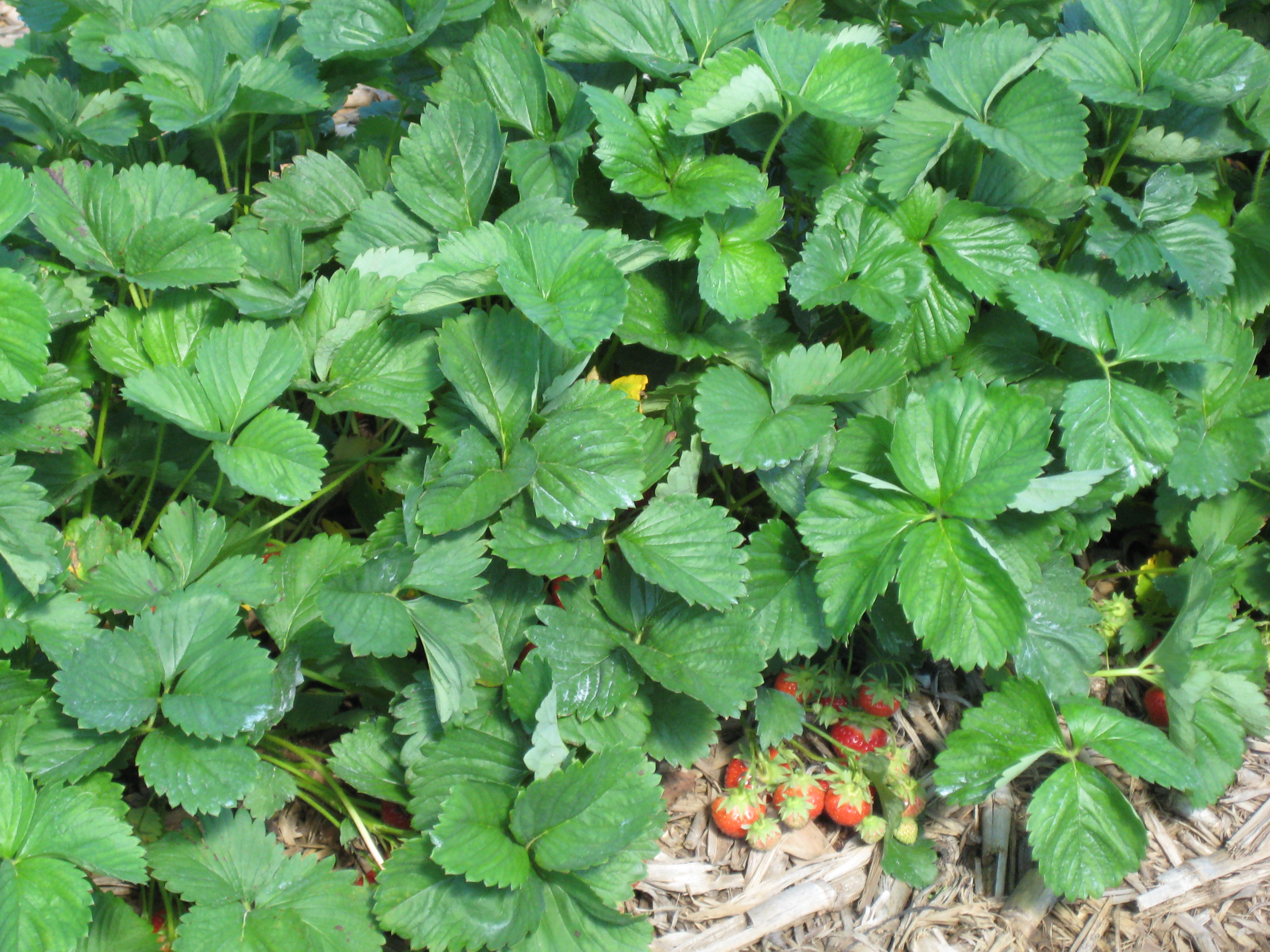
strawberry plants
Strawberry Plants (Source: Wikimedia Commons)

Her middle-aged granddaughter’s comments 100 years later:

Grandma apparently has—at least occasionally– been picking strawberries for money since June 10. I assume that a neighboring farmer paid her to pick them.

$4.00 would have been worth a lot more a hundred years ago than it is worth today. I wonder how Grandma eventually spent the money.

Poem

On the first day of every month Grandma included a poem in her diary entry.

Oops–Sometimes I Misinterpret a Diary Entry

17-year-old Helena Muffly wrote exactly 100 years ago today: 

Sunday, June 30, 1912:  Oh dear, June is my favorite month and here the last day is almost over. Went to Sunday School this afternoon. I received my Bible today, but haven’t got it yet, as my name was to be written in it, but I suppose I’ll get it next Sunday.

The old McEwensville Baptist Church that Grandma probably attended was located somewhere on the lot that contains this yard and house.

Her middle-aged granddaughter’s comments 100 years later:

I’m amazed how often I’m taken by surprise by diary entries. Today is one of those days.

Before I started this blog I read the entire diary.  I remember many of the “big” events in the dairy, but never noticed or don’t remember many of the smaller details.

Now I only work a day or so ahead—and sometimes realize that things weren’t exactly as I had thought.

Today I was surprised that Grandma still did not have her Bible.

Grandma memorized more than 700 Bible verses and the reward was a Bible. I had thought she’d received it on the first Sunday in June because she’d written on Sunday, May 26:

Went to Sunday School this morning. I’ve finished learned verses for my Bible which means I have learned the required number. I expect to get it next Sunday.

I now realize that she did not receive the Bible when anticipated—and she was  still waiting for it.

Old Lemonade, Iced Tea, and Currant Punch Recipes

17-year-old Helena Muffly wrote exactly 100 years ago today: 

Saturday, June 29, 1912:  Put the hammock up this morning after having quite a time with Ruthie. She’s my boss absolute. It’s gotten very hot now.

Photo source: Wikipedia

Her middle-aged granddaughter’s comments 100 years later:

Sisters!  Was the disagreement about the hammock or something else?

Grandma’s mother bought the hammock the previous day. With the weather turning hot—it sounds like she bought it at the perfect time.

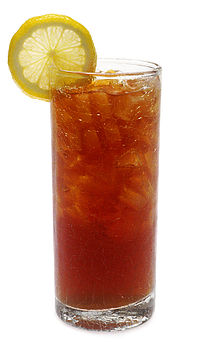
Laying in the hammock with a cool drink sounds like the perfect way to spend a hot summer day.

Here’s a couple recipes for cold drinks from a 1912 cookbook:

Lemonade

Boil two cups of sugar and four cups water until a rich sirup is formed. Add one cup lemon juice. Dilute with ice water.

Iced Tea

Make tea. Serve in glasses with crushed ice, with one tablespoon lemon juice in each glass.

Current Punch

4 cups currant juice

4 cups sugar

12 cups water

6 lemons

6 oranges

2 cups tea

Boil sugar and water five minutes; add tea, juice, lemons and oranges sliced, and a large piece of ice.

Lowney’s Cook Book (1912)

A Hammock!

17-year-old Helena Muffly wrote exactly 100 years ago today: 

Friday, June 28, 1912:  Mother went to Milton this morning. I had been talking hammock to her for the last couple weeks at least, and behold you when she came home if she didn’t have one.

Her middle-aged granddaughter’s comments 100 years later:

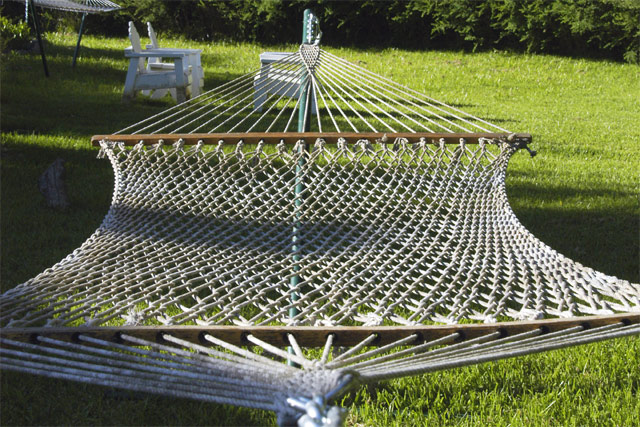
Awe–It would feel good to relax in a hammock right now.

Recent photo of a modern hammock (photo source: Wikipedia)

After all the work harvesting hay, it’s awesome that Grandma’s mother bought her something fun that she really wanted.

Based on the previous day’s entry, it seems has if hay harvesting was in full swing.  A hammock must have seemed like the perfect thing to relax in after a hot day of making hay.

An aside—I’m a little surprised that you could buy hammocks in rural Pennsylvania in 1912. Sometimes I tend to think that stores had fewer products than they actually had a hundred years ago.

Making Hay

17-year-old Helena Muffly wrote exactly 100 years ago today: 

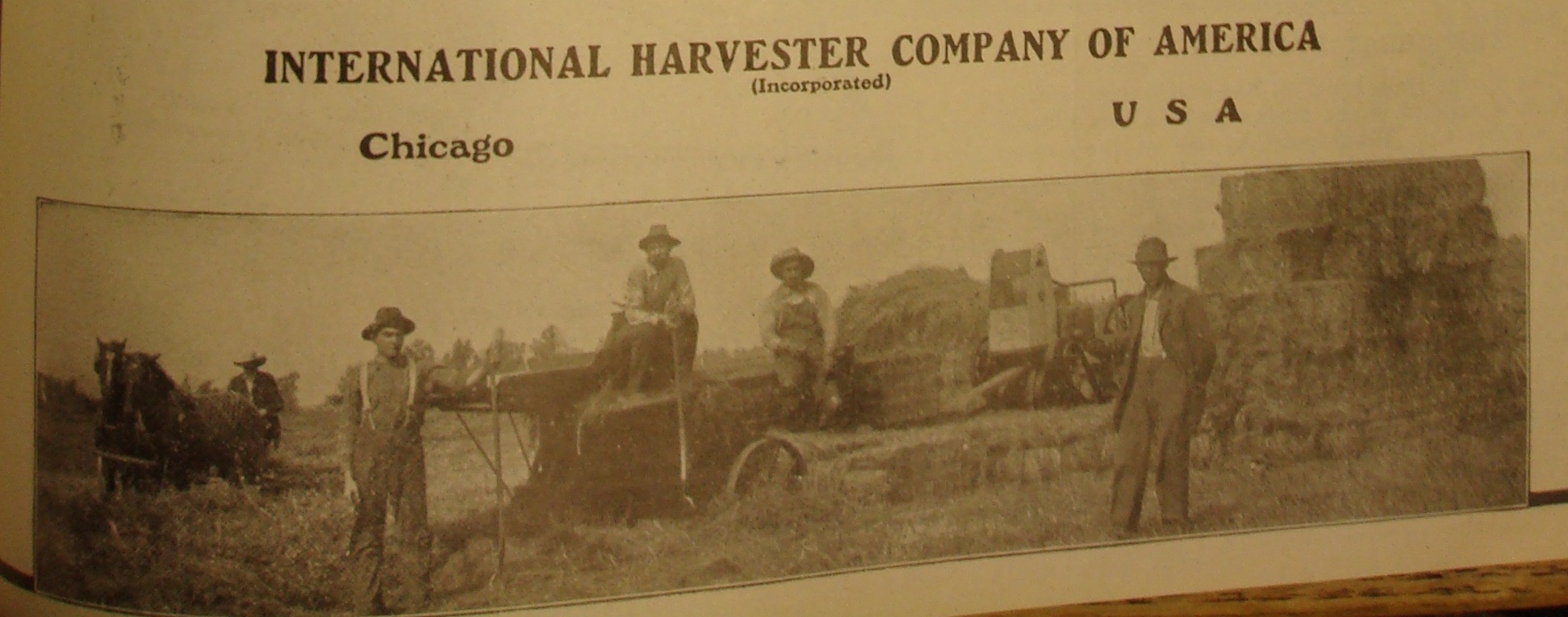
Thursday, June 27, 1912:  I worked all afternoon out in the hay field, and my hands which were bad enough now take on a deeper shade every day.

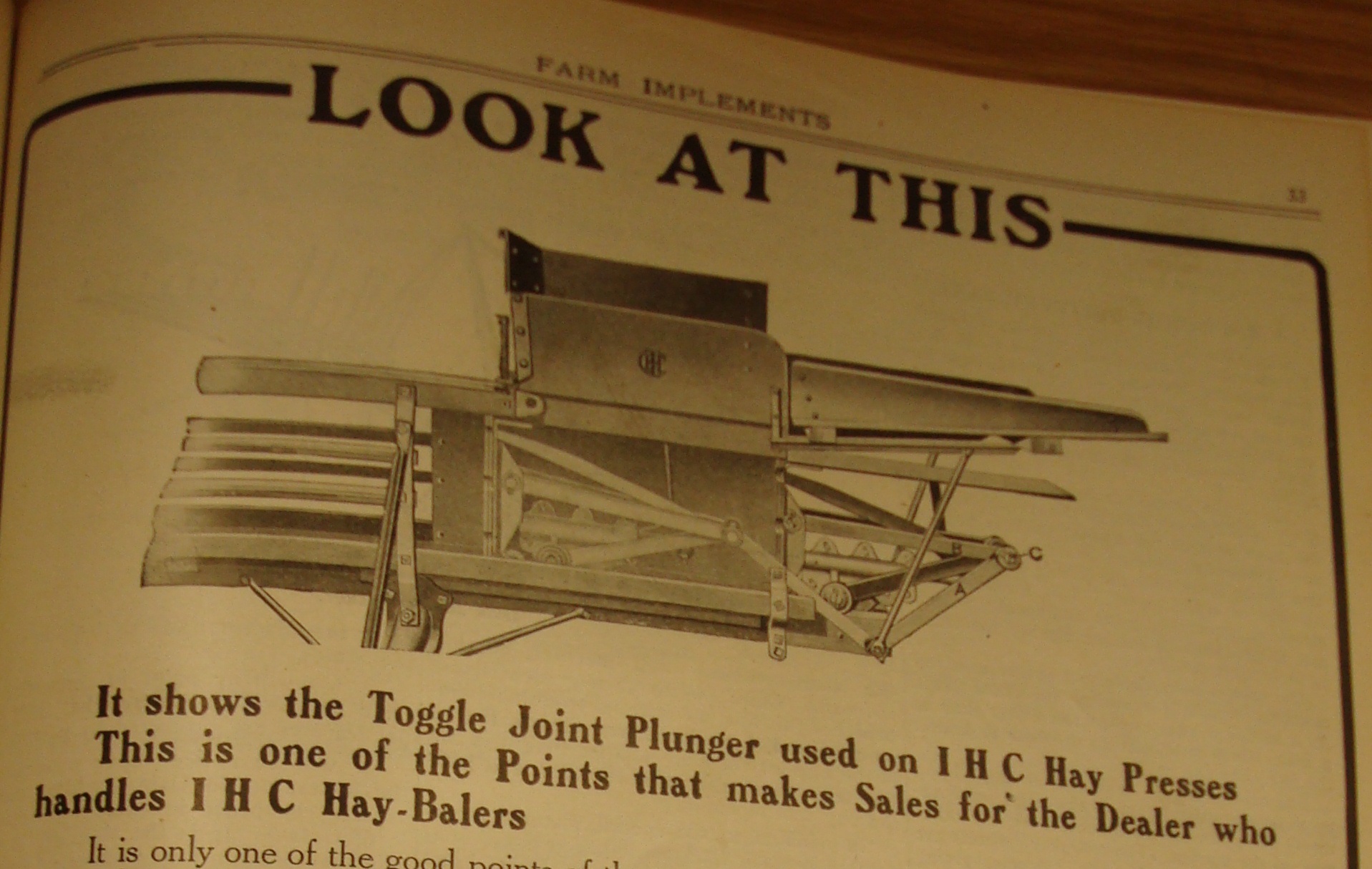
Click on photo to enlarge (Photo Source: Farm Implement Magazine: July 30,1911)

Her middle-aged granddaughter’s comments 100 years later:

Harvesting hay was  hot, dirty, hard work. The sun was hot. Horses needed to be led; hay needed to be lifted and stacked . . .

For a previous post on hay making, see Hay Pulleys and Ropes.

Source: Farm Implement Magazine (July 30, 1911)

A Chicken for Supper

17-year-old Helena Muffly wrote exactly 100 years ago today: 

Tuesday, June 25, 1912:  My Daddy gave me a lecture today. The cause was the killing of a hen whose death I might have prevented had I made more use of my eyes. We had her for supper.

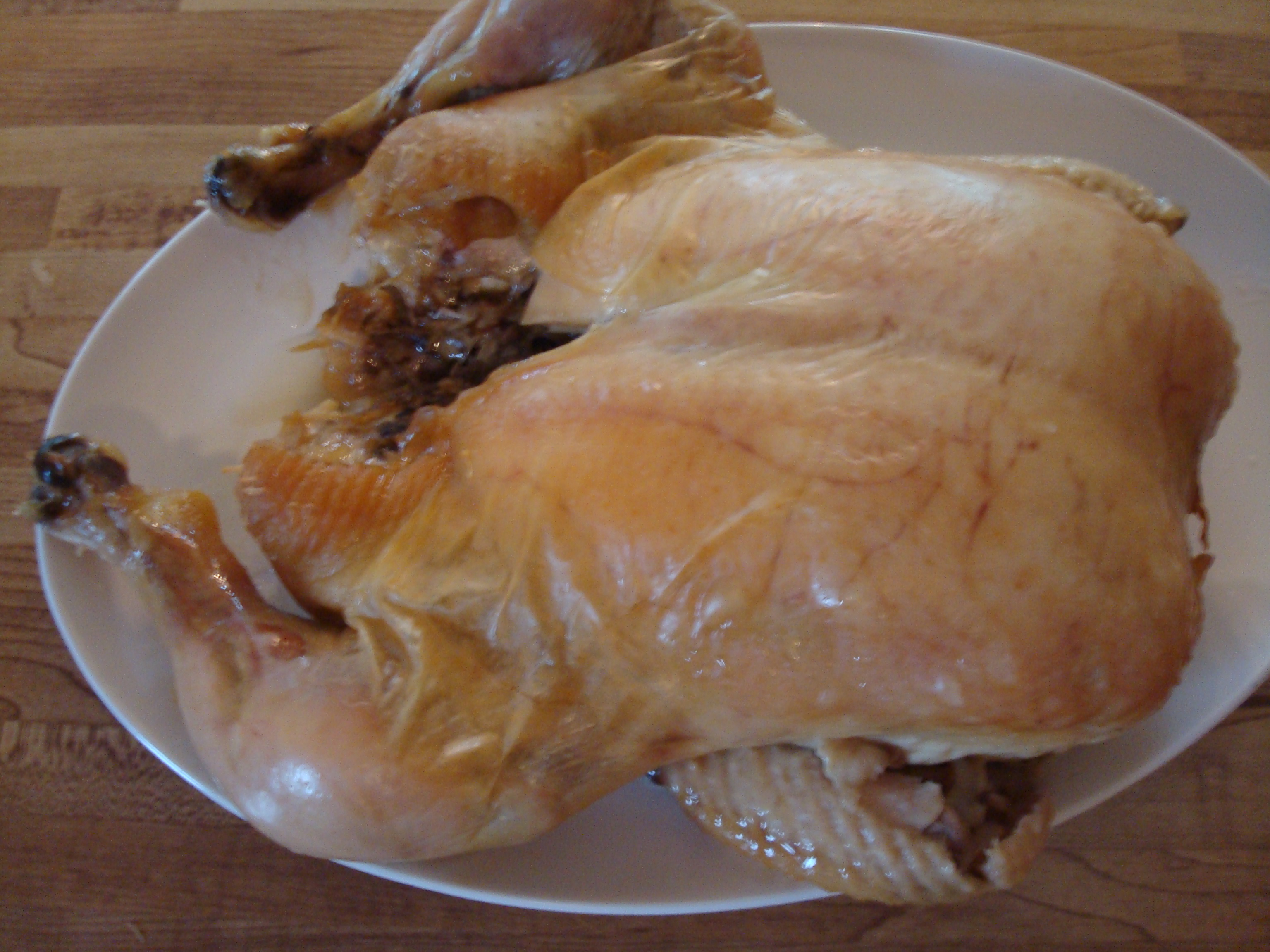
The chicken that we had last night for supper.

Her middle-aged granddaughter’s comments 100 years later:

What happened? How did Grandma not notice something that led to the death of a chicken?

I asked my father about this entry. He thinks that the chicken might have been injured by a dog.

In rural areas dogs often are allowed to roam free—and perhaps a neighbor’s dog wondered onto the Muffly farm and attacked a hen. Maybe Grandma didn’t notice the dog –or ignored it.

In any case chicken for supper sounds good—so good in fact that I decided to roast a chicken for dinner last night.

An aside—When my children were in soccer and little league, I often put a chicken or roast in the oven before games (as well as some baking potatoes)—and the meal would be ready to eat when we home.