Some things haven’t changed across the years. Both a hundred years ago and now, when people want to make a quick, easy, inexpensive dish, they sometimes reach for a can of Van Camp’s Baked Beans.
During these hot August days, I love light, refreshing desserts. And, I found a wonderful hundred-year-old recipe that fits the bill. Pineapple Bavarian Cream is delicious, and has just the right balance of sweetness and tartness,
Here is the original recipe:
Source: School and Home Cooking (1920) by Carlotta C. Greer
When I made the recipe, I used a little less water than called for in the original recipe because, when I make molded gelatin-based desserts, I tend to have problems with the mixture not getting firm enough.
Note: This recipe makes about 3 cups. I doubled this recipe when I made it because I wanted to use a 6-cup mold.
1 packet (0.25 ounce) of unflavored gelatin
1/4 cup cold water
1 small can (8 ounce) can of crushed pineapple
water
1/2 cup sugar
dash salt
2 tablespoons lemon juice
1/2 cup whipping cream
Place the cold water in a small bowl; then sprinkle the gelatin over the water. Let the gelatin absorb the water and soften for a few minutes.
In the meantime, drain the juice from the pineapple. Place the juice in a measuring cup, and add enough water to make it 1 cup. Place the pineapple juice and water mixture in a saucepan, and heat to boiling using medium high heat. Reduce heat to low. Add the softened gelatin, and stir until dissolved. Add the sugar and salt and continue stirring until the sugar is dissolved. Remove from heat, then stir in the lemon juice. Chill until the mixture just begins to thicken.
In the meantime, put the whipping cream in a bowl, and beat until soft peaks form.
Once the gelatin mixture has begun to thicken, stir in the crushed pineapple and then fold the whipped cream into the mixture.
Spoon into a 3-4 cup mold (or spoon into individual serving dishes or cups), and chill until firm (at least 4 hours).
To serve (if molded): Quickly dip the mold in hot water, then unmold onto serving plate.
Cooks have shared tips across the years. A hundred years ago Good Housekeeping magazine had a tips column called Discoveries. Readers could submit tips, and were paid one dollar for each tip that was used.
Here’s a tip for how to serve salads at a picnic:
Picnic Salad
When going on little picnic suppers – especially in a machine, where one eats by the roadside or in the car seat – individual paper drinking cups are most satisfactory as containers for salads. The salad may be packed in the individual paper cups and garnished attractively with a sprig of parsley in one side. They always call forth favorable comments and are not messy to handle and each person has his own portion easily handed out. – Mrs. R.H., D.C.
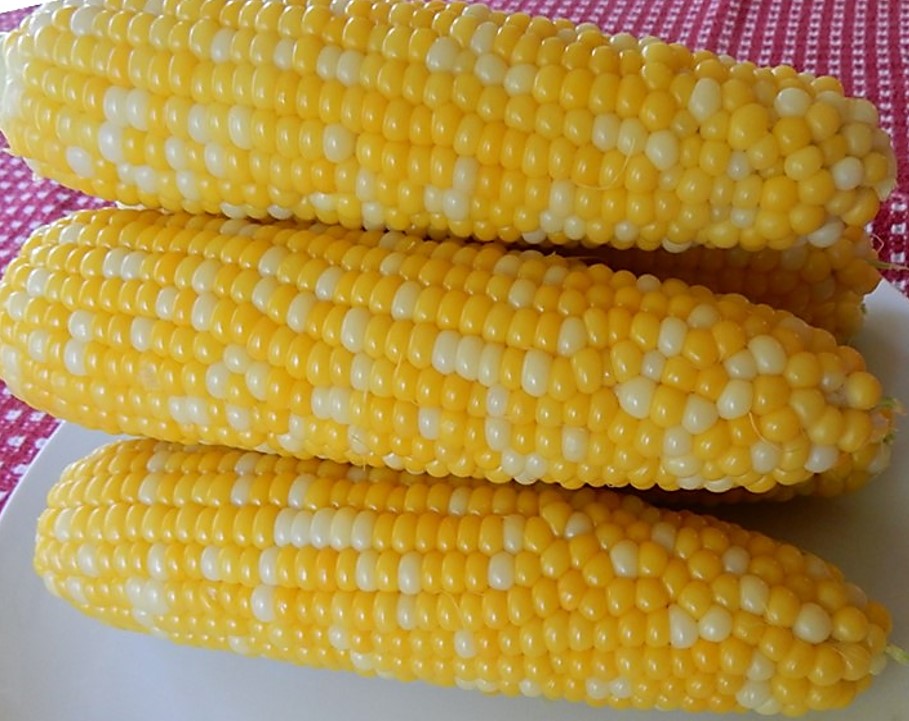
I see some very basic recipes (I tend to call them non-recipes) for simple foods in both modern and hundred-year-old cookbooks. Apparently both in 2020 and 1920 some cooks had simple questions – like how do you cook corn on the cob?
In 1920 corn on the cob was referred to boiled corn. And, here are directions for making it:
Source: The New Royal Cook Book (1920)
When I made the recipe I skipped the suggestion to put the Boiled Corn on a napkin. Somehow it just didn’t seem necessary – and it seemed like the napkin might get soaked from any water that dripped off the corn.
Husk corn and remove all silk. Fill large pot 2/3’s full with water. Bring water to a boil using high heat. Place husked corn in the boiling water, and boil rapidly for 5 minutes. Use tongs to remove the corn from the water.
Source: School and Home Cooking (1920) by Carlotta C. Greer
A hundred-years-ago many people used a coal stove for cooking. Here are directions in a 1920 home economics textbook for building a fire in the stove:
Fire Building in a Coal Range
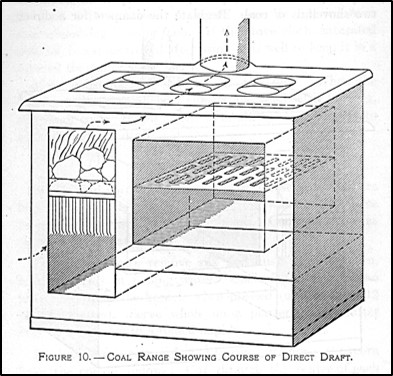
It is necessary to have the fire box, ash pan, and other parts of the stove clean before building a fire. After cleaning, place a generous layer of loosely crumpled paper over the bottom of the fire box, then about four layers of kindling wood, placed so that there are air passages between the pieces, and on top of the wood put two shovelfuls of coal. Regulate the dampers for a direct draft, replace the stove lids, and brush the surface of the stove.
Before lighting the fuels, polish the range in the following manner:
To the nickel of the stove apply whiting and ammonia or any satisfactory metal cleaner.
To the iron of the stove apply oil. Light paraffin oil may be used for this purpose. Apply the oil with cotton waste, or a soft cloth. (Care should be taken not to apply an excess of oil.) Polish with soft cotton or woolen cloth. One should remember, however, that oils must be used with caution. It should never be applied to a stove containing burning fuels. If the stove cloth, saturated with oil, is not destroyed after using, it is well to keep it in a covered tin can or stone jar.
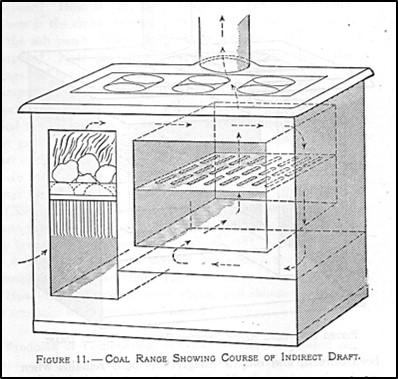
After polishing the stove, light the fuels. When the wood is reduced to glowing embers and the coal is burning, add more coal. If this burns well, change the dampers to make an indirect draft.
School and Home Cooking (1920) by Carlotta C. Greer
Source: School and Home Cooking (1920) by Carlotta C. Greer
The direct draft makes it easier to get the fire started, but once it is burning well, the damper is changed to allow the hot air to circulate throughout the oven and cook the food.
I’ve never used a coal stove so I have little knowledge of this topic – yet the order of steps didn’t seem right to me. I understand that the only time that the fire is typically allowed to go out is when the stove is cleaned – but why are the paper, kindling wood, and coal arranged in the stove prior to polishing the stove’s surface? I would think that all cleaning and polishing should be completed before putting the paper, wood, and coal into the stove – but I’m probably missing something. Does anyone know whether the steps in old book are the typical order for preparing a stove for lighting?
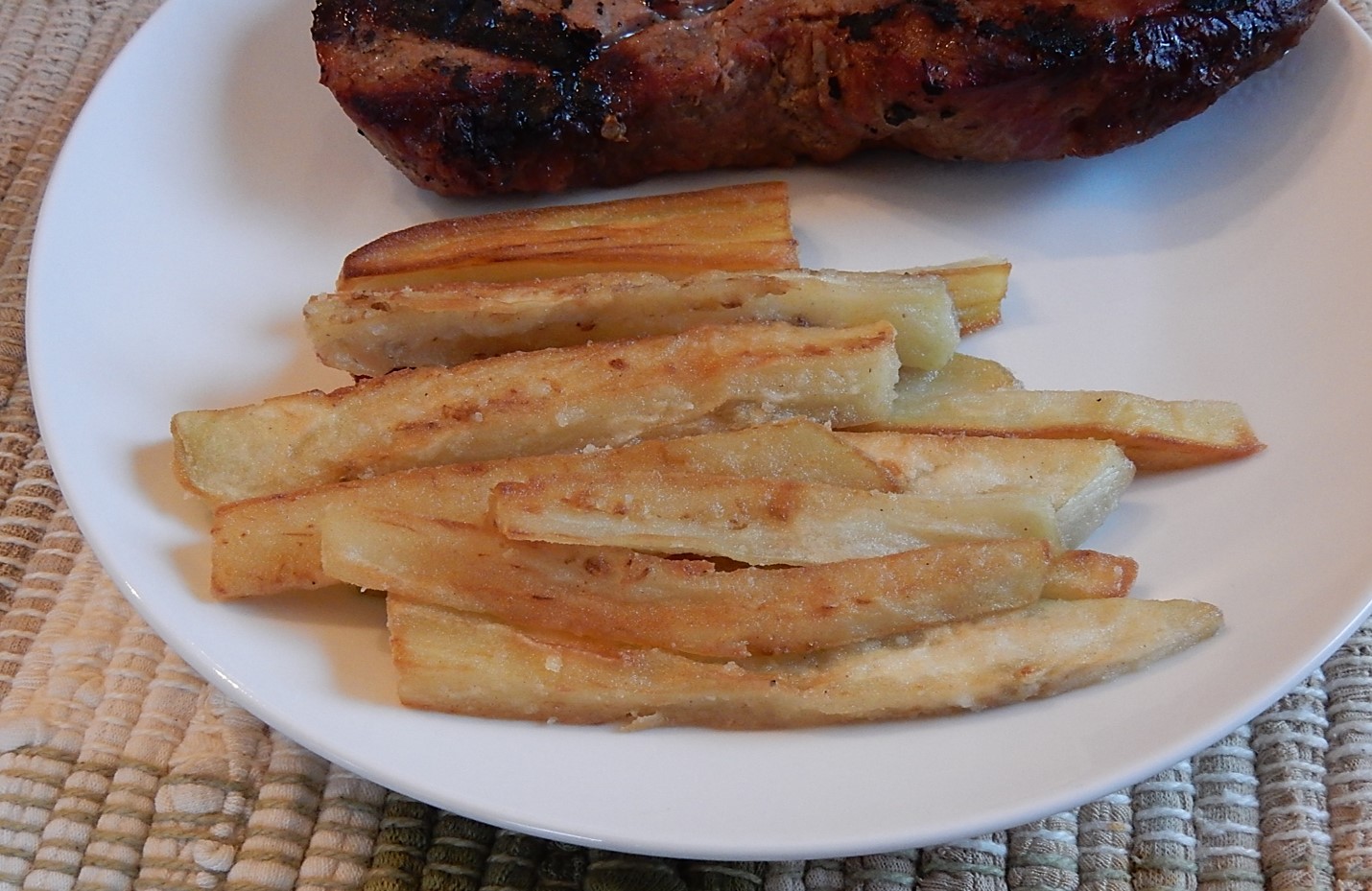
Peel eggplant, and cut into strips approximately 4 inches long, and 1/2 inch thick and wide. Sprinkle with salt and pepper. Put the flour in a shallow bowl, then roll the eggplant strips in the flour.
Heat 1/2 inch of shortening or oil in a large frying pan until hot. Place the floured eggplant strips in the pan in a single layer. Depending upon pan size, the eggplant strips may need to be cooked in several batches. Fry for about two minutes or until the bottom side of each piece is lightly browned, then gently turn and fry until the other side is browned. Remove from pan and drain on paper towels. Serve immediately.
When I saw this hundred-year-old advertisement for Mapleine, my first thought was – Is this product still made? I thought that I had a vague memory of seeing Mapleine in the spice and extract section at the supermarket, but wasn’t sure.
Well, the answer is yes. It is still made. Mapleine has been around since 1908. According to Wikipedia, Mapleine was even part of a court case:
An early enforcement action of the United States Pure Food and Drug Act in 1909 concerned a shipment of Mapleine confiscated in Chicago. The case was “United States of America v. Three Hundred Cases of Crescent Mapleine” in which it was found that the product was misleadingly labeled to represent actual maple extract. The case was cited as a precedent for the United States Supreme Court 1916 decision in United States v. Forty Barrels and Twenty Kegs of Coca-Cola.
By 1920, the Crescent Company, which made Mapleine, clearly knew that advertising needed to make it clear that Mapleine did not actually contain maple syrup. The advertisement says it is a “pure vegetable flavoring” – though I’m not exactly sure what that means.




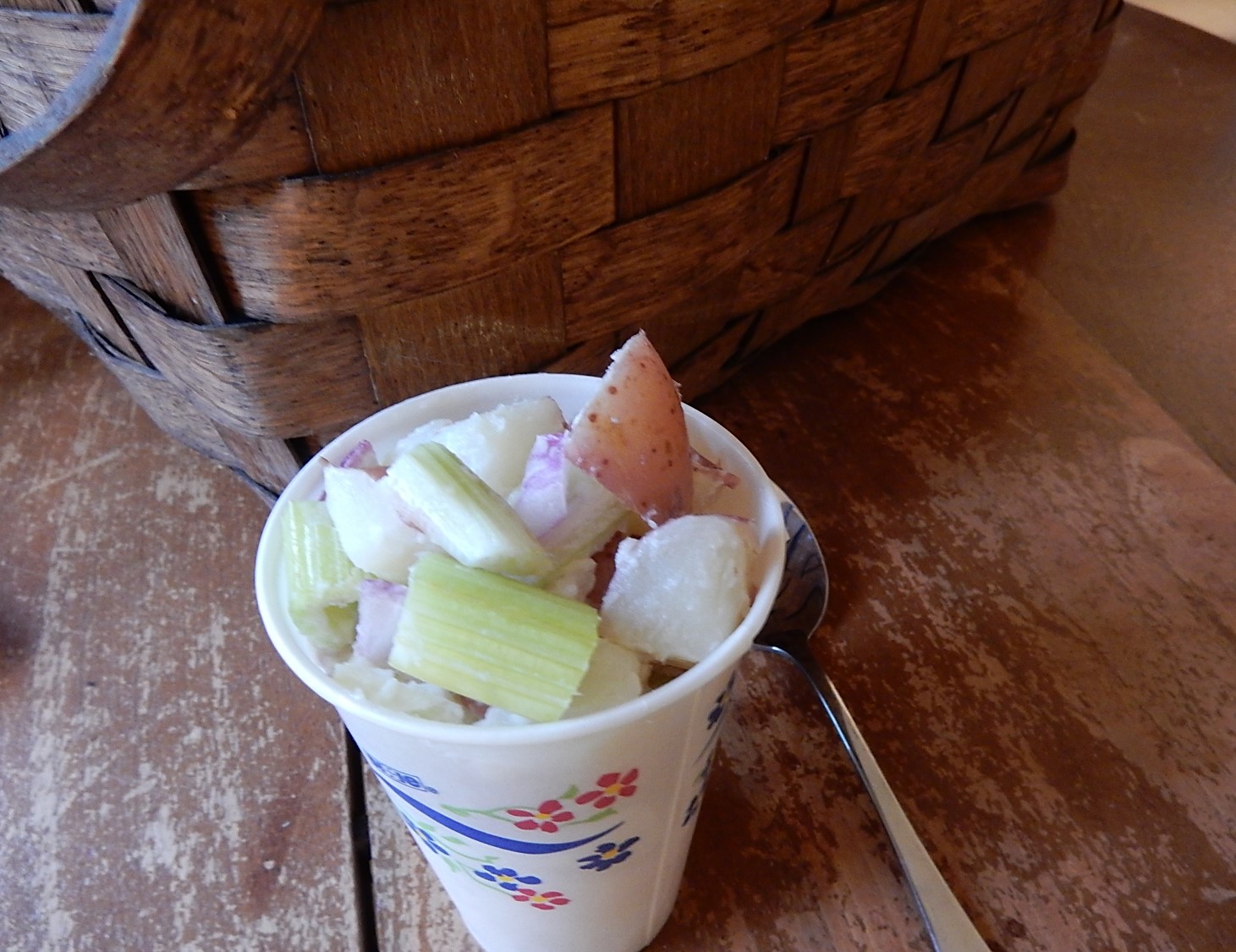 Cooks have shared tips across the years. A hundred years ago Good Housekeeping magazine had a tips column called Discoveries. Readers could submit tips, and were paid one dollar for each tip that was used.