Book Reviews: Ethan Frome and The Rosary

16-year-old Helena Muffly wrote exactly 100 years ago today:

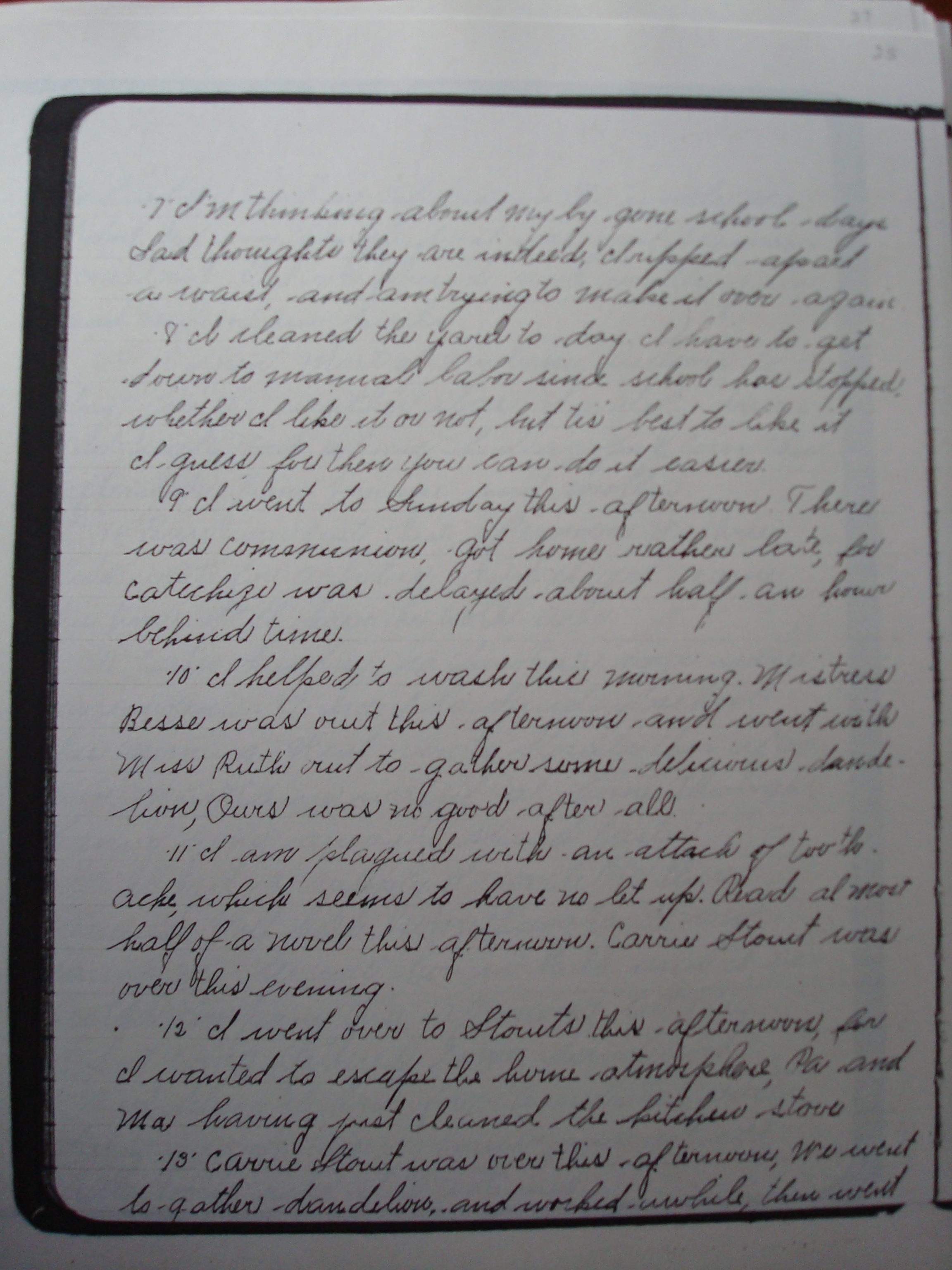
Tuesday, April 11, 1911: I am plagued with an attack of toothache, which seems to have no let up. Read almost half of a novel this afternoon. Carrie Stout was over this evening.

Her middle-aged granddaughter’s comments 100 years later:

Wikepedia has the Publisher’s Weekly list of best selling novels in the US in 1911 and Goodreads has a list of  books published in 1911 that are still popular. The lists are very different—many of the bestsellers were written by authors I’ve never heard of –and some of the books that have stood the test of time were sleepers a hundred years ago.

Recently I’ve read one book from each list:

1911 best seller: The Rosary by Florence Barclay

1911 book that has stood the test of time: Ethan Frome by Edith Wharton

Edith Wharton explores the confines of social norms in Ethan Frome, while Florence Barclay in The Rosary examines the role of physical perfection/imperfection in the development of love.

Ethan Frome is set in rural New England in the middle of a dismal winter, while The Rosary is about the upper class in England and much of the story takes place during the summer. Both books are love stories—though The Rosary is about an improbable couple that successfully navigate lots of obstacles (some of which they bring upon themselves), while Ethan Frome is about star-crossed lovers and ends in tragedy.

Improbable accidents occur in both novels—a sledding accident in Ethan Frome and a hunting accident in The Rosary—which  may or may not work to move the plot forward.

Ethan Frome

Most of the story is told during a very long flashback. This book is about a man who was stuck in a loveless marriage to a woman who was a semi-invalid. His wife’s cousin, Mattie, comes to help—and Ethan really falls for her. From the dreariness of the setting to the hopes of the star-crossed lovers, it is obvious from the first page that there is not going to be a happy ending to this story. But I absolutely loved this book and couldn’t put it down. Edith Wharton knows how to tell a story that made me want to turn each page—and I read the entire book in one afternoon.

The Rosary

The Rosary is about Garth, a famous artist, who is the most eligible bachelor in his social circle. All of the woman are chasing him, but he falls in love with Jane, who is the plainest woman in the group (Is this where Plain Jane comes from?). Garth asks Jane to marry him, but she turns him down because she thinks that he feels sorry for her. Then Garth is blinded when he is shot while trying to protect a rabbit from hunters. (I’m amazed that in a pre-PETA era that there was this level of interest in protecting little animals from hunters.)

After the accident Jane wants to tell Garth that she’ll marry him, but knows that he won’t marry her because he’d think that she now feels sorry for him. So she pretends to be a nurse and gets a job caring for the blinded artist.

Garth falls in love with his nurse, but Jane realizes that she can’t tell who she really is since she lied to him and thinks it would anger him if he knew she’d lied.

After lots of twists and turns Garth finds out the truth, and still wants to marry Jane. They marry and live happily ever after.

If Grandma happened to read one of these books I’d guess that it would have been The Rosary. I can imagine a teen who worried about her looks reading and enjoying this book. The targeted reader age is probably somewhat older for Ethan Frome even though it is set in a rural area that Grandma may have been able to relate to.

Creamed Dandelion Recipe

16-year-old Helena Muffly wrote exactly 100 years ago today:

Monday, April 10, 1911: I helped to wash this morning. Mistress Besse was out this afternoon and went with Miss Ruth out to gather some delicious dandelion. Ours was no good after all.

Her middle-aged granddaughter’s comments 100 years later:

Dandelion! Grandma’s diary entry reflects that excitement that fresh dandelion generated.

Dandelion, endive, and other bitter greens used to be considered a spring tonic. People traditionally had a very limited selection of foods during the late winter months, and they really looked forward to eating fresh greens in the spring.

When I was a child we often ate creamed dandelion served over mashed potatoes in the spring. I remember older relatives saying that they felt healthier after eating spring greens.

I seldom make creamed dandelion, but often make creamed endive.  Endive tastes similar to dandelion, but it isn’t quite as bitter.

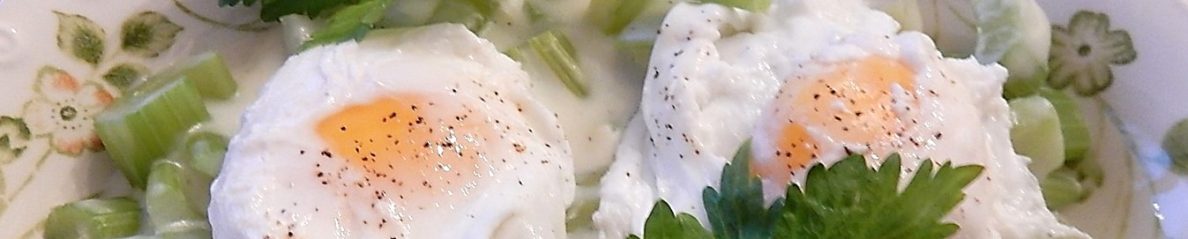
CREAMED DANDELION (ENDIVE)

4 cups dandelion (or endive)

3 slices bacon, chopped

1 1/2 tablespoons flour

1 heaping tablespoon sugar

2  tablespoons vinegar

1 cup milk

Mashed potatoes, if desired

Wash dandelion and tear into pieces; set aside.

Cut bacon into pieces and fry until crisp in a large skillet. Stir in flour, sugar, and vinegar. Gradually stir in milk; heat until bubbly using medium heat. Reduce heat to low; stir in dandelion and cover for 1 minute. Remove lid and stir until wilted. Delicious when served over mashed potatoes.

Church Activities

16-year-old Helena Muffly wrote exactly 100 years ago today:

Sunday, April 9, 1911: I went to Sunday school this afternoon. There was communion. Got home rather late for catechize was delayed about half an hour behind time.

Her middle-aged granddaughter’s comments 100 years later:

Based upon this entry it sounds like Grandma participated in three distinct activities at church—Sunday school, a catechism class that was preparing her to join the church, and the mention of communion suggests that she also attended the main church service. I’m surprised that Sunday school was held in the afternoon. Maybe there were several churches in the parish and the minister rode the circuit between them, with some services being held in the afternoon.

Manual Labor–‘Tis Best to Like It

16-year-old Helena Muffly wrote exactly 100 years ago today:

Saturday, April 8, 1911: I cleaned the yard today. I have to get down to manual labor since school has stopped, whether I like it or not, but tis best to like it. I guess for then you can do it easier.

Recent photo of home Grandma lived in when she was writing this diary. She would have been cleaning this yard.

Wedding Pranks

16-year-old Helena Muffly wrote exactly 100 years ago today:

Friday, April 7, 1911: I’m thinking about my by-gone school days. Sad thoughts they are indeed. I ripped apart a waist, and am trying to make it over again.

Her middle-aged granddaughter’s comments 100 years later:

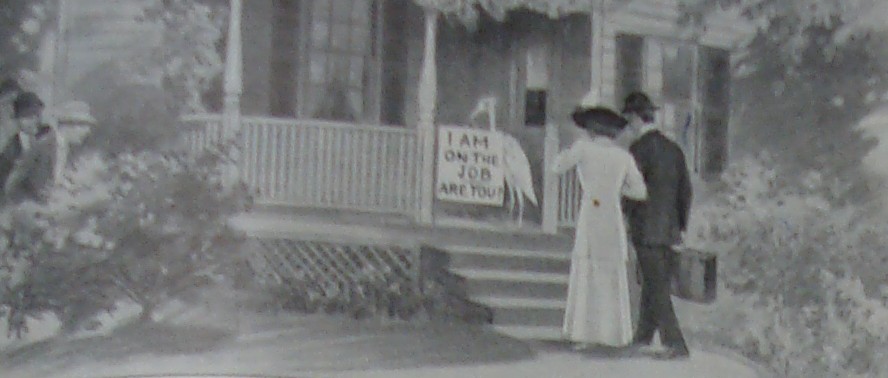
Drawing in April 15, 1911 issue of Ladies Home Journal. The sign the stork is holding says, "I am on the job. Are you?"

It sounds like Grandma was feeling a bit of post-event sadness. School was finished  for the summer (Whew, won’t kids like to get out of school this early now?), and all of the big events of yesterday were all over. I wonder it anyone pulled any pranks on the wedding couple yesterday?

According to the January 1, 1911 issue of Ladies Home Journal:

Merrily go on the antics of the vulgar and the ill-bred at weddings. The houses of the newly-married are covered with signs,; the throwing of rice injured not fewer than sixteen couples last autumn; carriages are labeled with offensive signs; modest young brides are presented at their wedding feasts with a stork bearing a baby with an attached sign: ‘Not yet, of course, but soon’; trunks are bedecked with suggestive inscriptions—in short, marriage is made a farce.

And parents stand idly by, saying complacently: “Oh, it’s all innocent fun—let the young people have their nonsense!” And these same parents go back to their evening lamps and read about and deplore the tendency to unhappy marriages: they see no connection between the laxity of the marriage tie and a laxity of the sacredness that should surround two persons at the very outset of the founding of a home!

————-

I’m amazed that Grandma knew how to ‘make over’ a waist (an old term for a shirt or blouse). Maybe she was changing the neckline . . . or making the fit a bit snugger . . . or changing the sleeve style or length.

If I ever took the seams out of one of my shirt I’d be totally clueless how to proceed to end up with a wearable, updated shirt.

It’s funny how disposable clothes have become. A hundred years, clothing was costly and people really tried to get as much wear out of each outfit as possible by making over outfits so that old clothes would still look stylish.

Last Day of School, Graduation Ceremony, and a Wedding

16-year-old Helena Muffly wrote exactly 100 years ago today:

Thursday, April 6, 1911: A warm spring day today it was. We had our second annual picnic out on the school ground. Oh my what fun we had. This afternoon I helped to carry flowers to the church. Alas the afternoon soon passed. When I got home, I had to hurry and get my work done in time to go to the commencement. I had to take my Mamma along, so that impeded my progress somewhat. After commencement came the wedding of Edith and Harry. It was the first one I was ever present at. Well, I guess about all I anticipated was realized. I can hardly believe I can only see him so seldom now even if the distance is short when I used to see him so often.

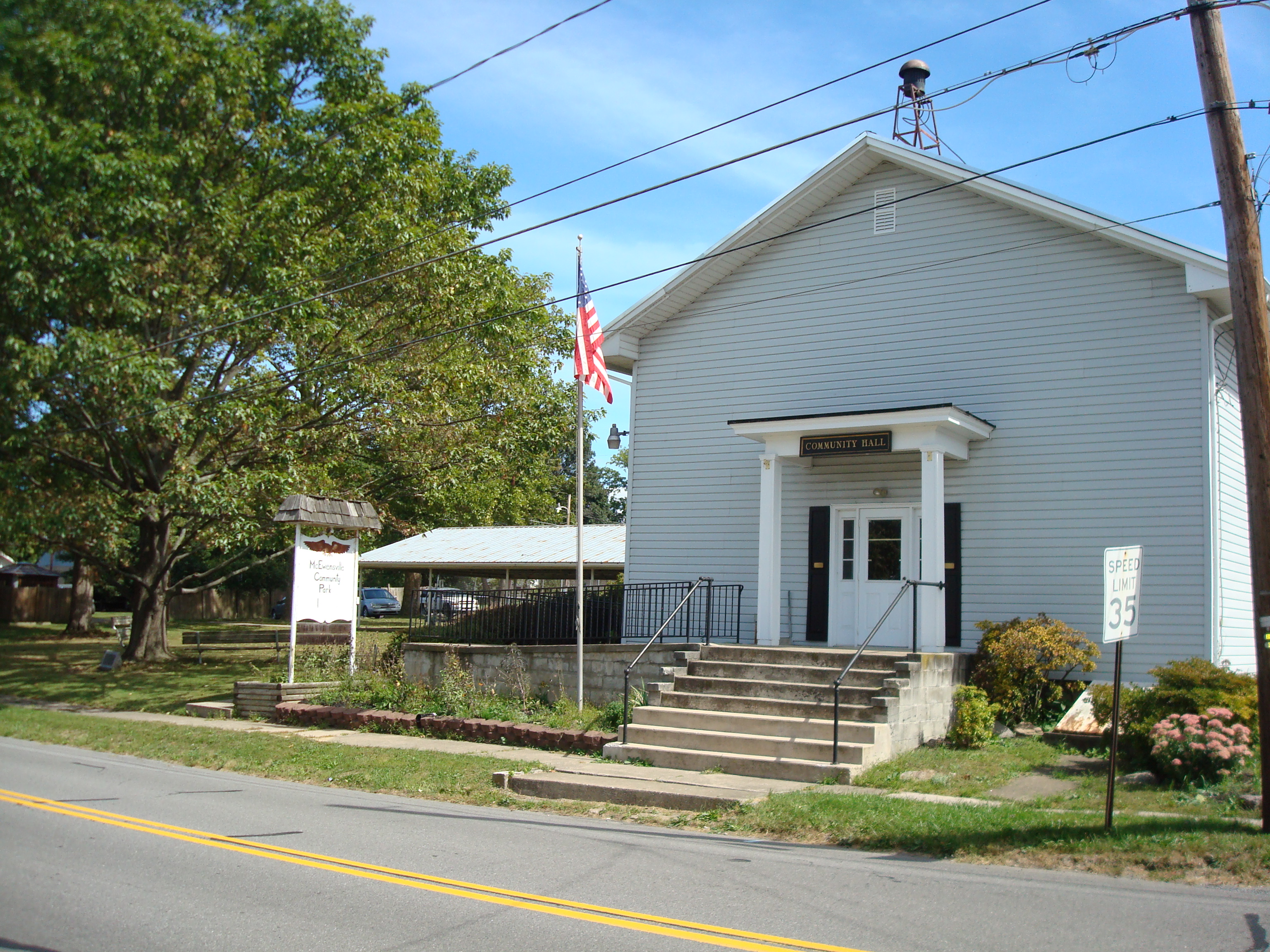
2010 photo of McEwensville Community Hall. The community hall has a stage that  probably was the site of the graduation.

Her middle-aged granddaughter’s comments 100 years later:

Whew, what a day! The last day of school, the annual school picnic (I wonder if people liked Grandma’s fudge.), Grandma’s sister’s high school graduation ceremony. . . .and A WEDDING (with farm chores somehow squeezed in between the picnic and the graduation ceremony).

It sounds like Grandma’s friend Edith graduated from high school and then a few minutes later got married. I’m amazed how compressed these two activities were. Was there a break, with people perhaps moving from the Community Hall to a church?

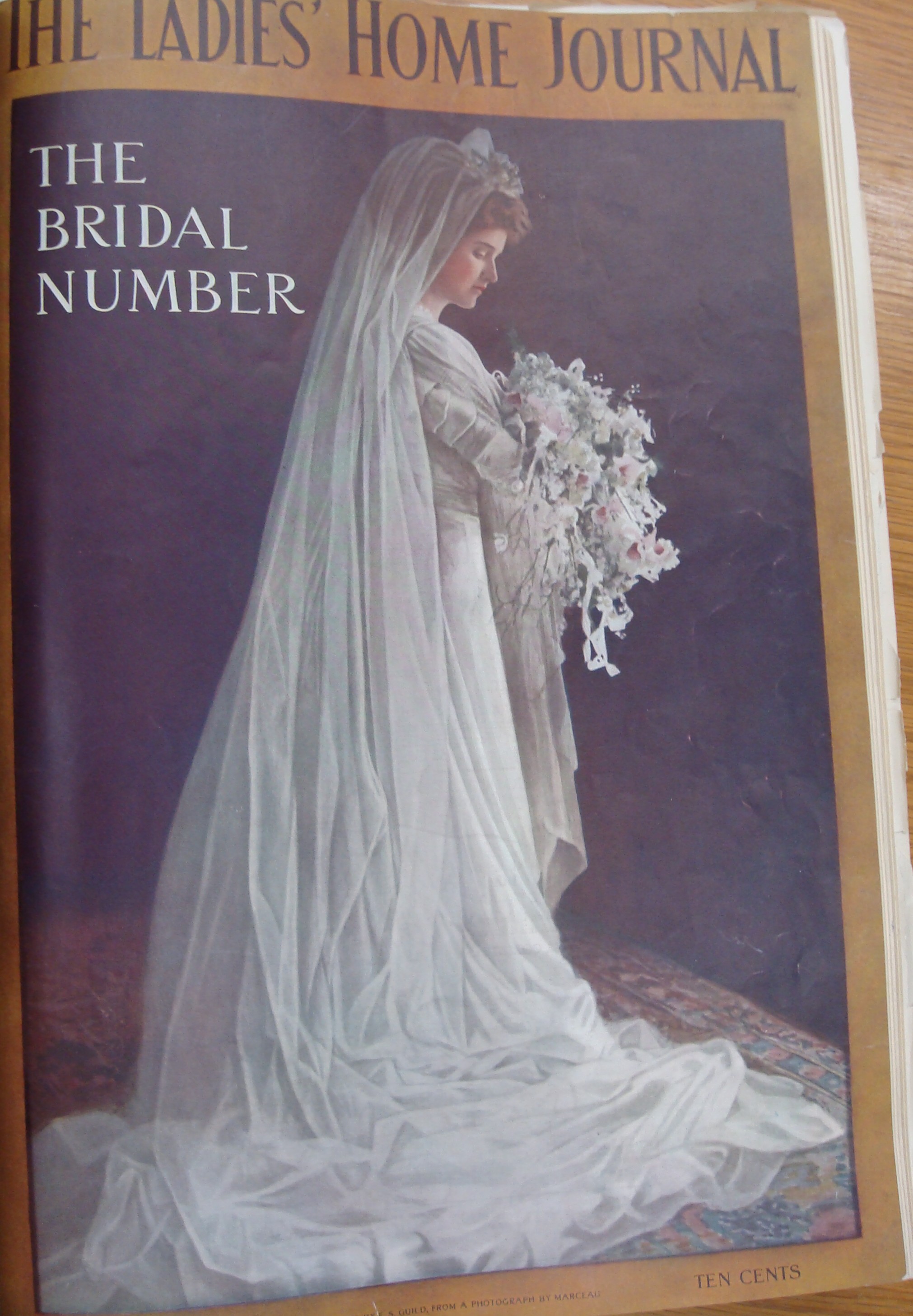
Cover of Ladies Home Journal, April 15, 1911

Did Edith change into a wedding gown following the graduation ceremony—or did she just wear the same clothes that she’d wore at graduation?

And, what did Grandma mean when she wrote, “I can hardly believe I can only see him so seldom now even if the distance is short when I used to see him so often”? It sounds like she had a crush on someone at school. Who? One of the graduating seniors?  . . .a classmate?

There’s a lot of information in today’s diary entry.

Another. . . hmm . . . I wonder why . .

Grandma’s older sister Besse was married prior to the time that Grandma kept this diary.  But Grandma says that Edith’s wedding was the first wedding  she’d ever attended. I wonder why Grandma hadn’t attend her sister’s wedding. Might Besse have eloped?

1911 Chocolate Fudge Recipes

16-year-old Helena Muffly wrote exactly 100 years ago today:

Wednesday, April 5, 1911: But now I have changed my opinion. I believe I will have a good time tomorrow. I assisted my sister in making chocolate fudge tonight.

Her middle-aged granddaughter’s comments 100 years later:

I found two recipes for chocolate fudge in a 1911 cookbook:

Fudge

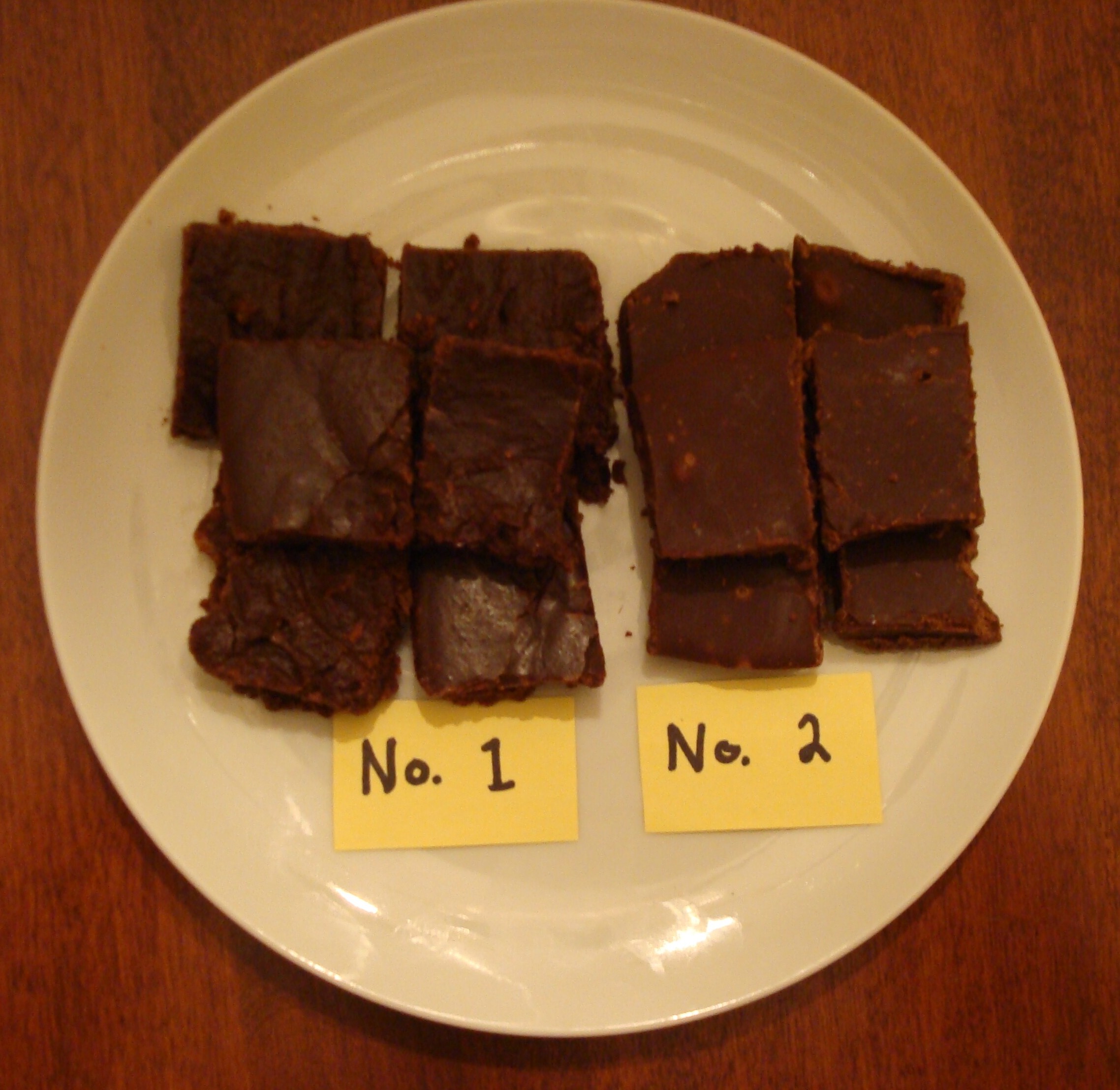
Chocolate Fudge, No. 1—Three cups sugar; one cup cream or rich milk; one-half cake of chocolate and piece of butter the size of an egg. Boil slowly until grains form on the edge of the kettle. Add a tablespoon of vanilla and beat vigorously for a few minutes. Pour into a buttered pan and mark off in squares.

Chocolate Fudge, No. 2—Two cups brown sugar; one-half cup of butter; one-half cup of milk; one-fourth cup of molasses. Boil ten minutes. Then add two squares of chocolate and boil three minutes longer. Beat until thick, adding a teaspoon of vanilla.

The Butterick Cook Book: With Special Chapters About Casserole and Fireless Cooking (1911) by Helena Judson

I decided to make both recipes—and then have a taste-testing to see which was better. First I ‘translated’ the recipes into modern terms. For recipe No. 1, I guessed that a cake of chocolate was 1/2 pound of unsweetened chocolate and that the recipe therefore was calling for 1/4 pound of chocolate (4-one ounce squares).

I decided to use 1/4 cup of butter for ‘butter the size of an egg’. I used heavy whipping cream for the cream or rich milk.

And, I decided that ‘beating’ within the context of 1911 probably meant stirring rapidly with a spoon.

Before pouring each mixture into a buttered pan to cool, I divided the mixtures into half and added chopped walnuts to one half.

After the fudge hardened I conducted a taste test with readily available people (in other words, with my husband).

Both recipes made acceptable fudge—though Recipe No. 1 tasted more like the fudge we typically eat today. Recipe No. 2 had interesting complex undertones from the molasses—which seemed a bit strong in the plain fudge, but when we compared the fudges that contained the walnuts—the molasses really complemented the taste of the walnuts.

If any of you are hungry for some old-fashioned sweets, I’d encourage you to try these recipes.—And, let me know if you translated these recipes for modern cooking differently than I did, and whether you preferred recipe No. 1 or No. 2.