Remodeling Sister’s Extra Petticoat

16-year-old Helena Muffly wrote exactly 100 years ago today: 


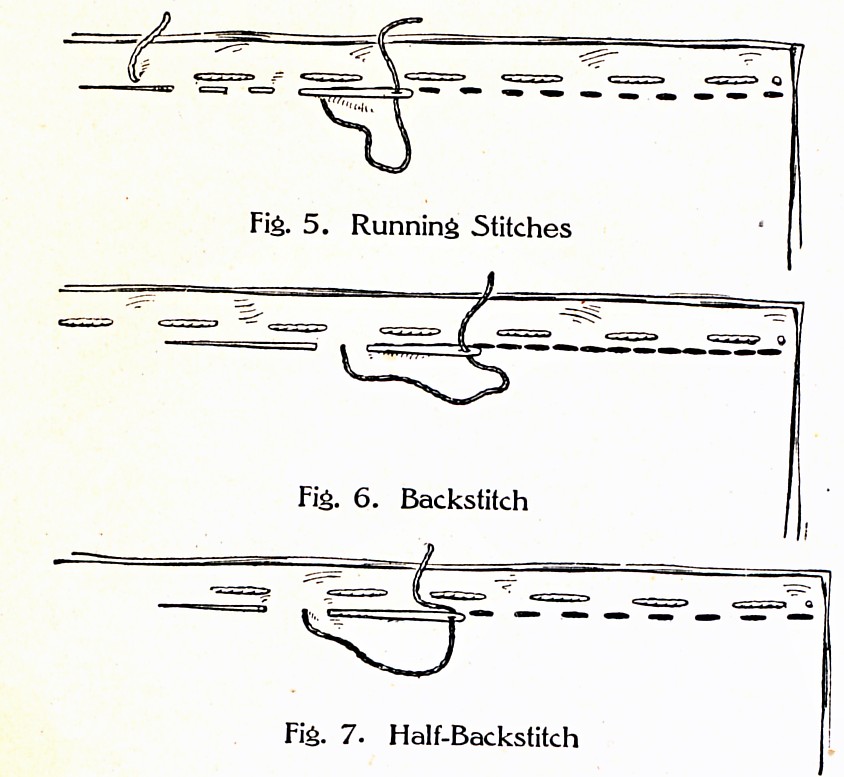
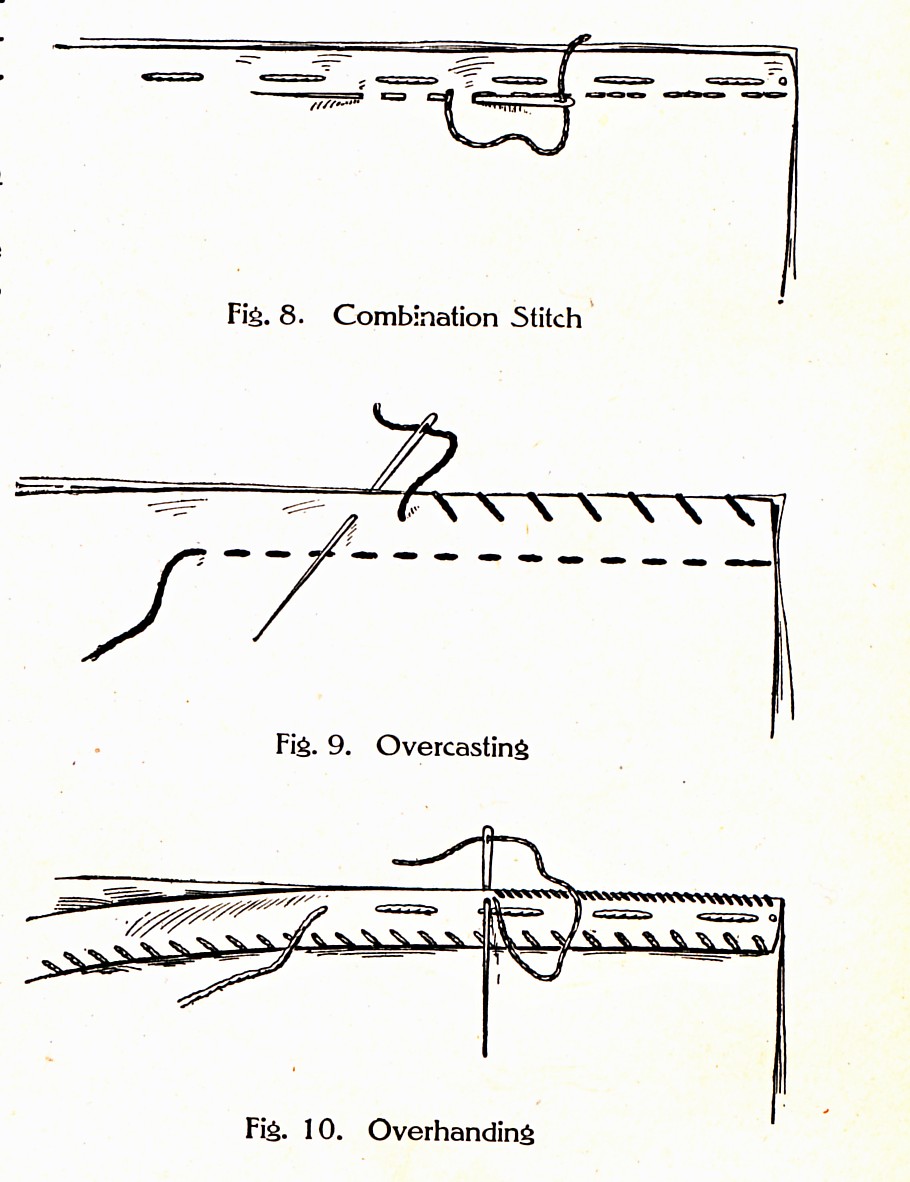
Saturday, November 4, 1911: Did some sewing this afternoon, fixing over a black petticoat which once belonged to Ruth. Seeing she had four and I none, she was so benevolent as to donate me the fourth.

Source of photos: The Dressmaker (Butterick Publishing Co, 1911)

Her middle-aged granddaughter’s comments 100 years later:

Ah, this entry so aptly conveys the complex relationship between Grandma and her older sister Ruth.

I wonder what changes needed to be made to the petticoat. Was it torn?—Or maybe Grandma was shorter  (or taller). . . or heavier (or thinner) than her sister.

Colleges and Public Service a Hundred Years Ago

16-year-old Helena Muffly wrote exactly 100 years ago today: 

Friday, November 3, 1911: Nothing very much doing today. Didn’t get any of my lessons out this evening. I wasn’t in a very studious mood.

Her middle-aged granddaughter’s comments 100 years later:

Grandma  so often worried about school—though she often seemed to not quite get around to studying. I wonder if Grandma ever considered going to college after she graduated from high school.

I suppose college seemed beyond the realm of possibilities to a farm girl in rural central Pennsylvania a hundred years ago. Less than 3% of the people were college graduates back then—and the rate would have been much lower than that for women.

There was an article in the November 6, 1911 issue of Youth’s Companion about why men—the article didn’t mention women—attended college.

Excerpts from

The College in the Service of the Nation

by

Arthur Twining Hadley (President of Yale University)

The American college serves the nation in three conspicuous ways: first, by training men for public office; second by establishing standards of professional success in private business which lead men to do what the public needs, instead of trying merely to make money for themselves; third, by promoting the search for the truth and the spirit of discovery and invention that are necessary for national progress. . .

When we think of public service, we naturally think of these meanings. So did the founders who established the earliest colleges. The founders of the collegiate school at New Haven [Yale] stated in the charter of 1701, that it was the purpose of their institution to fit youth for employment in church and state. . .

Every man, whatever his business can conduct it in such a way as to serve the public. The lawyer who pleads in the courts ought to be doing the same sort of service to the public as the judge who decides the cases. The physician can render and ought to render the same service in providing for public health that the watchman or the signalman provides for public security against accidents.

Any business however simple in its character, where a man thinks first of the work that he is doing and only secondarily of the pay that he is going to get deserves the name of profession.

One of the most valuable things that our colleges can do is to emphasize this ideal of public service, so that the professional element will count for more in men’s lives and the trade element will county for less.

A third way in which our colleges can render public service is by keeping alive the spirit of exploration and discovery-the spirit which leads men to test new methods of action and to pursue new lines of truth. I believe that this is the most important and necessary service of all.

So far as our colleges teach their students the love of pursuing truth for truth’s sake, without regard to the material reward, they fulfill their highest and most necessary duty in the service of the nation.

What Is Rhetoric?

16-year-old Helena Muffly wrote exactly 100 years ago today: 

Thursday, November 2, 1911: Am now taking up the study of Rhetoric, so if my English is not all together proper now is the time to expect a change for the better.

Recent photo of building that once housed McEwensville High School.

Her middle-aged granddaughter’s comments 100 years later:

Rhetoric is the art of writing and speaking. It includes the study of writing rules. I found a 1911 Rhetoric textbook and it includes sections on proper sentence structure (no dangling participles!) and punctuation (sentence structure must be understood to punctuate correctly!).

Oh dear—my English probably is not all together proper . . .

The Girl’s Part: The Story of the Mines

16-year-old Helena Muffly wrote exactly 100 years ago today: 

Wednesday, November 1, 1911:

November, hastening before the fool steps of winter,

Brings back the stark realities of life.

It is not all the cup of brimming pleasure.

That crowns the triumph of a common strife.

This month is certainly beginning in earnest. It is enough to make any cold-blooded person think of furs and the like. Examined the contents of the Youth’s Companion this evening, which arrived this morning.

Her middle-aged granddaughter’s comments 100 years later:

I just finished examining the contents of the November 2, 1911 issue of Youth’s Companion. Whew, it’s amazing and almost surreal that I can sit in a library and read the same words that Grandma read so many years ago.

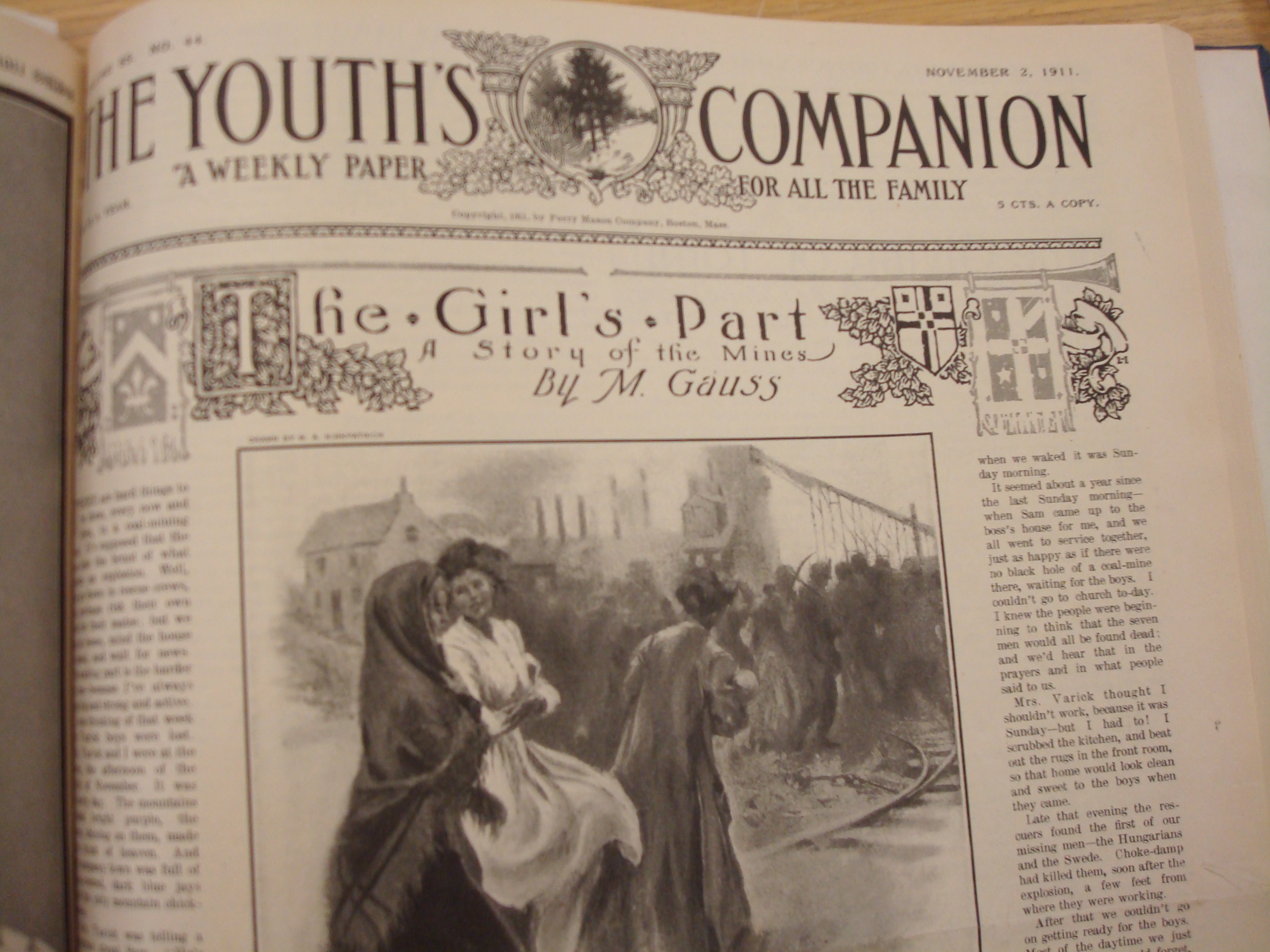
The cover story was a fictional story about a mine disaster.  I’ve included selected quotes from the story below that hopefully will give you the gist of the story.

Things that I thought about as I read the story: How has the role of women changed over the last 100 years? Was the author trying to influence public opinion regarding the use of child labor? (Child labor was extremely controversial in 1911—and states were beginning to regulate it).  How have opinions regarding mine safety and environmental issues changed?

Excerpts from

The Girl’s Part: A Story of the Mines

by

M. Gauss

There are hard things to be done, every now and then, in a coal –mining town. It’s supposed that the men take the brunt of what follows an explosion. Well, they go down in rescue crews, and perhaps risk their lives for their mates; but we stay at home, in the house as usual, and wait for news. The waiting part is the harder for me—because I’ve always been big and strong and active.

I was buying my some gingham for my new aprons—I’d just begun to sew my wedding things. I thought I’d ask Mrs. Varick if it would fade. And as I picked it up to show it to her, a noise came. It wasn’t like the ordinary blasting sound, but long and queer. I had never heard a mine explosion, but I knew at once that something was wrong. I dropped my gingham to run to the door.

“Oh, my boys, my boys!” Mrs. Varick cried out.

We took hold of our hands to run to the shaft, and I almost carried her.

At the mouth of the shaft were a lot of women. Some of them knew that their own men were safe, and these would call out to Mrs. Varick and me, “Did Sam and Billy get out all right?” A good many miners had come up in the cages.

Pretty soon I heard the boss calling something to us.

“Only seven men are still in the mine!” he said. Then he named them: two Hungarians and a Swede, none of whom we knew; and old man Eckert, and Mrs. Hodges’ husband, and Sam and Billy Varick.

Late that evening the rescuers found the first of our missing men—the Hungarians and the Swede. Choke-damp had killed them, soon after the explosion, a few feet from where they were working.

At noon on Tuesday, we noticed that people were running toward the mine. Nobody came to tell us; but an English miners’ wife—Mrs. Hodges—ran past our house with her baby, crying and laughing. She said they had found two men, walled up in a pocket of the mine, alive.

Then a voice said, “They’re all out but the Varick boys.” Mrs. Varick heard, but she didn’t cry out, or say a word.

“The air was simply something hawful, over south, and it was a long wasy, Well, ‘h went. ‘E tried to make Bill go back, but the kid would foller ‘im.”

“They’re together!” said poor Mrs. Varick.

“No don’t”  a woman cried.

Just then a cry came. . .  What are they saying? “

“F-o-u-n-d! A-l-i-v-e.”

After that I don’t know what did happen. But a half-hour later we were all in the Varick kitchen—Billy flat on the couch. Sam white as a ghost, but walking around. . . And I began to cry—it was so joyful to have a girl’s work to do.”

The Youth’s Companion ( November 2, 1911)

An aside: Grandma subscribed to The Youth’s Companion on October 23—and she received her first issue only nine days later. Amazing!  I don’t think that I’d receive the first issue of a magazine that quickly today.

Saving Pumpkin and Squash Seeds

16-year-old Helena Muffly wrote exactly 100 years ago today: 

Tuesday, October 31, 1911: Can hardly believe it is really Halloween. It is so very quiet here. No racket whatever. Just a year ago tonight I was having a grand time at a masquerade, but I have not such fun as that tonight. There is a masquerade up at McEwensville tonight. I wasn’t invited and would hardly have gone as it is awful muddy. Feel rather doleful over the mark I made in Algebra: 68. 68, you I hate.

Her middle-aged granddaughter’s comments 100 years later:

Grandma should have studied more for her Algebra test. I guess that she must have never quite figured out L.C.M.  (lowest common multiples) and H.C.F. (highest common factors).

I wonder if Grandma and her little brother Jimmie carved a jack-o-lantern for Halloween. If they did, I bet they saved some of the seeds for planting the next year. 

Both pumpkin and winter squash seeds are easy to save, and have always germinated well when I’ve planted them.

To have the best results, save seeds from the specimens with the most desirable characteristics (size, color, vigor, taste, resistance to plant diseases, etc.)

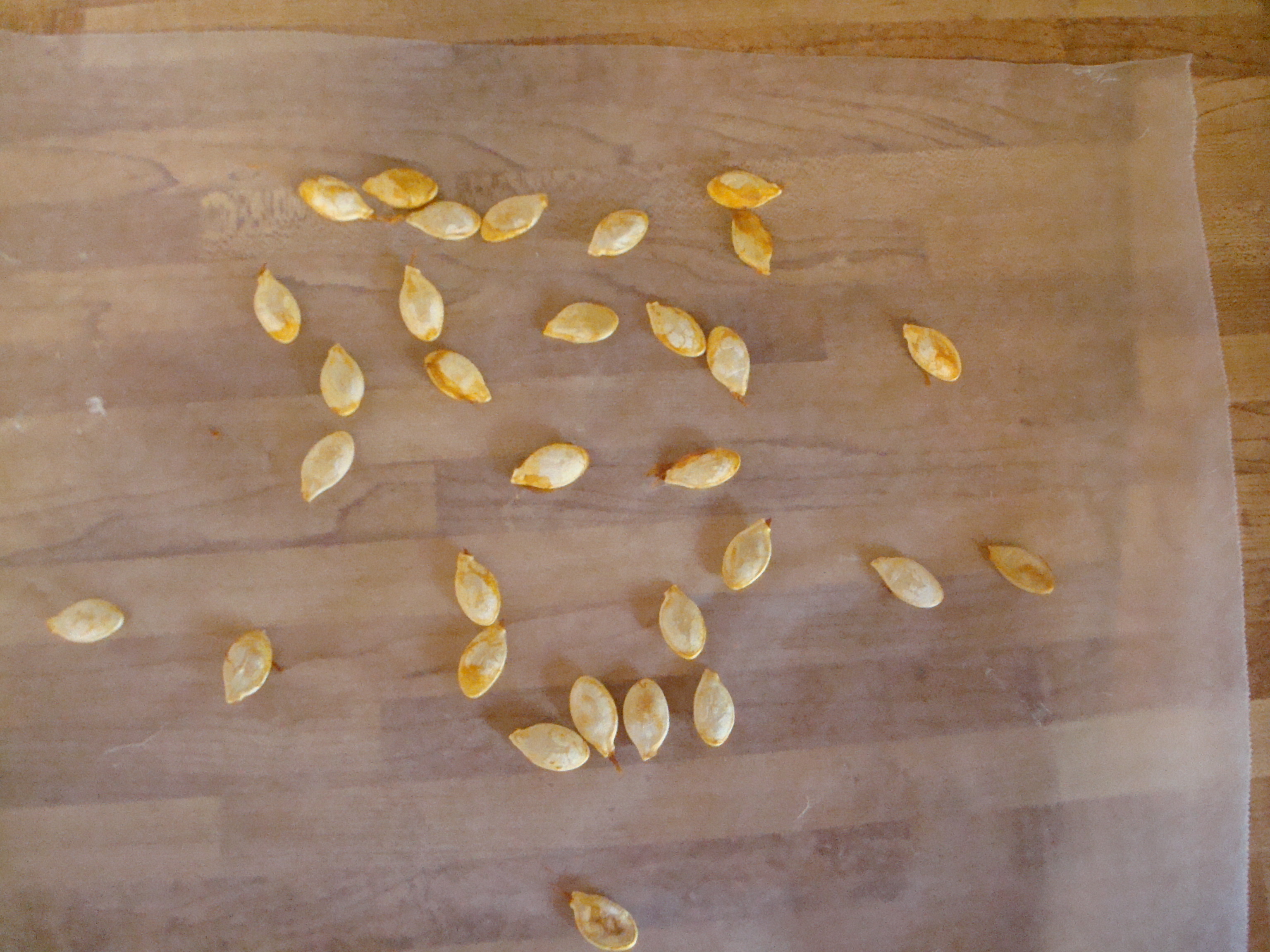
After pulling off any excess pulp, place the seeds on a piece of waxed paper.  (Do not wash the seeds).  Let dry for about 2 weeks. Then place in a labeled envelope and store in a cool dry place until spring. I store my seed envelopes in our attached garage.

Didn’t Sleep Well: Worried About Exams

16-year-old Helena Muffly wrote exactly 100 years ago today: 

Monday, October 30, 1911: Didn’t feel very good this morning. Guess it was because I didn’t sleep very well last night. I’m half way through with my exams now. So far I think I’ve made an average of ninety or more. I have three more studies for tomorrow. One in that horrid algebra. I almost detest it.

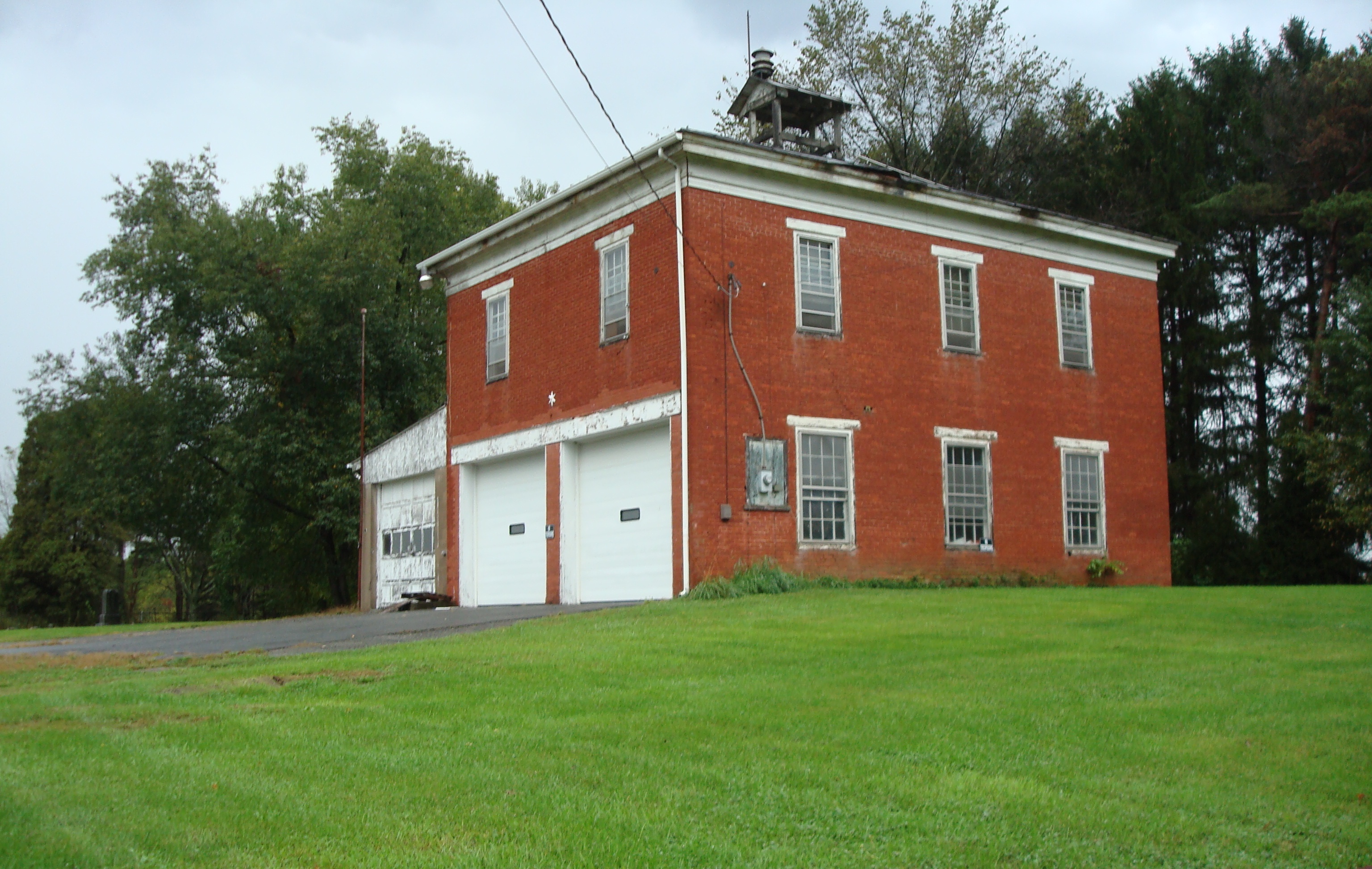
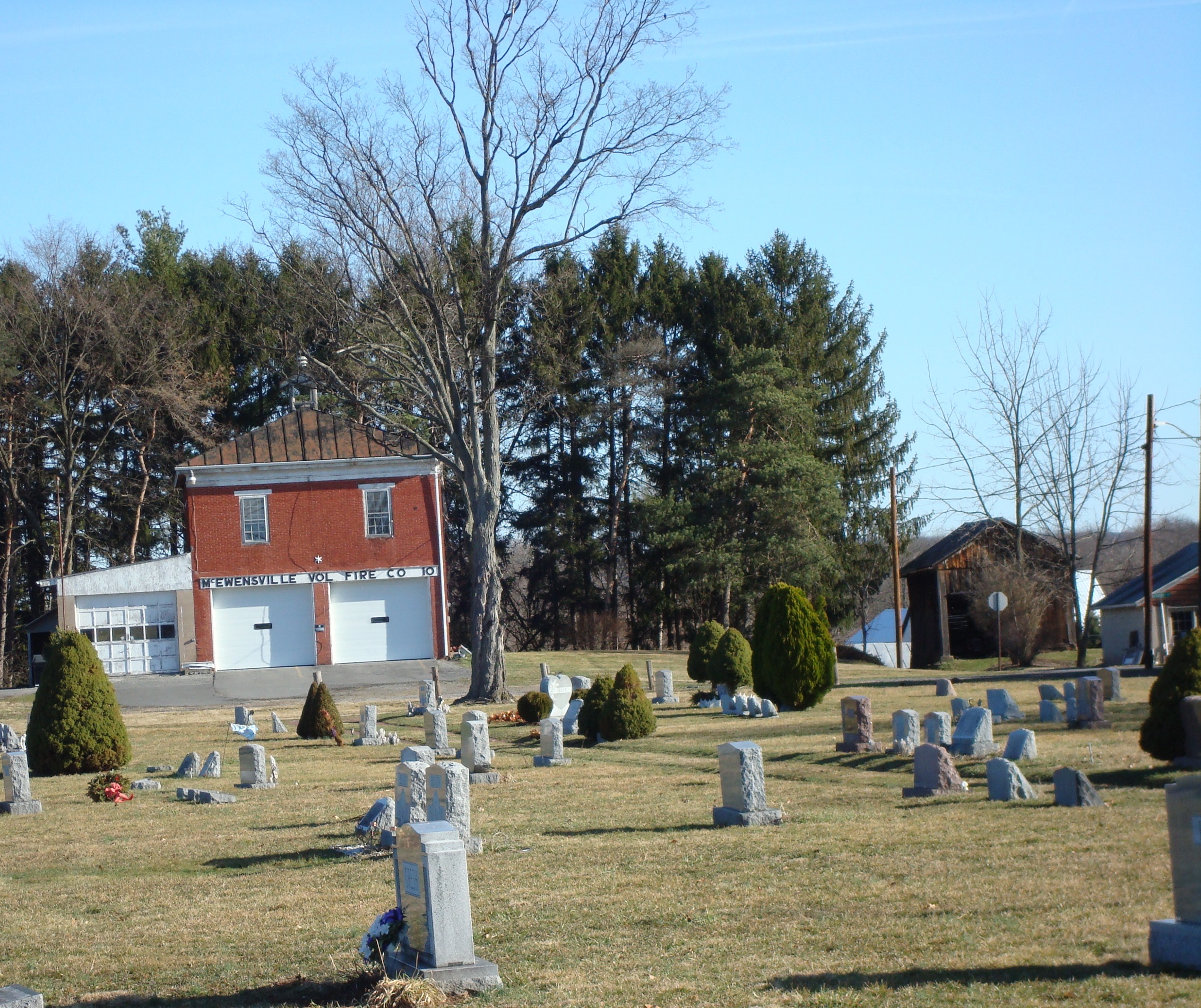
A hundred years ago today Grandma sat at a desk on the second floor of this brick building taking an exam.

Her middle-aged granddaughter’s comments 100 years later:

Grandma probably hadn’t slept well—and didn’t feel well—because she was worried about the exams. Based upon the diary entries over the past few days, it appears that she a lot worried about the exams, but never actually studied for them.

No Time to Study–Too Busy Visiting with Friends

16-year-old Helena Muffly wrote exactly 100 years ago today: 

Sunday, October 29, 1911: Went to Sunday School this morning. Tweet came along with Ruth from church. So you see she was here all afternoon. Ruth and I went up to Oakes’ this evening.

Recent photo of the road Ruth and Tweet would have walked down as they approached the Muffly farm.

Her middle-aged granddaughter’s comments 100 years later:

Grandma’s monthly exams were scheduled to begin the next day.  It seems odd that Grandma doesn’t mention studying for them in this diary entry. The previous Thursday she had mentioned that she was struggling in algebra and worried about upcoming exams. And on Friday, she’d written that she “must begin to get ready for upcoming examinations which come around again next Monday and Tuesday.”

Yet she never mentioned studying on Saturday or Sunday—and apparently spent most of Sunday with friends. The Oakes lived on a farm near the Muffly’s. Several of the Oakes children were close in age to Grandma and Ruth.And, earlier in the day another friend, Helen Wesner (who went by the nickname of Tweet), visited them.