Played Cards After Play Practice

17-year-old Helena Muffly wrote exactly 100 years ago today: 

Friday, January 31, 1913: We went to practice again this evening. I don’t know any more of my part than the first time we practiced. Ruth had to stay in turn after it was over to spend a few hours in card playing. I’m not much of a card player but I did learn to play one game.

Her middle-aged granddaughter’s comments 100 years later:

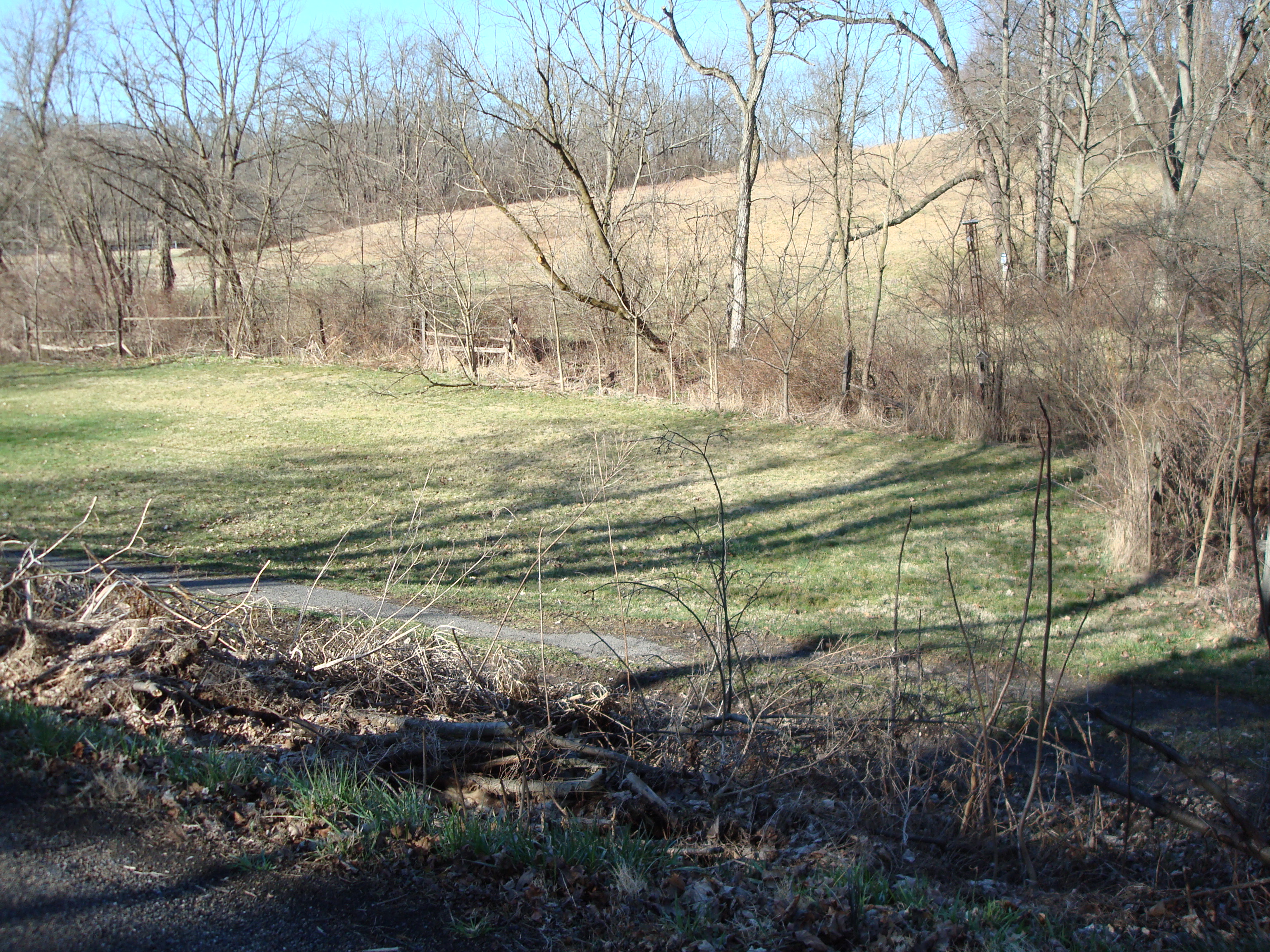
Recent photo of the McEwensville Community Hall and picnic grove. The festival probably was held in this small park.

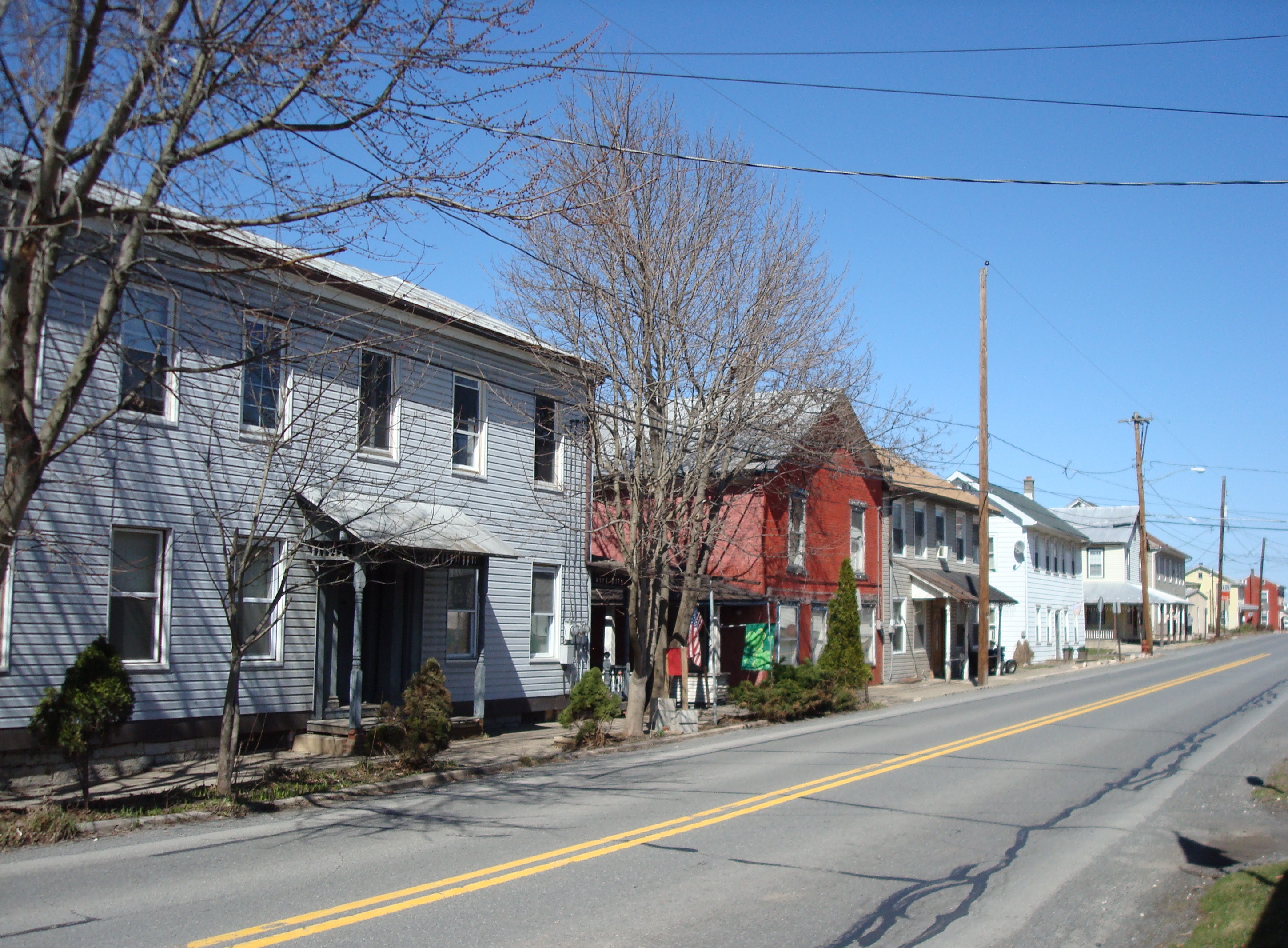
The play practice probably was held at the McEwensville Community Center. The building has been a community center for more than 100 years–and it had a wonderful stage. In recent years part of the stage has been converted into a storage area, but when I was a child I can remember it being a regular stage with lots of rows of curtains.  I took these pictures in 2011 when I attended a community pot luck picnic.

DSC04338

DSC04340

It sounds like Grandma’s sister Ruth went along to the play practice.  Based upon a previous diary entry, I thought that the play was a class play and that the cast members were students who would be graduating in the spring.  On January 20, Grandma wrote:

Our class expects to have a swell blow-out one of these days. We’re going to give a play. . .

Ruth was two years older than Grandma—and a teacher at a one-room school house.  This entry makes it sound like Ruth was also in the play. Maybe it really was a community play rather than a class play—or maybe Ruth just accompanied Grandma so that Grandma wouldn’t need to walk to town in the dark by herself.

In any case, it sounds like the girls had fun socializing after play practice. It probably was an almost perfect Friday night.

Studied Russo-Japanese War in History Classes a Hundred Years Ago

17-year-old Helena Muffly wrote exactly 100 years ago today: 

Thursday, January 30, 1913: Am commencing to worry about a certain general history examination that comes next week. It includes over seven hundred pages. I hope to review it all.

Port.Arthur
Caption: Port Arthur Harbor After the Surrender. Source: Outlines of General History (1909)

Her middle-aged granddaughter’s comments 100 years later:

At Grandma’s school some classes were less than a year long.  Since the exam  was going to cover more than 700 pages, it probably was the final exam for general history.

A general history textbook published  in 1909, called Outlines of General History, probably covers material similar to what Grandma learned.

The last chapter of the book begins with a picture taken after the surrender of Port Arthur. This siege occurred during the Russo-Japanese War.

The Russo-Japanese War took place during 1904 and 1905. Russia controlled Port Arthur and had rail lines from Siberia to the port. It was an ice-free port and could operate during the winter months.

Japan wanted to control the harbor and there were several battles at Port Arthur which the Japanese won.

The Russo-Japanese War ended when a  peace  treaty was signed at Portsmouth New Hampshire on September 5, 1905. It was mediated by President Theodore Roosevelt .

The last two paragraphs in the hundred-year-old general history textbook say:

. .  . the treaty of Portsmouth has guaranteed for China a period of security. The Manchurian question, to be sure is not yet definitely settled. Article V of the Portsmouth treaty says: “The Russian and Japanese Governments engage themselves reciprocally not to put any obstacles in the way of the general measures, which shall be alike for all nations, that China may take for the development of commerce and industry of Manchuria.”

The interpretation of this article is still an open question. It may develop into an unconditional restoration of China’s sovereign rights in Manchuria, or it may also be nullified by the economic interests of Russia and Japan.

Outlines of General History (1909) by V.A. Renouf

Old-fashioned Celery Chowder Recipe

17-year-old Helena Muffly wrote exactly 100 years ago today: 

Wednesday, January 29, 1913: <<no entry>>

DSC07174

Her middle-aged granddaughter’s comments 100 years later:

This is one of the few days between January, 1911 and December, 1914 when Grandma wrote nothing. The previous day she wrote that a friend, Margaret G., was visiting and planned to stay overnight. Maybe the girls stayed up all night talking and Grandma was too tired to write anything.

Since there’s no diary entry to guide the direction this post takes, I’ll share a recipe for an old-time winter food—Celery Chowder.

It’s an excellent celery soup and I make it one or twice each winter.

 Old-fashioned Celery Chowder

1 tablespoon butter

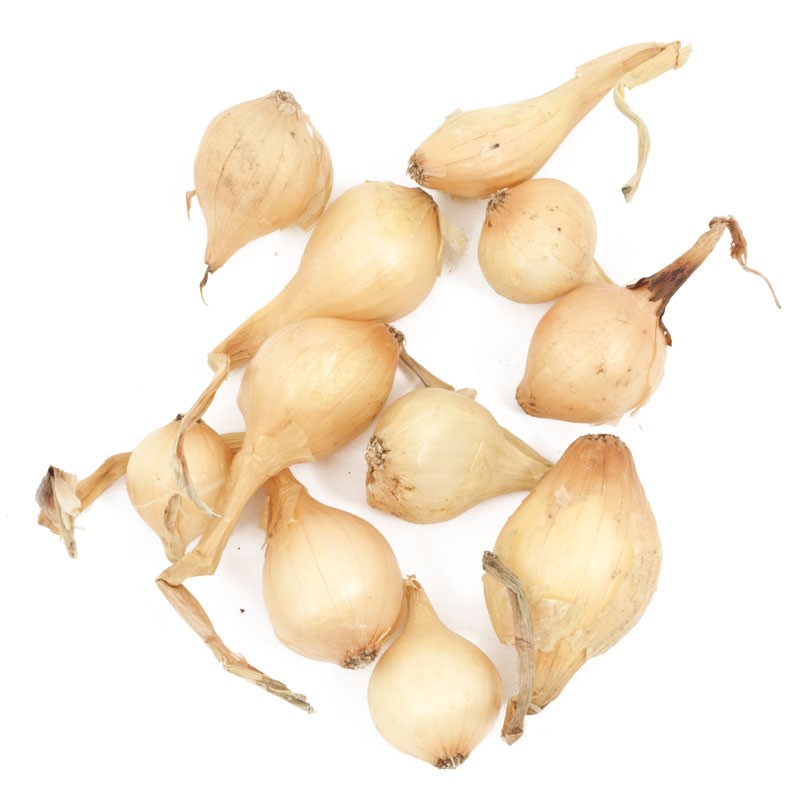
1 large onion, chopped

3 cups celery, chopped

2 medium potatoes, diced

water

4 cups milk

2 hard-boiled eggs, chopped

1 teaspoon salt

1/4 teaspoon pepper

Melt butter in large saucepan; add onion and cook until tender. Add chopped celery and potatoes; just barely cover with water. Bring to a boil and reduce heat; then simmer (15-20 minutes) until vegetables are soft. Add milk and chopped eggs; season with salt and pepper. Reheat until hot; serve.

Hope to Win 2 1/2 Dollar Gold Piece

17-year-old Helena Muffly wrote exactly 100 years ago today: 

Tuesday, January 28, 1913:  Our teacher made such a wonderful proposition today. It was made to our class. The one who writes the best essay on a given subject is to receive a two dollar and a half gold piece. Margaret G. came home with me to stay till tomorrow. We had a dandy time this evening, although I am afraid our lessons suffered some. Rufus made candy. And so the evening went.

2.5.dollar.gold.coin

Her middle-aged granddaughter’s comments 100 years later:

Grandma—I’m keeping my fingers crossed that you write the best essay and get the gold piece. I think you have a chance since you sound so hopeful.

I wish you’d told us the topic so that I could vicariously “help” you write the essay a hundred years later.

I’m not sure who Margaret G. was, but it sounds like the girls had a wonderful time. Rufus refers to Grandma’s sister Ruth.

1913 Broadway Plays

17-year-old Helena Muffly wrote exactly 100 years ago today: 

Monday, January 27, 1913: We went to town this evening to practice for our play.

broadway.3
Nearly Married at the Gaiety Theatre on Broadway in New York City

Her middle-aged granddaughter’s comments 100 years later:

Grandma wrote the previous Monday that she was going to be in a her class play. This was the first play practice.

In my imagination I see a  member of the cast saying, “If we practice hard, I bet our play will be as good as a Broadway play.”

Here’s what the November, 1913 issue of Dress and Vanity Fair magazine had to say about several Broadway plays that were playing in New York a hundred years ago:

In a Lighter Vein on Broadway

The Marriage Market at the Knickerbocker Theatre

In this picture from The Marriage Market the small but sweet voice of Mr. Donald Brian is being lifted up in a duet with Miss Venita Fitzhugh. Until this moment when he has just taken her hand she had not recognized him once since the first act. She met him as a cowboy then and married him in a fit of pique. Since that time he has been disguised as a common sailor on her father’s yacht, but she did not recognize his face at all, and now that he looks so stunning in evening clothes and a clean shirt she cannot believe that it is really he.

Who's Who at the Criterion
Who’s Who at the Criterion

Mr. Richard Harding Davis’s’ comic mystery play Who’s Who finds Mr. William Collier and his adopted son William Collier, Jr. The youngster has a savings bank in his hand with which he is constantly blackmailing the villagers in his bland and child-like way. Mr. Collier who has been held up by the child is expostulating vigorously, paternally, almost expletively.

Dress and Vanity Fair (November, 1913)

Old Cross-Stitch Examples

17-year-old Helena Muffly wrote exactly 100 years ago today: 

Sunday, January  26, 1913: Went to Sunday School this afternoon. Besse was out.

Source of Pictures: Ladies Home Journal (May, 1913)

Her middle-aged granddaughter’s comments 100 years later:

Grandma’s sister Besse was married and lived in nearby Watsontown.  Sometimes Besse brought needlework or sewing along when she came to visit. For example, on August 9, 1912 Grandma wrote:

We had sort of s sewing bee here today. Besse was out and brought some of her stuff along.

On this January day, a hundred years ago, perhaps the sisters did cross-stitching while they chatted.

Cross-stitch and crochet work using same rose pattern

Thumb Still Sore

17-year-old Helena Muffly wrote exactly 100 years ago today: 

Saturday, January 25, 1913: I have a sore thumb although I do not think it is as bad as it was several days ago.

Source: Wikipedia
Source: Wikipedia

Her middle-aged granddaughter’s comments 100 years later:

Poor Grandma—She sure seemed to get a lot of illnesses and injuries.

It sounds like she hurt her finger again (though I suppose that she possibly was still complaining about her December injury). On December 16, 1912 she wrote:

. . . We killed some pigs and I took a slice off the end of my thumb. Oh sad the day, for I don’t care anything about having a sore thumb . . .