18-year-old Helena Muffly wrote exactly 100 years ago today:
Sunday, July 20, 1913:Went to Sunday School this morning. Ruther and I went up to church this evening.
Ruth Muffly
Her middle-aged granddaughter’s comments 100 years later:
Hmm. . . Ruther. . . That’s a new nickname for Ruth.
Was Grandma annoyed with her sister Ruth. . . or feeling kindly toward her? Throughout the diary Grandma called her Rufus when she was annoyed with her. When the sisters were getting along well, Grandma generally called her Ruth. . . though she occasionally referred to her as Ruthie.
18-year-old Helena Muffly wrote exactly 100 years ago today:
Saturday, July 19, 1913:Had company again, but I didn’t make my appearance, since I did not consider myself presentable.
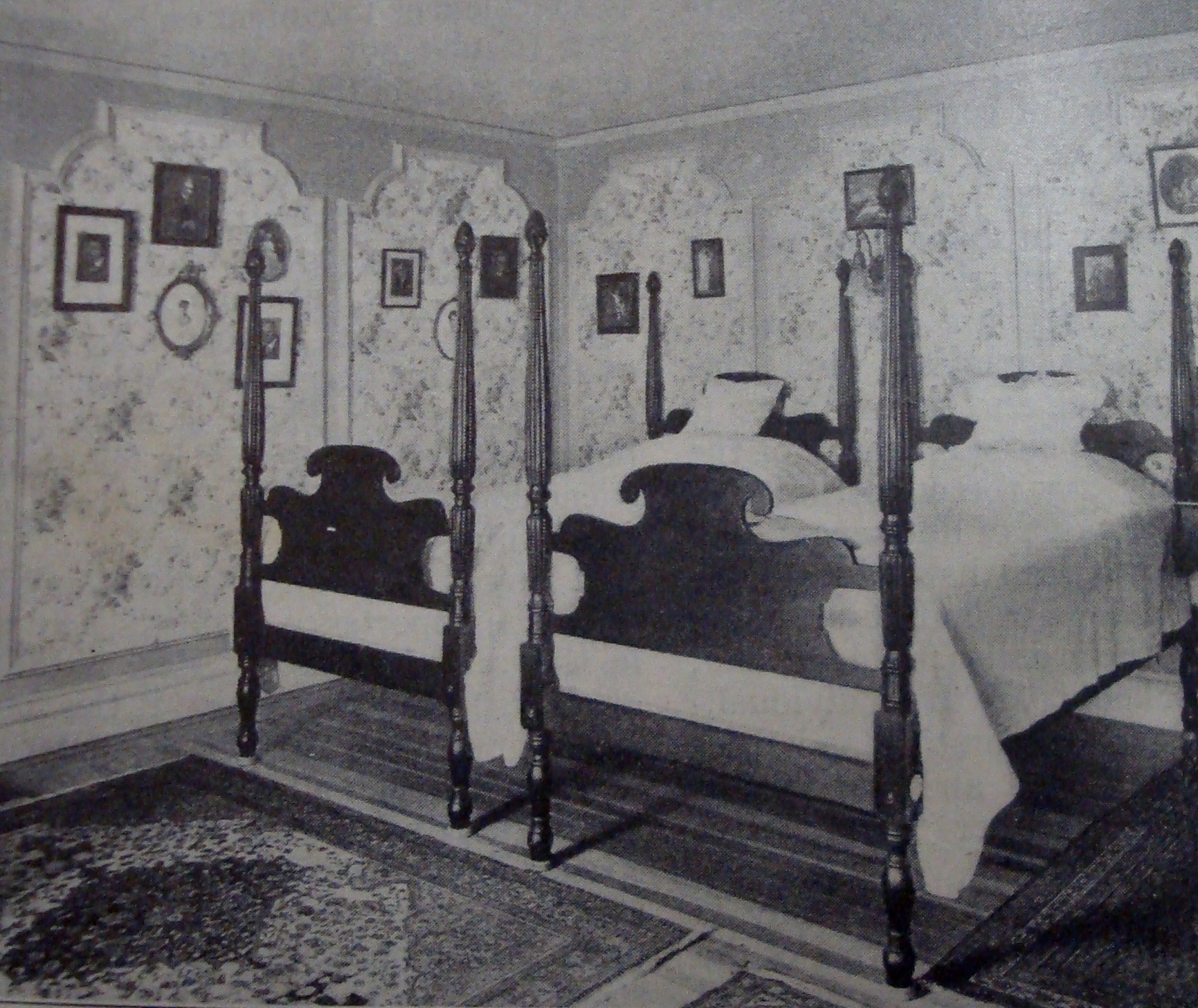
Picture of a bedroom in the April, 1912 issue of Ladies Home Journal. Did Grandma go to her bedroom to avoid the company?
Her middle-aged granddaughter’s comments 100 years later:
Wow, it’s amazing that the Muffly’s had company two days in a row. Visitors are seldom mentioned in the diary, but the previous day, Grandma wrote, “We had company this evening.”
Who were the visitors? Was it the same people as the preceding day or different people?
And, why was Grandma worried about whether she looked presentable? If the guests were friends of her parents, I won’t think that she would care how she looked.
Grandma was having a difficult July, and often felt down. For example, on July 14 she wrote that she was “sick at heart”. Maybe the guests were older people whose conversation didn’t interest her so she didn’t want to see them—but it also seems like the company might have included someone about her age (and maybe male), and but that her unhappiness unfortunately kept her from joining the group.
18-year-old Helena Muffly wrote exactly 100 years ago today:
Friday, July 18, 1913:We had company this evening.
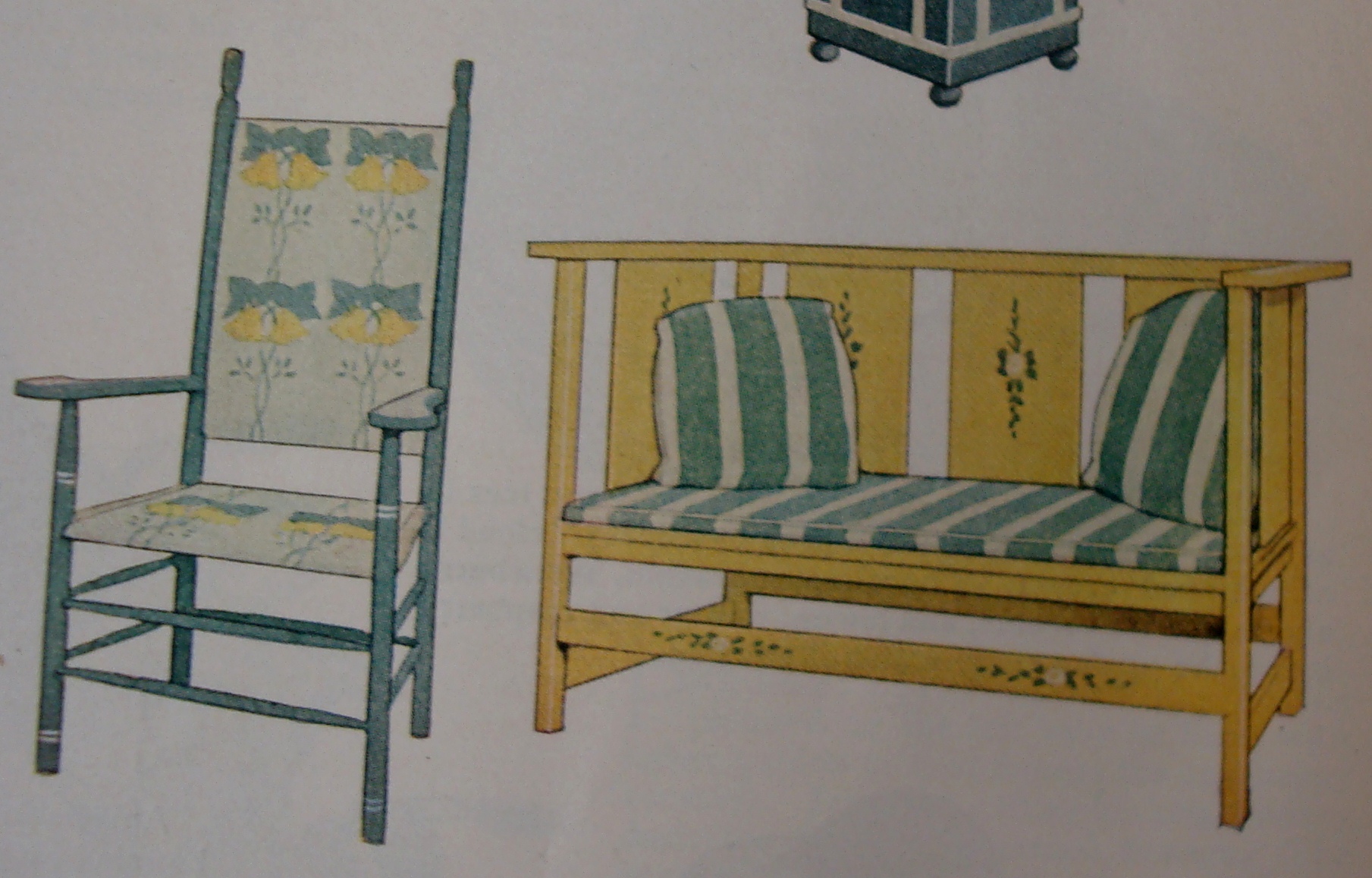
Source: Ladies Home Journal (July, 1912)
Her middle-aged granddaughter’s comments 100 years later:
Sometimes it’s nice not to have too much detail—because it allows me to create my own mind pictures.
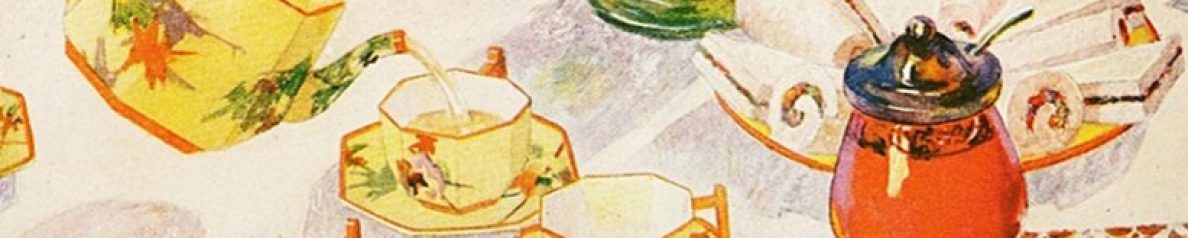
If I squint my eyes I can almost see Grandma, her sister Ruth, and their parents sitting on the porch entertaining guests on a hot summer evening—and maybe serving cookies and iced tea—while her little brother Jimmie chases fireflies as dusk falls over the farm.
18-year-old Helena Muffly wrote exactly 100 years ago today:
Thursday, July 17, 1913: Nothing doing.
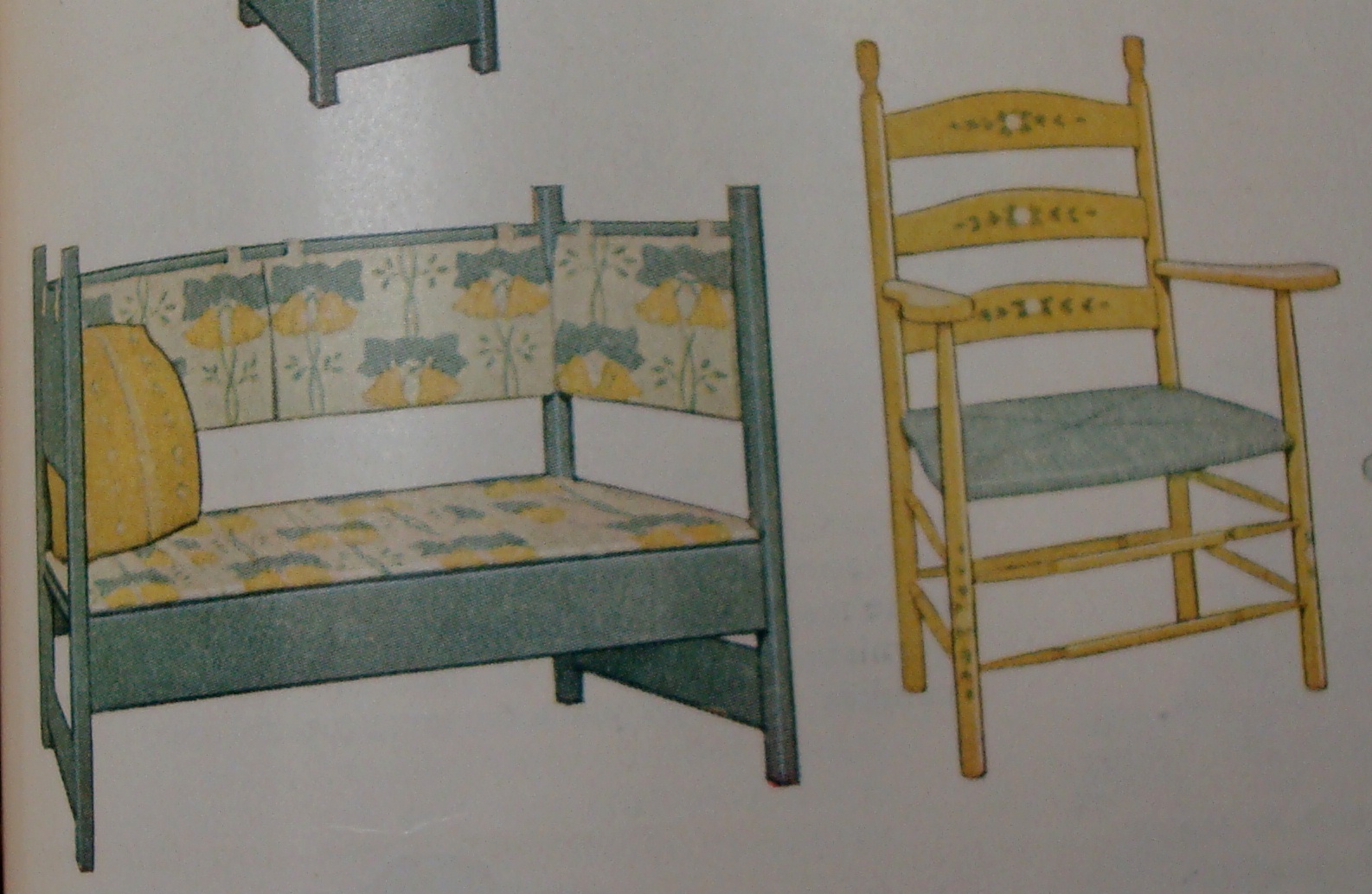
Source: Ladies Home Journal (July, 1913)
Her middle-aged granddaughter’s comments 100 years later:
Grandma was feeling down about something during mid-July, 1913. She graduated from high school the previous spring. Yesterday, I wondered if she was sad because she’d been unsuccessful in getting a teaching job for the upcoming school year.
There weren’t many careers open to women back then. Nursing was another field that was open to women. Did Grandma ever consider becoming a nurse?
18-year-old Helena Muffly wrote exactly 100 years ago today:
Wednesday, July 16, 1913:Nothing doing.
Her middle-aged granddaughter’s comments 100 years later:
Two days prior to this entry Grandma wrote that she was sick at heart over something. Other readers and I speculated about what she may have been sick at heart over–and we thought that maybe she liked a guy and he didn’t return her interest.
Another possibility—
Grandma’s two older sisters both got teaching jobs in nearby one-room school houses after they graduated from high school.
Grandma graduated the previous spring, She has never mentioned in the diary that she hoped to become a teacher—yet it seems logical that she may have wanted to become a teacher. Could Grandma have been sick at heart because she heard that she didn’t get a teaching position that she really wanted?
18-year-old Helena Muffly wrote exactly 100 years ago today:
Tuesday, July 15, 1913: Nothing doing.
Her middle-aged granddaughter’s comments 100 years later:
I bet that Grandma still felt mopey when she wrote this entry. The previous day she wrote that she “didn’t feel very good today, and did feel very miserable. I’m not really sick, but sick at heart over something. “
Lydia E. Pinkham’s Vegetable Compound was a popular tonic for female problems a hundred years ago.
Source: Milton Evening Standard (June 3, 1913)
GIRLS WHO ARE PALE, NERVOUS
May Find Help in Mrs. Elston’s Letter About Her Daughter.
Burlington, Iowa—“Lydia E. Pinkham’s Vegetable Compound has cured my daughter of weakness. She was troubled almost a year with it and complained of backache, so that I thought she would be an invalid. She was entirely run down, pale, nervous and without appetite. I was very much discouraged but heard of Lydia E. Pinkham’s Vegetable Compound through friends and now I praise it because it has cured my daughter.” –Mr.s F.M. Elston, R.D. No. 3, Burlington, Iowa
Case of Another Girl
Scanlon, Minn. – “I used to be bothered with nervous spells, and would cry if anyone was cross with me. I got awful weak spells especially in the morning, and my appetite was poor. I also had a tender place in my right side which pained when I did any hard work. I took Lydia E. Pinkham’s Vegetable Compound and my symptoms all changed, and I am certainly feeling fine. I recommend it to every suffering woman or girl. You may use this letter for the good of others.” — Miss Ella Olson, 171 5th St., Virginia, Minn.
Young Girls, Heed This Advice
Girls who are troubled with painful or irregular periods, backache, headache, dragging-down sensations, fainting spells or indigestion, should immediately seek restoration to health by taking Lydia E. Pinkham’s Vegetable Compound.
18-year-old Helena Muffly wrote exactly 100 years ago today:
Monday, July 14, 1913: Didn’t feel very good today and did feel very miserable. I’m not really sick, but sick at heart over something else.
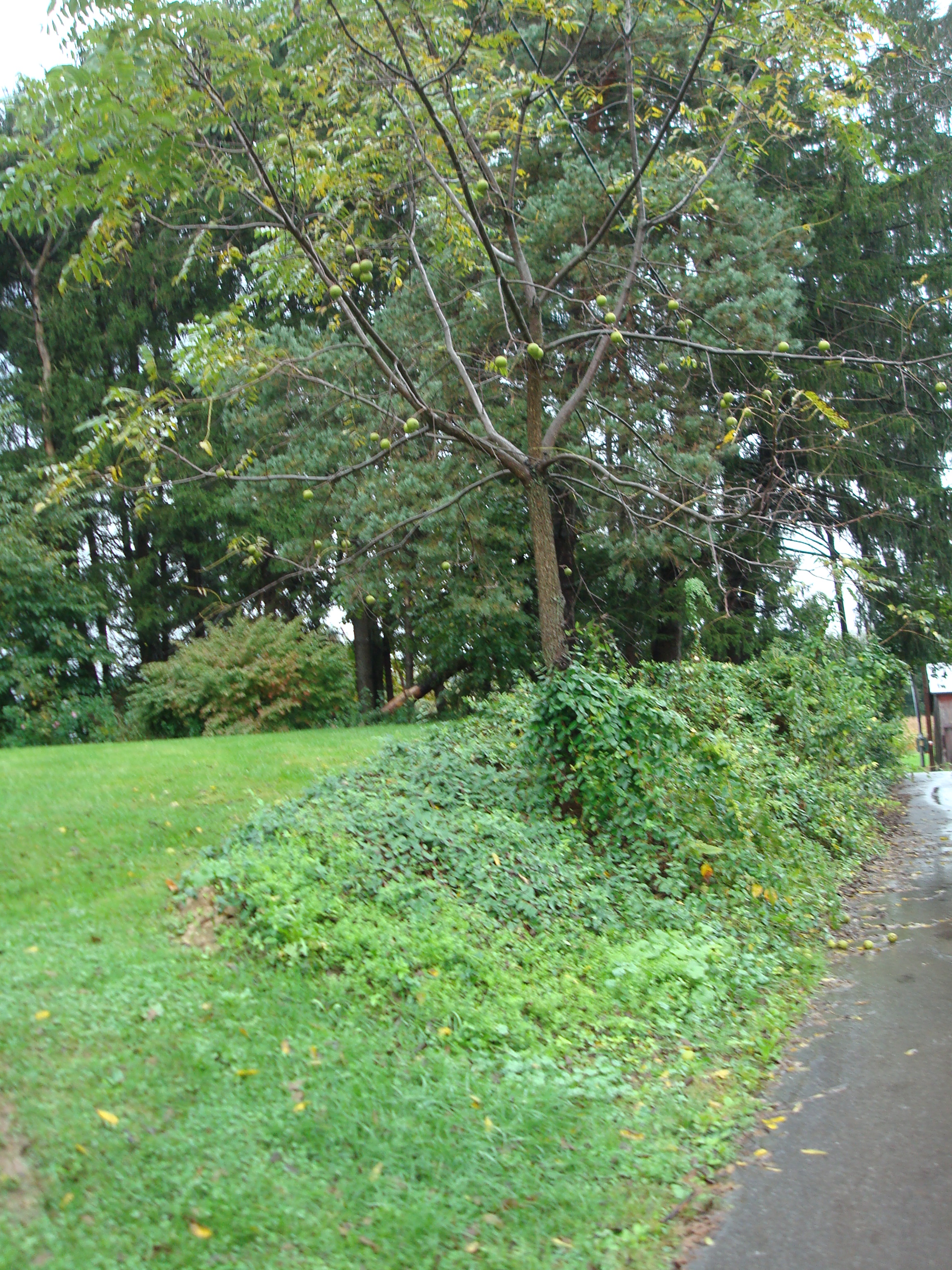
Recent photo of the Muffly farm.
Her middle-aged granddaughter’s comments 100 years later:
Why was Grandma sick at heart? What could have possibly happened?
Previous entries provided no clue that Grandma might be stressing over something—the preceding day she just wrote about the rainy weather and going to Sunday School. . . and two days before this entry she wrote about helping with the wheat harvest.