Not Much Nourishment in Broths

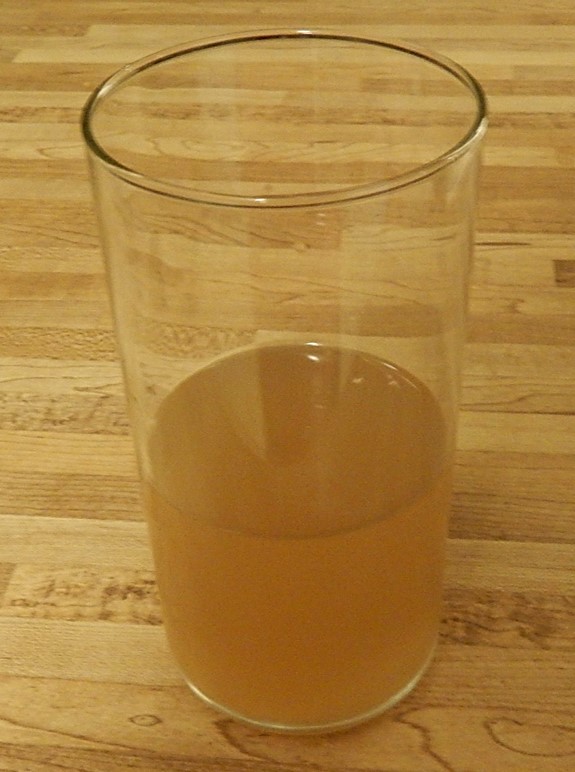
glass of meat broth

Did you ever wonder whether broths are nourishing? Well, I found the answer in a hundred-year-old magazine. Here’s the question posed by a reader and the response:

Q: I should like to ask you about the advisability of giving canned broths to invalids and children. I am speaking particularly of a child fourteen months old that is taking broths every day. Are such broths as nutritious as if freshly made? Is there any nutritive value left in the used meat?

Mrs. A.K.H., Mass.

A: Broths are usually made from meats, sometimes with the addition of vegetables, and contain only those food materials which are soluble in hot water, or, like starch, diffusible in water. Sugars and meat bases, such as creatin, are soluble in water. A part of the mineral substances in the foods is also soluble. The nutritive value of broths is necessarily limited. It is the opinion of many physicians and physiologists that the food stuffs in broths, especially the nitrogenous bases, are not equal in value to the ordinary proteins which are not soluble in water. It is a common opinion that the food materials in broths are more easily assimilated and therefore are preferable in many diseased conditions to more nutritious foods, which the impaired digestive apparatus is unable to utilize. I should regard broths of any kind as a poor substitute for milk for a child of fourteen months. Canned broths, when they are first made, are perhaps as desirable as home-made broths. They are likely to dissolve some of the tin from the container, and soluble tin salts are not particularly useful in the stomach of a child. It is not possible, in my opinion, to nourish a child on broths of kinds. It should be milk.

Good Housekeeping ( June, 1919)

Old-fashioned Chicken, Rice, and Celery Salad

I’m sometimes asked how I decide which hundred-year-old recipes to make. Often I make recipes that sound like something I think I might like; other times I select recipes because I’m intrigued by an unusual combination of ingredients or preparation methods.

This week, was a first. Another blogger’s post inspired me to select a particular hundred-year-old recipe.

I recently read Automatic Gardening and Real Gluten Free Food’s recipe for Cold Chicken Rice Salad – and thought, “I think that I’ve seen a similar recipe in a hundred-year-old cookbook.” Next thing I knew, I was making a 1919 recipe for Chicken, Rice, and Celery Salad.

Chicken, Rice, and Celery Salad has a nice texture, and is packed with flavor. Both a hundred years ago and now, this salad is perfect for a summer lunch or picnic.

Recipe for Chicken, Rice, and Celery Salad
Source: Recipes for Everyday by Janet McKenzie Hill (1919)

Here is the original recipe:

When I made the recipe, I used some lettuce, but not an entire head. Similarly I used less mayonnaise than the old recipe called for.

Here’s the recipe updated for modern cooks:

Chicken, Rice, and Celery Salad

  • Servings: 6 - 8
  • Difficulty: easy
  • Print

2 cups cooked chicken, chopped

1 cup cold long-grain cooked rice

1 cup celery, chopped

1 cup lettuce, shredded

1/2 cup mayonnaise

1/4 teaspoon salt

1/4 teaspoon paprika

Put chicken, rice, celery, and lettuce in a bowl, then gently mix together.

In a separate small bowl, stir together mayonnaise, salt, and paprika, then add to the chicken mixture and gently stir to combine.

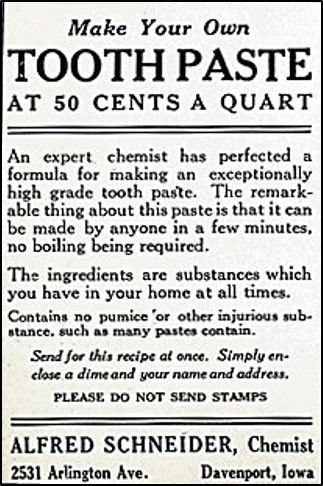
1919 Toothpaste Recipe Advertisement

toothpaste recipe advertisement
Source: American Cookery (June/July, 1919)

I’m often amazed by the advertisements that I find in hundred-year-old magazines. Some of the most fascinating ones are the small advertisements in the back of a magazine that individuals with entrepreneurial aspirations place. For example, I never would have thought about selling a recipe for toothpaste . . . but maybe I lack imagination. I wonder how many recipes he sold.

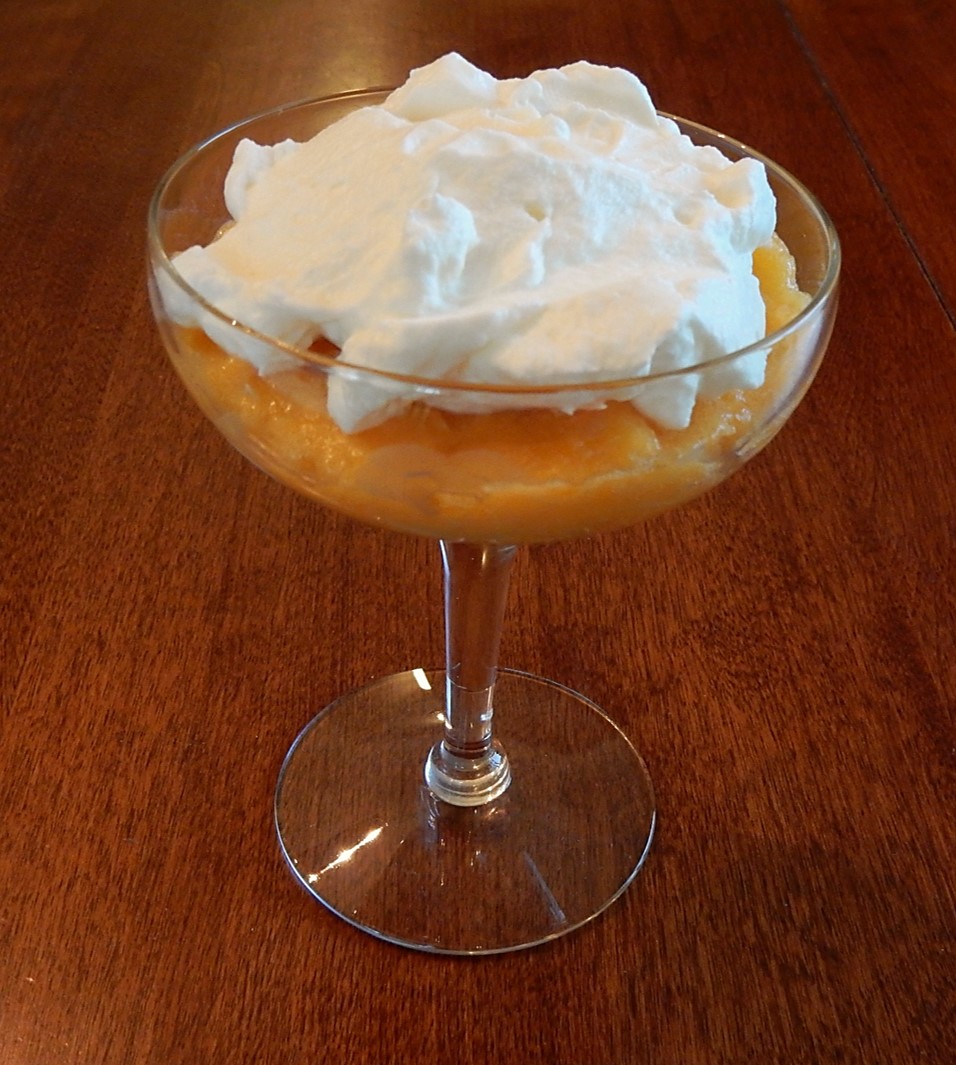
Apricot Sponge Recipe

apricot sponge

Apricots are my favorite June fruit. Around here, they are only available a few weeks, and each year I eagerly look forward to their appearance at the store. I recently bought some apricots, so was thrilled to find a hundred-year-old recipe for Apricot Sponge.

Apricot Sponge is a smooth, silky dessert that is served with whipped cream.

My daughter ate some Apricot Sponge, and said, “A top-five recipe.”  In her opinion, this is one of the top five hundred-year-old recipes that I’ve served her. She thinks that it tastes like a luscious dessert that she ate at a fancy restaurant.

Here’s the recipe updated for modern cooks:

Apricot Sponge

  • Servings: 3 - 4
  • Difficulty: moderate
  • Print

1 pound apricots (about 7 medium apricots)

water for peeling apricots

1/4 cup water + 1/4 cup water

1/4 cup sugar

1 envelope (0.25 ounce) unflavored gelatin

2  egg whites (pasteurized)

whipped cream (see below)

First, peel apricots. To do this, fill a saucepan two-thirds full with water. Using high heat bring to a boil. Drop apricots into the boiling water for 30 seconds. Remove from water with a spoon. Pinch a piece of the loosened apricot skin, then peel by slipping the skin off.

Cut the peeled apricots in half and remove stones. Place the apricots halves in a saucepan; add 1/4 cup of water. Using medium heat, heat until the apricots are softened, while stirring occasionally (about 5 minutes).  Remove from heat, then push the cooked apricots through a sieve. (I used a Foley mill). Measure the apricot pulp. There should be approximately 1 cup. Return to pan and reheat.

In the meantime, put 1/4 cup cold water in a small bowl; sprinkle the gelatin on the water. Let sit for about 3 minutes. Then stir the softened gelatin and the sugar into the hot apricot pulp.

Remove from heat, put into refrigerator and chill at least 3 hours.

After the mixture has chilled, beat the egg whites until stiff peaks form. Then, beat the chilled apricot mixture until smooth. Gently fold the beaten apricot mixture into the beaten egg whites. Spoon into serving bowls or cups.  Serve with whipped cream.

Whipped Cream

1/2 cup heavy whipping cream

2 tablespoons confectioners’ sugar

Put cream in a bowl; beat until stiff peaks form. Add confectioners’ sugar; beat until combined.

Hundred-year-old Advice for Removing Chewing Gum from Hair

unwrapped stick of chewing gum

A hundred years ago Good Housekeeping magazine contained lots of household tips submitted by readers. Some tips are just as relevant today as they were in 1919. Here is advice for removing chewing gum from hair:

Chewing Gum

Perhaps some other mother will welcome this bit of news. My baby came in the other day with several pieces of chewing gum in her mass of curls. I thought at first that I must cut them at once, and prepared for the sacrifice. Then I remembered that oil will take chewing gum off one’s hands. I had no oil but instead used vaseline. It proved ideal, for the gum rolled up and I could take it right out. Then a shampoo was all that was necessary to restore the youngster’s beautiful gold curls. Mrs. J.J., N.C.

Good Housekeeping (May, 1919)


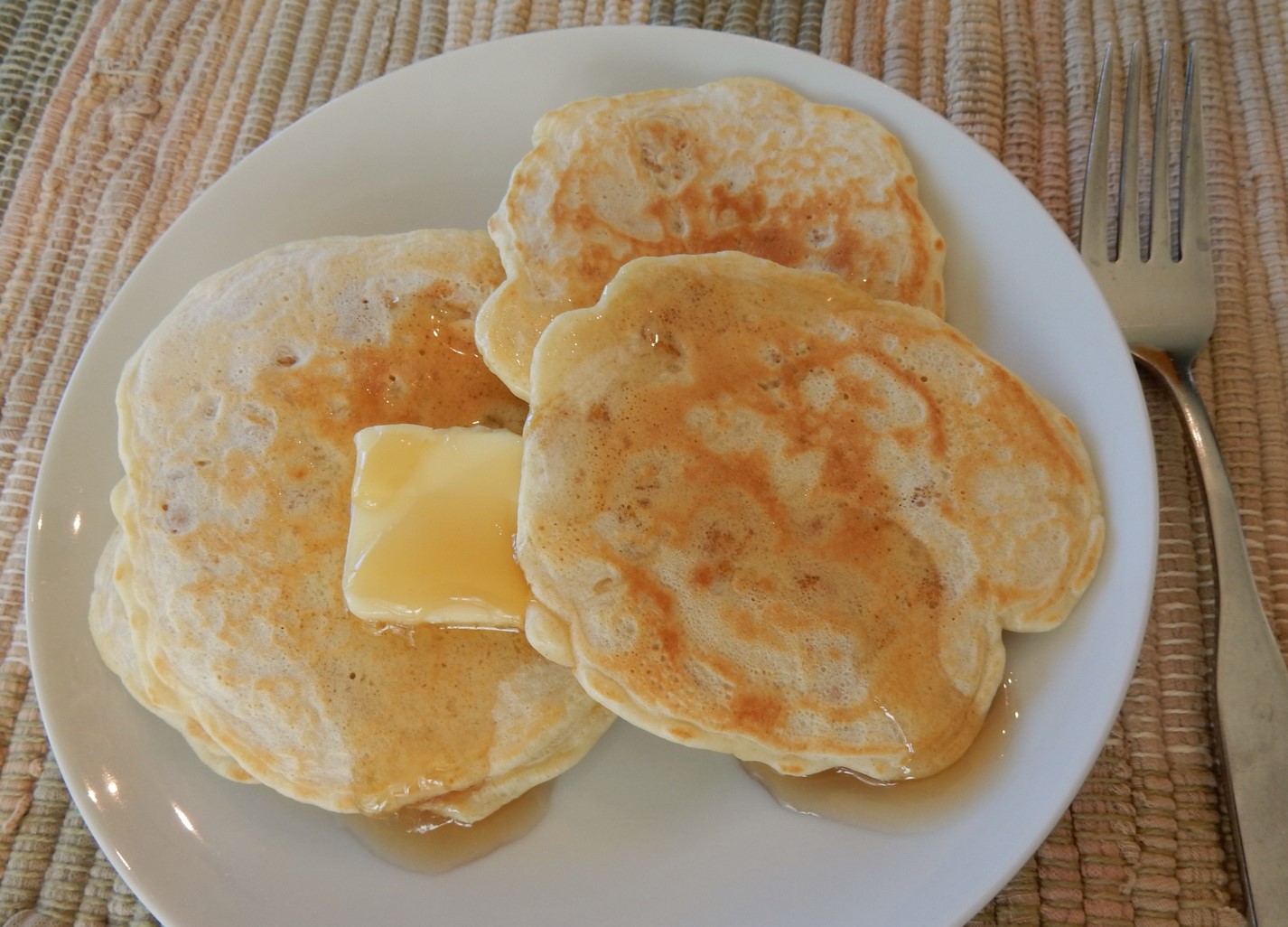
Corn Flake Griddlecakes

A hundred years ago people ate many unprocessed, local foods – but, even way back then, many processed foods were available; and, cooks often considered them more modern and up-to-date than more natural foods. This week I decided to make a recipe that called for two commercially manufactured foods – corn flakes and Crisco.

The recipe I selected was for Corn Flake Griddlecakes. This recipe is from a 1919 cookbook published by Procter and Gamble that promoted the use of Crisco.

And, even though I am somewhat biased against using highly processed foods as an ingredient, I must admit that the Corn Flake Griddlecakes were delicious. They were thick, yet light, with just a hint of the toasty corn flakes.

Here’s the original recipe:

recipe for corn flake griddlecakes
Source: Recipes for Everyday by Janet McKenzie Hill (1919)

And, here’s the recipe updated for modern cooks.

Corn Flake Griddlecakes (Pancakes)

  • Servings: 2 - 3
  • Difficulty: easy
  • Print

1 cup all-purpose flour

2 teaspoons baking powder

1/2 teaspoon salt

1 egg

1 cup milk

1 tablespoon shortening

1 cup corn flakes

Put flour, baking powder, salt, egg, milk, and shortening in a mixing bowl, beat until smooth. Stir in corn flakes. Heat a lightly greased griddle to a medium temperature, then pour or scoop batter onto the hot surface to make individual griddlecakes. Cook on one side , then flip and cook other side.

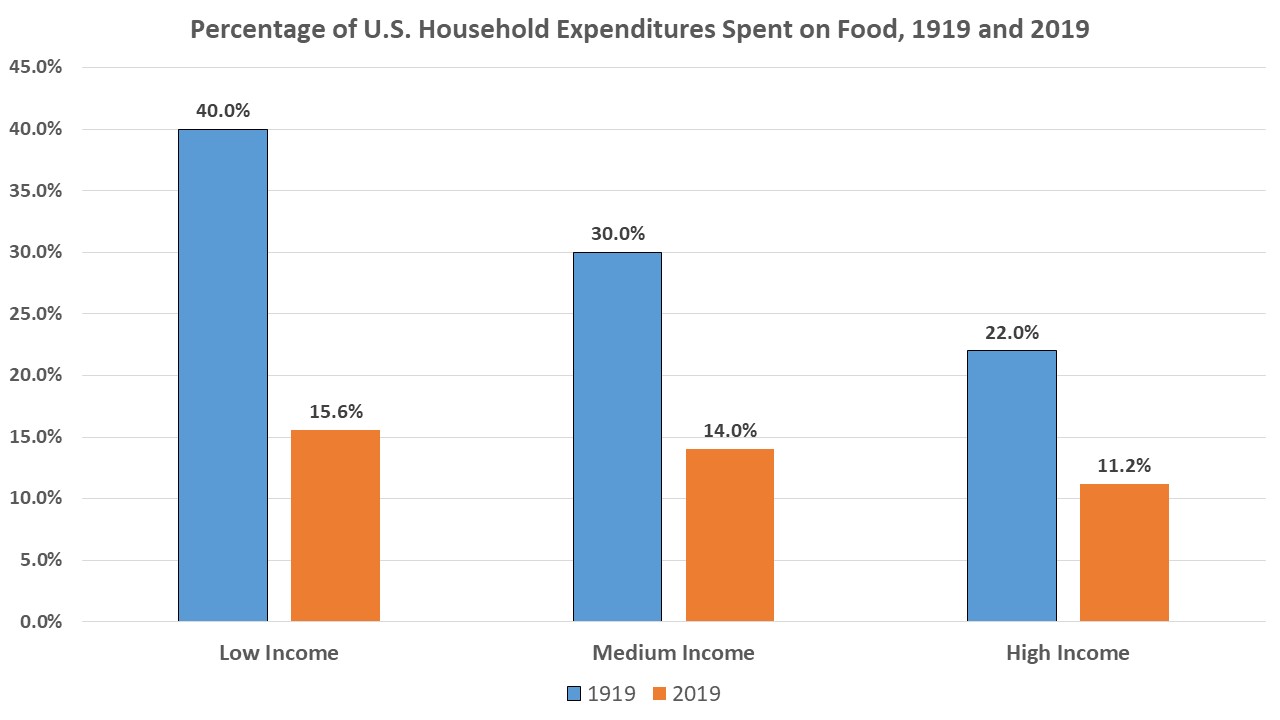
Percentage of U.S. Household Expenditures Spent on Food, 1919 and 2019

Chart showing household expenditures on food in 1919 and 2019 by income level. Regardless of income, people spent a higher percentage of their income on food in 1919 than they did in 2019.

It seems like food is expensive today, but we actually spend a much lower percentage of our total household expenditures on food now than what our ancestors did a hundred years ago. For example, a typical medium income family in 1919 in the United States spent 30% of total expenditures on food, while today a medium income family spends only 14% on food.

Here is additional information about the data that I used to prepare this chart:

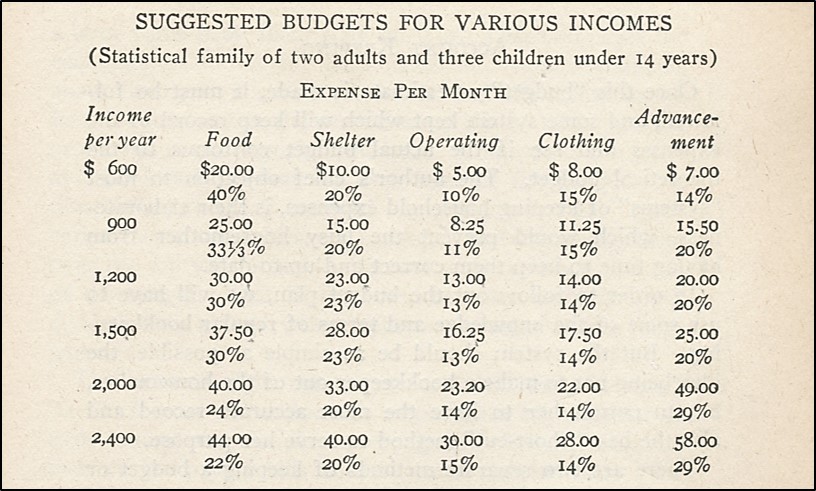
1919 – The 1919 data are from a table in a 1919 book by Mrs. Christine Frederick titled Household Engineering: Scientific Management in the Home. It was published by the American School of Home Economics (Chicago). See the table below for the 1919 data. The table had information for six income levels. I used the lowest and highest income levels in the table in the book as the “low income” and “high income” respectively when preparing the chart at the top of this post. In the original table, the 3rd and 4th income levels (the middle levels), each spent 30% of their household income on food, so I used 30% as the middle level for 1919. The author of the book says that the expenditure information was collected and compiled “through an extensive survey made through a periodical (p. 284).”

Source: Household Engineering: Scientific Management in the Home (author: Mrs. Christine Frederick), 1919

2019 – Data are not yet available for 2019 household expenditures. The most recent year available is 2017, so I assumed that expenditures were similar in 2019 to what they had been in 2017. The data are from the Statistica site. The 2019 household expenditure data were presented by quintiles. Here are the food expenditure data for each quintile:

  • 1st quintile: 15.6%
  • 2nd quintile: 14.4%
  • 3rd quintile: 14.0%
  • 4th quintile: 13.0%
  • 5th quintile: 11.2%

For the comparison chart, low income was considered to equal the 1st quintile, medium income equaled the 3rd quintile, and high income equaled the 5th quintile.