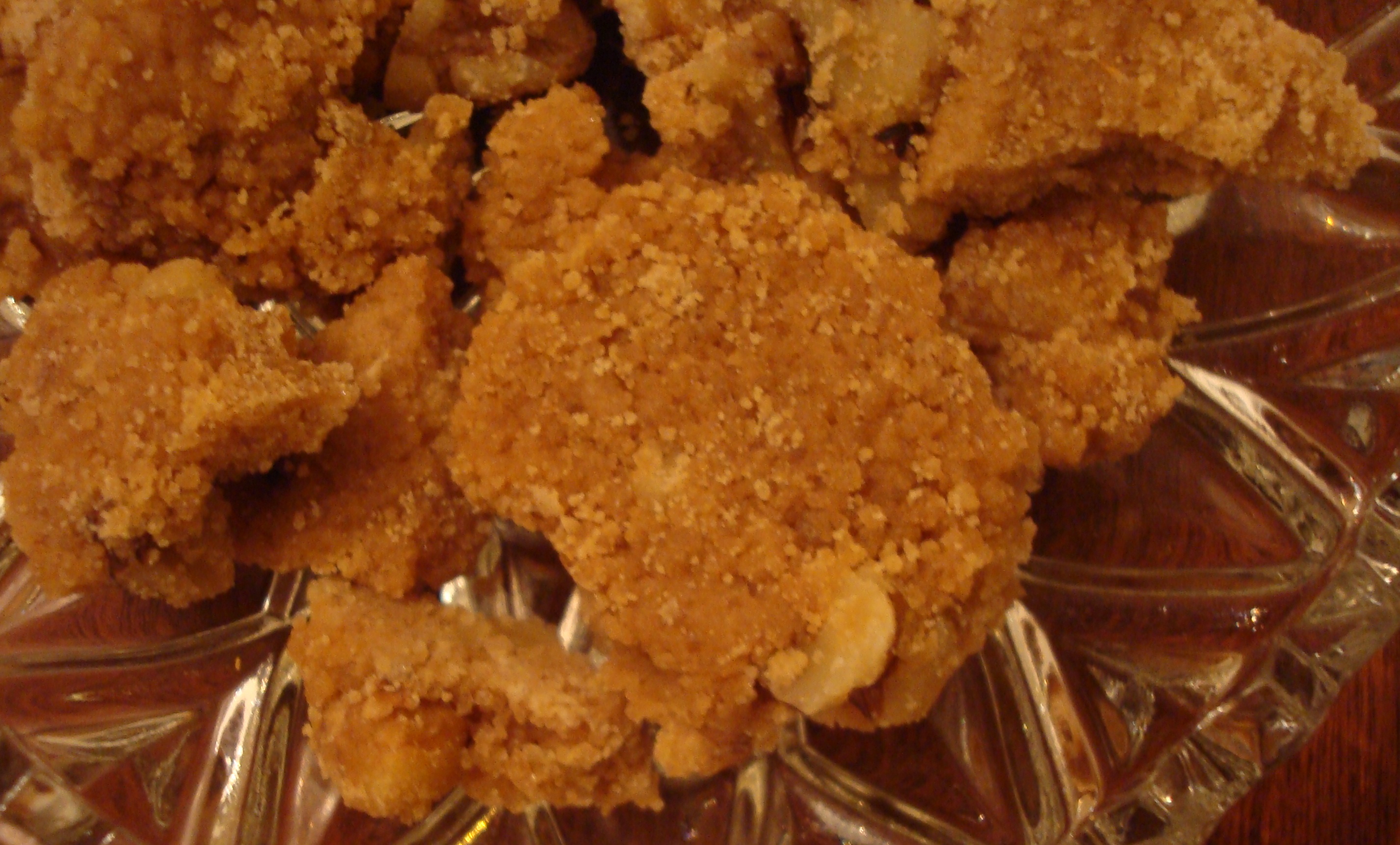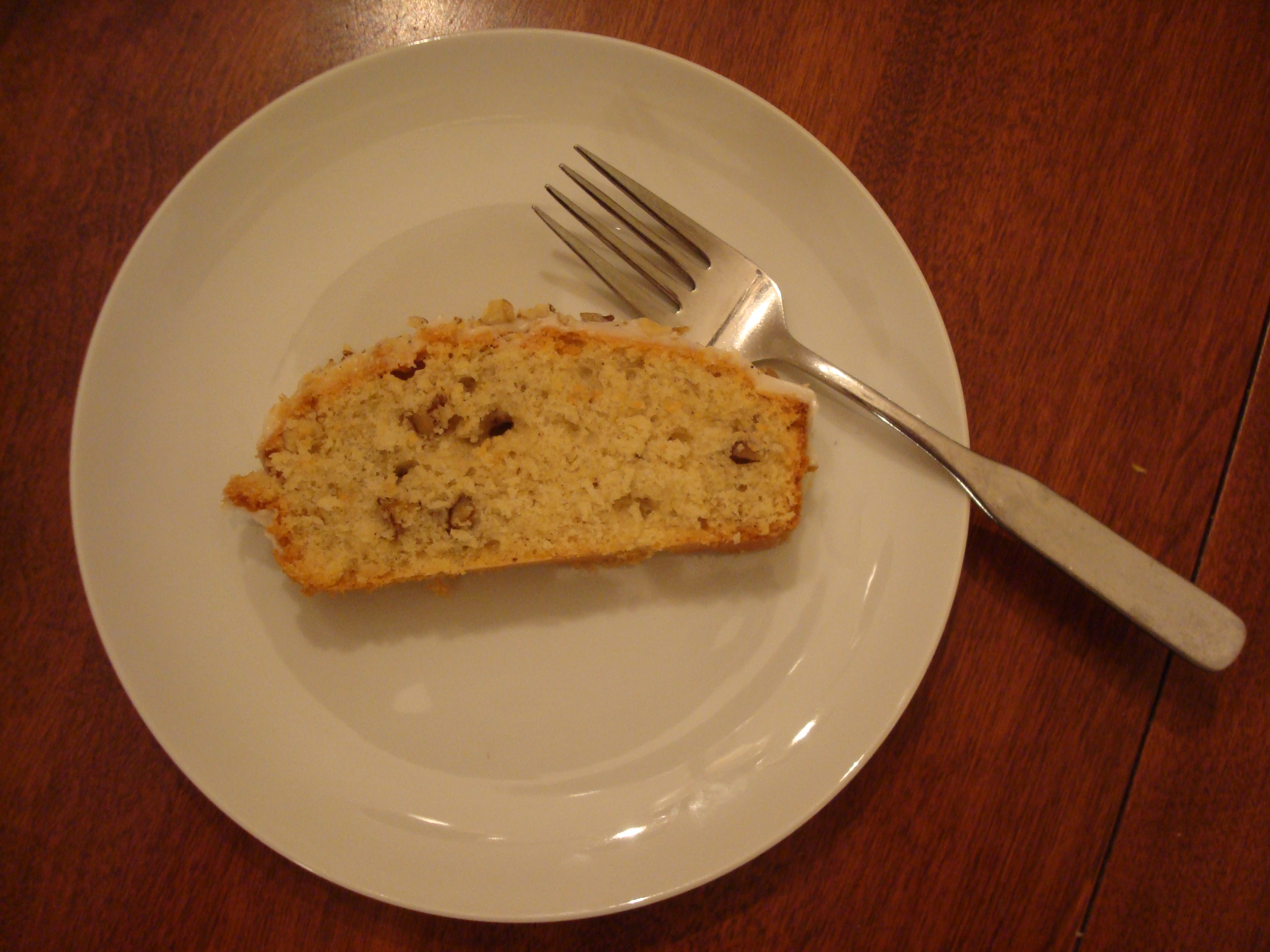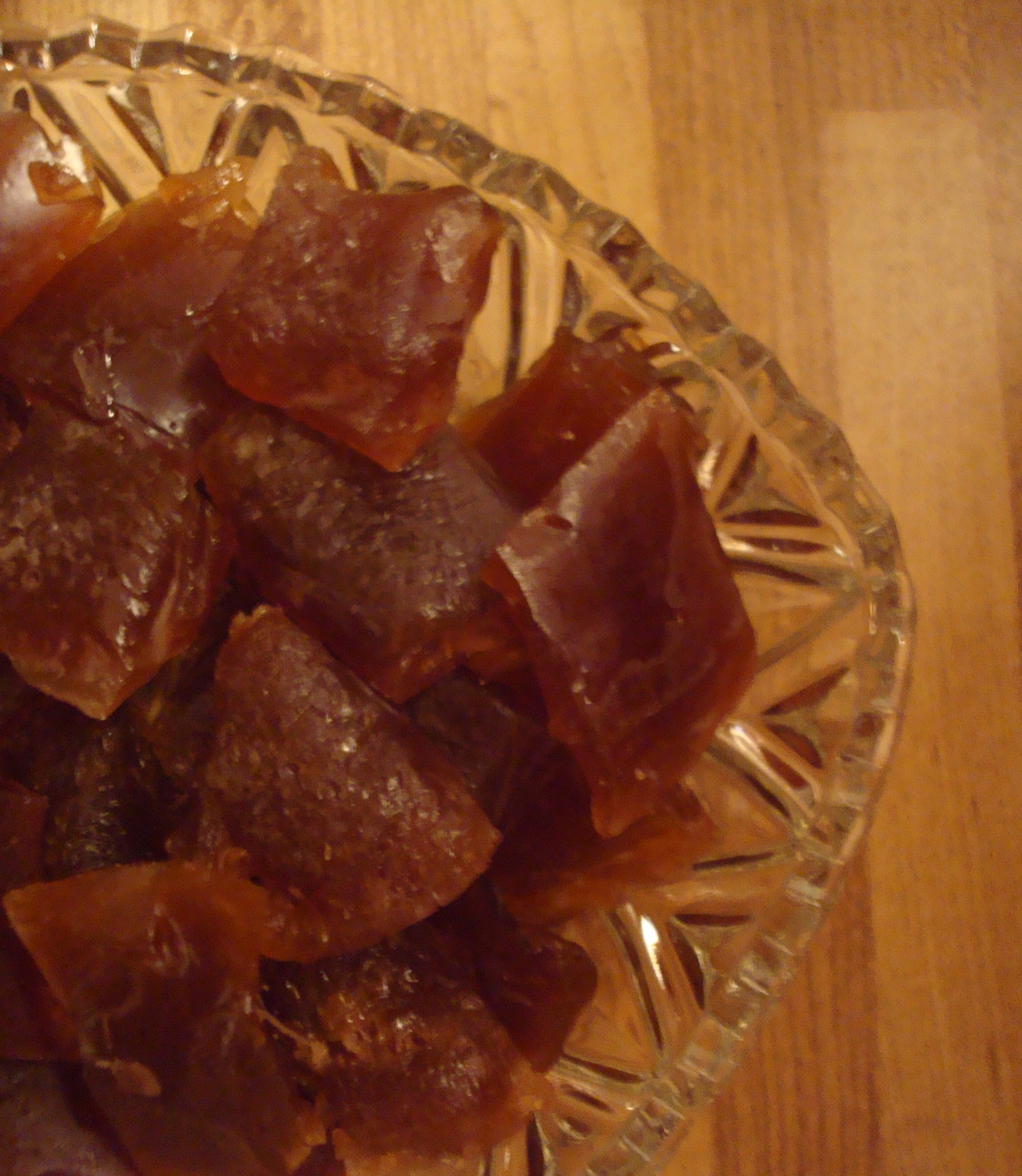
Old-fashioned Chocolate Almond Drop Cookies

16-year-old Helena Muffly wrote exactly 100 years ago today: 

Sunday, May 21, 1911: Went to Sunday school this afternoon. The whole Stout family was over this evening. Wormed the results of that letter out of Carrie.

Her middle-aged granddaughter’s comments 100 years later:

This entry describes one of the really nice characteristics of rural life—neighbors just dropping by to visit.  One hundred years ago, on warm spring evenings neighbors probably often gathered to chat about the weather, share the local news, or talk about …. well, just whatever. Long-term friendships were formed over the years—and people would discuss anything and everything.

The adults may have sat around the kitchen table —while the young folks wandered off for their own discussions.  Cookies or other refreshments may have been served. A small cookbook published in 1911 to advertise KC Baking Powder contained this recipe for chocolate almond drop cookies:

K C Almond Drop Cookies

2 eggs, beaten light

1 cup sugar

2 ounces chocolate melted

1 ½ cups blanched almonds, chopped

1 teaspoonful vanilla extract

1 cup flour

1 level teaspoonful K C Baking Powder

½ teaspoonful each, salt and cinnamon

Sift together, three times, the flour, salt, cinnamon, and baking powder. To the eggs add the sugar, chocolate, almonds, extract, and lastly the flour mixture. Drop by teaspoonfuls upon a buttered baking pan. Bake in a moderate oven. This recipe makes about three dozen little cakes.

The Cook’s Book (KC Baking Powder,1911)

When I tried this recipe, I heated the oven to 375 degrees and baked the cookies for about 12-14 minutes. I didn’t sift the flour—and I used unsweetened chocolate, sliced almonds, and a different brand of baking powder. I was surprised that the recipe didn’t call for any butter or other shortening.

The cookies are tasty with a slight hint of cinnamon, and the recipe is definitely a keeper.

Old-time Recipe for Stirred Custard

16-year-old Helena Muffly wrote exactly 100 years ago today: 

Sunday, April 30, 1911:  Pa and Ma and Jimmie went away today. Ruth had invited Helen Wesner and Blanche Bryson to come and do justice to her very excellent cooking. I rode home from Sunday school with them. I choked at the dinner table which displayed my most excellent manners.

Her middle-aged granddaughter’s comments 100 years later:

It sounds like Grandma’s sister Ruth had fun cooking a meal for friends—and that Grandma displayed her sense of humor by pretending to choke on the food. A few days ago (see the April 25 and April 27 postings) two of my cousins shared memories about how much Grandma enjoyed practical jokes when she was an older woman. I can now see that this was a trait that she had throughout her life.

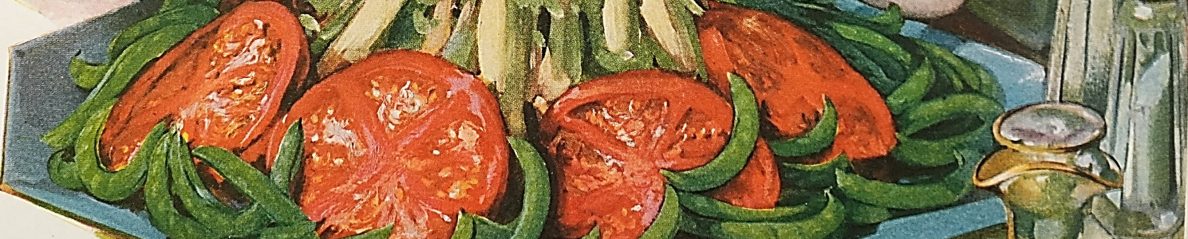
Menu page in April, 1911 issue of Good Housekeeping Magazine.

I wonder what her sister Ruth cooked. A hundred years ago Good Housekeeping magazine included sample menus each month. One of the April, 1911 Sunday dinner menus is below:

Sunday Dinner

Tomato bouillon

Roast veal, brown sauce

Mashed potatoes

String beans

Boiled custard*

Sponge cake

Coffee

An asterisk meant that the magazine contained the recipe.  For  the Sunday dinner menu, the only included recipe was for Boiled Custard:

Boiled Custard

Scald one pint of milk in a double boiler. Unless for some special reason milk should always be scaled, not boiled.

Beat the yolks of two eggs, or one whole egg, very light with two tablespoonfuls of sugar; and when the milk has scalded, pour it slowly on to the eggs and sugar, stirring all the while. The milk is added to the eggs and sugar instead of these being added to it, for two reasons. The slow addition of a small amount of hot liquid cools the egg, already divided by the beating in of the sugar, without coagulating it until it is so hard that it separates and permits the custard to separate. Also, in this way all of the egg and sugar is mixed with the milk. When an attempt is made to add adds to milk it is difficult, especially with a small amount, to clean out the dish properly. A little lost with small proportions may spoil or deduce the deliciousness of the dish.

Return the milk, eggs and sugar to the double boiler and cook for three minutes, stirring slowly, but steadily and carefully. A minute’s carelessness here may spoil the custard. If not sufficiently cooked the custard will have a raw “eggy” taste, and a minute too long cooks the egg too hard and the custard seemingly curdles. As soon as the custard coats the spoon, or as soon as it begins to feel thicker as one stirs, add the salt. [Note: I used ½ teaspoon salt.] Strain into a cool dish and flavor with a teaspoonful of vanilla. Properly made, the custard will be smooth and the consistency of rich cream.

I made this recipe using a sauce pan since I don’t own a double boiler, and it turned out fine.

The stirred custard  had a nice flavor—but the recipe directions are definitely right when it says that the custard has the consistency of rich cream.  As I look back at the menu in the old magazine, I see that it also lists sponge cake. After seeing the consistency of the Stirred Custard, I now think that it may have been used as a sauce on the cake.

Brown-Butter Macaroni

Sunday, April 23, 1911: Missing entry (Diary resumes on April 28.)

Her middle-aged granddaughter’s comments 100 years later:

Since Grandma didn’t write a diary entry again today I’m continuing to share other relatives’ memories of Grandma. My cousin Stu told me to ask his mother (and Grandma’s daughter) about the macaroni story.  This is what Aunt Eleanor told me:

When we lived in suburban Philadelphia in the ’60s, the kids and I would visit upstate, first with my parents – until my father died and after that with my mother.  We chose mid-August because that way we could catch the Swartz family reunion (on the third Saturday) and also because the tomatoes and sweet corn were at their absolute peak.

Helen(a) and Raymond Swartz and their descendents at the Swartz Reunion, White Deer Park, 1963 (Click on photo to see a larger version of it.)

On one visit after my father died, I offered to make brown-butter macaroni as a contribution for one of the meals. That’s just plain macaroni cooked al dente, drained, and then dressed with a small amount of browned butter.  My hand must have slipped or something, and way more macaroni went into the pot of boiling water than I intended.   By the time it was boiled and dressed, it was a LOT of macaroni.

My mother, never one to keep silent on such matters, complained that I’d cooked too much macaroni.   And I, never able to accept her criticism passively, said no, that was about the right amount, the kids really liked their macaroni.  Then dishing up as the kids were gathering round, I took advantage of my mother’s hearing deficit to whisper to them (rather forcefully), “You kids better help me out here and eat all of this!”  And I’ve always been so proud of those little soldiers.  My mother and I ate normal portions, but the kids ate all the rest.

Eleanor Kurtz

I had never heard of brown-butter macaroni so asked Aunt Eleanor several questions about how to make it. As with many old recipes there aren’t precise instructions, but she gave me some general directions.

Brown-Butter Macaroni

Cook 2 cups of macaroni in salted boiling water until al dente (follow package directions); drain. Meanwhile melt and lightly brown (using care not to burn) 2 tablespoons of butter in a skillet. Stir the macaroni into the browned butter; put in a dish and serve immediately.

My husband Bill and I really liked the brown-butter macaroni—and finished the entire bowl of it. Brown-butter macaroni has a delicate taste and tastes similar to some excellent pastas that I’ve eaten in upscale restaurants.

Easter and Goldenrod Eggs

16-year-old Helena Muffly wrote exactly 100 years ago today: 

Sunday, April 16, 1911:  Easter Sunday, no chocolate eggs were in evidence. I went to Sunday school this morning. Went over to Stout’s this afternoon. Miss Carrie wasn’t at home though, having gone away to spend Easter.

 Her middle-aged granddaughter’s comments 100 years later:

It sounds like Grandma’s family didn’t celebrate Easter in 1911—though other families in the area apparently participated in extended family gatherings since Grandma’s friend Carrie had gone away to spend Easter.

Grandma’s maternal grandparents lived in Turbotville, and her mother, Phoebe Derr Muffly, had 7 siblings—many of whom lived within 15 miles of the Muffly farm. It is somewhat surprising that the extended family didn’t gather to celebrate Easter.

—–

I had lots of fun experimenting with dying eggs using onion skins two days ago—now I have lots of hard-boiled eggs that need to be used.

Goldenrod Eggs are an old-fashioned traditional Easter food.

Goldenrod Eggs with Chopped Ham

Goldenrod Eggs

6 slices buttered toast

6 hard-cooked eggs

2 cups white sauce*

1/4  teaspoon salt

few grains cayenne

1/8 teaspoon pepper

Remove shells from eggs; chop whites finely; add to White Sauce. Press yolks through a sieve and add seasonings. Pour White Sauce over toast arranged on a platter, and garnish with yolks of eggs.

This dish may be very attractively arranged by placing spoonfuls of finely chopped ham around the toast.

*White Sauce

4 tablespoons butter

4 tablespoons flour

2 cups milk

1/4 teaspoon salt

few grains cayenne

1/4 teaspoon pepper

Melt butter, add flour, seasonings and liquid. Stir until the boiling point is reached. Boil two minutes, beating constantly.

Lowney’s Cook Book (1907)

Trailing Arbutus and More Dandelion

16-year-old Helena Muffly wrote exactly 100 years ago today:

Thursday, April 13, 1911: Carrie Stout was over this afternoon. We went to gather dandelions, and worked awhile, then went to hunt for trailing arbutus in the woods. We didn’t get any though for it was just beginning to come out. But we found some wintergreen and mountain pinks.

Her middle-aged granddaughter’s comments 100 years later:

It sounds like Grandma and her friend Carrie had a pleasant afternoon. I can remember often seeing trailing arbutus in the woods in the spring—but hadn’t realized that people apparently picked them years ago. The flowers seem so small.

Dandelion plants

This is the second time this week that Grandma mentioned gathering dandelions in the diary. I can remember relatives gathering dandelions when I was a child. Dandelions are best for eating  early in the spring before they bloom. The more mature the plants, the more bitter the taste.

There is a great Utube video by a 94-year-old woman named Clara about how to gather and clean dandelion. The video is awesome and very accurately shows how to gather and prepare dandelions for eating.

The dandelion video  is part of a series of videos called Great Depression Cooking with Clara. The video is about a time period somewhat after this diary—but I doubt if the way dandelions are collected and cleaned has changed very much over the years.

Creamed Dandelion Recipe

16-year-old Helena Muffly wrote exactly 100 years ago today:

Monday, April 10, 1911: I helped to wash this morning. Mistress Besse was out this afternoon and went with Miss Ruth out to gather some delicious dandelion. Ours was no good after all.

Her middle-aged granddaughter’s comments 100 years later:

Dandelion! Grandma’s diary entry reflects that excitement that fresh dandelion generated.

Dandelion, endive, and other bitter greens used to be considered a spring tonic. People traditionally had a very limited selection of foods during the late winter months, and they really looked forward to eating fresh greens in the spring.

When I was a child we often ate creamed dandelion served over mashed potatoes in the spring. I remember older relatives saying that they felt healthier after eating spring greens.

I seldom make creamed dandelion, but often make creamed endive.  Endive tastes similar to dandelion, but it isn’t quite as bitter.

CREAMED DANDELION (ENDIVE)

4 cups dandelion (or endive)

3 slices bacon, chopped

1 1/2 tablespoons flour

1 heaping tablespoon sugar

2  tablespoons vinegar

1 cup milk

Mashed potatoes, if desired

Wash dandelion and tear into pieces; set aside.

Cut bacon into pieces and fry until crisp in a large skillet. Stir in flour, sugar, and vinegar. Gradually stir in milk; heat until bubbly using medium heat. Reduce heat to low; stir in dandelion and cover for 1 minute. Remove lid and stir until wilted. Delicious when served over mashed potatoes.

1911 Chocolate Fudge Recipes

16-year-old Helena Muffly wrote exactly 100 years ago today:

Wednesday, April 5, 1911: But now I have changed my opinion. I believe I will have a good time tomorrow. I assisted my sister in making chocolate fudge tonight.

Her middle-aged granddaughter’s comments 100 years later:

I found two recipes for chocolate fudge in a 1911 cookbook:

Fudge

Chocolate Fudge, No. 1—Three cups sugar; one cup cream or rich milk; one-half cake of chocolate and piece of butter the size of an egg. Boil slowly until grains form on the edge of the kettle. Add a tablespoon of vanilla and beat vigorously for a few minutes. Pour into a buttered pan and mark off in squares.

Chocolate Fudge, No. 2—Two cups brown sugar; one-half cup of butter; one-half cup of milk; one-fourth cup of molasses. Boil ten minutes. Then add two squares of chocolate and boil three minutes longer. Beat until thick, adding a teaspoon of vanilla.

The Butterick Cook Book: With Special Chapters About Casserole and Fireless Cooking (1911) by Helena Judson

I decided to make both recipes—and then have a taste-testing to see which was better. First I ‘translated’ the recipes into modern terms. For recipe No. 1, I guessed that a cake of chocolate was 1/2 pound of unsweetened chocolate and that the recipe therefore was calling for 1/4 pound of chocolate (4-one ounce squares).

I decided to use 1/4 cup of butter for ‘butter the size of an egg’. I used heavy whipping cream for the cream or rich milk.

And, I decided that ‘beating’ within the context of 1911 probably meant stirring rapidly with a spoon.

Before pouring each mixture into a buttered pan to cool, I divided the mixtures into half and added chopped walnuts to one half.

After the fudge hardened I conducted a taste test with readily available people (in other words, with my husband).

Both recipes made acceptable fudge—though Recipe No. 1 tasted more like the fudge we typically eat today. Recipe No. 2 had interesting complex undertones from the molasses—which seemed a bit strong in the plain fudge, but when we compared the fudges that contained the walnuts—the molasses really complemented the taste of the walnuts.

If any of you are hungry for some old-fashioned sweets, I’d encourage you to try these recipes.—And, let me know if you translated these recipes for modern cooking differently than I did, and whether you preferred recipe No. 1 or No. 2.