Old Recipe for Pear Fritters

16-year-old Helena Muffly wrote exactly 100 years ago today: 

Thursday, August 31, 1911: Went to town this afternoon. Had to get a lunch box. Helped pick the pears. Harriet Seibert was here awhile in the afternoon. She rode her old nag down instead of walking.

Old lunchbox from the early 1900s

Her middle-aged granddaughter’s comments 100 years later:

I wonder what the Muffly’s did with the pears. Maybe they made Pear Fritters. Fritters were popular a hundred years ago.  Here’s an old recipe:

Pear Fritters

4 pears

4 tablespoons lemon juice

4 tablespoons sugar plus 2 tablespoons sugar

1 cup flour

½ teaspoon salt

Grated rind of l lemon

2 eggs

½ cup milk

Shortening or lard for frying

Peel, quarter, and core pears.   Sprinkle with lemon juice and 4 tablespoons sugar. Let stand for 1 hour.

In a bowl beat together 2 tablespoons sugar, flour, salt, lemon rind, eggs, and milk. Dip prepared pear quarters in fritter batter. Fry in deep fat until golden. Drain on brown paper or paper towels.

Adapted from recipe in Lowney’s Cook Book (1907)

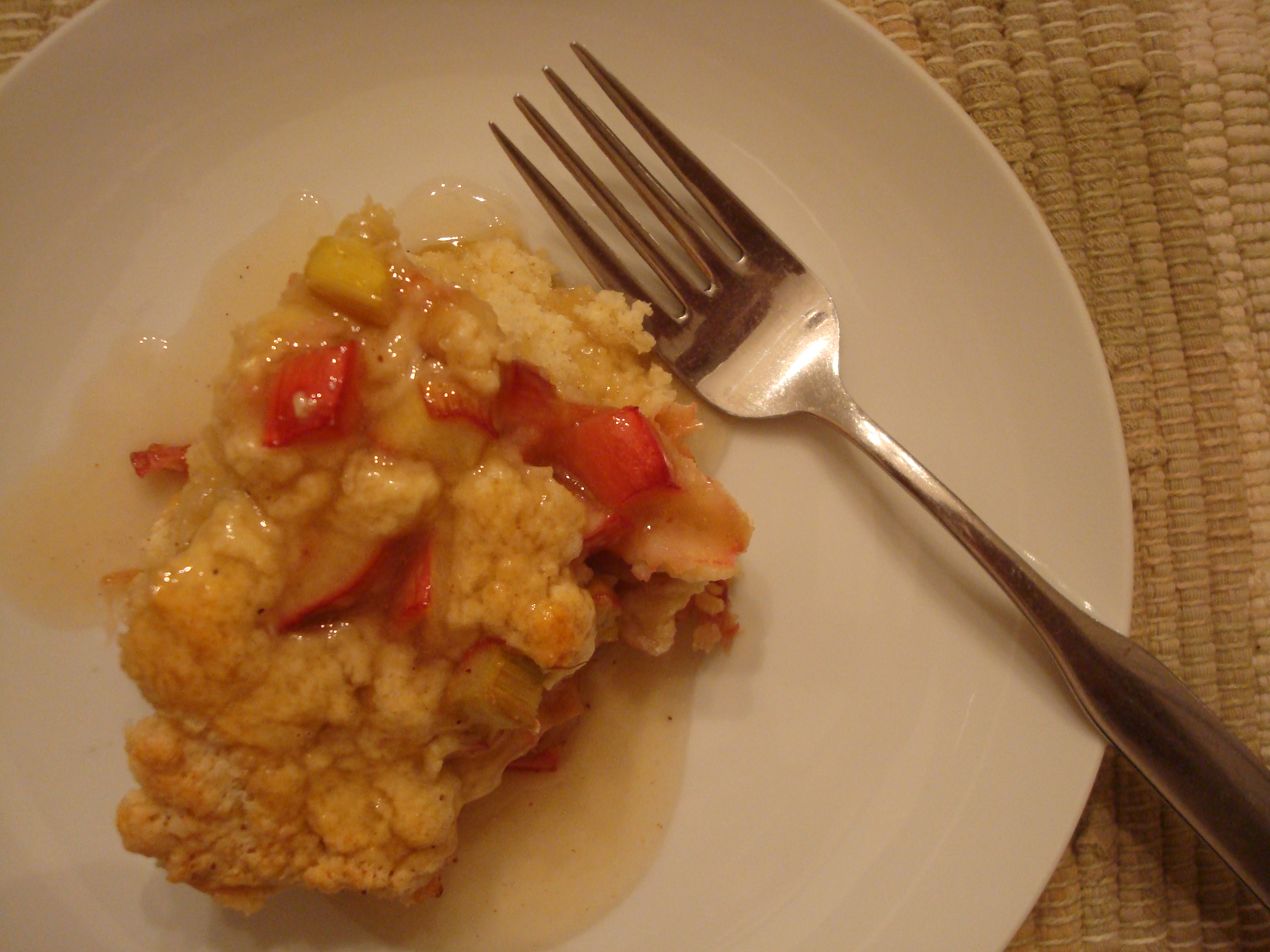
When I made this recipe I had some left-over batter. I could have coated additional pears–or maybe I should have made only half as much batter.

When frying the pears, flip them very gently. If I wasn’t careful, the batter had a tendency to slip off the pears.

My husband and I really enjoyed eating the pear fritters. We sprinkled a little powdered sugar on them–and they made a wonderful dessert.

Old-Time Cucumbers and Onions Recipe

16-year-old Helena Muffly wrote exactly 100 years ago today: 

Tuesday, August 15, 1911: Went to Watsontown this afternoon to get some nick-knacks to take to the picnic. Makes me to mad Carrie isn’t going after all our planning. I have a presentiment that perhaps no one will be there except its originator, but the morrow alone can tell.

Her middle-aged granddaughter’s comments 100 years later:

What could nick-knacks for a picnic have been? . . . Crepe paper? . . . paper nut cups? Neither of these items seems exactly like a nick-knack or right for a picnic, and they may not have even existed a hundred years ago.

Why isn’t Grandma’s friend Carrie Stout going to come? Carrie had been involved in the planning since the very beginning. Did Grandma and Carrie have a disagreement? Was Carrie grounded for some reason?

I wonder if Grandma had begun to makes foods for the picnic. An excellent old-time food for a picnic in August is Cucumbers and Onions.

Cucumbers and Onions

1 cup apple cider vinegar

1 cup sugar

1 cup water

1/2 teaspoon salt (optional)

2 cups cucumbers, peeled and thinly sliced

1 cup onion, sliced

Stir together the vinegar, sugar, and water in a large bowl. Add cucumber and onion; gently stir to coat vegetables with liquid. Cover and refrigerate for 24 hours before serving.

Yield: 4 to 6 servings

This is one of my favorite old recipes. I frequently make Cucumbers and Onions during the late summer and early fall. The vinegar, sugar, and water are in a 1:1:1 proportion—and, depending upon how many cucumbers and onions I have, I will vary the amount of syrup that I mix up. The liquid should almost cover the vegetables. (Many old recipes are based on easy to remember proportions and were never written down.)

It is okay if there is a layer or so of the sliced cucumbers and onions above the liquid because after a few hours the amount of liquid will increase as some of the liquid comes out of the vegetables.

Chocolate Cake Recipes A Hundred Years Ago

16-year-old Helena Muffly wrote exactly 100 years ago today: 

Sunday, August 13, 1911: Went to Sunday school this afternoon. I guess that picnic is to be realized after all, if it isn’t I’ll certainly be very disappointed.

Source: Lowney's Cook Book (1907)

Her middle-aged granddaughter’s comments 100 years later:

Grandma and her friend Carrie have been planning a picnic all week. They came up with the idea while taking a walk the previous Sunday.

Was Grandma thinking about which foods to make for the picnic? Perhaps she flipped through a cookbook or two and looked at the pictures for ideas.

Here are two cake recipes from an old cook book:

Walnut Chocolate Cake

¼ cup Lowney’s Always Ready Chocolate Powder

½ cup butter

1 ½ cups flour

½ cup milk

1 cup walnut meats

1 cup sugar

2 egg yolks

2 ½ teaspoons baking powder

2 tablespoons hot water

1 teaspoon salt

Cream butter; add sugar, yolks of eggs well beaten and flour in which baking powder has been sifted, milk, and chocolate which has been moistened with hot water; beat well and add walnut meats. Bake in buttered jelly cake pans about twenty minutes.

Spread one cake with one half cup of Lowney’s Sweet Chocolate Powder moistened with one fourth cup boiling water and flavored with one teaspoon vanilla. Sprinkle with broken walnuts, cover with other cake, and ice with White Frosting.

Lowney’s Cook Book (1907)

Chocolate Sponge Cake

¼ cup Lowney’s Always Ready Chocolate Powder

yolks of 3 eggs

¼ cup sugar

whites of 3 eggs

2 tablespoons hot water

¼ teaspoon salt

¼ cup pastry flour

1 teaspoon vanilla

Beat yolks until lemon-colored and thick; add sugar and continue beating. Mix chocolate with water, add to sugar mixture; cut and fold in flour, salt and beaten whites. Flavor and bake in buttered pan in a moderate oven three quarters of an hour.

Lowney’s Cook Book (1907)

I enjoy reading old recipes—though I’m often befuddled about exactly how they need to be adjusted for modern use. One suggestion in the Lowneys’ Cook Book for making cakes says:

Attend to fire, making sure, if it is a coal fire, that there is sufficient coal to last through the baking.

Hmm—Is that the same thing as a 350 degree oven?

The cook book was published by Lowney’s–a company that sold baking chocolate and cocoa. (I guess that brand name advertising and PR has been around for a long time.)  The supermarket sells Ghirardelli Sweet Ground Chocolate and Cocoa. Would that work as a substitute for Lowneys’ Always Ready Chocolate Powder?

I suppose the beating the yolks means either using a hand beater or stirring them rapidly by hand.

The Chocolate Sponge Cake recipe calls for very little flour—actually it seems like very small amounts for several ingredients. It must make a really small cake—or maybe there are typos in the cook book.

Whew, I’m getting a head-ache trying to interpret these recipes for modern cooking. I guess I’ll just assume that these cakes tasted awesome and not try to make them.

Old-fashioned Pickled Beets and Eggs

16-year-old Helena Muffly wrote exactly 100 years ago today: 

Monday, August 7, 1911: I wound up my driving this afternoon, and I’m not sorry either. Carrie was over this evening. We did some planning for that picnic, which we wish to have some time next week if we can.

Pickled Beets and Eggs at the 2011 McEwensville Community Picnic

Her middle-aged granddaughter’s comments 100 years later:

Grandma began driving horses five days ago. As discussed in the August 2 entry, she probably was operating a horse-drawn roller that leveled the plowed ground in preparation for planting winter wheat.

As Grandma planned for the picnic, she may have thought about foods that she could take.  Beets are in season, so a hundred years ago Grandma may have thought about taking Pickled Beets and Eggs to the upcoming picnic. Here’s an old recipe that I use to make pickled beets and eggs.

Pickled Beets and Eggs

2 cups apple cider vinegar

1 cup  reserved  beet water from cooking beets

1 1/3 cup sugar

1 piece stick cinnamon

2 cups cooked beets, sliced (leave beets whole if small)*

12 hard-cooked eggs, peeled

Combine vinegar, beet water, sugar, and piece of stick cinnamon in a large saucepan. Bring to a boil. Stir until sugar is dissolved then remove from heat.

Put sliced beets and hard-boiled eggs in a glass jar or other container. Pour cooked liquid over the beets and eggs.  Chill overnight to marinate. (For darker eggs, chill for several days before serving.).

*Peel beets before cooking (or canned beets may be used–though that’s probably less authentic).

Old Tomato Rarebit Recipe

16-year-old Helena Muffly wrote exactly 100 years ago today: 

Monday, July 17, 1911: It rained real hard this morning. I don’t know whether that kept me from doing anything of any account or something else—any way it isn’t here to read.Her middle-aged granddaughter’s comments 100 years later:

Since Grandma didn’t have much to say a hundred years ago today, I flipped through the July 1911 issue of Good Housekeeping magazine. It contained a recipe for Tomato Rarebit.  A rarebit is a cheese sauce that is served over toast or other similar foods.  I like Welsh Rarebit so thought that I’d give this recipe a try.

Tomato Rarebit

Cook one tablespoon chopped onion in one tablespoon butter five minutes. Add one cup tomatoes, cook two minutes, and strain. In a saucepan, or the blazer of the chafing dish, melt two tablespoons butter, add two tablespoons flour, and three-fourths of a cup of thin cream. Cook until thickened, then add two cups cheese cut in dice or thinly shaved, the tomato, and one-half teaspoon each mustard and salt, and one-fourth teaspoon paprika. Stir until cheese is melted and the mixture is smooth. Serve on toast or heated crackers.

The Tomato Rarebit had a zestier taste than Welsh Rarebit, and was excellent.  The recipe is a keeper.

Beet and Pepper Salad Recipe

16-year-old Helena Muffly wrote exactly 100 years ago today: 

Friday, July 14, 1911: The entries for this month look, as if they won’t require much space. Can’t help it though.

Her middle-aged granddaughter’s comments 100 years later:

Since Grandma didn’t have much to say a hundred years ago today, I flipped through the July 1911 issue of Good Housekeeping magazine. It included sample menus.

The Friday menu is below:

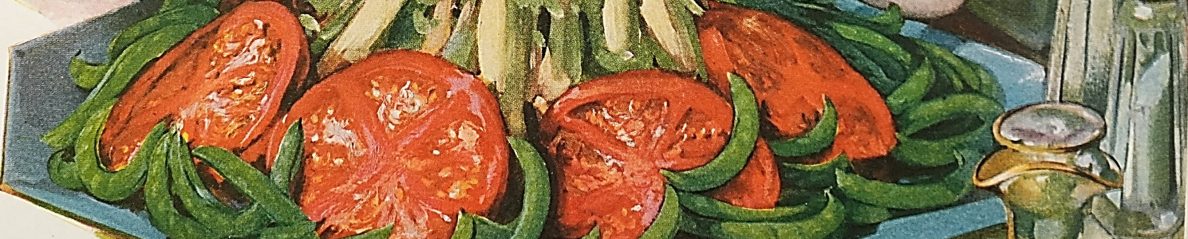
An asterisk meant that the magazine contained the recipe.  For the Friday dinner menu, the included recipe was for Beet and Pepper Salad:

Beet and Pepper Salad

Thinly slice four small boiled beets. Remove the seeds from and parboil two green peppers five minutes, then cut in strips. When very cold serve in nests of lettuce with a French dressing made as follows: Mix together four tablespoons olive oil, one tablespoon vinegar, one teaspoon tarragon vinegar, one teaspoon salt, one-fourth teaspoon paprika, one-eighth teaspoon pepper, and if liked one teaspoon finely chopped onion or shallots.

Preserving Jams and Jellies a Hundred Years Ago

16-year-old Helena Muffly wrote exactly 100 years ago today: 

Sunday, July 9, 1911: Went to Sunday school this morning. Was over to see my friend this evening. Besse and Curt were here when I came home.

Her middle-aged granddaughter’s comments 100 years later:

Based on previous diary entries this Sunday sounds like a very typical Sunday at the Muffly’s. Grandma went to Sunday School, her married sister and brother-in-law came to visit, and she visited with a friend.

Since Grandma didn’t write much today, I’d like to tell you a little more about how jellies and jams were made a hundred years ago.

Several days ago I had an entry about making currant jelly using both modern and hundred-year-old recipes. My daughter and I filled miscellaneous jelly jars that I found in my cabinets, and then took a photo to illustrate the posting. The jars in the photo didn’t match—and at first I thought that I should have been more careful to use matching jars for both the modern and traditional recipes when I filled them so that I would have ended up with a better photo.

Some of the jars we filled with current jelly.

But then I realized that my photo probably was more typical of what they would have actually done in 1911—the family would have re-used whatever jars they had and there probably would have been several different types and styles.

A hundred years ago, people generally saved “real” canning jars and lids for canning; and instead often just re-used jars and lids that purchased foods had come in for jellies, jams, and preserves.

The description of filling and sealing jelly jars in the 1907 Lowney’s Cook Book  is below:

Have jelly glasses standing in hot water; pour jelly into them; let stand until hard and cover first with paper or melted paraffin, and the tin cover, or paste white paper over the glass. Keep all jellies in cool, dry, dark place.

Hmm, I can’t quite picture sealing a jar with paper—though I can remember pouring melted paraffin on top of jelly to seal it when I was younger and think that some people still use that method.