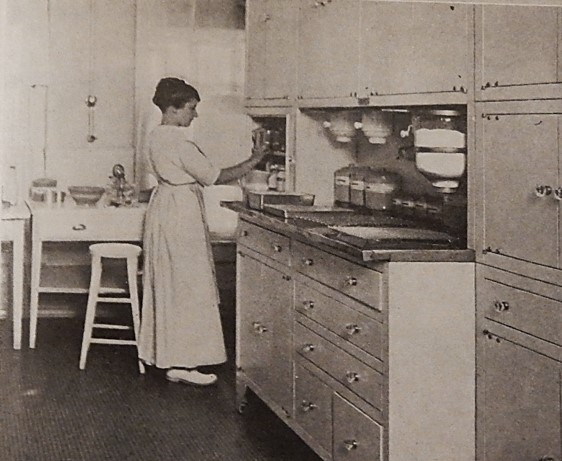
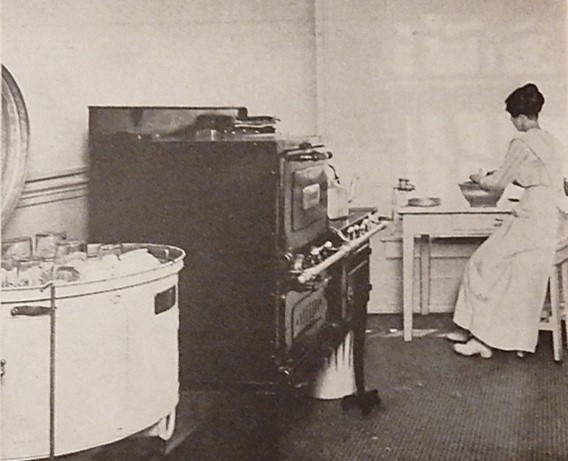
Good Housekeeping magazine has had test kitchens where recipes are tested for at least a hundred years. Here are two 1917 photos of the Good Housekeeping test kitchen.
Caption: This is a view of Good Housekeeping Institute Kitchen where all recipes appearing in Good Housekeeping, both on these pages and elsewhere in the magazine, are actually tried out. Here also are all sorts of kitchen utensils and appliances are give a thorough test under conditions identical with those in the average house. (Good Housekeeping, December, 1917)
Christmas isn’t even here yet, but I’m already worrying about leftovers. I justify this to myself by saying that I like to plan ahead, but maybe I should be enjoying the moment.
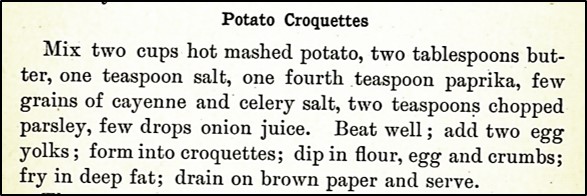
In any case, I ALWAYS have leftover mashed potatoes after holiday meals, so I was thrilled to find a hundred-year-old recipe for Potato Croquettes that calls for mashed potatoes. The Potato Croquettes had a crispy crust filled with a delightful spicy mashed potato mixture flavored with paprika, cayenne pepper, celery salt, parsley, and onion.
2 cups hot mashed potatoes (If they are cold, they can be reheated in the microwave.)
2 tablespoons butter
1/2 teaspoon salt
1/4 teaspoon paprika
1/8 teaspoon cayenne (red) pepper
1/8 teaspoon celery salt
2 tablespoons parsley, chopped
2 egg yolks
1 tablespoon onion, finely chopped
1/2 cup flour
1 egg, beaten
1 cup fine bread crumbs
approximately 1/2 cup shortening
Mix together the potatoes, butter, salt, paprika, cayenne pepper, celery salt, parsley, egg yolks, and minced onion. Shape into 1-inch balls; then roll in flour, dip in beaten egg, and finally roll in bread crumbs. (If the potato mixture is sticky – and not very firm, skip dipping in the egg.)
Place the shortening into a frying pan, and heat until hot. (There should be about 1/2 inch of melted shortening. Add more if needed.) Drop balls into the hot shortening, then gently roll the balls with a fork until all sides are a light brown. Remove from heat and drain on paper towels.
When I made the recipe I used 1/2 teaspoon of salt rather than the 1 teaspoon called for in the original recipe. I also used chopped onion rather than onion juice. The recipe turned out fine with these substitutions.
This is the third year that I’ve posted Baker’s Cocoa advertisements that were on the back cover of the hundred-year-old December issue of Good Housekeeping magazine. The 1915 and 1916 advertisements were much warmer and fuzzier than the 1917 one. By 1917, World War I was raging, and the advertisement reflected the nation’s focus on the soldiers who were fighting in the war.
Scalloped Oysters are a classic holiday dish, so I was curious when I saw a hundred-year-old recipe for “new” Scalloped Oysters, that called for tomatoes and corn in addition to the usual bread or cracker crumbs.
The old, “new” twist adds interest to this traditional dish. “New” Scalloped Oysters were colorful, flavorful, and easy to make.
1 1/2 cups dried bread crumbs or cracker crumbs (I used bread crumbs.)
4 tablespoons butter
1/2 pint shucked oysters (drain-though it’s okay if there is still some liquid clinging to the oysters.)
1/2 cup stewed or canned tomatoes
2/3 cup corn (if using frozen corn, cook and drain)
salt and pepper
Preheat oven to 350° F. Butter 1-quart casserole dish. Put 1/3 of crumbs in bottom of dish. Lay 1/2 of the oysters on crumbs, sprinkle with salt and pepper and dot with small pieces of 1 tablespoon of butter. Add layers of tomatoes and corn, using 1/2 of each. Repeat with layers of bread crumbs, oysters (sprinkled with salt and pepper and dotted with 1 tablespoon of butter), tomatoes, and corn.
In the meantime, melt 2 tablespoons butter in a small skillet. Gently stir in the remaining 1/2 cup crumbs; continue gently stirring until the bread crumbs are coated with melted butter. Remove from heat. Put the buttered crumbs on top of the previously assembled layers in the casserole dish. Bake for approximately 45 minutes or until hot and bubbly.
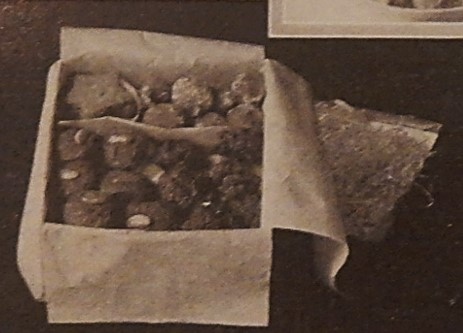
Caption: Pack the cookies in a tin box lined with paraffin paper. Put the cookies in as snugly as possible with crumpled bits of paraffin paper to fill up every nook and corner and every crevice between the uneven cakes. (Source: Good Housekeeping, December, 1917)
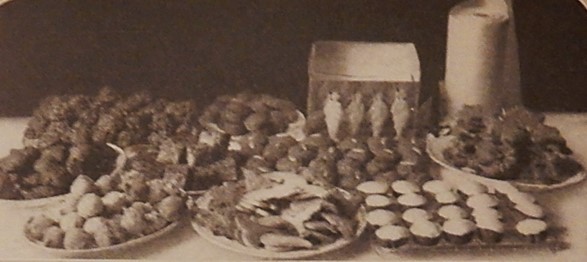
Are you thinking about sending cookies to family members or friends this holiday season? If so, you might find this hundred-year-old advice on mailing cookies helpful.
Caption: Lay a piece of thin cardboard between each layer of cakes, and in addition put crosswise pieces of the same cardboard between the rows of cakes. In the way fine candies are packed. Over the top put a thick layer of shredded tissue paper such as is used to pack china.
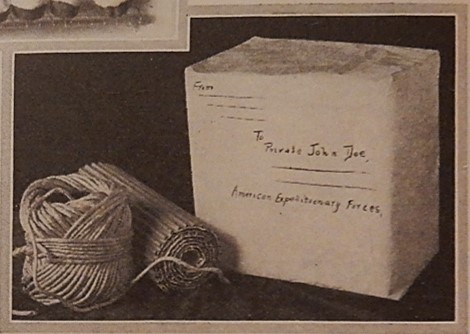
Caption: Wrap the box first in corrugated pasteboard; wrap in both directions thoroughly so as to save the contents every jolt. Over this wrap heavy paper. Put “Christmas Mail” conspicuously on address side.
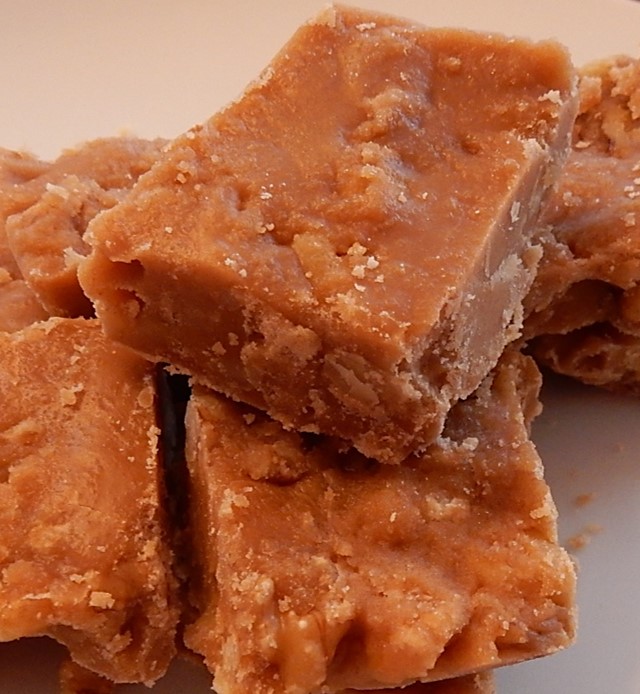
Combine brown sugar and milk in saucepan; add cream of tartar and stir. Continue stirring while heating over medium heat until the sugar is dissolved. Quit stirring and bring to a slow boil. Reduce heat to low and continue boiling (without stirring) until candy reaches the soft ball stage (235-240 degrees F.) (about 10-15 minutes). Stir in butter and remove from heat, beat until the mixture thickens. Stir in walnuts. Pour into a buttered 8 X 8 inch pan. When cool, cut into pieces.
I’m always looking for household tips that will make my life easier. Here’s some hundred-year-old advice on how to wash dishes efficiently.
Be Efficient
The following “efficiency” method for washing dishes in a sink has been suggested. A sink provided with a stopper over the drainpipe and with a rubber hose attached to the hot water faucet saves the use of several pans and eliminates lifting the dishes from one pan to another.
Place the prepared dishes in proper order in the sink, arrange the stopper over the drainpipe and fill the sink with cold water. Allow the dishes to soak. Remove the stopper, drain off the cold water; replace the stopper and fill the sink with hot water.
As the hot water issues from the hose, hold a soap holder at the mouth of the hose and “wash” the dishes by directing the water from the hose all over the dishes. Allow the dishes to remain in the hot water about 15 minutes. If necessary, wash with a cloth or dish mop.
Again remove the stopper and drain off the soapy water. Replace the stopper and fill the sink with clear bot water. Lift the dishes out of the sink and place the china dishes on dish racks or drainers. If necessary, dry them. The drain and dry the glasses and silver.