16-year-old Helena Muffly wrote exactly 100 years ago today:
Wednesday, February 27, 1912: I helped Ruth decide a question this morning. She was invited out to spend the evening and staid all night. I decided that she should accept the invitation and so she did. But the other part is that I will have her milking tomorrow morning.
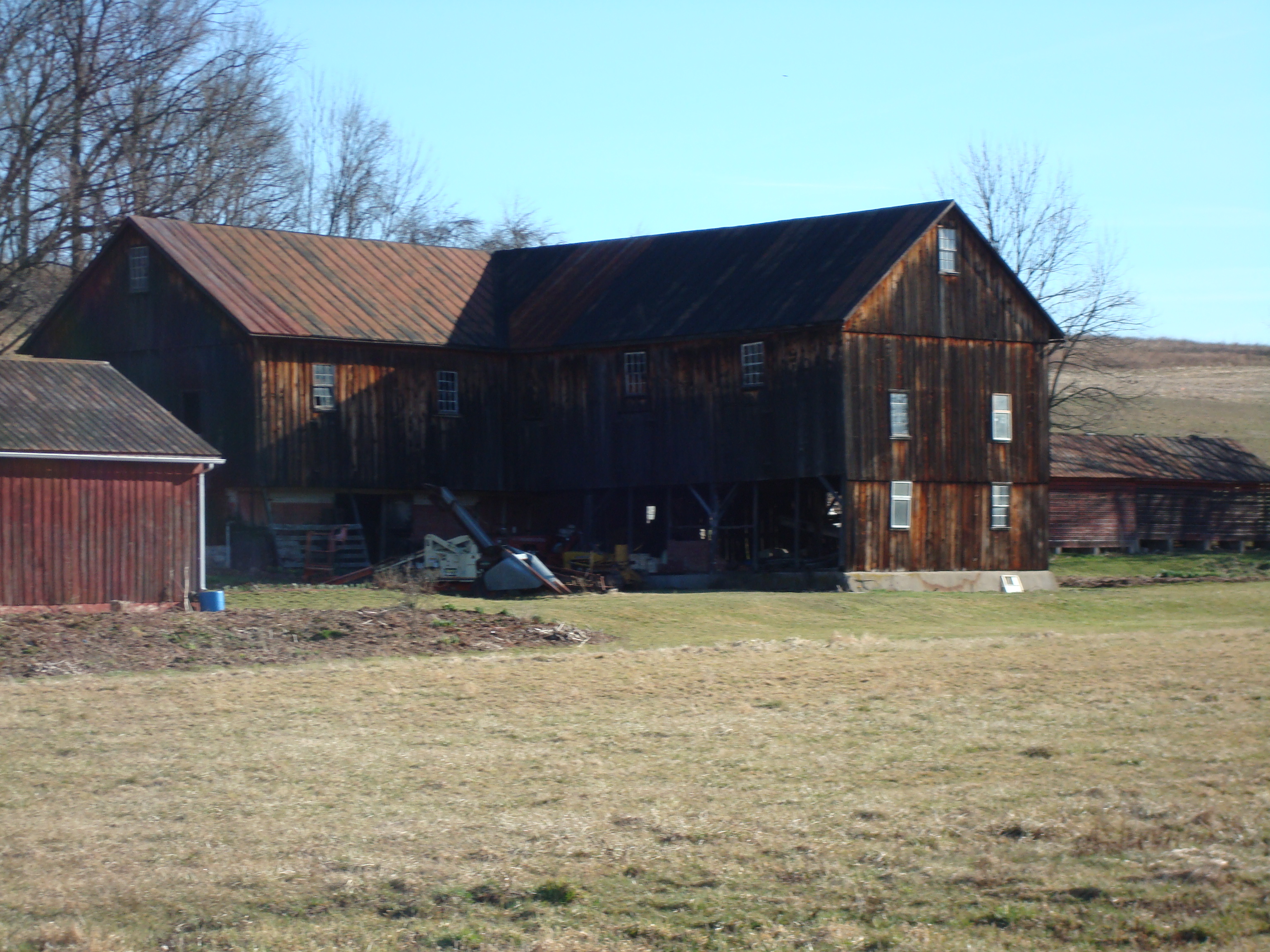
Recent photo of the barn that Grandma milked cows in a hundred years ago.
Her middle-aged granddaughter’s comments 100 years later:
There are trade-offs to everything. In this diary entry Grandma was weighing the benefits and “costs” of her sister Ruth staying overnight at a friend’s house.
Benefit
Peace and quiet: Grandma got a quiet evening alone without Ruth. She shared a bedroom with her sister, so she also would have had the room to herself.
“Cost”
More work: In exchange for the peace and quiet Grandma had to milk more cows than usual in the morning.
16-year-old Helena Muffly wrote exactly 100 years ago today:
Tuesday, February 27, 1912: Quite uneventful. Ruth went up to Oakes this evening, but I staid at home and studied my lessons.
Devil's Food Cake (Hundred-Year-Old Recipe)
Her middle-aged granddaughter’s comments 100 years later:
Since this diary entry is self-explanatory, I’m going to go off on a tangent.
I recently bought a 1912 cookbook off EBay. My daughter glanced through it and noticed that the devils food cake recipe seemed very different from today’s recipes.
So we decided to compare a devils food cake made with a modern recipe with one made using a hundred year old recipe.
In the early 1900s angel food cakes and devils food cakes were seen as the polar opposites—one was white and light; the other dark and heavy.
The cake made with the hundred year old recipe was a dense chocolate spice cake. The recipe called for mashed potatoes (mashed potatoes ?!?!), cinnamon, nutmeg and nuts. It reminded us of gingerbread–though ginger was not an ingredient. I’ve never eaten anything exactly like it—but the cake was very good and I’d make it again.
100 Year-Old-Recipe
Calumet Devil’s Food Cake (Chocolate Spice Cake)
2 cups flour
2 level teaspoons Calumet (or any other brand) baking powder
2 level teaspoons cinnamon
1/2 teaspoon nutmeg
1 3/4 cups granulated sugar
1/2 cup milk
3/4 cup butter
2 eggs
1 cup warm mashed potatoes
2 squares unsweetened chocolate
1 cup chopped nuts
Preheat oven to 350 degrees. Grease and flour baking pan, 13 X 9 X 2 inches. Melt butter and chocolate. Combine with all of the other ingredients except nuts. Beat until well-blended. Stir in nuts.
Pour into pan. Bake approximately 45-50 minutes or until pick comes out clean.
Adapted from the recipe in Calumet Baking Powder Reliable Recipes (1912)
The modern devils food cake recipe that my daughter made was from my Betty Crocker Cookbook. The recipe called for red food coloring—but otherwise seemed similar to other modern chocolate cake recipes. The cake was awesome.
Devils Food Cake
1 3/4 cups all-purpose flour
1 cup granulated sugar
1/2 cup brown sugar (packed)
1 1/2 teaspoons soda
3/4 teaspoon salt
1 1/4 cups buttermilk
1/2 cup shortening
2 eggs
2 ounces melted unsweetened chocolate (cool)
1 teaspoon vanilla
1/2 teaspoon red food color
Heat oven to 350 degrees. Grease and flour baking pan, 13x9x2 inches, or two 9-inch or three 8-inch round layer pans. Measure all ingredients into large mixer bowl. Blend 1/2 minute on low-speed, scraping bowl constantly. Beat 3 minutes high-speed, scraping bowl occasionally. Pour into pan(s).
Bake oblong about 40 minutes, layers 30-35 minutes or until wooden pick inserted in center comes out clean. Cool.
(Recipe suggests using chocolate or cream cheese frosting.)
16-year-old Helena Muffly wrote exactly 100 years ago today:
Sunday, February 25, 1912: Went to Sunday School this afternoon. It was exceedingly mean walking though, but managed to get through it by going the railroad.
Her middle-aged granddaughter’s comments 100 years later:
A hundred years ago cookbooks often contained a hints and helps section. Here are tips in a 1912 cookbook for removing mud from clothes:
Mud Stains (Colored Goods)—Let the mud dry thoroughly, and then remove as much as possible by brushing. When fully dry, cover with a mixture of salt and flour and place in a dry place.
If the stains are extensive place the garment in a large paper flour sack with a quantity of salt and flour well mixed, shake vigorously, tie up the sack, and allow it to hang behind for a few days. Afterwards shake out the dust and press.
Mud Stains (White Goods)—Dip the mud stains in kerosene before putting them in boiler. Add kerosene to the boiling water.
Calumet Raking Powder Reliable Recipes (1912)
Whew, can you imagine using kerosene to remove stains? . . . and I don’t have a wood or coal stove that I can hang the bag of stained clothes behind.
The methods for removing mud have really changed over the years. I’d just put some Shout stain remover on the spot and throw it into the laundry.
16-year-old Helena Muffly wrote exactly 100 years ago today:
Thursday, February 22, 1912: Such a time as I had getting to school this morning. It was terribly icy. Pa went along to help Jimmie along. They both went down together. It looked so comical. We observed Washington’s Birthday today by some pupils reciting different accounts of his life. Coming home tonight my cap flew off my head and I had to race after it four or five rods before I captured it.
Saw a possum tonight. That was after he met his fate.
Did Grandma's cap look like this? (Source: Ladies Home Journal--November, 1911)
Her middle-aged granddaughter’s comments 100 years later:
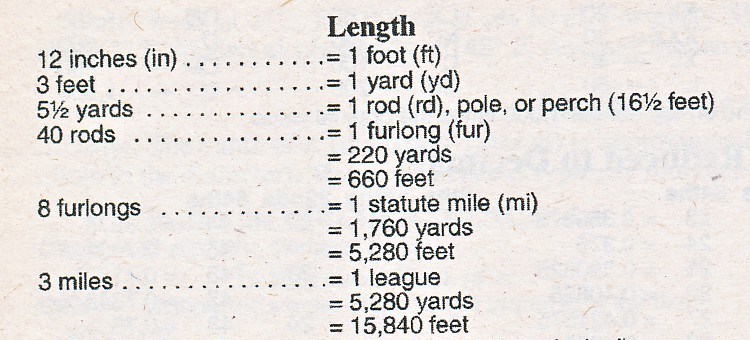
Wow, Grandma actually thought about distances in terms of rods. A rod equals 5 1/2 yards. So Grandma had to chase the cap about 22 – 27.5 yards.
The use of rods as a unit of measurement apparently was widely used early in the 20th century—but had become largely archaic prior to the latter half of the 20th century. I have never, ever thought in terms of rods.
I can remember having composition books when I was a child that listed all sorts of mysterious weights and measures on the back—rods, perches, and so on. But word problems in math class only referred to inches, feet, yards and other commonly used units.
In 1912 there was enough sugar for every man, woman and child in the US to eat 76 pounds of sugar per year. Sugar availability was 102 pounds in 1972. By 2012 there were 64 pounds per person.
A hundred years ago people ate a small amount of corn syrup per capita, but it was not high fructose corn syrup. Prior to the late 1960s corn syrup was either glucose or dextrose.
In 1972 there was 1 pound of high fructose corn syrup per person. By 1992 there was 63 pounds per person. It decreased to 50 pounds per person in 2012.
2009 data are the most recent year available on the USDA website. When making the chart, I assumed that per capita availability of sugar and high fructose corn syrup is the same in 2012 as it had been in 2009.
16-year-old Helena Muffly wrote exactly 100 years ago today:
Sunday, February 18, 1912: Went to Sunday School this afternoon. The roads are rather muddy. Went over to see Carrie this afternoon. I mean I went to Sunday School this morning. I wonder what will happen tomorrow at school I just wonder if Mr. Forest Dunkel (that’s his name) is going to be stern and terrible.
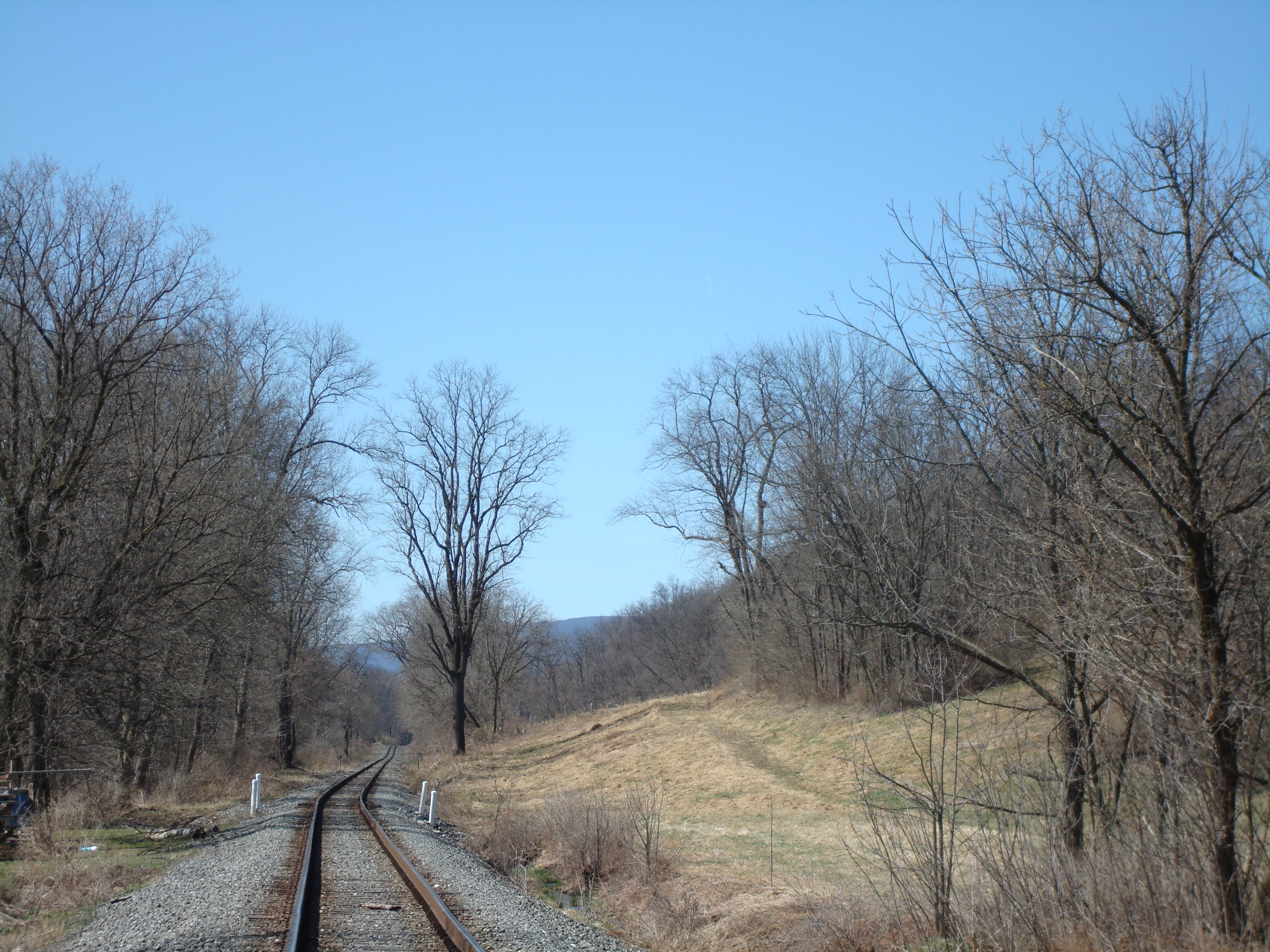
Grandma would have walked down this road to church--EXCEPT in those days it wasn't paved.
Her middle-aged granddaughter’s comments 100 years later:
Forest Dunkel was going to be the new teacher at McEwensville High School. The previous teacher had quit mid-year.
Sometimes the school board was unable to pay the teachers at the appropriate time and could do so only when there was again enough money in the treasury. The McEwensville school board had difficulty collecting tuitions due from the directors for pupils attending from Delaware Township. At one time McEwensville even considered going to court to collect these monies, but concluded that it would not be worth the legal expense involved.
The History of the McEwensville Schools (2000) by Thomas Kramm
Grandma’s family lived in Delaware Township, so she would have been one of the students that the school was having difficulty getting the township to pay for in a timely manner.
Carrie Stout was a friend of Grandma’s who lived on a nearby farm.
16-year-old Helena Muffly wrote exactly 100 years ago today:
Saturday, February 17, 1912: Uncle Ben and Aunt Annie were here today. I was very anxious to see Uncle Ben as I hadn’t seen him since I was a little kid, so you see I really wanted to see what he looked like. He is a great tease, but doesn’t look like it at all. Puts him arms around you and strokes your hair. Really, I was surprised.
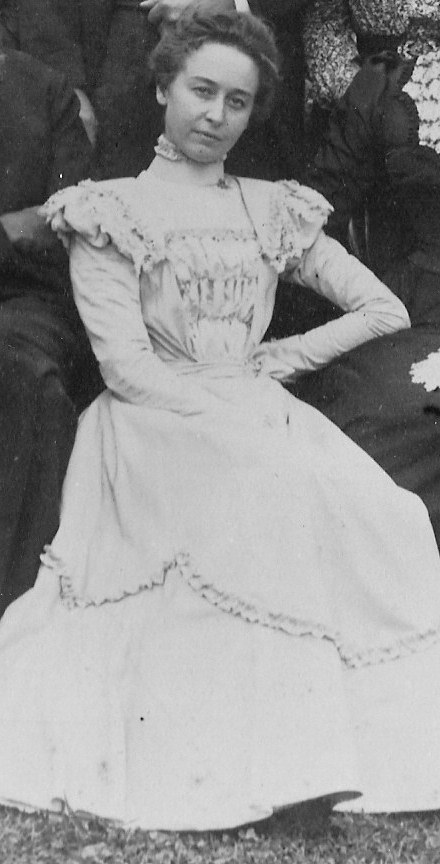
Annie (Derr) Van Sant (circa 1900)
Her middle-aged granddaughter’s comments 100 years later:
This diary entry refers to Benjamin and Annie Van Sant. Annie was the youngest sister of Grandma’s mother. Ben was a physician in Turbotville which is located about 6 miles northeast of the Muffly farm.
In February 1912, Ben was 48 years old and Annie was 35. They did not have any children.
Since they lived so near the Muffley’s it is amazing that Grandma had not seen her uncle in many years.
That said, I’m not exactly sure what to make of this entry. . .