Old Patent Medicine Advertisement

17-year-old Helena Muffly wrote exactly 100 years ago today: 

Monday, June 17, 1912: I tried to play the sick cat this afternoon, but no one took it very seriously. In fact I really didn’t feel very extra anyway.

Did Grandma take any of the old patent medicines? (Click on picture to enlarge.)

Her middle-aged granddaughter’s comments 100 years later:

What chore was Grandma trying to get out of?  It isn’t fun to not feel well, and not have anyone believe you.

Doing Some Fancy Work

17-year-old Helena Muffly wrote exactly 100 years ago today: 

Saturday, June 15, 1912:  Well this is Saturday. Saturday, that’s the way my brain must be of the dull sort. Did some fancy work this afternoon.

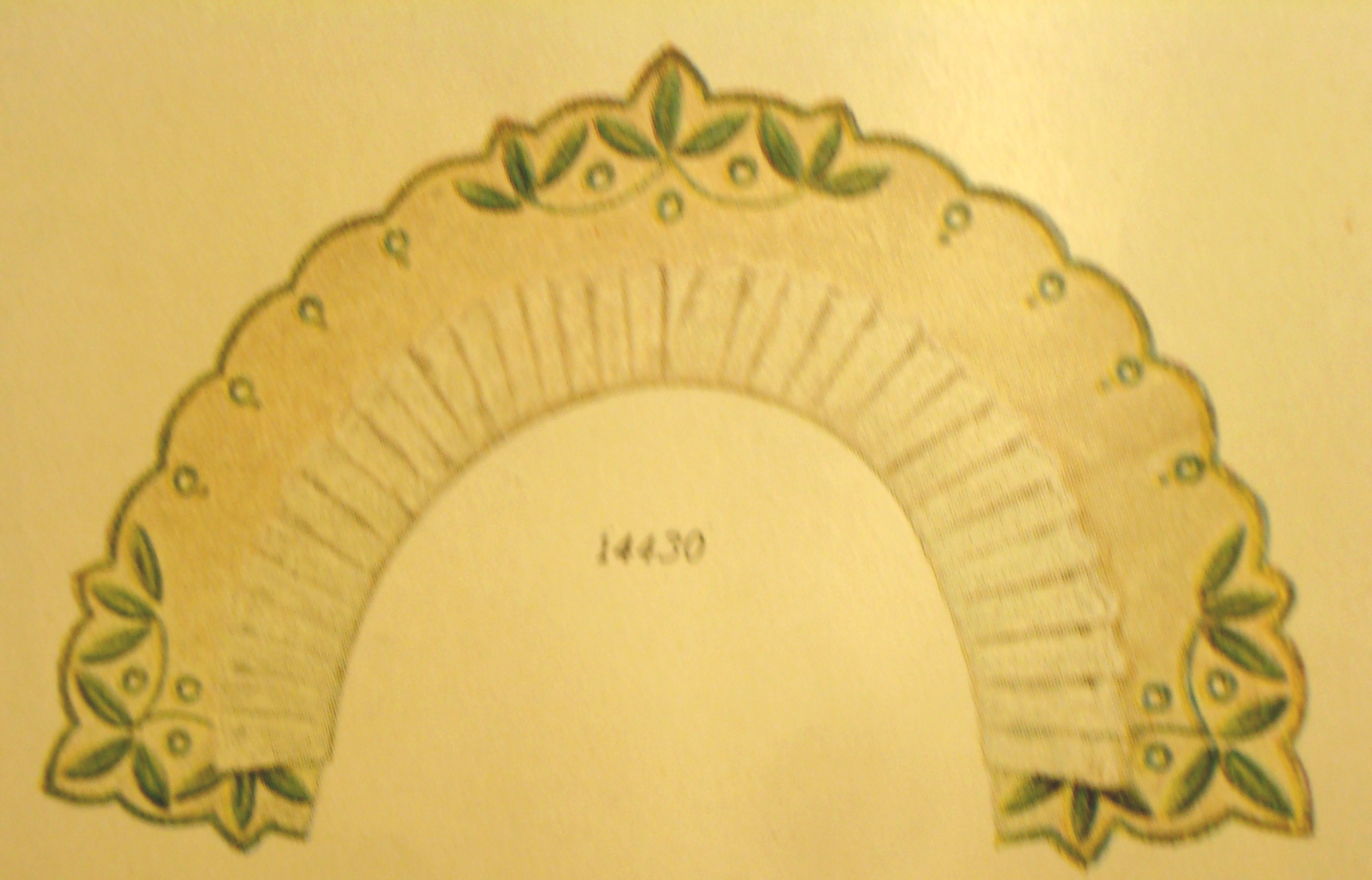
Detachable Collar (Source: Ladies Home Journal: October, 1911)

Her middle-aged granddaughter’s comments 100 years later:

What type of “fancy work” was Grandma doing? . . . . embroidery . . .  tatting. . .  crocheting . . .?

Was she making something that would decorate her clothes? . . . or was she making it to give as a gift? . . . or to put in her hope chest?

I want to picture her sitting in the living room doing fancy embroidery on pillow cases and sheets in anticipation of finding the right guy and getting married someday—but maybe it was for more immediate needs such as decorating a dress collar.

Bulls on Farms a Hundred Years Ago

17-year-old Helena Muffly wrote exactly 100 years ago today: 

Friday, June 14, 1912:  Such a time as I had a running after Jake this afternoon. He broke out of the field and when I spied him he was walking up the railroad. Carrie was over this evening.

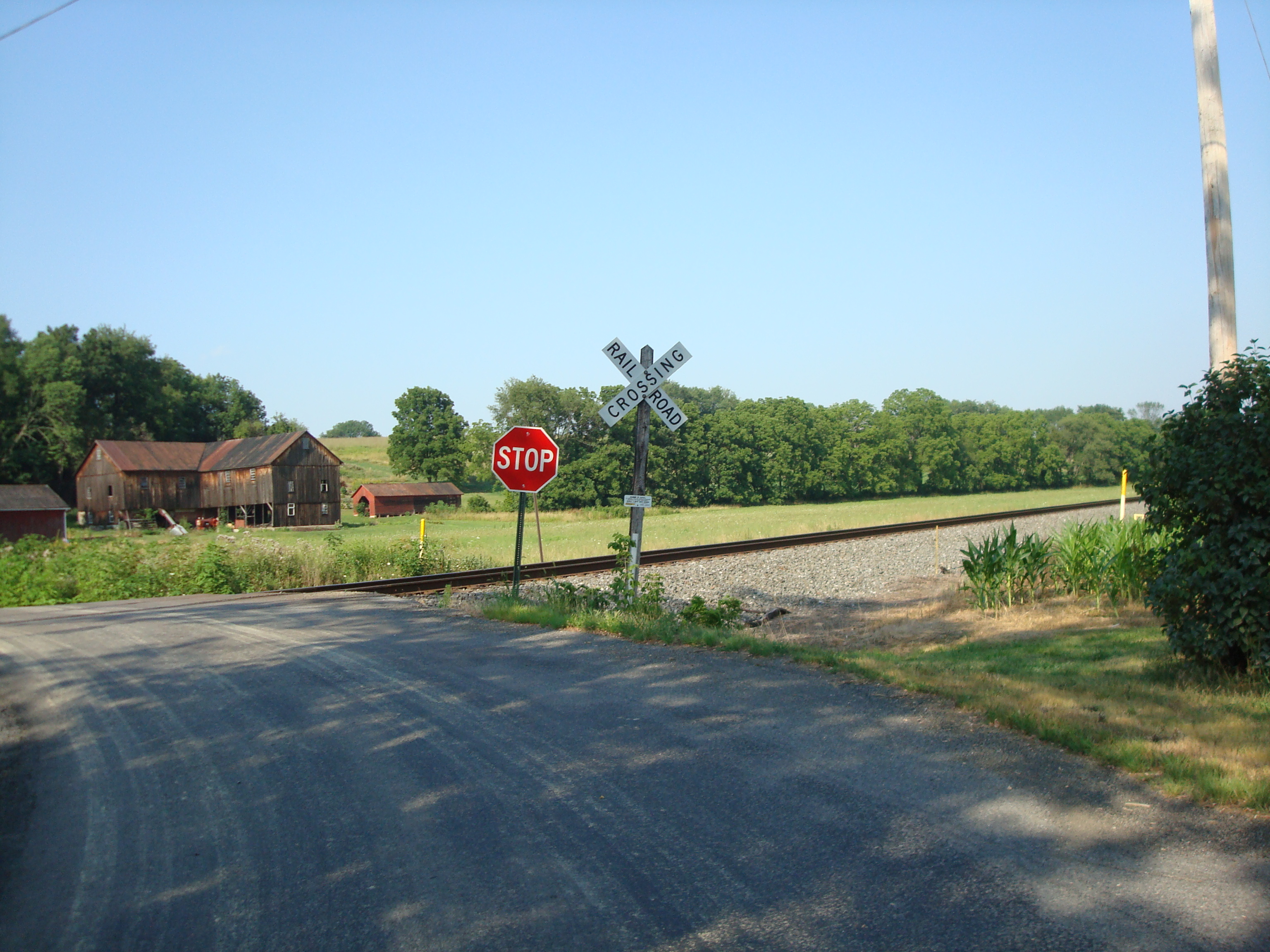
Recent photo of the railroad tracks that cross the Muffly farm.

Her middle-aged granddaughter’s comments 100 years later:

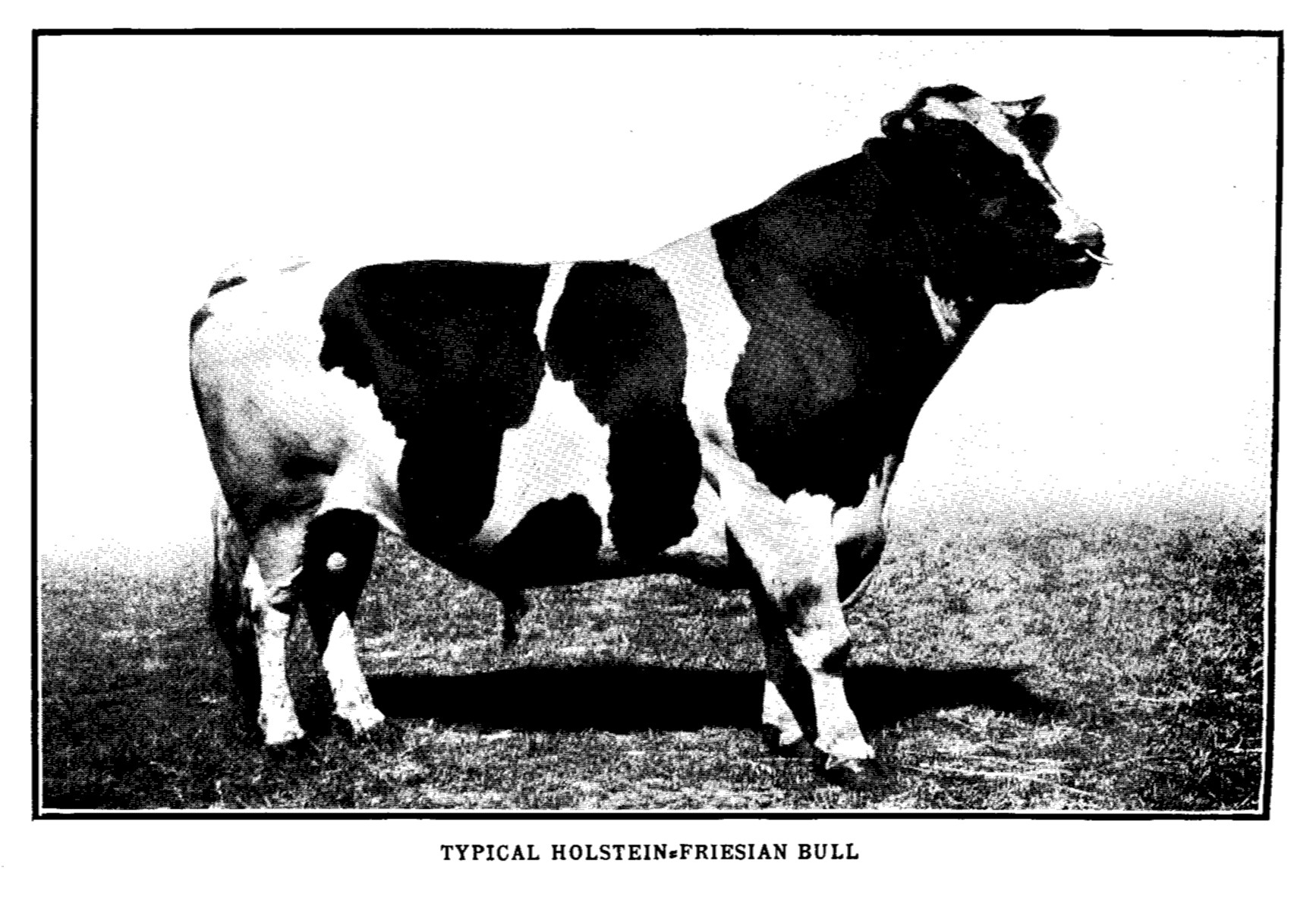
Hmm—who was Jake? I never really thought about it before, but I bet that the Muffly’s had a bull—and that Jake was the bull’s name.

Photo Source: The Farm Dairy (1908) by H.B. Gurler

Bulls are MEAN. They have unpredictable tempers and sometimes charge people.

This adds a whole new dimension to what watching cows involved. When Grandma wrote about watching cows—it probably wasn’t a pastoral pastime, but a potentially dangerous job.

An aside—Most farmers started using artificial insemination to breed their cows in the 1950s and 60s—and they were very, very glad that they no longer needed to have bulls on the farm.

Had to do the Milking Alone

17-year-old Helena Muffly wrote exactly 100 years ago today: 

Wednesday, June 12, 1912:  I’m mad at that Ruth tonight. She goes away and leaves me with the milking.

Photo in the May 15, 1912 issue of Kimball’s Dairy Farmer magazine. It’s interesting how the women in the photo wore light-colored clothes while working with cows. I would have thought that dark-colored outfits that wouldn’t show dirt would have been preferred.

Her middle-aged granddaughter’s comments 100 years later:

I wonder if Ruth ever did the milking for Grandma when Grandma went somewhere.  Grandma complained several times in the diary that she had to do the milking for her sister Ruth —but she never wrote that Ruth did the milking for her.

My guess is that both of the Muffly sisters benefited from trading chores—but that Grandma didn’t think  that it was important enough to mention when she was the one who got to go somewhere and miss the milking

When I was a child growing up on a dairy farm, my brother and I often informally traded barn chores so that one of us could do something else. I’d do his chores one day—and he might do mine a few days later.  We never kept track of whether one of us did the chores less often than the other—but my sense was that it balanced out pretty well over time.

Put Cows in Wrong Field

17-year-old Helena Muffly wrote exactly 100 years ago today: 

Tuesday, June 11, 1912:  Such a time as I had with the cows this morning. I got them in the wrong field and then had to take them out.

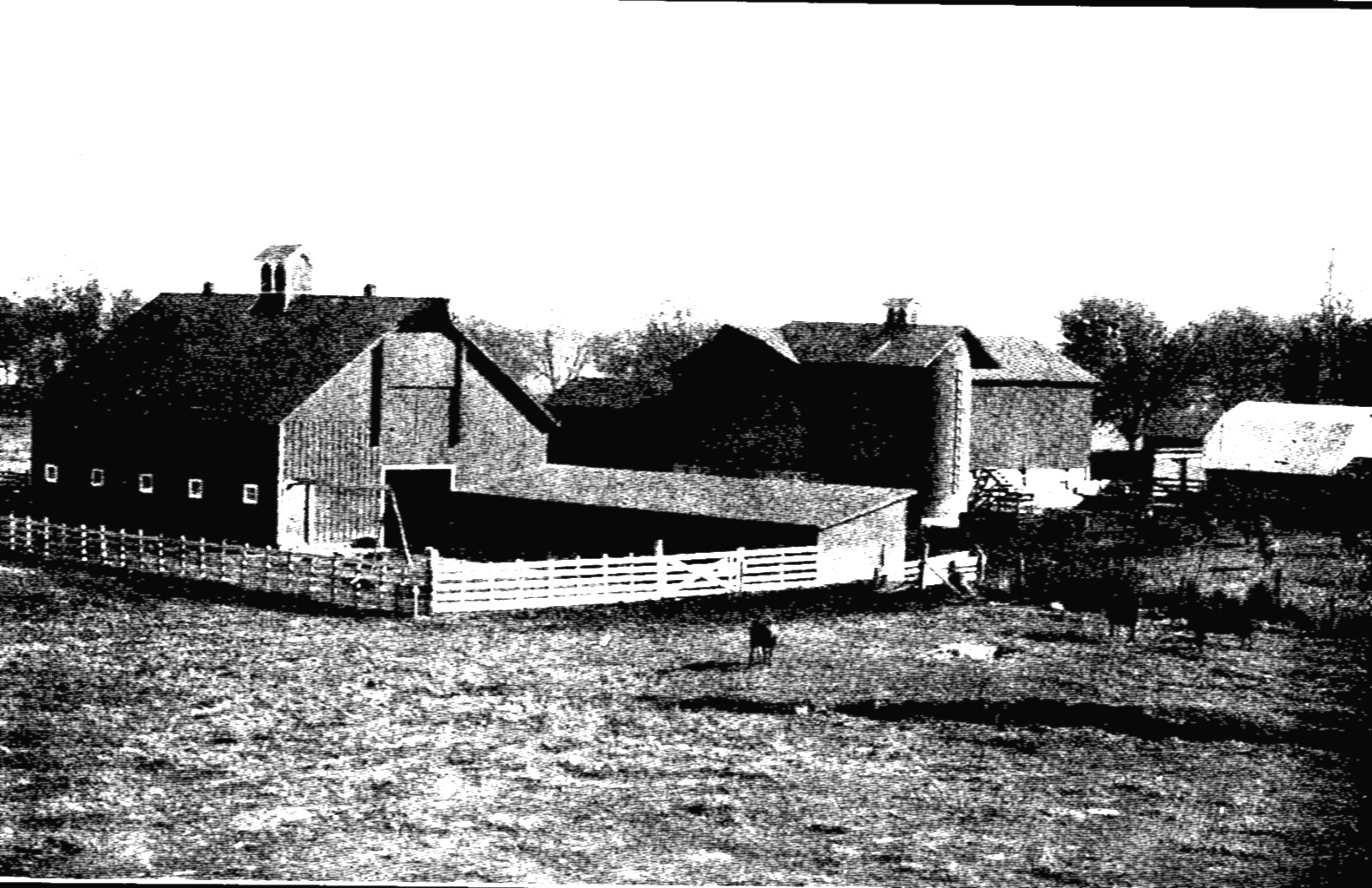
Picture of an early 20th century dairy farm. Photo source: The Farm Dairy (1908) by H.B. Gurler

Her middle-aged granddaughter’s comments 100 years later:

To give the grass time to grow, farmers generally rotated cows between several pastures.

The cows would have been brought into the barn for milking— and then they’d have been herded back to the pasture.

I assume that Grandma’s father decided that it was time to move the cows to another pasture, but that she somehow failed to herd them into the correct field.  Maybe he hadn’t clearly communicated the change to her  . . . or maybe she hadn’t been paying attention . . . or maybe she’d been thinking of other things and had just plain forgotten.

Picking (and Eating) Strawberries

17-year-old Helena Muffly wrote exactly 100 years ago today: 

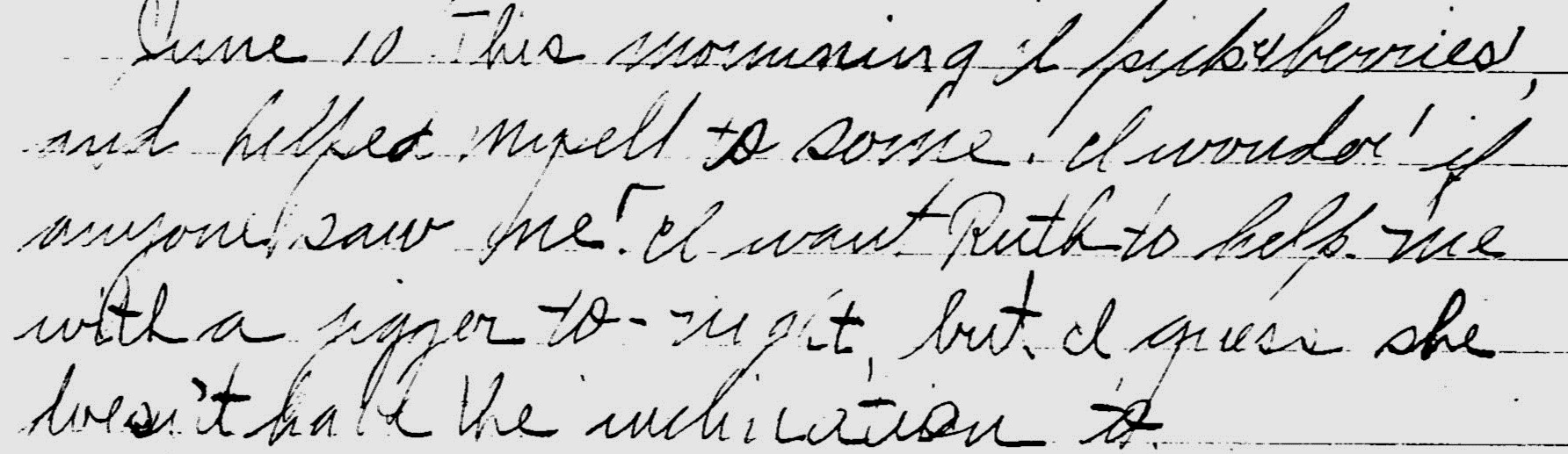
Monday, June 10, 1912: This morning I picked berries and helped myself to some. I wonder if anyone saw me. I want Ruth to help me with a jigger to-night, but I guess she doesn’t have the inclination to.

Her middle-aged granddaughter’s comments 100 years later:

I always think that eating strawberries is half the fun of picking them—but perhaps Grandma was being paid by a neighbor to harvest them.  The previous year, on June 12, 1911, she wrote:

Started to pick strawberries this morning. Of course it will mean some early rising and loss of sleep, but just look at what I can earn.

I’m not sure what a jigger refers to in this entry, but one definition is a tool. Webster’s online dictionary mentions says that a jigger is a “small pointed metal instrument, resembling sharpened pencil, used in assembling ribs of expansion metal watch bands.” I don’t know if metal watchbands existed a hundred years ago, but if they did I can picture that Grandma may have had a watchband that needed adjustment.

Old-fashioned Treatments for Acne and Pimples

17-year-old Helena Muffly wrote exactly 100 years ago today: 

Sunday, June 9, 1912:  Went to Sunday School this morning. Carrie and I were going away this afternoon, but didn’t go as Pa and Ma went away and I had to take care of the house. Rufus brought Tweet home with her.

Her middle-aged granddaughter’s comments 100 years later:

Grandma referred to her sister Ruth as Rufus in this post. Tweet was the nickname of friend, Helen Wesner. And, Carrie Stout was another friend.

It sounds like Grandma was a little annoyed about being stuck at home—but it also sounds like an afternoon filled with the chatter of teen-aged girls. The probably talked about the same things girls talk about today. Might they are fretted over a few pimples?

Here’s information about pimples abridged from a hundred-year-old book.

Pimples or Blackheads and Acne

These are afflictions of youth, and are generally seen together, the last-named being simply a second stage of the first. It occurs most commonly about the face, on the back between the shoulders, or on the chest.

There exist in the sebaceous glands of the skin an infinite number of vulnerable points for infection. This inflammatory condition of the sebaceous glands is apt to become chronic and may prove an obstinate affliction.

The impaired function of the general system must be corrected. First and foremost comes attending to the bowels. There must be a free daily evacuation. Fruits and vegetables are both laxatives and the very best.

All articles of diet must be easily digested, while at the same time they are nourishing.

Three pints a day of water should be taken because this amount is need to keep the kidneys properly flushed.

Pure air, associated with the proper kinds of exercise, promotes the functions of the skin, assists in keeping the blood in good condition, increases the vigor and keeps the complexion clear.

Steam the face. The increase secretion from the skin which is thus caused is helpful.

Sweating baths are of the highest value as a means of ridding the skin of its accumulated impurities, and in unloading the obstructed sebaceous follicles of their hardening contents.

When there is a tendency to pimples, massage of the skin of the face will do much to improve the circulation.  The massage is most effective when it follows steaming or washing the face in hot water.

Personal Hygiene and Physical Training for Women (1911) by Anna Galbraith