Hay Pulleys and Ropes

16-year-old Helena Muffly wrote exactly 100 years ago today: 

Saturday, June 24, 1911:  Mother cut my lawn dress out this afternoon. Am going to see how long it takes her to finish it. I give her till next Sat. evening. Have to carry the hay rope now. Such fun.

Her middle-aged granddaughter’s comments 100 years later:

The Muffly family must have been making hay—always a hot, difficult job. A hundred years ago hay was not baled. Instead dried loose hay was brought into the barn on a wagon and then hoisted into the mow using a rope and pulley system.

I called my father to get help figuring out what “carry the hay rope” meant.  My father guesses that Grandma was half carrying and half dragging the hay rope to keep the horse from inadvertently stepping on it. Let me explain how they used to get hay from the wagon into the haymows.

(Some of you probably know much more about how hay was made in the old days—and please feel free to jump in if I’m not explaining it quite right.)

Dad said that when he was young there were pulleys on a track that ran down the center of the inside of the barn roof. Depending upon where the farmer wanted to pile the hay the pulleys would be moved along the track.  A young man with excellent balance would climb up onto a beam in the barn rafters and move the pulleys along the track as needed.

One end of the rope was attached to a large clamp (hay hook) that was used to pick up a large bunch of loose hay from the wagon.

The rope went then went through the pulley system—and the other end of the rope was attached to a horse. On command the horse walked forward and the pulleys lifted the hay into the mow.

The hay was then released and the rope went limp and a portion of it would fall to the barn floor. The horse would then be walked back to the original position and the process would be repeated.

My father says that when he was a child, the adult men did the heavy work, and the children did the easier jobs. His older sister Marjorie would lead the  horse as it pulled the hay upward—and then circle it back to the original position after the hay was released.

And my father would pick up the rope when it fell to the floor after the hay was released and keep it away from the horse’s feet. Dad says that if a horse stepped on the rope it would damage it by breaking some of the strands. Then there would be the risk of the damaged rope breaking, which might result in a dangerous accident if it broke while the hay was being lifted.
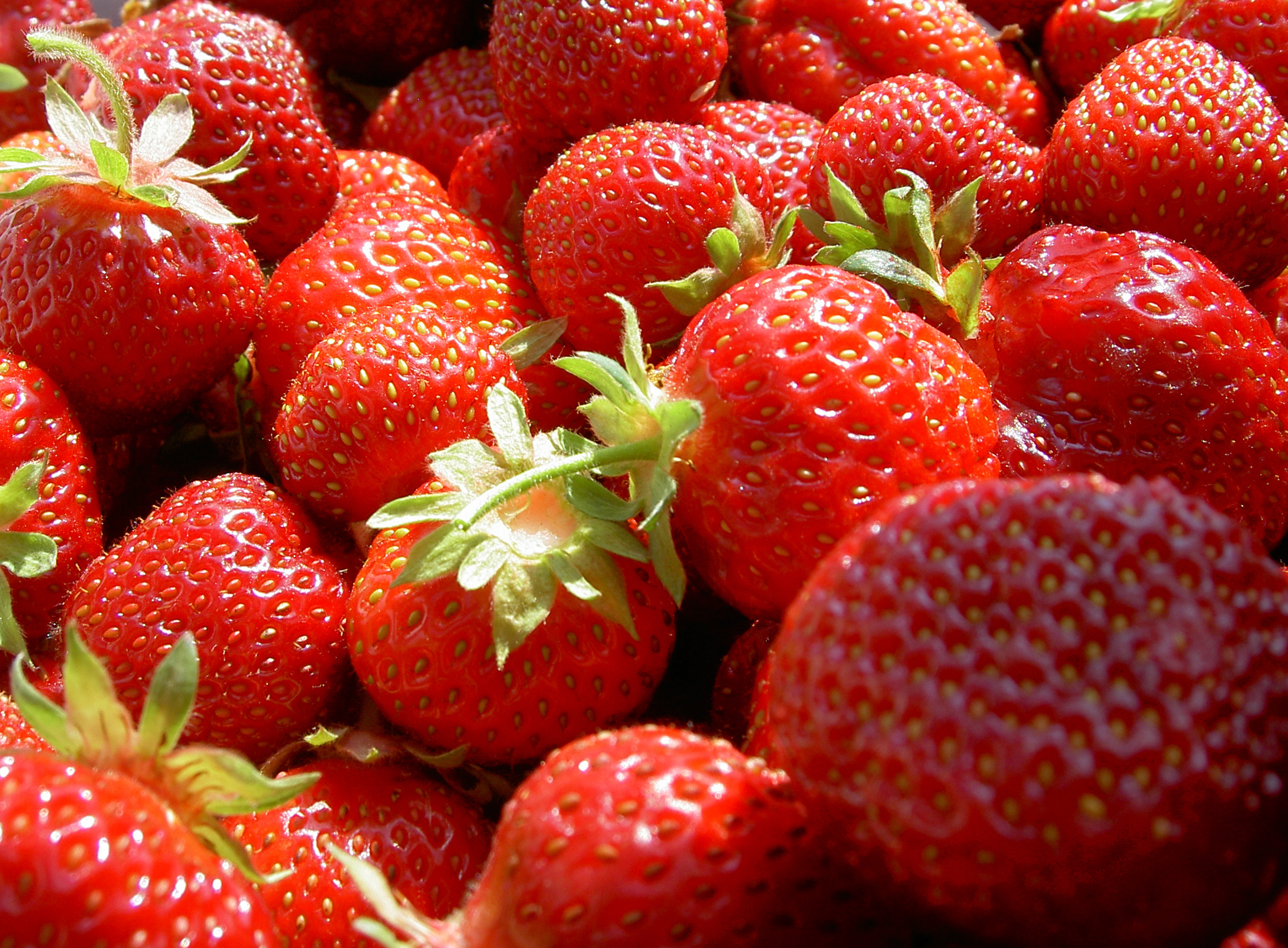
Strawberry Season Over

16-year-old Helena Muffly wrote exactly 100 years ago today: 

Friday, June 23, 1911: Was to pick strawberries this afternoon, but decided that it would be too hot. I’m going to stop now, as the season is over, having earned a snug sum of $2.65.

Her middle-aged granddaughter’s comments 100 years later:

Grandma had begun picking strawberries on June 12. $2.65 in 1911 would be worth about $75 today.

When I was young we ate strawberries day in and day out during June—and ate black raspberries day in and day out during early July, and corn on the cob later in July and August. For each fruit or vegetable there was a season, and it tasted so wonderful the first time it was served each year—and we were so tired of it that we thought we never wanted to see it again by the time the season ended. But we were always thrilled when strawberries (or raspberries or corn) was again available the following year.

(Photo source: Wikepedia Commons)

Went Shopping in Milton

16-year-old Helena Muffly wrote exactly 100 years ago today: 

Thursday, June 22, 1911: Mother and I went to Milton this morning. I got a dress and a pair of shoes and some other accessories. Mother was so fatigued when we got home, but I was far from that.

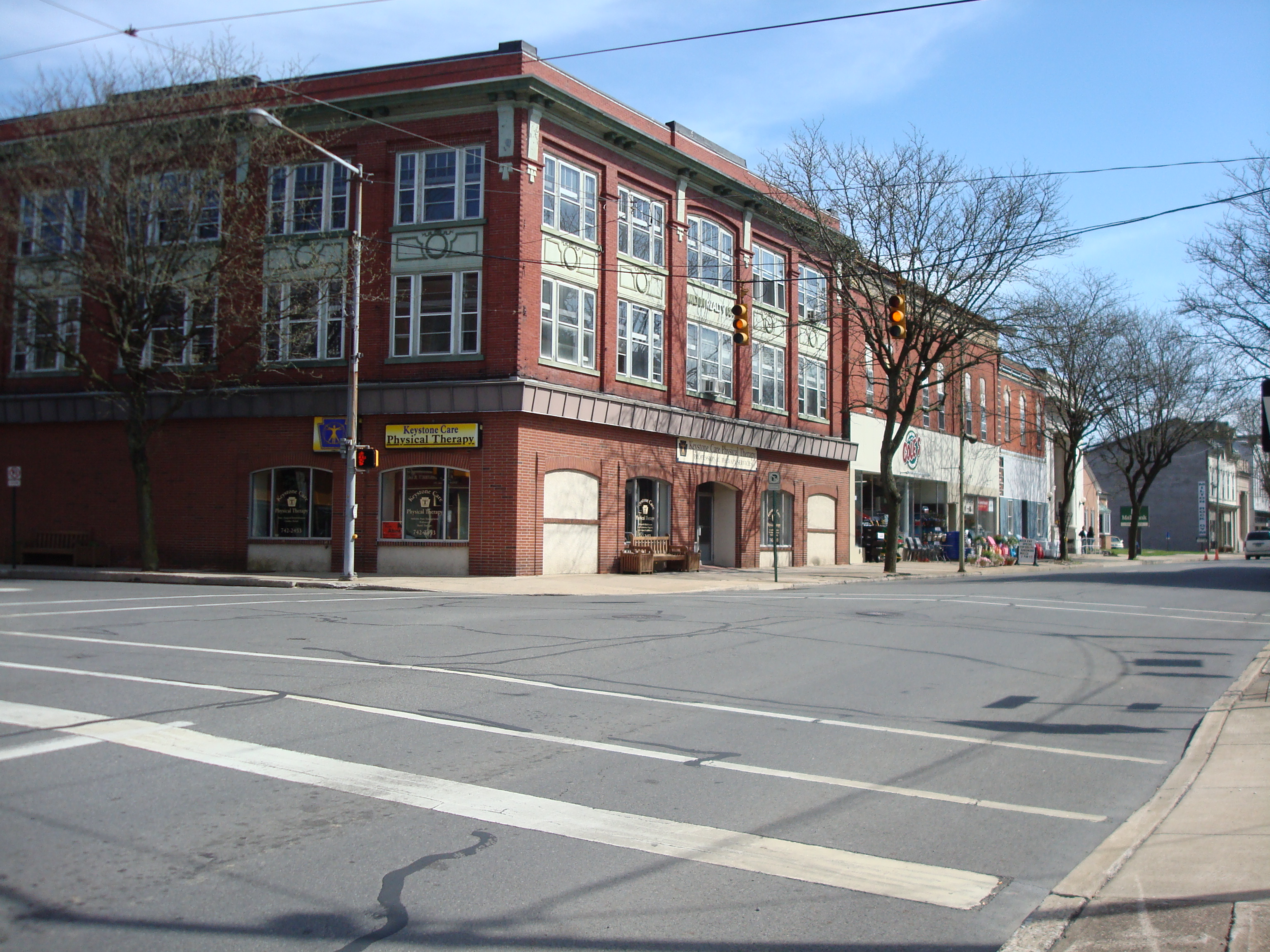
Old postcard showing corner of Broadway and Front Street, Milton (Source: Milton Historical Society)
Recent photo of the corner of Broadway and Front Street, Milton

Her middle-aged granddaughter’s comments 100 years later:

See the May 2 entry for a 1911 advertisement and photo from a shoe store in Milton.

Home Remedy: Bee Stings

16-year-old Helena Muffly wrote exactly 100 years ago today: 

Wednesday, June 21, 1911: Got stung twice by a bumble bee this afternoon. I didn’t feel too well.

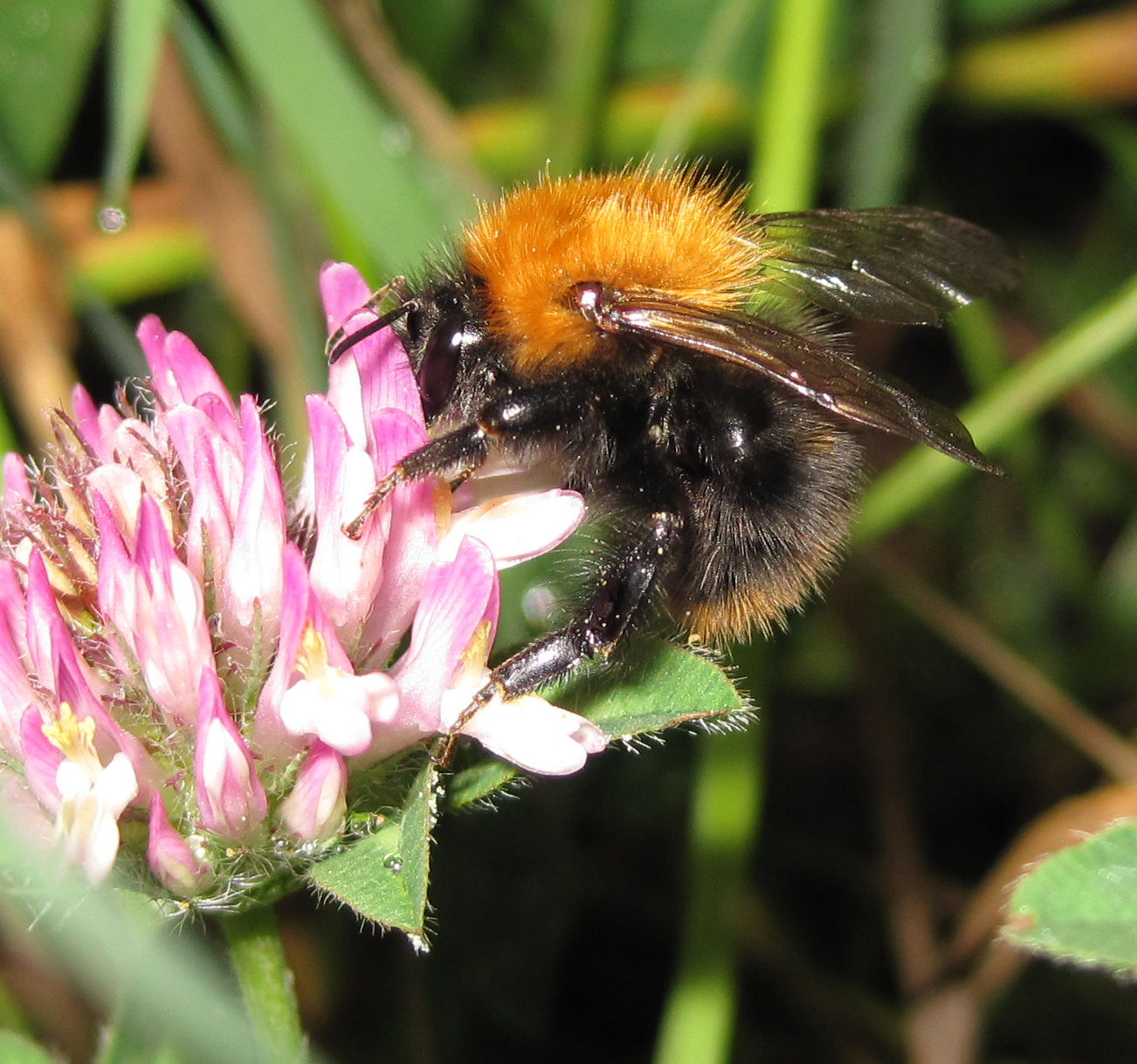
Bumble Bee (Photo source: Wikepedia)

Her middle-aged granddaughter’s comments 100 years later:

I wonder if Grandma used baking soda to reduce the pain and swelling caused by the sting. When I was a child my parents always treated bee stings by first gently pulling the stinger out if it had broken off and was embedded in the skin. Then they’d mix together a couple tablespoons of baking soda and a little water to make a paste.  The paste was then thickly spread over the sting site.

The baking soda home remedy has always worked well—and when my children were growing up I continued to use it to treat bee stings.

Bisser Took Pity

16-year-old Helena Muffly wrote exactly 100 years ago today: 

Tuesday, June 20, 1911: Had a task I didn’t like very well for this morning. Was going to make an apron this afternoon for myself, but Bisser took pity on me and did it herself, so you see I was saved all the bother.

Photo of a young woman wearing an apron in April, 1911 issue of Good Housekeeping Magazine. (Photo caption: "I don't mind doing the dishes--it's fun.") Was Grandma trying to make an apron that looked similar to the one in the photo?

Her middle-aged granddaughter’s comments 100 years later:

I’m not sure who Bisser referred to—but it may have been Grandma’s oldest sister Besse. Besse was married, but lived nearby.

Retired Early–Sister Has a Visitor

16-year-old Helena Muffly wrote exactly 100 years ago today: 

Monday, June 19, 1911: I worked so very hard this forenoon, but made up for it by retiring early. Ruth is having Mr. J. Oakes down on the front porch this evening.

Her middle-aged granddaughter’s comments 100 years later:

I bet the real reason Grandma retired early was because she was jealous that a beau was visiting her sister. Ruth has been seeing Jim Oakes for almost three months. In the March 26 diary entry it sounded as if he was a new boyfriend. He was also mentioned in the May 25 entry.

The Lutheran Church in McEwensville

16-year-old Helena Muffly wrote exactly 100 years ago today: 

Sunday, June 18, 1911: Went to Sunday school this morning. Was over Stout’s this afternoon, and went up to the Lutheran church to witness their children’s day services this evening. Ma was my chaperone.

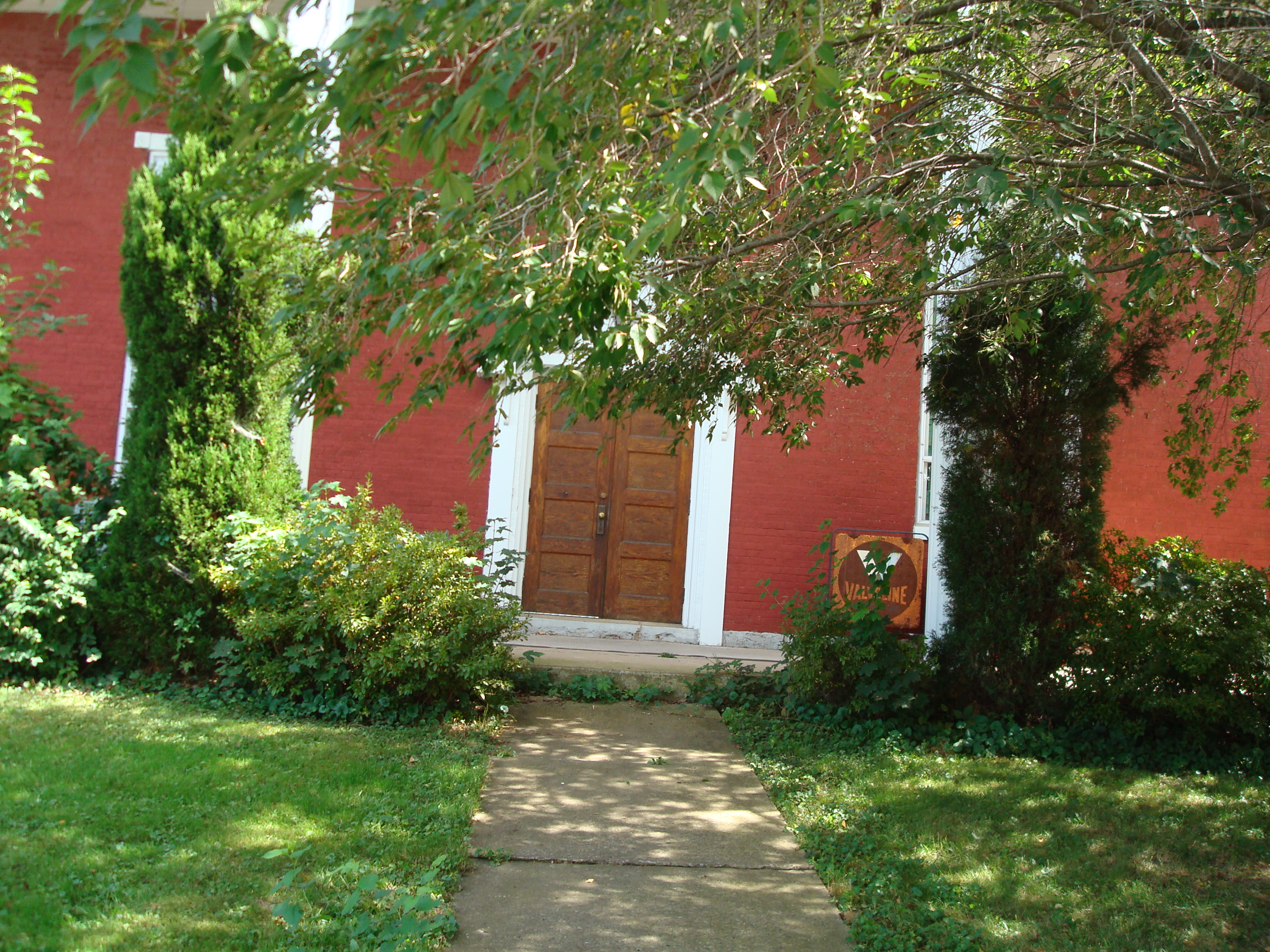
This used to be the Lutheran Church in McEwensville.

Her middle-aged granddaughter’s comments 100 years later:

There is no longer a Lutheran church in McEwensville. Messiah Lutheran merged with the other church in the parish—St. James Lutheran (Turbotivlle) a few years ago. The combined congregation is now called Holy Spirit Lutheran. Holy Spirit built a building in out in the county half way between McEwensville and Turbotville.

The building is now used for antique storage.
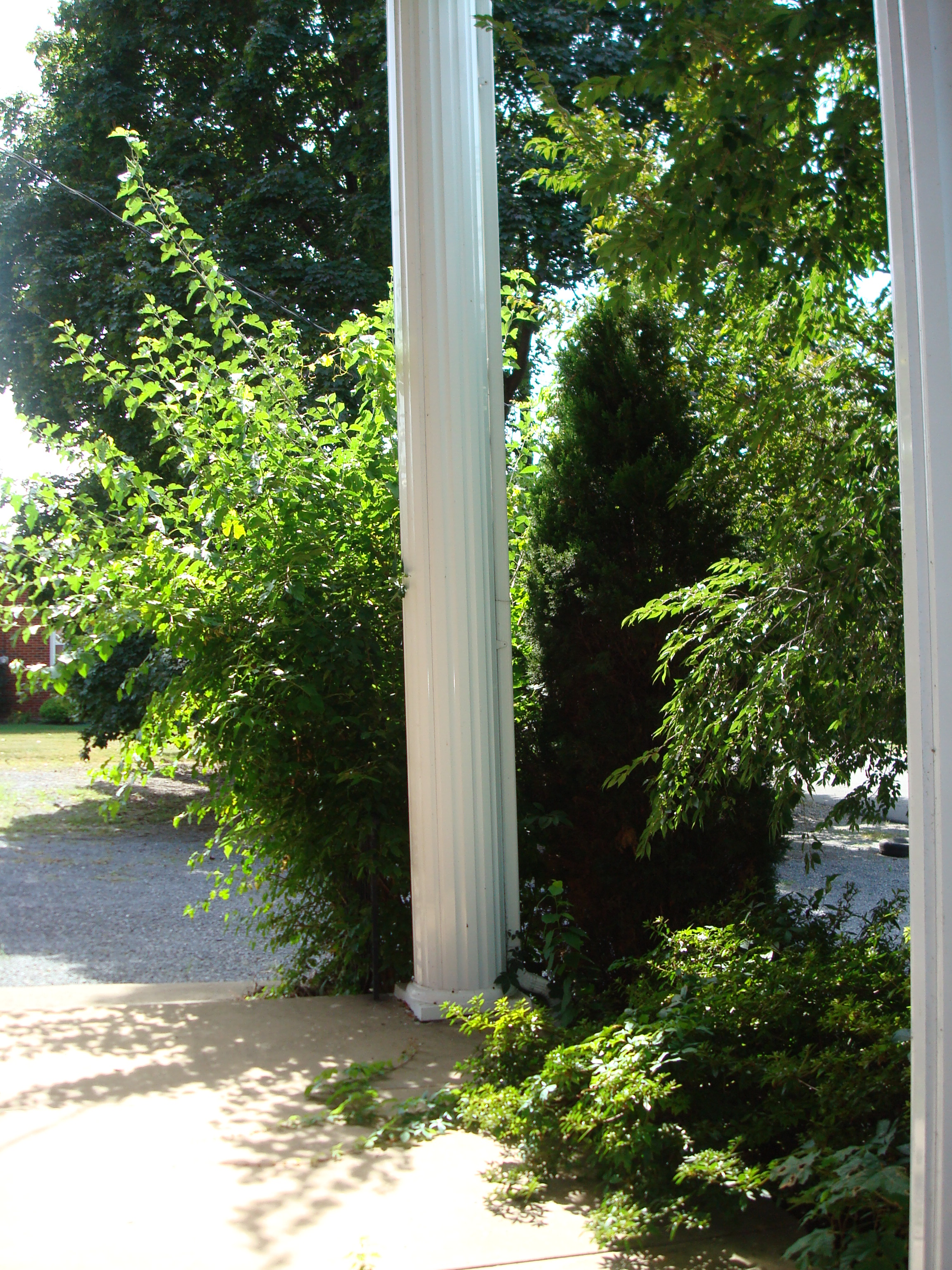
An aside: I can remember eating snacks on this porch when I attended Vacation Bible School there as a child. (I wonder why minor random events sometimes pop into my memory.)

.