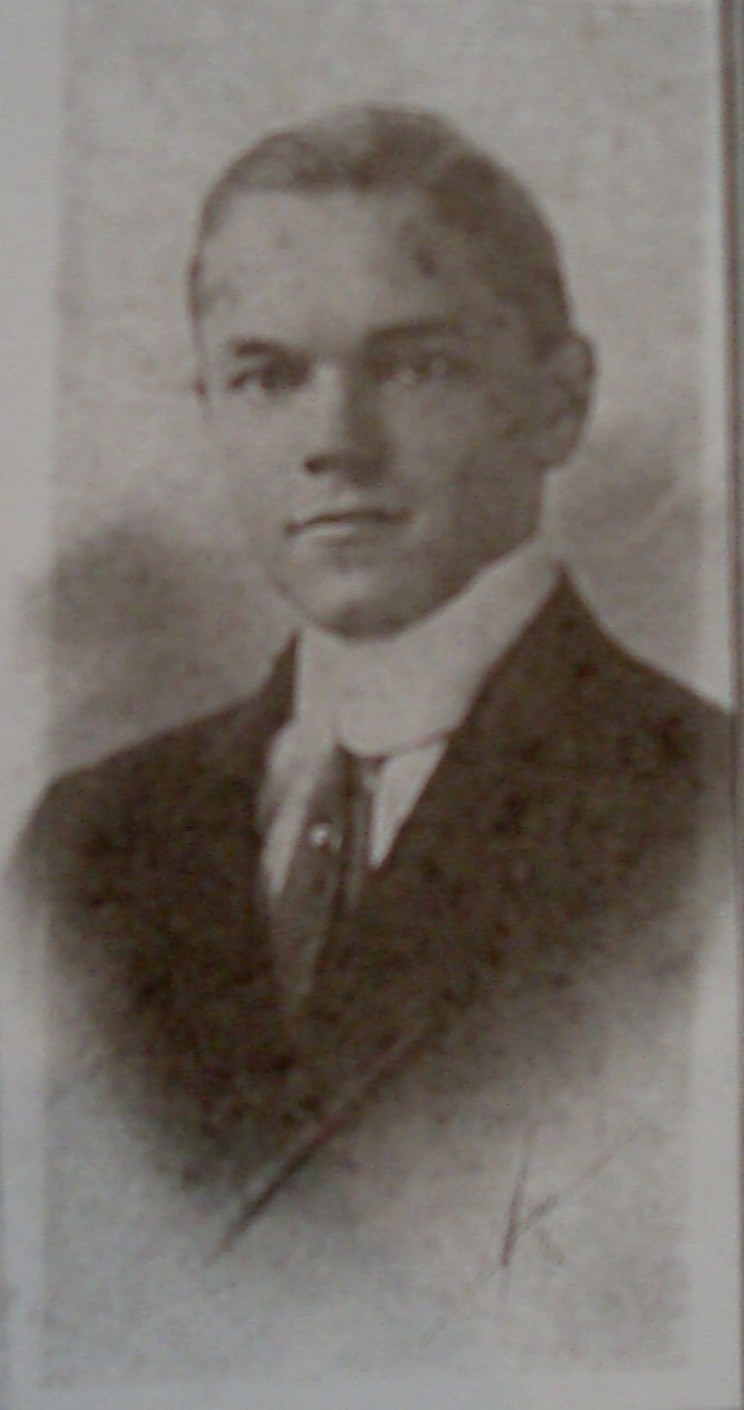
Old-Fashioned Apple Sauce Recipe

16-year-old Helena Muffly wrote exactly 100 years ago today: 

Saturday, September 2, 1911: Had to pick apples today. Almost a whole wagon load it was. Was rather hard on my hands for they were just about as sore as I cared to have them by the time I got through with the dreaded thing.Her middle-aged granddaughter’s comments 100 years later:

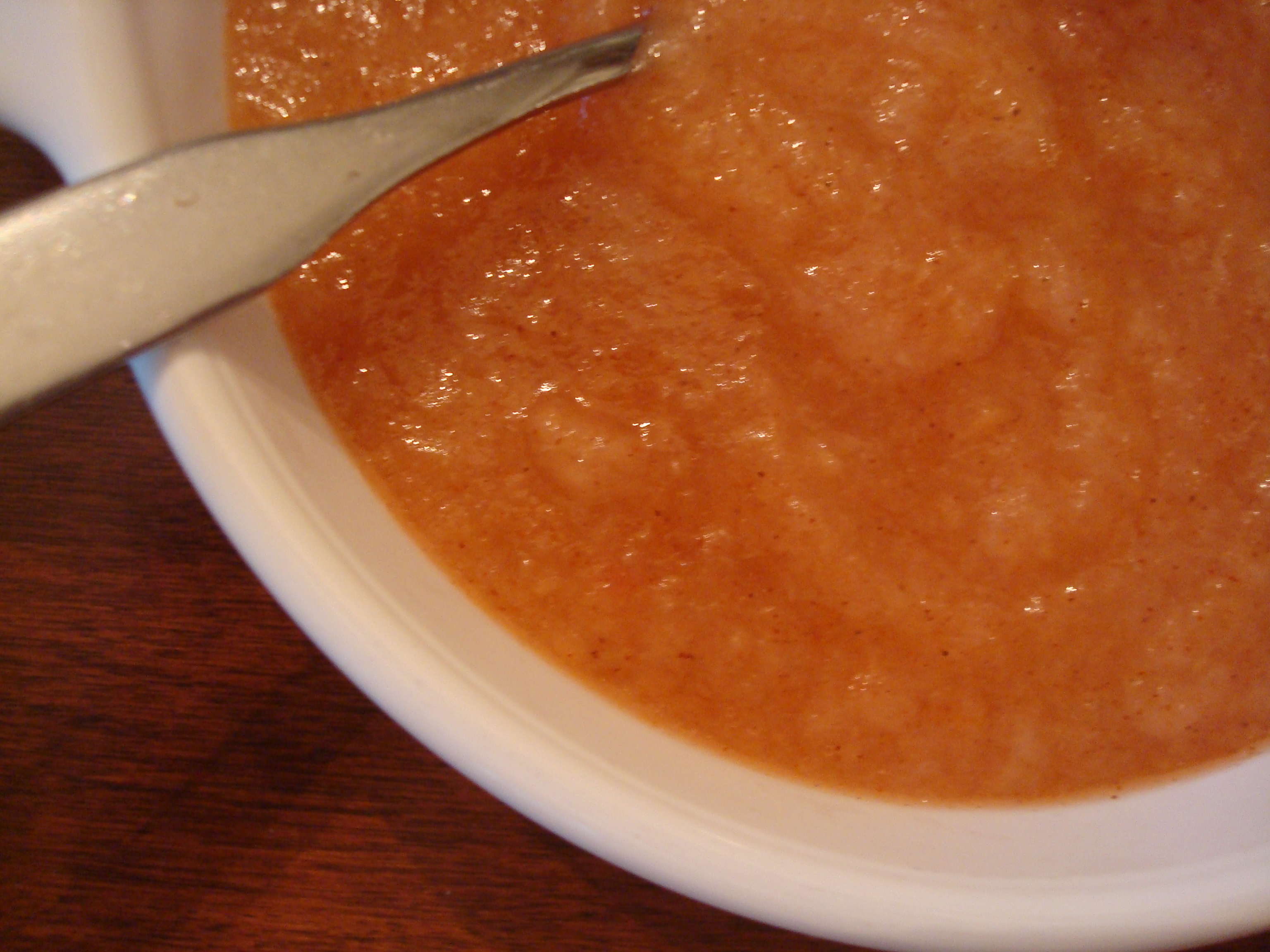
Whew, a wagon load is a lot of apples. Early varieties aren’t generally very good for long-term storage. Maybe they made cider or sold some of them.  Perhaps Grandma used a few of the apples to made apple sauce.

Here’s how I make apple sauce:

Apple Sauce

Cut any bad sections from the apples, then quarter and core. Do not peel (The peels of red-skinned apples give the sauce a nice pinkish color).

Place the quartered apples in a medium sauce pan. Use as many apples as needed to fill pan about two-thirds full. Add a small amount of water to keep apples from scorching.Place on medium heat. Stir occasionally.  If needed, add additional water. Reduce heat after it begins to boil.  Cook until apples are soft and mushy (about 15 minutes).

Press the cooked apples through a sieve or strainer. I use a Foley Mill—though they would not have existed a hundred years ago. (Foley Mills were invented in 1933.)If desired, stir cinnamon and sugar into the sauce. For each cup of apple sauce, I usually use about 1/2 teaspoon cinnamon and (depending upon how tart the apples were) approximately 1/8 – 1/4 cup sugar. Chill and serve.

Exhausted! Started Fall Housecleaning

16-year-old Helena Muffly wrote exactly 100 years ago today: 

Friday, September 1, 1911:

Glorious skies of balmy September,

Tells us of approaching fall

With its leaves of varied colors,

And it’s flowers for large and small.

Celebrated the first day of this month by starting to clean house. We cleaned the sitting room today, and it was an all day job. I’m so tired from exerting myself.

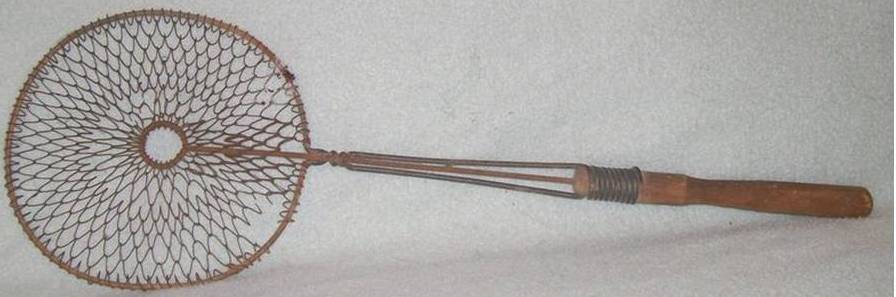
Old Carpet Beater

Her middle-aged granddaughter’s comments 100 years later:

Yuck—it sounds like a lot of work. Grandma, her sister Ruth, and her mother were probably starting to do the fall housecleaning.  A hundred years ago houses got a deep cleaning twice a year—in the spring and in the fall.

Furniture would be moved so that carpets could be rolled up and then taken outside to be beaten, every corner and cranny would have been swept, floors would have  been waxed, the wooden furniture would have  been polished, the windows washed, etc., etc., etc.

No wonder Grandma was exhausted. Just making this list is making me tired.

(See  previous post for more information about the poems on the first day of each month.)

Old Recipe for Pear Fritters

16-year-old Helena Muffly wrote exactly 100 years ago today: 

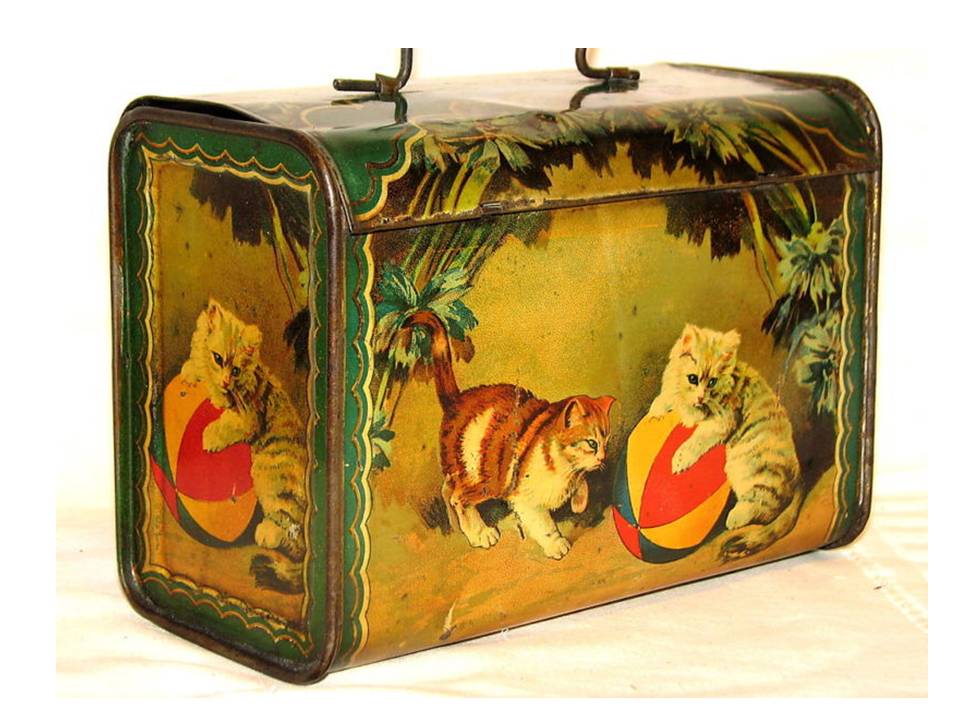
Thursday, August 31, 1911: Went to town this afternoon. Had to get a lunch box. Helped pick the pears. Harriet Seibert was here awhile in the afternoon. She rode her old nag down instead of walking.

Old lunchbox from the early 1900s

Her middle-aged granddaughter’s comments 100 years later:

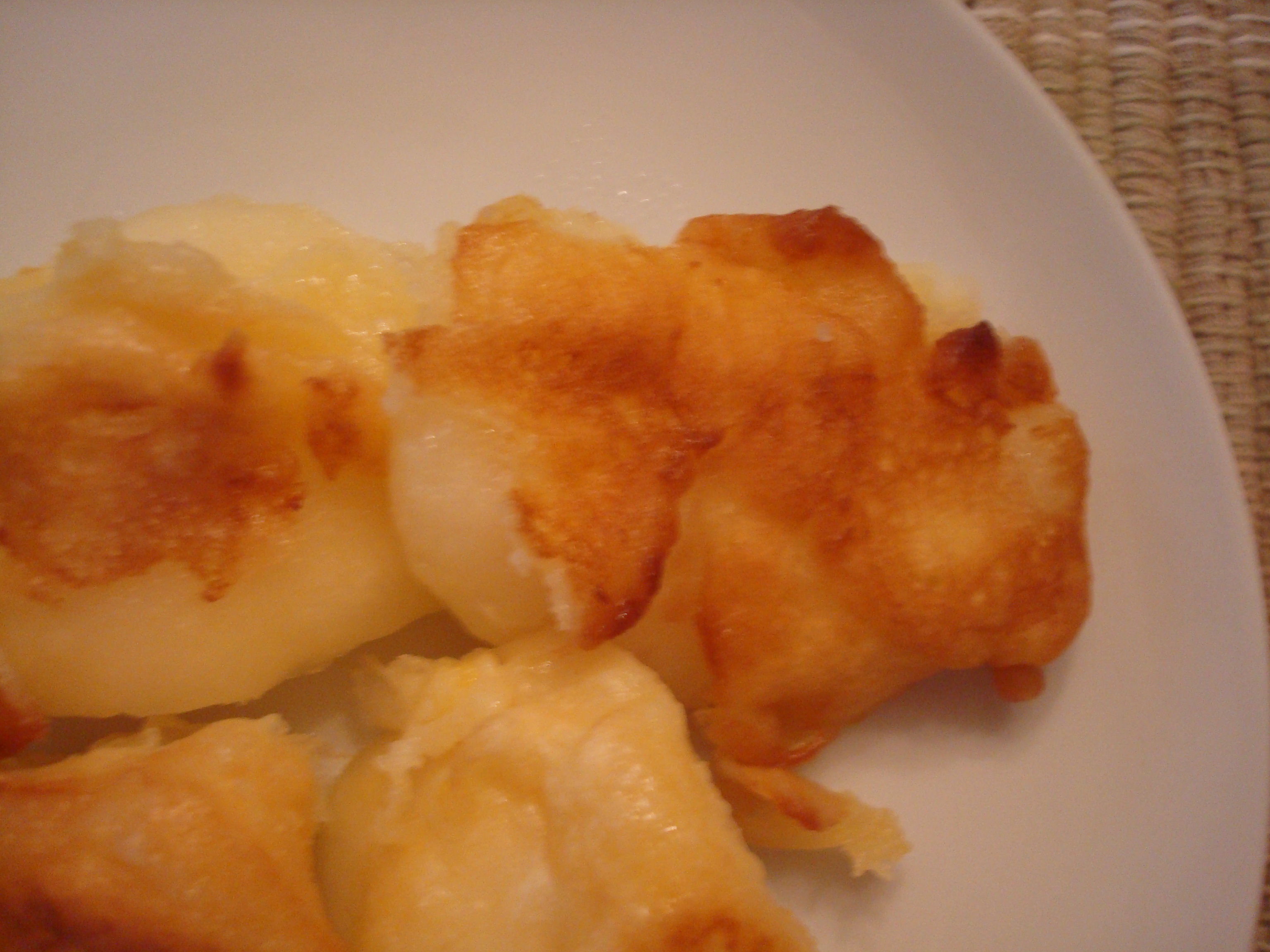
I wonder what the Muffly’s did with the pears. Maybe they made Pear Fritters. Fritters were popular a hundred years ago.  Here’s an old recipe:

Pear Fritters

4 pears

4 tablespoons lemon juice

4 tablespoons sugar plus 2 tablespoons sugar

1 cup flour

½ teaspoon salt

Grated rind of l lemon

2 eggs

½ cup milk

Shortening or lard for frying

Peel, quarter, and core pears.   Sprinkle with lemon juice and 4 tablespoons sugar. Let stand for 1 hour.

In a bowl beat together 2 tablespoons sugar, flour, salt, lemon rind, eggs, and milk. Dip prepared pear quarters in fritter batter. Fry in deep fat until golden. Drain on brown paper or paper towels.

Adapted from recipe in Lowney’s Cook Book (1907)

When I made this recipe I had some left-over batter. I could have coated additional pears–or maybe I should have made only half as much batter.

When frying the pears, flip them very gently. If I wasn’t careful, the batter had a tendency to slip off the pears.

My husband and I really enjoyed eating the pear fritters. We sprinkled a little powdered sugar on them–and they made a wonderful dessert.

Early Farm Management Cartoon

16-year-old Helena Muffly wrote exactly 100 years ago today: 

Wednesday, August 30, 1911: Really there isn’t very much for today, so I won’t write about any of the occurrences.

Her middle-aged granddaughter’s comments 100 years later:

Since not much happened a hundred years ago today, I’m going to share a cartoon I found in the July 15, 1911 issue of Kimball’s Dairy Farmer magazine.

Caption: What system and good management do for the dairy farmer.

Clothes for School: 1911 Styles for Young Women

16-year-old Helena Muffly wrote exactly 100 years ago today: 

Tuesday, August 29, 1911: Did some fixing at one of my school dresses. I will soon need them for school starts next week. I’m so glad. I intend to be very studious and see if I can’t make a better record this coming year than I did last. Last year’s average was poor enough. I know.

Source: Ladies Home Journal (August, 1911)

Her middle-aged granddaughter’s comments 100 years later:

I wonder what repairs Grandma needed to make to one of her old school dresses. I bet that she wished that she had some stylish new clothes. The August 1911 issue of Ladies Home Journal showed the latest school clothes styles for young women.

For more pictures of 1911 clothes, see 1911 Dresses.

Doing Laundry in 1911

16-year-old Helena Muffly wrote exactly 100 years ago today: 

Monday, August 28, 1911: I was good and mad this morning. I got tired of watching the cows all the time and then I wanted my lawn dress washed and Ruth won’t do it.

Her middle-aged granddaughter’s comments 100 years later:

Poor Grandma—she still has to watch the cows. It sounds like an incredibly boring job.

Sisters can be annoying—and refuse to do the things that you want them to do.

I don’t blame Ruth for not wanting to wash the dress. Doing laundry in 1911 was a huge process—and entire books were written about how to do it. The Muffly’s didn’t have electricity, so there would have limited the options for doing laundry.

Here are some quotes from a book published in 1911 called Laundry Work for Use in Home and Schools by Juniata Shepperd that will give you a sense of what washing clothes involved:

Prepare melted soap for the washing by using bits and pieces and ends of soap which have been left. Cut them fine, and shave up as much more as is necessary, or buy soap chips for the purpose. Place the soap in an earthen jar, just cover with water, and set the jar in the oven or on the stove until the soap is melted or dissolved. Use in the proportion of one gallon of water to one-fourth pound of soap. This should be prepared the day before the family washing is to be done.

Portable tubs are usually made of wood or of galvanized iron. A wooden tub is heavy to handle and requires special care in dry weather to prevent its falling apart but it holds the wringer well and is easily kept clean. A galvanized iron tub is light, and not difficult to clean but does not hold the wringer unless fitted with wooden cleats and clamped to the wash bench.

Washboards are in different patterns and made of different materials. A wooden washboard probably injures the cloths as little as any kind, but is rather unpleasant to use unless one is accustomed to it. In selecting a glass or metal-covered board, choose one that is not too much corrugated, because many angles wear clothes as they glide over them.

When the washing is finished the washboard should be washed, wiped dry, and put away in a clean, dry place.

Each part of the wringer should be perfectly clean. When through using it each time, the rollers should be wiped with a dry cloth, or if much soiled, they should be rubbed with a cloth wet with turpentine or kerosene, washed with soapsuds, rinsed, and wiped dry.

When clothes have been well washed in one suds, they can usually be made clean and white by placing them in tepid suds, bringing to the boiling point, and allowing them to boil for a few minutes.

There are a few points to be remembered in preparing clothes for boiling. They must not stop boiling after they begin, and when taken into tepid water from the boiler each piece, must be punched under the water as soon as put into the tub. Exposure to the air seems to set the dirt, and cold water contracts the fibers, thus holding the dust particles, instead of allowing them to fall out, as they should when the clothes are rinsed or manipulated in this water, preparatory to the rinse water proper.

Obstinate stains on white goods may sometimes be removed by soaking the spot in turpentine, then washing, boiling, and finishing.

Clothes lines are of different kinds, and may be either movable or stationary. There are several patterns of clothes pins, but the plain, simple ones are usually most satisfactory, as they are inexpensive, easily washed when dirty, and do their work very well.

And, then the clothes would need to be ironed . . .
Who Was “He”, “B.” and “B.G.”?

16-year-old Helena Muffly wrote exactly 100 years ago today: 

Sunday, August 27, 1911: Went to Sunday school this afternoon, although it drizzled to some extent. He was there. This evening I went with Ruth to a Song Service up to Mc! It was in the Lutheran Church, and the singing was certainly magnificent.

Her middle-aged granddaughter’s comments 100 years later:

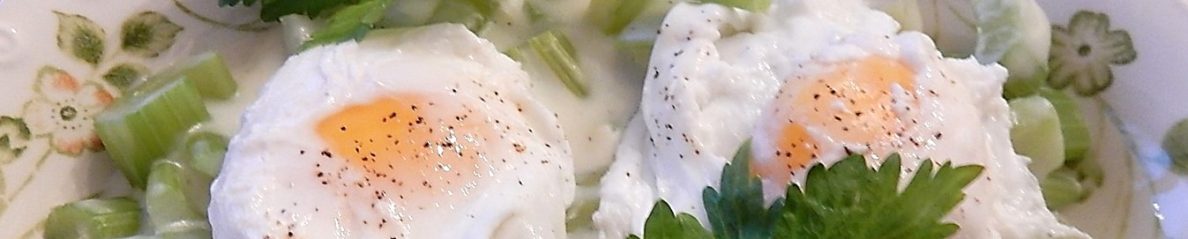
“He” refers to a guy Grandma thought was cute. She never uses his name but referred to him as “him”,” B.”, and “B.G”. in previous posts.

There probably were several young men with the initials B.G. living in the McEwensville area in 1911. But within the limited cast of people mentioned in the diary there is only one person with those initials.

I keep telling myself—Don’t Speculate!—I but can’t help myself. I continue to think that she was referring to Bill (William) Gauger.

Bill (William) Gauger*

I know that Bill will eventually marry Grandma’s sister Ruth, but according to the diary, in 1911 Ruth was dating Jim Oakes and so it seems conceivable that Grandma had a crush on Bill.  (I don’t have any sisters, but I know women who do—and I’ve heard them say that their sisters often stole their boyfriends.)

*Photo Source: History of McEwensville Schools by Thomas Kramm, used with permission