Tacky Old-Fashioned Match Holders

16-year-old Helena Muffly wrote exactly 100 years ago today: 

Friday, December 15, 1911:Our entertainment is over at last. That dialogue went off alright. I didn’t forget any of my part although I was rather doubtful about it. As I rather expected before hand, we all received a Christmas present from Jake. It was a post card with his picture on it. Last year he gave girls little china dishes with Japanese on them and the boys match holders containing matches.

Maybe the boys got a  China Bald Head Match Holder or a China Scratch Me Match Holder the previous year. Ugh–Somehow giving match holders just don’t work for me.

Her middle-aged granddaughter’s comments 100 years later:

A hundred years ago today was the last day of School for Grandma before the Christmas break. Winter breaks apparently were longer back then than they are now.

It sounds like the students had fun doing the dialogue—Grandma had been working at learning her part since the 5th.

I can’t imagine a teacher giving students match holders today. I wonder why the boys needed them—to light stoves or candles? . . . or perhaps some of them smoked.

Hundred-Year-Old Rubber Boot Advertisement

16-year-old Helena Muffly wrote exactly 100 years ago today: 

Thursday, December 14, 1911: Oh dear! I do wish it would snow. I’m getting tired of tramping through the mud all the time. Get provoked at a problem in Arith. It looked so easy, but I couldn’t get it. I’ll try tomorrow again and perhaps I’ll succeed.

Men probably wore boots like this when tramping around the farm through the mud. Grandma probably had galoshes that she pulled over her shoes. (Source:  Kimball’s Dairy Farmer Magazine, September 15, 1911)

FARM COMFORT

Sloshing around in wet and mud is no fun, but a pair of good, stout rubber boots, which you always depend on, makes it a lot easier.

Get the easy, comfortable, long-wearing kind—the

Woonsocket

ELEPHANT HEAD

Rubber Boots

We have been making rubber boots for 45 years, often as many as 10,000 pairs a day—in the only exclusive rubber boot mill in the U.S.

We make boots for men, women, and children: hip boots, knee boots, short boots—all kinds. One man who bought a pair 28 years ago wrote us that they were still good.

All Dealers.

WOONSOCKET RUBBER Co.

Woonsocket, R.I.

[An aside–I can’t even imagine a company today advertising that a pair of boots might last 28 years. I guess that some things were just made better a hundred years ago!]

Her middle-aged granddaughter’s comments 100 years later:

Yuck—the mud sounds awful. This is the third time that Grandma’s mentioned mud in her December diary entries . . . and the eleventh time that she’s mentioned it since she began the diary in January 1911.

(If you would like to read her previous entries on this topic—type the word mud into the search box near the top of this page.)

Mud was a huge problem a hundred years ago.  There would have muddy areas between the house and barn on the farm.  And, the roads, both in McEwensville and the surrounding rural areas, were not yet paved in 1911.

Old-Fashioned Butterscotch Recipe

16-year-old Helena Muffly wrote exactly 100 years ago today: 

Wednesday, December 13, 1911: Must keep at my lessons in the evening or else get growling at school Got my report today. It isn’t so very great. Ruthie treated us to candy this evening. She is going to treat her kids and had to treat us also while she was getting it divided up.

Her middle-aged granddaughter’s comments 100 years later:

Grandma’s sister Ruth as a teacher at a one-room school house near McEwensville, and she must have been going to give her students candy as a Christmas gift. (The holiday break was longer back then—and students didn’t have school for the last two weeks of December).

Two days ago the diary entry said that Ruth made candy. I wonder how many types of candy she made–and then divided amongst her students (and family members).

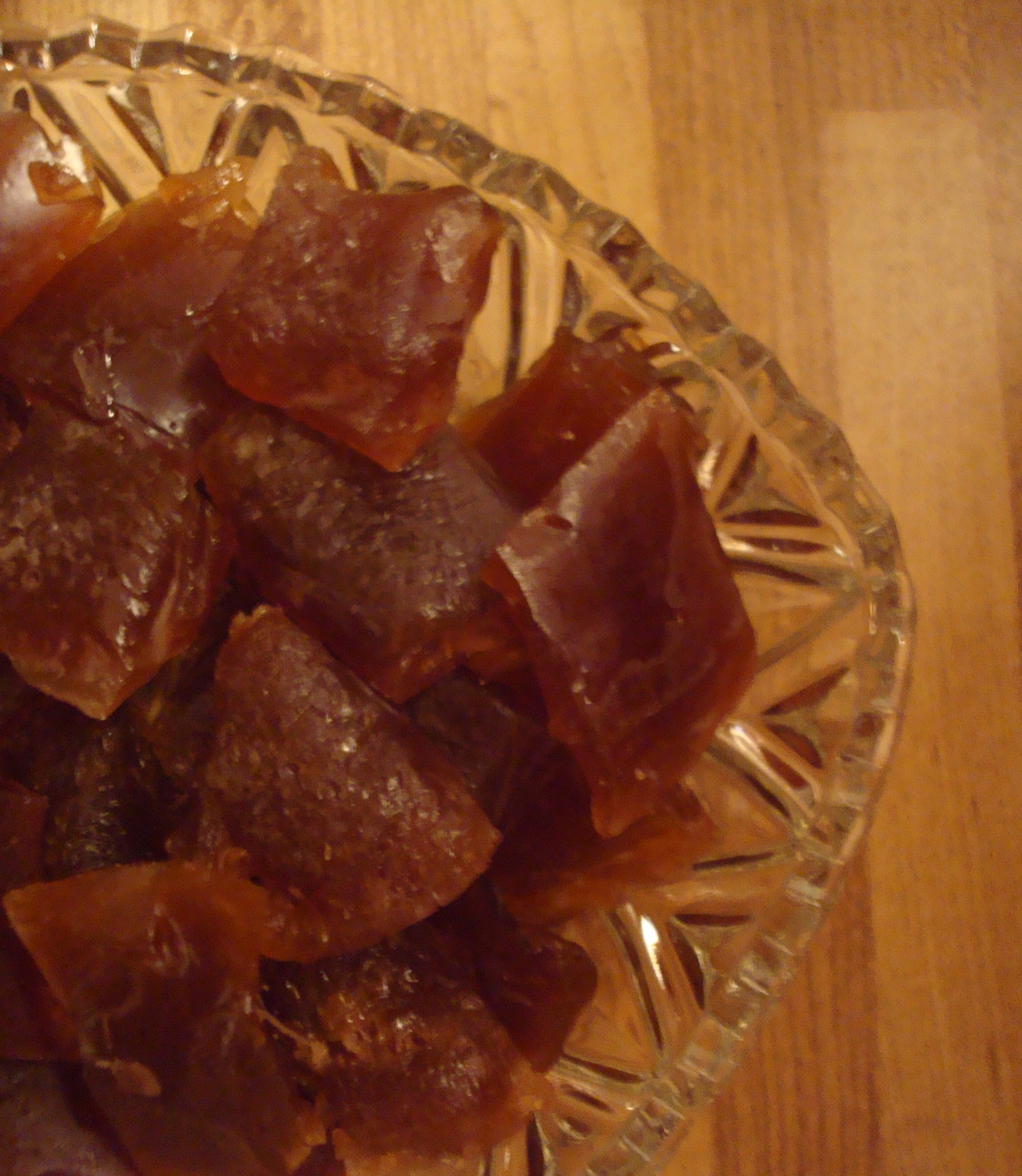
Maybe she made old-fashioned Butterscotch. It isn’t anything like the artificially colored orange butterscotch disks that they make today—rather it is similar to Werthers Original Candy.

Butterscotch

1 cup brown sugar

1/2 cup water

1 teaspoon vinegar

2 tablespoons butter

Stir to combine all ingredients in a pan and bring to a boil using a medium heat.  Once the sugar has melted, quit stirring.  Reduce heat to a level where the mixture steadily boils. Boil until it becomes brittle when a little is dropped in cold water. Pour into a buttered dish (I used a 7” X 7” dish). When the candy is partially cooled (semi-solid) score with a knife. After the candy is completely cooled remove from dish and break into pieces.

What Was the Teacher’s Last Name?

16-year-old Helena Muffly wrote exactly 100 years ago today: 

Tuesday, December 12, 1911: Jake says we have to study harder. It seems to me such tiresome work, but I suppose I could if I tried hard enough. I guess I staid up longer tonight than I did last night, although it is not so very late now.

Lots of resources--none of which answer my question.

Her middle-aged granddaughter’s comments 100 years later:

I’m continually amazed how many mysteries about Grandma’s life as a teen-ager I’ve been able to resolve (at least to my own satisfaction) with a little research. However, occasionally I’m totally baffled by things that I feel like I should be able to figure out. Today is one of those days–.

What was Jake’s last name?

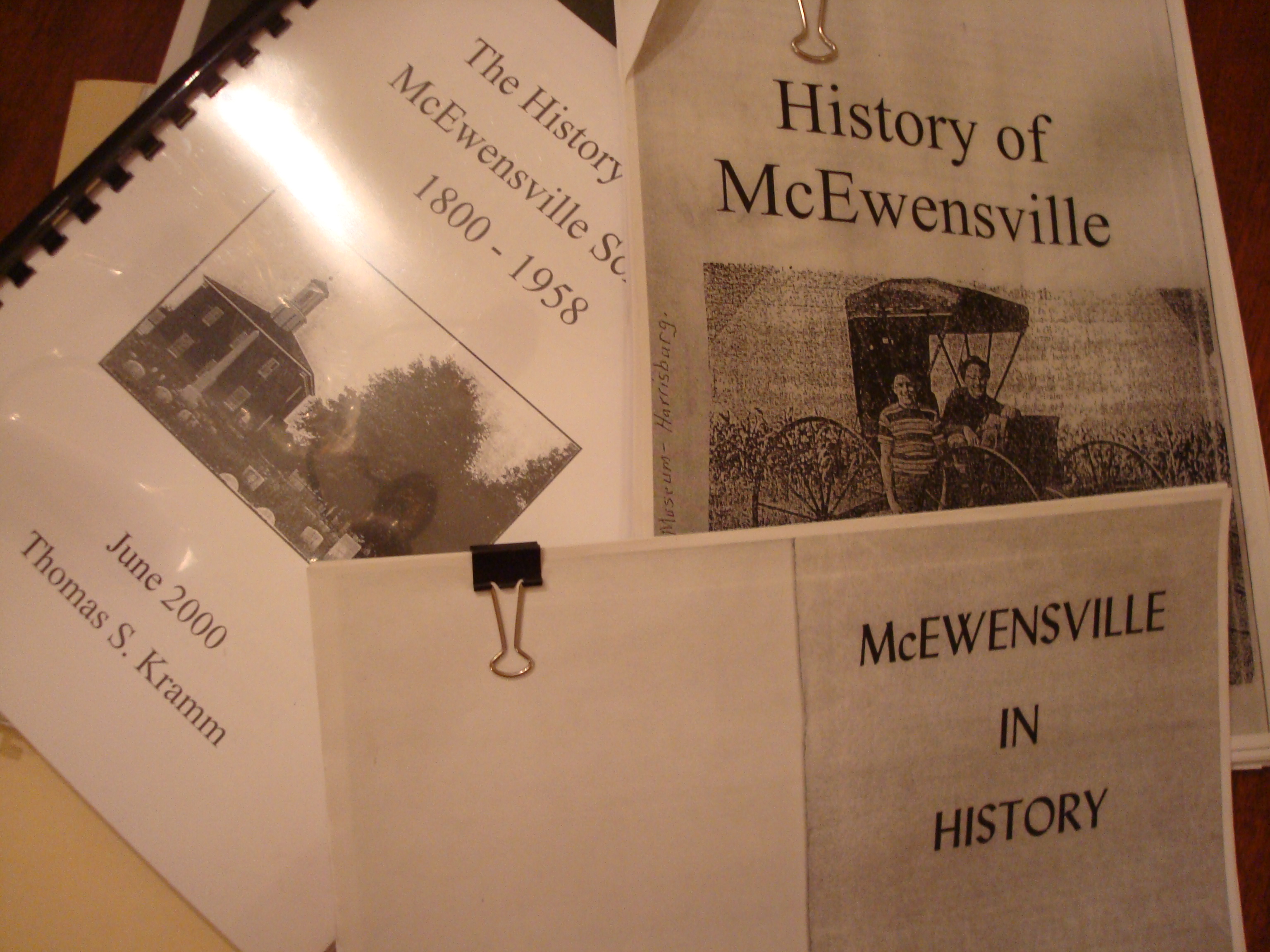
The History of the McEwensville Schools by Thomas Kramm indicates that the teacher during the 1910-11 school year was Howard Northrop; and that there were two teachers during the 1911-12 school year—Howard Northrop and D. Forest Dunkle.  And, Leon Hagenbuch in his History of McEwensville lists the same teachers. I suppose they both used the same source—sigh.

I’m not getting anything close to Jake out of those names –but maybe Howard went by a nickname. Grandma’s referred to her teacher several times in the diary as Jake or Jakie. I wonder if she called him Jake to his face or it he was Mr. ____.

Jake seems to be very young for a teacher and almost one of the gang. For example, in the fall Grandma and other girls teased him about drawing a picture of a diamond ring, and the previous winter he fell through the ice while skating one evening with students.

Another 1911 Christmas Gift Idea: Make a Handbag

16-year-old Helena Muffly wrote exactly 100 years ago today: 

Monday, December 11, 1911: Nothing much to write about.

Her middle-aged granddaughter’s comments 100 years later:

Since Grandma didn’t write much today, I’ll share some more photos of Christmas gift ideas from the 1911 issue of Ladies Home Journal.

“Girl’s handy bag for school. It is crocheted of mercerized thread and lined with heavy green linen.”

(An aside—I love this bag. I had one that looked almost like it when I was in junior high. I think that a great aunt made it for me—though I can’t remember with certainty which one.

“A Japanese silk handkerchief was used to make this pretty bag. The handles are embroidery hoops.”

Hundred-Year-Old Recipe for Coconut Hot Chocolate

16-year-old Helena Muffly wrote exactly 100 years ago today: 

Sunday, December 10, 1911: Went to Sunday School this morning. Ruth as usual was on the go again today. She and Rachel had to go off to visit Miss Bryson. Went over to Carrie’s this afternoon. Had to walk through the mud and a sticky kind it proved to be. To do Ruthie’s share of the milking was my fate tonight. You see I must treat her accordingly, as Christmas is approaching.

Her middle-aged granddaughter’s comments 100 years later:

Yuck—it’s not fun having to do a sibling’s share of the milking.

Here are the complete names of the friends that the Muffly girls visited: Rachel Oakes, Blanche Bryson, and Carrie Stout.

I wonder if Blanche or Carrie might have made hot drinks to serve their friends. (Plus I’m still enjoying trying 100-year-old recipes for hot drinks that appeared in an article called “Hot Drinks for the Holiday Season” that was in the December, 1911 issue of Good Housekeeping), so I’m going to give you another recipe today.)

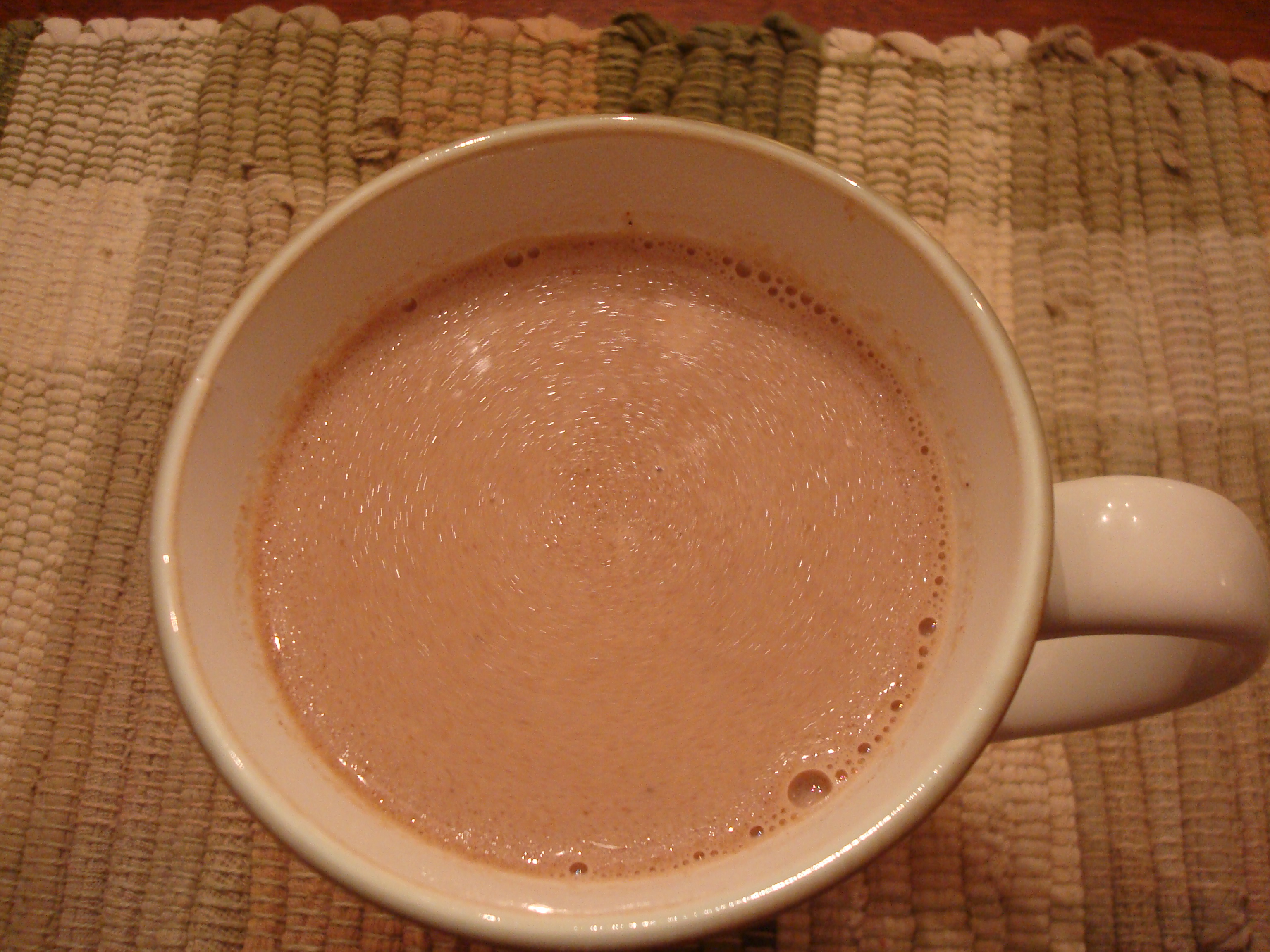
I few days ago I made Mulled Fig Juice (Ginger Cordial). Here’s the recipe for Coconut Hot Chocolate:

Coconut Milk Chocolate [Coconut Hot Chocolate]

Heat a quart of milk in the double boiler, and when very hot stir in four heaping tablespoons of grated, unsweetened chocolate, moistened with a little cold water; allow it to boil and thicken; have ready nearly a pint of coconut milk into which has been stirred half a cupful of sugar and the whites of two eggs; add this to the chocolate and cook for a few moments but do not allow it to boil. Remove from the fire and serve in cups, adding after it is poured into the cups a tablespoonful of sweetened whipped cream, which has been mixed with a little grated coconut.

Coconut Hot Chocolate is delicious—though extremely sweet.

Recipe Notes

I didn’t use a double boiler. Instead I used medium heat and stirred the milk constantly.

I poured the hot chocolate through a strainer before serving because I had problems with some of the egg white coagulating when I heated it. Maybe I didn’t stir rapidly enough when I added the coconut mixture to the hot milk.  If I made the recipe again—I might just skip the egg white.

I skipped the whipped cream topping—but it sounds like it would be good.

Old-fashioned Sugar Taffy Recipe

16-year-old Helena Muffly wrote exactly 100 years ago today: 

Saturday, December 9, 1911:  Was exceedingly busy this forenoon. Rufus went to Milton this morning so you see I had all the odd jobs to put in something like order but how long it will stay that way can soon be estimated. Ruthie treated us to candy this evening.
Her middle-aged granddaughter’s comments 100 years later:

I wonder what kind of candy Grandma’s sister Ruth made. Taffy is a popular old-time candy.

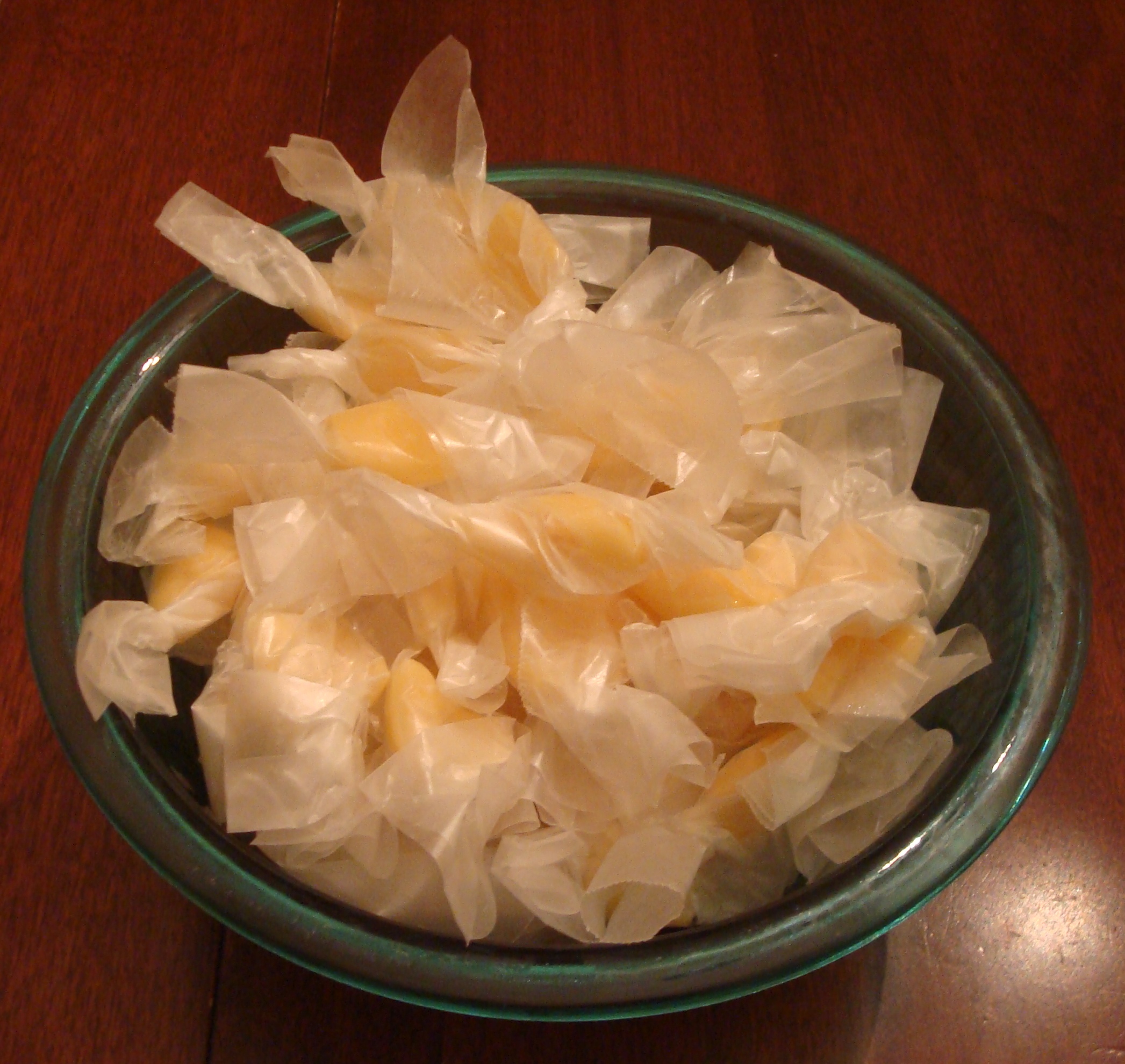
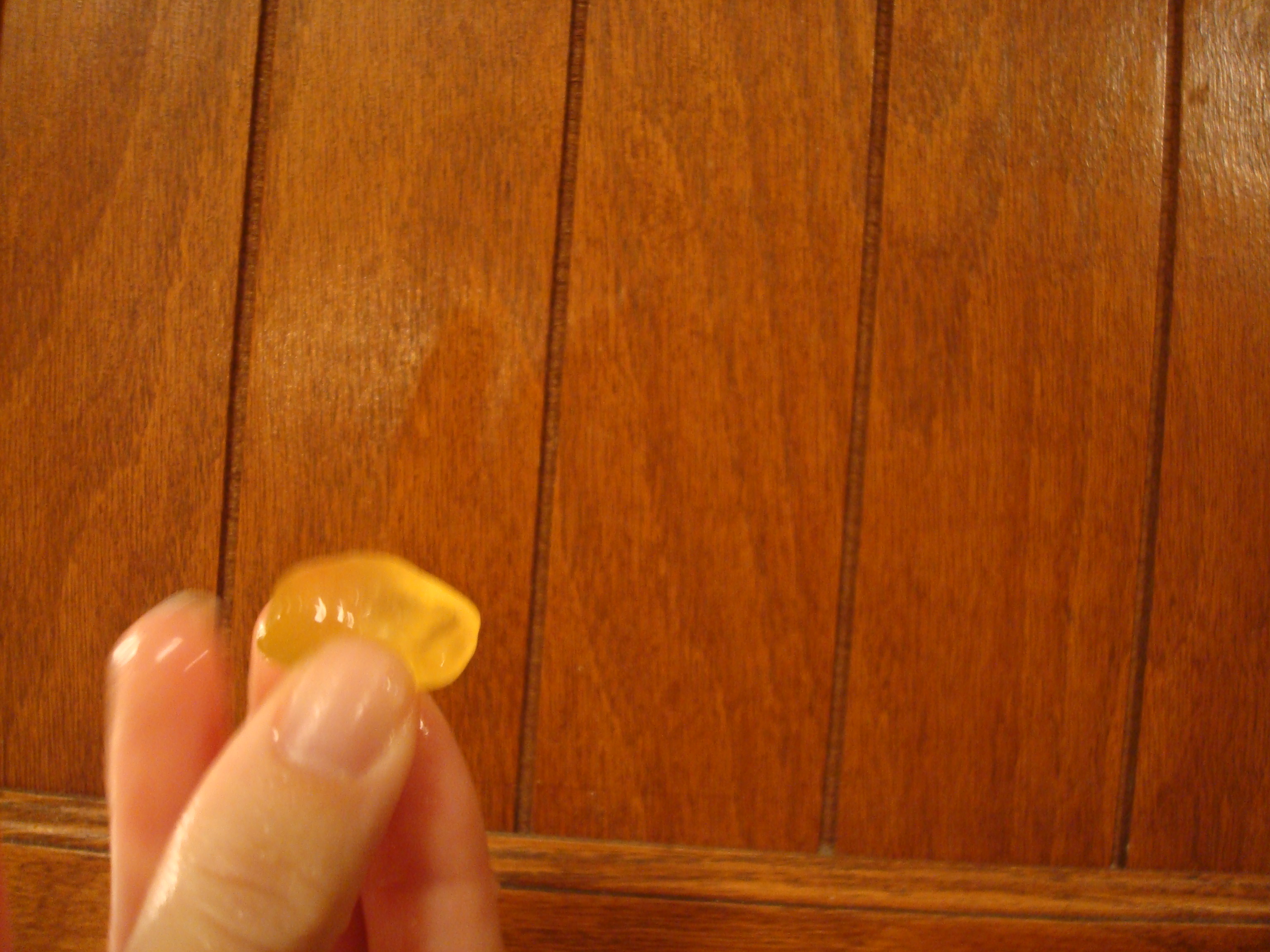
My daughter and I recently made some taffy using an old Pennsylvania recipe from the early 20th century.

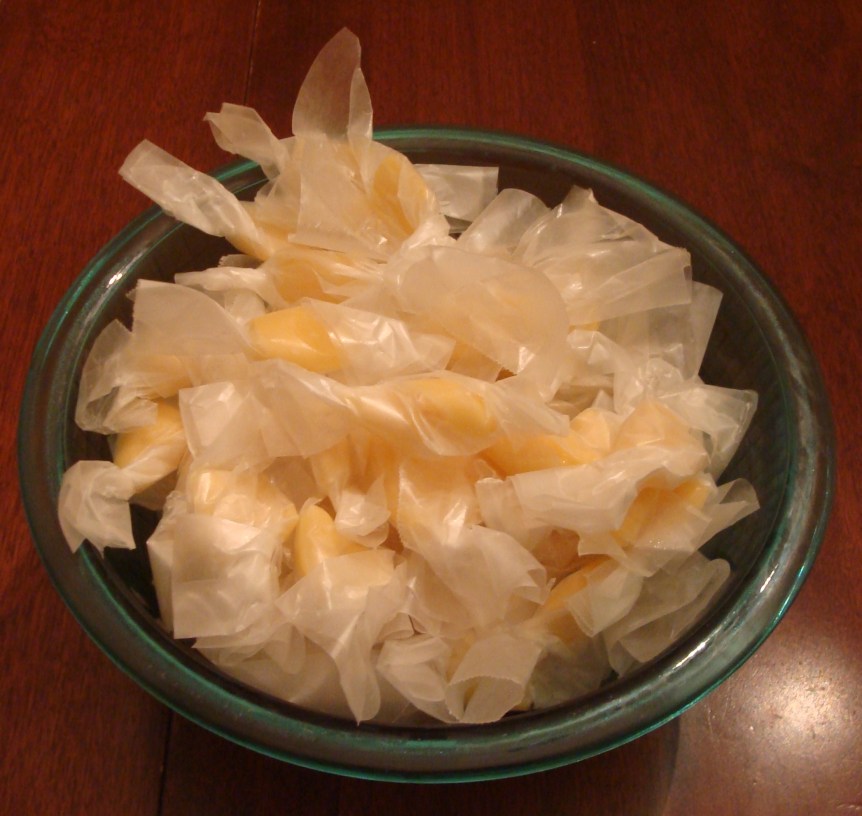
This is an excellent taffy recipe—and I really like that it doesn’t use corn syrup.  The taffy was wonderfully creamy and smooth, and it has a nice flavor.  It was almost too good–our family ate the entire bowl of candy in one week-end. (I’m trying very hard not to think about the calories.)

Making taffy is a fun family activity. I bet the old-time taffy pulls at parties were a blast.

But be sure to leave enough time. It probably took us close to two hours from start to finish. Don’t try to rush the process—or you may burn it or end up with taffy that doesn’t have the right consistency.

Sugar Taffy

One pound [2 cups] white sugar, one cup water, on-half teaspoonful cream of tartar, one-half teaspoonful vanilla, butter size of a hickory nut. Boil until hard in water. When cool, pull.

Lycoming Valley Cook Book, Ladies of Trout Run M.E. Church  (1907)—1992 reprint of book

We combined all of the ingredients except the vanilla; and, assumed that butter the size of a hickory nut was about 1 tablespoon of butter.

We cooked over low heat, stirring until mixture began to boil, then we cooked, without stirring until the boiling mixture reached the hardboil stage.

And, we assumed that “boil until hard in water” meant to boil until the syrup reached the hardball stage.

The hardball stage is when a small amount of the syrup is dropped into cold water. If it can be gathered together to form a hard ball (though malleable when pressed), it is at the right stage—or just use a candy thermometer (255 – 265 degrees F).We removed from the heat and stirred in the vanilla. We divided the thick syrup into several parts and added additional flavoring (cinnamon oil, strawberry flavoring)  to some of it. (We didn’t do it, but you may also want to add some food coloring so that you’ll be able to tell which pieces of candy have which flavor.)
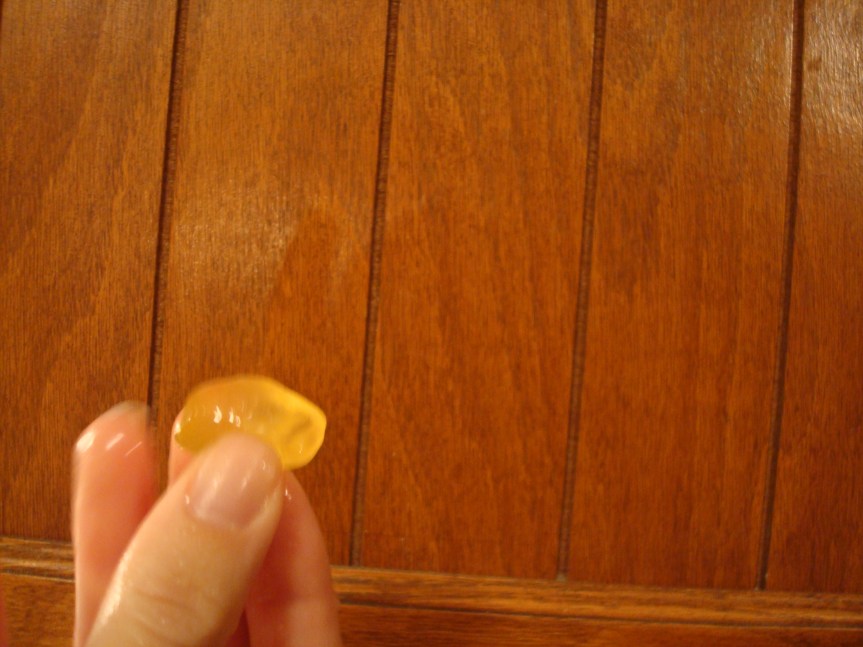
We put in buttered dish; then waited a few minutes until it was cool enough to handle.

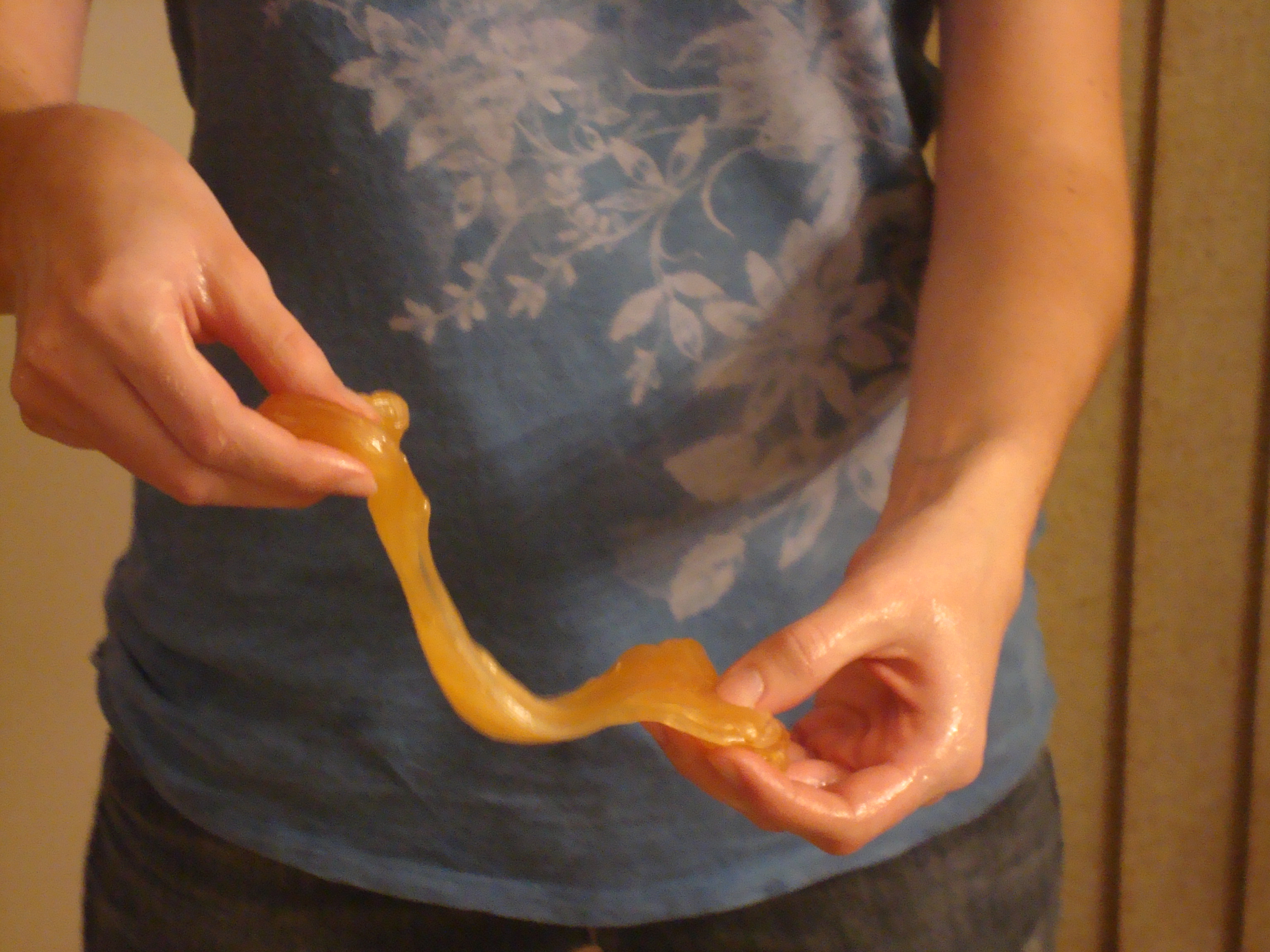
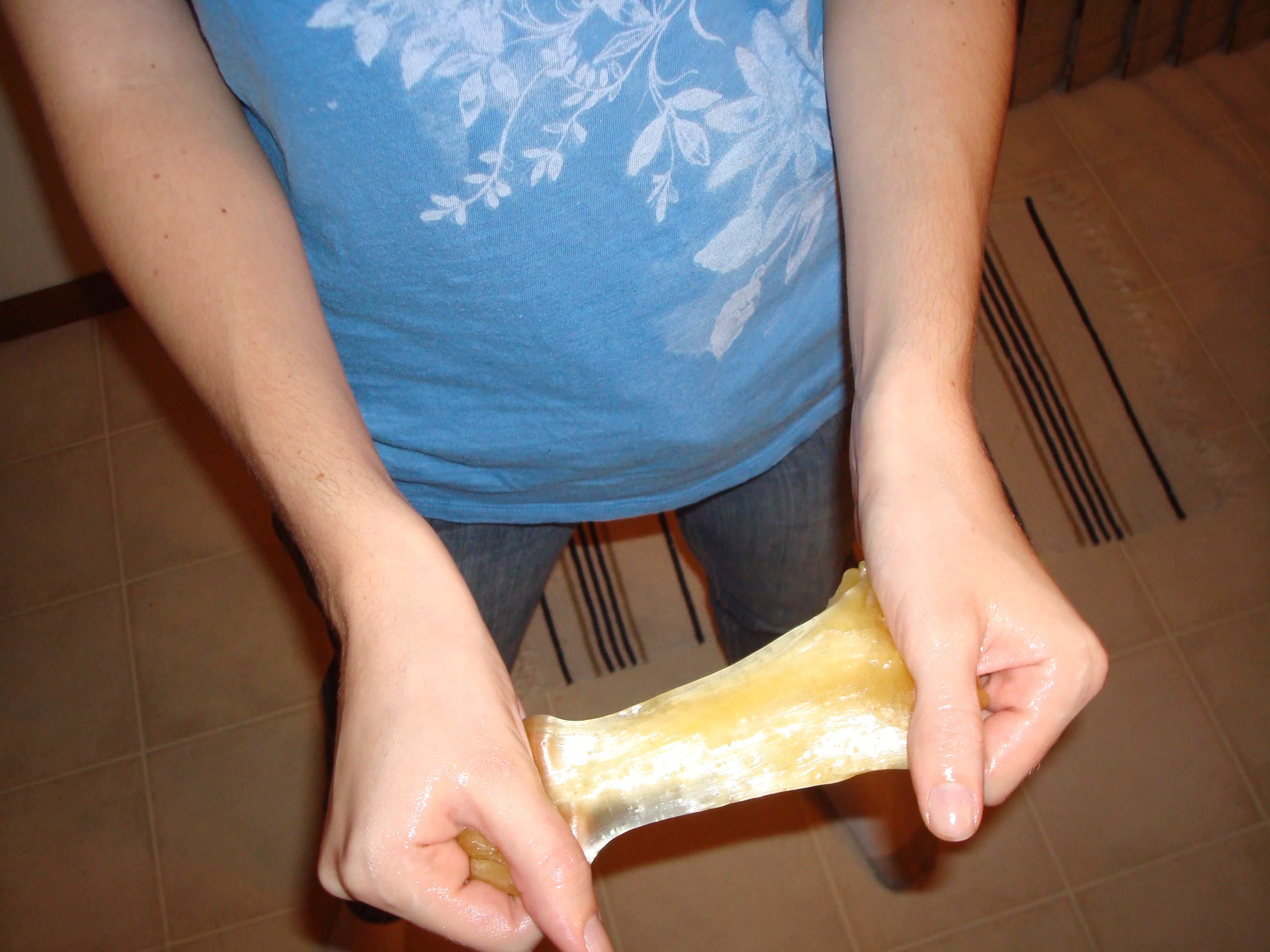
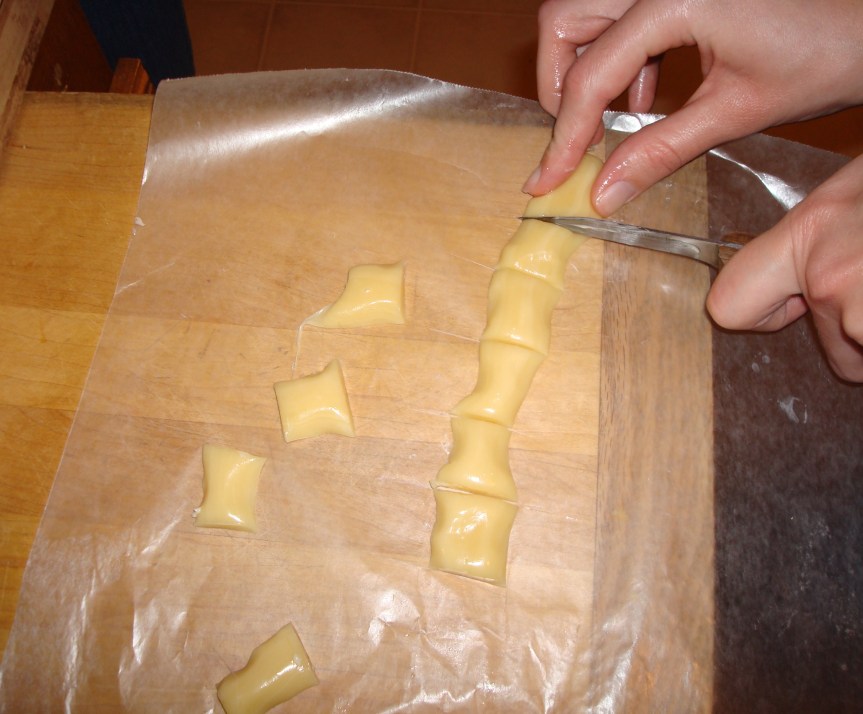
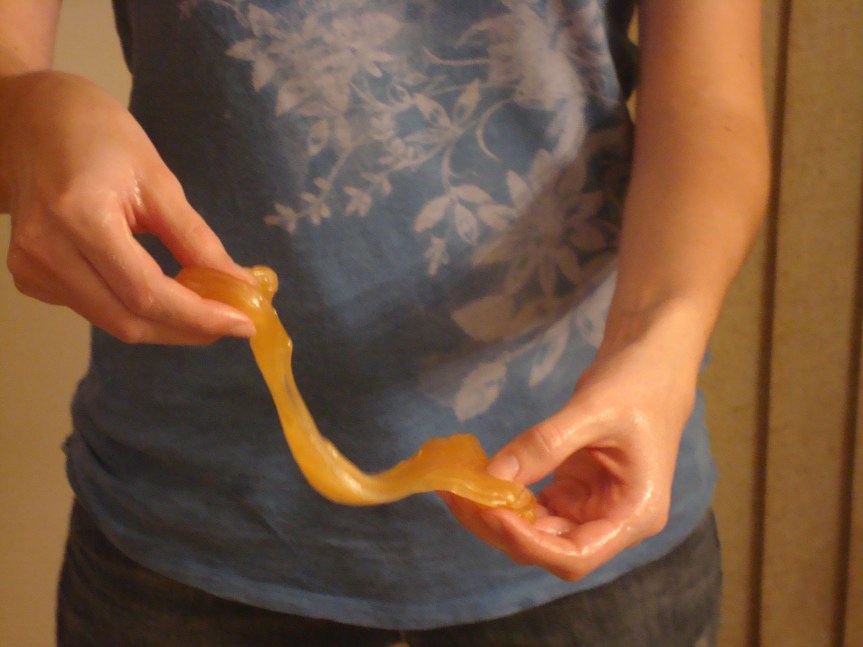
We then buttered our hands and pulled the candy until it became creamy and glossy (about 5 minutes). We formed ropes of candy on a piece of waxed paper; then cut with a knife that we periodically dipped in hot water.
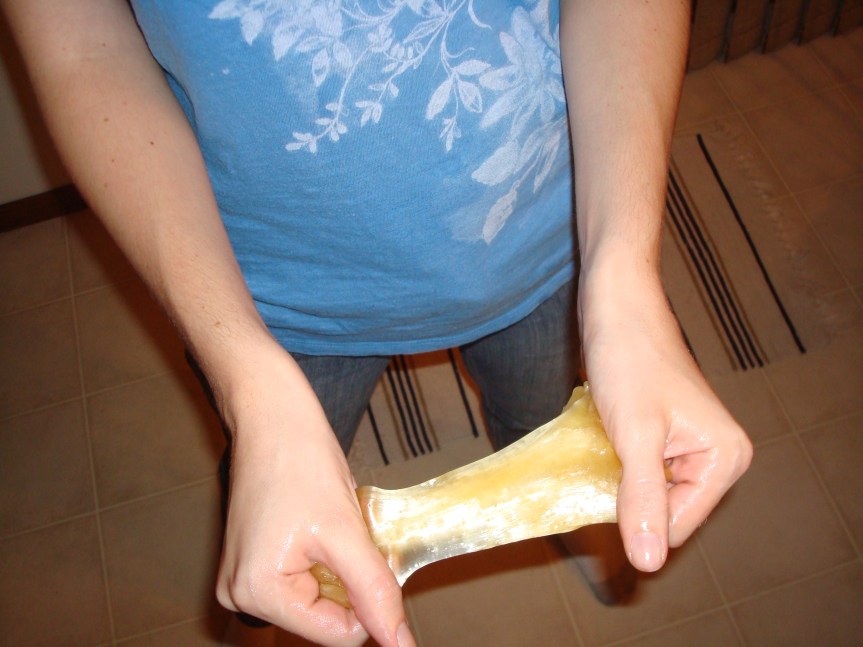
Finally we wrapped the individual pieces in squares of waxed paper.