Making Hay

17-year-old Helena Muffly wrote exactly 100 years ago today: 

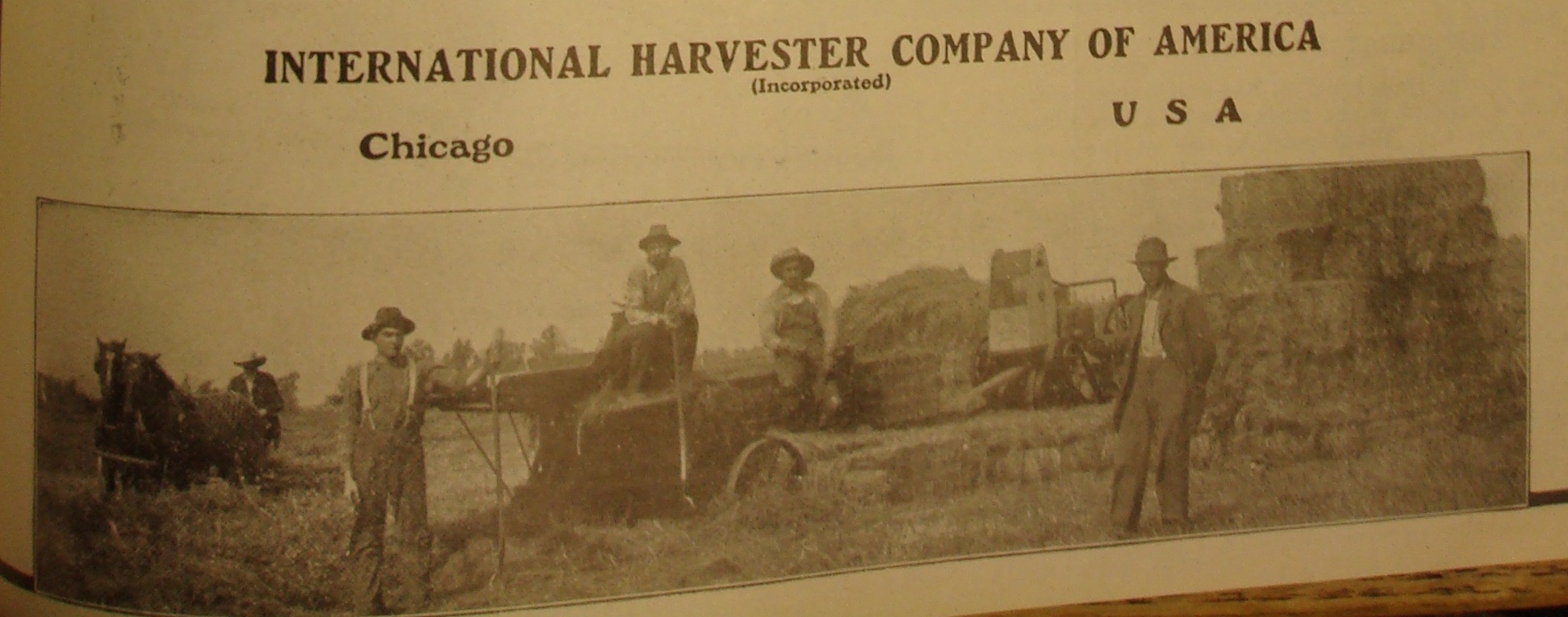
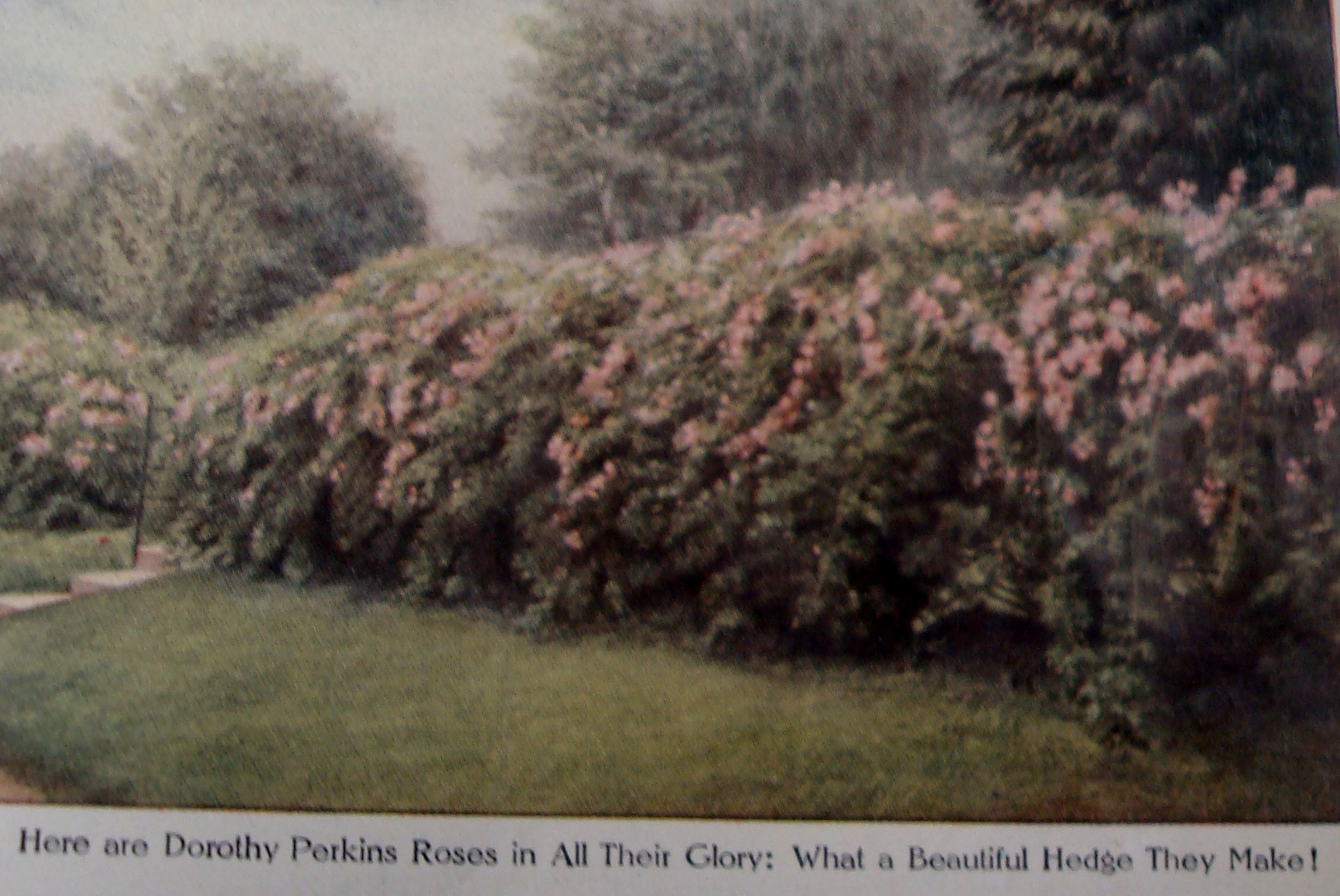
Thursday, June 27, 1912:  I worked all afternoon out in the hay field, and my hands which were bad enough now take on a deeper shade every day.

Click on photo to enlarge (Photo Source: Farm Implement Magazine: July 30,1911)

Her middle-aged granddaughter’s comments 100 years later:

Harvesting hay was  hot, dirty, hard work. The sun was hot. Horses needed to be led; hay needed to be lifted and stacked . . .

For a previous post on hay making, see Hay Pulleys and Ropes.

Source: Farm Implement Magazine (July 30, 1911)

How to Play the Game of Life: Hundred-Year-Old Advice

17-year-old Helena Muffly wrote exactly 100 years ago today: 

Wednesday, June 25, 1912:  Nothing extraordinary done.

Her middle-aged granddaughter’s comments 100 years later:

I think that Grandma was in a rut when she wrote this entry.

Here’s some advice hundred –year –old advice about how to get out of a rut:

Dare to be different; dare to take a decisive step to carry out your plans and ideas yourself. Fight your own battle, make a new road if necessary.

Ask no favor of anyone and you will succeed a thousand times better than one who sticks in the old beaten path, and who is always beseeching someone’s influence and patronage.

Aren’t you tired of the rut, tired of walking in file as convicts walk together in stripes? Cultivate enough individuality to refuse to be sewed up in the universal patchwork. The onward sweep of progress in this age has prepared the way for nonconformists. Why not get into line?

As in a game of cards, so in the game of life. We must play what is dealt to us, and the glory consists not so much in winning as in playing a poor hand well. Do not ask for a new deal, but play the cards given you.

You were not born to solve the problems of the universe, but to find out what you have to do and then do it with all your might, because it should be your duty, your enjoyment, or the very necessity of your being.

How many of us exhaust ourselves and wear out our friends by chafing against the chains of the unalterable, by complaining of the cards that are dealt to us in the game of life.

Play the game the best you know how to play it, give your life, your energy, your enthusiasm to the game.

National Food Magazine (June, 1912)

A Chicken for Supper

17-year-old Helena Muffly wrote exactly 100 years ago today: 

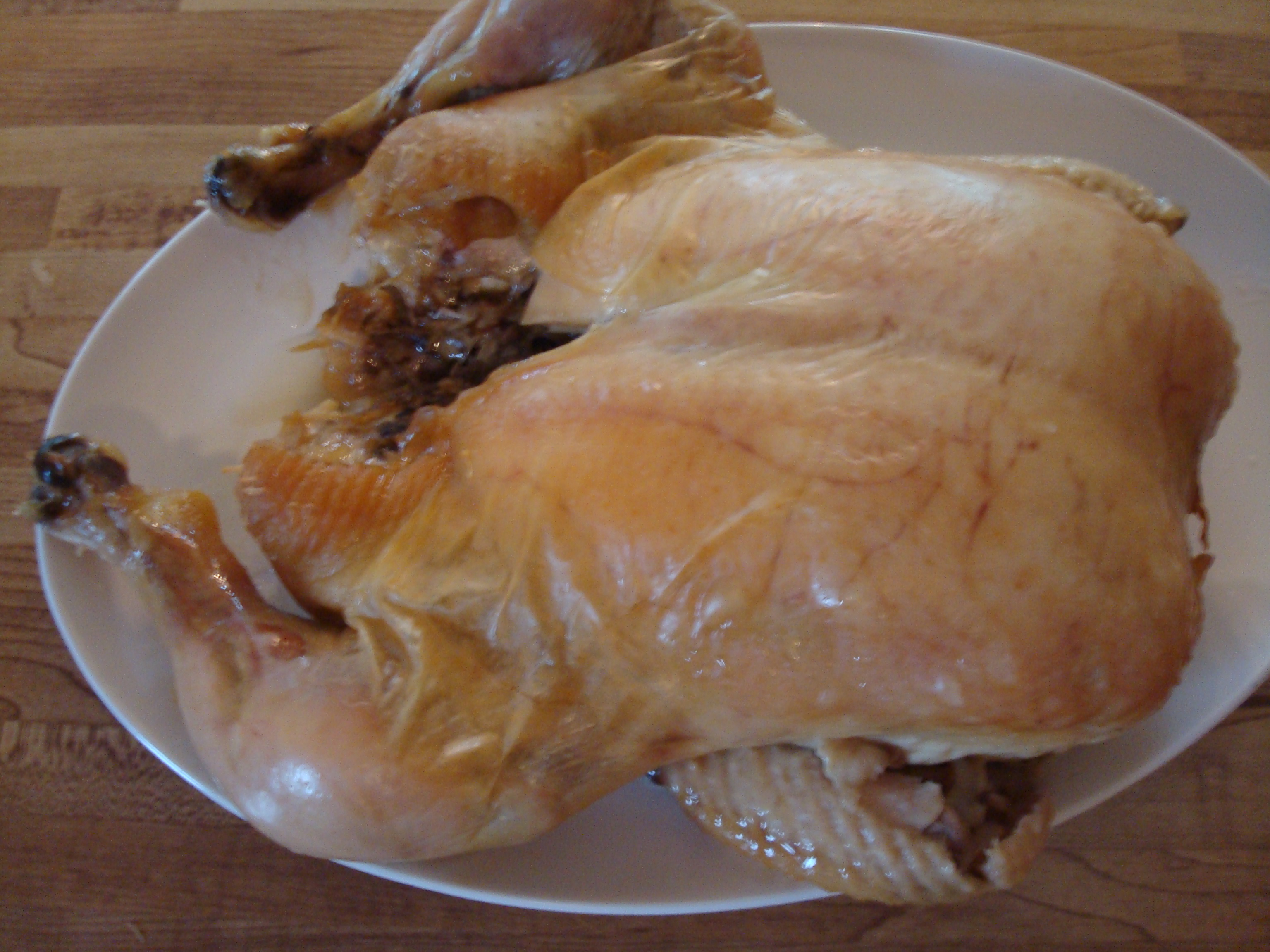
Tuesday, June 25, 1912:  My Daddy gave me a lecture today. The cause was the killing of a hen whose death I might have prevented had I made more use of my eyes. We had her for supper.

The chicken that we had last night for supper.

Her middle-aged granddaughter’s comments 100 years later:

What happened? How did Grandma not notice something that led to the death of a chicken?

I asked my father about this entry. He thinks that the chicken might have been injured by a dog.

In rural areas dogs often are allowed to roam free—and perhaps a neighbor’s dog wondered onto the Muffly farm and attacked a hen. Maybe Grandma didn’t notice the dog –or ignored it.

In any case chicken for supper sounds good—so good in fact that I decided to roast a chicken for dinner last night.

An aside—When my children were in soccer and little league, I often put a chicken or roast in the oven before games (as well as some baking potatoes)—and the meal would be ready to eat when we home.

1912 Flower Gardens

17-year-old Helena Muffly wrote exactly 100 years ago today: 

Monday, June 24, 1912:  I got so tired a working today. I am about well nigh used up.

Her middle-aged granddaughter’s comments 100 years later:

Sounds like Grandma had a rough day. After hard days I enjoy relaxing in my yard and enjoying my flowers.

I know that Grandma enjoyed  gardening when she was older. Maybe she also enjoyed relaxing amongst flowers when she was young.

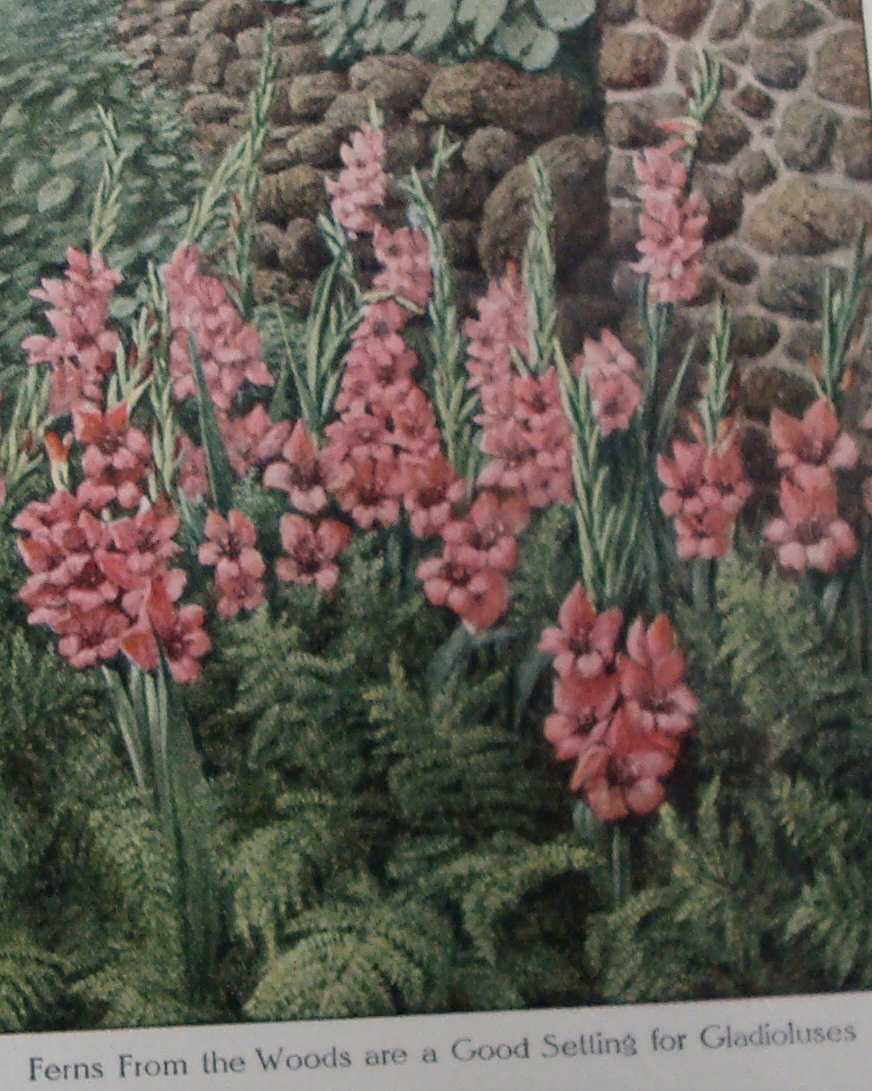
Here are some hundred-year-old drawings of flower gardens in the April, 1912 issue of Ladies Home Journal.

Angel Food Cake with Black Raspberries Recipe

17-year-old Helena Muffly wrote exactly 100 years ago today: 

Sunday, June 23, 1912: Went to Sunday School this morning. Tweet came home with me. Ma and Pa had gone away and we had the place to ourselves. Miss Carrie was over after dinner.Her middle-aged granddaughter’s comments 100 years later:
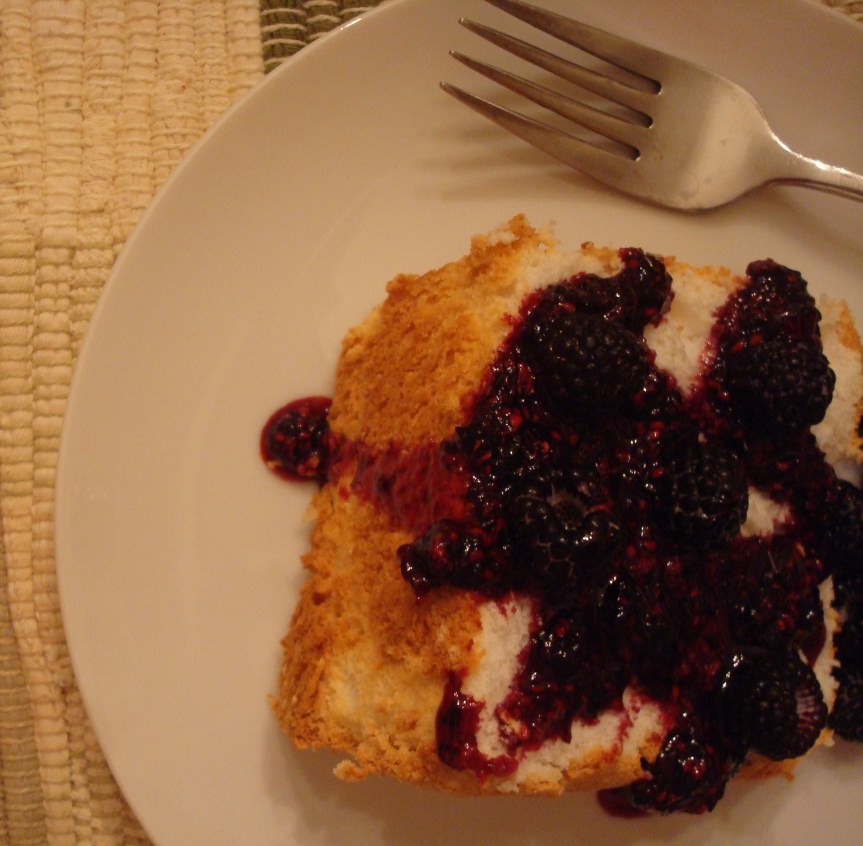
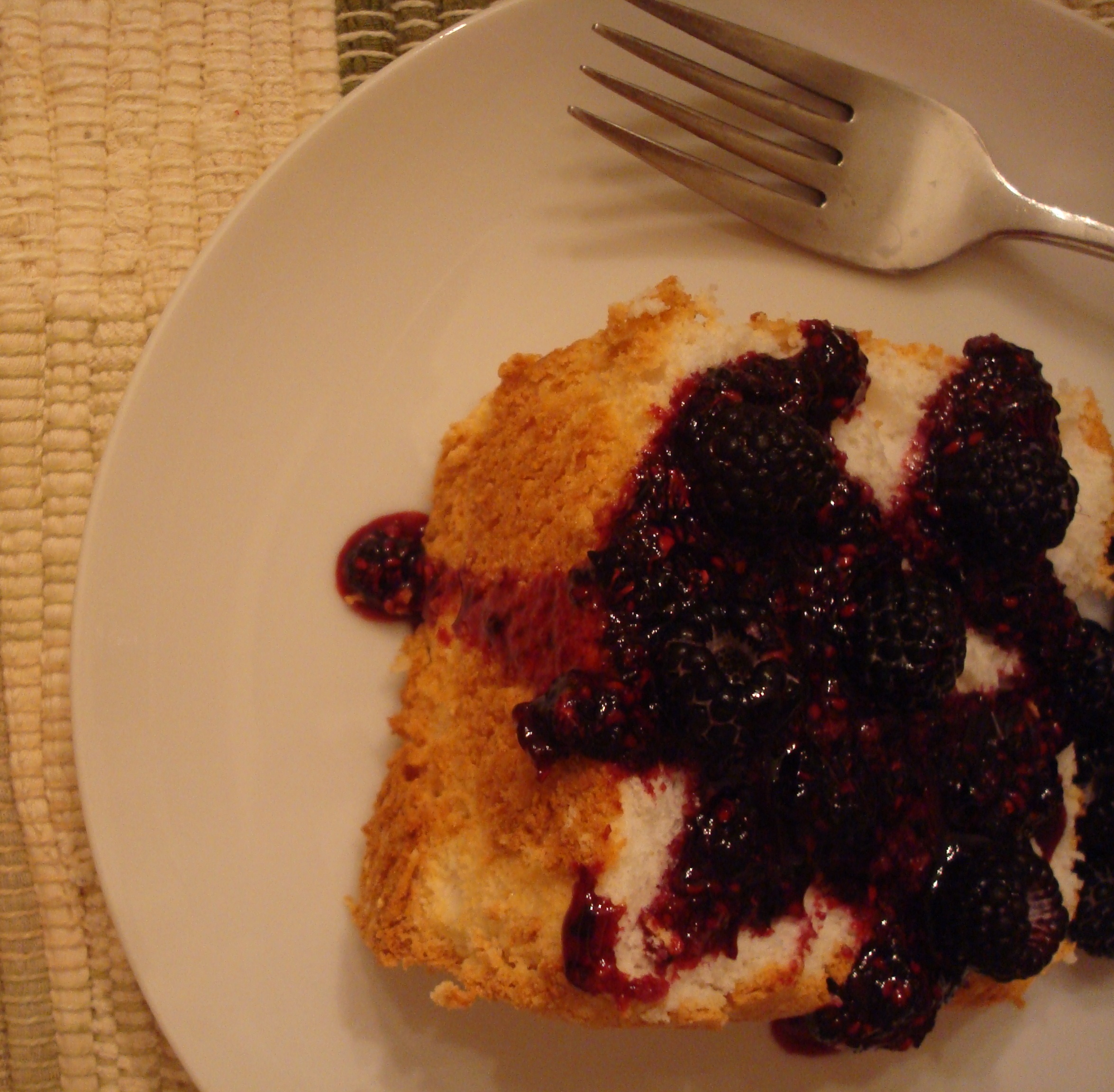
Sounds like a fun Sunday with visits from two friends—Helen “Tweet” Wesner and Carrie Stout.

I wonder if Grandma made any deserts to serve her friends. Black raspberries would have been  in season.

Maybe Grandma made Angel Food Cake with Black Raspberries.

Angel Food Cake with Black Raspberries

Cake

12 egg whites

1 cup all-purpose flour

3/4 cup sugar plus an additional 3/4  cup sugar

1 1/2 teaspoons cream of tartar

1/4 teaspoon salt

1 1/2 teaspoon vanilla

1/2 teaspoon almond extract

Preheat oven to 375 degrees F.  Separate egg whites and bring the egg whites to room temperature. Meanwhile stir together the flour and 3/4 cup of sugar in a medium bowl.

After egg whites have reached room temperature, put the egg whites, cream of tartar, and salt into a large bowl.  Beat until foamy. Slowly add the 3/4 cup of sugar (about 2 tablespoons at a time) while beating. Continue beating until the mixture holds stiff straight peaks. Gently stir in the vanilla and almond extract.

[Note: In Grandma’s day, they would have beaten the eggs by hand. I feel tired just thinking about it.]

Sprinkle a small amount of the flour and sugar mixture (about 2 tablespoons) onto the whipped egg mixture; and then fold it in. Continue sprinkling and folding the flour and sugar mixture until it all is folded in.

Gently spoon the batter into an ungreased 10 X 4 tube pan (angel food cake pan). Bake for 35 to 40 minutes or until the cake is lightly browned and the top springs back when lightly touched.

Invert pan until cool (at least 1 hour) and then remove cake from pan.

Black Raspberries

Crush a few black raspberries; stir in several tablespoons of sugar, and add enough water to make the consistency of medium sauce. Refrigerate for at least one hour to give the sugar in the sauce enough time to lose its granularity. Serve over the cake. Sprinkle which whole black raspberries.

An aside—When I was a child I loved the black raspberries that grew in the hedgerows. These days I never can find them in stores.

Two years ago my husband and I planted several black raspberry plants, and this is the first summer that we have lots of berries.

The black raspberries are awesome—even better than I’d remembered them.

Old-time Tips for Washing Dishes

17-year-old Helena Muffly wrote exactly 100 years ago today: 

Saturday, June 22, 1912: Went to Watsontown this afternoon. I managed to get through with the dishes and then went for the cows. I found them having a picnic in the corn field, and they were quickly dispatched to safer premises.

Her middle-aged granddaughter’s comments 100 years later:

Here’s some advice from the early 1900s for doing the dishes. It is abridged from a 1902 cookbook.

Do not be afraid of hot water in washing up dishes and dirty cooking utensils. As these are essentially greasy, lukewarm water cannot possibly have the effect of cleansing them effectively.

After you have washed your saucepans, fish-kettle, &c., stand them before the fire for a few minutes to get thoroughly dry inside, before putting them away. They should then be kept in a dry place, in order that they may escape the deteriorating influence of rust.

Never leave saucepans dirty from one day’s use to be cleaned the next.

After washing up your dishes, wash your dish-tubs with a little soap and water and soda, and scrub them often.

Do not throw anything but water down the sink, as the pipe is liable to get choked, thereby causing expense and annoyance.

Mrs. Beeton’s Cookery Book (1902)

Cows Escaped

Whew–the cows escaped from the pasture, again! This must be at least the fourth or fifth time in 1912. (It’s happened so many times that I’ve lost track of the exact number.)

Dieting a Hundred Years Ago

17-year-old Helena Muffly wrote exactly 100 years ago today:

Friday, June 21, 1912:  I’ve been thinking over an article I read in a magazine. It is about reducing a speck. I think I’ll try it at least, and be less of a pumpkin than what I am now.

1913 graduation photo of Helena Muffly. She doesn’t look heavy in this picture–but maybe she’d lost a “speck.”

Her middle-aged granddaughter’s comments 100 years later:

It sounds like Grandma needed to lose a few pounds—or at least  that she thought that she did.

A hundred years ago people believed that the best way to lose weight was to eat “dainty” foods and to chew food more thoroughly. They thought that they would lose weight if they chewed each bite 30 times, 40 times, or even more, before swallowing. This was often called Fletcherizing.

At dinner last night I tried chewing each bite 35 times. The sandwich and potatoes (oops–they may not be dainty foods)  that I was eating liquefied in my mouth and it lost all flavor long before the 35th bite.

My family finished eating while I still had lots of food left on my plate.

I don’t think that I could Fletcherize my food meal after meal—but I do think that I’d lose weight if I did it consistently.

Previous Posts on Dieting and Obesity

Are You Obese?: 1911 and 2011

One-Hundred-Year Old Advice on How to Avoid Overeating

1911 Weight Loss Tip: Fletcherize Your Food