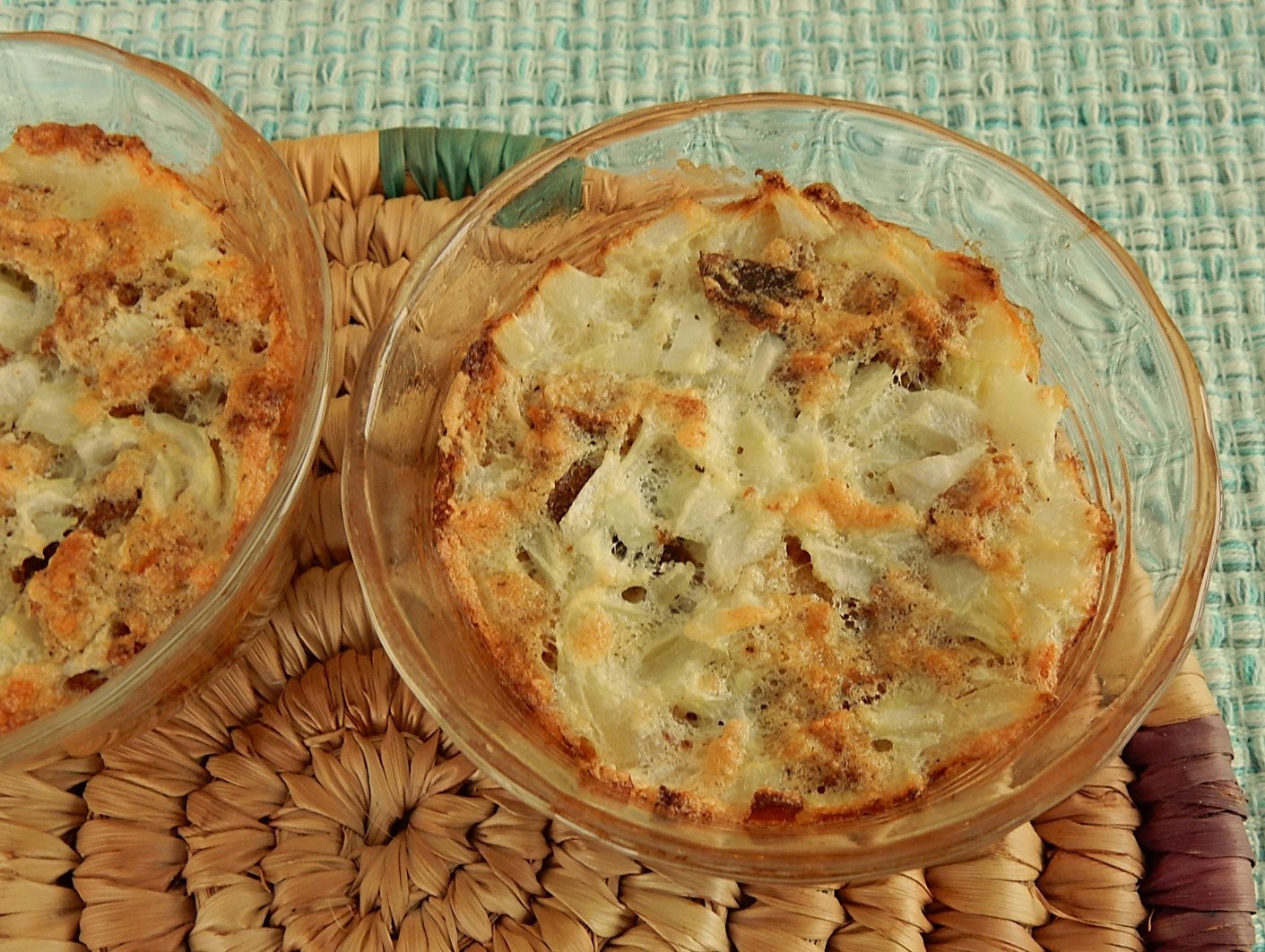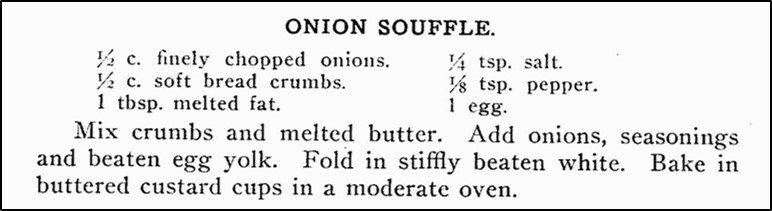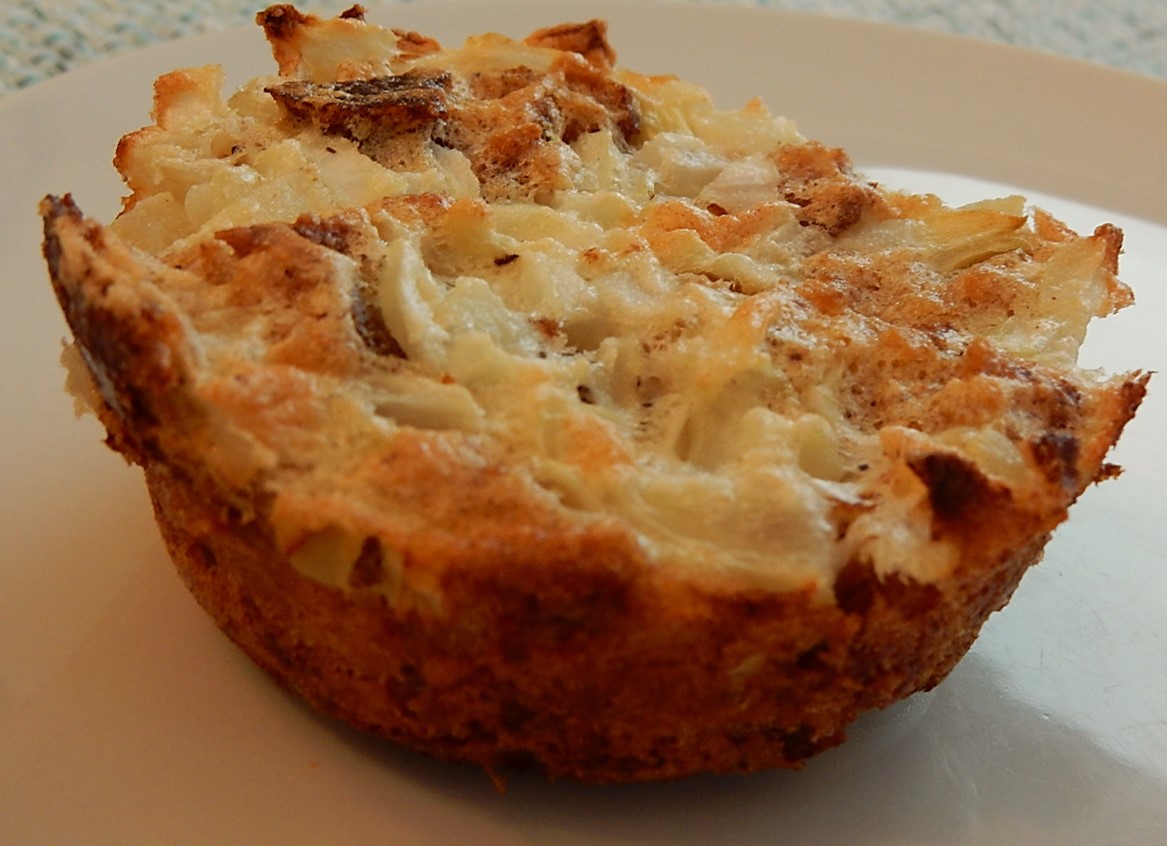
I tend to think of vegetarian diets as a relatively new way of eating, but it actually is a traditional way of eating. Here’s what a hundred-year-old cookbook says:
Meatless Meals
While authorities disagree as to the advisability of adopting a strictly vegetarian diet, there are increasing numbers who believe that such a diet is wholesome and beneficial. Be that as it may, vegetable menus are so much in demand that it behooves the housewife who caters to vegetarians to see that the necessary food elements are present. While fruits and vegetables are rich in starch, sugar, mineral salts, and acids, there are only a few that are rich in protein and fats.
For those who do not object to animal products, milk, cream, butter, cheese and eggs should be generously used. Cheese naturally suggests itself as a meat substitute as it is a highly concentrated protein food. Weight for weight, it contains twice as much protein as meat and its fuel value is almost double.
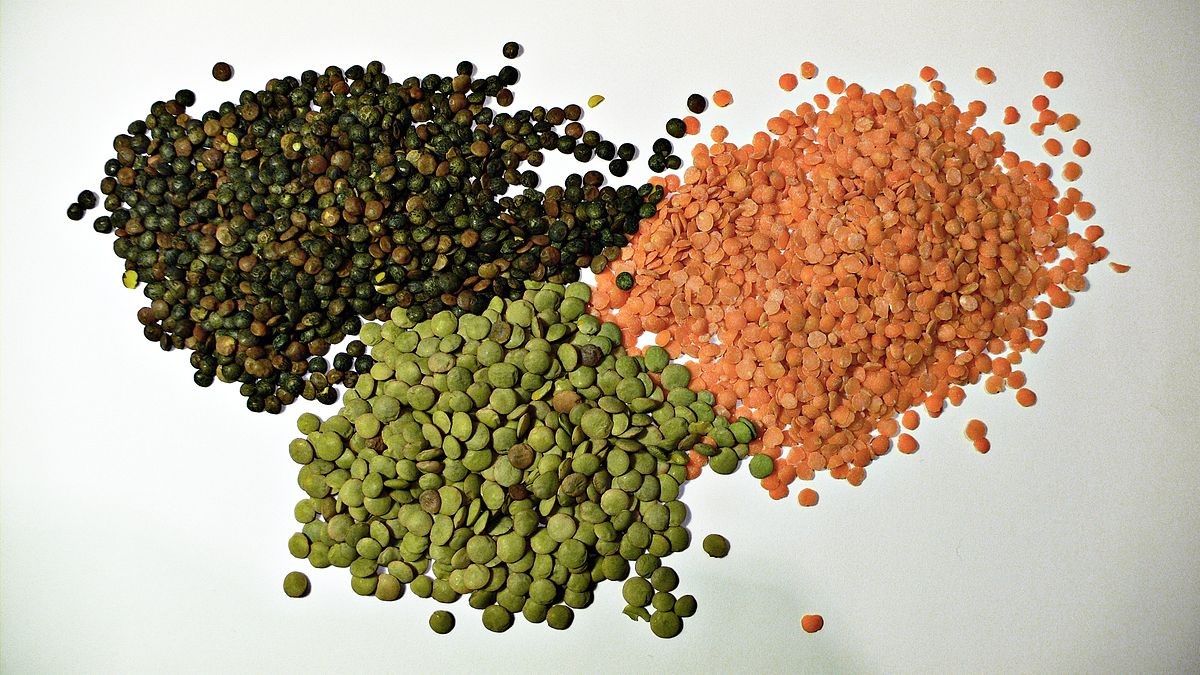
Dried peas, beans and lentils are the vegetables conspicuous in protein and therefore are excellent as meat substitutes. There is a Hindu proverb, “Rice is good, but lentils are my life.” Mushrooms are also valuable meat substitutes.
Nuts may also be regarded as meat substitutes, especially peanuts, almonds and Brazil nuts. Nuts, however, are rich in fat. No other vegetable food is so rich in fats as nuts. On account of their high fat content, an excessive consumption is likely, sooner or later, to derange digestion. They should be combined with foods having a low fat content. If properly combined with other foods, they furnish valuable food.
The cereals, such as oatmeal and whole wheat preparations, contain from 13 to 16 percent protein and therefore may be regarded as protein supplying foods. Combining them with milk increases the protein content and furnishes a happy balanced combination.
The Housewife’s Cook Book by Lilla Frich (1917)