
Heinz Baked Beans have been around for more than a hundred years. The endurance of some products is amazing.

Heinz Baked Beans have been around for more than a hundred years. The endurance of some products is amazing.

Soup is the perfect comfort food on these cold winter days. I recently found a wonderful hundred-year-old recipe for Pearl Barley Soup with Cabbage. The soup was delightful – but the recipe name is misleading. The recipe only calls for two tablespoons of barley – and it is not a predominate ingredient in the soup. This soup is really a hearty, rustic Cabbage and Bacon soup.
Here’s the original recipe:
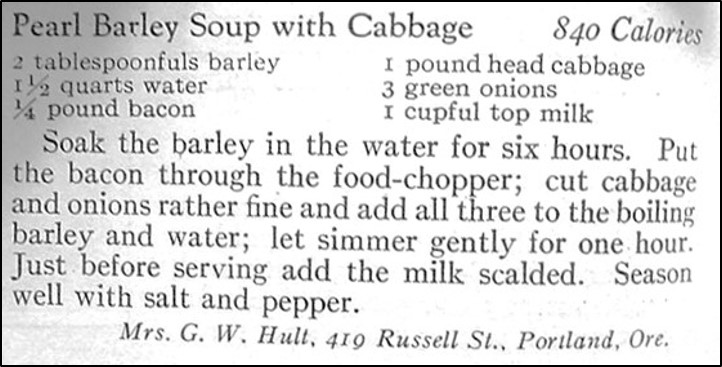
Since modern pearled barley does not need pre-soaking, I skipped that step. Also, I didn’t think that three green onions were very many, so I used all the green onions in the bunch that I purchased. Here’s the recipe updated for modern cooks:
6 cups water
2 tablespoons barley
1/4 pound bacon, chopped into 1/4 inch pieces
1 small cabbage (about 1 pound), finely shredded
1 bunch green onions (6 -8 green onions), chopped
1 cup half and half
1/4 teaspoon salt
1/8 teaspoon pepper
Put water in a dutch oven; bring to a boil using high heat, then add barley, bacon, cabbage, and green onions. Return to a boil, then reduce heat and gently simmer for 1 hour. Add half and half, salt, and pepper. Heat until steamy hot, then serve.
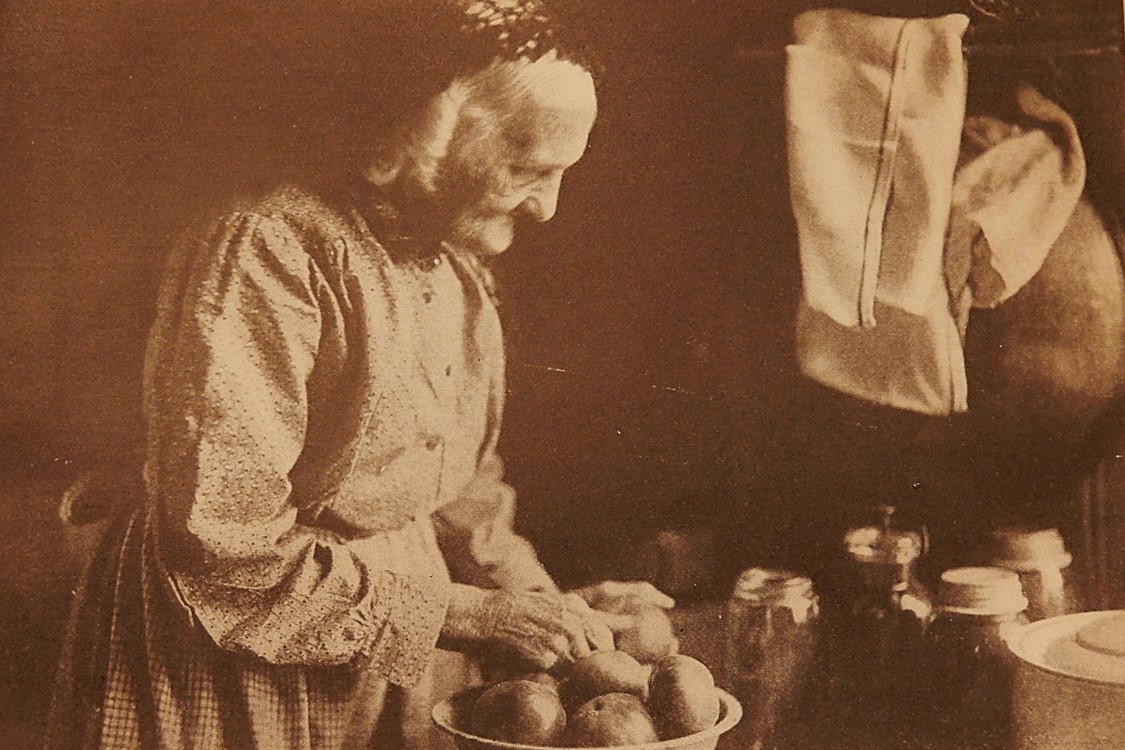
This photo was the February, 1918 issue of Good Housekeeping. The caption beneath the picture says:
This very young old lady of ninety-five did all the work in her garden last year and then put up enough canned goods to supply herself, her grandsons, and her great-grandsons. She is already planning this year’s garden. Her recipe for long life and happiness is, “”Take good care of nature, and she will take good care of you.”
 Hundred-year-old Christmas menus sometimes included Mashed Turnips as a vegetable side dish, so I was pleased to find a 1918 recipe for Mashed Turnips. This rustic side dish has a delightful earthly, sweet, yet slightly bitter, flavor.
Here’s the original recipe:
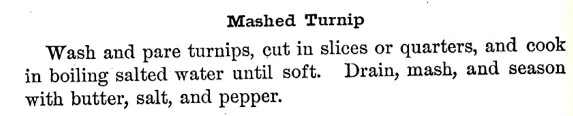
Here’s the recipe updated for modern cooks:
6 medium turnips
water
1 teaspoon salt
1/8 teaspoon pepper
2 tablespoons butter
Wash and peel turnips; cut into slices or quarters. Put in a saucepan and cover with water; add salt. Using high heat bring to a boil, then reduce heat, and simmer until turnips are tender (approximately 35 – 45 minutes). Remove from heat and drain. Mash the cooked turnips, then stir in pepper and butter. Serve immediately.
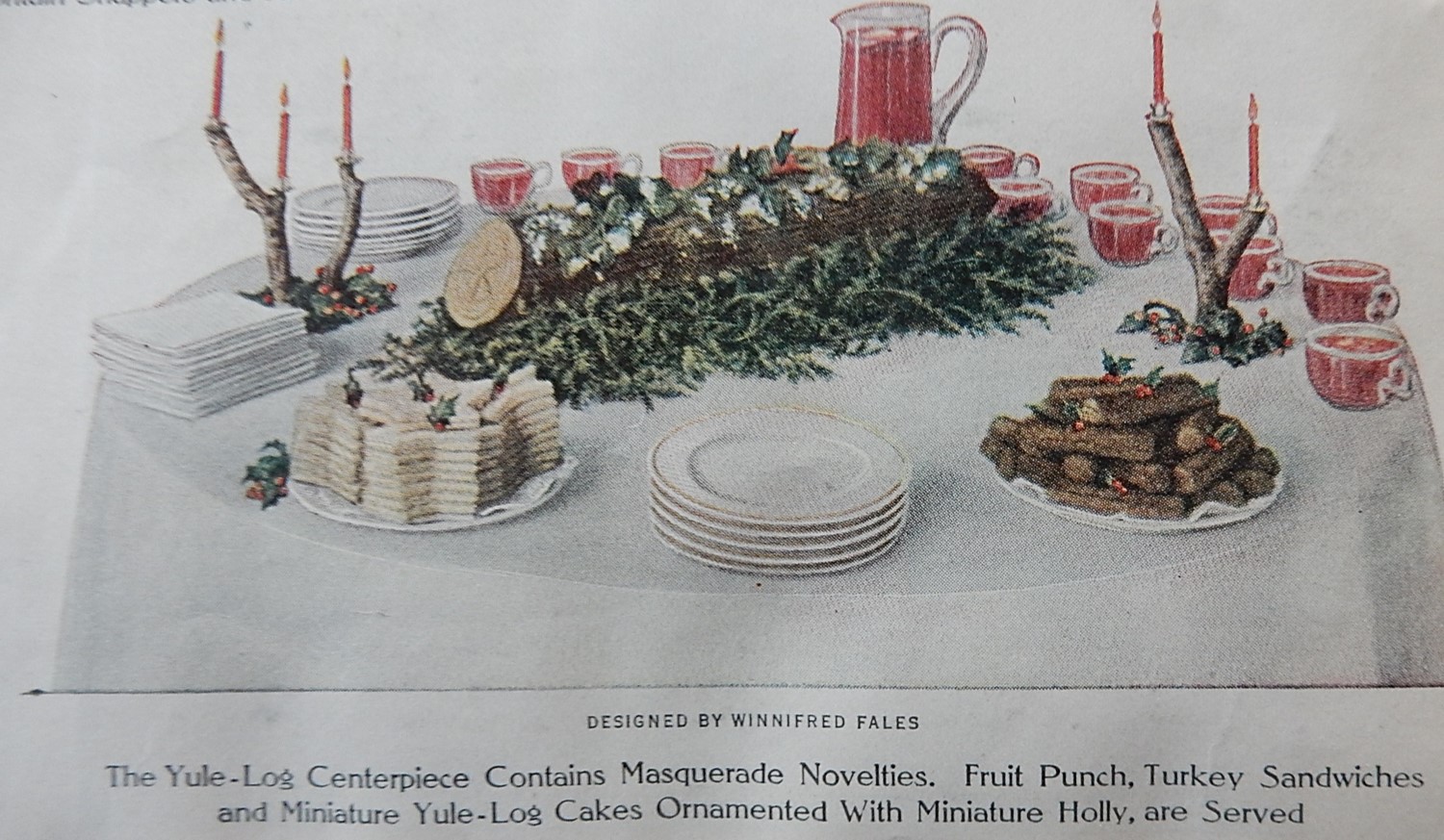
Centerpieces were an important part of holiday tables a hundred-years-ago. Here is some hundred-year-old advice for a creating a Christmas centerpiece:
For Christmas, holly, mistletoe, or any other attractive green shrubs are more suitable than cut flowers. A sparkling tree or a Santa Claus make an attractive centerpiece.
The Science of Home Making: A Textbook in Home Economics by Emma E. Pirie (1915)
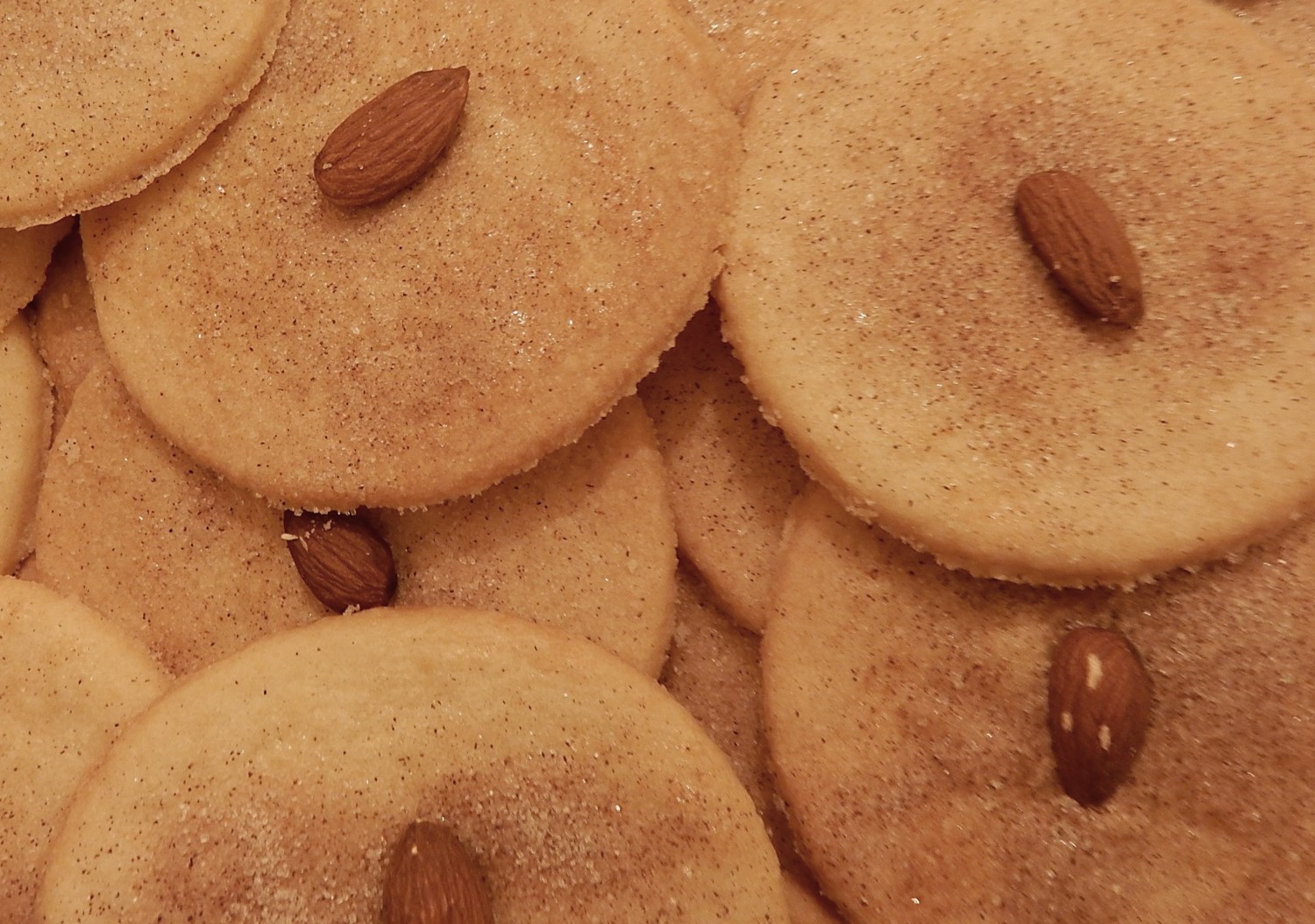
Are there some types of cookies that immediately bring back warm, fuzzy memories of childhood. Well, for me, Sand Tarts are that cookie. This thin, crispy cookie is my all-time favorite. My mother never made them (I’m not sure why.), so I was always thrilled when they were on a cookie tray at church or a friend’s house.
I recently found an awesome hundred-year-old Sand Tart recipe that makes cookies just like I remembered. The cookies are sprinkled with cinnamon and sugar (“sand”), and taste almost like a thin Snickerdoodle. (Does anyone eat Snickerdoodles any more?)
Here is the original recipe:

This recipe originally appeared the American Cookery magazine during World War I. There were sugar shortages during the war. Even though the magazine chose to publish the recipe, the editors encouraged cooks not to make Sand Tarts because they “call for more sugar than ordinary cookies.”
Here’s the recipe updated for modern cooks:
3/4 teaspoon cinnamon
1/2 cup sugar + 2 cups sugar
1 cup shortening
1 extra-large egg + 1 egg yolk (or 2 large eggs + 1 egg yolk)
3 cups flour
1/2 teaspoon salt
1 egg white
whole almonds or raisins (I used almonds.)
Preheat oven to 350° F. Put cinnamon and 1/2 cup sugar in a small bowl; stir to combine, then set aside.
Cream the shortening; beat in the 2 cups of sugar, and the whole egg and yolk. Then stir in the flour and salt. The dough will be crumbly, but will cling together when pressed together. Place the dough on a lightly floured surface, and knead until smooth. Roll out dough out until it is very thin (1/8 inch thick). Cut into rounds or, if desired, other shapes; and place on a greased cookie sheet. Brush cookies with the egg-white, then sprinkle with the cinnamon and sugar mixture. Set an almond or raisin in the center of each cookie. Cut into desired shapes. Place on greased cookie sheets. Bake 8-12 minutes or until lightly browned.
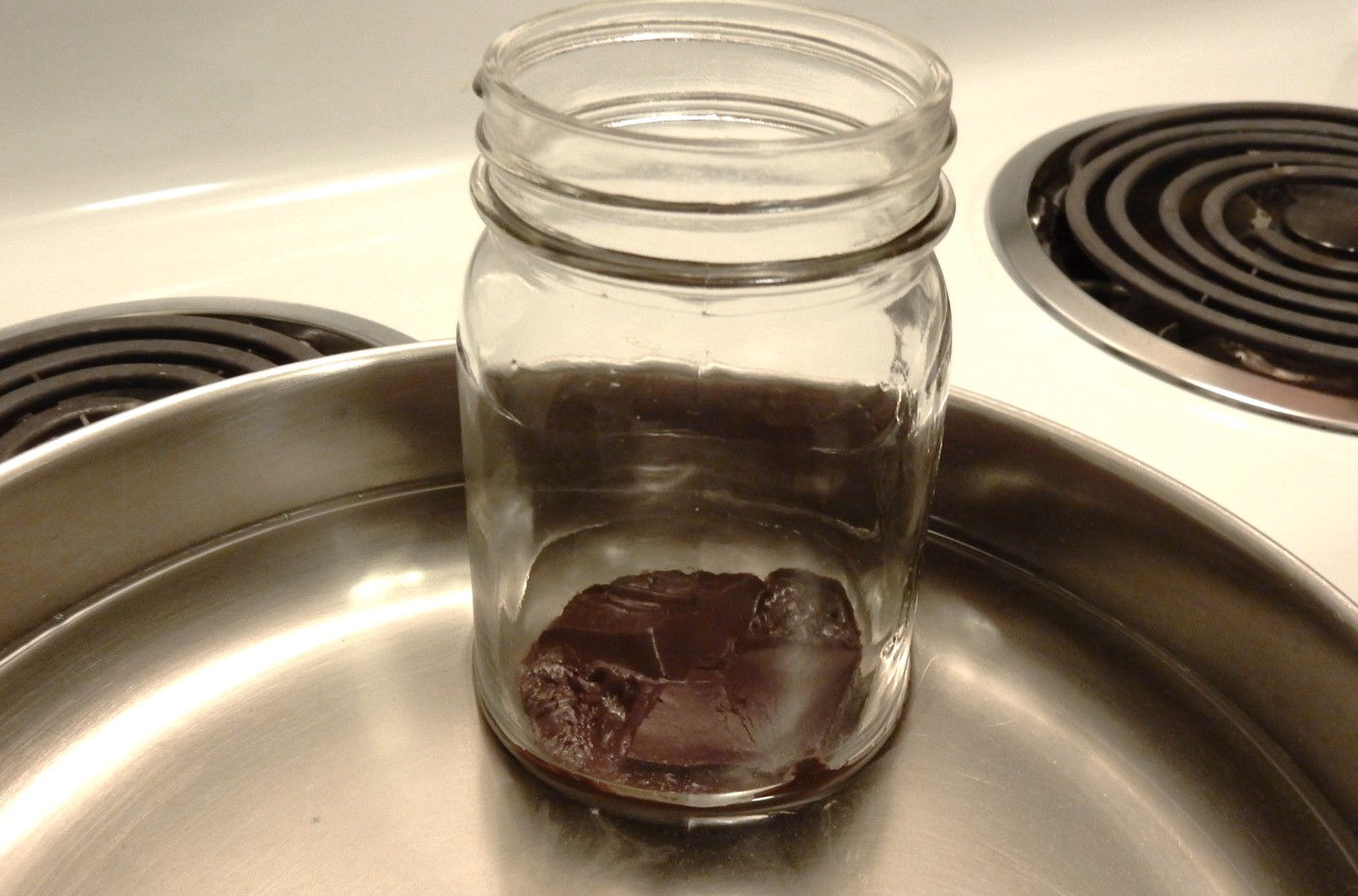 Holiday baking often requires melting chocolate so I was thrilled to see advice in a hundred-year-old magazine for an easy way to melt chocolate without waste.The Discoveries column in Good Housekeeping invited readers to send in their “discoveries” for possible publication Readers whose submissions were published received $1 from the magazine. This is what a reader wrote:
Melted Chocolate
To have chocolate already at hand for melting without waste, keep your chocolate in a pint jar. To melt it simply place it in hot water. Any amount desired may be taken out. Seal the jar and keep it in the kitchen cabinet when you are not using it. –Mrs. F.M.F., N.Y.
Good Housekeeping (September, 1917)
It took a really long time to melt the chocolate. Perhaps chocolate a hundred years ago melted at lower temperatures than modern chocolate. A better approach today would be to melt in the microwave.
