Hundred-Year-Old Poem: The Woman Who Cooks

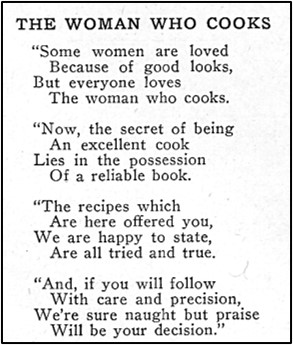
Poem titlled "The Woman Who Cooks"
Source: Order of the Eastern Star Relief Fund Cook Book (1923) published by Michigan Grand Chapter Order of the Eastern Star

Often old organization and community cookbooks contain poems that describe cooking or foods. The poems sometimes are very dated, but they provide clues about what it was like to live years ago. For example, a 1923 Michigan Order of the Eastern Star cookbook had a poem near the beginning of the book which says that women who follow the recipes in the cookbook would be successful cooks and get lots of praise for their cooking.
It’s Silly to be Extravagant with Food

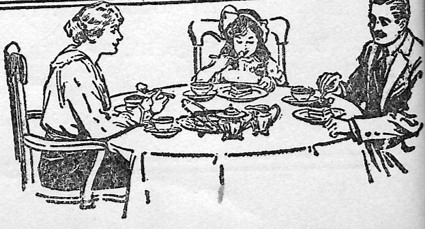
family eating
Source: Larkin Housewives’ Cook Book

Here’s what a hundred-year-old cookbook said about the value of eating economically:

E C O N O M Y ! !

I’ve asked the printer man to please let that word stand out just like that – boldly, defiantly, all by its little lone self!

Economy! If over-eating is a national trait, over-spending is certainly another. . . Extravagance with food is not clever, it is simply silly. Meal planning or preparing is no job to be slouched and hurried over as quickly and as extravagantly as possible. You do not need to use fussy, difficult recipes, either. It is no harder to cook a flank steak than a porter-house. It only take a little more skill.

Look on your marketing and cooking as a game. Take pleasure in seeing how cheaply you can set a healthful, delicious, and plentiful table.

The Calorie Cook Book (1923) by Mary Dickerson Donahey


Recommended Amount of Milk Per Day, 1923 and 2023

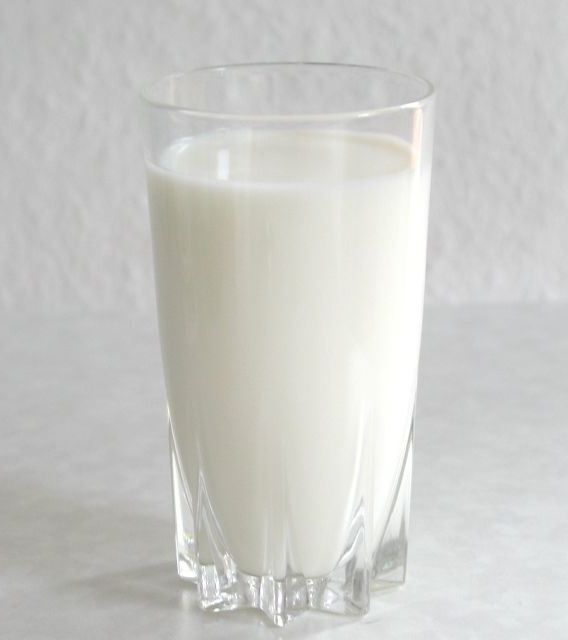
glass of milkA hundred years ago, it was recommended that adults drink 2 cups of milk per day, while current recommendations are 3 cups per day. For children, the recommendation back then was 3 cups of milk per day, while the recommended amount now is based on age, but less for small children than in 1923.

A 1923 home economics textbook said:

One pint [2 cups] of whole milk should be allowed for each adult, and one and one-half pints [3 cups] for each child over two years of age; the younger child may need more. In addition to the prescribed allowance of whole milk, skimmed milk may be used in cooking as a source of protein and mineral matter. Part of the milk allowance for the family may well be supplied in milk soups, custards, bread, rice, and other pudding, cocoa and chocolate and in white sauce with vegetables, eggs and meats.

Economics of the Family (1923) by C.W. Taber and Ruth A. Wardall

Current recommendations, according to the U.S. Department of Agriculture’s MyPlate website, are:

  • children 12-23 months should drink 1 2/3 – 2 cups of milk per day
  • children 2-3 years should drink 2 – 2 1/2 cups of milk per day
  • children 4-8 years should drink 2 1/2 cups of milk per day
  • children 9 and older should drink 3 cups of mil per day
  • adults should drink 3 cups of milk per day.

Hundred-year-old Tips for Browning Pie Crusts

Slice of Lemon Apple Pie

Here are tips in a hundred-year-old cookbook for browning pie crusts:

To brown pies and tarts, use a small pastry brush and brush them with milk before putting them in the oven, and to glaze pies, brush them with the white of an egg if you wish them to be a shiny brown.

Order of the Eastern Star Relief Fund Cook Book (1923) published by the Michigan Grand Chapter

1923 Fresh Fish Availability Calendar

Fish availability calendar
Source: General Welfare Guild Cook Book (1923) published by the General Welfare Guild of the Beaver Valley General Hospital, New Brighton, Pennsylvania

Until I saw a fish availability calendar in a 1923 cookbook, I never thought about the seasonal variation in when various types of fish can be purchased. In today’s world, where fresh fish are sometime shipped across hemispheres and previously frozen fish are sometimes thawed and sold as “fresh,” is there much seasonal variability?

Cauliflower Mousselaine

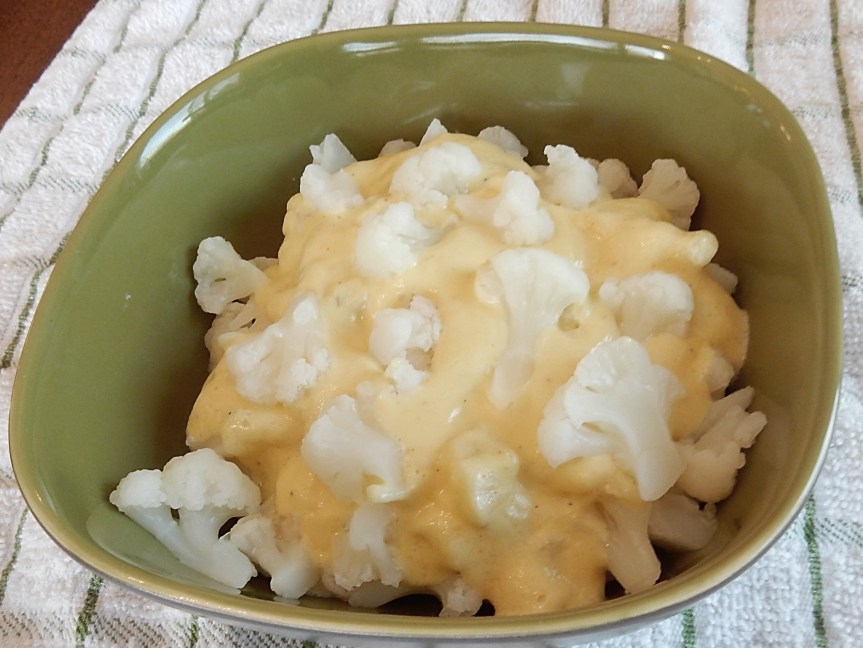
Cauliflowre Mousselaine

When flipping through a hundred-year-old cookbook I was intrigued by a recipe for Cauliflower Mousselaine, and decided to give it a try.

The cauliflower was embedded in a creamy, sunny, lemony sauce with a hint of nutmeg. I was surprised that the lemon in sauce predominated over the cauliflower, but it was delightful. This recipe has gourmet feel to it, and is an unusual flavor combination, but I’d make it again.

Here’s the original recipe:

Recipe for Cauliflower Mousselaine
Source: The Boston Cooking School Cook Book (1923)

Here’s the recipe updated for modern cooks:

Cauliflower Mousselaine

  • Servings: 3 - 5
  • Difficulty: moderate
  • Print

1 head cauliflower, separated into florets (about 3 cups florets)

2 egg yolks, slightly beaten

1/4 cup heavy cream

1/2 teaspoon salt

1/8 teaspoon nutmeg

juice of 1/2 lemon

2 tablespoons butter

Put cauliflower florets in a saucepan, and cover with water. Put on stove, and bring to a boil using high heat, then reduce heat and simmer for 4-6 minutes. Remove from heat and drain. Put in serving bowl.

In the meantime, make the sauce by putting the egg yolks, heavy cream, salt, nutmeg, and lemon juice in a saucepan; stir until thoroughly combined and smooth. Cook, using medium heat, while stirring constantly, until the sauce thickens. Add the butter – a few small pieces at a time – while continuing to stir. When the butter is melted, pour the sauce over the cauliflower.

http://www.ahundredyearsago.com