Hints for the Thin
The thin folks may feel that I have been stingy with them. They have been given only one menu a season instead of seven.
It is from no lack of interest or sympathy. It is simply that in their case there is a distinction with a difference.
There is always the fact that excessive thinness may mean ill health or overwork. No one can recommend a diet of more food, or richer food, unless quite certain that the person who is to eat all that extra stuff is able to get away with it.
So if your collar bones make you resemble a hat rack, and your vertebrae are altogether too interested in popping out to look at the world for themselves, first see your doctor. If he says you are physically fit – fall to and eat up! Only don’t try to pad out with dill pickles or sauerkraut.
Eat more of everything. Be sure you eat a variety. Eat starches, fats and the simpler sweets. Don’t think it necessary to dispose of French pastries by the dozen. You may gain flesh but you’ll lose your health. And good health is more to be prized than beauty. There’s no comfort without it, and really no lasting beauty, either.
You will notice in your menus that I have simply arranged a variety of fattening foods, well interspersed with green salads and fruits, and that things easy of digestion have been chosen most often. In your own planning, do likewise.
The meals suggested here are not so very big. No second helpings are allowed for, and almost everybody wants a second helping of something. If you can eat them, do of course. But if the meals on the other hand, seem too big, don’t force yourself to the point of disgust.
Don’t eat between meals – that is bad for everybody. But arrange for extra meals at regular hours. Milk is the best thing to take at such meals, as you aren’t apt to get enough anyhow, and it’s the best thing for you. but you may take cocoa, or simple ice cream, without extra rich sauces, or a bowl of rice – brown rice preferably – or oat meal, or whole wheat, steamed soft, with whole milk or cream and brown sugar. Have maybe five meals a day. Breakfast, early lunch, afternoon tea, dinner, and a bedtime supper. Food eaten just before you sleep produces more fat than food eaten at any other time.
You should reverse the advice given the fat folk. If possible have your food portions made with more butter, more creamy, than those served to other people – and if you can eat them, more generous, too.
Remember you need all the fresh air you can get, exercise, though that in moderation, and above all – peace! Don’t worry! You very, very seldom see a fat worrier!
The Calorie Cook Book (1923) by Mary Dickerson Donahey
 Hundred-year-old cookbooks often contain household tips. Sometimes they leave me scratching my head or wondering if they really work. For example, I had my doubts about the following tip:
 Hundred-year-old cookbooks are filled with lots of household tips. Some tips stand the test of time better than others. Here’s one that leaves me scratching my head.

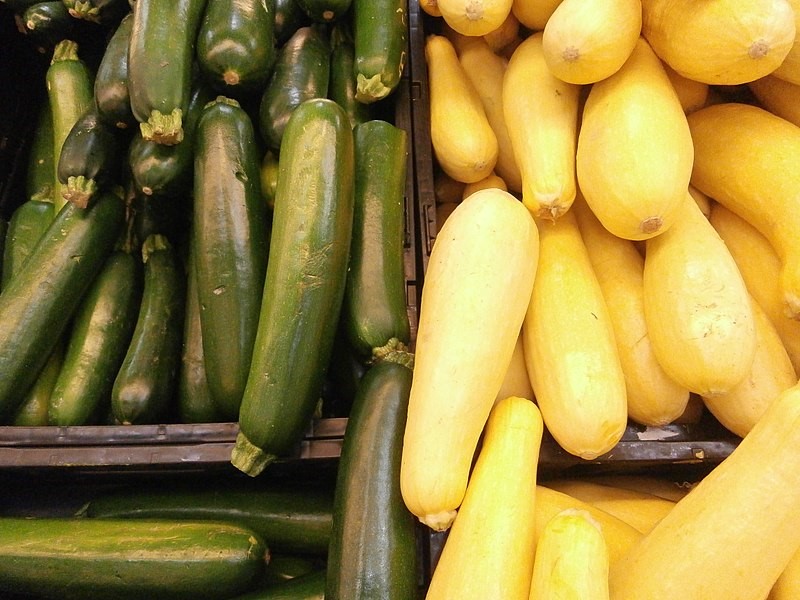 Here’s advice in a hundred-year-old cookbook on the care of vegetables: