Cranberries with Prunes

cranberries with prunes 2

Cranberries are beginning to appear in the produce section at my supermarket.  I remembered seeing a recipe for Cranberries with Prunes in a 1915 issue of Good Housekeeping, and just had to give it a try.

Cranberries with Prunes are a lovely taste treat with bright notes of both fruits.  The rich sweetness of the prunes mingles with the tart cranberries to create a vibrant mixture.  Like many hundred-old-recipes, this classic recipe is simple to make with only four ingredients.

This recipe combines two super foods. Both cranberries and prunes are noted for having lots of antioxidants, fiber, and other good things. Amazingly, even though terms like antioxidant were unknown to cooks a hundred years ago, people seemed to have an intuitive sense of healthy food combinations.

Cranberries with Prunes

3 cups cranberries
1/2 cup sugar
1 cup water
1 cup prunes

Combine cranberries, sugar, and water in a large saucepan. Bring to a boil using medium heat; then reduce heat and simmer until cranberries burst. Add prunes and remove from heat. Cool before serving.

Adapted from recipe in Good Housekeeping (November, 1915)

I’m often amazed how foods and cooking techniques have changed over the past hundred years. As with many old recipes, I needed to adapt this recipe. The original recipe provided detailed directions for preparing the prunes.

Cover the prunes with water and soak overnight. Simmer gently till thoroughly tender. Take up with a skimmer, and when perfectly cool slip out the stones. Add the cranberries to the water in which these were boiled, pouring in more water if necessary. . .

The prunes I used were already pitted and very moist, so there was no need to soak them overnight or to pit.
Old-fashioned Brussels Sprouts Au Gratin

Brussels Sprouts Au Gratin

Now that Fall is in full swing, I’m enjoying several seasonal vegetables. One of them is brussels sprouts.

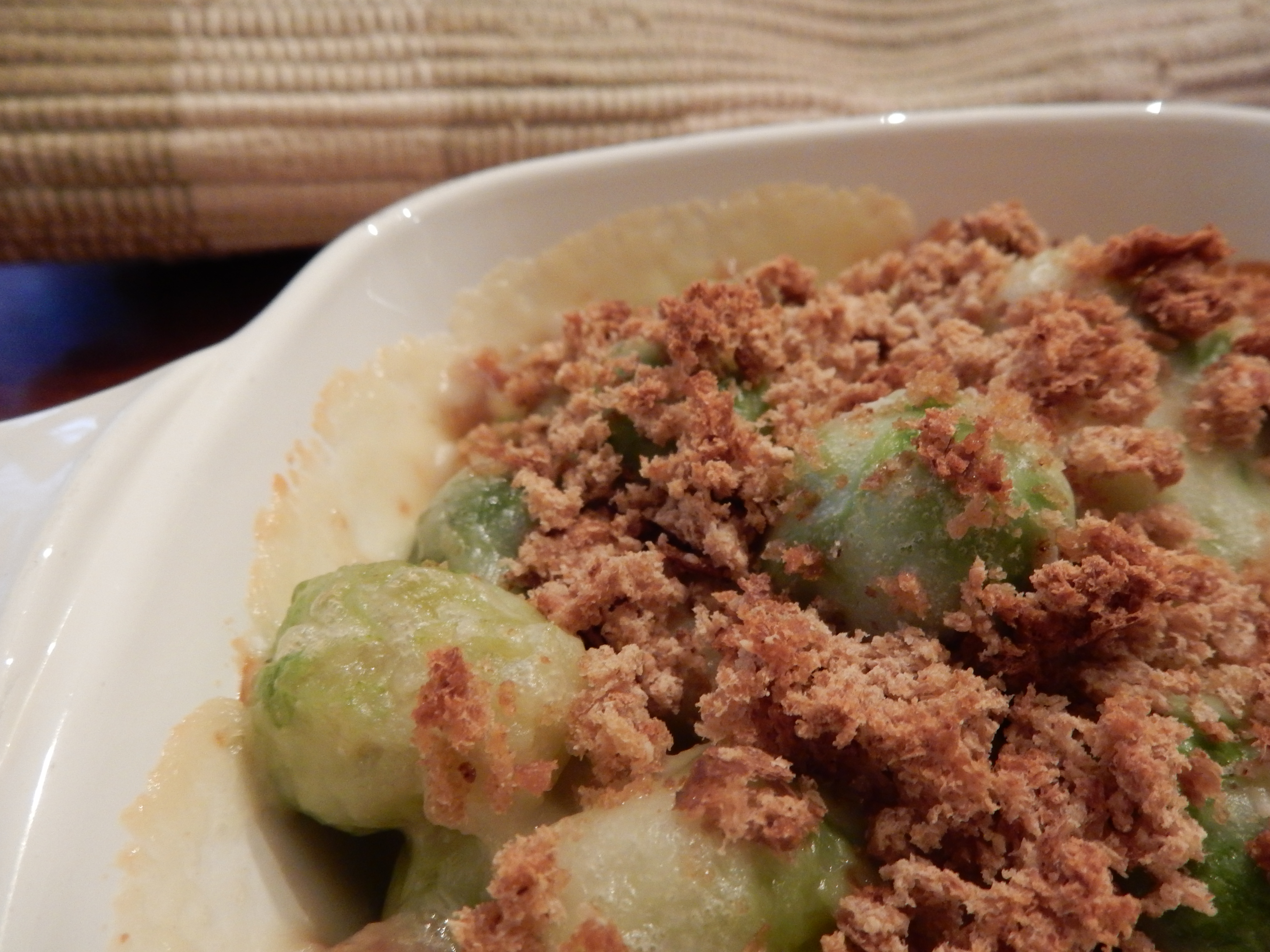
Brussels Sprouts Au Gratin is an old-time way to serve them. The delicate essence of the cheese in the sauce nicely balances the slightly bitter taste of the brussels sprouts.

Brussels Sprouts Au Gratin

1 pint (2 cups) brussels sprouts

1 1/2 tablespoons butter

1 1/2 tablespoons flour

3/4 cup milk

2/3 cup shredded cheddar cheese

1/3 cup bread crumbs*

Preheat oven to 350° F. Wash the brussels sprouts and remove any wilted leaves; then put in a saucepan and cover with water. Bring to a boil using high heat, then reduce heat to medium and simmer until the brussels sprouts are tender (about 5 minutes). Drain well.

Meanwhile, in another pan, using medium heat, melt butter; then stir in the flour. Gradually, add the milk while stirring constantly; add the cheese. Continue stirring until cheese sauce thickens.

Add the brussels sprouts to the cheese sauce. Stir gently to combine. Put into a casserole dish, and sprinkle the bread crumbs on top of the mixture. Bake until hot and bubbly (about 15 minutes).

*Note: To make the bread crumbs, I took a bread crust, folded it into quarters, and then used a grater to grate the crumbs.

3 servings (Recipe can easily be doubled.)

An aside—I struggled when I wrote this post because I couldn’t decide whether to capitalize brussels. I googled it, and found that there was no consensus. I ended up using a lower case b –but don’t really like how it looks. What do you think? Should the b in brussels be capitalized?

Honey-Glazed Squash

Honey-glazed Squash

The farmer’s market has oodles of awesome squash—butternut, hubbard, acorn, and lots of other wonderful varieties whose names I don’t know. It’s time to make Honey-Glazed Squash.

This old-time recipe contains not only honey, but also lemon juice and ground mace. The lemon juice gives lovely citrus undertones to the honey which mingles with the delicate flavor of the mace.

If desired, chopped walnuts can be mixed with the squash for added flavor and crunchiness.

If you are looking for a recipe for candied, squash, this IS NOT the recipe for you. But if you want a classic recipe for a rich, but sophisticated glaze, that is unexpectedly flavorful, you’ll love it.

Honey Glazed Squash

2 cups winter squash (butternut, hubbard, etc.) –pared and cut into 1 inch cubes

2 tablespoons butter

1/4 cup honey

1 tablespoon lemon juice

1/8 teaspoon ground mace

1/3 cup chopped walnuts (optional)

Put cubed squash in a saucepan and cover with water. Turn heat to high and bring to a boil; reduce heat to medium and cook until just barely tender (about 12-15 minutes); then thoroughly drain the squash.

Meanwhile in another pan, melt the butter; then stir in the honey, lemon juice, and mace. Using medium heat bring to a boil, then reduce heat so that the liquid simmers. Cook until the liquid begins to thicken into a honey syrup (about 8-10 minutes). If desired, add the walnuts. Add the drained squash cubes to the syrup, and gently turn the cubes to coat with the honey glaze. Place glazed squash in a serving bowl.

3 servings

DSCN0767

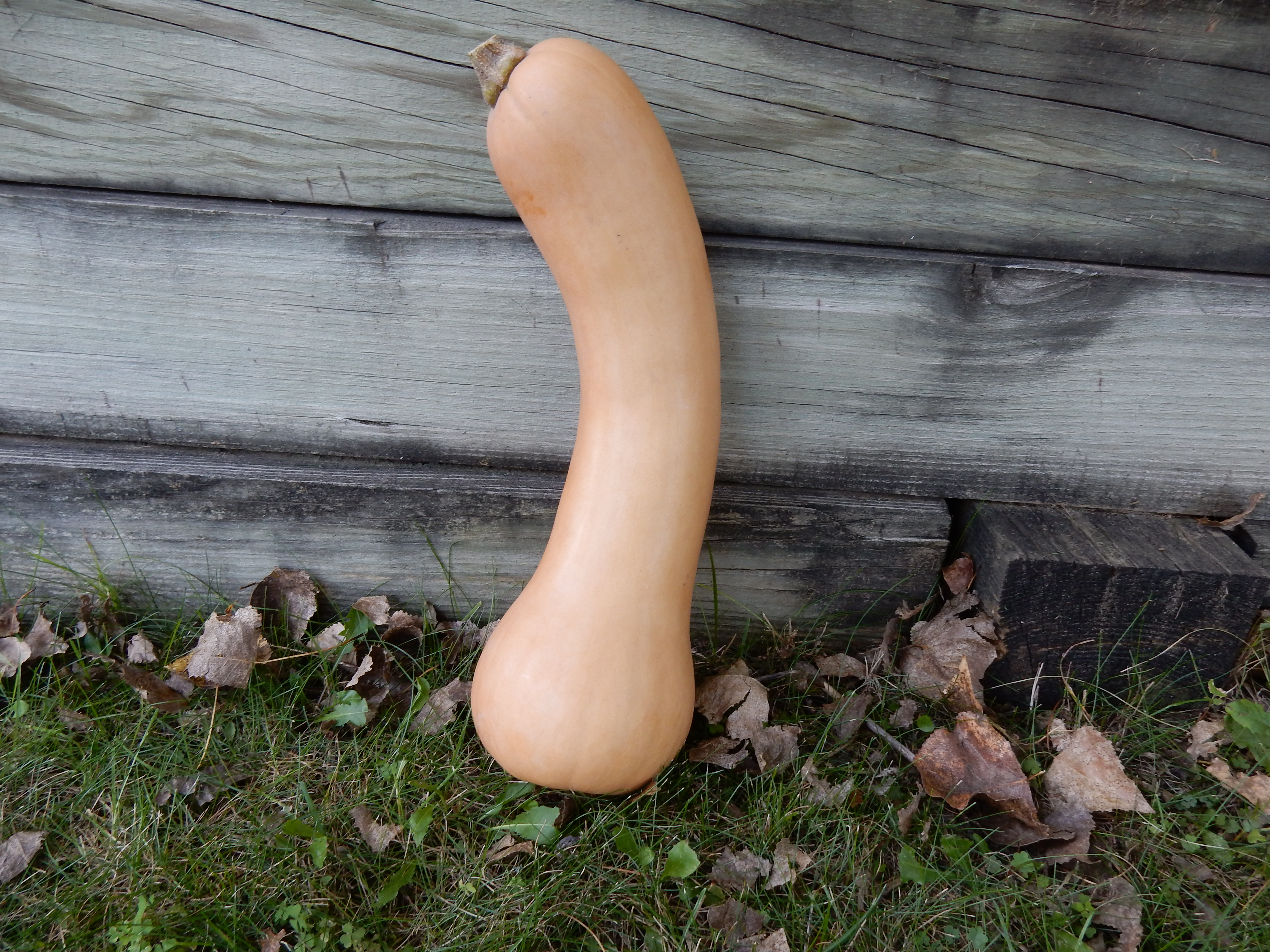
Any type of winter squash can be used for this recipe, but here is the squash that I used.  Can you help me identify it? It cooked up beautifully–the cooked pieces were tender, but retained their shape well.

At the farmer’s market, it was in a group of squash—all which had long crooked necks—that were labeled as butternut squash. However, the butternut squash every other producer was selling had much shorter necks.

This squash probably weighed about 5 or 6 pounds. I have a very vague memory of a squash called the Pennsylvania Dutch crookneck squash that we grew when I was I child which I think looked similar to this. But this squash was smaller than what I remember them being. So I’m confused. Is it a butternut squash? . . . Pennsylvania Dutch crookneck squash? . . . something else?

Is Homemade Bread Better than Purchased Bread?

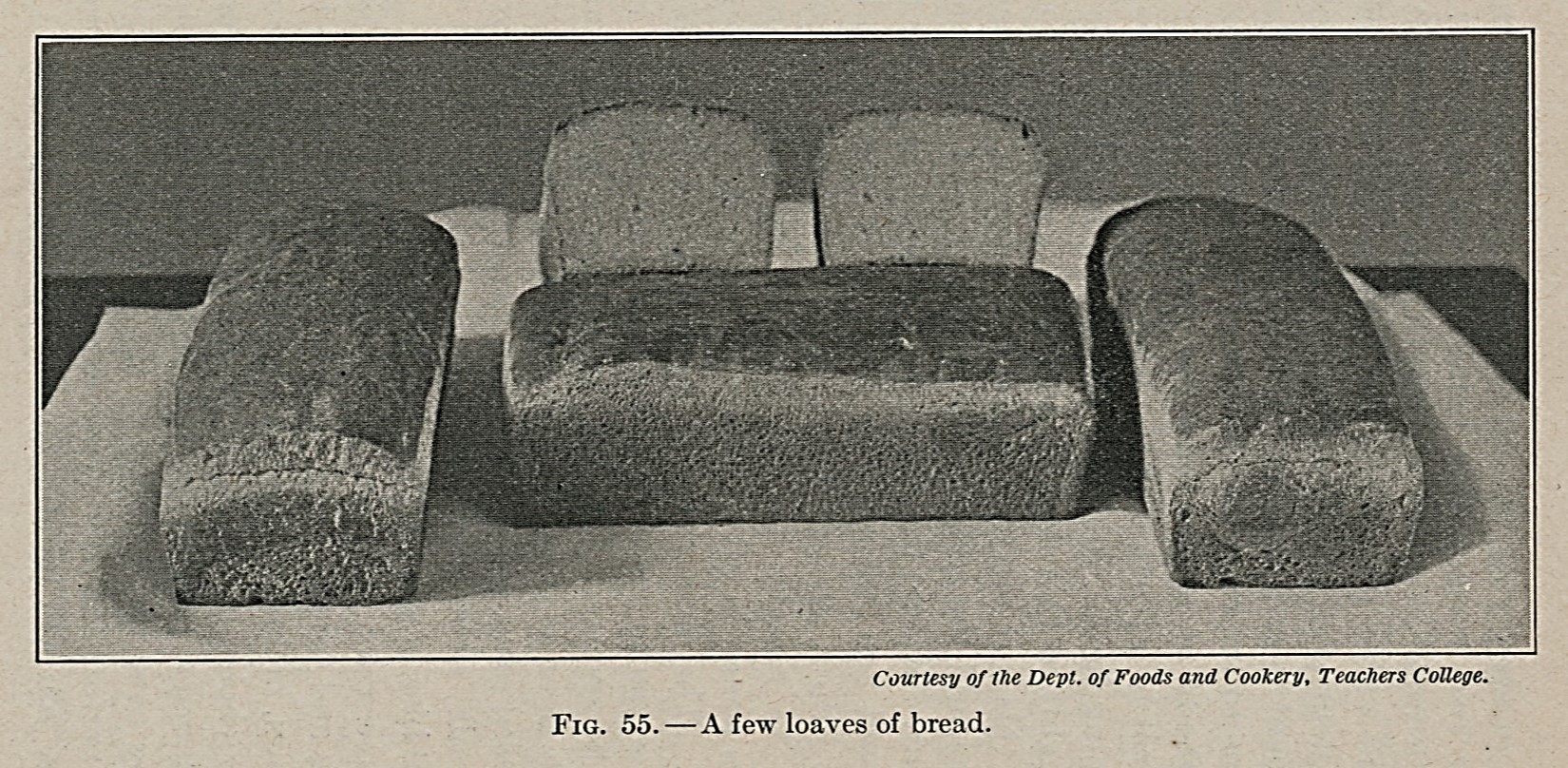
Source: Foods and Household Management: A Textbook of the Household Arts (1915)
Photo source: Foods and Household Management: A Textbook of the Household Arts (1915)

People have worried about bread quality for a long time. In some theoretical sense, I believe that homemade bread is better than purchased bread. That said, I can barely remember the last time that I made bread.

Here is what a hundred-year-old home economics textbook said:

A pound loaf of bread at the bakery should cost five cents, the cost being slightly less when the bread is made at home, even taking the fuel into account. It is an open question, however, whether bread should be made at home or bought at the bakery, all of the circumstances being weighted in the balance by the individual.

In America, we need to learn to dictate and control the methods in the public bakeries because bakers’ bread is being used more and more, although it is said that 50 percent is still made at home. If bread is to be bought, it is necessary for the housekeeper to understand, the bread-making process, and the standard of good bread so that she may criticize intelligently, and force the public bakeries to furnish bread made under ideal conditions.

It must be understood that the baker’s oven is fitted to do better work than the small oven of the average kitchen, and if the public through laws and inspection, will control the quality of the materials used and the cleanliness of the process, baker’s bread will be a useful “ready-cooked” food.

Foods and Household Management: A Textbook of the Household Arts (1915)

Old Opera Cremes Recipe

Opera Cremes

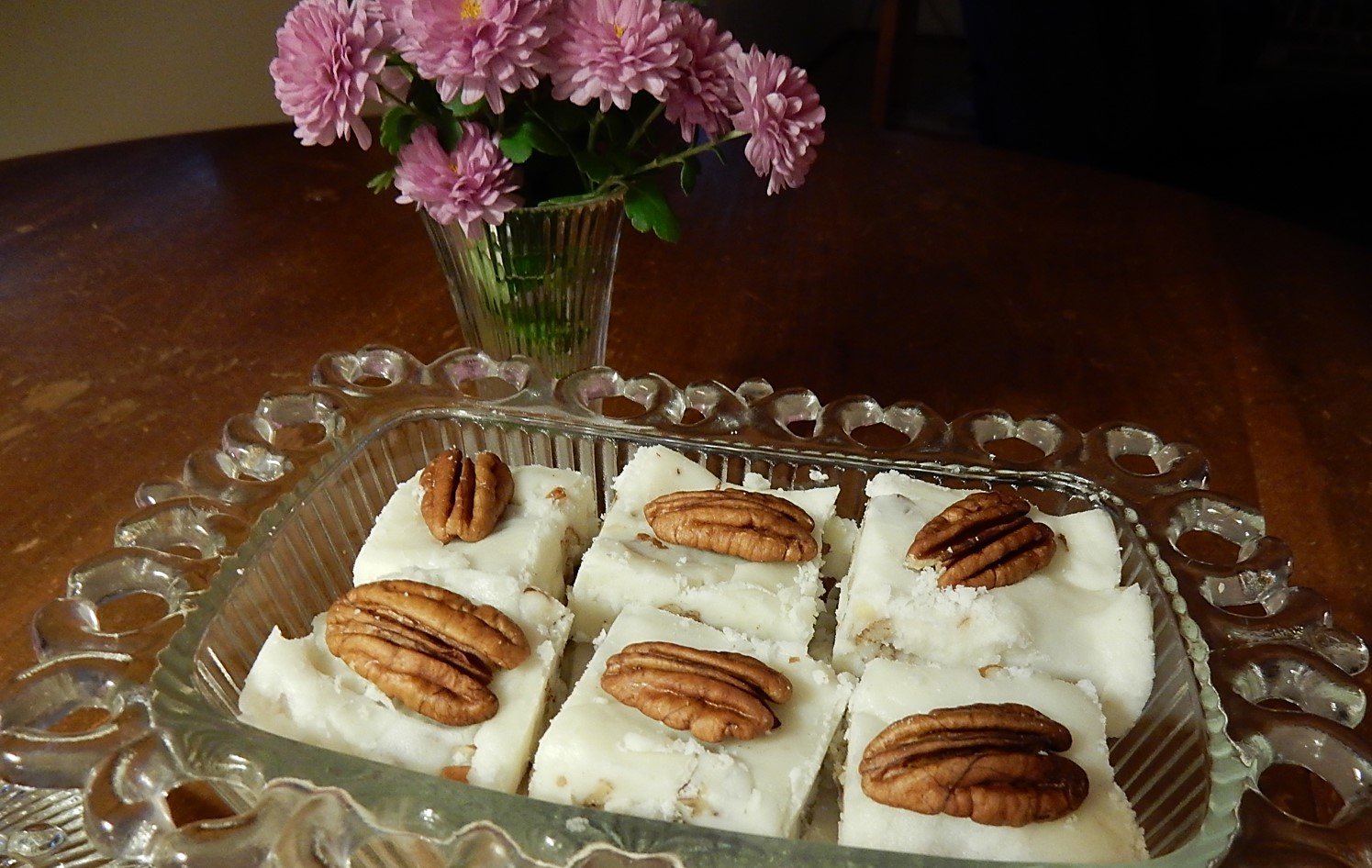
I recently flipped through the pages of the October, 1915 issue of Good Housekeeping and came across this recipe for Opera Cremes. This beautiful, delectable treat is one of the best homemade candies I’ve ever made. The pecans and creamy sweetness blend wonderfully to create a decadent taste sensation.

I don’t know for sure why they are called Opera Cremes, but I do know that a hundred years ago almost every town—even small ones– had an opera house.

When my grandmother was a teen in central Pennsylvania, she sometimes mentioned going to the opera house in Watsontown in her diary. For example, on February 28, 1914 she wrote:

Ruth and I went up to Watsontown with Pa this evening. The senior class gave their play in the opera house. Was the best one I ever was to. Some parts certainly did call forth plenty of laughter. Can hardly begin to describe how much I enjoyed it.

Helena Muffly

Hmm . . . maybe between their laughs, they found time to enjoy a few Opera Cremes.

Opera Creams

3 cups sugar

1 cup cream

1/3 teaspoon cream of tartar

1 cup chopped pecans

approximately 4 dozen whole pecan halves

1/2 teaspoon vanilla

confectioners’ sugar

In a medium saucepan, stir together sugar, cream, and cream of tartar until well blended. Using medium heat, bring to a boil. Reduce to low, and cook about 7 minutes without stirring until a very soft ball (237 degrees F.) is formed when tried in cold water. Remove from the heat.

Allow to cool for a few minutes. When tepid, stir in the vanilla and beat until creamy, then turn out on a board that is slightly dredged with confectioners’ sugar, and knead until smooth, working in the chopped pecans at the same time. Spread out in a shallow buttered pan, press on the pecan halves. Cool and cut into squares. Can also be shaped into bonbons.

Shh .. . .  don’t tell my friends, but I’m already planning to make Opera Cremes again in December to give as gifts.

Old-fashioned Apple Relish Recipe

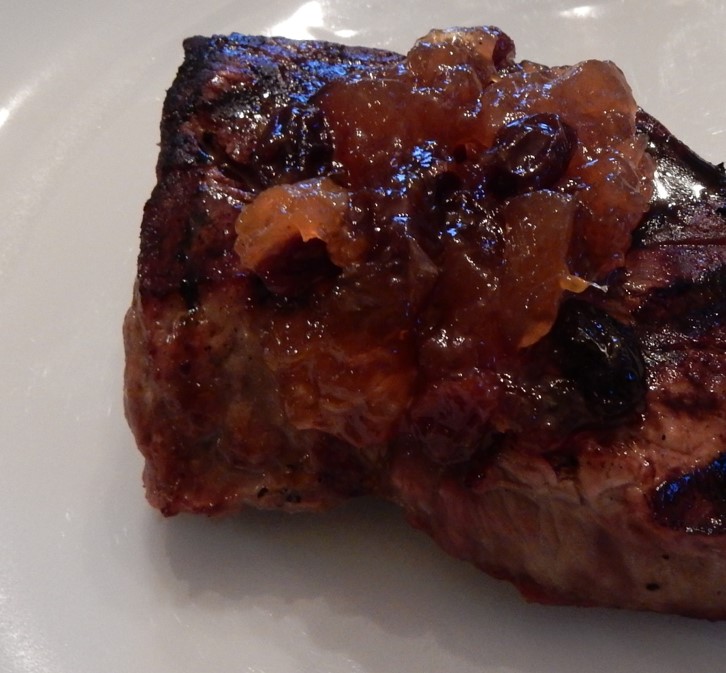
apple relishSince I love to try interesting meat toppers and relishes, I was excited to see a hundred-year-old Apple Relish recipe in a 1915 Ladies Home Journal.

This recipe is a winner. The Apple Relish was easy to make, and is one of the best tasting relishes I’ve ever eaten. Its sweet-sour, spicy, fruitiness perfectly complements grilled or roasted beef or pork.

Apple Relish

7 cups  apples, peeled and chopped

2 cup raisins

1 cup vinegar

3 1/2 cups sugar

1 orange, peeled and chopped

1/2 teaspoon ground cloves

1/2 teaspoon cinnamon

Combine all ingredients in a large pan. Bring to a boil, then stir occasionally and boil steadily for half an hour.

Ladle into hot half-pint or pint jars. Wipe jar rim, and adjust lids. Process in boiling water bath for 15 minutes.

Makes approximately 8 half-pints (4 pints)

Adapted from Recipe in Ladies Home Journal (September, 1915)

Old Coffee Pudding Recipe

Coffee Pudding
Coffee Pudding

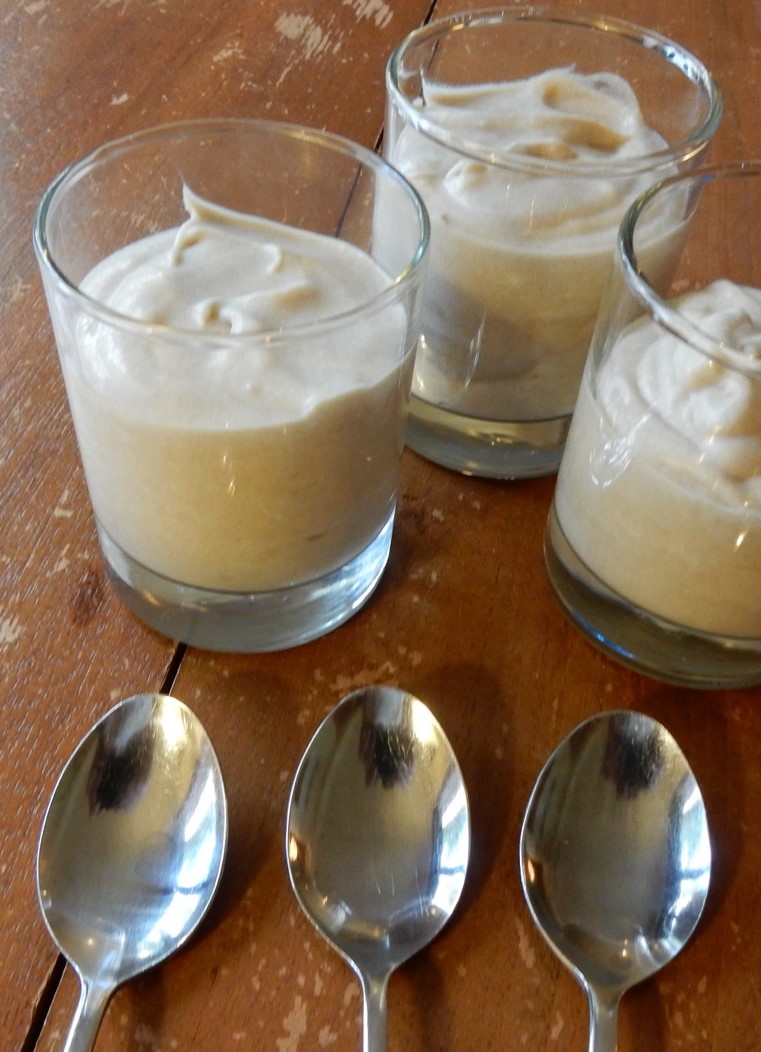
Lattes, coffee-flavored candy, coffee ice cream. . . I like them all, so when I saw a recipe for Coffee Pudding in a hundred-year-old Ladies Home Journal I had to try it.

The verdict — I loved the Coffee Pudding. This delightful dessert was easy to make, and it sort of reminded me of a Frappuccino, but smoother and deceptively light. I thoroughly enjoyed the Coffee Pudding — and tried not to think about the hefty amounts of cream and sugar in it. (I’ll worry about that tomorrow.)

Coffee Pudding

2 eggs, beaten

1/2 cup sugar

3/4 cup cold coffee

dash salt

3/4 heavy whipping cream

Combine eggs, sugar, coffee, and salt; then put through a strainer to remove any clumps of egg white. Put the strained liquid into a sauce pan (use double boiler if available), and cook over medium heat, stirring constantly, until mixture thickens and boils. Remove from heat and chill.

After the mixture has chilled, put the whipping cream in a separate bowl and beat until stiff peaks form. Gently fold the whipped cream into the chilled coffee mixture. If desired, put the pudding in individual serving cups or bowls.

Adapted from a recipe in Ladies Home Journal (February, 1915)