Rice Caramel Pudding (with Apples)

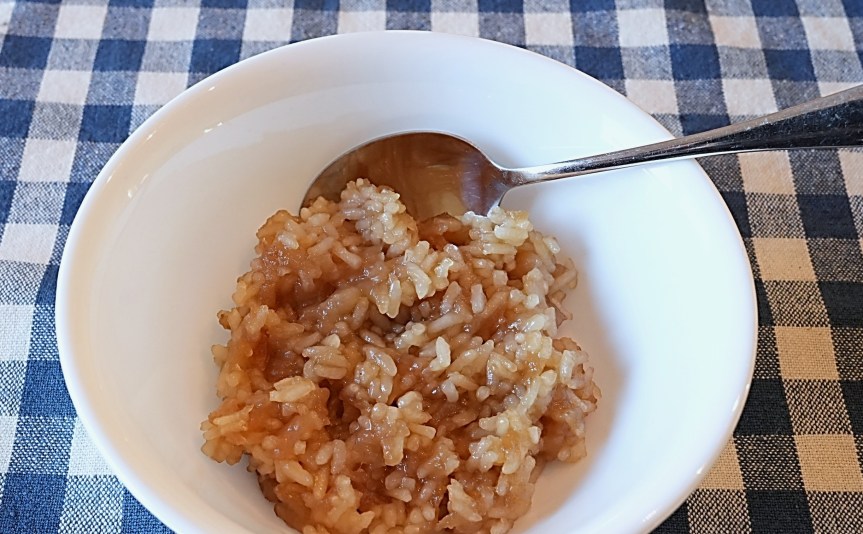
Rice puddings are a classic comfort food, so I was intrigued when I saw a recipe in a hundred-year-old cookbook for Rice Caramel Pudding. I decided to give it a try. The recipe made a baked rice pudding that contained apples. It called for using brown sugar rather than the more typical white sugar.

The Rice Caramel Pudding was rich and sweet with lovely caramel undertones. I used coarsely chopped apples. The apple variety I used softened and lost their shape when cooked. This worked well, though for the apples to be more prominently featured in this recipe, an apple variety could be selected that keeps its shape when cooked and they could be sliced rather than chopped.

Here’s the original recipe:
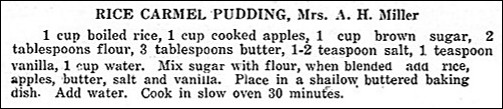
Recipe for Rice Caramel Pudding (with Apples)
Source: Westminster Cook Book 1926 (Cherokee, Iowa)

The recipe called for 1 cup of water. It does not list when the water should be added to the pudding, except to say that water should be added after the rice pudding was put in a baking dish. I found this confusing. It seemed like the 1 cup of water should be stirred into the pudding mixture before it was put in the baking dish (which is what I did), and that the “add water” referred to setting the baking dish in a pan with water so there would be a water bath while it baked. That said, I may not have understood the recipe writer’s directions.

For this recipe, I interpreted a “slow oven” to mean 325° F. I cooked the pudding for about 45 minutes.

Here’s the recipe updated for modern cooks:

Rice Caramel Pudding (with Apples)

  • Servings: 5 - 7
  • Difficulty: moderate
  • Print

1 large apple (2 medium apples), peeled and coarsely chopped or sliced (I chopped the apples.)

1 cup cooked rice

1 cup brown sugar

2 tablespoons flour

3 tablespoons butter, softened

½ teaspoon salt

1 teaspoon vanilla

1 cup water + additional water

Step 1. Preheat oven to 325° F.

Step 2. Put apples in a saucepan; add a little water so the apples won’t stick to the pan, then heat with medium heat. Cook until the apples they soften (about 5 – 7 minutes), then remove from heat.

Step 3. Put the brown sugar and flour in a mixing bowl; stir to combine. Then add the butter, rice, cooked apples, water, salt, and vanilla; stir to mix the ingredients.

Step 4. Put the mixture in a 1-quart baking (or similar-sized shallow) baking dish.

Step 5. Set the baking dish in a pan with 1-inch of hot water, then place in oven and bake until the rice pudding is hot and has thickened (approximately 45 minutes).

http://www.ahundredyearsago.com

Hundred-Year-Old Maple Walnut Tapioca Pudding Recipe

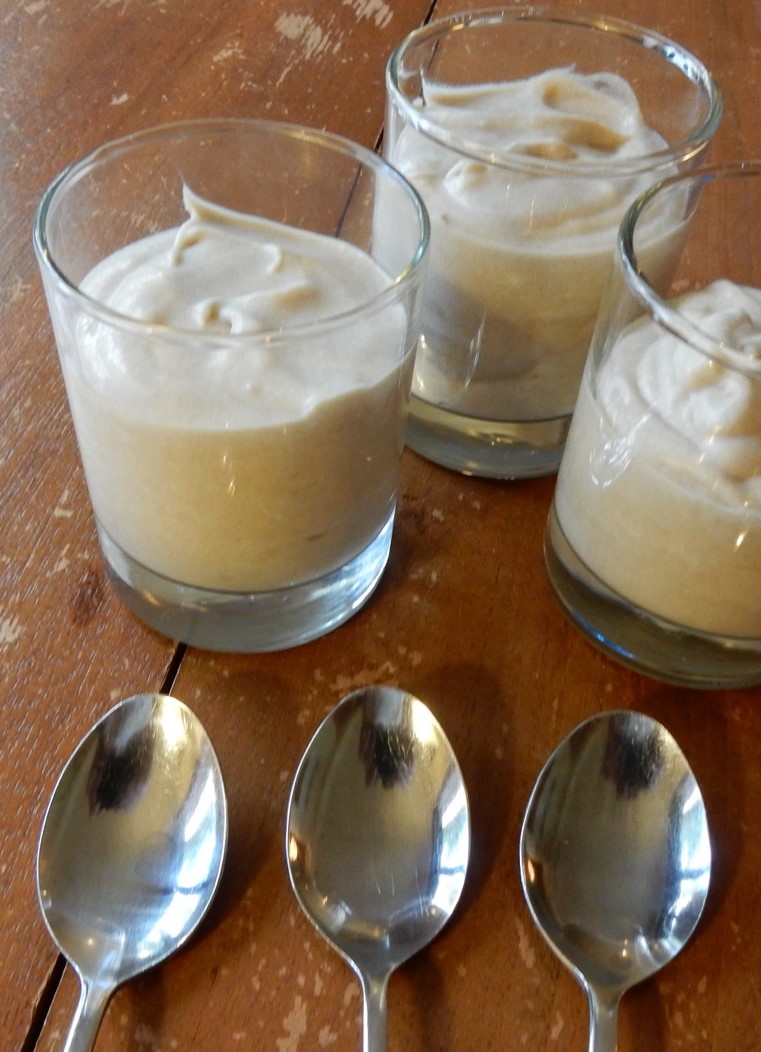
maple walnut tapioca pudding

Sometimes I’m amazed how long some products have been around. I recently was browsing through a hundred-year-old magazine and was stopped in my tracks when I saw an advertisement for Minute Tapioca.

Minute Gelatine 5 1916
Source: Ladies Home Journal (May, 1916)

I did a little research and discovered that Minute Tapioca has been sold in the U.S. since 1894. By 1916 it was widely available throughout the country.

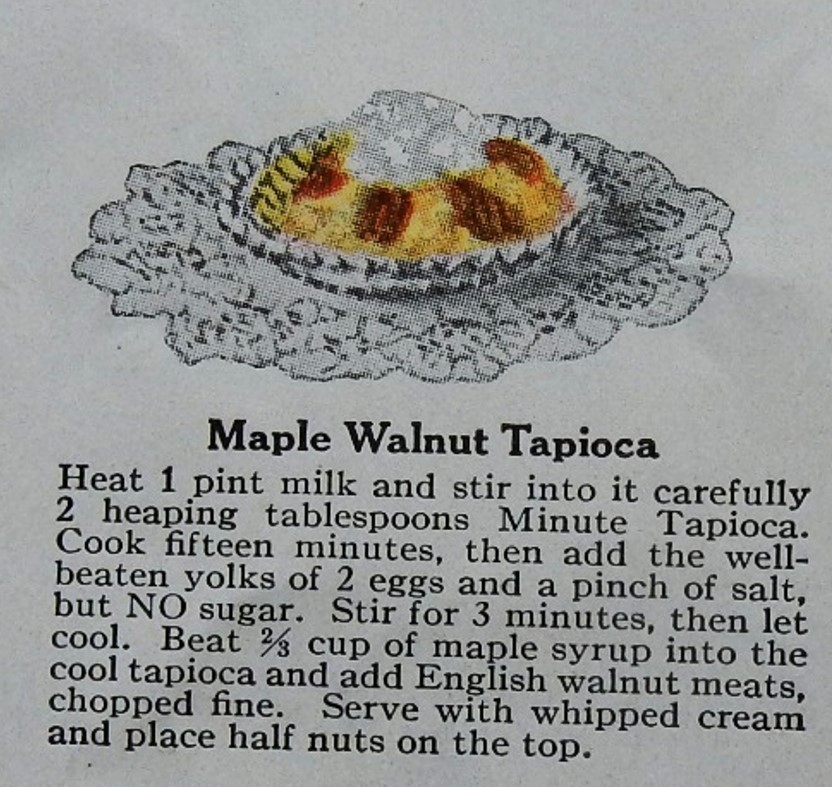
The old ad was chock full of old tapioca recipes. A recipe for Maple Walnut Tapioca particularly intrigued me, so I decided to give it a try.

Source: Ladies Home Journal (May, 1916)

Tapioca pudding  is a little tricky to make because it requires lots of stirring while cooking prevent burning, but it’s well worth the effort. This classic recipe is delightful with a hint of caramel which blends perfectly with the crunchy walnuts.

Here’s the recipe updated for modern cooks:

Maple Walnut Tapioca Pudding

  • Servings: 3 - 4
  • Difficulty: moderate
  • Print

2 cups milk

3 tablespoons minute tapioca

2 egg yolks

1/8 teaspoon salt

1/3 – 2/3 cup maple syrup (sweeten to taste)

1/2 cup chopped walnuts

walnut halves for garnish (optional)

whipped cream (optional)

Heat milk in a saucepan using medium heat while stirring continuously until it begins to steam. Stir in the tapioca, and cook for 15 minutes while continuing to stir continuously.  Midway through the cooking time, the mixture will begin to boil. When this occurs reduce heat so that there is a very slow rolling boil; continue to stir constantly. Remove from heat at the end of the 15 minutes.

Place a small amount (approximately 1 – 2 tablespoons) of the hot mixture into a small bowl with the beaten egg yolks and salt, and quickly stir. Then add the egg mixture to the tapioca, and return to medium heat and cook for an additional 3 minutes while stirring constantly. (The egg is first combined with a little of the hot mixture to prevent it from turning into scrambled eggs when introduced into the hot combination.)

Remove from heat, and cool in the refrigerator, then stir in the maple syrup. If the maple syrup does not readily mix with the tapioca mixture, beat a few seconds until combined (I used an electric mixer); then stir in the chopped walnuts.

If desired, may be garnished with walnut halves or whipped cream.

Old Coffee Pudding Recipe

Coffee Pudding
Coffee Pudding

Lattes, coffee-flavored candy, coffee ice cream. . . I like them all, so when I saw a recipe for Coffee Pudding in a hundred-year-old Ladies Home Journal I had to try it.

The verdict — I loved the Coffee Pudding. This delightful dessert was easy to make, and it sort of reminded me of a Frappuccino, but smoother and deceptively light. I thoroughly enjoyed the Coffee Pudding — and tried not to think about the hefty amounts of cream and sugar in it. (I’ll worry about that tomorrow.)

Coffee Pudding

2 eggs, beaten

1/2 cup sugar

3/4 cup cold coffee

dash salt

3/4 heavy whipping cream

Combine eggs, sugar, coffee, and salt; then put through a strainer to remove any clumps of egg white. Put the strained liquid into a sauce pan (use double boiler if available), and cook over medium heat, stirring constantly, until mixture thickens and boils. Remove from heat and chill.

After the mixture has chilled, put the whipping cream in a separate bowl and beat until stiff peaks form. Gently fold the whipped cream into the chilled coffee mixture. If desired, put the pudding in individual serving cups or bowls.

Adapted from a recipe in Ladies Home Journal (February, 1915)