Hundred-Year-Old Rosy Macaroni Recipe

rosy-macaroni

When I saw a hundred-year-old recipe for Rosy Macaroni, I just had to give it a try. It’s really macaroni and cheese made with canned tomato soup, and some celery and onions thrown in for good measure, as well as tiny amounts of ground cloves and paprika.

The tomato soup added a new dimension to the macaroni and cheese – and I loved the crunchiness that the celery added to the dish. Rosy Macaroni definitely falls into the comfort food category, though I must admit that I find it slightly disappointing that commercially canned soups have been available for more than a hundred years.

Here’s the hundred-year-old recipe:

Source: American Cookery (April, 1917)

The murky language of old recipes is often challenging. The nuanced language differentiating between a “dust” of ground cloves and a “pinch” of soda was particularly confounding. When I updated the recipe, I went with 1/8 teaspoon for both ground cloves and baking soda – but I’m I probably not exactly replicating the original recipe for either ingredient.

And, I started with a box  of macaroni containing the typical 1-inch pieces. (Macaroni must have looked very different a hundred years ago if it needed to be broken into short pieces.) I also stirred the cooked macaroni into the tomato sauce rather than making them separate layers since it was easier – and it seemed like there would be little difference in the end product.

Here’s how I updated the recipe for modern cooks:

Rosy Macaroni

  • Servings: 5 - 7
  • Difficulty: easy
  • Print

2 cups macaroni

3 tablespoons  butter + 1 tablespoon butter

2 tablespoons corn starch

1 tablespoon onion, finely chopped

2 tablespoons celery, finely chopped

1/8 teaspoon ground cloves

1/8 teaspoon baking soda

1 can condensed tomato soup

1/2 soup can of water

1/2 cup bread crumbs

1 cup cheddar cheese, shredded

salt

paprika

Preheat oven to 350° F.  Fill a large sauce pan 2/3’s full of water, bring to a boil using high heat. Stir in the macaroni, and reduce heat to medium so that the water just simmers. Cook until the macaroni is al dente (about 6 – 8 minutes). Remove from heat and drain. Rinse with cold water to prevent the macaroni from sticking together, drain again.

Melt the 3 tablespoons of butter in a skillet using low heat. Add the corn starch and stir until smooth. Stir in the onion, celery, cloves, and baking powder. Add the tomato soup and water; stir until smooth. Stir in the cooked macaroni, then increase heat to medium while continuing to stir. When hot remove from heat.

In the meantime, melt one tablespoon butter using low heat in a small skillet. Stir in the bread crumbs. Increase heat to medium and stir continuously for 2-3 minutes to lightly toast the crumbs. Remove from heat.

Place 1/3 of the macaroni mixture in a buttered  1 1/2- quart casserole dish, then put 1/2 of the cheese on top of it and sprinkle with salt and paprika. Repeat, ending with the macaroni mixture. Top with the buttered bread crumbs.

Put in oven and bake until hot and bubbly (20-30 minutes).

Hundred-Year-Old Orange and Mint Salad Recipe

orange-salad-

Orange and Mint Salad is bright and sunny; and the perfect antidote to boring winter foods. The bite-size chunks of orange are mixed with chopped mint, and then drenched in a delightful citrus and wine liquid  to create a refreshing, yet light salad (or dessert).

.  .  . hmm. . . . Now that I think about it, this salad would also be lovely on a hot summer day.  Bottom line: This salad is good whenever you eat it.

Here’s the hundred-year-old recipe

orange-and-mint-salad-recipe
Source: Lowney’s Cook Book (1912)

And, here’s how I updated it for modern cooks.

Orange and Mint Salad

  • Servings: 3 - 4
  • Difficulty: easy
  • Print

3 medium navel oranges

2 tablespoons powdered sugar

2 tablespoons mint, chopped

2 tablespoons wine

2 tablespoons lemon juice

2 tablespoons orange juice

1 tablespoons maraschino cherry juice (optional)

maraschino cherries and mint sprigs, for garnish

Peel the oranges using care to remove the white membrane. Pull the orange segments apart into two halves, and then pull them apart again so there are quarters. Slice the quarters into pieces about 1/3 inch thick.  Put the orange pieces in a bowl, and gently stir in the powdered sugar and mint.

In a small bowl combine the wine, lemon juice, and orange juice (and, if desired, the maraschino cherry juice). Pour the liquid over the orange and mint mixture.

Serve in champagne (or other decorative) glasses. Garnish with maraschino cherries and mint sprigs.

I only used half as many oranges as were called for in the old recipe.  I also halved the amount of mint that I used.  I did use the full amount of the other ingredients so that I would have plenty of liquid to pour over the orange pieces.

I also added a little maraschino cherry juice to the liquid to give it a lovely pink hue.

And, I skipped the angelica because it’s not easy to find these days. Angelica is the dark green candied fruit that was frequently used in fruit cakes in days gone by.

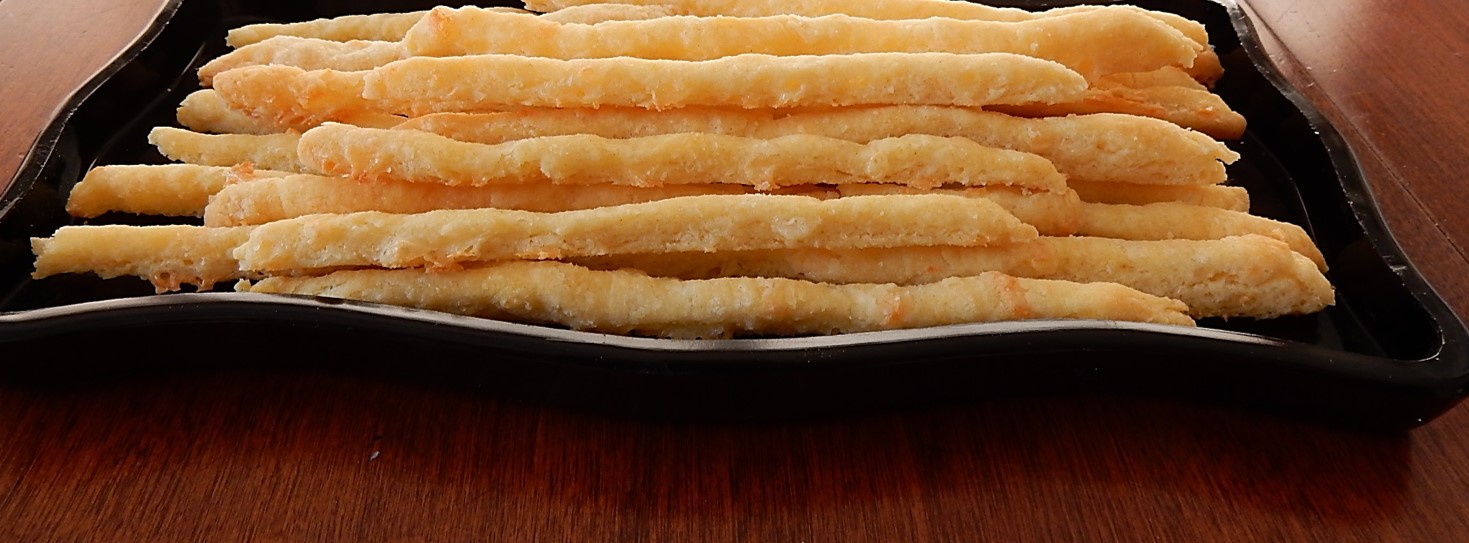
Hundred-Year-Old Cheese Straws Recipe

chees-straws

“What hundred-year-old food are you making for the Super Bowl party?”

My jaw dropped. . . umm. . . Do the words “Super Bowl” and “hundred-year-old foods” even belong in the same sentence?

But, being one who is always ready for a new challenge (and who is thrilled when friends actually ask for hundred-year-old foods), the search was on.  I began scanning old cookbooks looking for the perfect Super Bowl recipe.

And, I think that I’ve succeeded. I found an easy-to-make, awesome hundred-year-old recipe for Cheese Straws. The Cheese Straws will be perfect for nibbling while dissecting the Super Bowls ads and plays with family and friends.

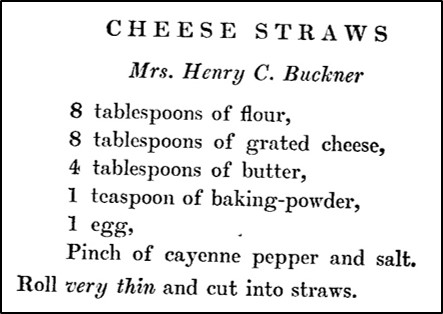
cheese-straws-recipe-blue-grass-cook-book
Source: The Blue Grass Cook Book by Minnie C. Fox (1917)

Here’s the original recipe:

And, here’s the recipe updated for modern cooks:

Cheese Straws

  • Servings: approximately 35 straws
  • Difficulty: moderate
  • Print

1/4 cup butter softened

1/2 cup shredded cheddar cheese

1 egg

1 teaspoon baking powder

1/8 teaspoon cayenne pepper

1/8 teaspoon salt

1/2 cup flour

Preheat the oven to 375° F. Put the butter, cheese, egg, baking powder, cayenne pepper, and salt in a mixing bowl, then beat to combine. Add the flour and stir until thoroughly mixed.

Place the dough on a lightly floured surface. Roll the dough into a rectangle about 1/4 inch thick and 5 inches wide. Cut the dough into strips that are approximately 1/3 inch wide. Put the strips on a lightly greased baking sheet, and place in the oven. Bake for approximately 9-11 minutes or until the strips are lightly browned. Remove from oven and let cool slightly, then remove from the baking sheet with a spatula and place on a cooling rack to complete cooling.

Hundred-Year-Old Marshmallows Recipe

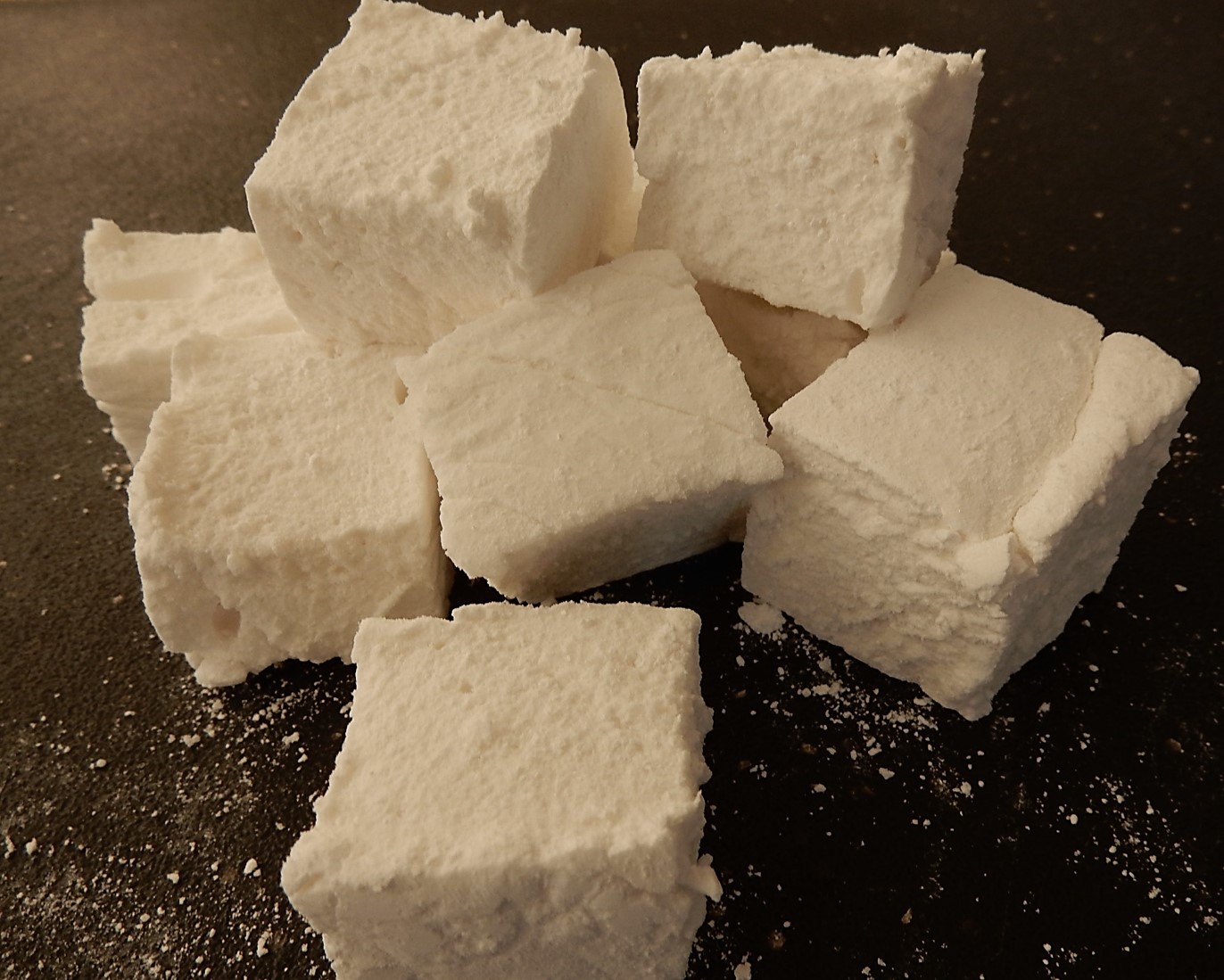
homemade-marshmallows

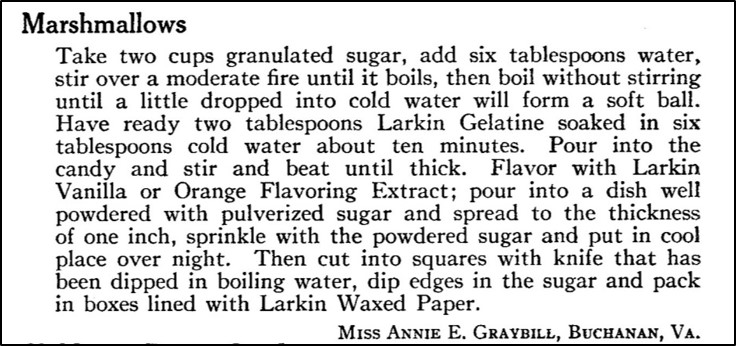
Did you know that it’s easy to make homemade Marshmallows? I didn’t until recently.

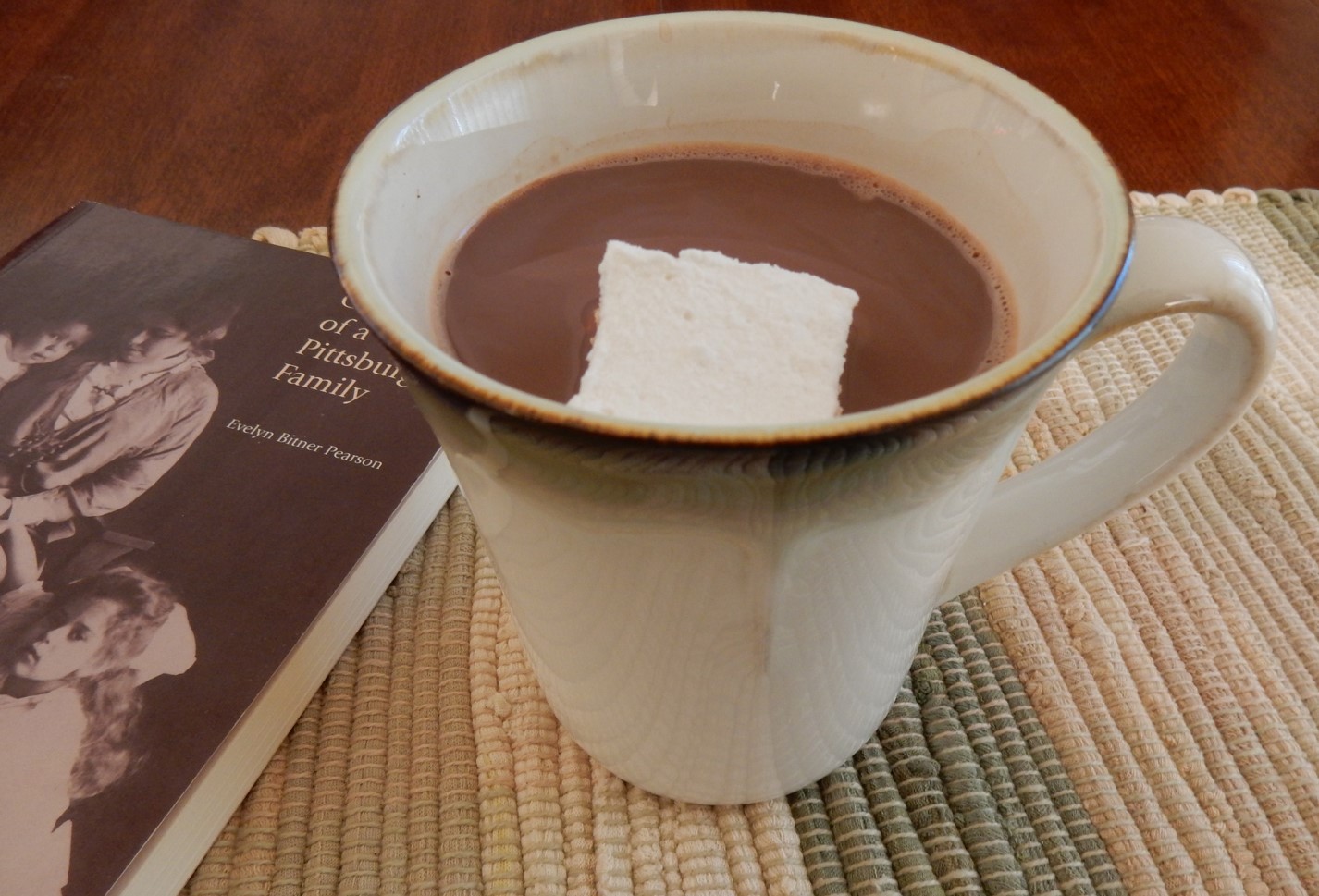
When browsing through a hundred-year-old cookbook, I saw a recipe for Marshmallows. I was intrigued, and decided to give the recipe a try. The Marshmallows were fun and easy to make.  They were  light and fluffy (and so much fresher and tastier than store-bought marshmallows) – and would be perfect in cocoa, in s’mores, or roasted over a fire.

Another plus- So many modern candy recipes call for corn syrup, so I was thrilled that sugar was the only sweetener in this recipe.

marshmallow-in-cocoa

Here’s the hundred-year-old recipe:

Source: Larkin Housewives Cook Book (1915)

And, here’s the recipe updated for modern cooks:

Marshmallows

  • Servings: approximately 60 marshmallows
  • Difficulty: moderate
  • Print

2 cups sugar

6 tablespoons water + 6 tablespoons water

2 tablespoons unflavored gelatin (3 packets)

2 teaspoons vanilla

confectioners’ sugar

Prepare an 8 inch by 8 inch pan by thickly covering the bottom of the pan with confectioner’s sugar.

Combine the sugar and 6 tablespoons water in a heavy saucepan. Bring to a boil using medium heat while stirring occasionally until the sugar is dissolved; then reduce heat and continue to gently boil until it reaches the soft ball stage (245° F.).  Do not stir. In the meantime put 6 tablespoons of water in a mixing bowl and sprinkle with the gelatin.  Let sit for about 10 minutes or until the sugar mixture reaches the soft ball stage.

Remove the sugar mixture from the heat and pour into the bowl with the dissolved gelatin while beating rapidly. Continue beating. When the mixture begins to thicken, add the vanilla, then continue beating until the mixture is very thick and sticky.  The beating process will take 10-15 minutes.

Pour the mixture into the prepared pan, and sprinkle with confectioner’s sugar. This mixture is extremely sticky. A mixing spoon that has been coated with butter or shortening can be used to spread the mixture in the pan.

Let sit for at least four hours (or overnight), then cut into squares using a knife that has been coated with butter or shortening (or that has been dipped in boiling water). Coat the cut edges of the marshmallows by tossing in a bowl that contains powdered sugar.

Creamed Celery with Poached Eggs

creamed-celery-with-poached-eggs

When I saw a delightful picture illustrating a Creamed Celery with Poached Eggs recipe in a hundred-year-old magazine, I knew that I needed to give it a try.

Source: American Cookery (Boston Cooking School Magazine, June/July, 1915)
Source: American Cookery (Boston Cooking School Magazine,) (June/July, 1915)

The recipe did not disappoint. My rendition of Creamed Celery with Poached Eggs was lovely. The presentation was just a tad dramatic, and it turned an ordinary meal into a special one.

This vegetable and egg dish is perfect for breakfast . . . or lunch. The slight tang and bite of the celery combines with the cream sauce and eggs to create lovely taste sensation.

Here’s the original recipe:

Source: American Cookery (Boston Cooking School Magazine, June/July, 1915)
Source: American Cookery (Boston Cooking School Magazine) ( June/July, 1915)

Here’s the recipe updated for modern cooks:

Creamed Celery with Poached Eggs

  • Servings: 2
  • Difficulty: moderate
  • Print

1 1/2 cups celery, cut into 1/2 inch pieces

2 tablespoons butter

2 tablespoons flour

1/4 teaspoon salt

1/4 teaspoon pepper

1 cup milk (preferably whole)

2 eggs

salt and pepper

celery leaves, optional (for garnish)

Put the celery in a medium sauce pan. Cover with water and bring to a boil using high heat; then reduce heat and simmer until tender (about 10 minutes).  Drain well.

In another pan, using medium heat, melt butter; then stir in the flour, salt, and pepper. Gradually add the milk while stirring constantly. Continue stirring until the white sauce thickens. Gently stir in the cooked celery, and remove from heat.

In the meantime, bring 1 1/2 to 2 inches of water to a boil in a skillet, then reduce to a simmer. Break each egg into a small bowl or cup, then slip into the water. Cook for 5 minutes. Remove the poached eggs from the water using a slotted spatula, and drain on paper towels. Sprinkle with salt and pepper.

To assemble the dish: Put the creamed celery in the serving dish, then gently place the poached eggs on top of the celery. If desired, garnish with celery leaves.


Hundred-Year-Old Potato Puffs Recipe

potato-puffs-1
Source: Larkin Housewives Cook Book (1915)

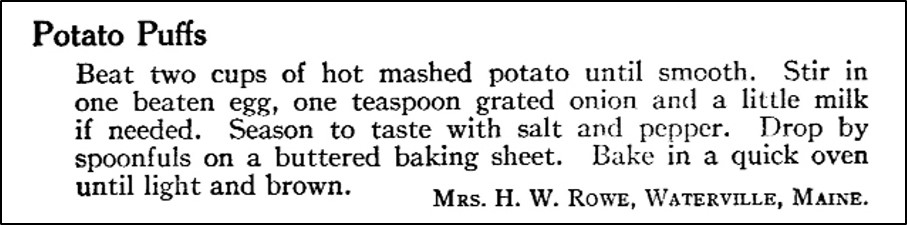
The week after Christmas is left-overs week at my house, so when I saw a hundred-year-old recipe for Potato Puffs I had to give them a try.

The Potato Puffs were light and creamy with  just a hint of onion. When, I served the Potato Puffs, my daughter said, “Mom, this recipe is one of your better hundred-year-old recipes.” In other words, this recipe is a winner.

potato-puffs-recipe
Source: Larkin Housewives Cook Book (1915)

Here’s the recipe updated for modern cooks:

Potato Puffs

  • Servings: 3-4 servings
  • Difficulty: easy
  • Print

2 cups warm mashed potatoes

1 egg, beaten

1 teaspoon onion, grated (use additional grated onion if desired)

milk, as needed

salt and pepper, optional

Preheat oven to 425° F. Stir the egg into the mashed potatoes. If too thick, add a little milk. Season to taste with salt and pepper. Drop heaping teaspoons of the potato mixture onto a greased baking sheet. Bakes 20 – 25 minutes or until lightly browned.

Notes: (1) If left-over mashed potatoes have been refrigerated, warm in a microwave or on the stove top, prior to adding the egg.  The potatoes only need to be warm, not hot. If the potatoes are quite hot, be sure to immediately start vigorously stirring when the egg is added to keep the egg from beginning to coagulate. (2) Potato Puffs may be refrigerated and reheated. Put in a 400 ° F oven for 20 minutes or until hot.

Old-Fashioned Black Walnut Bread (Nut Bread) Recipe

black-walnut-bread

I’m a black walnut aficionado The bold, rich taste of black walnuts is lovely in candies and baked goods. And, as a bonus black walnuts are quite nutritious. They are a good source of vitamin E and iron, and have lots of protein. They  also contain “good” polyunsaturated and monounsaturated fats that can help reduce “bad” cholesterol.

Black walnuts are seldom sold in stores, so each autumn I scope out black walnut trees on nearby public property, and then forage the walnuts. I then hull the walnuts (and walk around for at least a week afterwards with walnut-stained hands), and then spread the hulled nuts out on newspapers to dry for several months.

A couple days ago my husband and I began to crack the walnuts, and then to pick the nut meats out, which is a challenge in itself. I swear that black walnuts are the most difficult nuts (except for maybe hickory nuts) to crack.

Now that I had the shelled nuts, I was ready to begin baking with them. I selected a hundred-year-old nut bread recipe. Any type of nuts could be used in the recipe–but black walnuts would have commonly been used in the early 1900s.

The Black Walnut Bread was easy to make, and it was a taste treat with the embedded, robust, savory pieces of black walnut. This recipe is a keeper.

Here is the original hundred-year-old recipe:

Source: Larkin Housewives Cook Book (1915)

Here’s the recipe updated for modern cooks:

Black Walnut Bread (Nut Bread)

  • Servings: 2 loaves
  • Difficulty: easy
  • Print

4 cups flour

1/2 cup sugar

4 teaspoons baking powder

1 teaspoon salt

1 egg, slightly beaten

1 1/2 cups milk

1 cup black walnuts, chopped (or other type of nut)

Preheat oven to 350° F. Grease two loaf pans.  Put the flour, sugar, baking powder,  and salt into a mixing bowl, and stir to combine. Add egg and milk, and stir just enough to blend the ingredients. Add the black walnuts, and gently stir to spread the nuts throughout the batter. Pour into the greased pans. Bake about 40 minutes or until a toothpick inserted in the bread comes out clean.

I couldn’t figure out why the old recipe said that after the batter was poured into the loaf pans that they should “stand aside to raise twenty minutes” before baking. Since this recipe called for baking powder (and not yeast), it didn’t seem like it needed to rise prior to baking so I ignored that step.