Historic Events That Had NOT YET Occurred in 1911

16-year-old Helena Muffly wrote exactly 100 years ago today: 

Wednesday, November 8, 1911: Such stinkers in Algebra as we are having at present is enough to make your head giddy. Of all my six studies Algebra is just about the hardest, excluding geometry, which we commenced to take up several days ago, and General History, which we begin tomorrow. Ma and Ruth are out tonight but I staid in.

Her middle-aged granddaughter’s comments 100 years later:

I wonder what Grandma was going to study in General History.

Think of all the historic events that seem like they happened very, very long ago—but which had not yet occurred a hundred years ago.

Grandma WAS NOT studying the history of:

  • World War I (It began in 1914 after the assassination of Archduke Ferdinand of Austria.)
  • The Soviet Union (The Russian Revolution of 1917 ended the Russian Empire. The Soviet Union was founded in 1922.)
  • Prohibition (The 18th amendment which addressed prohibition was ratified in 1919.)
  • Women’s suffrage (The 19th amendment which gave women the right to vote was ratified on 1920.)
  • How New Mexico or Arizona–or for that matter Alaska or Hawaii–had become states (New Mexico and Arizona entered the Union in 1912; Hawaii and Alaska entered the union in 1959.)
  • The presidency of Woodrow Wilson (He would be elected in 1912 and take office in 1913.)
  • Radio (The first scheduled radio broadcasting was in 1916.)
  • The Panama Canal (It opened in 1914—though Grandma probably read newspaper articles about the building of the canal.)
  • The personal income tax (The 16th amendment which allowed the personal income tax was ratified in 1913.)
  • Insulin (Insulin was discovered in 1922.)
  • The direct election of senators by voters  (Prior to  the 17th amendment being ratified in 1913 senators were selected by state legislators.)

Collar Pins and Other Misplaced Items

16-year-old Helena Muffly wrote exactly 100 years ago today: 

Tuesday, November 7, 1911: I’ve concluded it’s easier to lose things than it is to find them. The other day six one cent stamps disappeared, and now today I lost two collar pins, which I have no hopes of ever recovering them again.

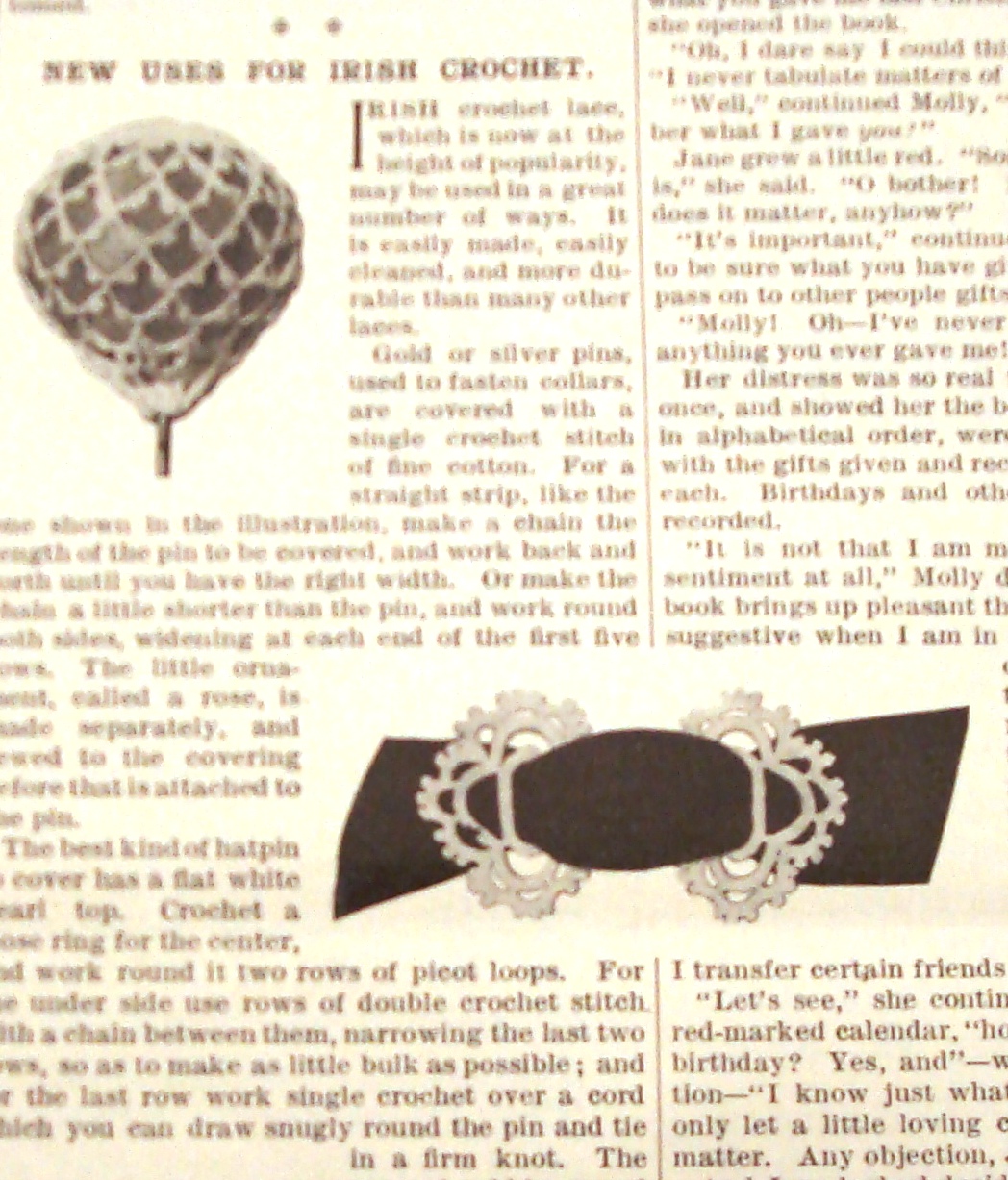
Collar Pins (Photo Source: The Youth's Companion, December 7, 1911)

Her middle-aged granddaughter’s comments 100 years later:

Young people misplace things, too!

I know that Grandma was frustrated, but this entry makes me smile. Sometimes I worry that I misplace things because I’m getting older. This entry reminds me that we all—young, middle-aged,  and old– lose items.

I’m not exactly sure what collar pins were—but they apparently were the rage in 1911. There were directions for making crocheted collar pins in the December 7, 1911 issue of The Youth’s Companion.

New Uses for Irish Crochet

. . . Gold or silver pins used to fasten collars are covered with a single crochet stitch of fine cotton. For a straight strip like the one shown in the illustration, make a chain the length of the pin to be covered, and work back and forth until you have the right width. .  .

An effective ornament for the neck or for the meeting-point of a Dutch collar is shown in the illustration. This is made in single crochet stitch of coarse cotton; a fine needle is used in order to keep the work as close as possible. Two parts are made; the pattern chosen here is in the form of a square, with loops round each side of the square. These loops are made of the picot stitch. The parts are joined on three picot loops at the back and a strip of black velvet ribbon six inches long by one and one-half inches wide is passed through the opening in the design.

Sometimes I’m amazed at the serendipitous way I find materials for this blog. I’d looked ahead and knew a diary entry that mentioned collar pins was coming up. Since I didn’t know what they were. I googled “collar pins” but had little luck.

I’d pretty much given up on finding anything about collar pins when I was flipping through 1911 issues of The Youth’s Companions a few days ago because Grandma had written about getting a subscription. Suddenly an article on Irish crochet that contained the words collar pins jumped out at me–and I had the material for this post.

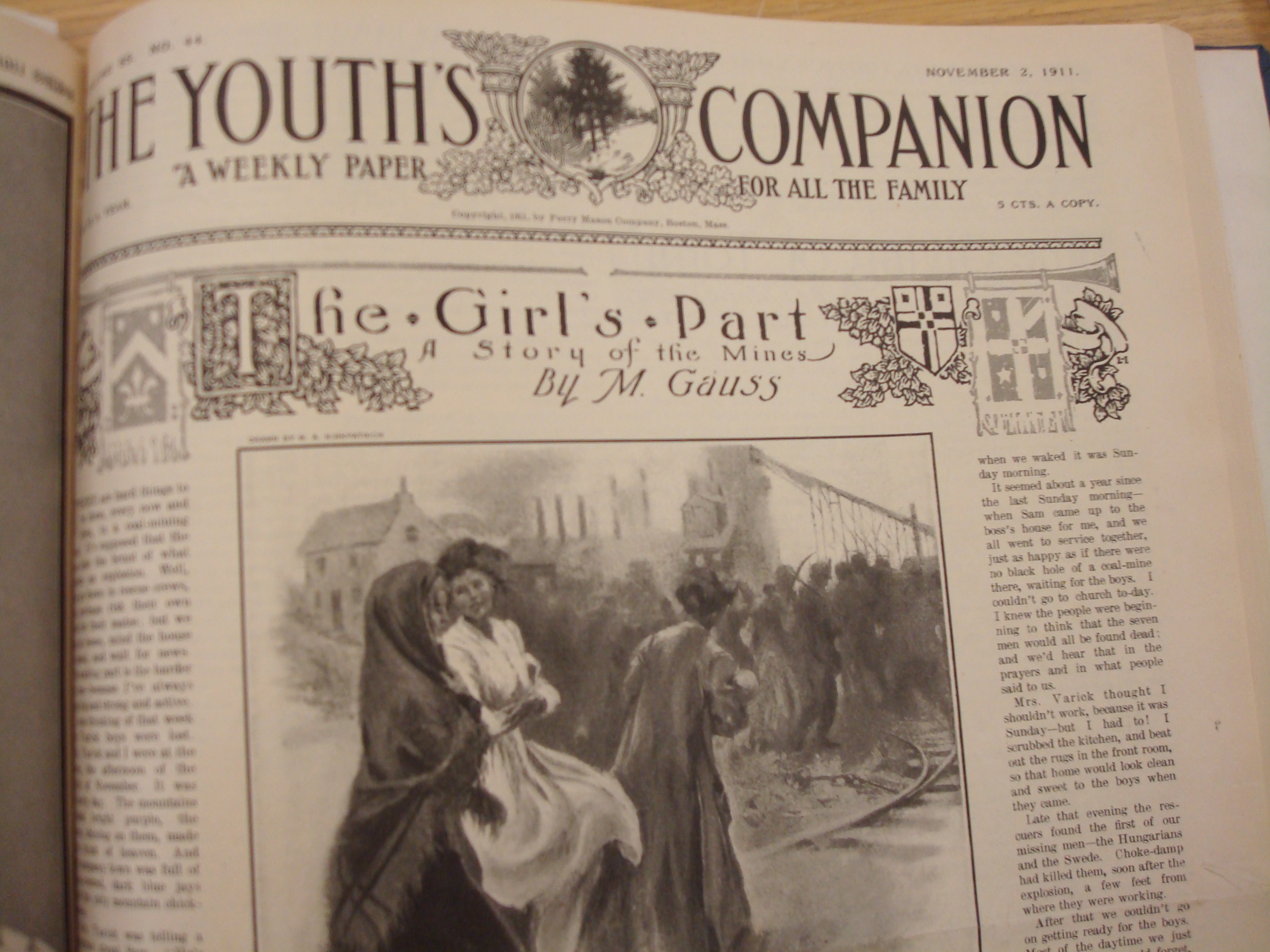
The Girl’s Part: The Story of the Mines

16-year-old Helena Muffly wrote exactly 100 years ago today: 

Wednesday, November 1, 1911:

November, hastening before the fool steps of winter,

Brings back the stark realities of life.

It is not all the cup of brimming pleasure.

That crowns the triumph of a common strife.

This month is certainly beginning in earnest. It is enough to make any cold-blooded person think of furs and the like. Examined the contents of the Youth’s Companion this evening, which arrived this morning.

Her middle-aged granddaughter’s comments 100 years later:

I just finished examining the contents of the November 2, 1911 issue of Youth’s Companion. Whew, it’s amazing and almost surreal that I can sit in a library and read the same words that Grandma read so many years ago.

The cover story was a fictional story about a mine disaster.  I’ve included selected quotes from the story below that hopefully will give you the gist of the story.

Things that I thought about as I read the story: How has the role of women changed over the last 100 years? Was the author trying to influence public opinion regarding the use of child labor? (Child labor was extremely controversial in 1911—and states were beginning to regulate it).  How have opinions regarding mine safety and environmental issues changed?

Excerpts from

The Girl’s Part: A Story of the Mines

by

M. Gauss

There are hard things to be done, every now and then, in a coal –mining town. It’s supposed that the men take the brunt of what follows an explosion. Well, they go down in rescue crews, and perhaps risk their lives for their mates; but we stay at home, in the house as usual, and wait for news. The waiting part is the harder for me—because I’ve always been big and strong and active.

I was buying my some gingham for my new aprons—I’d just begun to sew my wedding things. I thought I’d ask Mrs. Varick if it would fade. And as I picked it up to show it to her, a noise came. It wasn’t like the ordinary blasting sound, but long and queer. I had never heard a mine explosion, but I knew at once that something was wrong. I dropped my gingham to run to the door.

“Oh, my boys, my boys!” Mrs. Varick cried out.

We took hold of our hands to run to the shaft, and I almost carried her.

At the mouth of the shaft were a lot of women. Some of them knew that their own men were safe, and these would call out to Mrs. Varick and me, “Did Sam and Billy get out all right?” A good many miners had come up in the cages.

Pretty soon I heard the boss calling something to us.

“Only seven men are still in the mine!” he said. Then he named them: two Hungarians and a Swede, none of whom we knew; and old man Eckert, and Mrs. Hodges’ husband, and Sam and Billy Varick.

Late that evening the rescuers found the first of our missing men—the Hungarians and the Swede. Choke-damp had killed them, soon after the explosion, a few feet from where they were working.

At noon on Tuesday, we noticed that people were running toward the mine. Nobody came to tell us; but an English miners’ wife—Mrs. Hodges—ran past our house with her baby, crying and laughing. She said they had found two men, walled up in a pocket of the mine, alive.

Then a voice said, “They’re all out but the Varick boys.” Mrs. Varick heard, but she didn’t cry out, or say a word.

“The air was simply something hawful, over south, and it was a long wasy, Well, ‘h went. ‘E tried to make Bill go back, but the kid would foller ‘im.”

“They’re together!” said poor Mrs. Varick.

“No don’t”  a woman cried.

Just then a cry came. . .  What are they saying? “

“F-o-u-n-d! A-l-i-v-e.”

After that I don’t know what did happen. But a half-hour later we were all in the Varick kitchen—Billy flat on the couch. Sam white as a ghost, but walking around. . . And I began to cry—it was so joyful to have a girl’s work to do.”

The Youth’s Companion ( November 2, 1911)

An aside: Grandma subscribed to The Youth’s Companion on October 23—and she received her first issue only nine days later. Amazing!  I don’t think that I’d receive the first issue of a magazine that quickly today.

Was Grandma Incorrigible?

16-year-old Helena Muffly wrote exactly 100 years ago today: 

Tuesday, October 24, 1911: Had a fly around this morning with Ma. I as usual was the cause of it. She says I’m incorrigible, but I don’t quite agree with her. Do you?

Her middle-aged granddaughter’s comments 100 years later:

I wonder what Grandma did that led her mother to say that she was incorrigible. It’s interesting that Grandma included a rhetorical question in this post. It almost seems like she had a premonition that someone else might someday be reading the diary.

I’ll answer the question a hundred years later. I do not think that Grandma was incorrigible. She married and lived a long, productive life until she died in 1980 at the age of 85.

Grandma raised four wonderful children, and had many awesome grandchildren and great-grandchildren. (Well, maybe I shouldn’t say that since I’m one of the grandchildren, but my relatives are obviously really cool.)

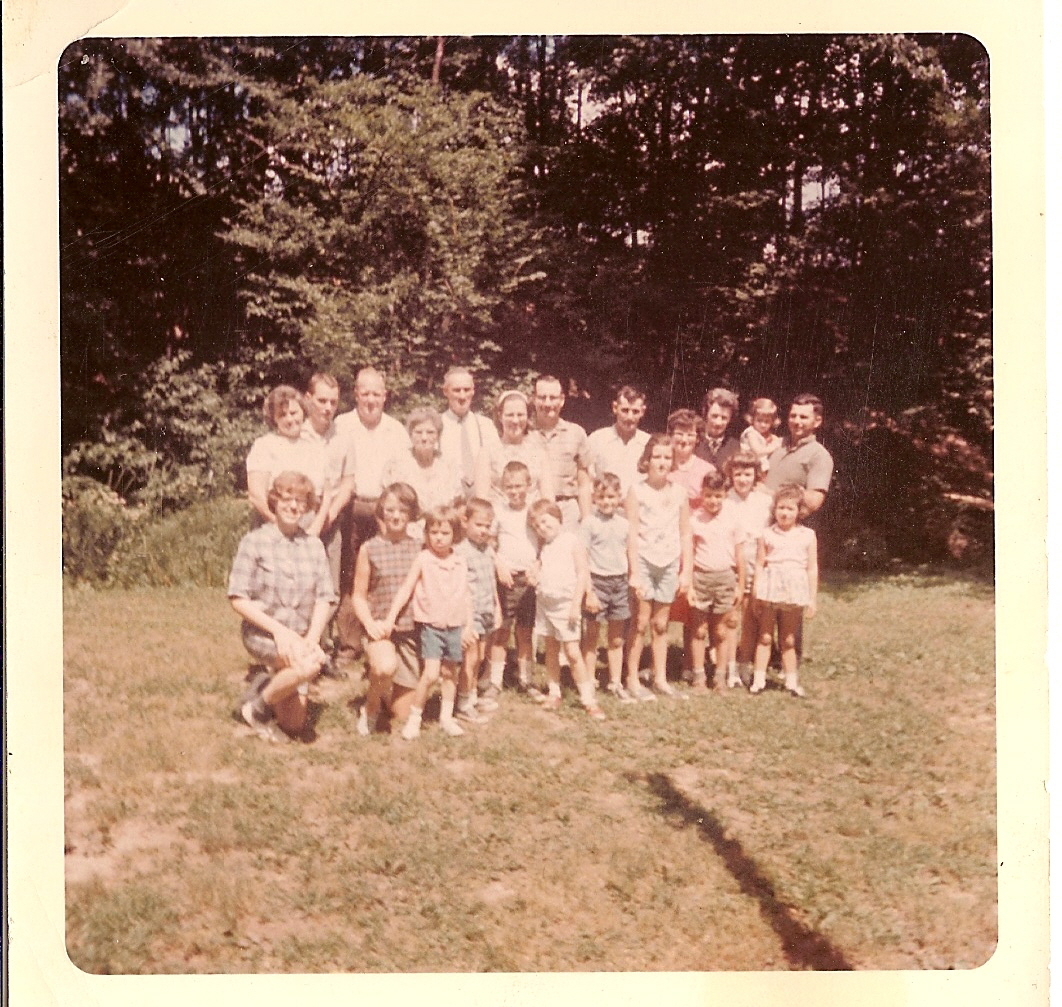
Helen(a) (Muffly) and Raymond Swartz and their descedants at the Swartz Reunion, White Deer Park, circa 1964

Grandma’s mother was obviously wrong– she was not incorrigible!

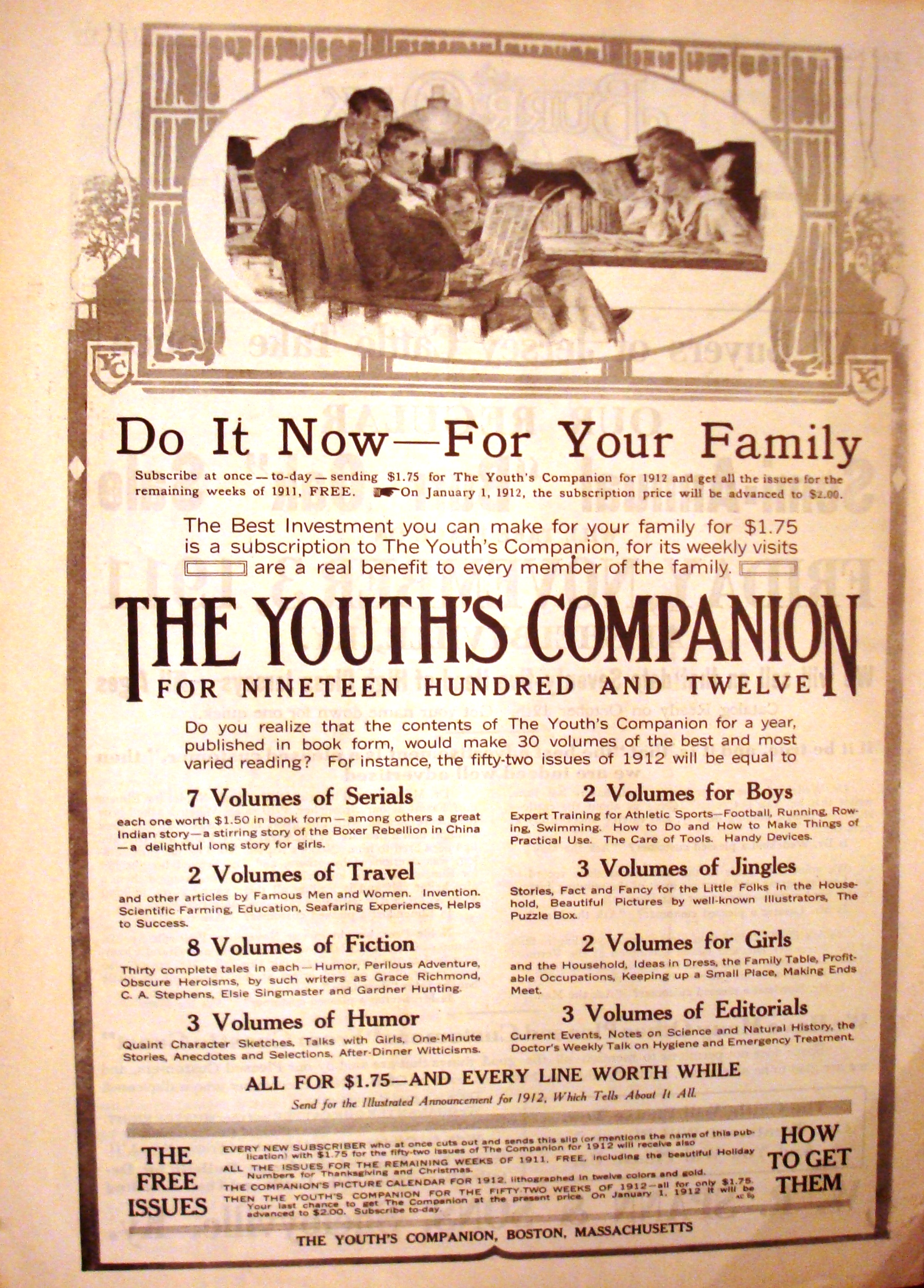
Youth’s Companion Advertisement

16-year-old Helena Muffly wrote exactly 100 years ago today: 

Monday, October 23, 1911: Subscribed for the Youth’s Companion today. Beginning to get cold. I mean the weather not me.

Advertisement for The Youth’s Companion on the back cover of Kimball’s Dairy Farmer Magazine (November 1, 1911)

Her middle-aged granddaughter’s comments 100 years later:

The Youth’s Companion was a popular magazine in the late 1800s and early 1900s.

According to the Collecting Old Magazines website the magazine began as a children magazine, but was aimed at the entire family by the time that Grandma wrote this diary entry:

 . . .  an audience limited to children only gave The Youth’s Companion only so many years in the life of a subscriber. The magazine expanded its offerings to include the entire family, and by doing so expanded its own lifetime to the lifetime of the subscriber. . . The typical issue would include “outdoor adventure stories, historical articles, anecdotes, contests, travel articles, and editorials.

“The Children’s Page” was there for the youth in its title, but by 1897 The Youths Companion also touted itself as “An Illustrated Family Paper,” which throughout that decade and into the new century would publish work from notables such as Grover Cleveland, Theodore Roosevelt, Booker T. Washington, Helen Keller, as well as literary notables such as Kate Chopin, Edith Wharton, Jack London and Emily Dickinson.

Magazine History and Collecting Tips, Collecting Old Magazines

Last Lynching in Pennsylvania

16-year-old Helena Muffly wrote exactly 100 years ago today: 

Sunday, October 22, 1911: While walking to Sunday School this afternoon, I saw three men taking a man and n_____  woman to jail. Anyway that’s very likely where they’ll land before long. It’s raining tonight real hard.

Her middle-aged granddaughter’s comments 100 years later:

Whew, this diary entry upsets me. Grandma spelled out n___  in her handwritten entry in the diary, and her attitude bothers me a lot.

Grandma would have walked a mile or so on country roads to get to Sunday School in McEwensville.

Central Pennsylvania was not very diverse a hundred years ago, but a few Blacks lived in the area. C.V. Clark, in a presentation to the Northumberland County Historical Society, mentioned that in the late 1800’s a freed slave named Eliza lived in McEwensville–and her descendents probably were still living in the area in 1911.

I know that times were different back then, but the bottom line is that Blacks were often treated terribly a hundred years ago. To help better understand what things were like in 1911 I’d like to share some disturbing information that I recently discovered.

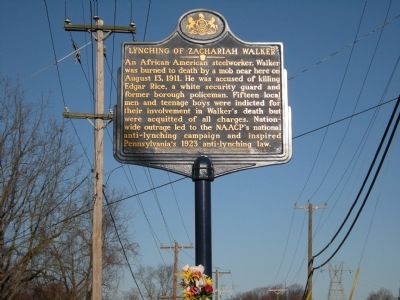
The last lynching in Pennsylvania occurred  on August 13, 1911. Zachariah Walker was lynched in Coatesville which is near Philadelphia.

Historic marker in Coatesville. Used with Permission: HMdb.org (Historic Marker Data Base); photographer: Kevin W. of Stafford VA

The inscription on the historic maker about the lynching says:

LYNCHING OF ZACHARIAH WALKER

An African American steelworker, Walker was burned to death by a mob near here on August 13, 1911. He was accused of killing Edgar Rice, a white security guard and a former borough policeman. Fifteen local men and teenage boys were indicted for their involvement in Walker’s death but were acquitted of all charges. Nationwide outrage led to the NAACP’s national anti-lynching campaign and inspired Pennsylvania’s 1923 anti-lynching law.

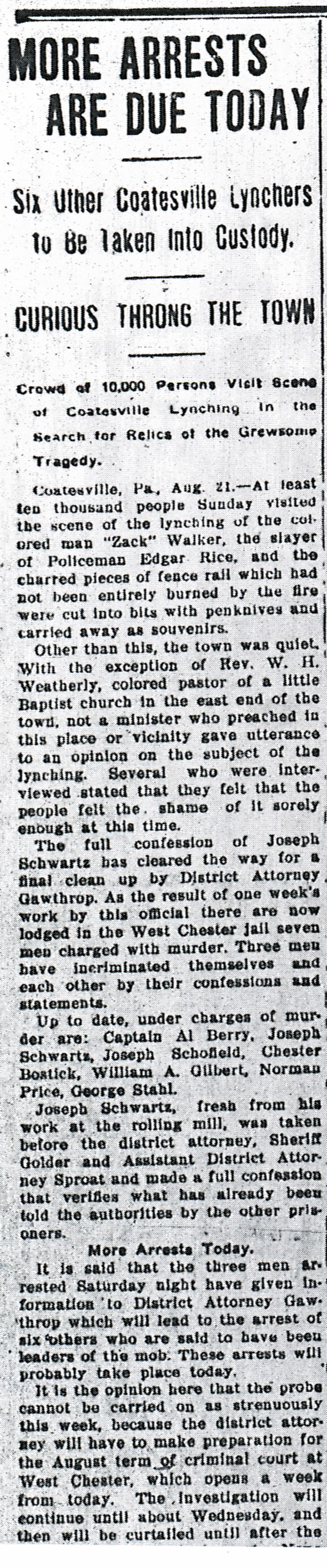
Even though Grandma lived more than a hundred miles from Coatesville, she probably was aware of the lynching. The local paper, The Milton Evening Standard periodically ran stories about it.

Milton Evening Standard, August 22, 1911

It’s the Style, Not Shoe, That Costs

16-year-old Helena Muffly wrote exactly 100 years ago today: 

Saturday, October 21, 1911: Rufus and Ma went to Milton today. Ruth got a jacket suit and Ma bought me a pair of shoes. They’re for school so you see I didn’t care so much if I wasn’t there to try them on.

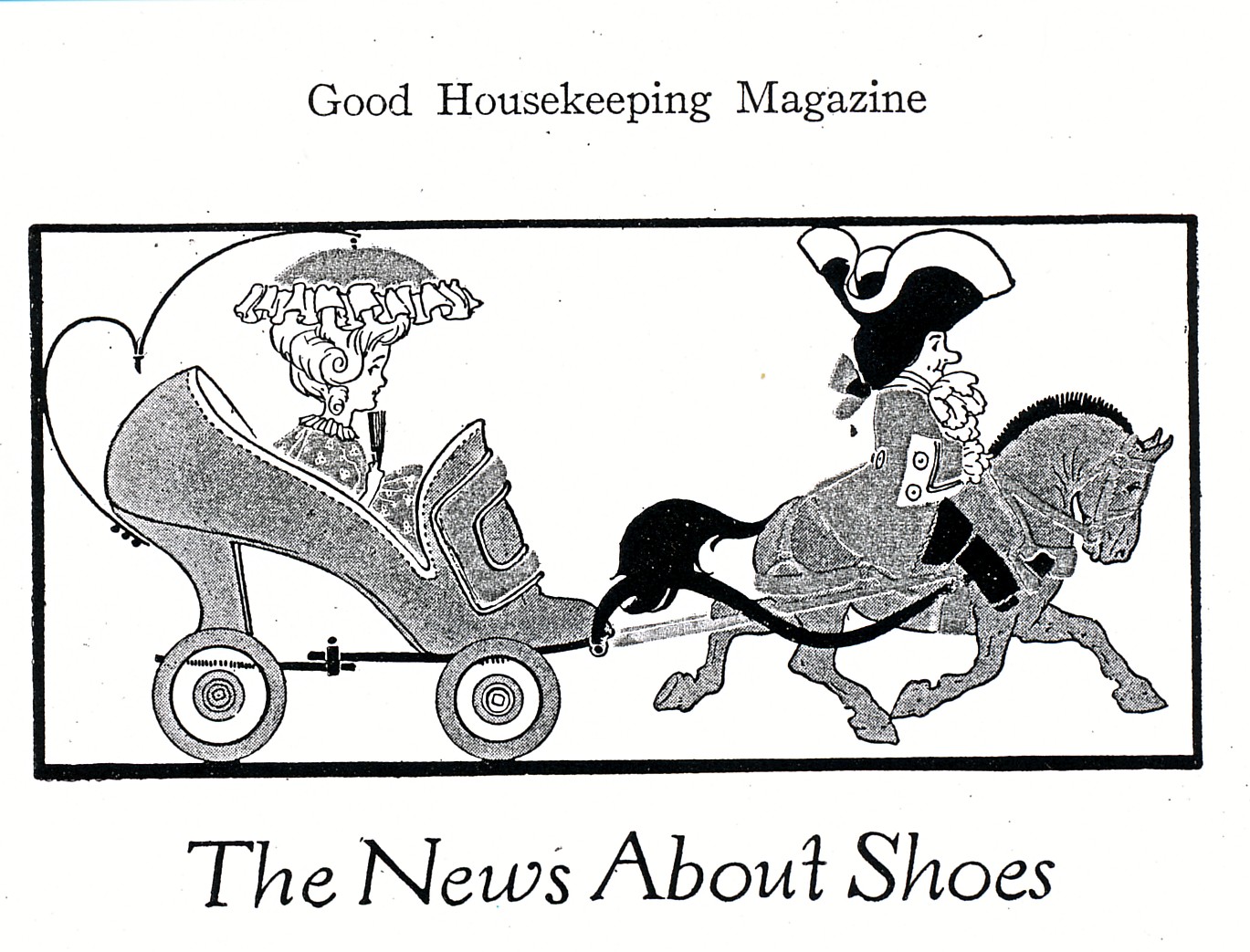
It’s the style, not shoe, that costs.

Quote from The News About Shoes (Good Housekeeping Magazine, October, 1911)

Her middle-aged granddaughter’s comments 100 years later:

To clarify this entry—Grandma’s sister Ruth and her mother went shopping.  Sometimes in the diary Grandma referred to Ruth as Rufus—and in this entry she co-mingled two names for the same person.

I’m surprised that Grandma’s mother didn’t take her along to buy shoes, and that Grandma was only slightly annoyed.  . . Or . . . [another scenario, based on my second read through of this diary entry] maybe Grandma was really angry when she wrote it and was trying to convince herself that it really was okay.

Shoe sizes must have been very standardized way back then if someone could buy shoes for another person; or maybe Grandma wore the same size shoe as her mother or sister.