Constructing Things in Geometry

17-year-old Helena Muffly wrote exactly 100 years ago today: 

Wednesday, April 3, 1912: Ma went to Milton today. I got her to get me a compass. We have arrived at constructing things in geometry. We have exams on Monday, so I’ve prepared in one way.

Modern plastic protractor and compass

Her middle-aged granddaughter’s comments 100 years later:

I can’t picture what compasses looked prior to the development of plastic. Were they made of wood? I wish that I’d scoped out the flea market prior to writing this post so I could describe ones from a hundred years ago.

Grandma probably also used a ruler to construct triangles, squares, and other shapes—perhaps one with a business advertisement on it. The Milton Historical Society has an old ruler from the Bijou Dream Theater. Grandma mentioned attending silent films at that theater several times in the diary, so maybe, just maybe —and I’m letting my imagination run wild–she used a Bijou Dream ruler to “construct things.”

 

Old-Fashioned Insomnia Treatments and Cures

17-year-old Helena Muffly wrote exactly 100 years ago today: 

Wednesday, April 3, 1912: I haven’t much to write about. I have all my lessons out for tonight that I am going to study, so adieu till tomorrow.

Her middle-aged granddaughter’s comments 100 years later:

Ah, Grandma sounds relaxed and ready for some sweet, dreamless sleep. Here’s what a hundred year old book has to say about sleep:

A sound sleep is dreamless. Dreams require a certain expenditure of nerve force and mental energy, so that dreamless sleep is the most restful. Disagreeable dreams and “night-mares” are generally associated with indigestion and biliousness*, which also occasion a general restlessness.

Treatment for Insomnia– The mechanical measures for the relief of insomnia have for their purpose the withdrawing of the blood from the brain to the surface of the skin: hot foot-baths, general warm baths, brisk exercise, light massage, and cold rooms. Mental work should be laid aside several hours before retiring; late suppers avoided; coffee, if taken at all, should only be taken for breakfast, and then only one cup. Reading or amusement should be selected that does not excite the nerves.

To woo sleep the woman should put herself in a position of rest, which of itself physiologically induces sleep. Avoid irritations, noises, bad air, cold feet, overloaded bowels, all of which tend to wakefulness to prevent the proper physical rest. Then sleep usually comes of itself.

Personal Hygiene and Physical Training for Women (1911) by Anna M. Galbraith

*Note: Biliousness is an old-fashioned word that refers to gastric distress or excess secretion of bile.

April Fool’s Day

17-year-old Helena Muffly wrote exactly 100 years ago today: 

Monday, April 1, 1912:

April

Bidding adieu to Winter

Welcoming the approaching Spring

So comes the months of spring time.

How merrily the birds doth sing.

I was fooled once and only once today. While in a hurry this evening I landed on the ground. I don’t think I hurt myself any, but I did bump my knees.

Her middle-aged granddaughter’s comments 100 years later:

I knew my elderly Grandmother. Her diary provides a window into what she was like as a teen. It’s fun to see how remnants of the fun, quirky teen in this diary were part of Grandma’s personality throughout her life.

Last year several relatives wrote guest posts about their memories of Grandma.  My cousin Anne Marie wrote about an April’s Fools day when Grandma was in her late 60’s or early 70’s.

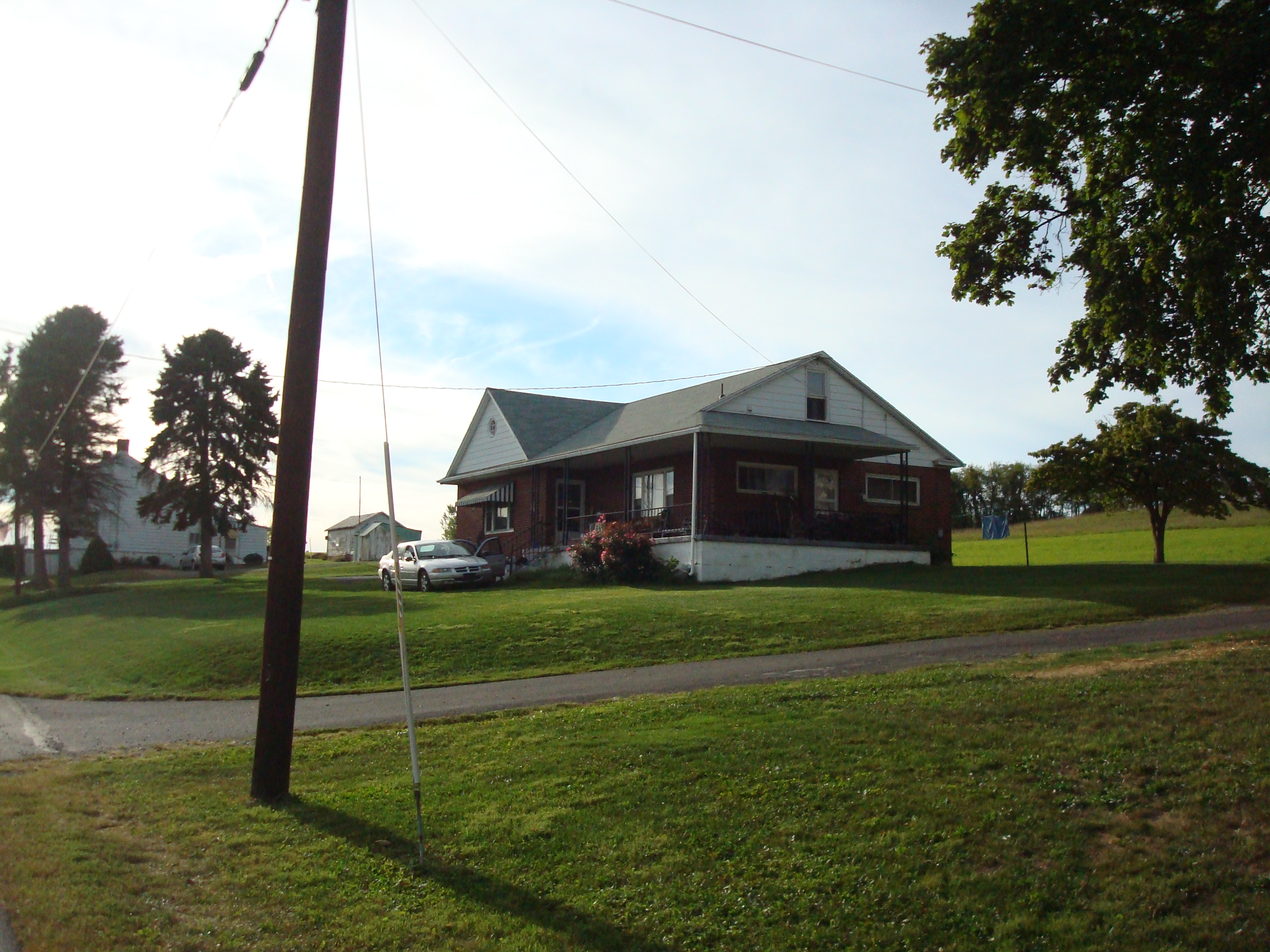
One April Fools Day Grandma took an old newspaper from her basement and carefully glued all of the pages together and quietly placed it in our newspaper box. I can still hear Mom laughing when she tried to read the paper that day and it didn’t take her long to figure out who the prankster was.

Photo of the house Grandma lived in during her later years. It was next door to my cousin's house.

(See more guest posts with relative’s memories of Grandma by clicking on the Family Memories category.)

March Went Out Like a Lion

17-year-old Helena Muffly wrote exactly 100 years ago today: 

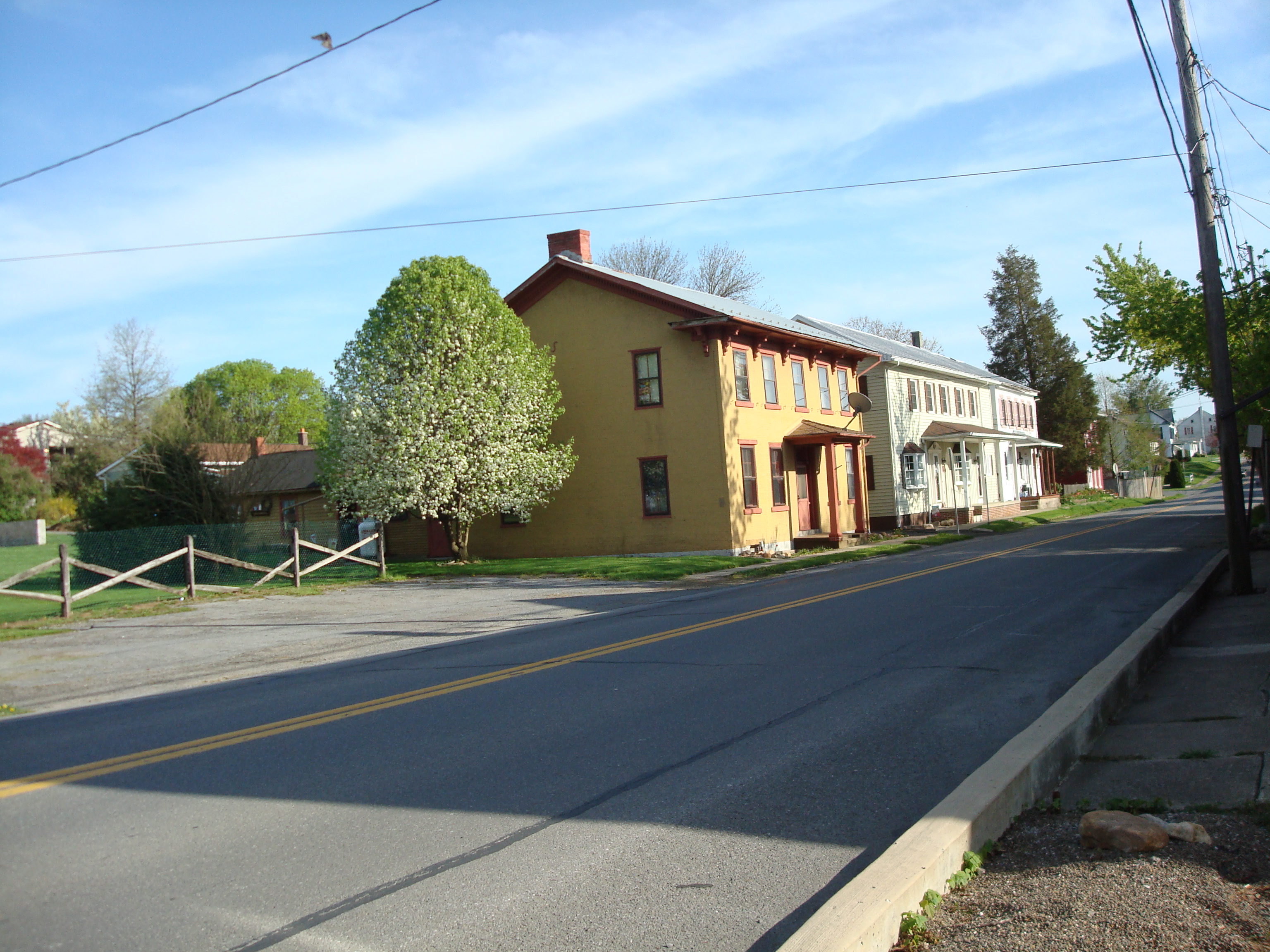
Sunday, March 31, 1912:Today has been a glorious day. Went to Sunday school this morning and to church this evening with Ruth.

I can picture Grandma and her sister Ruth walking this street in McEwensville–past these houses–on a beautiful spring day a hundred years ago.

Her middle-aged granddaughter’s comments 100 years later:

There an old saying that if March comes in like a lion, it will go out like a lamb—and that if it came in a like a lamb it will go out like a lion.

Grandma  and her sister Ruth walked the mile or so to McEwensville twice on this spring day. It’s always feels good when March ends with good weather.

Did the Mending

17-year-old Helena Muffly wrote exactly 100 years ago today: 

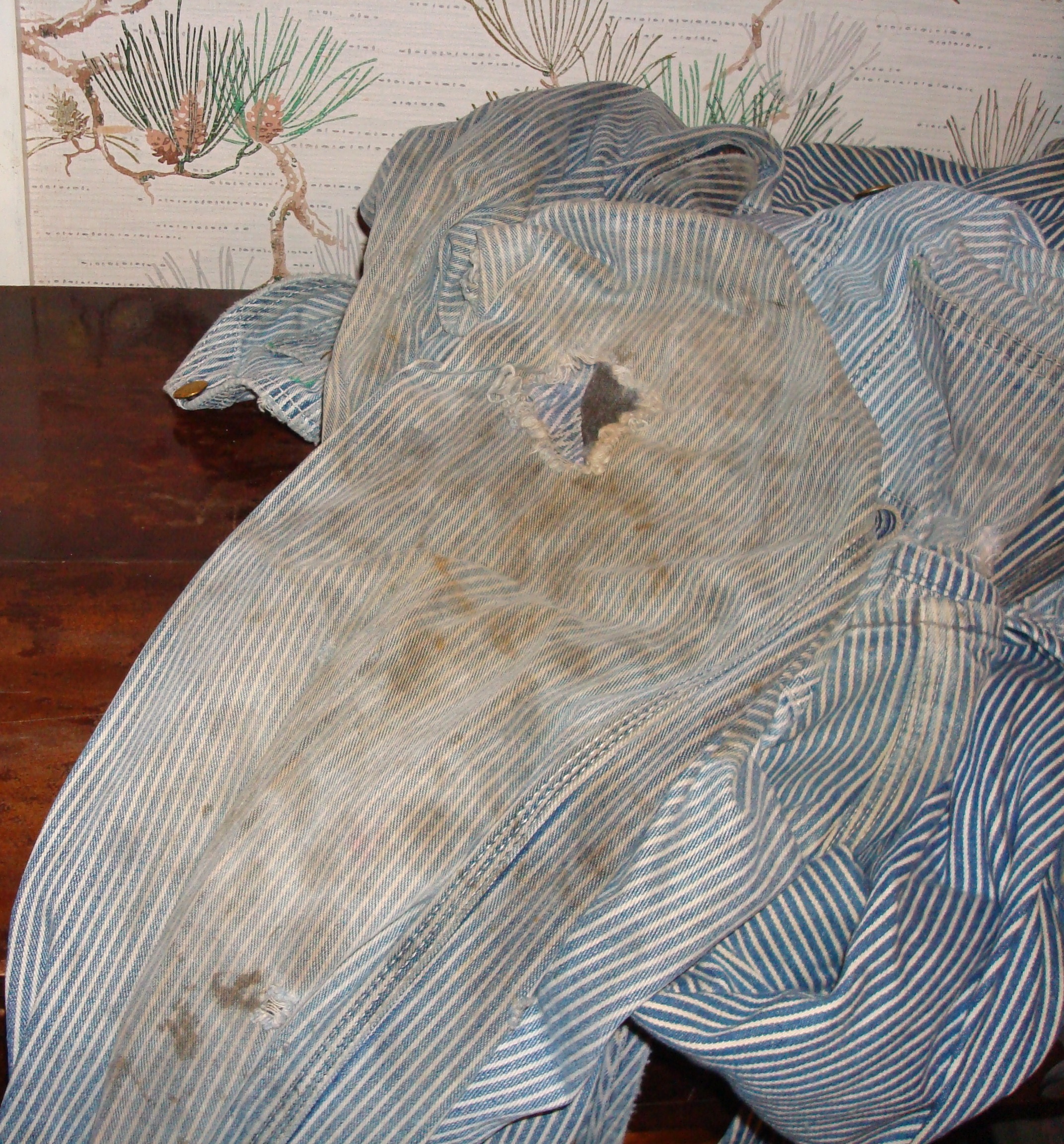
Saturday, March 30, 1912:  Had to put things in some kind of order. Mended some of the rips and tears. No one else wants the position.

Torn overalls--An aside (An aside--in addition to frequent tears, farm work clothes often get stained by grease, soil, etc.)

Her middle-aged granddaughter’s comments 100 years later:

Farm work is hard—and clothes often get torn.

Some things probably changed little between the time that Grandma was a teen and the time that I was a teen.

I have strong memories of there always being a pile of work clothes that need to be mended when I was growing up. On “slow” days it was common to do the mending.

One difference was that I used an electric sewing machine and Grandma would have used a treadle sewing machine.

Ranking Old-fashioned Candy Recipes

17-year-old Helena Muffly wrote exactly 100 years ago today: 

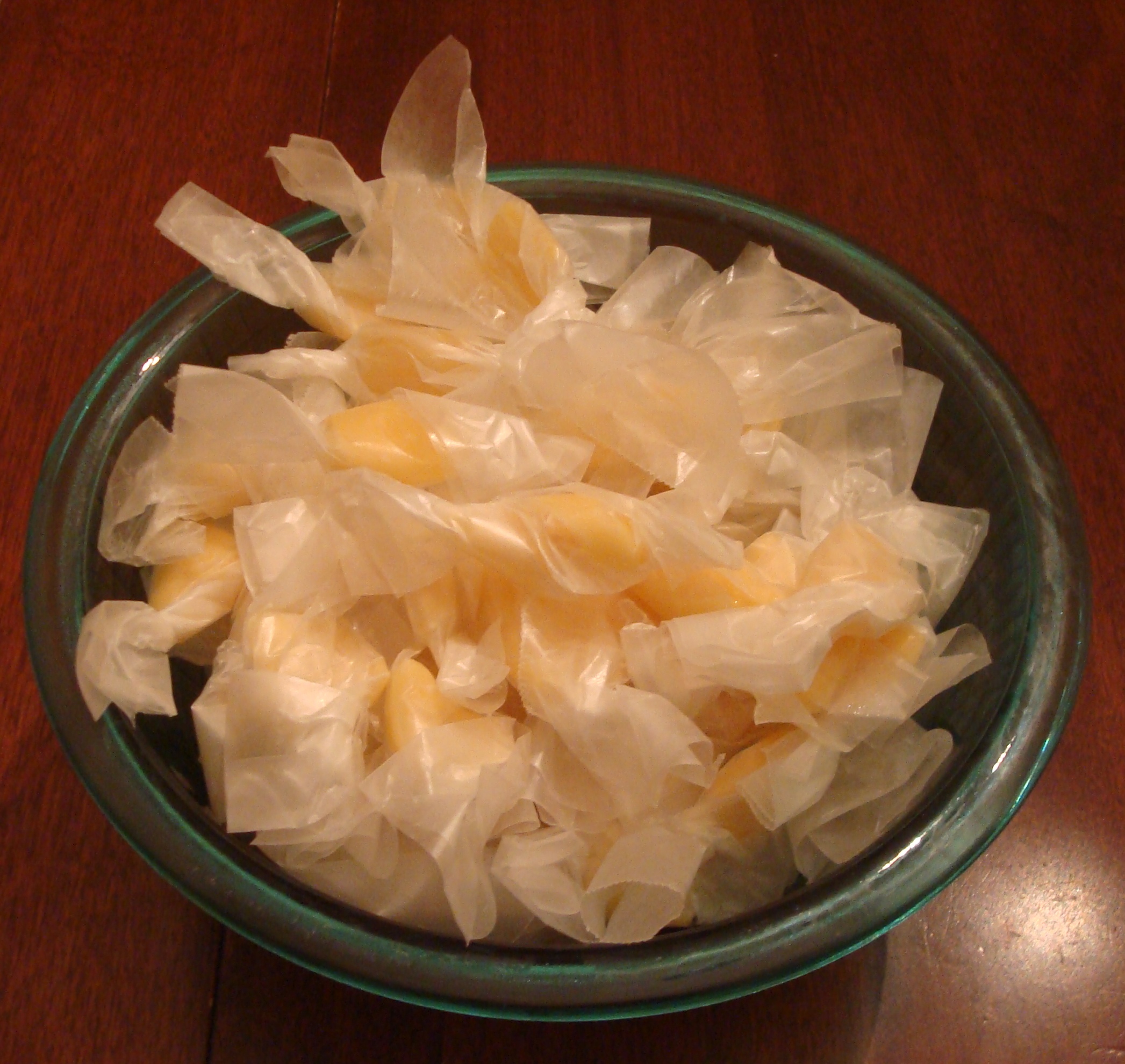
Thursday, March 28, 1912:Nothing really of great importance. Now that Ruth is at home I don’t have to do as much in the morning as I was accustomed to doing. Ruth made some fudge this evening. It was Jimmie’s earnest desire.

Sugar Taffy

Her middle-aged granddaughter’s comments 100 years later:

Whew, I’m amazed how often fudge or other candies are mentioned in the diary.

Over the past 15 months, I’ve made 7 different candy recipes. Below I rank them from my personal favorite to my least favorite—and provide links to the post that contains the recipe.

1. Sugar Taffy—This recipe turned out fantastically and tastes much better than modern taffy. My family ate all of the taffy within a day or so.

Cocoa Fudge

2. Cocoa Fudge—This fudge recipe was excellent—however, the recipe only made a small amount of fudge. I’d double (or triple or quadruple) the recipe if I made it again.

3. Chocolate Fudge- No. 1—This is also a very good fudge recipe. I had a difficult time deciding whether to rank Cocoa Fudge or this one higher.

4. Butterscotch— Old-fashioned butterscotch isn’t anything like the artificially-colored orange butterscotch disks that they make today. Instead it is rather it is similar to Werthers Original Candy.

5. Chocolate Fudge No. 2—This fudge contains molasses and has a very old-fashioned taste, but I  loved the complex undertones. I especially liked it when I added walnuts.

6. Sour Cream Fudge—This is a light-colored fudge that does not contain any chocolate. It had a good taste although I had to cook it a very long time (over an hour) and even then it seemed a bit soft.

7. Coffee Candy—This candy  had a great taste, but I didn’t get something quite right because it crumbled. A reader suggested that it might make a good ice cream topping.

Read Evangeline

17-year-old Helena Muffly wrote exactly 100 years ago today: 

Wednesday, March 27, 1912: I read Evangeline today and found it very interesting. This was the last day of Ruth’s school term. She has so many things mapped out to do, but whether they will ever be accomplished I cannot tell.

Statue of Evangeline, Nova Scotia, Canada (Source: Wikipedia)

Her middle-aged granddaughter’s comments 100 years later:

Evangeline is an epic poem by Henry Wadsworth Longfellow that tells the story of an Acadian girl named Evangeline who was separated from her beloved Gabriel by circumstances beyond their control. Evangeline traveled throughout America in search of him. After years of searching she finally found him when he was gravely ill and he died in her arms.

You can find the entire poem on the University of Virginia Library’s website.

___

Grandma’s sister Ruth was a teacher at one of the one-room schoolhouses near McEwensville. It sounds like this was the last day of the school year for that school. I suppose that the children were needed at home to help with the spring planning. It’s amazing how short the school year once was at some schools.