Events Occur with a Predictable Regularly

17-year-old Helena Muffly wrote exactly 100 years ago today: 

Thursday, October 10, 1912:

So here comes the month of October.

Arrayed in a many hued gown

Trimmed with the tints of bright Autumn,

The purple, the orange, the red and the brown.

This is Fair week, and I hope that the weather will be that also. I long to go, but I do not know whether we’ll get a day off or not. Must try and find out tomorrow.
Her middle-aged granddaughter’s comments 100 years later:

My life has a routine with a predictable seasonal ebb and flow, with recurring events that occur at predictable times.

Today marks the beginning of my 22nd month posting Grandma’s diary entries—and I find that I’m also beginning to get a sense of the ebb and flow of her routine a hundred years ago.

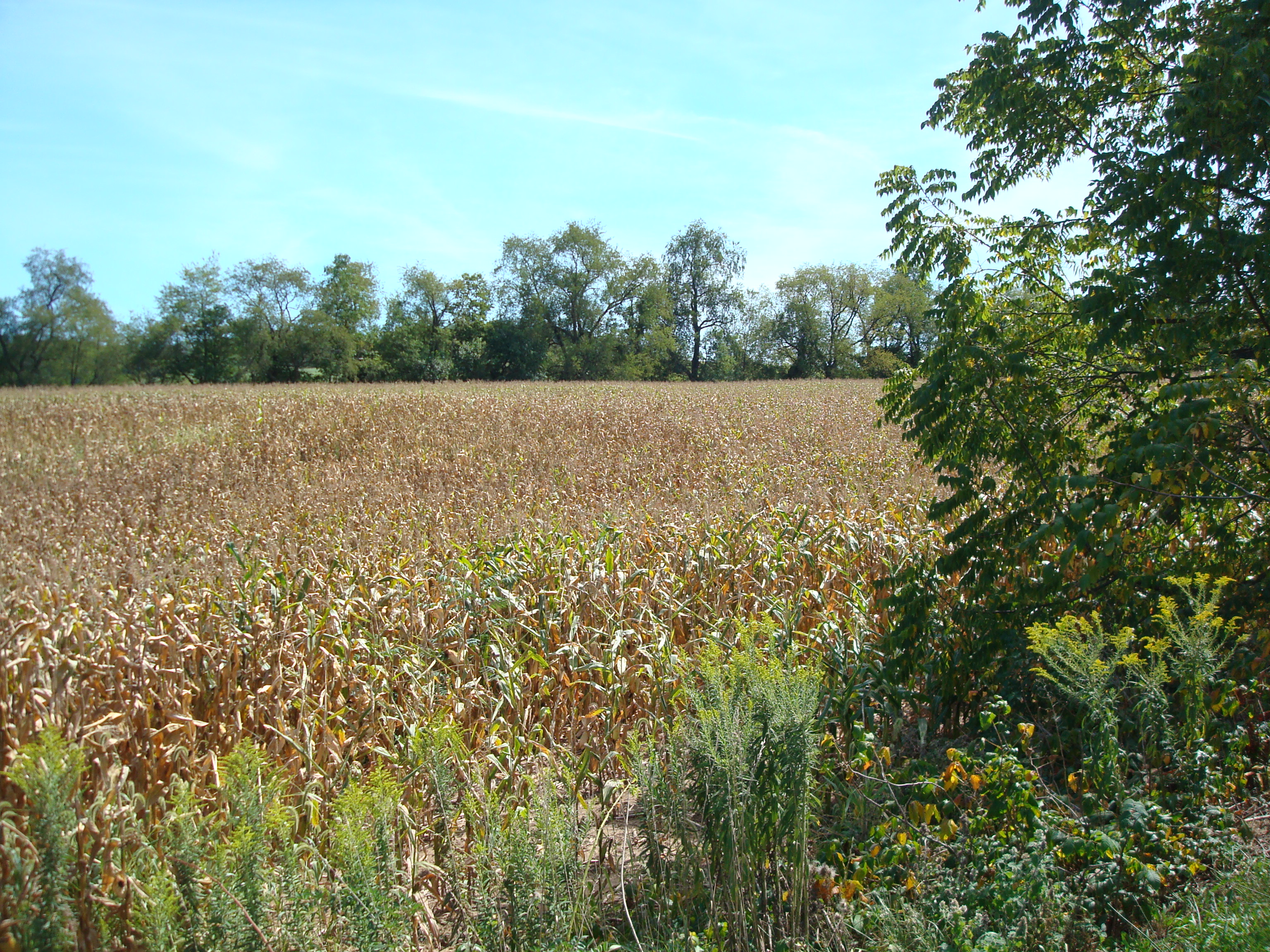
Grandma began each month with a poem that either gave her perspective of the upcoming month—or mourned the passing of the previous month.  She also talked about harvesting crops and watching cows with amazing regularly across the two years, and in early autumn each year she wrote about Fair Week in the nearby town of Milton.

On September 20, 1911 she wrote:

Papa and Mamma and Jimsey went to the fair this afternoon. I expect to go tomorrow if the weather is favorable. We have Thursday and Friday off for the fair.

And, I’m starting to notice exceptions to patterns. The fair held about two weeks later 1912 than in 1911. I wonder why.

What is the Difference Between Butternuts and Black Walnuts?

17-year-old Helena Muffly wrote exactly 100 years ago today: 

Saturday, September 28, 1912:  Mater went to a sale today. I got busy this afternoon and went for to gather some butternuts. Was rewarded by getting almost a bushel, any way it was dreadful heavy to carry, but I got them home at last.

butternut
Butternut (Photo source: Wikipedia)

Her middle-aged granddaughter’s comments 100 years later:

I never heard of butternuts until I read this diary. What are they?  What does a butternut tree look like? Are there still any butternut trees around?

According to the Ohio Department of Natural Resources:

Butternut: Also known as White Walnut, this relative of Black Walnut is slower growing and much less frequently encountered than its well-known cousin. Butternut prefers moist bottomlands and ravines like Black Walnut, but its lightweight wood is beige-pink in color and is not nearly as sought-out for making veneer and furniture. Its kernel within the fruit gives it the common name of Butternut, as it is sweet and very oily.

Butternut trees have oval nuts; black walnuts have round nuts.

I now realize that maybe I can’t tell the difference between butternut and black walnut trees—and that I’ll need to look more carefully the next time I see a walnut tree to figure out which type it is.

An aside—

Last week-end my husband and I gathered black walnuts. We hulled them and set them out to dry. I can hardly wait until they are dry enough to crack and use. I absolutely love their wonderful complex, sharp, rich, nutty taste in cakes and cookies.

Here are the links to the posts I wrote last year about black walnuts:

Hulling Black Walnuts

How to Crack Black Walnuts

Old-time Black Walnut Cake Recipe 

Trying to Select a Class Pin

17-year-old Helena Muffly wrote exactly 100 years ago today: 

Wednesday, September 17, 1912:  Had to walk to school through the rain. Also through the mud. Our class is deciding upon a class pin, but we’re making such slow progress in making up our minds as to which pin to take, that I doubt we’ll ever get them at all.

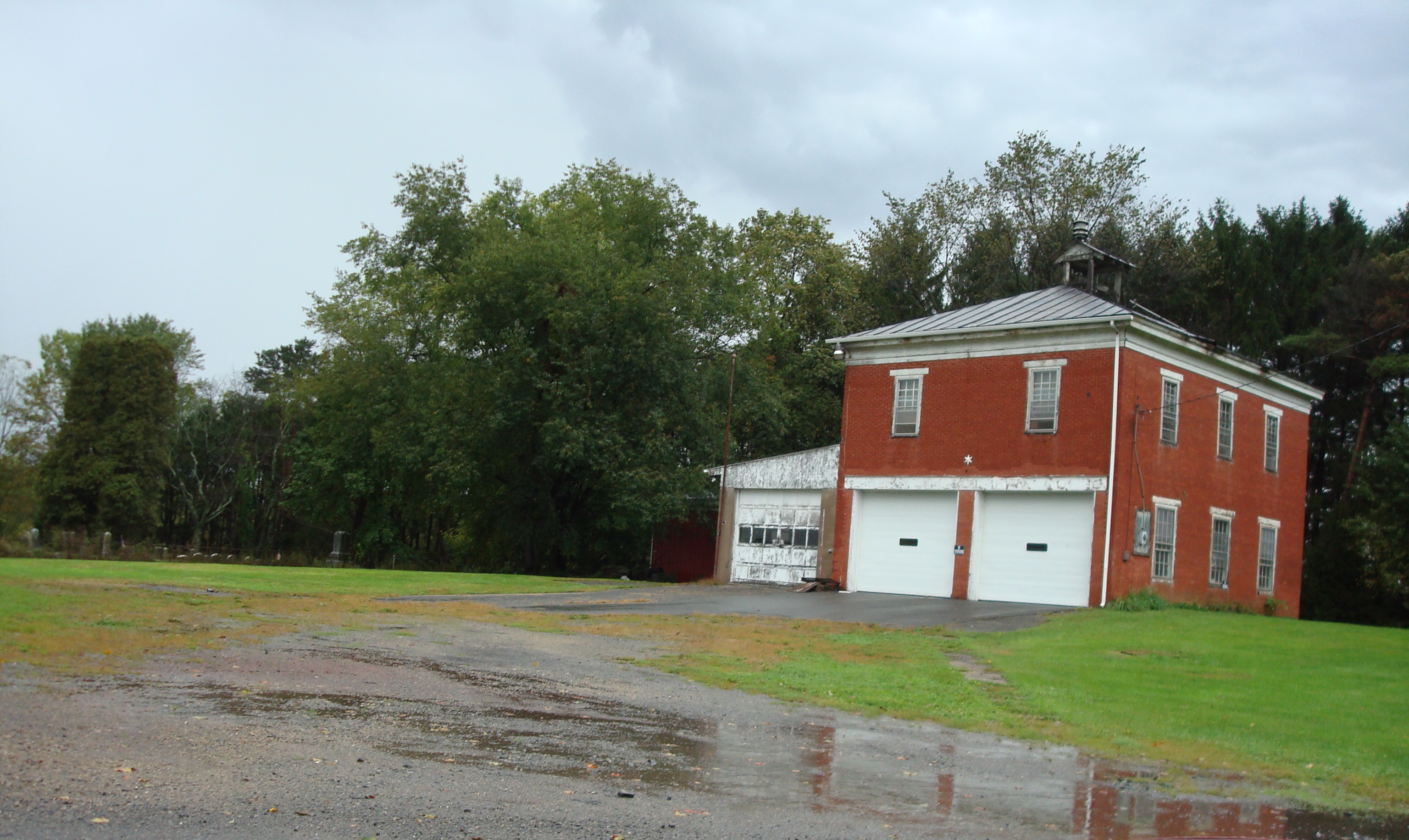
Recent photo of the building that once housed McEwensville High School.

Her middle-aged granddaughter’s comments 100 years later:

Yuck—a mile and a half walk to school in the rain on muddy dirt roads. It sure doesn’t sound like fun. Did Grandma wear galoshes to school?

Did Grandma and her classmates  have a catalog that they were going to order the class  pin out of? . . . or were they planning to order it from a sales representative or at a  nearby jewelry shop?

Grandma’s class was small. Only six students graduated in Spring 1913 from McEwensville High School. It’s amazing how much effort they put into creating a class identity.  A few days previous to this diary entry,  Grandma wrote about the differences in opinion about class colors and now they can’t seem to agree on a class pin.

Fashion A Hundred Years Ago

17-year-old Helena Muffly wrote exactly 100 years ago today

Wednesday, September 11, 1912:  So say we call it a day again.

Fashion a Hundred Years Ago

Her middle-aged granddaughter’s comments 100 years later:

Since it was another slow day for Grandma, I’d like to tell you about my latest blogging adventure.

I’ve enjoyed occasionally sharing hundred-year-old fashion pictures with you. I’ve found lots of pictures in old magazines—and can’t possibly use all of them on this site since Grandma only occasionally mentioned clothes or shopping.

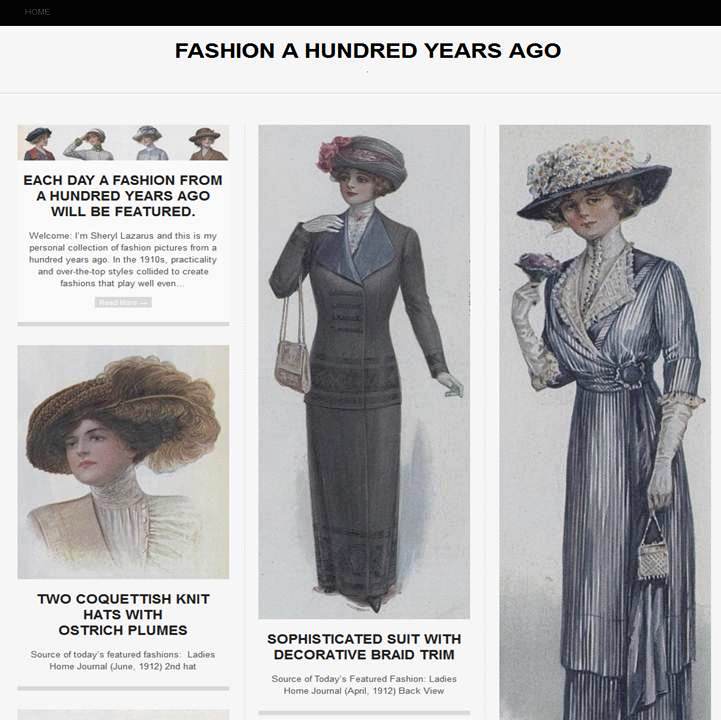
I decided that it would be fun to feature a one-hundred-old fashion each day, so I started a new blog called Fashion A Hundred Years Ago.

You might want to check it out if you enjoy looking at the old fashions.

Cause of Sleepiness

17-year-old Helena Muffly wrote exactly 100 years ago today: 

Monday, September 9, 1912:  July, I mean Sept. 9. Don’t know what to write for today. So good night and sweet dreams.

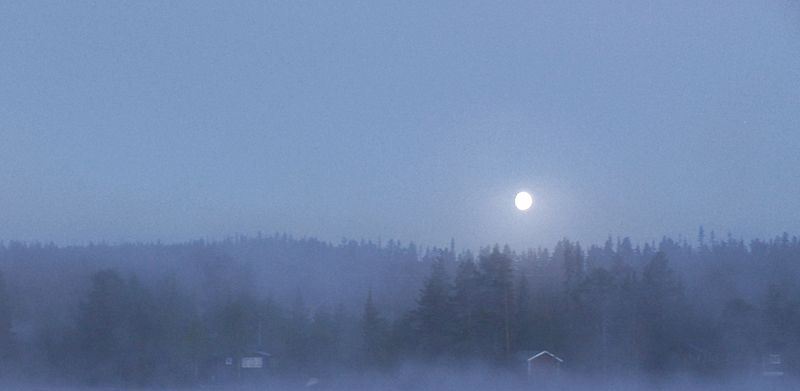
moonlight
Source: Wikipedia

Her middle-aged granddaughter’s comments 100 years later:

Seems odd that Grandma first wrote July—she must have already been half asleep when she wrote this.

Maybe Grandma’s mind was “benumbed” by all of her schoolwork.

According to a hundred-year-old book called Personal Hygiene and Physical Training for Women:

The sleepy feeling is caused by fatigue due to the circulation in the blood of toxins resulting from tissue waste, which benumb the brain-cells; while the feeling of freshness and bien-etre with which one awakens in the morning is due to the elimination of the fatigue products from the blood.

The medical authorities of today are pretty well agreed that eight hours of sleep is the minimum required for the maintenance of health, and all concede that the brainworker requires more sleep than the manual laborer.

Proscrastinate First, But Then Get to Work

17-year-old Helena Muffly wrote exactly 100 years ago today: 

Saturday, September 7, 1912:  My Saturday’s work is done for today, but I still have a heap of lessons to digest before Monday makes its appearance again. It usually takes me awhile to get myself in the notion of studying. After which I usually go to work.

Recent picture of the house and yard where Grandma lived when she wrote the diary.

Her middle-aged granddaughter’s comments 100 years later:

I’m surprised how insightful Grandma was when she realized that even though she tended to procrastinate that she would eventually accomplish the task at hand.

When I was a teen, I got mad at myself for dawdling—yet I continued to do it over and over; and never seemed to “learn” to get things started early.

I don’t think that I knew myself well enough when I was young to realize that I will eventually get a task done (and done well) even if I delay starting it. Now I see procrastination as part of the process (and a time for creative thinking).

Sweaters a Hundred Years Ago

17-year-old Helena Muffly wrote exactly 100 years ago today: 

Sunday, September 1, 1912:

What can be said of September,

Is very much I think,

But the thinking part is not with me now

Because my efforts so readily sink.

Went to Sunday School this morning. Took a slide on a bank coming out. Fortunately didn’t get myself very muddy. It’s raining now.

I have one cracker jack of a cold. Got the worst part of it yesterday going to the picnic without a coat. Hope it doesn’t last long.

Her middle-aged granddaughter’s comments 100 years later:

Sounds like a miserable day with miserable weather—and a miserable cold.

Instead of wearing a coat during the cool fall season, I wonder if Grandma ever thought about getting one of the stylish sweaters shown in the September, 1912 issue of Ladies Home Journal:

The Autumn Sweaters

With the approach of autumn the new sweaters play a prominent part in the array of apparel for outdoor wear.

A very new idea for a coat sweater is the tailored model in ivory white (Number One), with cloth collar and cuffs embroidered in worsteds. This is very modish and is not intended for a general knockabout. The cap is of white cloth also, finished with an embroidered band.

The white sweater with the striped collar and cuffs (Number Two) suggests an appropriate style for outdoor sports.