Married Sister “Taking Care” of Family

18-year-old Helena Muffly wrote exactly 100 years ago today: 

Wednesday, June 11, 1913:  Besse came out this evening to stay overnight and take care of us for Pop was away.

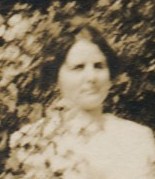
Besse (Muffly) Hester

Her middle-aged granddaughter’s comments 100 years later:

Where did Grandma’s father go? . . . and why? Farmers generally stay pretty close to home—especially during the busy planting and harvesting seasons.

Besse was Grandma’s oldest sister. She was married and lived in the nearby town of Watsontown.

Why did the family need to be cared for when their father was gone? Grandma was 18-years-old and her mother probably was also at home (at least the entry doesn’t indicate that she went anywhere).  Seven-year-old Jimmie was the only person who seems like he may have needed any care–but I don’t picture that her father was generally very involved in taking care of him.

You’d think that two adult women won’t need another one to take care of them.

Maybe what Grandma really meant was that Besse came out to help with all of the farm work. The diary entry two days ago said that Grandma’s sister Ruth had gone on a trip to Washington, DC, so the farm was short-handed by two people .

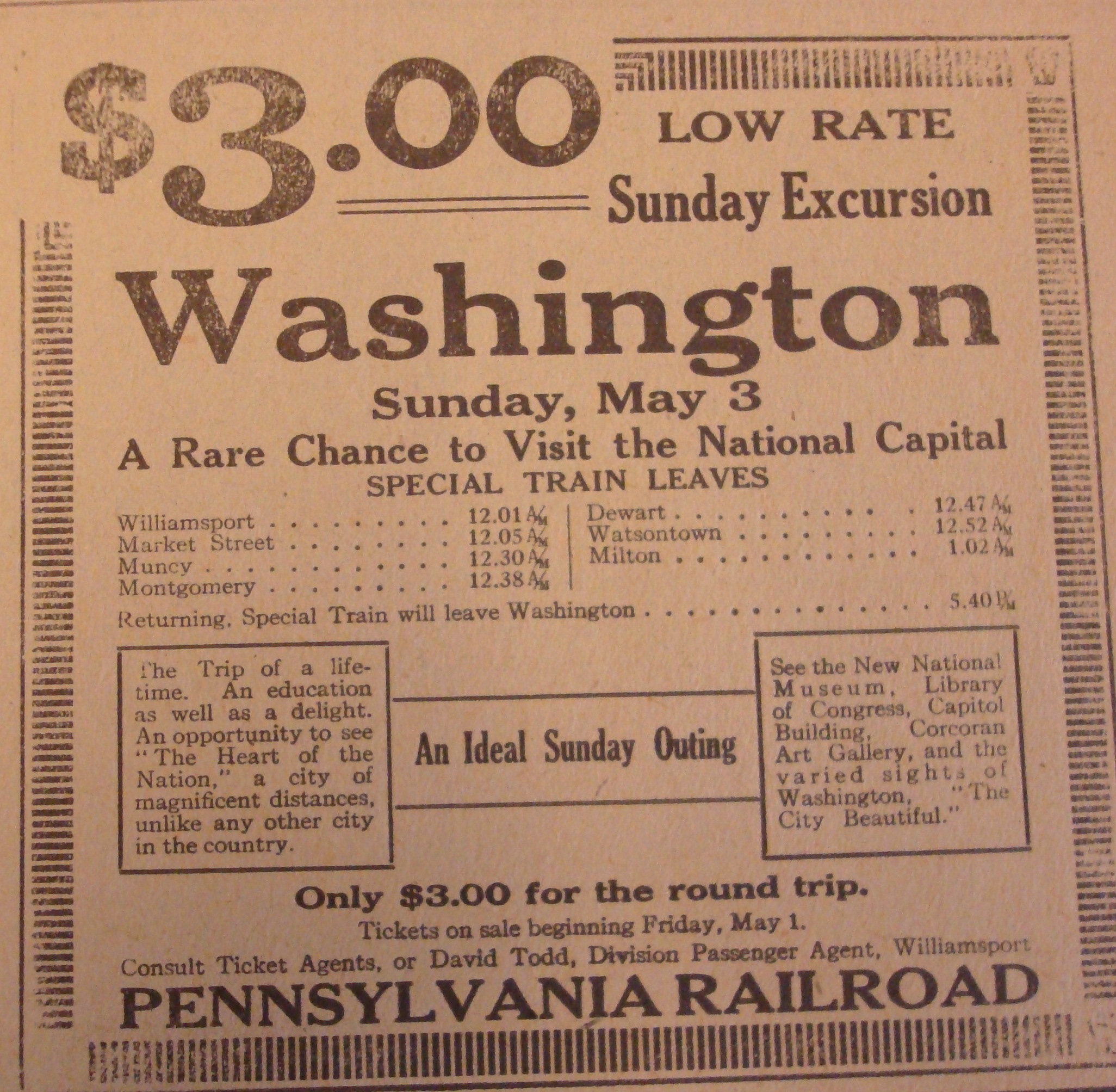
Old Washington DC Excursion Train Ad

18-year-old Helena Muffly wrote exactly 100 years ago today: 

Tuesday, June 10, 1913: Nothing much doing.

Source: Watsontown Record and Star (May 1, 1914)

$3.00 LOW RATE

Sunday Excursion

Washington

Sunday, May 3

A Rare Chance to Visit the National Capital

SPECIAL TRAIN LEAVES

Williamsport . . . 12:01 A.M.

Market Street. . . 12:05 A.M.

Muncy . . . 12:30 A.M.

Montgomery. . . 12: 38 A.M.

Dewart. . . 12:47 A.M.

Watsontown . . . 12:52 A.M.

Milton. . . 1:02 A.M.

Returning, Special Train will leave Washington. . . 5:40 P.M.

The Trip of a life-time. An education as well as a delight. An opportunity to see “The Heart of the Nation,” a city of magnificent distances, unlike any other city in the country.

An Ideal Sunday Outing

See the New National Museum, Library of Congress, Capitol Building, Concoran Art Gallery, and the varied sights of Washington, “The City Beautiful.”

Her middle-aged granddaughter’s comments 100 years later:

Grandma’s sister Ruth left the previous day for a week-long trip to Washington DC.

Today the 200 mile drive from McEwensville to Washington DC takes at least 3 1/2 hours. I have no idea how low the train ride was a hundred years ago.

It is not what Ruth did, but I was surprised to discover that back then there were one-day excursion trips to DC from central Pennsylvania. The train left Williamsport right after midnight—and picked up people in several nearby towns and then raced to DC. The route would be reversed in the evening.

Imagine the excitement of catching a train in the middle of the night—and pulling into Union Station at dawn. . . and seeing the capitol outlined in the early morning sunlight.

Dang—I almost put myself into the story—and was ready to book a seat on the next excursion train; then I remembered that it was 2013.

Sister Visits Washington, DC

18-year-old Helena Muffly wrote exactly 100 years ago today: 

Monday, June 9, 1913: Our dear Ruthie left this morning for Washington DC. Wonder what I will do without. She won’t be home for a week at least. I surely will be lonely while she’s gone.

Am fixing my last summer’s white dress. It got too tight around the waist. Isn’t that a calamity?

DC.capitol.1913
Post card of US Capitol, Washington, DC (circa, 1913)

Her middle-aged granddaughter’s comments 100 years later:

Even today, trips to Washington, DC are often considered really special trips. I wonder why Grandma’s sister Ruth went to DC. Was it a holiday trip with friends?

. . . Or maybe the trip was work related. Ruth was a teacher at a one-room school house—maybe teachers were able to take trips to DC for professional development reasons.

Post card of Union Station,Washington, DC (circa 1913)

In any case, Grandma sounds bummed. Is she most concerned about the extra work she’d have to do (there were definitely more cows to milk twice a day without Ruth, and probably lots of other additional chores). . . or about being lonely without a sister to talk with?

And, any day is a bad day when you realize you’ve gained a few pounds.

Which Margaret Does the Diary Entry Refer to?

18-year-old Helena Muffly wrote exactly 100 years ago today: 

Sunday, June 8, 1913:  Went to Sunday School this morning. From there I went along home with Margaret. Spent the afternoon and I came home later on.

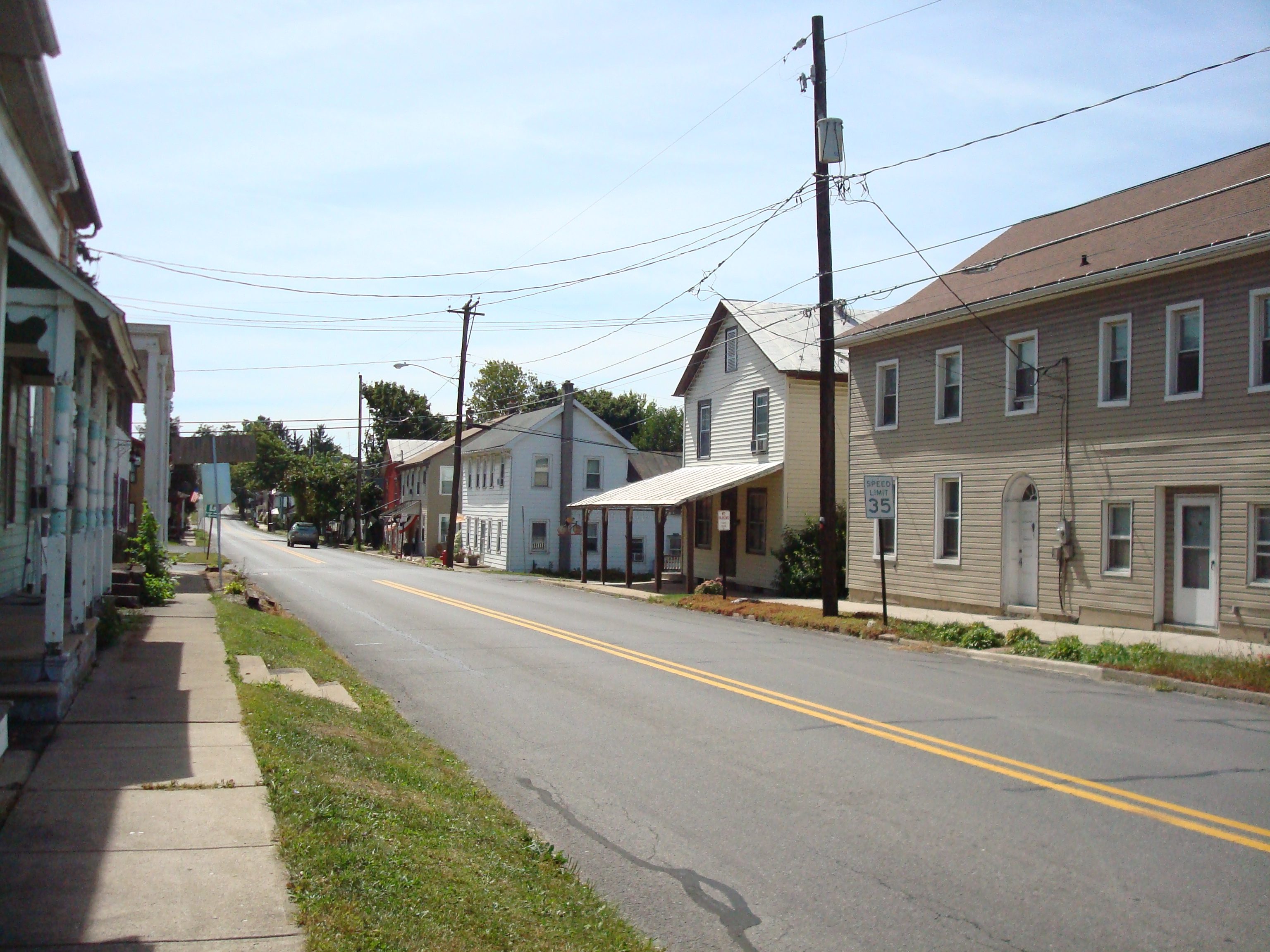
2010 photo of the same section of Main Street, McEwensville.
I can picture Grandma and Margaret happily chatting as they walked down this street on a nice June day a hundred years ago.

Her middle-aged granddaughter’s comments 100 years later:

Another minor mystery–Margaret could refer to one of two friends:  Margaret Bryson or Margaret G. (I don’t know Margaret G.’s last name. )

My gut feeling is that Grandma went home with  Margaret Bryson after Sunday School (though I don’t think that Margaret Bryson generally attended the same church–the McEwensville Baptist Church– as Grandma), because she is the Margaret most recently mentioned in the diary. She was the sister of Blanche Bryson and on May 13, 1913, Grandma wrote:

 . . . The Bryson girls were down.

But, then again, Margaret might refer to another friend, Margaret G. On January 29, 1913 Grandma wrote:

. . . Margaret G. came home with me to stay till tomorrow. We had a dandy time this evening, although I am afraid our lessons suffered some. Rufus made candy. And so the evening went.

I’d like to thank Janet Shuman for making a comment on the previous post about the Bryson girls. She told me that Margaret was the name of Blanche’s sister.  Janet is related to the Brysons—and  her comments have really helped me learn more about them.

What Did Wedding and Engagement Rings Cost a Hundred Years Ago?

18-year-old Helena Muffly wrote exactly 100 years ago today: 

Thursday, June 5, 1913:  Nothing doing, therefore not worth writing about.

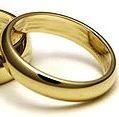
Photo source: Wikipedia

Her middle-aged granddaughter’s comments 100 years later:

Since Grandma again didn’t write much, I’m going to continue with the advice that “Aunt Harriet,” an advice columnist in Farm Journal, gave young men in the April, 1913 issue.

Yesterday, I posted Aunt Harriet’s answer to the question, “How much should I spend on a day’s outing with a young lady I hope to win for my wife?”

Assuming, all went well with the outing, young men apparently had a follow-up  question:

“How much should I spend on an engagement ring?” and “How much does a wedding-ring cost?” are questions frequently asked me by anxious young men.

Because the last question is the easiest to answer, we will take that first. A 14-karat ring will cost about $3, while one of 18-karat gold will cost from $5 to $8. What is known as an English ring is the best style. It is narrow, thick, and rounded, inside and out, making it comfortable and durable.

The cost of an engagement ring should be determined by the circumstances of the happy pair. While for years the solitaire diamond has been first choice for such rings, other settings are permissible, and when it comes to a choice between an engagement ring and a balance for necessities or emergencies, the wedding-ring may be made to serve both purposes and the happiness of the marriage will not suffer thereby.

While you can buy a diamond ring as low as $15, the stone will be small and, while genuine, not of the best quality. The average size costs about $100. It requires a good income to live up to such a ring, and a sensible girl would rather have that money in the bank, or invested in home comforts or furnishings.

Of late years it has become quite customary to use the birthstone of the young lady for the engagement ring, and these can be had in a variety of settings and at various prices.  . .

Pricked Two Fingers

18-year-old Helena Muffly wrote exactly 100 years ago today: 

Tuesday, June 3, 1913: Had the luck to prick two of my fingers. They hurt some for awhile.

pillow.cases

Her middle-aged granddaughter’s comments 100 years later:

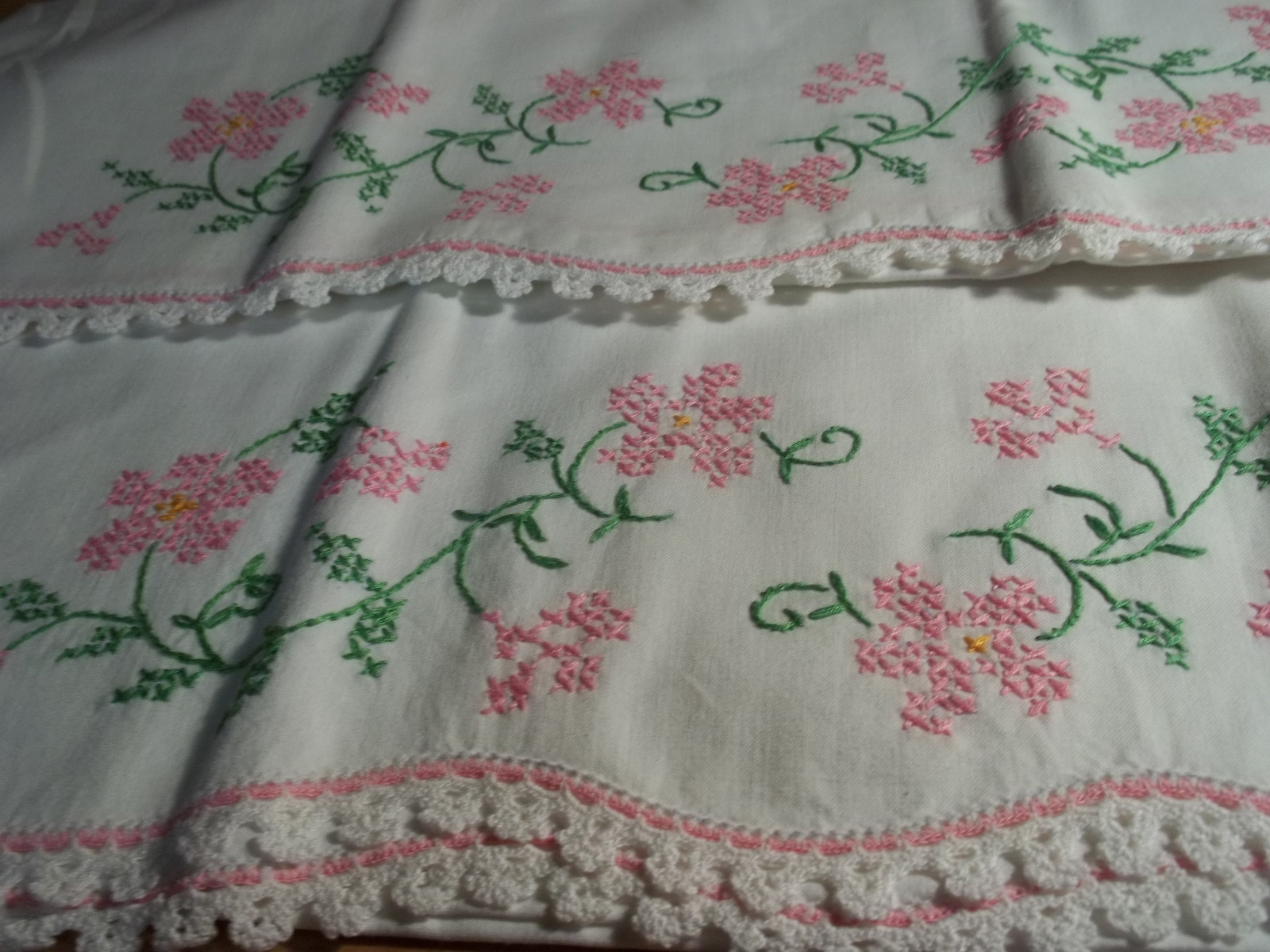
Hmm—any ideas how Grandma might have pricked two fingers? She could have easily pricked one while doing embroidery, mending  dress or  her father’s torn bib overalls, or doing other hand sewing—but two?

Percentage of US Population Affiliated with Various Religions, 1913 and 2013

18-year-old Helena Muffly wrote exactly 100 years ago today: 

Sunday, June, 1913:  

What is so rare as a day in June ,

For then if ever comes perfect days,

When song of bird and hum of bees

Bring to us fair summer’s sweetest day.

Went to Sunday school this afternoon. Took my time a getting home. I heard some of the best speaking I have ever listened to this evening. A converted Jew talked about some of the customs of the Jewish people in the Reformed Church at McEwensville.
Religious.Affiliation

Her middle-aged granddaughter’s comments 100 years later:

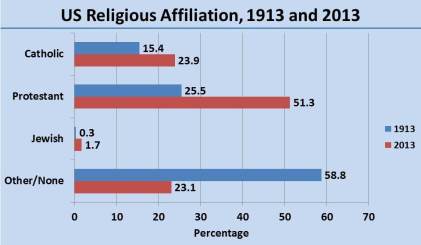
Grandma’ diary entry made me wonder: What percentage of the US population were considered members of the various religions in 1913 and 2013?

I discovered that this was a much more difficult question to answer than I thought it would be.  The data on religious affiliations were collected very differently in the early 1900s than how it is gathered now—so when the data are compiled to do a comparison, it’s kind of like comparing apples to oranges.

This gets complicated, but let me try to explain what I did to create the figure above:

In the early 1900s , the US Bureau of the Census conducted a religious census every ten years.  Religious leaders were asked how many members their congregation had; whereas in recent years, various non-profit organizations have conducted surveys where they asked a sample of the population about their religious preferences.  As a result of these differences in methodology many more people were considered to have no religious affiliation a hundred years ago than now.

Calculation of 1913 Percentages

For the figure above, I used data from an article titled “U.S. has 42,043,374 Members of Church, New Census Shows” in the May 2, 1918 issue of the Minneapolis Morning Tribune. According to the article:

The term ‘members’ has  a wide variety of uses. In most Protestant bodies it is limited to communicants or confirmed members; in the Roman Catholic, Eastern, and some other churches it includes all baptized persons, while in some bodies it covers enrolled persons.

The membership for the Jewish congregations requires some explanation. Some congregations reported as members all who contribute to the treasury of the congregation and not infrequently included women and children. The more orthodox, of the other hand, reported only those males who have incorporated the institution or have bought share or membership in it, but do not recognize as members other persons who are regular attendees or even contributors.

For the figure, I used data from the 1916 Religious Census, as reported in the Minneapolis Morning Tribune article, since this was the one done closest to a hundred years ago.  To calculate the percentages I used the US population estimate for 1916 as reported by the US Bureau of the Census. I assumed that the percentage of the population who were members of various religions did not change much between 1913 and 1916 when creating the figure.

Calculation of the 2013 Percentages

For the 2013 percentages, I used data from a survey conducted by the Pew Research Center.  Phone interviews were used to survey a sample of the US population. Respondents were asked which religion they identified with.

The survey was conducted in July, 2012—and I assume that the percentages have not changed significantly since then.

Monthly Poem

On the first of each month Grandma included a poem in the diary. For more information about the poems, see a previous post:

Monthly Poem in Diary