A Day to Relax and Develop Film

18-year-old Helena Muffly wrote exactly 100 years ago today: 

Thursday, October 2, 1913: Ma and I staid at home today, while the rest of the family attended the Fair. To while away the time I got at my pictures and was quite satisfied with the result.

Source: Ladies Home Journal (May, 1913)
A woman developing film (photo source: Ladies Home Journal: May, 1913)

Her middle-aged granddaughter’s comments 100 years later:

Grandma–

Yeah! You got a free day when you could relax and enjoy your hobbies.

When I first read this diary entry, I felt sad that you didn’t get to go to the Milton Fair—but when I reread it I decided that you didn’t care.

You’ve worked so hard helping with the corn harvest—and I bet it feels really good that when your dad took a day off to go to the fair, you also got the day off.

You enjoy photography so much, and I can just picture you developing a roll of film and getting some awesome pictures.

.

Fairs A Hundred Years Ago

 18-year-old Helena Muffly wrote exactly 100 years ago today: 

Wednesday, October 1, 1913:

October comes with the colder days.

Dresses the trees in gayest attire.

Garners the harvest in fields far and near

Into great heaps that all may admire.

This is Fair Week but not so the weather. Not going this year, so I won’t take it as hard as some.
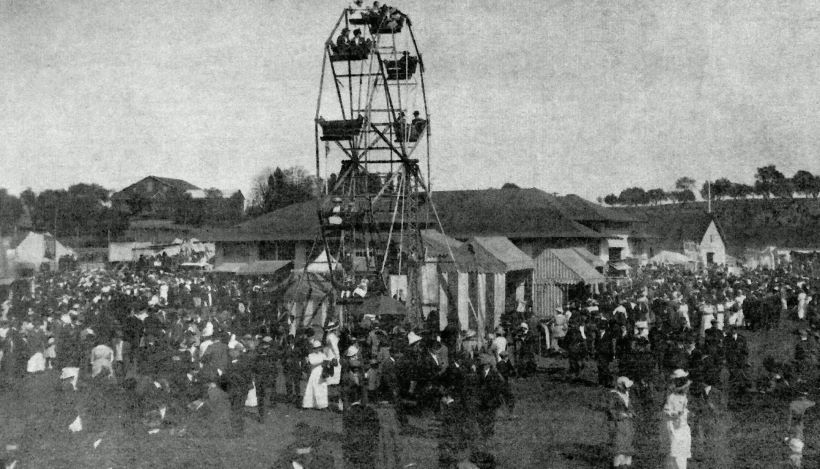
Milton.Fairground_ferris_wheel_Milton Fairgrounds (This picture may have been taken a few years after Grandma wrote this diary entry). Photo source: Milton History. org.  Used with permission.

Her middle-aged granddaughter’s comments 100 years later:

Grandma –

Why aren’t you going to the Milton Fair? You had so much fun last year and even saw an airplane:

Saw a flying machine whirling aloft in the air for at least 10 minutes. I think twas quite a sight to see.

October 3, 1912

There are so many reasons people attend fairs. Here’s what the October, 1913 issue of Farm Journal said about the purpose of fairs:

The word fair, as now used in America, has lost much of its Old world meaning. In this country the fair, whether we call it a world’s fair or a state fair, a county fair or district fair, is an industrial exhibition. And this is as it should be.

It places the fair on a strictly business basis; it makes of it a practical, helpful thing. Conducted on an industrial, practical line, the fair is designed to help both the farmer and the city resident. It is the common meeting ground of all classes. At the fair the man who produces and the man who buys, the grower and the manufacturer, get together. They learn what each is capable of doing, and ascertain each other’s need.

It is remarkable how much benefit we can get out of the fair when we attend filled with a desire to learn—to gain something worthwhile.

The farmer who is seen “taking notes” at a fair—jotting down the name of this big apple, the weight of that monster pumpkin; who writes down all the information he can get about caring for hogs, poultry raising, feeding; who investigates the new kinds of machinery, and secures all available figures about up-to-date methods—that farmer will make his trip to the fair a valuable thing. He can do this and still have plenty of time to accompany his family to the side show, to take a whirl on the merry-go-round, or throw a ball at the doll babies.

Monthly Poem

For information about the monthly poems sees this previous post:

Monthly Poem in Diary

.

What a Difference a Year Makes

18-year-old Helena Muffly wrote exactly 100 years ago today: 

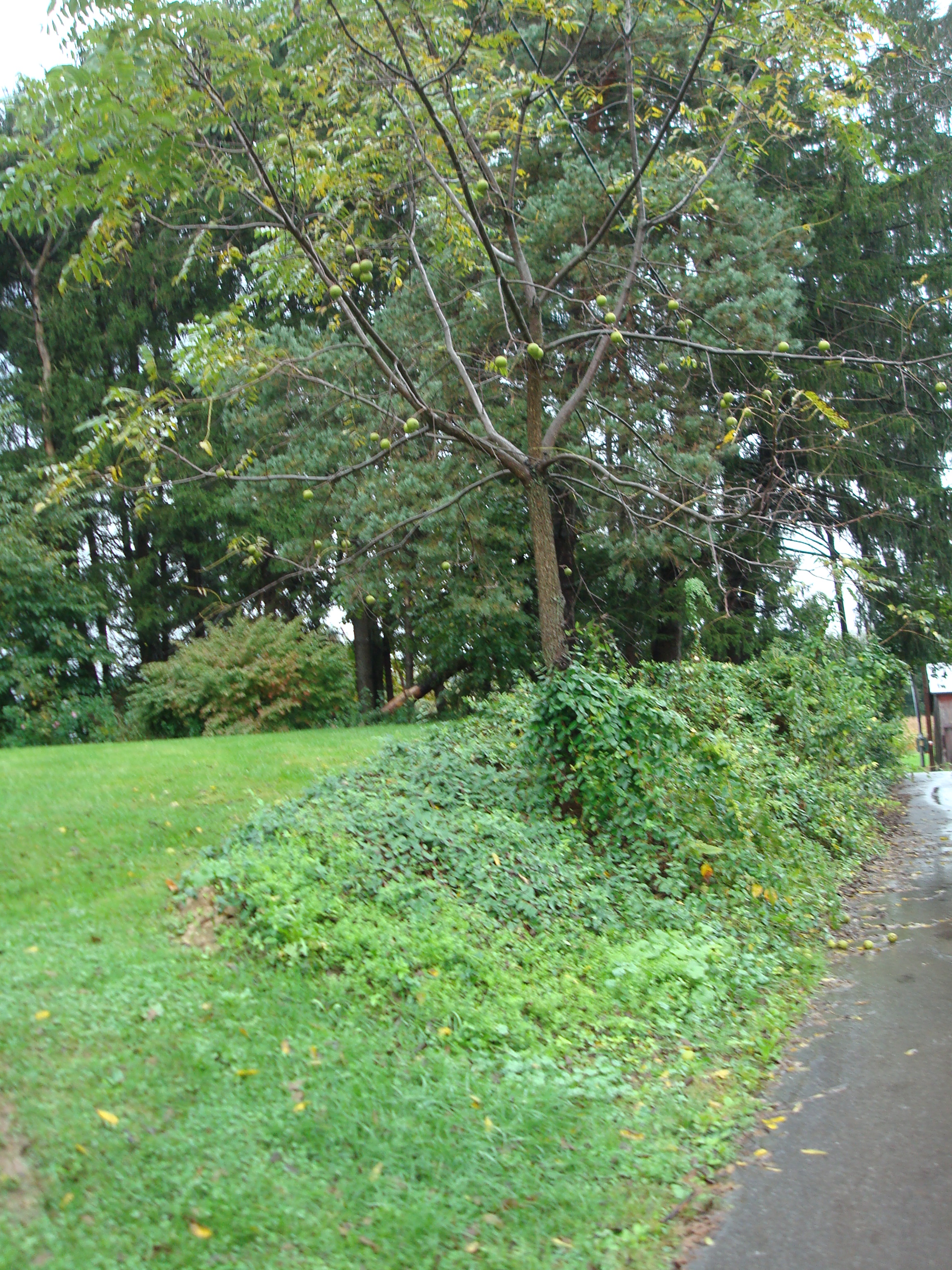
Tuesday, September 30, 1913:  These days have come and gone. They ground me working on my job.

DSC04610

Her middle-aged granddaughter’s comments 100 years later:

Grandma–

You work so hard on the farm—husking corn, digging potatoes, rolling fields in preparation for planting wheat—the list could go on and on.

I know that your life working on the family farm is fairly typical of the lives of many young unmarried women a hundred years ago. . . so I assume that your life just feels normal to you.

But . . .sometimes I wonder if your current jobs and tasks are fully utilizing your knowledge and skills.

Exactly one year before you wrote this entry, you were a high school senior  and wrote:

Our class had a meeting this evening after school. I had the misfortune to be elected secretary. But better, or rather it suits me better to have been that, than president or treasurer would have suited me.

September 30, 1912

You always write in such a matter of fact way.  I hope you feel good about what you are doing—and that you think that your work suits you well.

.

1913 Publisher’s Weekly Bestsellers

 18-year-old Helena Muffly wrote exactly 100 years ago today: 

Sunday, September 28, 1913: Went to Sunday School this morning. Most of the people went away this morning leaving Ma and me at home. I got pretty lonesome for awhile, but afterwards got company.

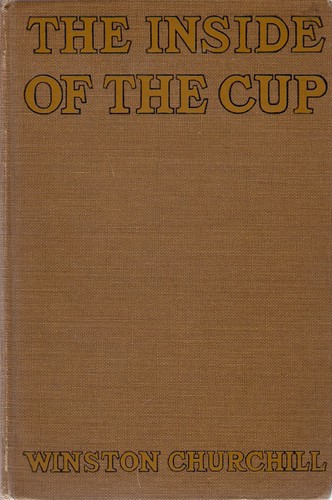
The.inside.of.the.cup

Her middle-aged granddaughter’s comments 100 years later:

I suppose Grandma and her mother had to stay home to feed the livestock and milk the cows. Where did everyone else go?

Before the company came, what did Grandma do? Maybe she read a book. When I’m lonely I often read books.

A few weeks ago, I gave you a list of 1913 books that are still popular according to Goodreads.

I’ve found another list of books—the Publishers Weekly list of 1913 bestselling novels.

The lists are very different—many of the 1913 bestsellers were written by authors I’ve never heard of –and many of the books that stood the test of time were sleepers a hundred years ago.

Bestselling Novels in 1913

1. The Inside of the Cup by Winston Churchill

2. V.V.’s Eyes by Henry Sydnor Harrison

3. Laddie by Gene Stratton Porter

4. The Judgment House by Gilbert Parker

5. Heart of the Hills by John Fox, Jr.

6. The Amateur Gentleman by Jeffrey Farnol

7. The Woman Thou Gavest Me by Hall Caine

8. Pollyanna by Eleanor H. Porter

9. The Valiants of Virginia by Hallie Erminie Rives

10. T. Tembarom by Frances Hodgson Burnett

Hmm. . . I read Pollyanna when I was a child. I think that it’s the only book of this list that I’ve ever heard of.  I wonder if people still read it.

I googled The Inside of the Cup by Winston Churchill, and discovered that there were two Winston Churchill’s—the British statesmen and the American novelist who wrote this book.


.

What Did 18-year-old Girls Think About a Hundred Years Ago?

18-year-old Helena Muffly wrote exactly 100 years ago today: 

Saturday, September 27, 1913:  Ditto

Her middle-aged granddaughter’s comments 100 years later:

The previous day Grandma wrote that she was “still pegging away.” In order words, she was using a husking peg to remove the husks from corn as it was being harvested.

Photo source: Wikimedia Commons

Click here to see an awesome YouTube video of people husking corn the old-fashioned way at the 2009 Nebraska State Hand Corn Huskers competition.

Husking corn sounds like a mindless, repetitive  task.  I bet that Grandma’s mind wandered while she pegged away.

What was Grandma thinking? . . . hmm, what did I think about when I was 18? . . . guys? . . . my friends?. . . chores? . . . nice things someone said about me? . . . not so nice things that others might be whispering about me?  . . . books I was reading? . . . the future? . . .

.

Corn Husking Pegs

 18-year-old Helena Muffly wrote exactly 100 years ago today: 

Friday, September 26, 1913:  Still pegging away.

husking.peg.crop
Corn Husking Peg

Her middle-aged granddaughter’s comments 100 years later:

The previous day Grandma wrote that she was “on duty out in the corn field.”  This diary entry makes it clearer how she was helping with the corn harvest.

Grandma was using a corn husking peg, and “pegging away” at husking corn.

After the corn ears were broken off the stalks, they were husked by hand using a husking peg.

Lehman’s still sells Finger-loop Corn Husking Pegs.  According to their website:

To use, slip over first three fingers, push peg under husk, grab with thumb and pull.

.

On Duty in the Corn Field

 18-year-old Helena Muffly wrote exactly 100 years ago today: 

Thursday, September 25, 1913:  Went to Watsontown this morning. I’m on duty now out in the corn field. The beginning took place this afternoon. Somehow or other I imaged I would accomplish more than what I did. This is an opportunity to earn some money of which I always seem in need.

DSC06518

Last year on the farm where Grandma grew up, there was corn in the field right next to the barn.  Was Grandma working in the same field a hundred years ago today?

Her middle-aged granddaughter’s comments 100 years later:

Grandma, I’m glad you’re earning some money, but exactly what are you doing in the corn field? It’s the right season to harvest corn, so I suppose that you are somehow helping with it.

.