Shift From Classical High Schools to Modern 4-Year Ones

16-year-old Helena Muffly wrote exactly 100 years ago today: 

Thursday, March 14, 1912: I wrote out the meaning of that wonderful poem today. I hope I have it as it should be. Am coming to some terrible hard propositions in geometry. The one we have for tomorrow seems so hard for me.
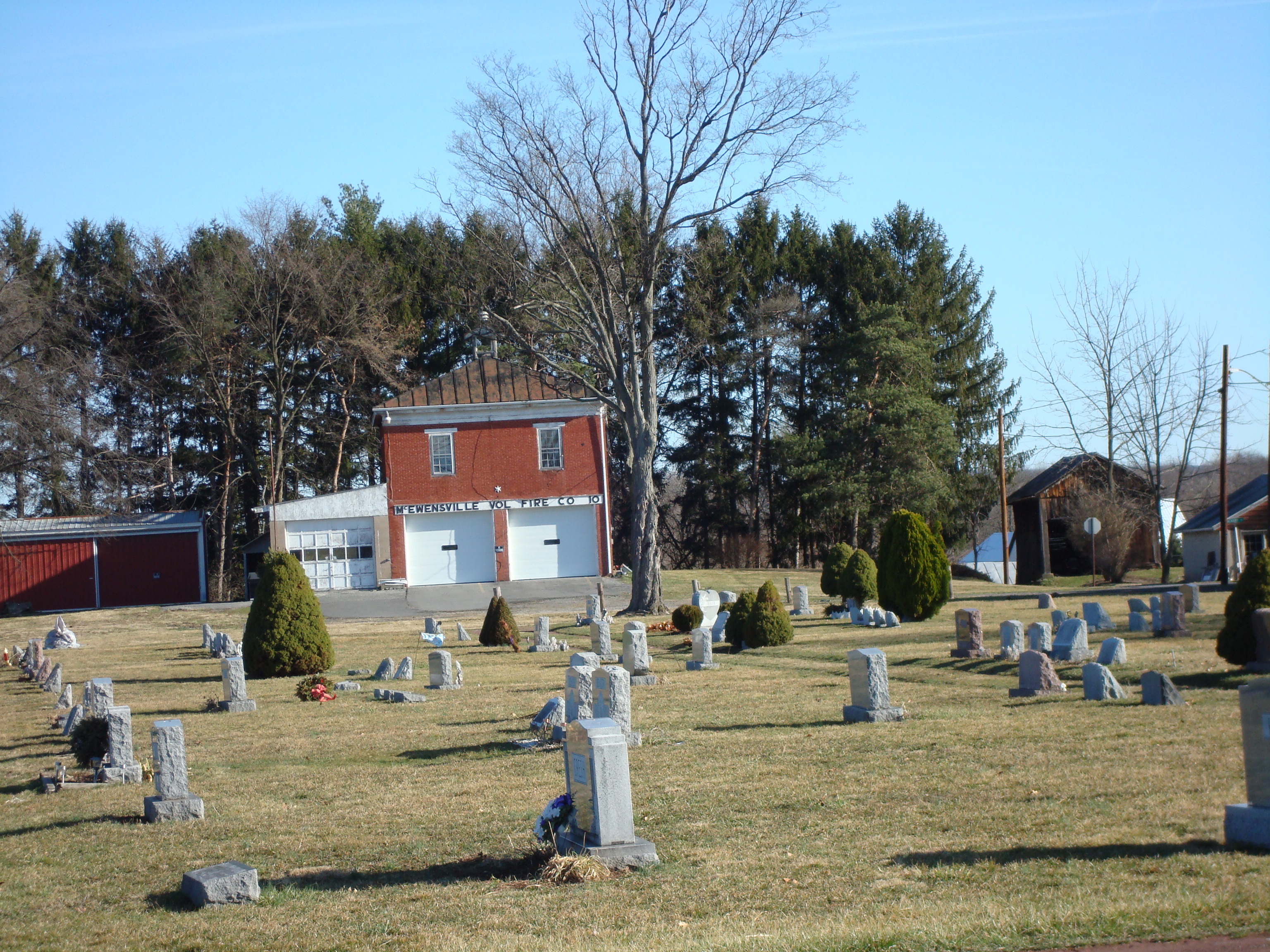
Recent photo of building that once housed McEwensville High School.

Her middle-aged granddaughter’s comments 100 years later:

Did Grandma’s high school courses prepare her for the life she lived?

Grandma attended McEwensville High School—a small classical 3- year high school.  She studied geometry (and Latin)—and literature. Grandma did not go to college—and never had a career.

In the early 1900’s there was a lot of discussion about whether a classical high school education met the needs of some students.

About five miles from McEwensville a modern high school was being built in Milton. There was a movement towards larger 4-year general high schools that offered a wider range of courses and different tracks (commercial, home economics, etc.).

Over the next few years, more students from McEwensville attended the more modern high school in Milton (as well as the high school in Watsontown). And, in 1921, McEwensville high school closed because of lack of students.

(The building continued to house an elementary school until 1958.)

Dehorning a Cow

16-year-old Helena Muffly wrote exactly 100 years ago today: 

Friday, March 8, 1912:  I think I came out fairly in General History today. I remembered all of my speech, but as my custom is I never get enough pauses and proper way of speaking in the thing. This time it was too fast. Are going to have them again next Friday. They ought to be pretty well digested by that time.

Mollie was shorn of her horns today. Poor thing, I hope she won’t kick the bucket. But I don’t think she will.

Photo source: The Farm Dairy (1908) by H. B. Gurler

Her middle-aged granddaughter’s comments 100 years later:

Mollie was Grandma’s cow. Based on previous diary entries it seems as if each of the Muffly girls owned one the family’s cows.

Mollie had her first calf the previous August, so probably was about 2 1/2 years old when this diary entry was written.

I’m surprised that Mollie’s horns were removed when she was so old. I think that typically horns would either be removed when the cow was younger than this—or the cow would never be dehorned. My gut feeling is that Mollie was acting aggressively toward other cows with her horns—and that as a result ended up being dehorned.

The horns would have been cut off with a tool designed for that purpose. Mollie probably bled quite a bit afterwards—and there would have been the risk of infection.

Dehorning would have been very painful for a few days—though I doubt that there was much chance that the dehorning might actually cause a cow to die (kick the bucket).

The Tennessee Extension Service has a publication that explains how cattle are dehorned. See page 6 for a description of how older cattle are de-horned. I don’t think that the process has changed much in the last hundred years.

Exams, Recitations, and Spring Approaching

16-year-old Helena Muffly wrote exactly 100 years ago today:

Wednesday, March 6, 1912:  Examinations are slowly approaching the horizon, and they will soon be in sight. We have one next Friday just before the awful recitations.

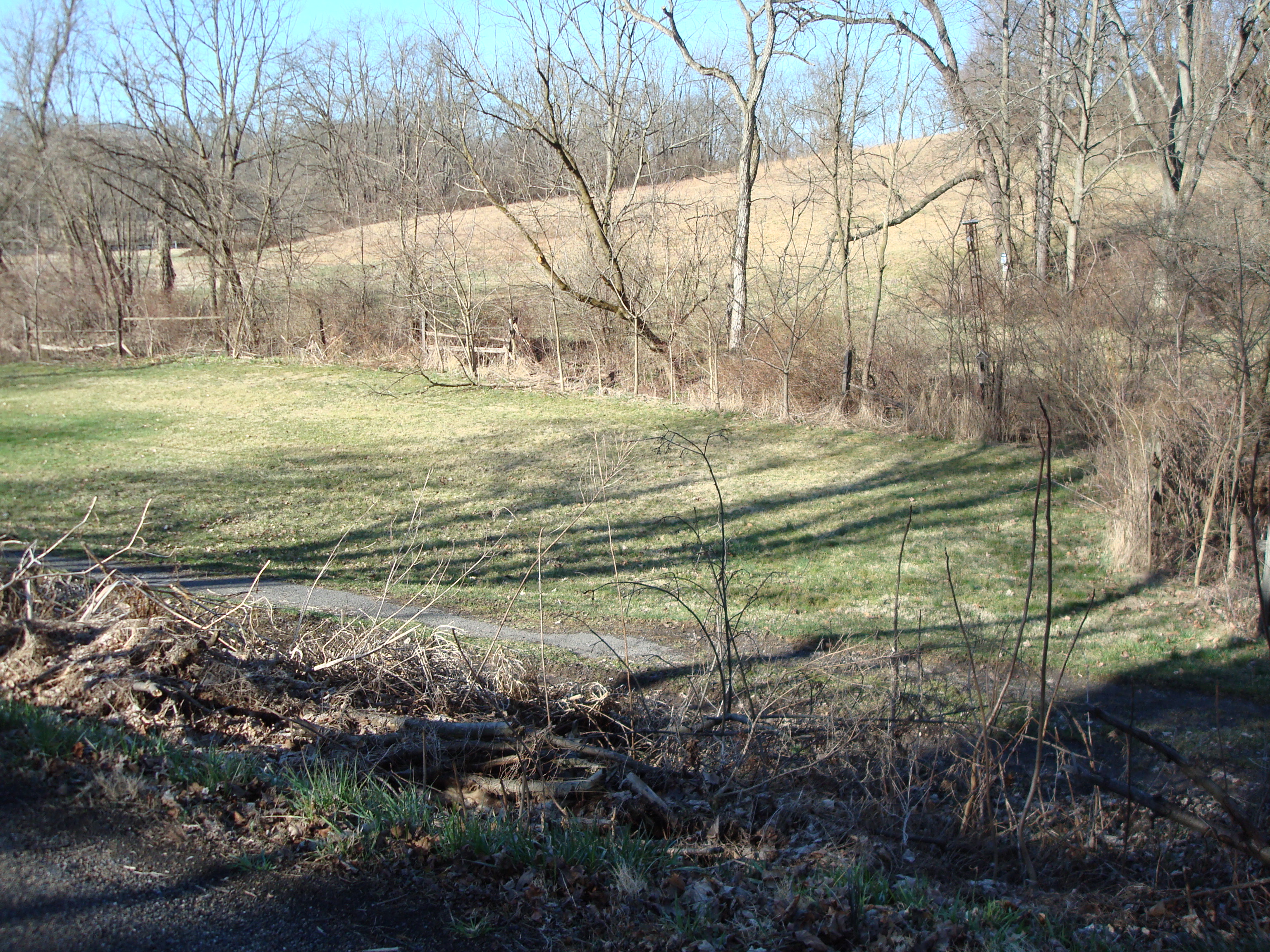
Recent view of field across the road from the house that Grandma lived in.

Her middle-aged granddaughter’s comments 100 years later:

Grandma had a lot on her plate when she wrote this entry. Her February grades were lower than she’d hoped so she wanted to do better on the upcoming exams—and she was struggling to memorize an “abominable piece of poetry.”

At least spring was approaching– and, maybe the essence of spring in the air compensated a little for all of the school drudgery.

Trying to Memorize an Abominable Poem

16-year-old Helena Muffly wrote exactly 100 years ago today: 

Tuesday, March 5, 1912: I’m trying to commit that abominable piece of poetry to memory and it’s no easy task either, although it is short in the extreme. I only hope I know it, when the time comes to say it.

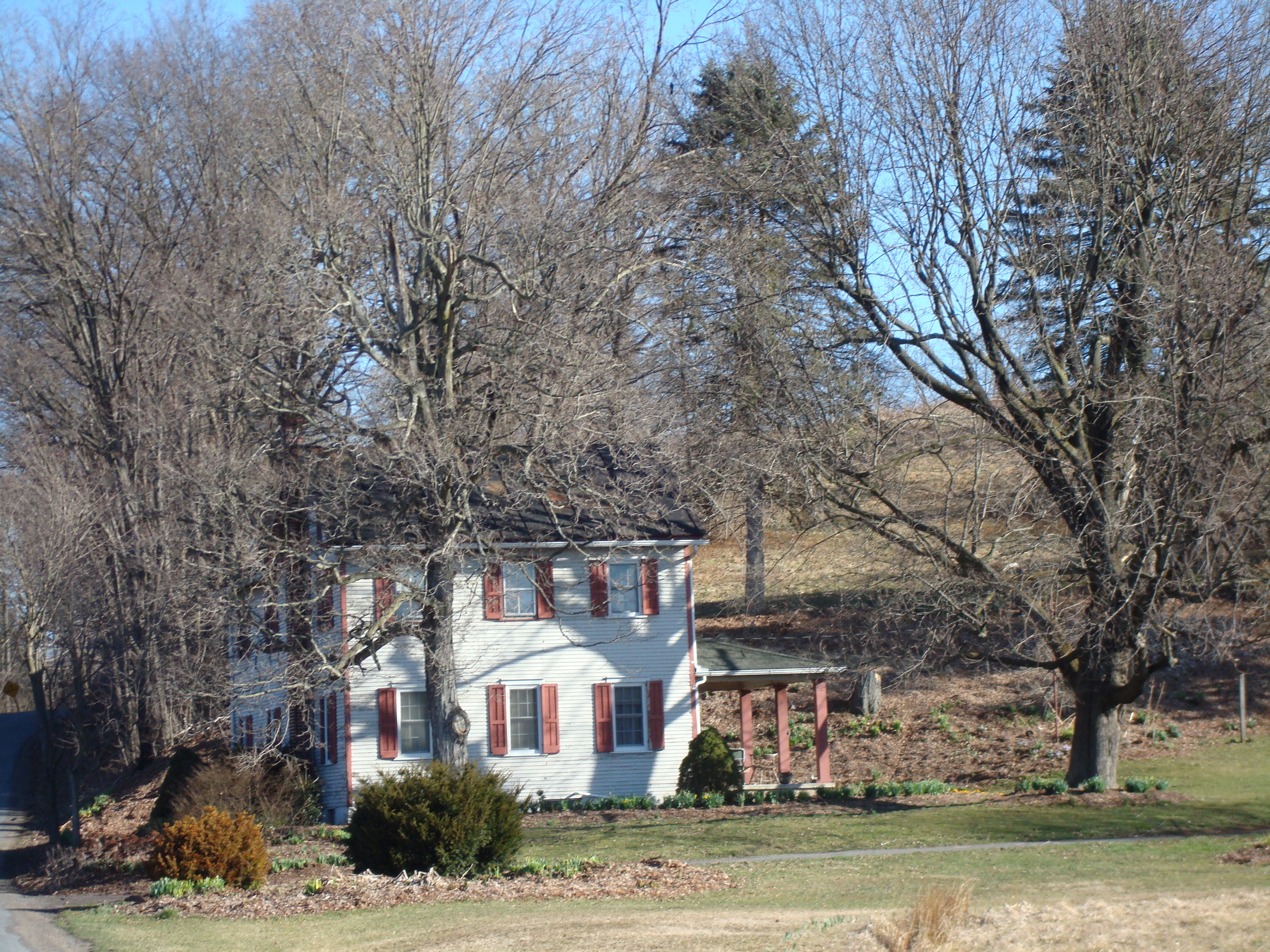
A hundred years ago Grandma was sitting inside this house trying to memorize an abominable poem.

Her middle-aged granddaughter’s comments 100 years later:

What could the abominable poem have been?  A hundred years ago people memorized recitations, poems, and Bible verses more than they do today.

Grandma generally did not complain about needing to memorize something. For example, one Sunday she memorized  27 Bible verses. This poem must have had some very difficult text (a dialect perhaps??).

The Poem of Quotes website provides information about lots of 18th and 19th century poets and poems.  I browsed through it, but am not familiar enough with old poetry to even guess which poem Grandma was trying to memorize.

Took Little Brother to Sunday School

16-year-old Helena Muffly wrote exactly 100 years ago today: 

Sunday, March 3, 1912:  Went to Sunday School this morning. Took Jimmie along with me. He seems to like going very much, but looked afraid at first.

Carrie was over this afternoon. Ruth and I accompanied by Tweet went over to church this evening. Coming home we got a ride with a young friend of Ruth’s.

Jimmie Muffly

Her middle-aged granddaughter’s comments 100 years later:

There are lots of names in this diary entry. In case you don’t have them all straight I’ll recap who everyone was. Ruth was Grandma’s older sister, and Jimmie was her 6-year-old brother. Carrie Stout and Tweet (Helen) Wesner were friends of Grandma and Ruth.

It’s somewhat surprising that Jimmie didn’t typically go to Sunday School.  Actually, based upon the diary entries, it seems as if their parents didn’t generally go to church or Sunday school. Grandma probably was attending Sunday School at the McEwensville Baptist Church.

Teachers’ Institute

16-year-old Helena Muffly wrote exactly 100 years ago today: 

Saturday, March 2, 1912:  Well I really think I worked pretty good today. I put things in order and washed up and a lot more that comes under Saturday duties .Ruth was up to Turbotville attending Teachers’ Institute so you see I had to be busy. Tweet is here this evening.

Recent photo of Turbotville Community Hall. The building was once a high school and the Teachers' Institute probably was held here.

Her middle-aged granddaughter’s comments 100 years later:

Grandma’s 20-year-old sister Ruth was a teacher at one of the one-room schoolhouses near McEwensville. Ruth had graduated the previous spring from high school and immediately got a teaching position.

A hundred years ago teachers weren’t required to attend college, though they had to pass tests in various content areas.  The Saturday teachers’ institute would have provided training and professional development.  And, it would have been a wonderful opportunity for the teachers in scattered isolated schools to gather, compare notes, and provide support for one another.

Tweet refers to Helen Wesner. She was a friend of Grandma and Ruth.

Cleopatra

16-year-old Helena Muffly wrote exactly 100 years ago today: 

Friday, March 1, 1912:  

March

This month signifies that the winter is passing.

And soon will be the Springtime

With all its bright scenes and soul stirring dreams,

And memories so long and so dear.

After a whole week of trying to get a theme in readiness, I finished the thing at noon. It came under General History. Cleopatra was what I had to write about. I got it so as to suit my satisfaction. But of course there were some mistakes.

Late 19th century painting of Cleopatra by Jean-Leon Gerome--Maybe this is what Grandma pictured Cleopatra looking like. (Source: Wikipedia)

Her middle-aged granddaughter’s comments 100 years later:

How did Grandma end up writing about Cleopatra? Did she choose the topic? (If so, why?) . . . or did her teacher assign it? (If so, why did he assign it to her instead of to another student?)

The way I picture Cleopatra is strongly affected by the 1960s movie with Elizabeth Taylor and Richard Burton.—and I can’t quite envision how people thought about her a hundred years ago.

Was Cleopatra’s beauty, charm and ability to control men generally seen in a positive or a negative light back then? The suffragettes were very active a hundred years ago. Do they see Cleopatra as a role model or as a failure of the past to allow women appropriate roles?

Monthly Poem

One the first day of each month Grandma begins the entry with a poem.  It’s almost spring! Yeah!