17-year-old Helena Muffly wrote exactly 100 years ago today:
Monday, April 1, 1912:
April
Bidding adieu to Winter
Welcoming the approaching Spring
So comes the months of spring time.
How merrily the birds doth sing.
I was fooled once and only once today. While in a hurry this evening I landed on the ground. I don’t think I hurt myself any, but I did bump my knees.
Her middle-aged granddaughter’s comments 100 years later:
I knew my elderly Grandmother. Her diary provides a window into what she was like as a teen. It’s fun to see how remnants of the fun, quirky teen in this diary were part of Grandma’s personality throughout her life.
Last year several relatives wrote guest posts about their memories of Grandma. My cousin Anne Marie wrote about an April’s Fools day when Grandma was in her late 60’s or early 70’s.
One April Fools Day Grandma took an old newspaper from her basement and carefully glued all of the pages together and quietly placed it in our newspaper box. I can still hear Mom laughing when she tried to read the paper that day and it didn’t take her long to figure out who the prankster was.
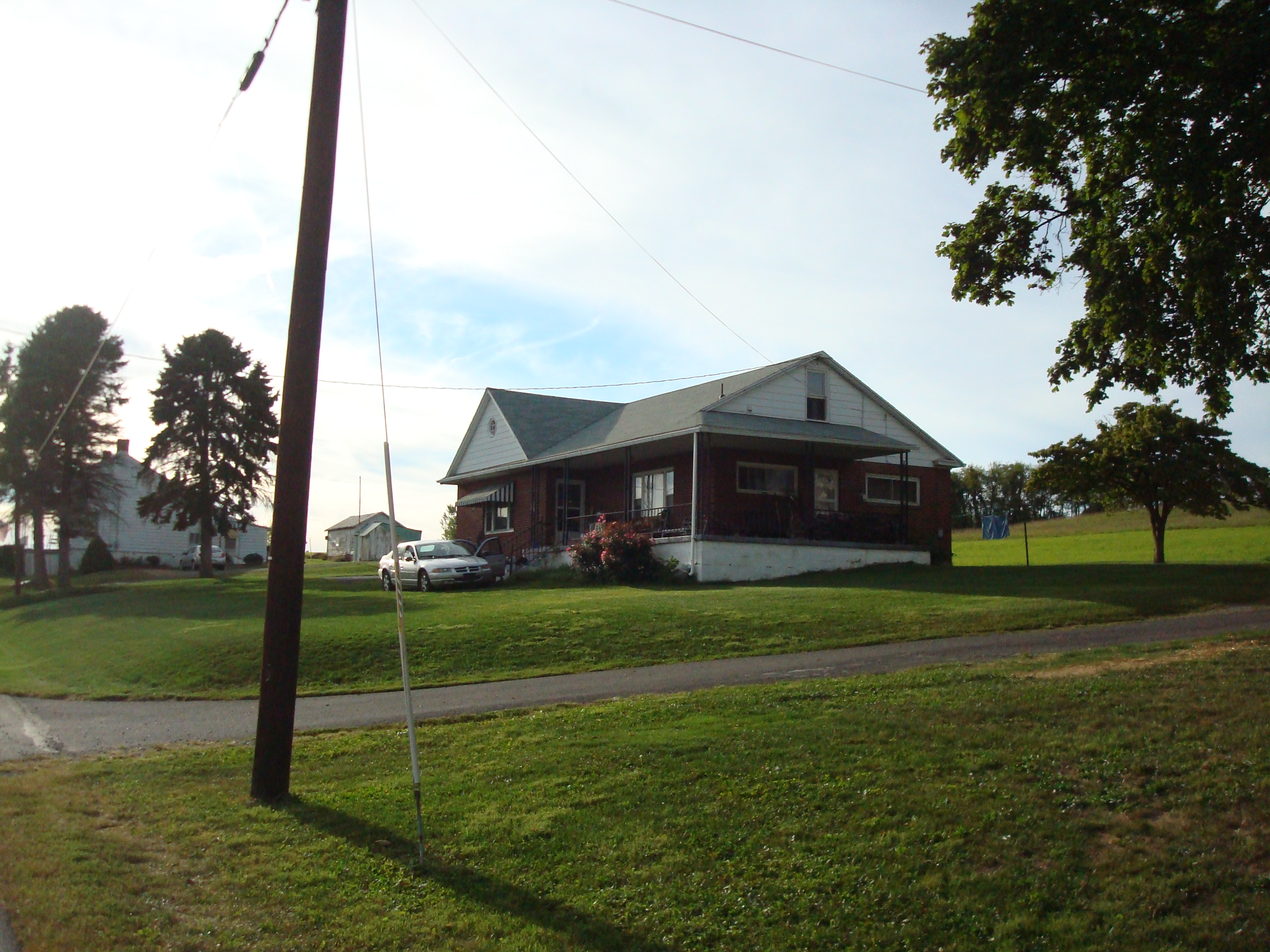
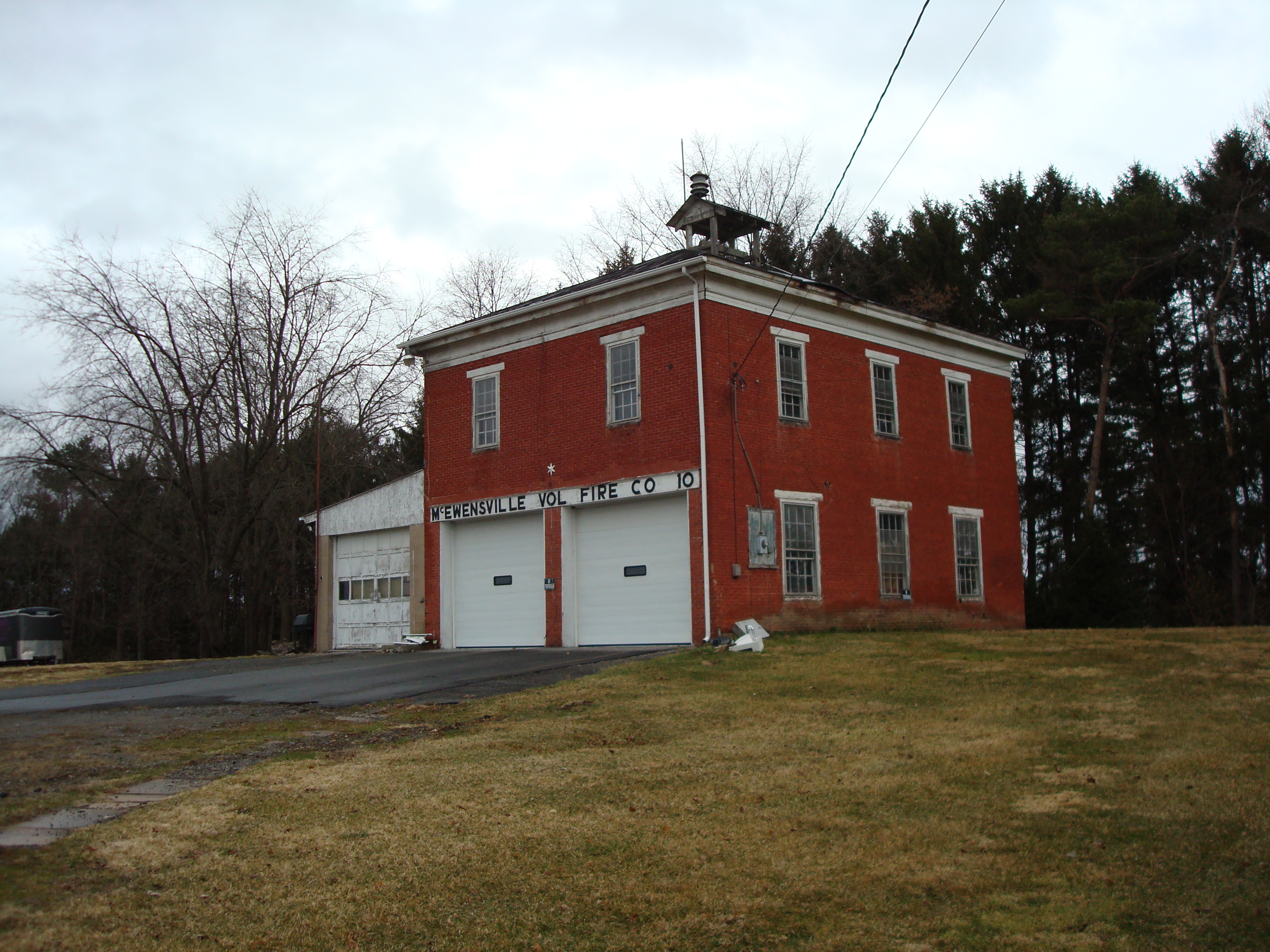
Photo of the house Grandma lived in during her later years. It was next door to my cousin's house.
(See more guest posts with relative’s memories of Grandma by clicking on the Family Memories category.)
17-year-old Helena Muffly wrote exactly 100 years ago today:
Saturday, March 30, 1912:Had to put things in some kind of order. Mended some of the rips and tears. No one else wants the position.
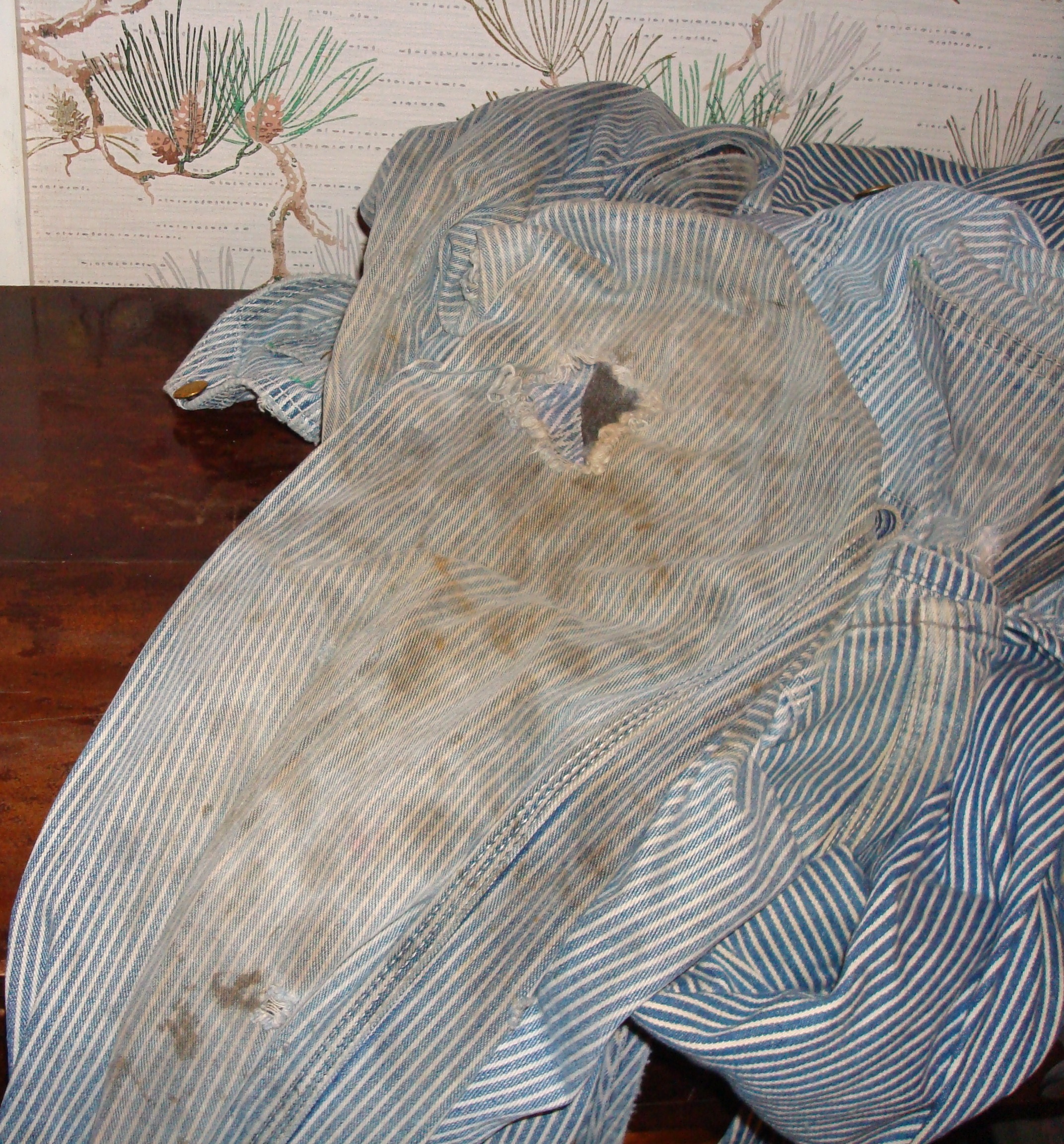
Torn overalls--An aside (An aside--in addition to frequent tears, farm work clothes often get stained by grease, soil, etc.)
Her middle-aged granddaughter’s comments 100 years later:
Farm work is hard—and clothes often get torn.
Some things probably changed little between the time that Grandma was a teen and the time that I was a teen.
I have strong memories of there always being a pile of work clothes that need to be mended when I was growing up. On “slow” days it was common to do the mending.
One difference was that I used an electric sewing machine and Grandma would have used a treadle sewing machine.
17-year-old Helena Muffly wrote exactly 100 years ago today:
Friday, March 29, 1912: At school we always march out, and so you see you are supposed to keep step. But woe betide me, I don’t do it exactly right. Mr. Teacher has gone for me three times about it. This afternoon took me by the arm and walked me along part way.
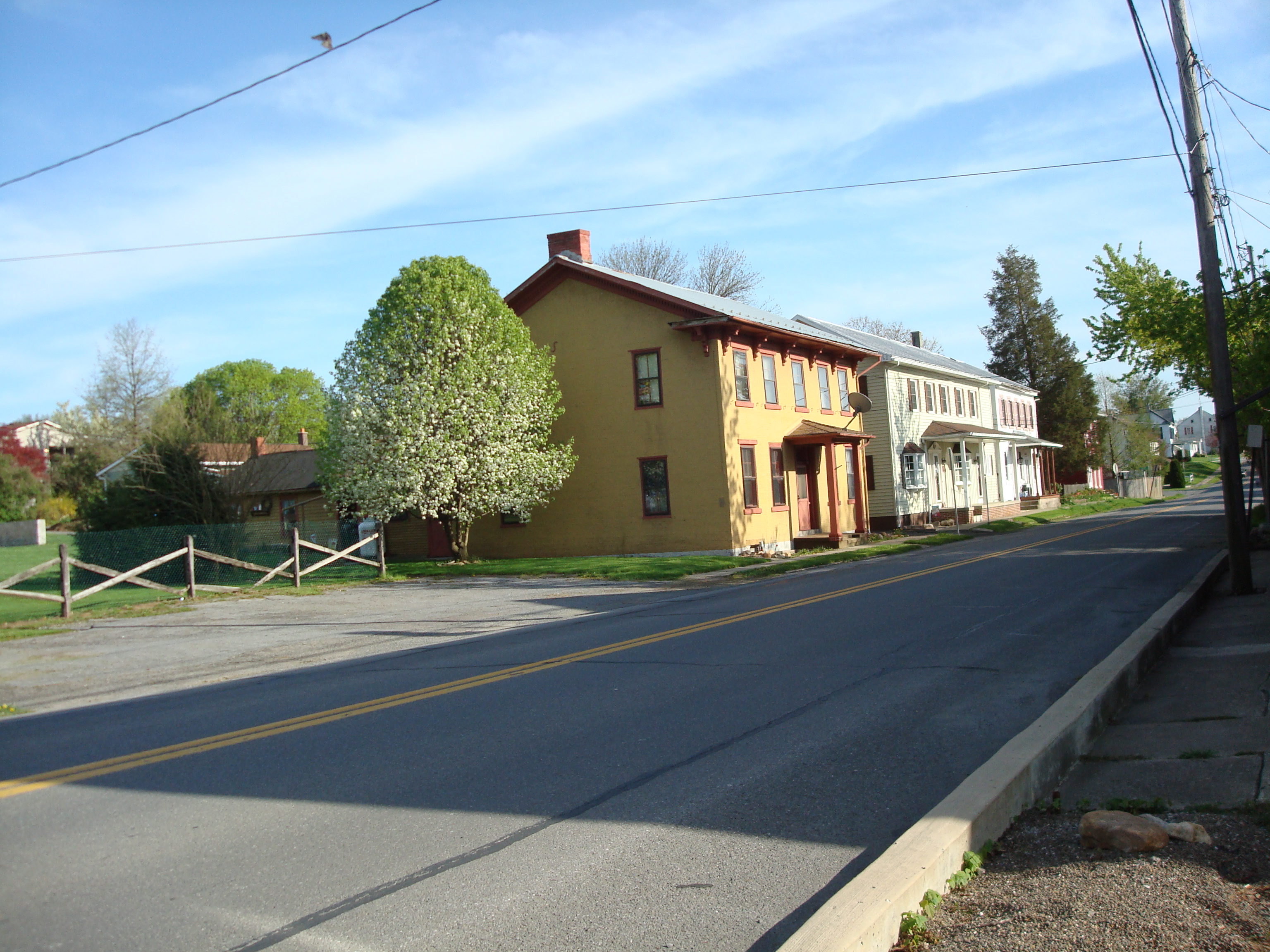
Recent view of the building that once housed McEwensville School. The high school was on the second floor (and the primary school was on the first).
Her middle-aged granddaughter’s comments 100 years later:
Hmm—sometimes, I’m not exactly sure what to make of a diary entry. And, this is one of those times . . .
17-year-old Helena Muffly wrote exactly 100 years ago today:
Wednesday, March 27, 1912: I read Evangeline today and found it very interesting. This was the last day of Ruth’s school term. She has so many things mapped out to do, but whether they will ever be accomplished I cannot tell.
Statue of Evangeline, Nova Scotia, Canada (Source: Wikipedia)
Her middle-aged granddaughter’s comments 100 years later:
Evangeline is an epic poem by Henry Wadsworth Longfellow that tells the story of an Acadian girl named Evangeline who was separated from her beloved Gabriel by circumstances beyond their control. Evangeline traveled throughout America in search of him. After years of searching she finally found him when he was gravely ill and he died in her arms.
You can find the entire poem on the University of Virginia Library’s website.
___
Grandma’s sister Ruth was a teacher at one of the one-room schoolhouses near McEwensville. It sounds like this was the last day of the school year for that school. I suppose that the children were needed at home to help with the spring planning. It’s amazing how short the school year once was at some schools.
17-year-old Helena Muffly wrote exactly 100 years ago today:
Tuesday, March 26, 1912: Seems I have more work to do tonight than I usually do. I have most of it done now and am ready to lay it aside. I get kinda afraid sitting here all by myself.
Photo Source: Wikimedia Commons
Her middle-aged granddaughter’s comments 100 years later:
What time it was when Grandma wrote this entry? It must have been really late—and the rest of the family had gone to bed hours before.
I wonder what Grandma worried about as she sat there alone. . . things that go bump in the night?. . . her future? . . . her school work? . . . tramps possibly lurking outside? . . .???
17-year-old Helena Muffly wrote exactly 100 years ago today:
Friday, March 22, 1912:We had some of those recitations repeated this afternoon, but fortunately I wasn’t called upon to say mine. After this was over, we wound up by singing a laughable song.
Potatoes with eyes (sprouts). Photo source: Wikimedia Commons
Her middle-aged granddaughter’s comments 100 years later:
What was the hilarious song? An old-time silly song we used to sing when I was a child was Never Make Love in a Buggy. It seems like the sort of song that teens might have enjoyed.
Never Make Love in a Buggy
Never make love in a buggy,
While riding along in the moonlight.
You better be wise,
Potatoes have eyes,
You’re watched from the orchard
By great Northern Spies.
The corn having ears
It might hear you.
While riding o’er hills and dales,
So never make love in a buggy,
For horses carry tails.
Northern Spies refers to an old apple variety.
Recitation
I’ve previously written about the role of recitations in schools (see Pros and Cons of Recitation as a Teaching Method). But, this entry provided another bit of information. Apparently all students were required to memorize a recitation, but only some actually had to recite.