Percentage of US Population Affiliated with Various Religions, 1913 and 2013

18-year-old Helena Muffly wrote exactly 100 years ago today: 

Sunday, June, 1913:  

What is so rare as a day in June ,

For then if ever comes perfect days,

When song of bird and hum of bees

Bring to us fair summer’s sweetest day.

Went to Sunday school this afternoon. Took my time a getting home. I heard some of the best speaking I have ever listened to this evening. A converted Jew talked about some of the customs of the Jewish people in the Reformed Church at McEwensville.

Religious.Affiliation

Her middle-aged granddaughter’s comments 100 years later:

Grandma’ diary entry made me wonder: What percentage of the US population were considered members of the various religions in 1913 and 2013?

I discovered that this was a much more difficult question to answer than I thought it would be.  The data on religious affiliations were collected very differently in the early 1900s than how it is gathered now—so when the data are compiled to do a comparison, it’s kind of like comparing apples to oranges.

This gets complicated, but let me try to explain what I did to create the figure above:

In the early 1900s , the US Bureau of the Census conducted a religious census every ten years.  Religious leaders were asked how many members their congregation had; whereas in recent years, various non-profit organizations have conducted surveys where they asked a sample of the population about their religious preferences.  As a result of these differences in methodology many more people were considered to have no religious affiliation a hundred years ago than now.

Calculation of 1913 Percentages

For the figure above, I used data from an article titled “U.S. has 42,043,374 Members of Church, New Census Shows” in the May 2, 1918 issue of the Minneapolis Morning Tribune. According to the article:

The term ‘members’ has  a wide variety of uses. In most Protestant bodies it is limited to communicants or confirmed members; in the Roman Catholic, Eastern, and some other churches it includes all baptized persons, while in some bodies it covers enrolled persons.

The membership for the Jewish congregations requires some explanation. Some congregations reported as members all who contribute to the treasury of the congregation and not infrequently included women and children. The more orthodox, of the other hand, reported only those males who have incorporated the institution or have bought share or membership in it, but do not recognize as members other persons who are regular attendees or even contributors.

For the figure, I used data from the 1916 Religious Census, as reported in the Minneapolis Morning Tribune article, since this was the one done closest to a hundred years ago.  To calculate the percentages I used the US population estimate for 1916 as reported by the US Bureau of the Census. I assumed that the percentage of the population who were members of various religions did not change much between 1913 and 1916 when creating the figure.

Calculation of the 2013 Percentages

For the 2013 percentages, I used data from a survey conducted by the Pew Research Center.  Phone interviews were used to survey a sample of the US population. Respondents were asked which religion they identified with.

The survey was conducted in July, 2012—and I assume that the percentages have not changed significantly since then.

Monthly Poem

On the first of each month Grandma included a poem in the diary. For more information about the poems, see a previous post:

Monthly Poem in Diary

1913 L.L. Olds Seed Company Advertisement

18-year-old Helena Muffly wrote exactly 100 years ago today: 

Saturday, May 31, 1913:  What I did today was far from being romantic. I had to help plant taters this afternoon.

potato 1

25 Years’

Potato Experience

For a quarter of a century I have made a specialty of growing and handling Choice Seed Potatoes, testing all the leading varieties, retaining and improving the best. This year’s list is the cream.

My 26th Annual Seed Book

should be in the hands of every progressive farmer and gardener. It contains 54 pages crowded full of valuable information. The best in Seed Potatoes, Field and Garden Seeds of all kinds. Write postal today.

L.L. OLDS, President

L.L. Olds Seed Co., Drawer C, Madison, Wis.

Her middle-aged granddaughter’s comments 100 years later:

Grandma did you dream about doing romantic things?  Hmm. . .  I guess that’s for another day.  In the meantime, the farm work needed to be done.

I’m not sure whether the Muffly’s raised potatoes to sell . . or if they just raised them for family use. Either way, they would have planted lots of potatoes. A hundred years ago potatoes were one of the main staples that people ate during the long winter months.

Previous posts about potatoes include:

Planting Potatoes

Harvesting Potatoes

Old-fashioned Fried Potatoes

Old-fashioned Potato Cakes

Memorial Day, 1913

18-year-old Helena Muffly wrote exactly 100 years ago today: 

Friday, May 30, 1913:  Went up to McEwensville this morning as I planned to do some time ago. There wasn’t any band and not so many people. Wanted to go to Watsontown this afternoon to see the cemetery, but didn’t have anyone to go with. After thinking it over I decided to go as I believed I would feel miserable if I staid at home. The slippers I had on made me awful tired and began to wonder how I would get myself home. The problem was solved when I got a chance to ride where-upon I considered myself quite fortunate.

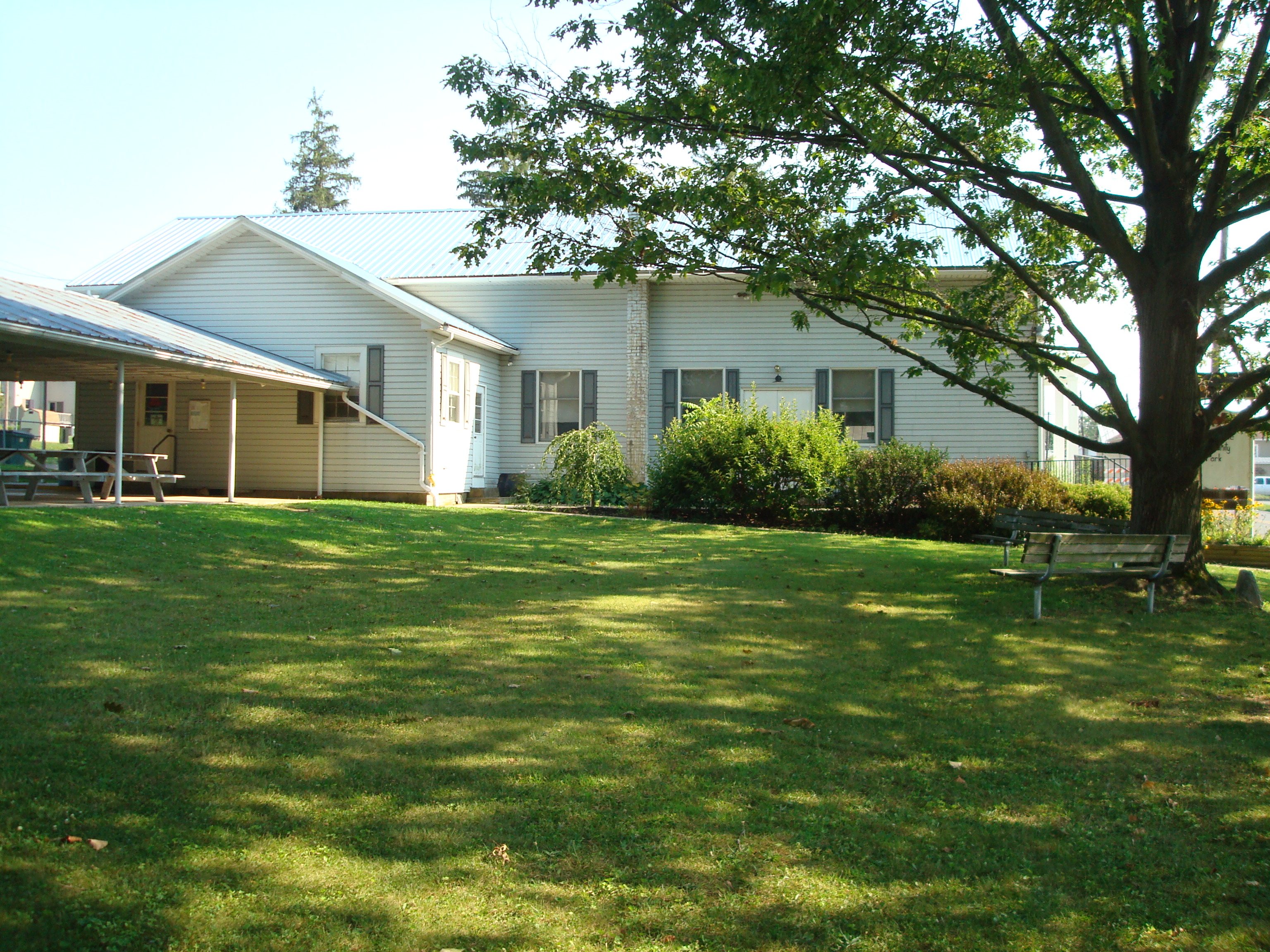
Was the McEwensville event held at the cemetery or at the Community Center?

The brick building in the background once houses McEwensville School.

DSC04286

Her middle-aged granddaughter’s comments 100 years later:

A hundred years ago Memorial Day was always on May 30. In the 1910s it was an important holiday with lots of parades and celebrations honoring aging Civil War veterans.

It sounds like the day got off to a rocky start, but ended nicely. Did Grandma wear the new dress that her mother made? Who brought her home from Watsontown? . .. . anyone interesting?

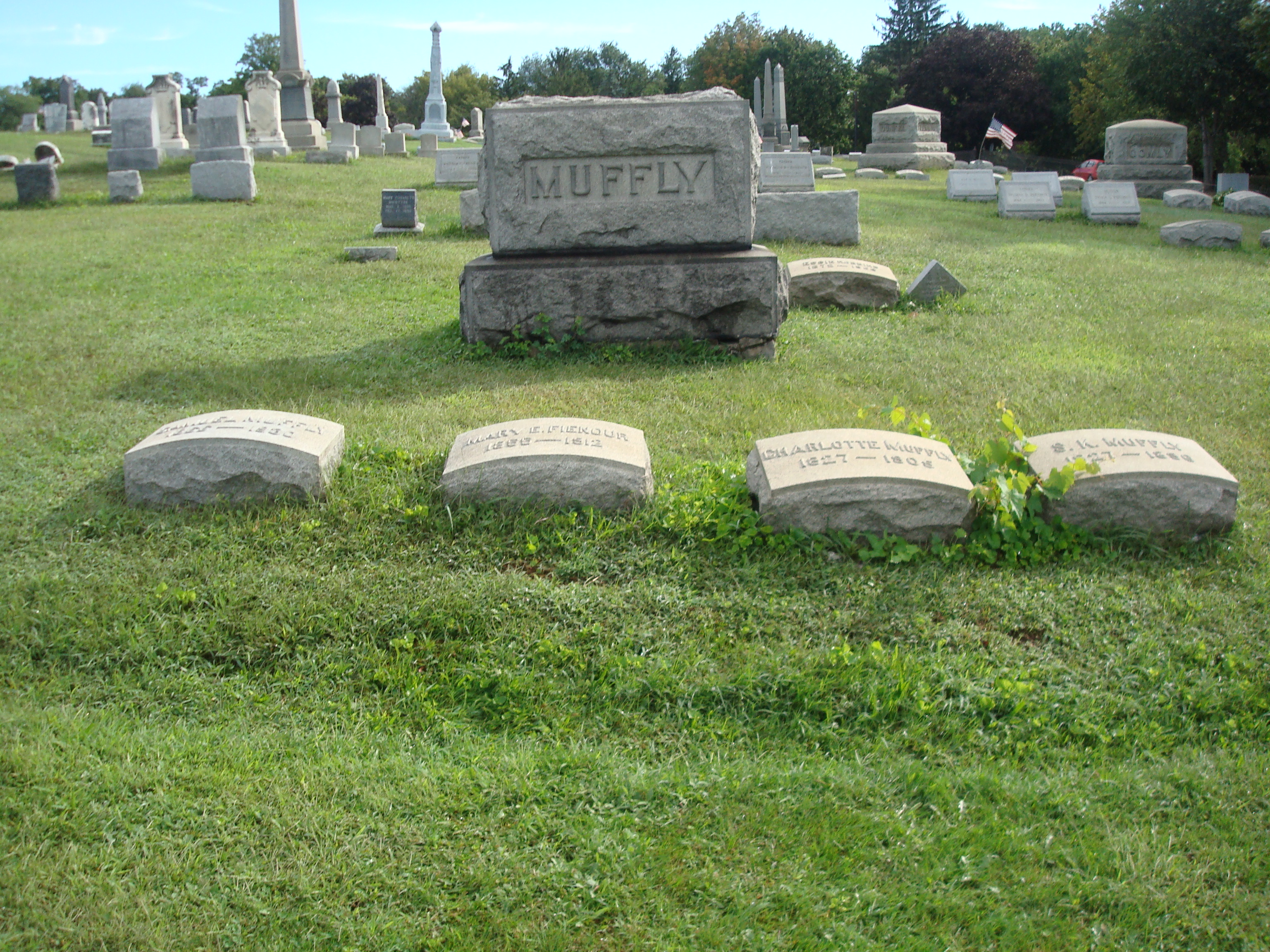
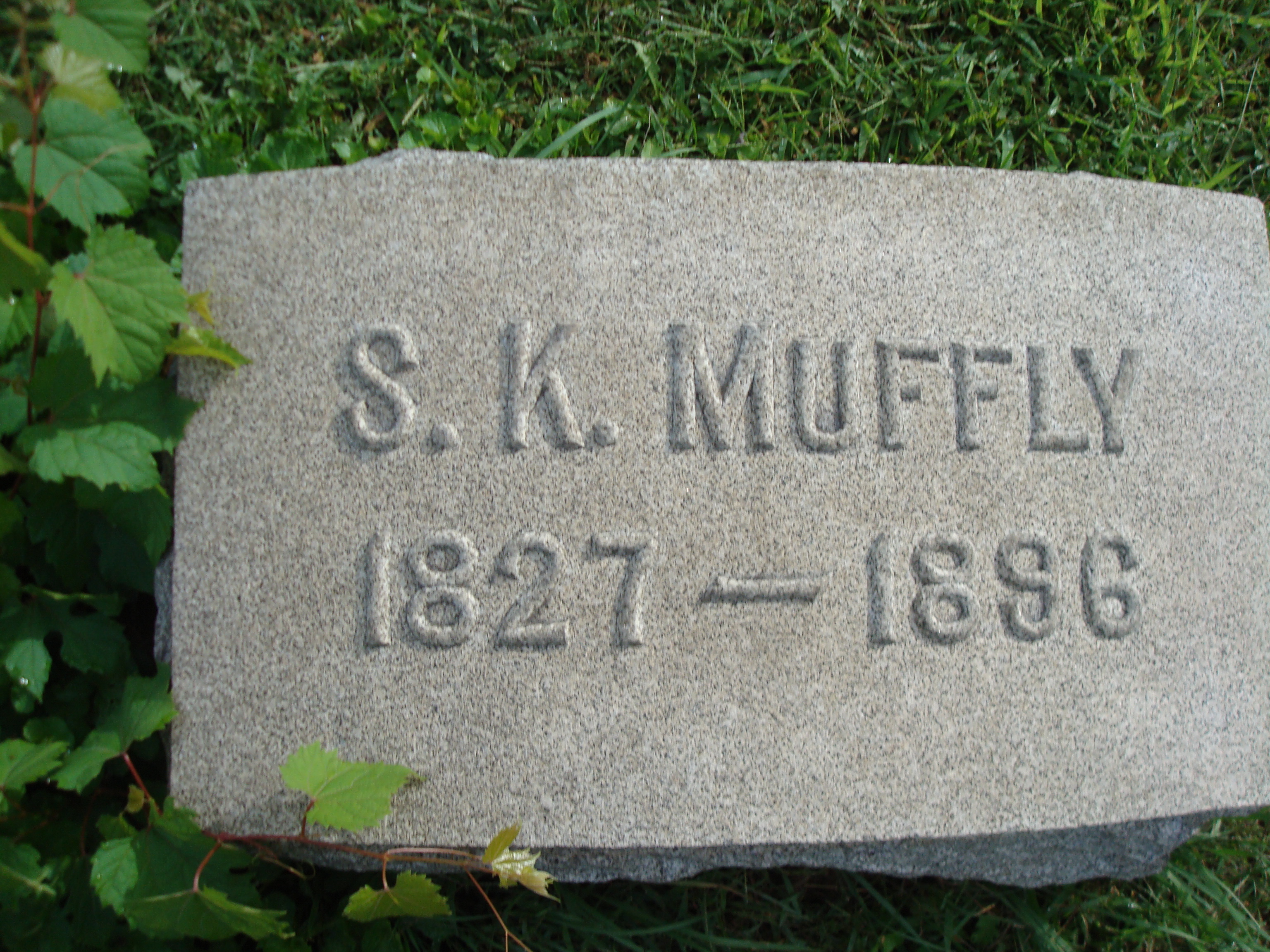
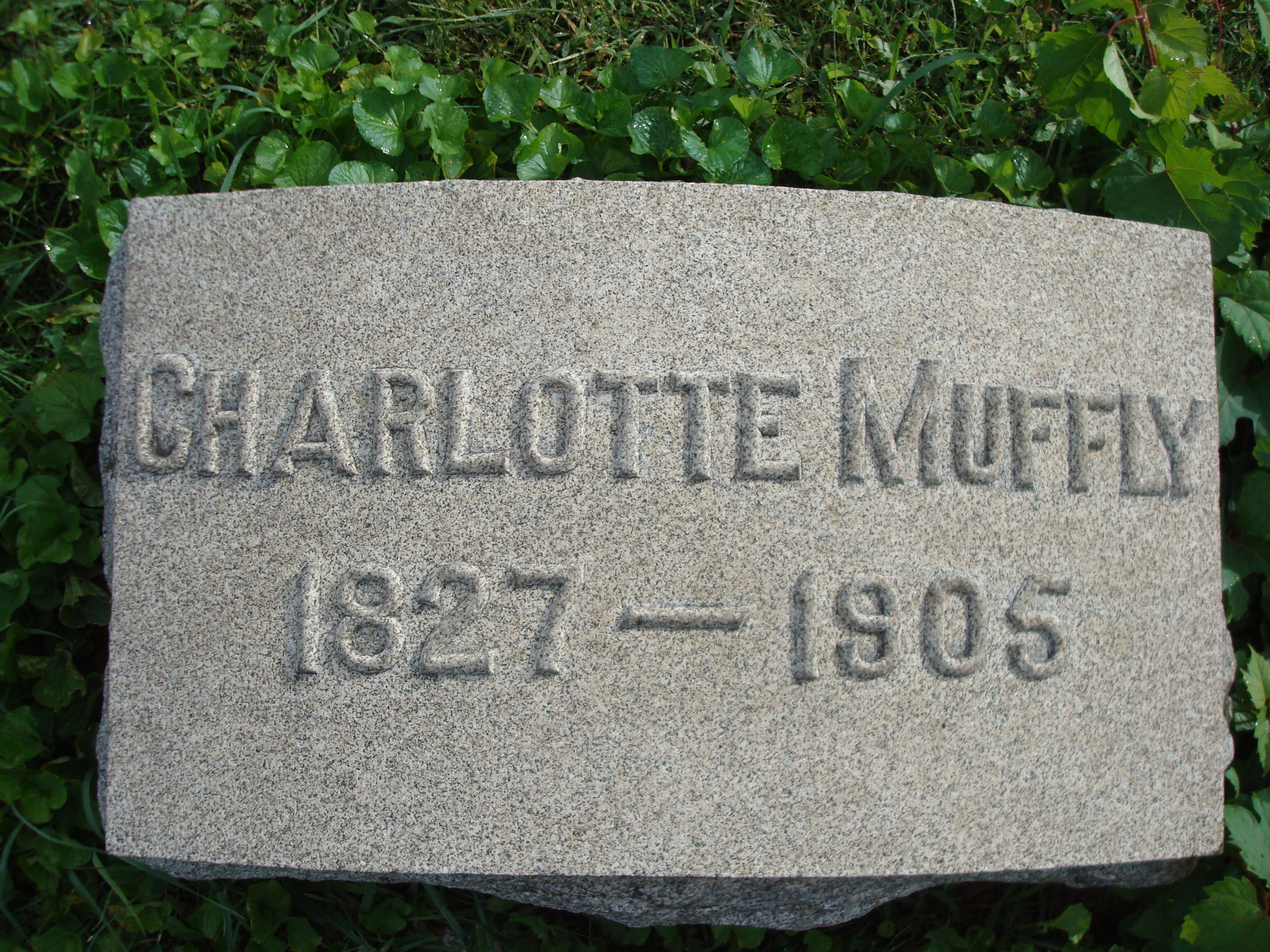
At the Watsontown Cemetery, did Grandma put the wreath she made the previous day on the grave of her paternal grandparents?  Her grandfather, S.K. Muffly, died when she was very young; but her grandmother, Charlotte Muffly, died in 1905 when Grandma was 10. What were Grandma’s memories of her grandmother? . . . Did she miss her?

DSC04484

DSC04488

DSC04487

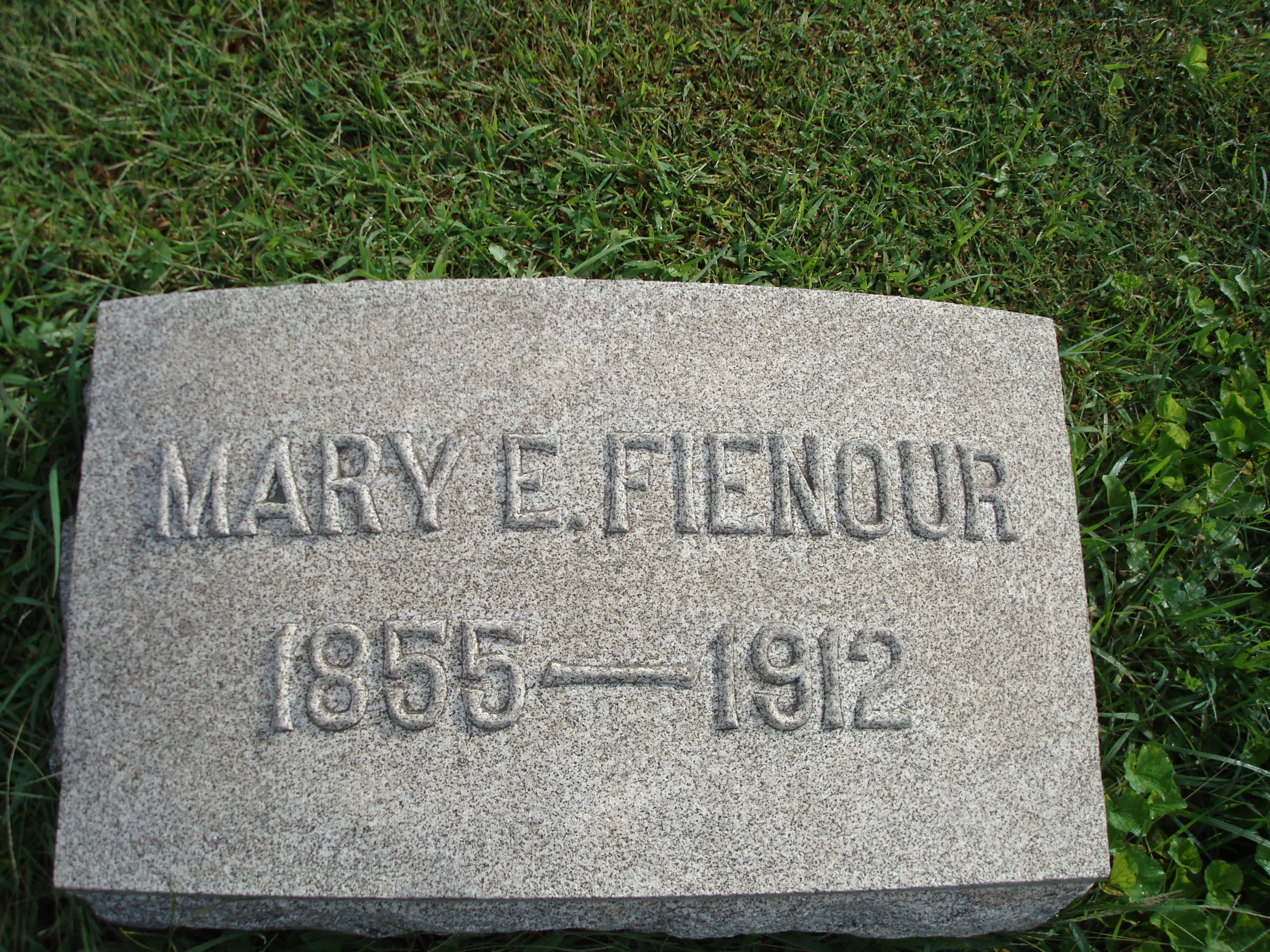
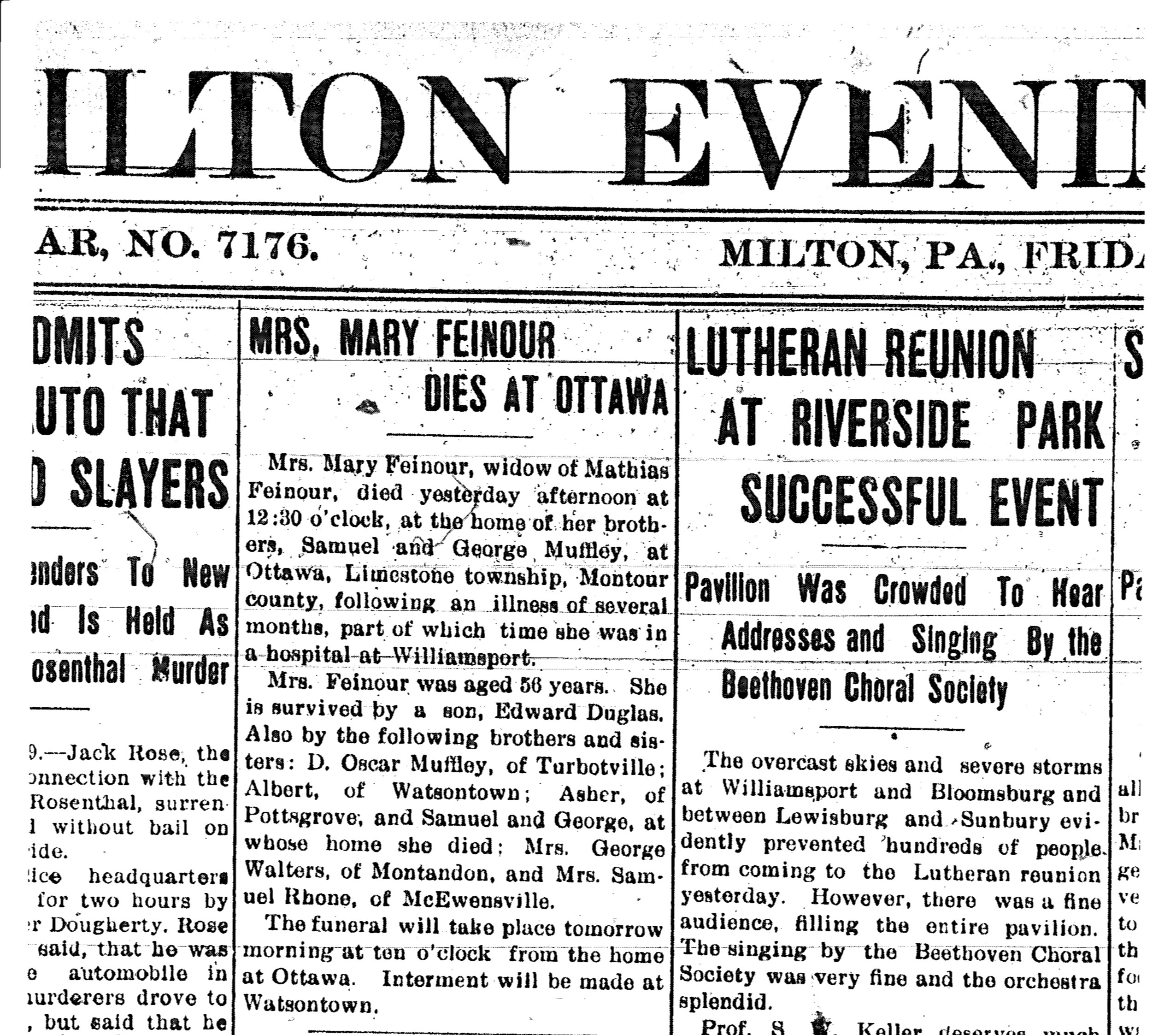
Or maybe Grandma put the wreath on the grave of her aunt, Mary (Muffly) Fienour, who died the previous summer. (In the obituary Mary’s last name is spelled Feinour.) Mary is buried next to her mother (Charlotte).

DSC04486

Mary Feinour Obituary. Source: Milton Evening Standard (July 19, 1912). Click to enlarge for easier reading.

(The fourth gravestone in the group, is the stone of Grandma’s uncle, Samuel Muffly. That stone won’t have been there in 1913–he didn’t die until 1930.)

Made a Fern Wreath

18-year-old Helena Muffly wrote exactly 100 years ago today: 

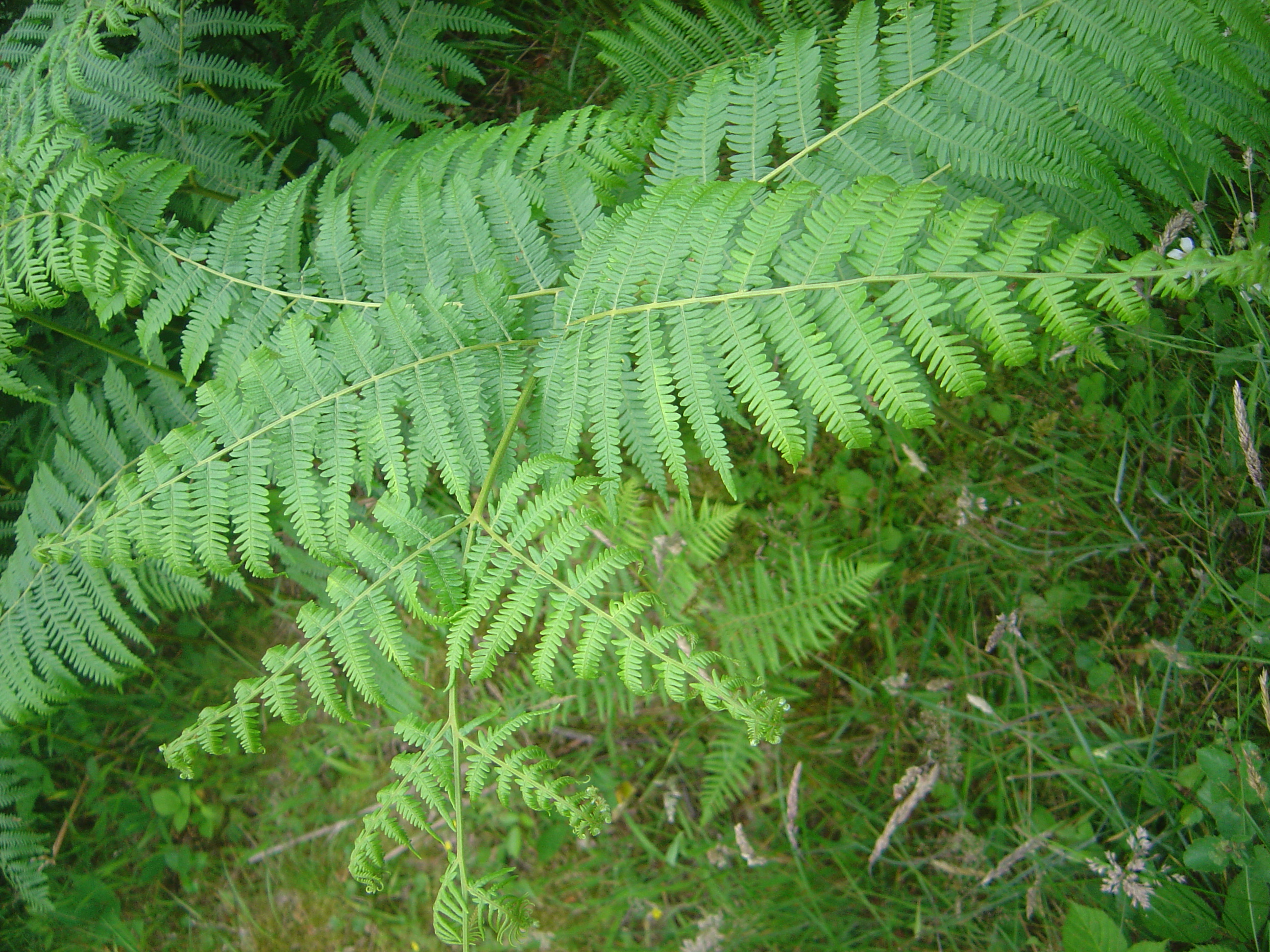
Thursday, May 29, 1913:  I was very much disappointed this morning. I had planned where to go tomorrow with a friend and then received a letter saying she couldn’t come. I made a wreath this afternoon and hunted up some wild ferns.

Photo source: Wikimedia Commons

Her middle-aged granddaughter’s comments 100 years later:

It’s upsetting when friends cancel—but at least Grandma came up with a fun activity that hopefully took her mind off her disappointment.

Have you ever seen a fern wreath? I don’t think that I ever have and can’t quite picture what it would look like.  How long would it last?

A hundred years ago Memorial Day was celebrated on May 30, so Grandma may have made the wreath to take the cemetery for the upcoming holiday. I’ve always purchased wreathes to take to the cemetery.  How did people make them years ago?

New Dress Finished

18-year-old Helena Muffly wrote exactly 100 years ago today: 

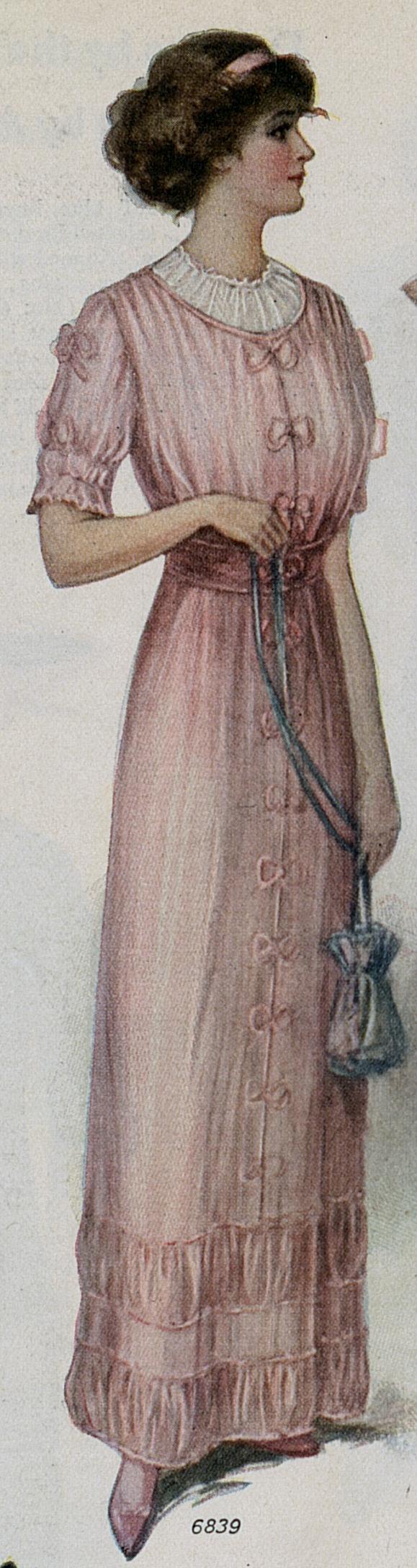
Wednesday, May 28, 1913:  My dress is finished and ready to wear whenever that time comes.

wils36337.A.Front
Source: Ladies Home Journal (July, 1912)

Her middle-aged granddaughter’s comments 100 years later:

Based on how quickly Grandma’s mother made the dress, she must have been an accomplished seamstress. On May 24, Grandma wrote:

Ma started to make my dress I got for a graduation present. I want it finished by May 30th.

Grandma’s mother made the dress in only 5 days! . . . and she beat the deadline her daughter imposed by 2 days!

Have Grandma’s plans changed?  On the 24th she seemed certain that she needed the dress by the 30th—now the dress is “ready to wear whenever that time comes.”

Hundred-Year-Old Directions for Making Pencil Drawings

18-year-old Helena Muffly wrote exactly 100 years ago today: 

Tuesday, May 27, 1913:  It’s raining again like it did last week. Nothing much doing.

Pencil.drawings.fig.4

Her middle-aged granddaughter’s comments 100 years later:

Rainy days can be the perfect time to work on artwork or crafts. Did Grandma ever while away a rainy afternoon making pencil drawings?

I recently came across a hundred-year-old magazine for teachers called School Arts Magazine. The January, 1913 issue had an article about how to teach students to make pencil drawings.

Do children today still learn how to make pencil drawings in school? . . .or is that considered “so old-fashioned”?

The Possibilities of the Pencil

With the many new elements that are crowded into the topic of drawing in the public schools—it is easy to lose sight of the fact that after all the universal medium of expression is the pencil.  Rightly employed the marvelous possibilities of the pencil are astonishing.

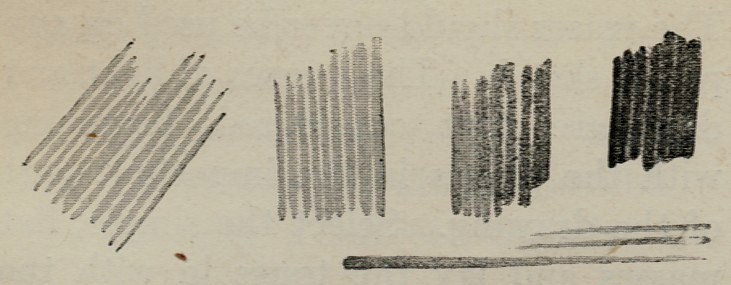
The proper teaching of pencil-rendering is not difficult if correctly approached. The tendency of every child is to make fine, hard lines instead of the broad, rich stroke which gives character to the result. With firm, smooth lines, much of color, texture, and light and shade can be pictured in a suggestive manner.

At first, detail should be almost entirely left out. The more a child “fusses” and “finishes” his drawing the more labored and unsatisfactory the results appear to be.

See to the condition of the pencil. It should be sharpened to a blunt point well supported by the wood, and the point flattened on one side to give it a form capable of making lines of all widths and qualities.

Pencil.drawings.fig.1.b
Fig. I

Before attempting a problem in drawing in light and shade, the pupil should gain some facility in handling the pencil—by practicing strokes and lines of varying width and color. The drill shown in Fig. 1 will give skill in laying tone flat and solid in appearance.

Fig. II
Fig. II

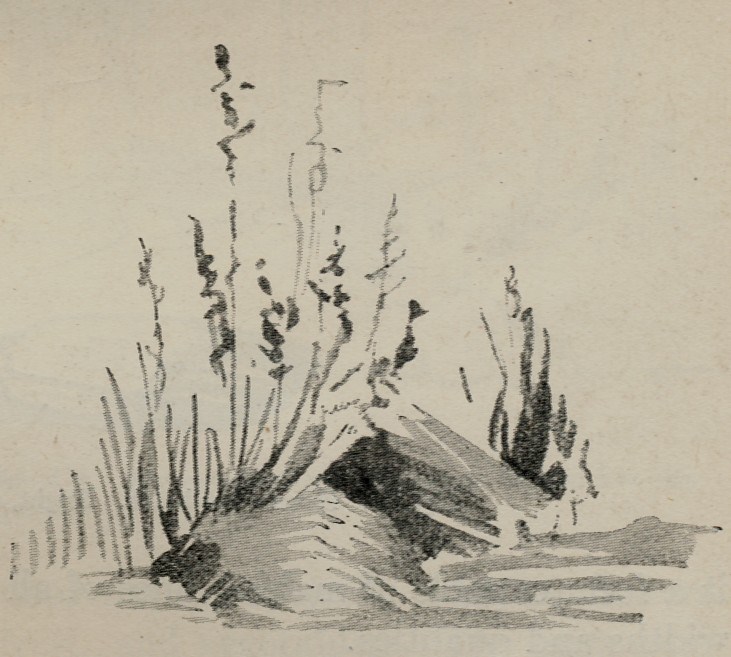
After this is accomplished the pictorial sketch may be attempted (Fig. II).

In beginning a sketch first decide upon the point of interest. Much must be omitted and many contrasts exaggerated in order to keep the attention centered upon this point.

After deciding what the central point is to be, a light sketch, in as few lines as possible, should be made. These first lines must be accurate, and no erasing should be done. The masses of light and dark are next considered, beginning with the planes in the important part of the drawing.

Fig. III
Fig. III

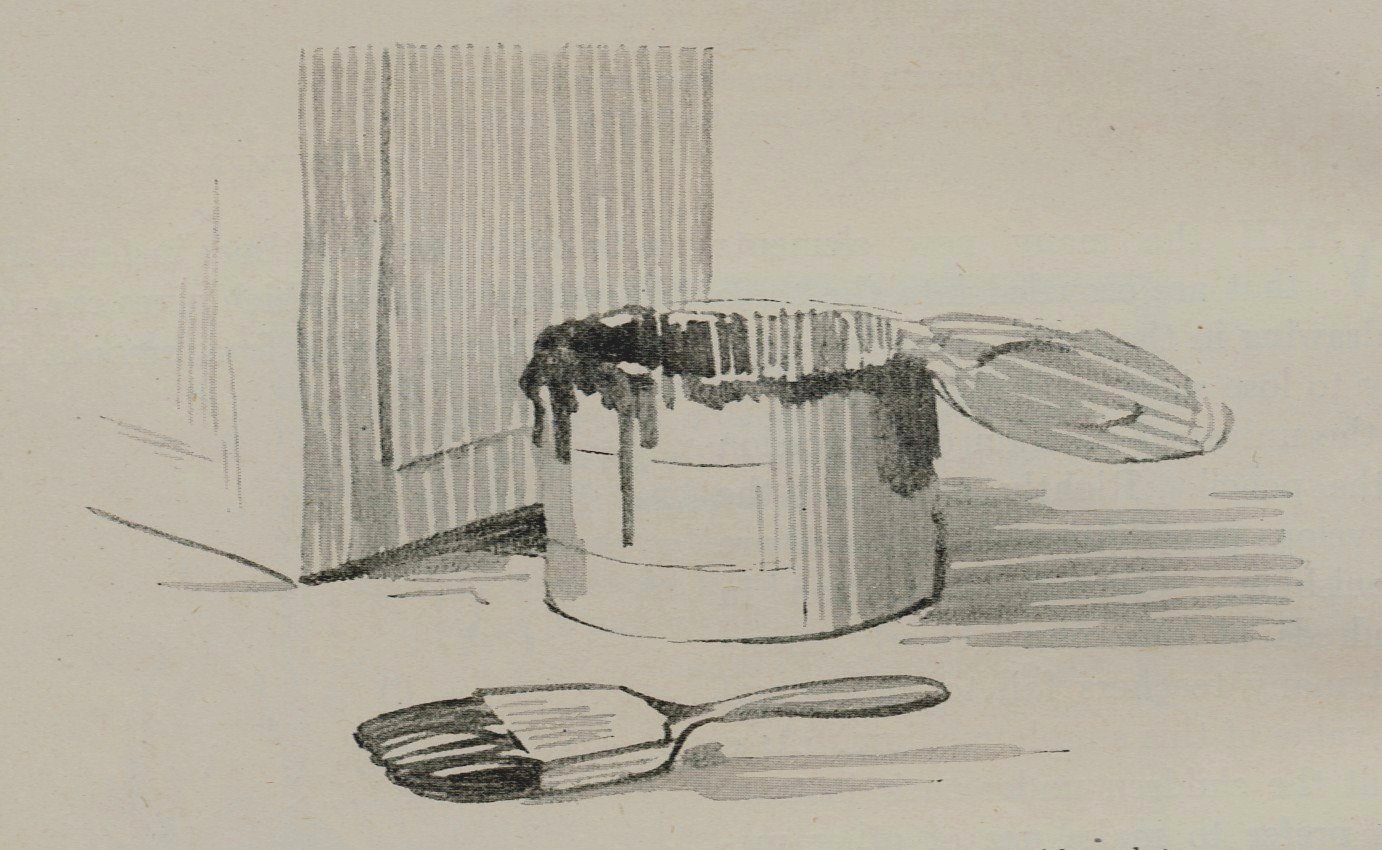
Select simple, flat masses and lay the tones in with the direct stroke already mastered in the preliminary practice (see Fig. III).

The direction of the stroke can be made to express contour and texture, and should be carefully studied from that viewpoint.

The sharp, vigorous accents of black will produce the contrast which brings out the light and sparkle of the sketch and adds so much to its beauty. The contrasts should be emphasized at the center of interest, and diminished into soft grays as they recede into the less important parts toward the background. .

It is easy to over-emphasize out-of-door nature subjects, such as flowers, fruit, and vegetables. The boys especially are more interested in the common objects of everyday life.

The pencil is by far the most convenient and best medium for most of the work that is included in a well-considered course of art instruction.

Women as Farm Workers

18-year-old Helena Muffly wrote exactly 100 years ago today: 

Monday, May 26, 1913:  I haven’t got much to write about for today. At present I feel extremely sleepy.

Her middle-aged granddaughter’s comments 100 years later:

Was Grandma so tired because she’d worked very  hard on the farm all day?

Here’s an advertisement for a Philadelphia newspaper which appeared in the May 28, 1913 issue of the Milton Evening Standard that I thought you might enjoy.

Milton.Evening.Standard.5.28.13

Women as Farm Workers

<<picture>>

One Result of the Labor Shortage in Pennsylvania

All of the farm, crop and market news of Pennsylvania, New Jersey and Delaware—what progressive farmers are doing.

Every day of the week, as well as on Friday, the PUBLIC LEDGER prints much of special interest to farmers, as well as all the news, local, foreign and domestic, tersely and interestingly told.

FRIDAY’S AGRICULTURAL SECTION

 Present Condition of Garden Crops in the territory that feeds Philadelphia

Poultry-Meat Farming vs. Egg Raising by Michael K. Boyer

Making Alfalfa Pay in the East by D.C. Kauffmann of York

Read the PUBLIC LEDGER regularly. By carrier, daily and Sunday, 17 center a week.

By mail, outside of Philadelphia, daily, 50 cents a month, daily and Sunday, 75 cents a month.

PUBLIC LEDGER

News Agents for Milton, Pa.

W.A. REED        B. GALBRAITH

J. BUOY        A.H. KREBS

Independence Square   Public Ledger Company

Philadelphia               Cyrus H.K. Curtis, President

The Public Ledger was a Philadelphia newspaper which apparently hoped to expand its market into rural central Pennsylvania by including agricultural news.

Apparently it was controversial that women helped on their family farms—and articles which addressed these types of issues were seen as selling points for the paper.