1912 Slipper Advertisement

17-year-old Helena Muffly wrote exactly 100 years ago today: 

Friday, December 20, 1912: Ruth came home this afternoon. Wonder if she has a fine and dandy present for me.

slipper a hundred years ago

Her middle-aged granddaughter’s comments 100 years later:

Ruth had been in Sunbury since the 16th. I think that she was attending a teachers’ training institute over winter break. What Christmas present did she buy for Grandma? Maybe Ruth bought Grandma some slippers.  They would have been a fine and dandy present.

slipper a hundred years ago

1912 slipper

children's slippers a hundred years agoSource: An advertisement by the Daniel Green Felt Shoe Company in the December, 1912 issue of Ladies Home Journal

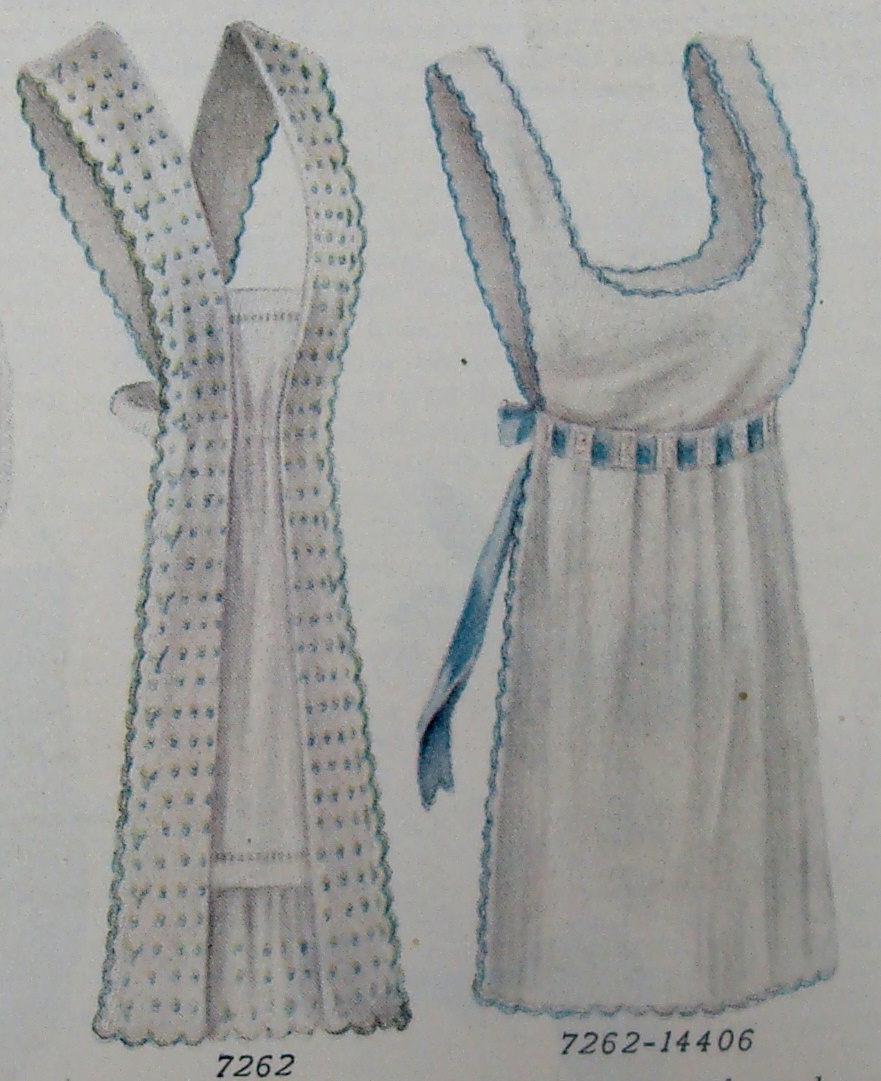
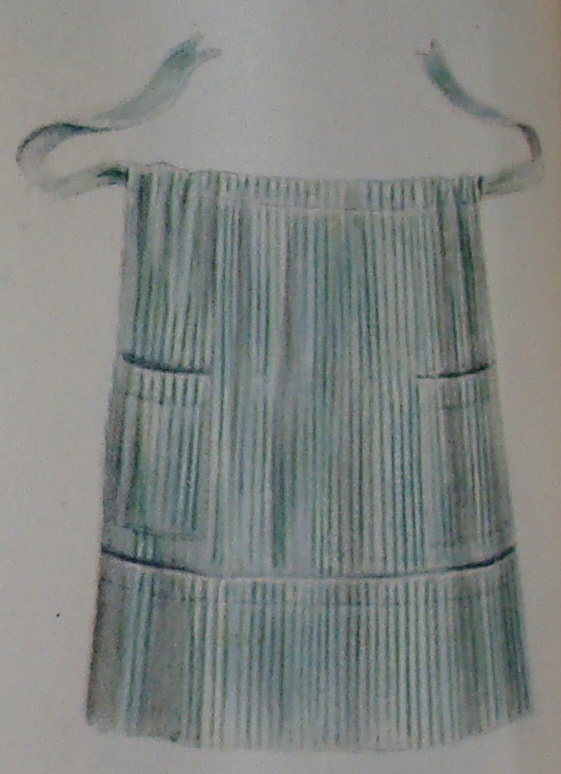
1912 Aprons

17-year-old Helena Muffly wrote exactly 100 years ago today: 

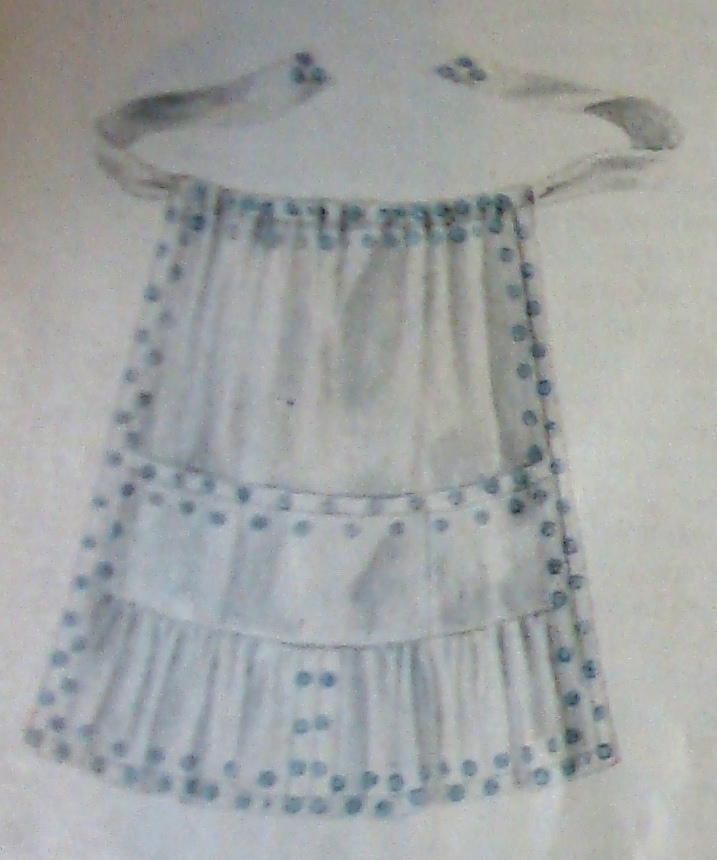
Thursday, December 19, 1912:  Ma went to town this afternoon to do her Xmas shopping. Wonder what she got me for a present. Perhaps nothing much.

1912 aprons

Her middle-aged granddaughter’s comments 100 years later:

I’m keeping my fingers crossed that Grandma’s mother got her some wonderful gifts.

A hundred years ago people often made homemade gifts. Aprons were a really popular handmade gift back then. Did Grandma’s mother purchase fabric to make one?

1912 apron

1912Picture Source: Ladies Home Journal (December, 1912)

If you liked this post, you might also enjoy the post that I did on aprons last year.


Injured Thumb While Butchering Hogs

17-year-old Helena Muffly wrote exactly 100 years ago today: 

Monday, December 16, 1912:  Our dearest Ruth left for Sunbury this morning and my heart is rather sad. We killed some pigs and I took a slice off the end of my thumb. Oh sad the day, for I don’t care anything about having a sore thumb.

DSC06523

Her middle-aged granddaughter’s comments 100 years later:

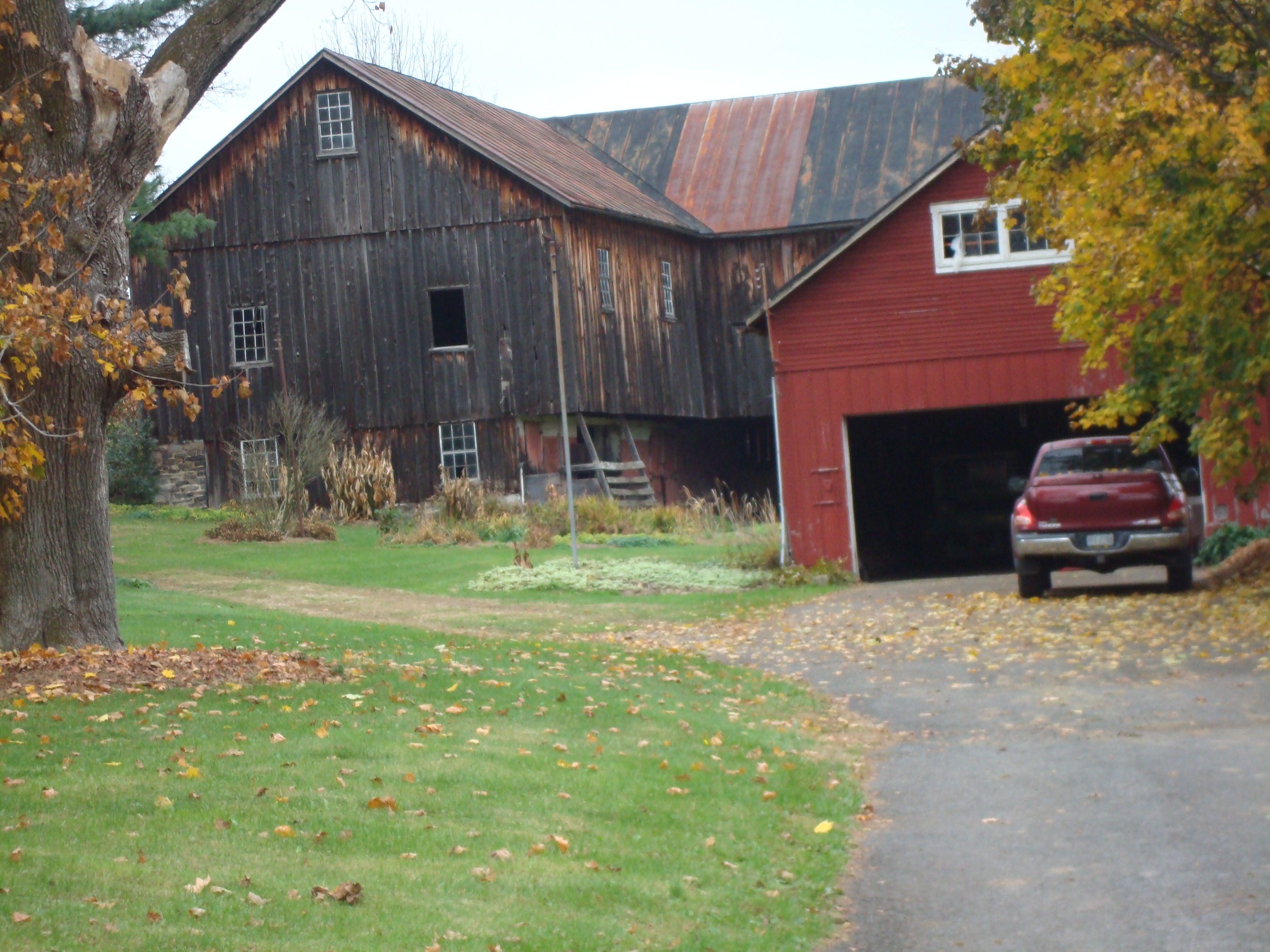
Butchering hogs  is a lot of work.  A hundred years ago today, the yard between the house and barn on the Muffly farm was probably filled  with scalding troughs and  large wooden tripods with hog carcasses hanging from them.

I wonder how bad Grandma’s cut was. A “slice off the end” of her thumb doesn’t sound good. (Click here to read a previous post on how they treated cuts and wounds a hundred years ago.)

Did Grandma  miss her sister Ruth or was she being sarcastic?  (Personally I might be annoyed if I had a  sister who didn’t have to help with the butchering.)

I think that Ruth went to a teachers’ institute. She was a teacher at a one-room school-house near McEwensville. Winter break for the schools began the previous Friday, and I think that teacher institutes were held over the breaks to provide professional development and training for the rural school teachers.

Sunbury is the county seat of Northumberland County and is about twenty miles from McEwensville.

 

Beliefs About Infectious Diseases a Hundred Years Ago

17-year-old Helena Muffly wrote exactly 100 years ago today: 

Sunday, December 15, 1912: Went to Sunday School this afternoon. Jimmie also has the pink eye and says I gave it to him. He was real mad for a time.

Recent photo of the house the Muffly's lived in.
Recent photo of the Muffly’s house.

Her middle-aged granddaughter’s comments 100 years later:

Poor Jimmie—pink eye is no fun.

Of course, Grandma’s seven-year-old brother is right—he probably caught the pink eye from Grandma . She wrote that she had pink eye on December 10—and that it was getting better on December 12.

Did the Muffly’s try to prevent the spread of pink eye?

Here’s what I found in a hundred-year-old book called Personal  Hygiene and Physical Training for Women  about how to avoid infections (though it focuses on  influenza rather than pink eye).

We have already seen that bacilli are not only the cause of acute infections, but also of chronic bronchitis, and that this was especially  true of the bacillus of influenza and the pneumococcus of pneumonia.

It is well know that influenza is an infectious disease, which rapidly spreads through the family and the community., but it is not so well-known that the so-called “common colds,” ordinary sore throat, and tonsillitis are also highly contagious. The infection is carried from one person to another by direct contagion; the air is being constantly sprayed with the germs of disease in talking, laughing, sneezing, and coughing. In coughing and sneezing it is not sufficient to hold the hand before the moth—a handkerchief must be used for this purpose.

Old-fashioned Tatted Hankderchief Pictures

17-year-old Helena Muffly wrote exactly 100 years ago today: 

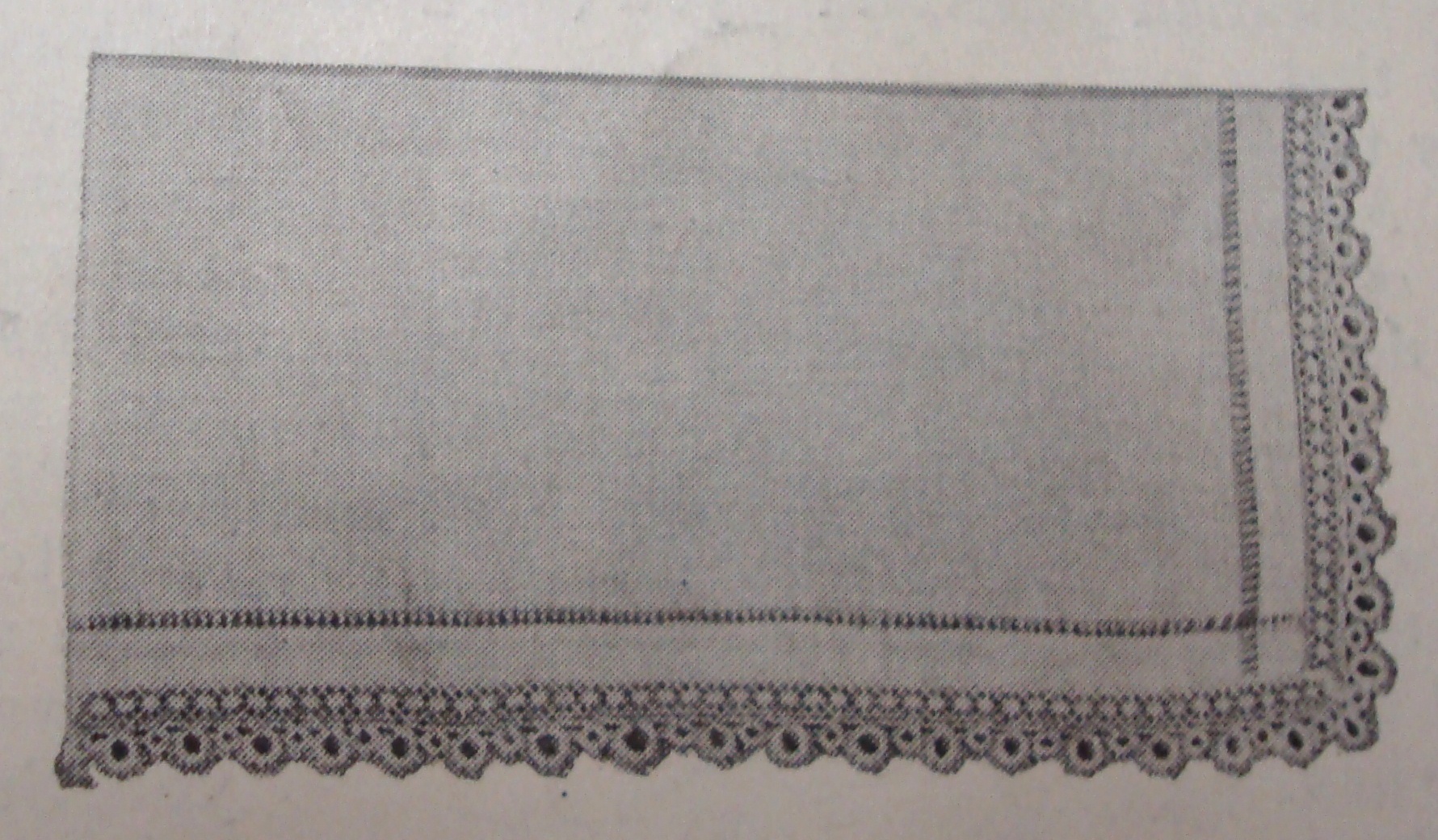
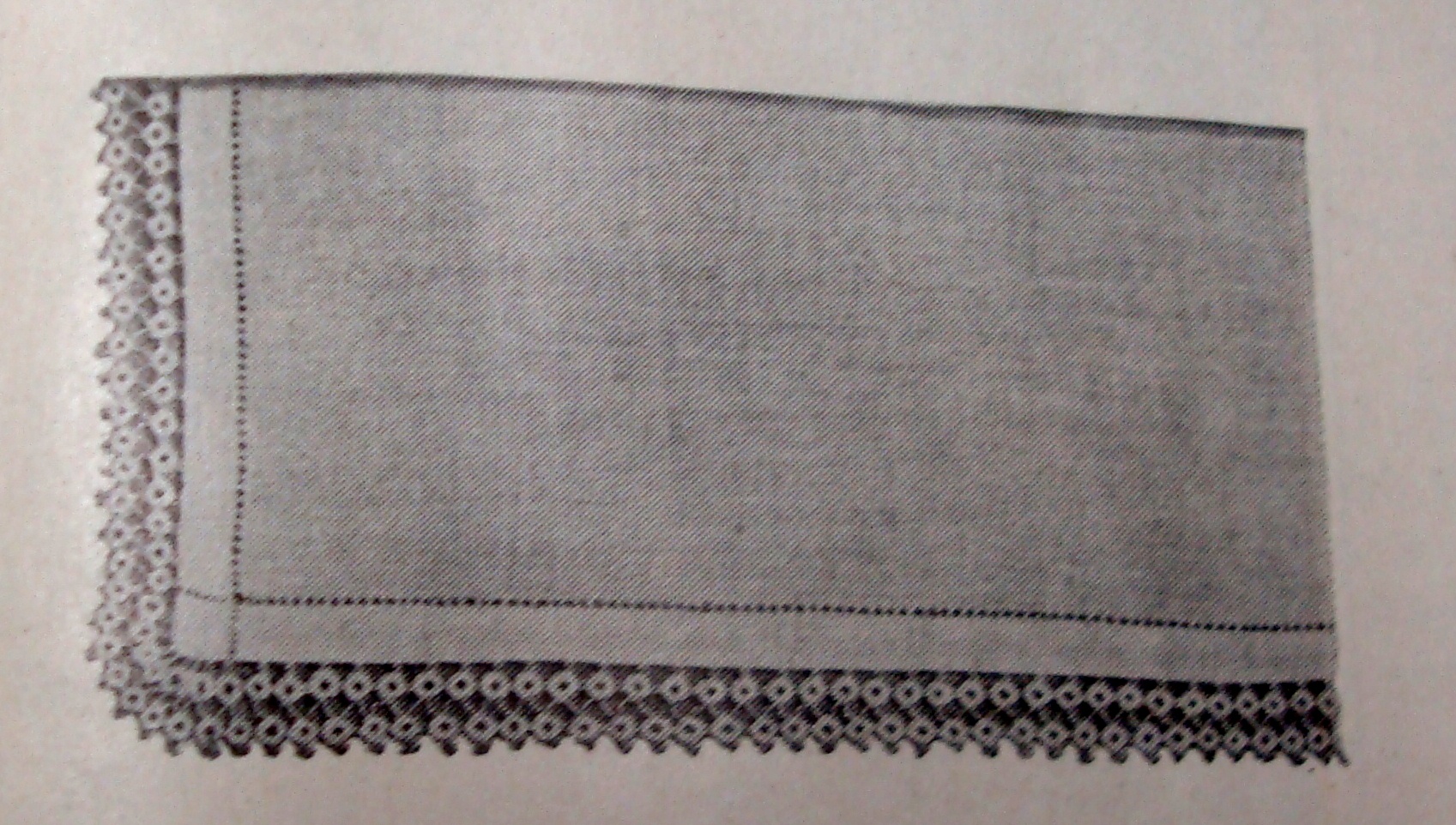
Saturday, December 14, 1912:  Made some handkerchiefs this afternoon. Of course they weren’t very fancy ones, but good enough for me.

DSC06772.crop
Source: Ladies Home Journal (December, 1912)

Her middle-aged granddaughter’s comments 100 years later:

Was Grandma making the handkerchiefs for herself –she might have needed them since she’s had colds for much of the Fall—or as gifts for someone else?

In the old days people made lovely handkerchiefs. Some had tatted or crocheted borders . . others beautiful embroidery.

(An aside—Does anyone know how to tat anymore?  It is so delicate and beautiful.)

Grandma said the handkerchiefs weren’t very fancy. Were they actually plain or did she just think that she wasn’t very talented at making handkerchiefs.

From one yard of handkerchief linen six squares may be cut and trimmed.

Ladies Home Journal (December, 1912)

DSC06771crop

Girl’s Club December Activities

17-year-old Helena Muffly wrote exactly 100 years ago today: 

Friday, December 13, 1912:  Our Literary Society met today. I didn’t take part this time. The kids got their parts off pretty good. Don’t have to go back to school again for two weeks. I’m so glad.

DSC02279
Building that once housed McEwensville School.

Her middle-aged granddaughter’s comments 100 years later:

Wow, they had a long school break for the holidays a hundred years ago.

Grandma really enjoyed being a member of the Literary Society at her school. Across the last few months I’ve struggled to figure out exactly what the Literary Society did. At first I thought it was a book club—but more recent diary entries, including this one, suggest that they put on some sort of program.

I think that maybe I’ve figured it out. I found an article in the December 1912 issue of Ladies Home Journal called “The Rural School at Christmas.” It discusses how the rural school is often the center of social activities during the holiday and contained several suggestions.
One suggestion described activities a girl’s club could do. I think that the girl’s club described in the magazine sounds very similar to the Literary Society at McEwensville  High School.

A Club for Girls

During the Christmas month this club looks up all of the literature and music bearing on Christmas. Christmas stories are told and Christmas songs and hymns practiced.

 Ladies Home Journal (December, 1912)

Items in Medicine Cabinets a Hundred Years Ago

17-year-old Helena Muffly wrote exactly 100 years ago today: 

 Thursday, December 12, 1912:  My eyes are getting better, but everything looks misty to me now. Expect tomorrow to be a busy day for me.

graduated.glass.a

Her middle-aged granddaughter’s comments 100 years later:

Grandma—I’m glad that you’re finally getting over the pink eye. Stay healthy!!

As many ailments as the Muffly’s have had, I hope that they had a well-stock medicine cabinet.

I found a hundred –year-old list of what should be in a family medicine cabinet (or as they called them back then “medicine closet.”) The list was in the appendix of a book called The Care of the Baby.

List of Articles for Medicine Closet

Those liquids marked with an * are for external use or are dangerous. They should be in poison bottles.

  • Glass graduate marked with fluidrachms and fluid-ounces
  • Minium glass
  • Accurate droppereye.dropper.a
  • Hard-rubber syringe
  • Small druggist’s hand scales for weighing medicines
  • Camel’s-hair brushes
  • Small straight dressing forceps
  • A pair of scissors
  • Absorbent cotton
  • Several one-inch and two-inch roller bandages, one to three yards long
  • Patent lint
  • Old linen
  • A spool of rubber adhesive plaster
  • Court plaster
  • Paraffin paper or oil silk
  • *Alcohol
  • Whiskey
  • Olive Oil
  • Ammonia-water
  • *Turpentine
  • Glycerin
  • Distilled fluid extract of hamamelis (witch-hazel) for bruises
  • *Soap liniment for sprains
  • *Tincture of iodine
  • *Solution of boric acid for washing cuts
  • *Solution permanganate of potash, 4 grains to the dram
  • Flaxseed meal
  • Mustard
  • Magnesia
  • Vaseline
  • Castor oil
  • Zinc ointment
  • Soda-mint
  • Baking soda
  • Sweet spirit of nitre
  • Aromatic spirits of ammonia
  • Bromide of potash in 2o-grain powders to be divided according to the age
  • *Tincture of digitalis
  • Syrup of ipecacuauha
  • Tannic acid for use in poisoning
  • Epsom salts for poisoning
  • Vinegar for poisoning
  • Jeaunel’s antidote for poisoning

What the heck are most of these items? . . and how do you use them to treat illnesses and wounds?minim.glass.a