How to Dry Wet Shoes

17-year-old Helena Muffly wrote exactly 100 years ago today: 

Thursday, July 11, 1912:  Ruth and I went to a party over at Stout’s this evening. It rained so hard this afternoon, and I thought perhaps we wouldn’t go after all.
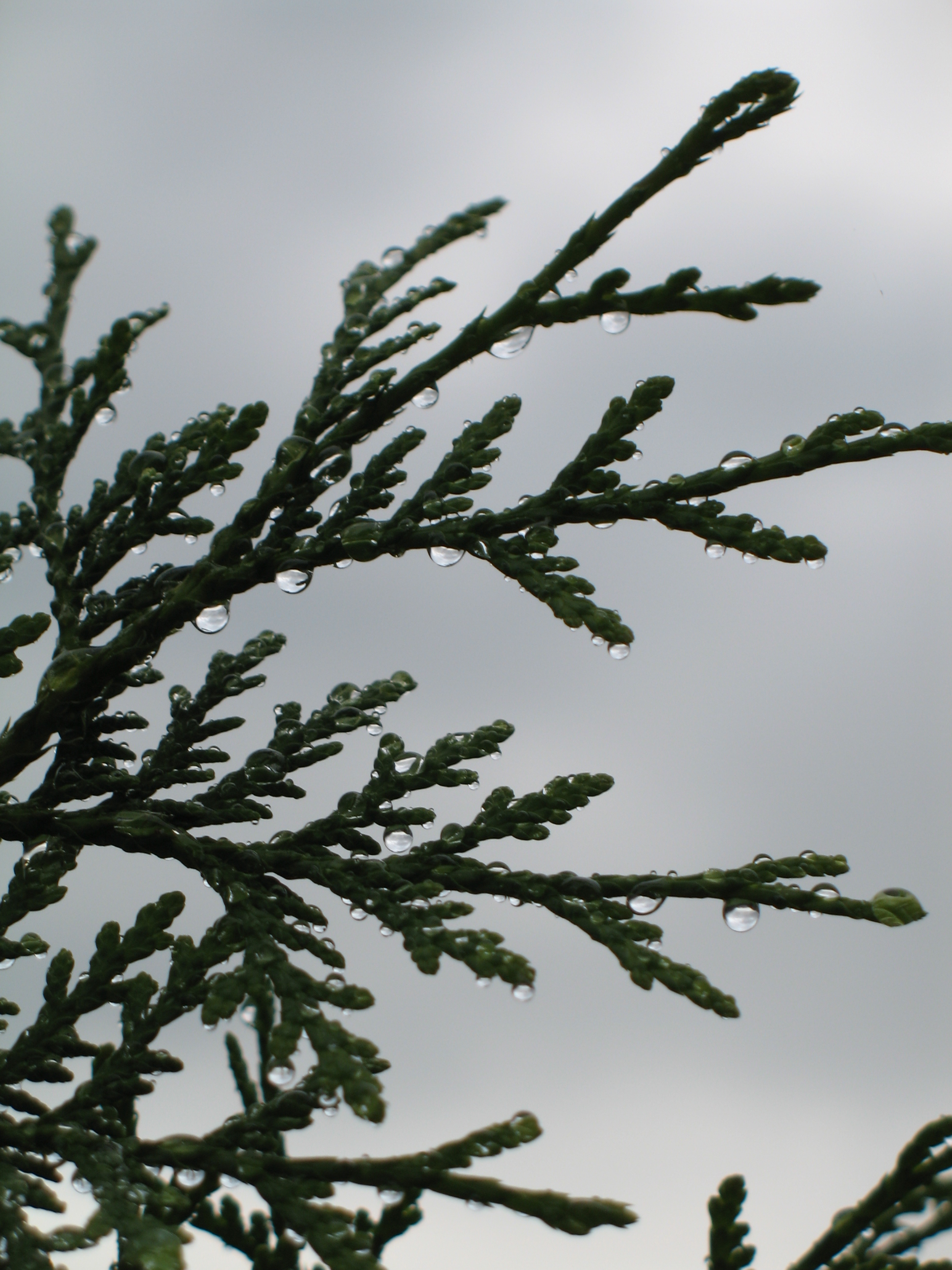
rain drops
Photo source: Wikimedia Commons

Her middle-aged granddaughter’s comments 100 years later:

Did Grandma and her sister Ruth get wet feet when they walked to their neighbors’ for the party?

Here’s hundred-year-old advice for drying wet shoes.

To dry out shoes, stuff your shoes full of dry grass or old paper to keep them from shrinking.

When they are dry, soften them with tallow or oil.

Outdoor Sports (1911) by Claude H. Miller
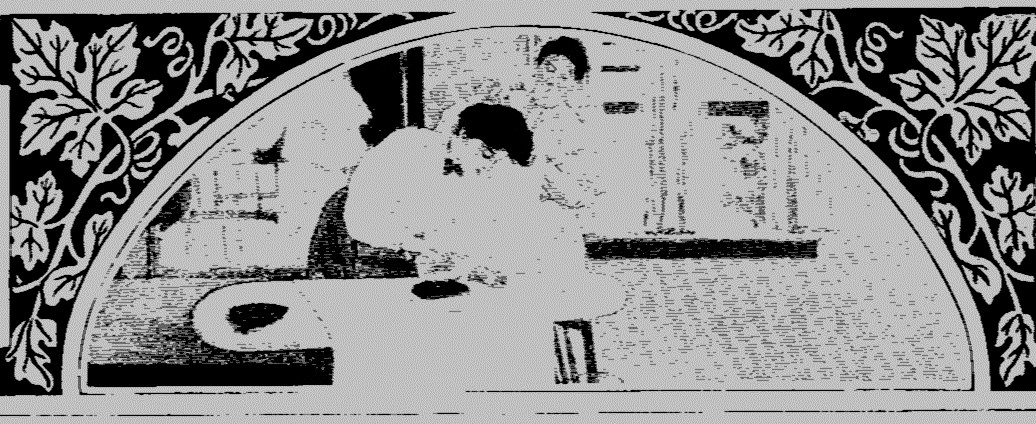
Chores for Each Day of the Week

17-year-old Helena Muffly wrote exactly 100 years ago today:   

Wednesday, July 10, 1912:  Did some ironing this forenoon and puttered around this afternoon.

Picture Source: Approved Methods for Home Laundering

Her middle-aged granddaughter’s comments 100 years later:

Each day of the week used to have its own tasks. An old booklet called Approved Methods for Home Laundering published by Proctor & Gamble said that most of the ironing should be done on Wednesday.

Plan for the Week’s Work

MONDAY

1.            Put the house in order.

2.            Plan and cook for Tuesday.

3.            Sort clothes.

4.            Mend clothes (rents grow in washing).

5.            Take out stains.

6.            Soak soiled clothes.

7.            Lay fire for morning.

8.            Fill boiler.

9.            Get tubs and other things ready.

TUESDAY

1.            Light fire and heat water.

2.            Make soap solution.

3.            Do washing.

4.            Sprinkle and roll clothes.

WEDNESDAY

1.            Iron and bake.

2.            Do thick starching.

THURSDAY

1.            Finish ironing.

FRIDAY

1.            Put house in order.

SATURDAY

1.            Bake and plan for Sunday.

There was some variation from one list to the next in which things should be done on which days. (This list doesn’t quite match the recommended tasks for the various days of the week in the old Round and Round the Mulberry Bush ditty.)

1912 Dresses That Were Worn with Gloves

17-year-old Helena Muffly wrote exactly 100 years ago today: 

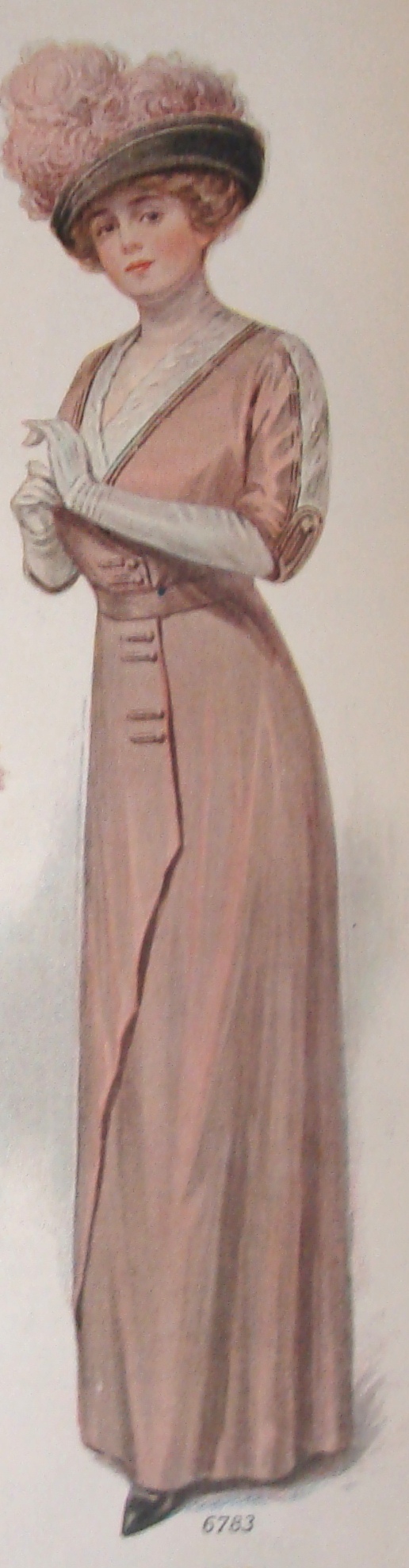
Tuesday, July 10, 1912:  Went to Milton this morning to have my teeth filled, and was so fortunate as to only have three cavities. Also did some shopping besides. Got a pair of white silk gloves.

Dress, Ladies Home Journal, March 1912
Source of photos: Ladies Home Journal (March, 1912)

Her middle-aged granddaughter’s comments 100 years later:

Why did Grandma need white silk gloves? She may have worn gloves to Sunday School, but it seems like a somewhat unusual purchase in the middle of the summer. Maybe there was an upcoming special event where she needed to wear gloves.

A Trip to the Dentist

Three cavities!—but Grandma seemed pleased to only have three. Grandma had gotten some teeth filled almost exactly a year prior to this date—on July 6, 1911 she wrote that she’d gotten several teeth filled. People must have had more cavities in the days before fluoride.

Porch Furniture a Hundred Years Ago

17-year-old Helena Muffly wrote exactly 100 years ago today: 

Monday, July 8, 1912:  Nothing much to record. My head feels sort of heavy like.

Her middle-aged granddaughter’s comments 100 years later:

My head feels heavy like, too. I think it’s the hot weather. On days like this, I wish that my house had an old-fashioned porch that I could sit on.

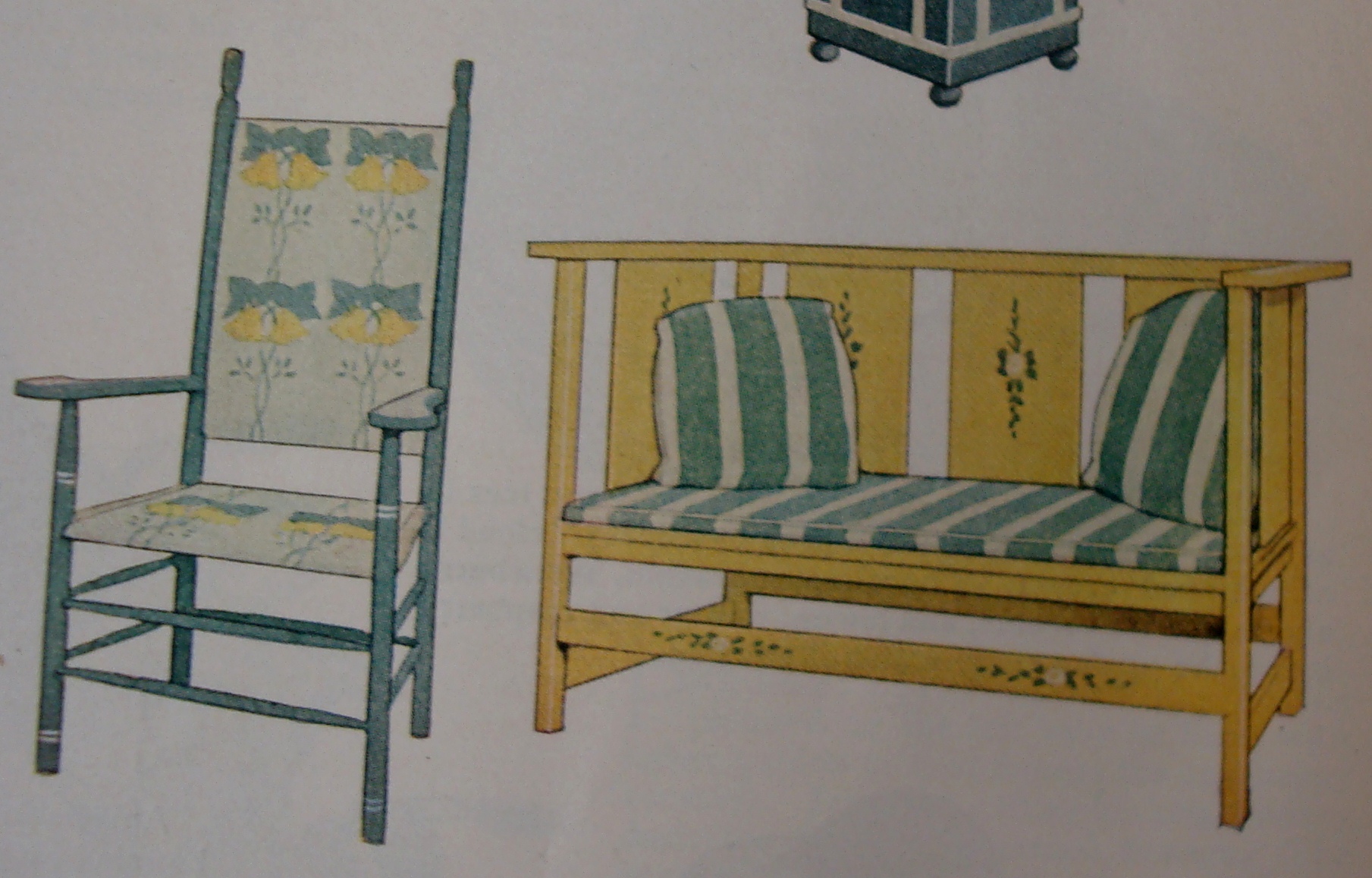
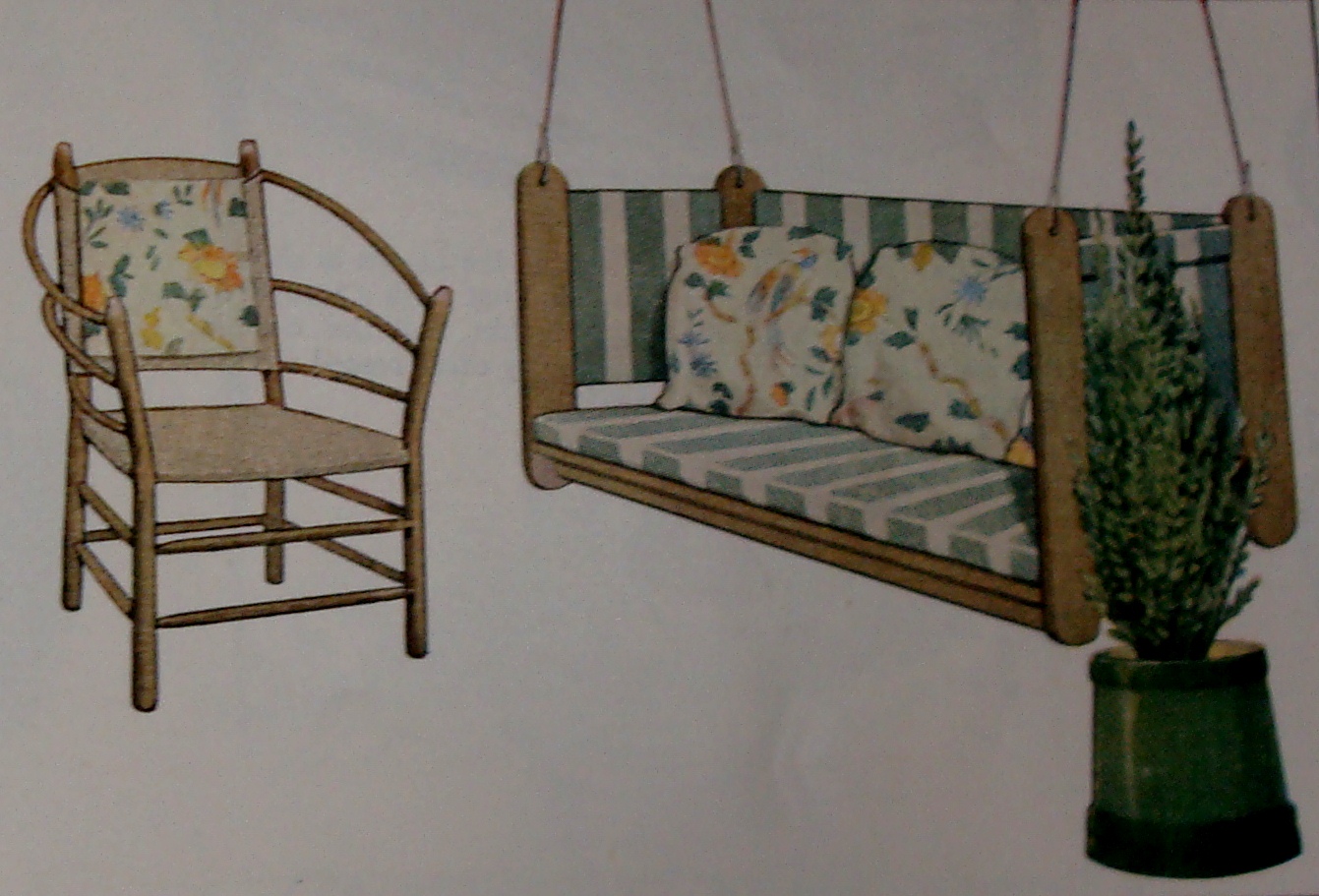
Here are some drawings of furniture for summer porches from an article called “The Little House Summer Porch: Making the Living Porch Attractive” in the July, 1912 issue of Ladies Home Journal.

Finally Received Bible!

17-year-old Helena Muffly wrote exactly 100 years ago today:

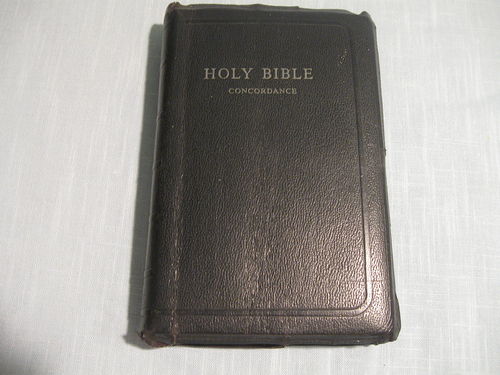
Sunday, July 7, 1912:  Went to Sunday School this morning. Received my Bible after having been learning verses for about a year and a half.

Her middle-aged granddaughter’s comments 100 years later:

Whew, Grandma finally received her Bible. She learned 700+ verses to get it—and some weeks she learned more than 20 verses. For example, on December 23, 1911 she wrote that she was trying to  learn 27 verses that week.

She sure was persistent—I never would have stuck with it.

Grandma completed memorizing the verses on May 26–and received the Bible the previous week (June 30), but they kept the Bible to put her name on the cover .

Found Lost Cows

17-year-old Helena Muffly wrote exactly 100 years ago today: 

Saturday, July 6, 1912:  Ruth and I hunted our cows for a change this afternoon, and found them at last after hours search safe in a neighbor’s barnyard.

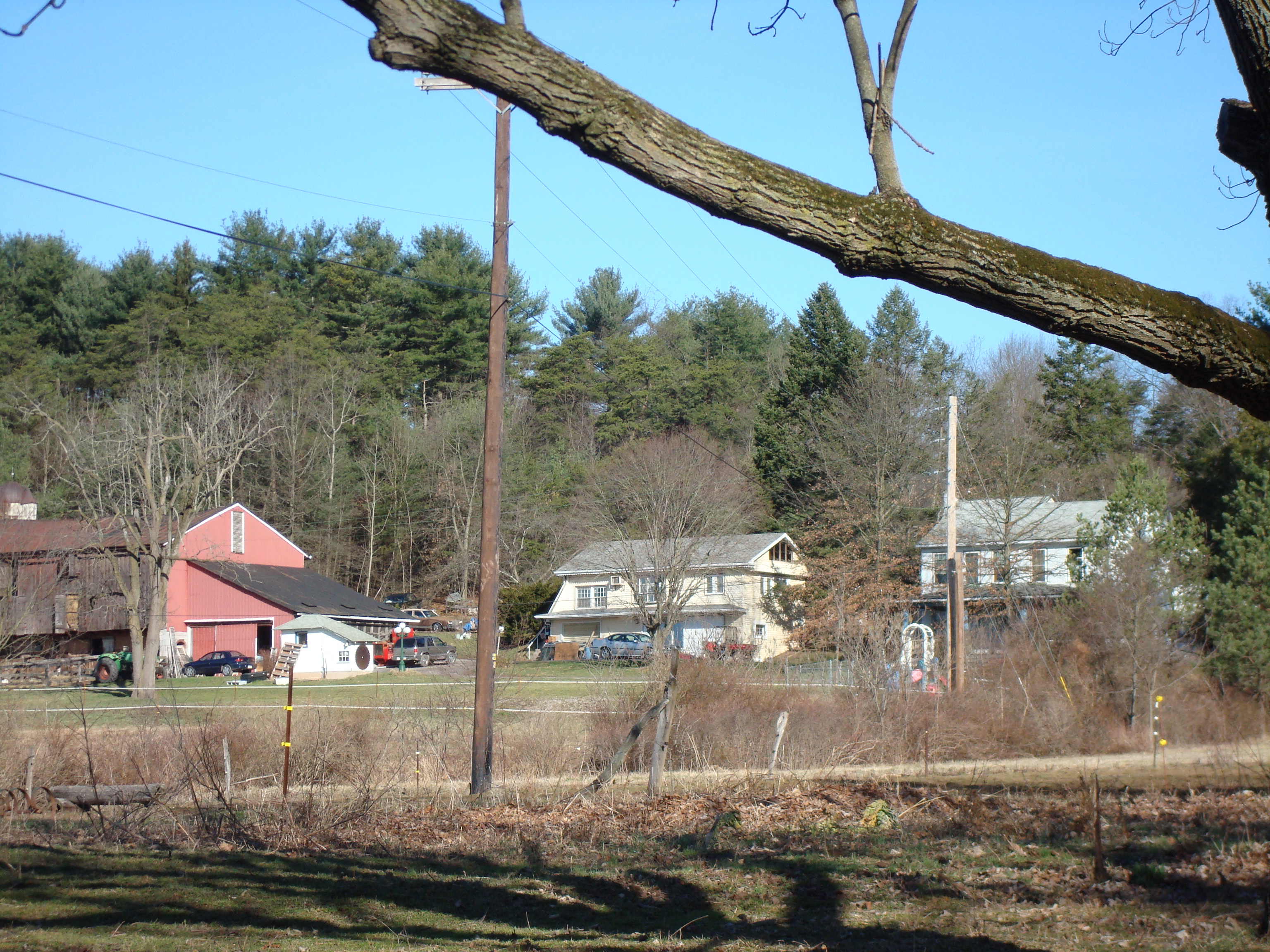
Recent photo of a neighbor’s farm

Her middle-aged granddaughter’s comments 100 years later:

Whew, how in the world did the cows wonder so far afield (no pun intended) that they were lost for several hours?

I bet that Grandma and her sister Ruth were really relieved when they found them. I wonder which sister was supposed to be watching them.  (See previous posts about the need to watch the cows to ensure that they stayed in the pasture and didn’t wonder off—see, for example, June 22 and May 18).

It sounds like the Muffly’s had nice neighbors (or at least neighbors who didn’t want stray cows wondering around their corn and wheat fields destroying their crops).

Hundred-Year-Old Craft: Paper Horse Directions

17-year-old Helena Muffly wrote exactly 100 years ago today: 

Friday, July 5, 1912:  I must excuse myself for this day and pass onto the night.

Her middle-aged granddaughter’s comments 100 years later:

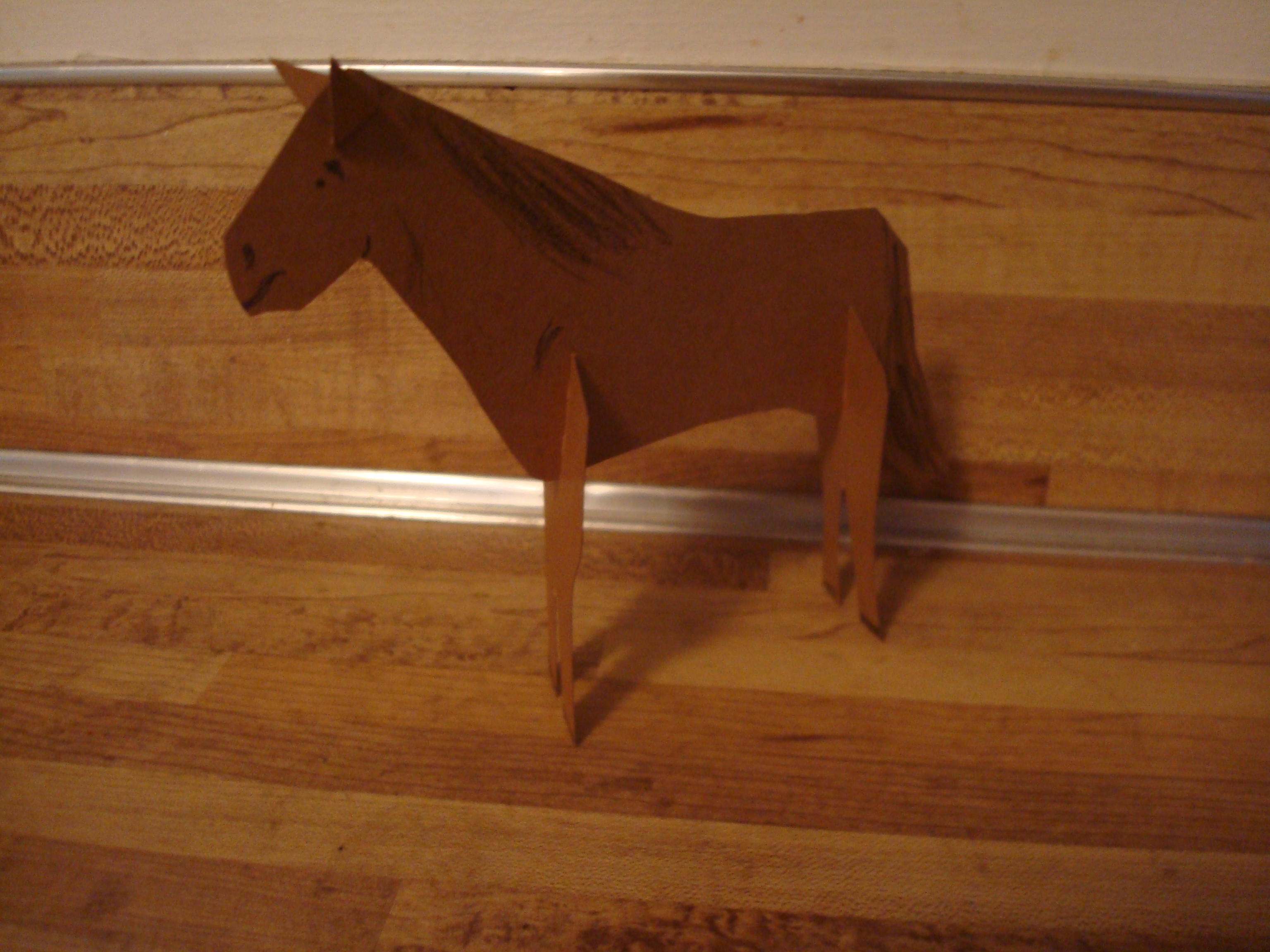
Since Grandma didn’t write much a hundred years ago today, I’ll share an old pattern for making paper horses.

I made the horse in the picture yesterday. Holidays are a great time to do old-fashioned crafts with friends and family.

If you’d like to make a paper horse, here is the pattern and the directions:

Click here for paper horse directions.

Cut out the pattern pieces. On heavy cardstock trace around the  pieces. (Note: for the cardstock I used a brown file  folder.)  Cut out and decorate as desired.

Dovetail the legs and body together at the slits. The slits for the ears (see small black line between eyes and neck) can be made by an adult using a small sharp knife or very small sharp scissors.

P.S.—Previous posts with old-time paper crafts have been very popular. If you haven’t already seen them you may want to check them out:

Paper Doll Girl and Her Swimming Ducks

Paper Birds

Swimming Frog

School Girl Paper Doll

Paper Cow