17-year-old Helena Muffly wrote exactly 100 years ago today:
Saturday, November 30, 1912:
It often seems the best comes last,
And so it must be with December.
As the end of the year recedes into the Past,
We see her last holiday, Remember.
Wanted to go to McEwensville tonight but Ruth won’t, so I didn’t. Made me feel sore for awhile.
McEwensville at dusk on a December evening
Her middle-aged granddaughter’s comments 100 years later:
The first day of each month, Grandma began the diary entry with a poem. I’m still trying to figure out if she wrote them herself or copied them from somewhere. This month it almost seems like Grandma struggled to find a word to rhyme with December—so I’m leaning towards her writing the poems herself.
Why did Grandma want to do in McEwensville on a Sunday evening? . . to visit friends? . . . to attend an evening church service ? (Though, based on the diary, I don’t think that there generally were evening church services.)
And, (I guess I have more questions than answers) why did Grandma feel like she couldn’t go if her sister Ruth won’t go with her?
17-year-old Helena Muffly wrote exactly 100 years ago today:
Saturday, November 30, 1912: Ruth and I washed this morning. Went to Watsontown this afternoon.
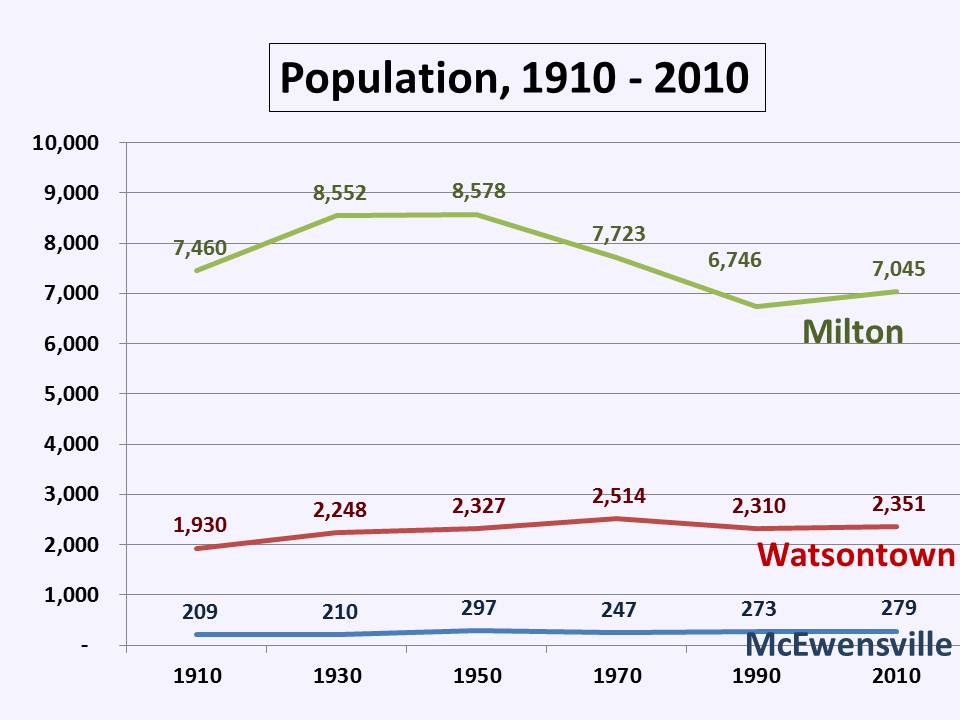
Click on graph to enlarge.
Her middle-aged granddaughter’s comments 100 years later:
Sounds like a nice way for Grandma to spend a Saturday—doing a little work in the morning with her sister Ruth, and then rewarding herself by going to town in the afternoon. Maybe Grandma started her Christmas shopping.
There are three towns regularly mentioned in this diary—all small in the big scheme of things, but within Grandma’s world there was a small town (McEwensville), a medium-sized town (Watsontown), and a large town (Milton).
Today none of the three would be much of a shopping destination—but a hundred years ago transportation was so much more difficult and each had stores.
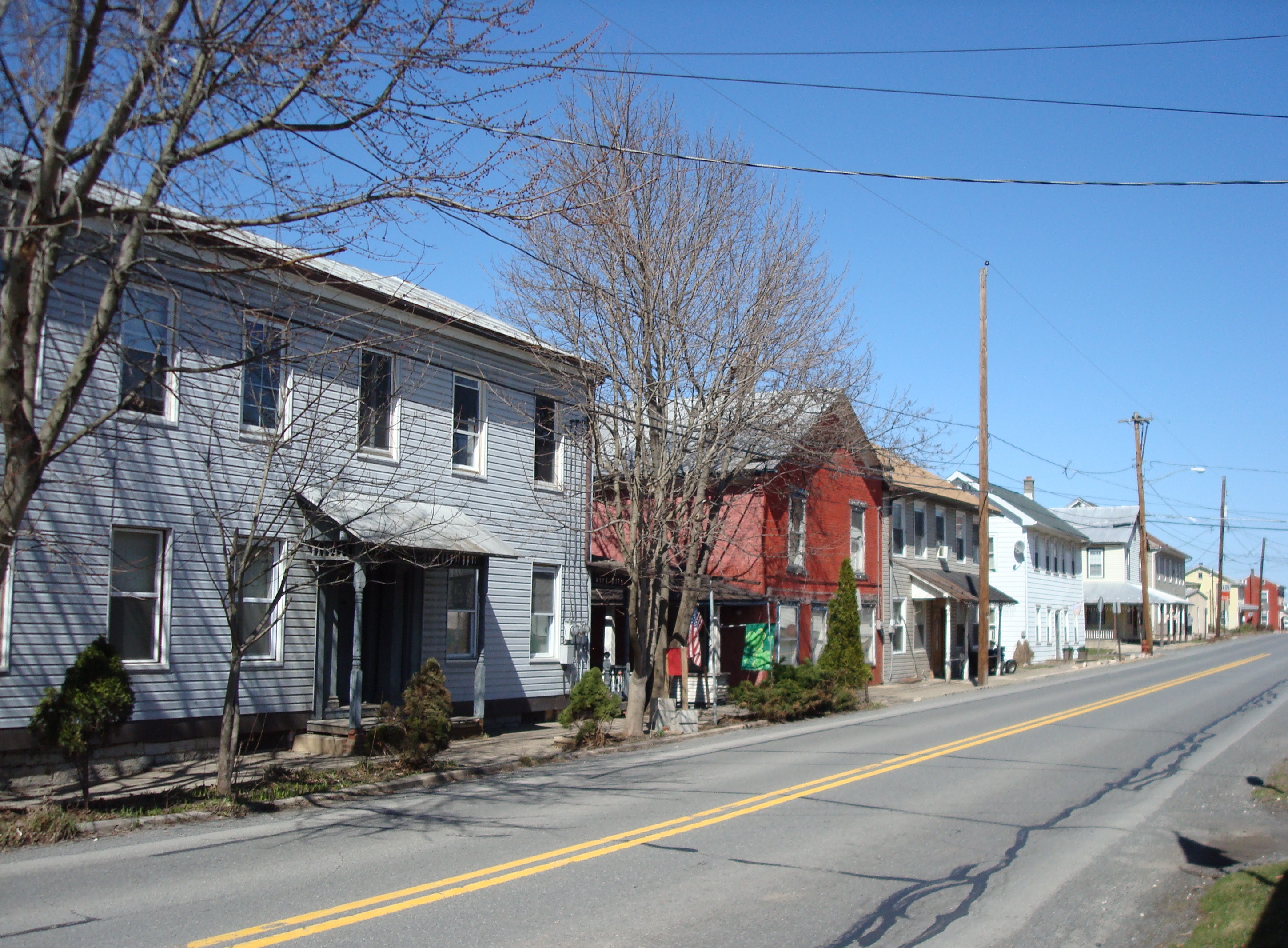
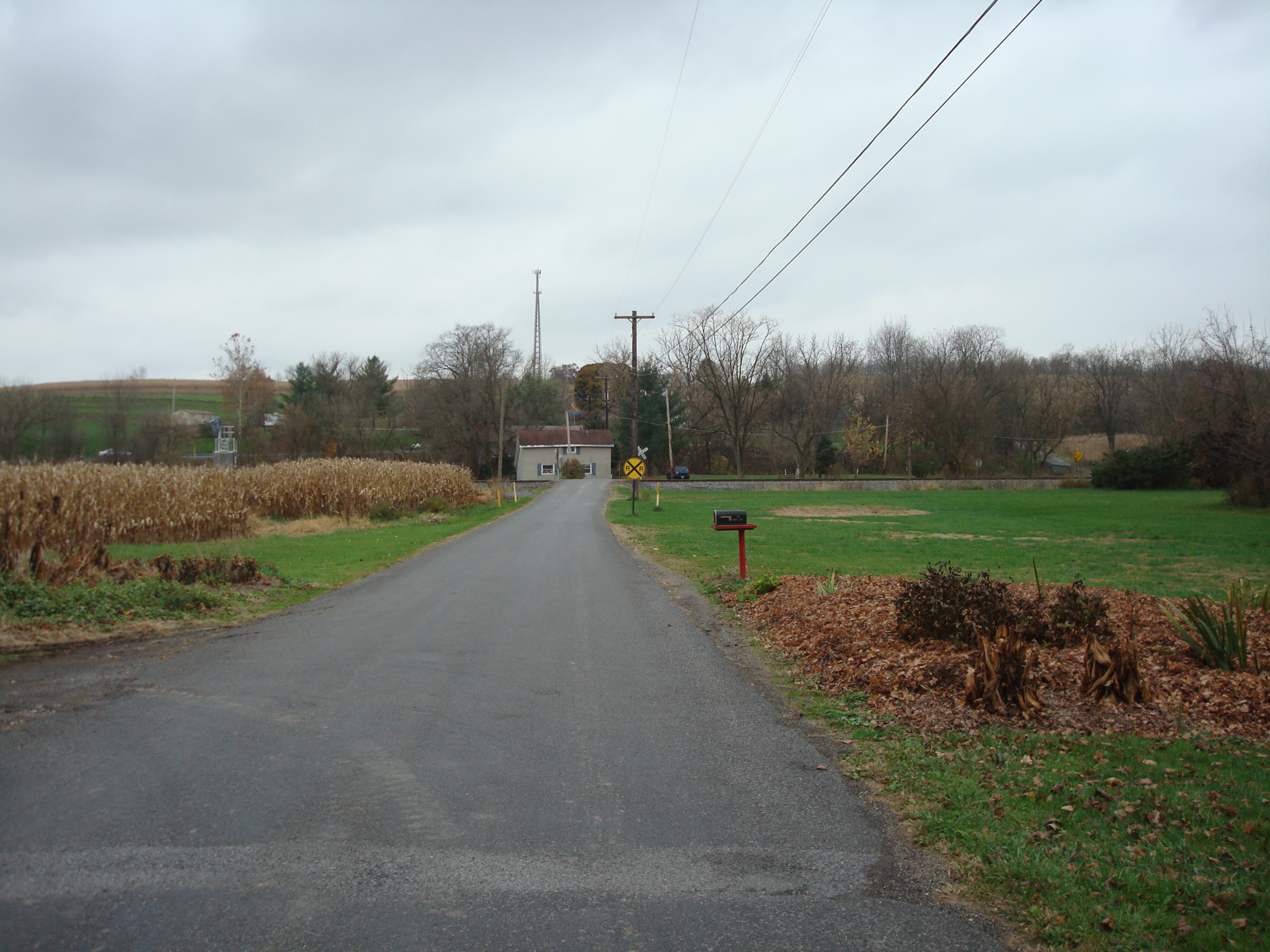
McEwensville was the small town, but the one Grandma went to the most frequently . It also was where she attended school. McEwensville was about 1 1/2 miles east of the Muffly farm. It had a general store, a pharmacy, a restaurant, and a few other businesses.
McEwensville
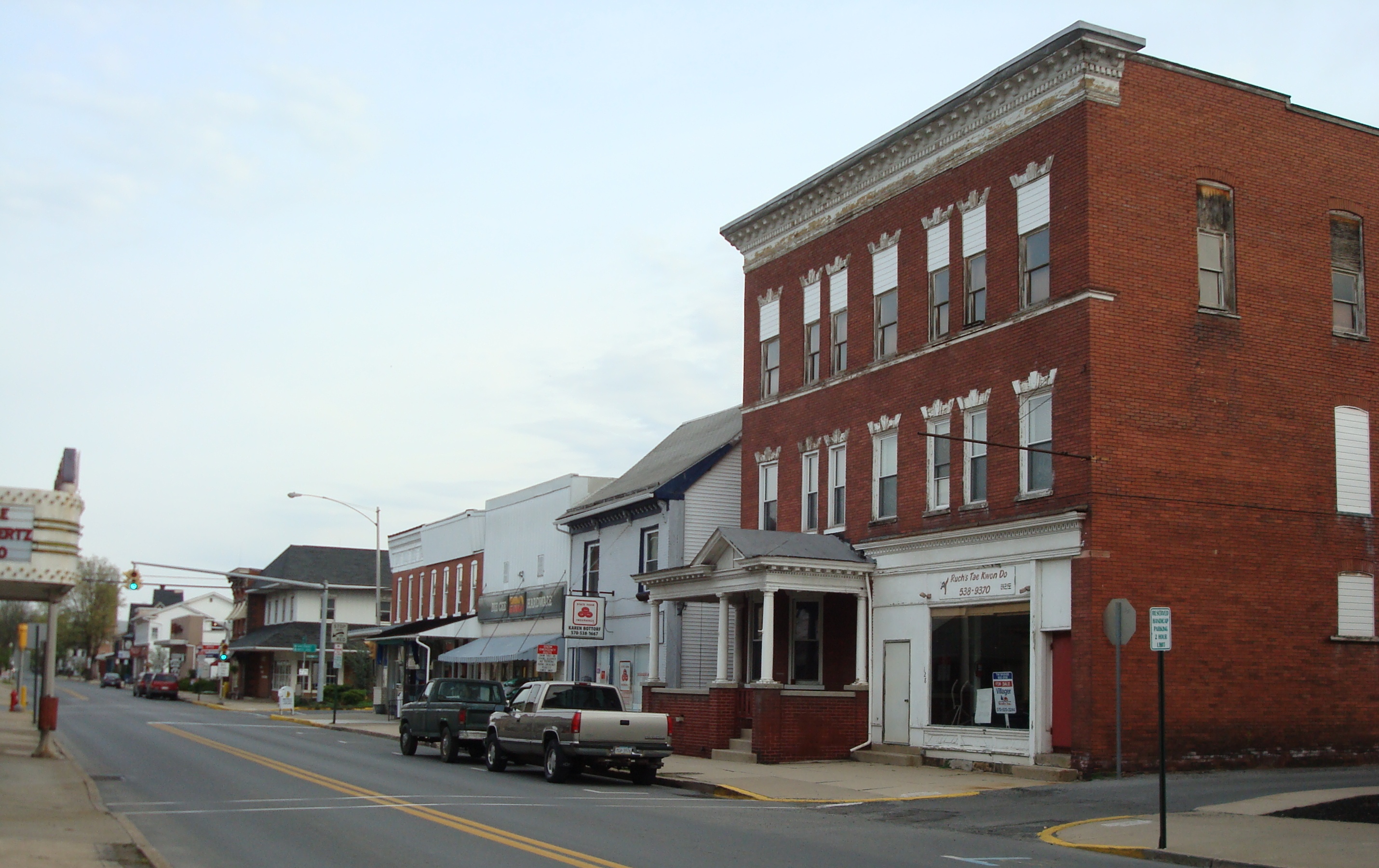
Watsontown was the medium sized town and where Grandma went a hundred years ago today. It was also about 1 1/2 miles from the Muffly farm, but in the opposite direction from McEwensville. Grandma often walked to Watsontown. It was to the west and is located along the West Branch of the Susquehanna River. It had a small downtown with a full range of stores where clothes, housewares, etc. could be purchased.
Watsontown
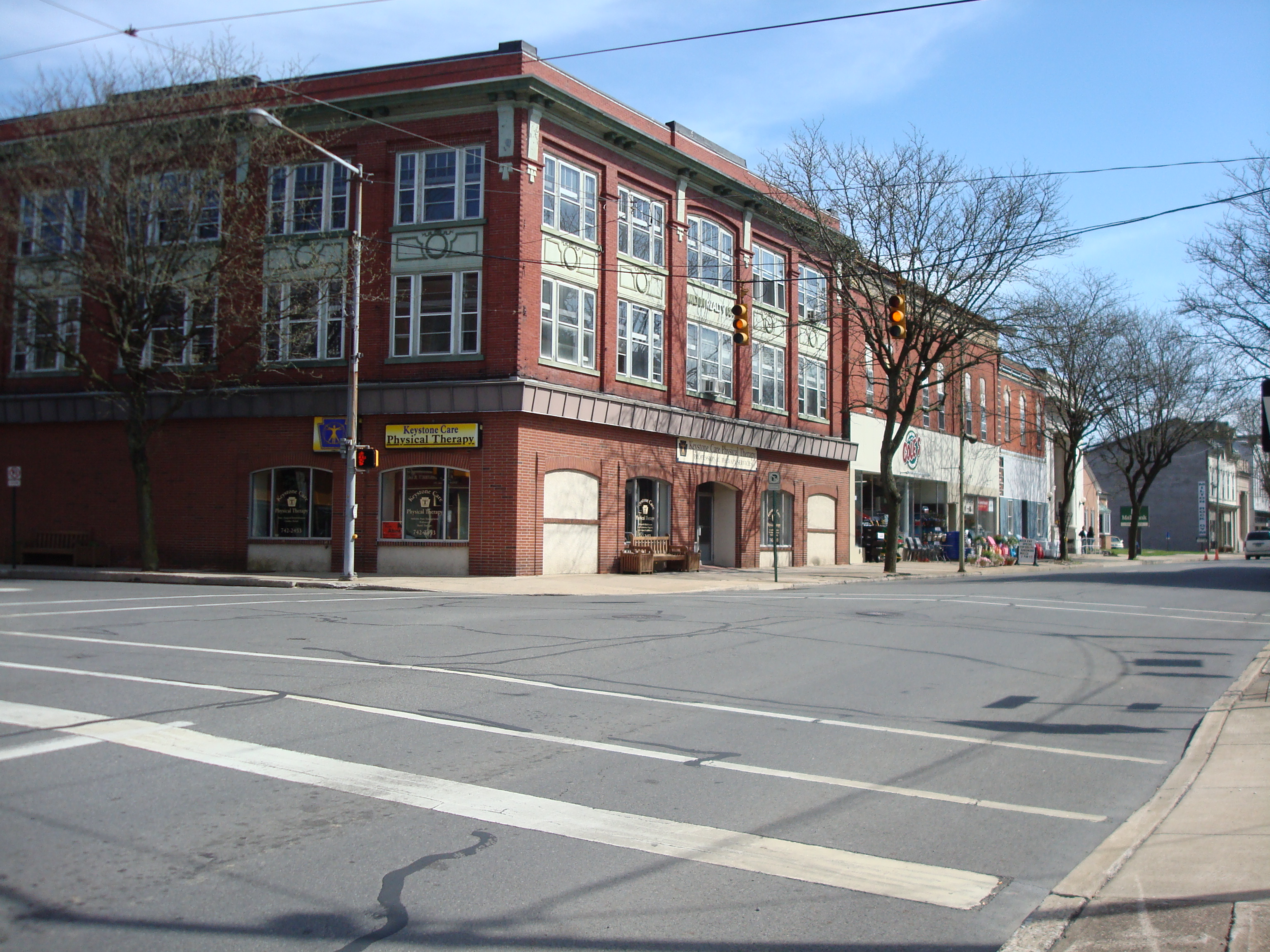
Milton was considered the “big city” in Grandma’s day—even though the population was only about 7,500 people. At the time, it was a considered a glamorous shopping destination with glittery department stores, women’s clothing shops, shoe stores, and restaurants. It was about 5 miles from the Muffly farm. Grandma would have either ridden in a buggy to get there—or she could have walked into Watsontown and then taken the trolley from Watsontown to Milton.
Milton
Since all three towns seem very sleepy today, I decided to see it they’d lost a lot of population across the years (see graph above). I was surprised to discover that the population had changed less than I expected between 1910 and 2010. Milton and Watsontown have lost a lot of factories since the 1970s—and many people moved away. It’s nice to see that the population trends have turned and that the population is increasing.
Links to Census Data Sets
I used data from US censuses to make the tables. There is an awesome amount of census data available for every town in the US. Here are the links to the Census population data for each of the years.
17-year-old Helena Muffly wrote exactly 100 years ago today:
Friday, November 29, 1912: Came out a licked dog in the debate. Did feel so mad at first. Felt crosser than the dickens this evening.
Helena Muffly
Her middle-aged granddaughter’s comments 100 years later:
GRANDMA, WHY DIDN’T YOU WRITE MORE?!?! Your frustration and anger are so clear, and you’ve been preparing for a week, yet you never told us what the debate was about.
Okay, that’s unfair. I know that you were writing for yourself and couldn’t have possibly known that we’d read this a hundred years later. . . And, I know that I can’t talk to a dead person. . . .
But, one thing that I do know is that your future husband, Raymond Swartz, was one of the other students in your small senior class. Did you debate against him?
I’m going to imagine that the debate was about women’s suffrage—and that the debate was the guys against the gals. Did the guys make “obvious” points during that debate that would horrify us today, but that you were unable to rebut to the satisfaction of the teacher and other students?
I sympathize—Sometimes I also can’t adequately explain things that are really important to me in ways that others understand.
Notes to my readers—
1. For more about Raymond and Helana’s marriage, see a previous post about their 40th wedding anniversary.
2. I don’t usually “talk” directly to my Grandmother in these posts, but I had so many questions and it seemed like the best way to write what I was thinking. Does it work when I talk to her? . . .or are my usual more straight-forward descriptions better?
17-year-old Helena Muffly wrote exactly 100 years ago today:
Thanksgiving Day, November 28, 1912: Yesterday thought perhaps I’d go up to McEwensville for my dinner, but then I changed my mind as I didn’t think I could afford it. Besse was out this afternoon. I actually believe that I am getting a rather bad cold.
Her middle-aged granddaughter’s comments 100 years later:
This entry suggests that a Thanksgiving feast may have been held (minus Grandma) in McEwensville. Was it a fundraiser? . . . for the school? . . . or maybe the volunteer fire department . . . or a church?
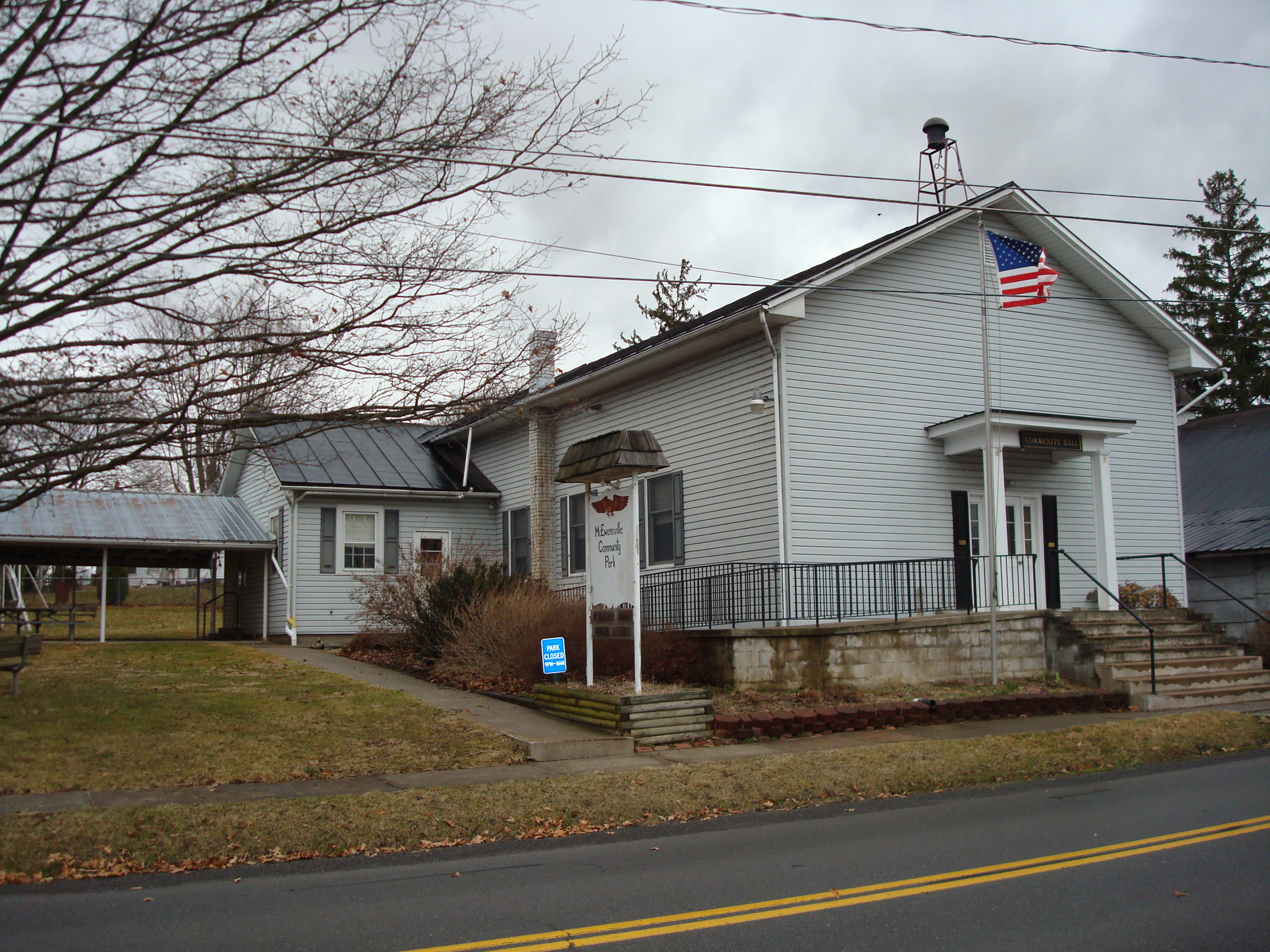
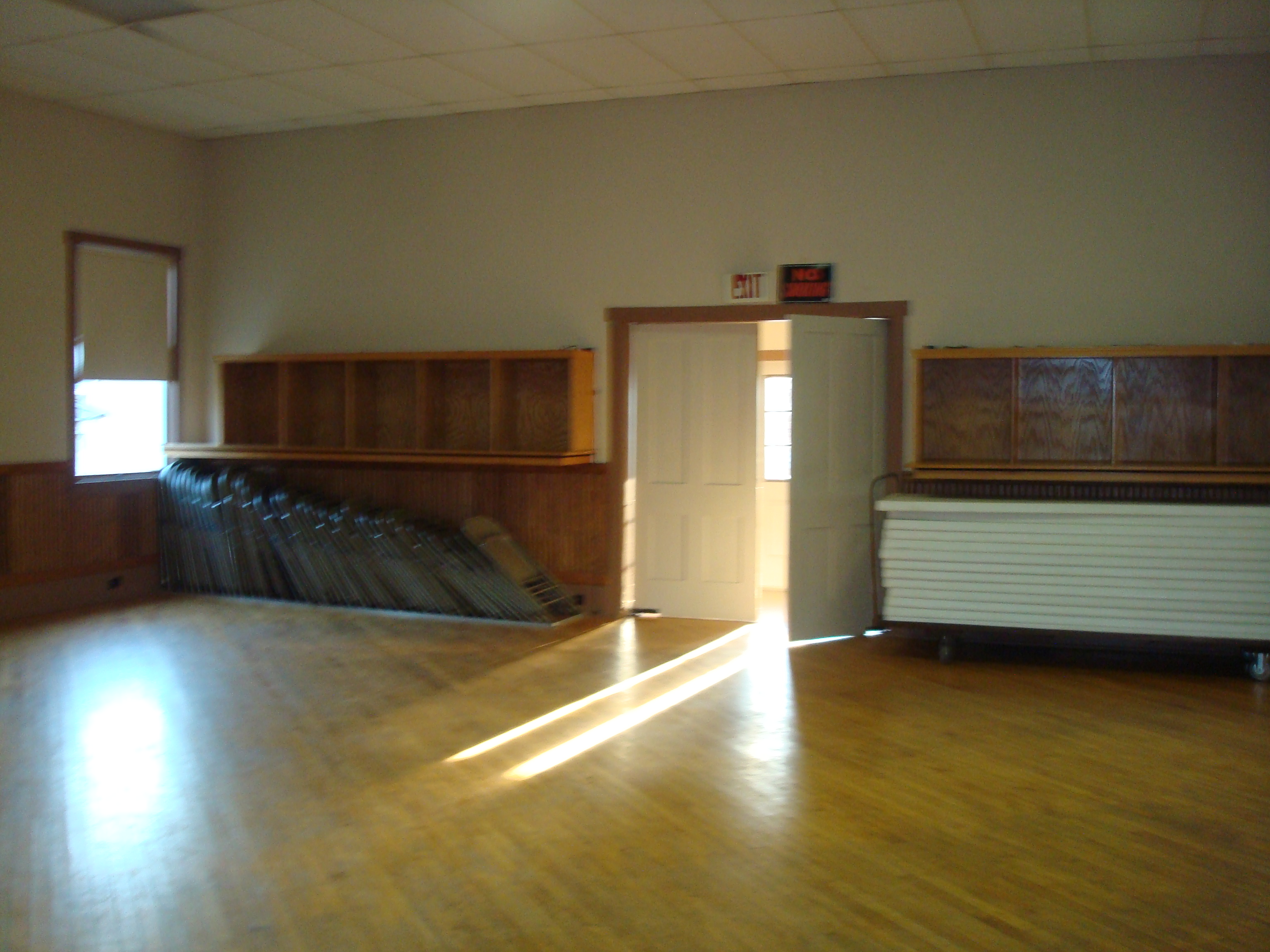
Was the feast held at the McEwensville Community Hall? The community hall has existed for more a hundred years ago–and I don’t think that it’s changed much over the years.
.
I can almost picture gaily chatting women, men and children in old-fashioned clothes sitting at long tables laden with turkey, giblet stuffing, homemade gravy, mashed potatoes, and lots of pies–apple, pumpkin, minced meat, mock cherry. . .
It doesn’t sound as if the Muffly family ended up doing very much to celebrate the holiday—though they must have had a small celebration since Grandma’s married sister Besse Hester came out from nearby Watsontown.
Grandma’s mother probably still is not feeling well. The previous day Grandma wrote:
Guess we aren’t going to have much of a Thanksgiving tomorrow cause Ma is sick and we haven’t got a turkey.
It’s been a rough November in the Muffly family. Her little brother Jimmie missed school on November 19 because he was sick; then her mother was sick—and now it sounds like Grandma may have caught the same thing.
17-year-old Helena Muffly wrote exactly 100 years ago today:
Wednesday, November 27, 1912: Guess we aren’t going to have much of a Thanksgiving tomorrow cause Ma is sick and we haven’t got a turkey.
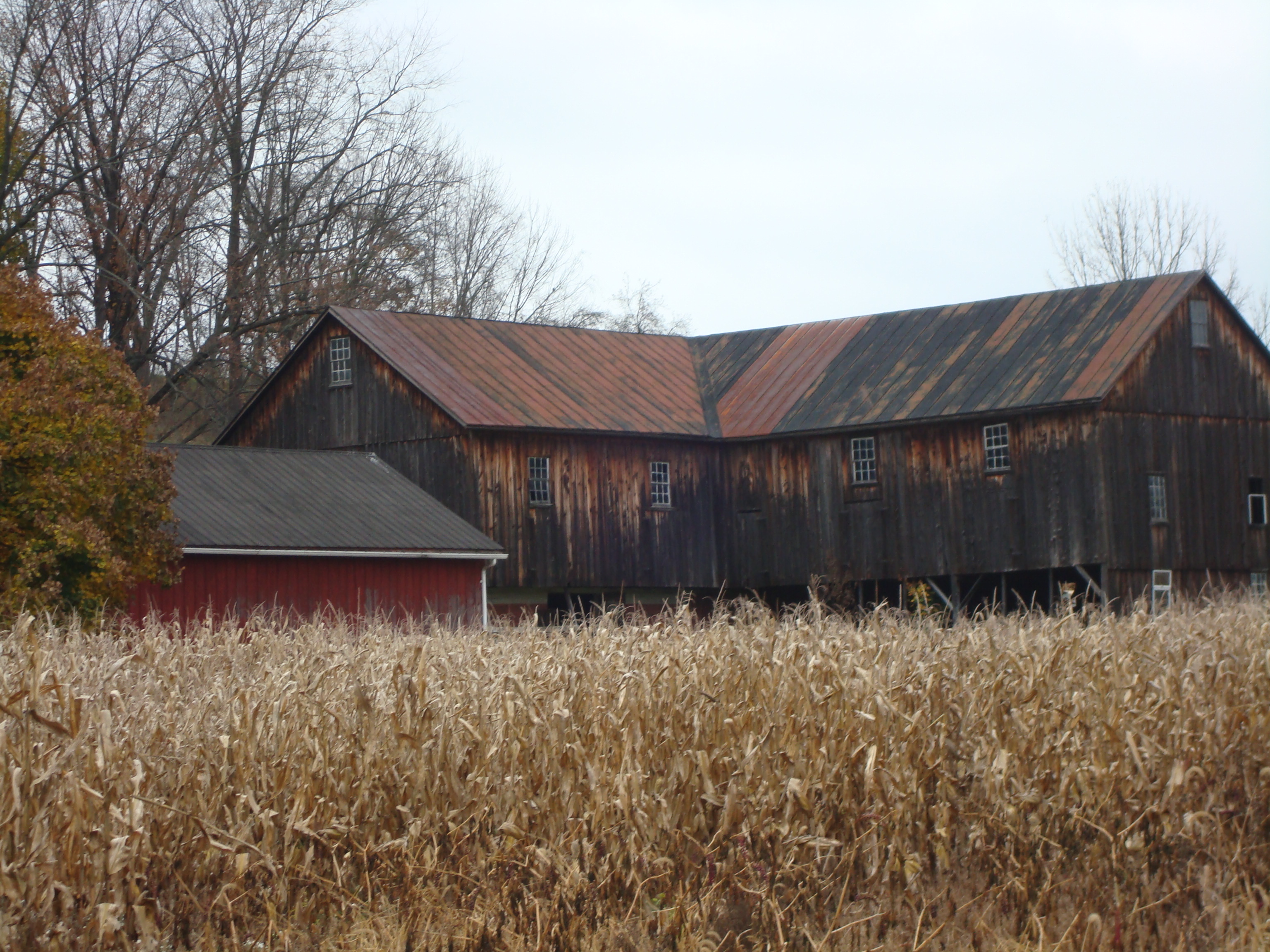
Recent fall photo of fields on the farm where the Muffly’s once lived.
Her middle-aged granddaughter’s comments 100 years later:
Dang it—Thanksgiving was a week later in 1912 than it was in 2012.
From a blog post perspective, it works much better when the dates of holidays are the same for both years—and floating holidays like Easter and Thanksgiving are problematic.
This year Thanksgiving is history—and we’ve moved past Black Friday and Cyber Monday to holiday parties and decorating Christmas trees . But, on the off-chance that you’re willing to read about Thanksgiving at this late date, here is a lovely Thanksgiving poem that was in the November, 1912 issue of Farm Journal.
17-year-old Helena Muffly wrote exactly 100 years ago today:
Tuesday, November 26, 1912: Ma’s so sick. Hope I don’t have to miss school. That would spite me something dreadful.
Her mother probably needed help with both housework and barn work
Her middle-aged granddaughter’s comments 100 years later:
I wonder what’s wrong with Grandma’s mother. Maybe she caught whatever ailment her little brother Jimmie had the previous week. On November 19 Grandma wrote:
Poor little Jimmie got sick last night and had to miss his first day of school.
It seems like Grandma’s parents were quicker to consider having their children miss school when extra help was needed than parents today. For example, on November 18, 1912 Grandma also was concerned that she might need to miss school:
I’m half way out of something I’m worrying about since before school started and that was that I was afraid I’d have to miss school when Pa had his threshing done. They started today and well I went to school today too. So glad I don’t have to miss, that would be too bad for me.
(A positive note about Grandma’s parents–Even though Grandma periodically worried that her parents would make her miss school for one reason or another, I don’t think that she ever actually missed school because they needed her at home.)
17-year-old Helena Muffly wrote exactly 100 years ago today:
Monday, November 25, 1912: Today, don’t remember.
Her middle-aged granddaughter’s comments 100 years later:
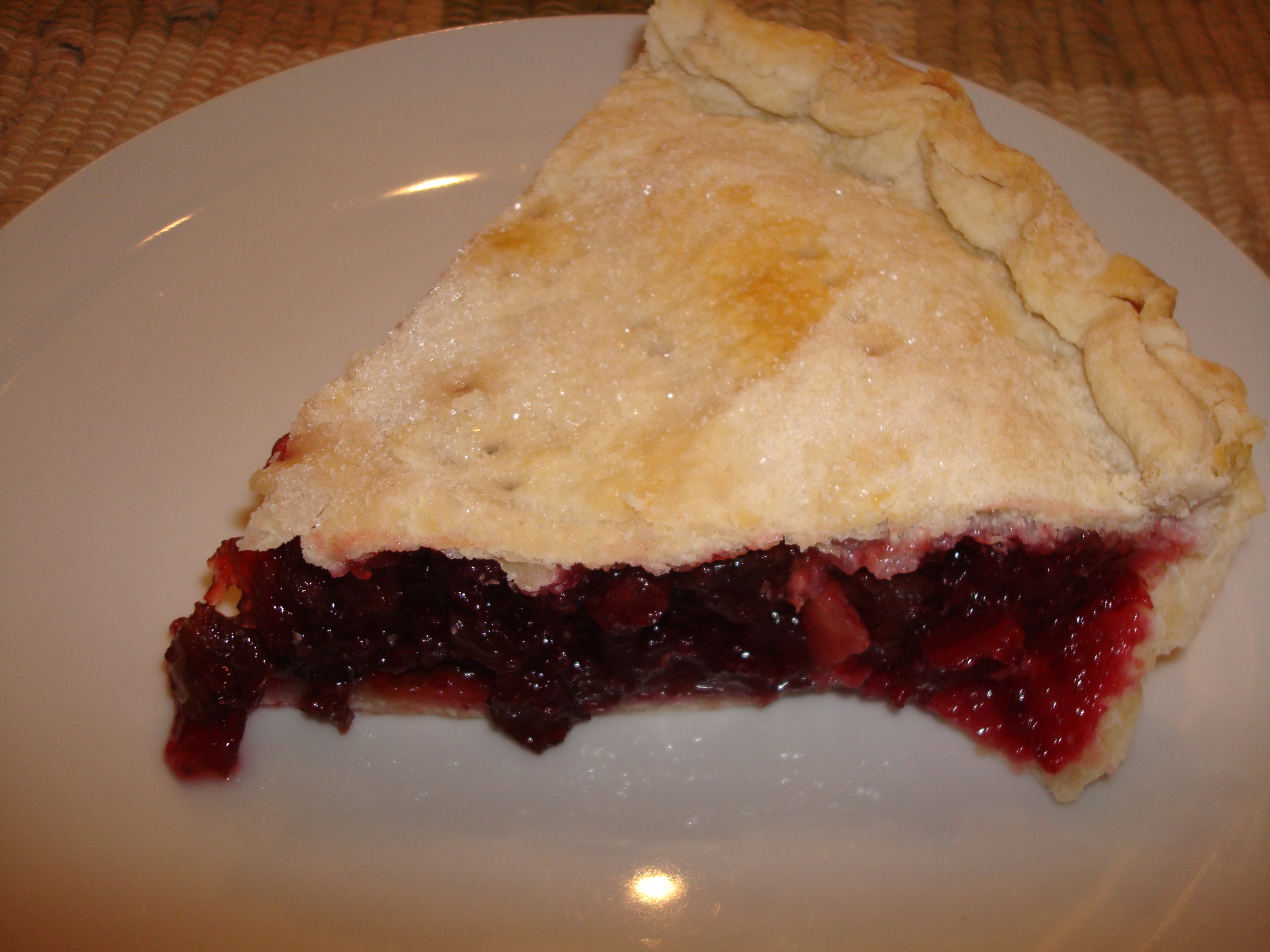
Sounds like a slow day for Grandma. Since she didn’t write much I’ll share a hundred-old-recipe for Mock Cherry Pie that I made for Thanksgiving.
The pie is made with cranberries and raisins. It’s enticingly tart–yet sweet–and a nice addition to my repertoire of Thanksgiving pies; but it tastes (surprise, surprise) more like a cranberry raisin pie than a cherry pie.
Mock Cherry Pie
Pick over and wash three cupfuls of cranberries, and cook in half a cupful of water until broken. Add one cupful of sugar and one cupful of raisins. Bake between crusts in 9-inch pan.
Adapted from recipe in Good Housekeeping (November, 1912)