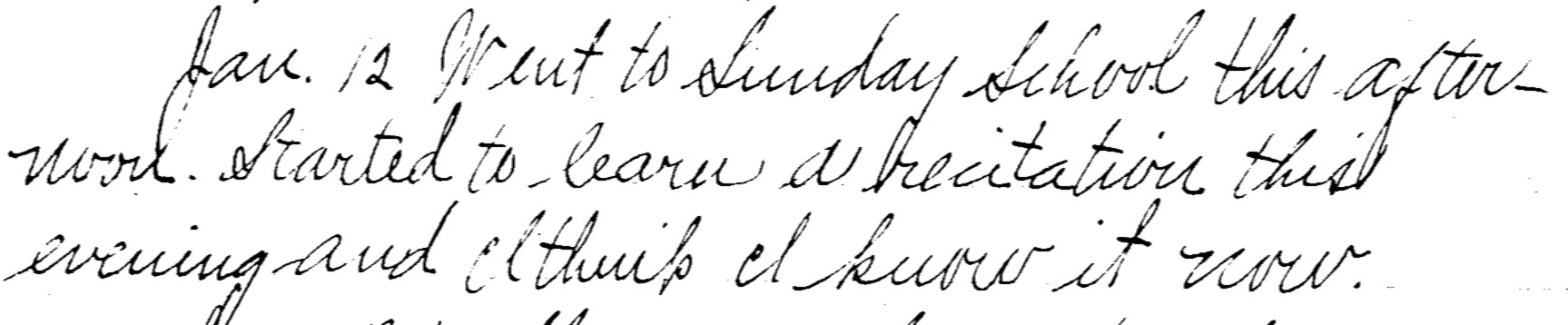
17-year-old Helena Muffly wrote exactly 100 years ago today:
Tuesday, January 14, 1913: Haven’t spent much time on my studies this evening. At present I am waiting for Ruth to get through with a paper so I can read it.
Her middle-aged granddaughter’s comments 100 years later:
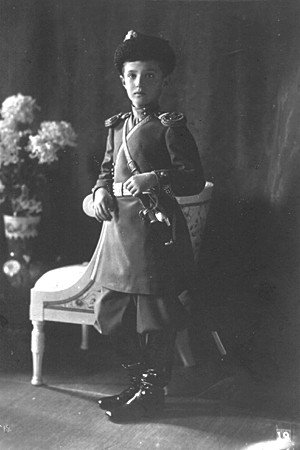
What was in the headlines a hundred years ago today? I’m not sure what was in the newspaper that Grandma and her sister Ruth were reading, but I was surprised to discover that the New York Times had an article about the son of Russian Tsar Nicholas II.
Whew, a hundred years ago Russia was still ruled by a Tsar! Grandma was writing before the beginning of the Soviet Union . . . and before the Russian Revolution.
CZAREVITCH IS ILL AGAIN
Heir to the Throne is Again Confined to His Bed
London, Tuesday, Jan. 14—The correspondent in St. Petersburg telegraphs:
After being present at the Christmas festivities of the garrison at the palace of Tsarskoe Selo, the Czarevitch, who was mysteriously ill in the autumn is again confined to his bed.
The Dowager Empress, who has been suffering from lumbago, is obliged to keep to her bed.
Owing to the unfavorable impression caused by the cancellation of the New Year’s reception, which was to have been held at the Winter Palace today, the Czar with receive the Diplomatic Corps at the palace of Tsarskoe Selo.
New York Times (January 14, 1913)
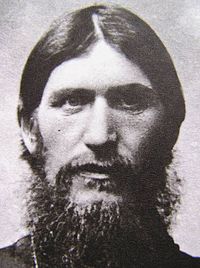
Alexei, the oldest son of the Tsar had hemophilia –and that’s probably why he was ill a hundred years ago today. His mother Alexandra believed that a monk named Rasputin was the only person who knew how to cure him. As a result Rasputin became extremely powerful. This was seen as scandalous by many in Russia, and helped bring about the Russian Revolution and the end of the Tsars.