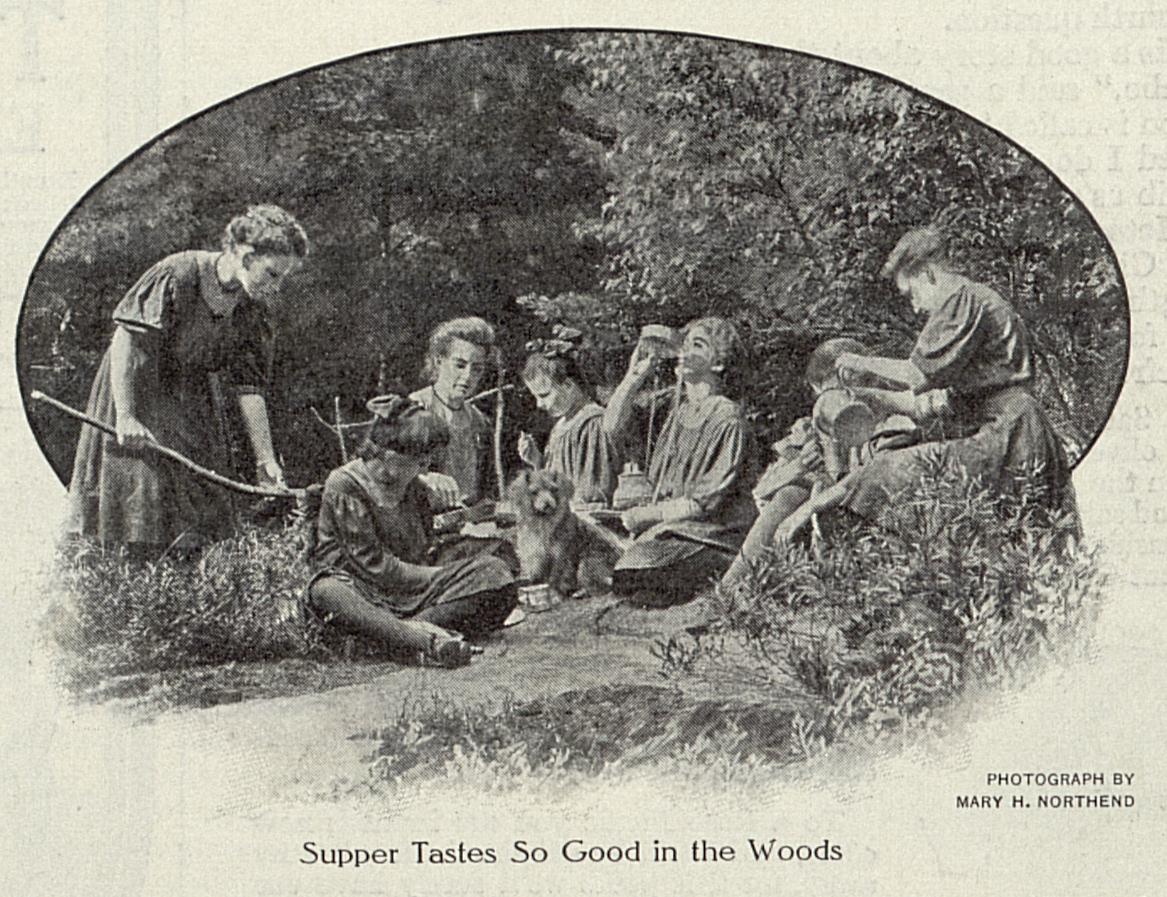
Going to Have a Sunday School Picnic

18-year-old Helena Muffly wrote exactly 100 years ago today: 

Sunday, August 10, 1913: We have decided to have our S.S. picnic next Wed. So many things are coming so close together this month.

Photo Source: Ladies Home Journal (July, 1913)

Her middle-aged granddaughter’s comments 100 years later:

Grandma— For so much of the summer you’ve seemed kind of down. It’s fun to see your excitement about the Sunday School picnic and the other things that are coming together (whatever those things may be).

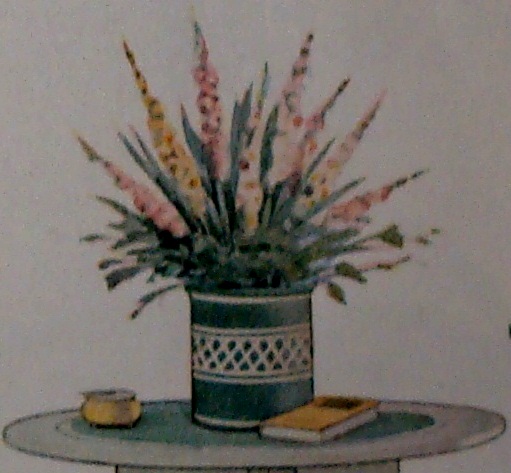
Cut Flowers Brighten the Room When There’s Company

18-year-old Helena Muffly wrote exactly 100 years ago today: 

Saturday, August 9, 1913:  Nothing doing. Had company today.

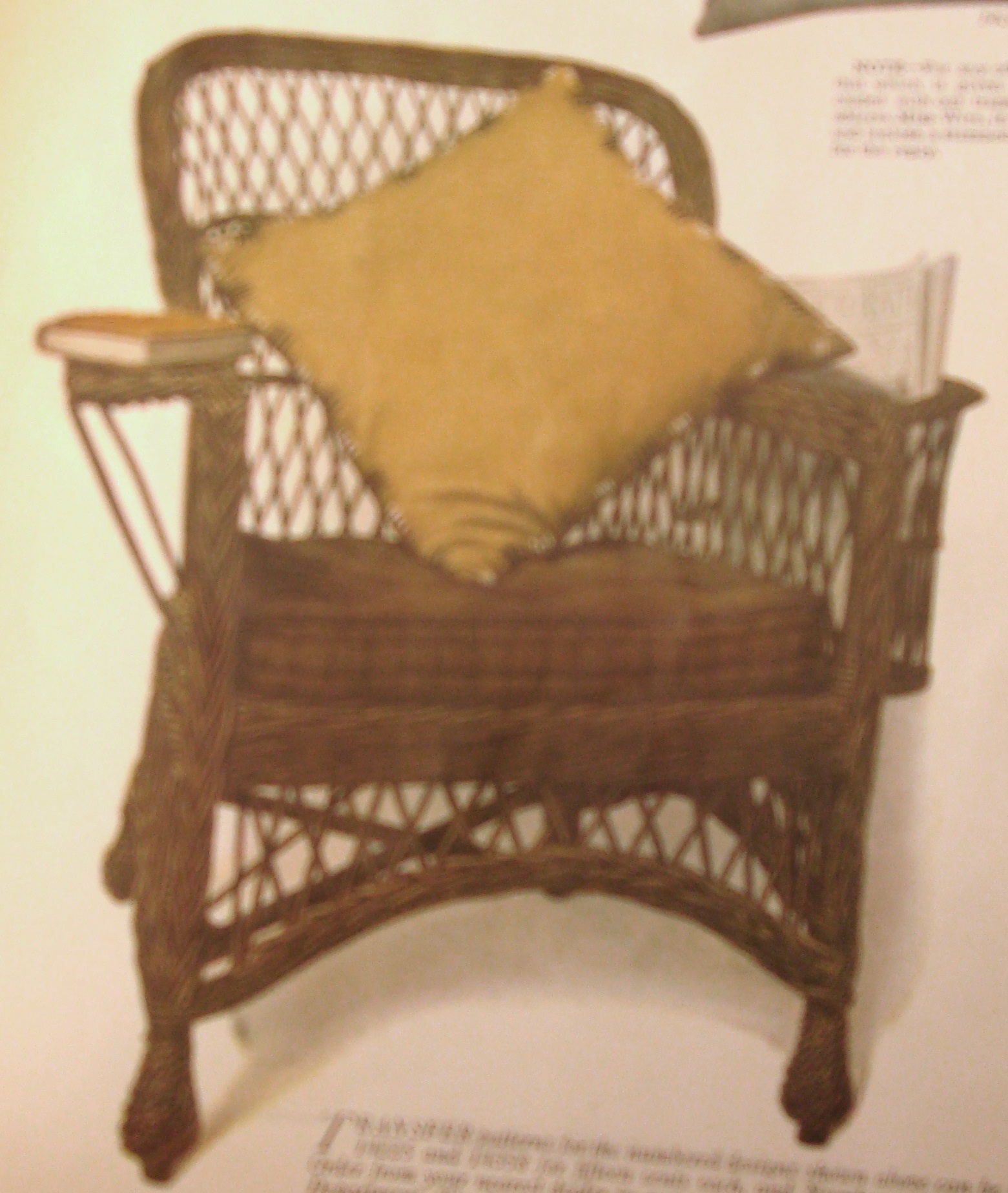
Source: Ladies Home Journal (July, 1912)

Her middle-aged granddaughter’s comments 100 years later:

Cut flowers are always a nice touch when there’s company.

Gladiolas are in season– maybe Grandma cut a few and put them in a vase . . .


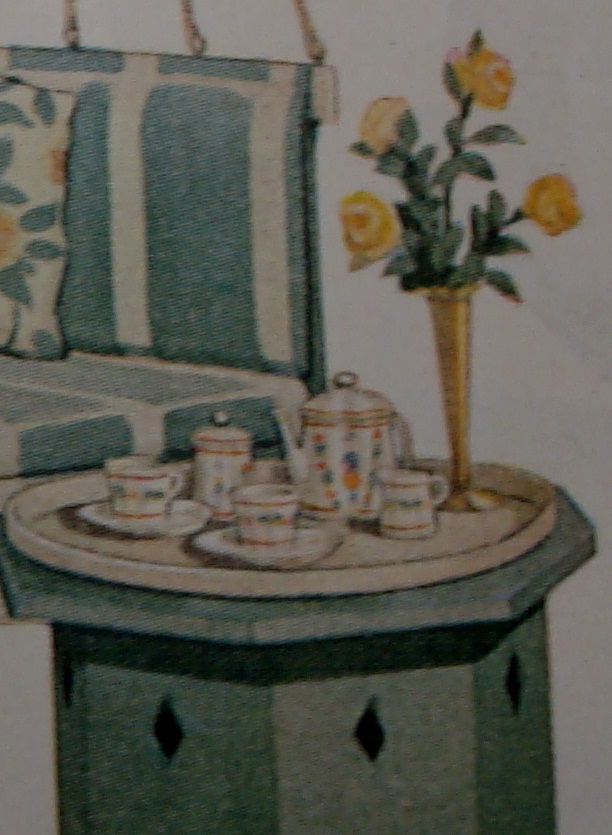
Money-Making Tip–Open a Tea Room

18-year-old Helena Muffly wrote exactly 100 years ago today: 

Friday, August 8, 1913: Nothing doing.

DSC06036.crop.b

Her middle-aged granddaughter’s comments 100 years later:

Since Grandma didn’t write much a hundred years ago today, I’m going to again go off on a tangent–

Women must have worried a lot back then about how to earn a little pin money (or in some cases more substantial amounts).  Ladies Home Journal even had a column called “What Can I Do? where women could send in letters with money-making tips. This is how the magazine described the column:

The aim of this department is to show what can be done at home to use money by the use of special talents. The department is a sort of clearing house of information as to the kinds of work for which there is most demand, the conditions and chances of success, and the best ways of find a market.

A few days ago I shared tips in the magazine for making and selling Sun-Preserved Preserves.  Here is another suggestion:

Tea for Motorists

I live in the country on a road where a great many autos pass every day, so I conceived the idea of opening a tea room. Having always on hand a supply of cream, butter and jellies my venture required no lavish outlay.

I first had an attractive sign painted and displayed in a conspicuous place on the roadside in front of the house. Next I arranged the tea table with my best china, and kept it in constant readiness, inspecting each article carefully every day.

One day a party of autoists knocked at my door and asked for tea. I ushered them into the tea room, and while they removed their veils, etc. I boiled the water, made thin bread-and-butter sandwiches, and arranged a little plate of tea cakes. For some time my patrons were few, but they increased in number as my reputation grew.

Ladies Home Journal (July, 1913)

Mother and Daugther Disagreements About Practicing the Piano

18-year-old Helena Muffly wrote exactly 100 years ago today: 

Thursday, August 7, 1913:  Ma threatens me with my music and wants me to practice more.

piano

Her middle-aged granddaughter’s comments 100 years later:

Whew, an 18-year-old and her mother in a battle of wills over practicing the piano  feels like a recipe for disaster.

Grandma only began taking lessons in June. Yet this is the second diary entry where she mentions  that her mother wanted her to practice more.  One July 26 she wrote:

Ma wanted me to keep digging at my music this morning. I don’t like to practice very well.

Grandma was a young adult—and you’d think that she won’t have begun taking lesson unless she was really motivated to learn to play. And, that she would have been responsible to making her own decisions about whether or not to practice.

However, Grandma’s mother bought the piano for her in the Spring (and undoubtedly spent a lot of money on it), so I suppose that she felt like she also had a stake in ensuring that Grandma practiced.


Hundred-Year-Old Directions for Making and Marketing Sun-Preserved Preserves

 18-year-old Helena Muffly wrote exactly 100 years ago today: 

Wednesday, August 6, 1913: That’s all.
Strawberries

Her middle-aged granddaughter’s comments 100 years later:

Yesterday, I shared an article about “new’ gadgets a hundred years ago that can be used to making canning easier. Since Grandma didn’t write much in this diary entry, I’m going to dig deeper into one statement in that article. It said:

Canning is a great improvement over the old-fashioned way of preserving fruits pound for pound, and if canned properly fruits will retain their fresh and natural flavor.

Ladies Home Journal (May, 1913)

I wondered what that meant and then came across another article about Sun-preserved Preserves. That article contained a letter from a reader explaining how to make and market sun-preserved preserves.

Sun-preserved Preserves

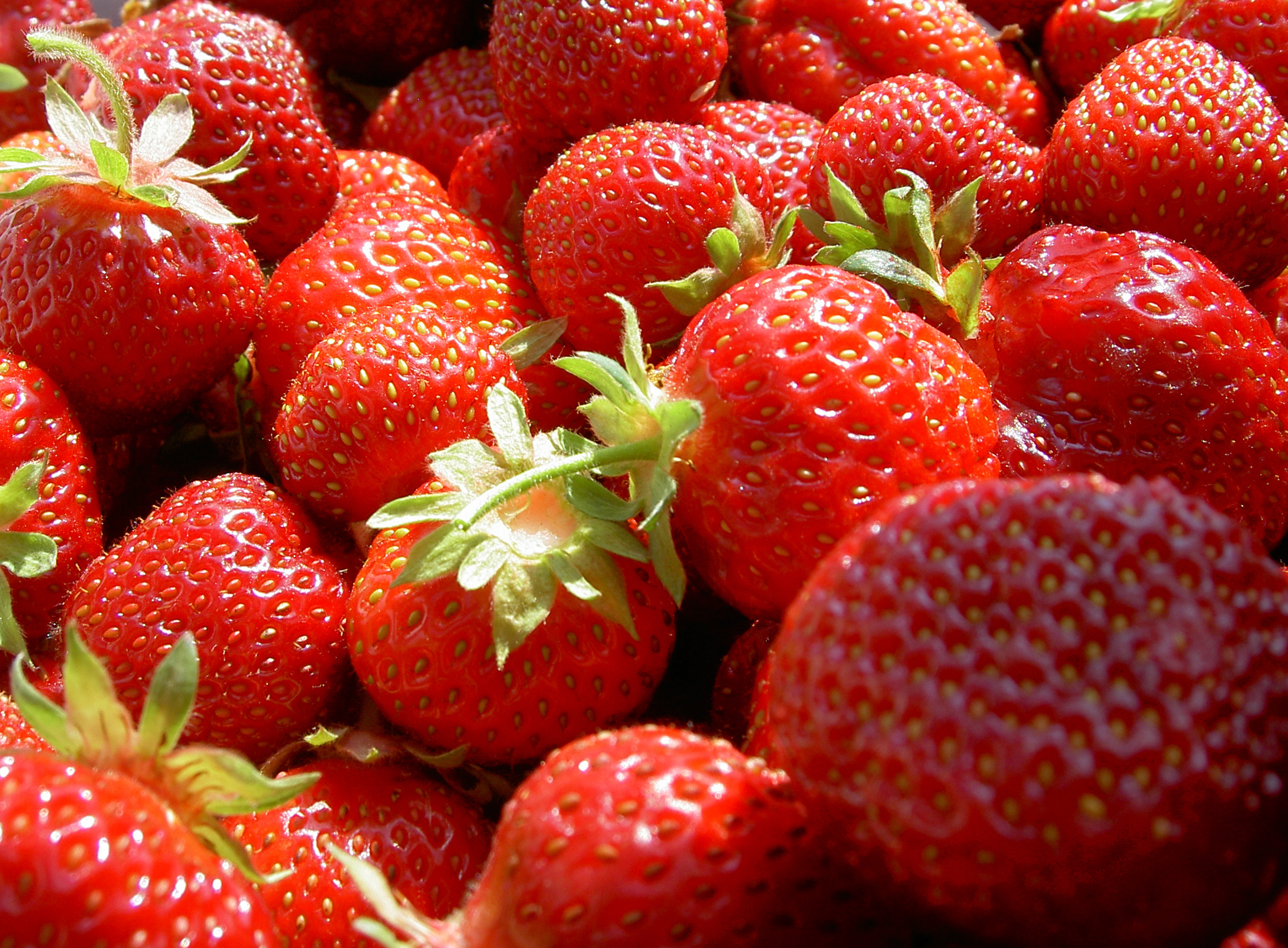
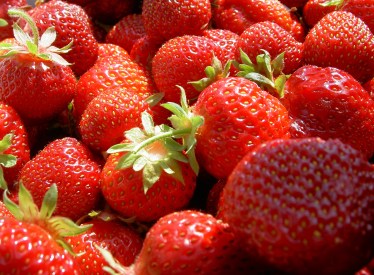
The thing I knew I could do better than most people was to make preserves. My specialties were sun-cooked strawberry and cherry preserves.

I chose only the finest, most perfect fruit, seeding the cherries carefully by hand. I weighed the fruit and made a syrup of an equal amount of the best granulated sugar, using just enough water to melt the sugar and prevent burning. When the sugar was melted I dropped the fruit in carefully and let it boil, about five minutes in the case of the strawberries and ten minutes for the cherries.

I then removed the preserves to a large platter and placed them out in the sunshine, covering closely with large pieces of glass. It may be necessary to use mosquito netting also. About two days of direct sunshine usually cooks the preserves sufficiently. I tried to put them in glass jars while still hot from the sun’s rays. This is not necessary, but they are nicer if canned before the juice sets.

The next problem was to find a market for my wares, which were strictly first class, and, beautiful in shape and color. For these I must ask a good price.

I lived about a hundred miles from a large city, in a village where there was no market for my goods at any price, so I took to scanning the society columns of the city papers and thus listed the names and addresses of the people I wanted to reach. To these I wrote personal letters describing my preserves and setting my price. To a few prominent ladies I sent small samples. The responses were numerous enough to give me several very busy summers.

Ladies Home Journal (July, 1913)

Sometimes when I read old recipes like this one I just roll my eyes and throw up my hands.  These directions don’t sound like they would produce a safe, sanitary food—yet Sun-preserved  Preserves apparently were considered a gourmet food a hundred years ago. So I googled “Sun Preserves” and found a New York Times article that explains how to make them  using modern processes and procedures.

Cherry Stoners and Apple Parers a Hundred Years Ago

18-year-old Helena Muffly wrote exactly 100 years ago today: 

Tuesday, August 5, 1913: What would you write, when you had nothing to write about?

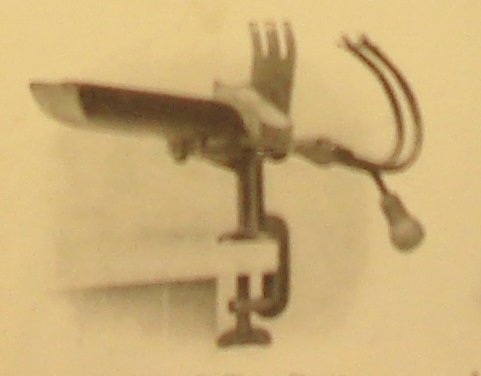
cherry stonerWith the cherry stoner the fruit is stoned by the pressure of two steel fingers worked by a handle. The cherries are fed automatically two at a time as long as the hopper is kept filled, and the operation separates the fruit and the stone into different receptacles.

Her middle-aged granddaughter’s comments 100 years later:

Hmm . . . that’s a dilemma for me sometimes, too. What do I write about, when I have nothing to write about?

Well, sometimes I browse through old magazines and see if I get any ideas . . .

I found a fun article in May, 1913 issue Ladies Home Journal that presented some of the newest canning tools and gadgets. Maybe Grandma spent the day canning fruits or vegetables.

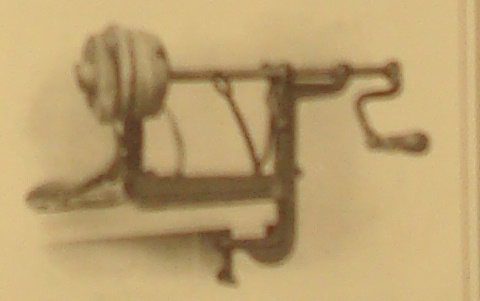
An apple parer, corer and slicer pares, cores and slices the fruit, and then, pushing off the apple is ready to repeat the operation. It can be used to pare without coring and slicing.

apple parer

Hurrah! Not Much Field Work

18-year-old Helena Muffly wrote exactly 100 years ago today: 

Monday, August 4, 1913: Guess I won’t have much to do in the fields now for awhile and I’m not very sorry. One of Ruth’s former teachers was here to see her this morning.

Source: Ladies Home Journal (July, 1911)

Her middle-aged granddaughter’s comments 100 years later:

It’s a nice feeling when the work slows down. Maybe Grandma even had time to sit on the porch and read a novel.  The wheat and oats harvest probably just ended—so there was a brief respite before other crops needed to be harvested.

Why did one of Grandma’s sister Ruth’s former teachers come to visit? Was it a social visit or was it related to Ruth’s job? (Ruth was a teacher at one of the one room school houses in the area.)