How to Cut-up a Chicken

18-year-old Helena Muffly wrote exactly 100 years ago today: 

Wednesday, December 31, 1913:  Cut up chicken no. 2 and got a breast bone in with the back. That’s one in many of the many failures I’ve committed this year. Wonder how many will occur next year. Hope it will be some different any way.

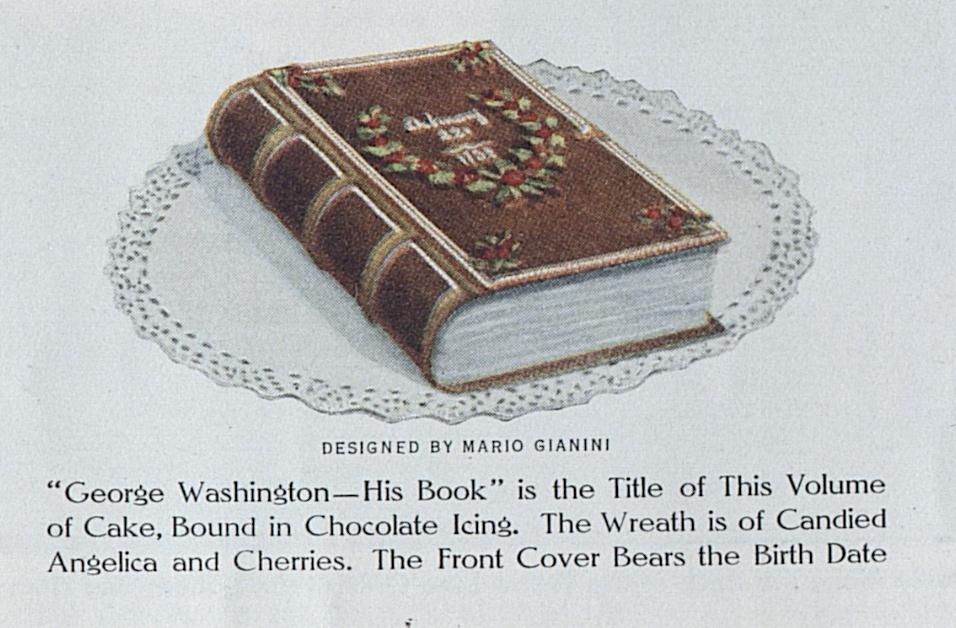
Photo Source: The Wise Encyclopedia of Cookery

Her middle-aged granddaughter’s comments 100 years later:

Good Grief Grandma—

Don’t measure the success or failure of the year based on how well you dress chickens!

In the big scheme of things, how well you cut-up a chicken doesn’t matter much.

I’ve occasionally bought whole chickens and then tried to cut them into pieces—and it’s always been a disaster with mangled parts (such as the breast bone in with the back).

Here are the directions in The American Woman’s Cookbook for cutting up a chicken. (The directions start with a more whole chicken than what you’d find at the store today. 🙂 )

Remove head, tendons, and oil sac. Cut off the legs at thigh joint and separate drumsticks from thigh. Cut the wings from the body, removing tips.

Separate the breast from back by cutting down both sides of bird below ribs. Remove heart, liver, gizzard, entrails and fat together. Remove windpipe, crop and lungs.

Cut back and breast crossswise. The back may be further divided by cutting lengthwise. Remove the wishbone by inserting knife under the tip and cut downward, following the bone.

Book Review: The Woman Thou Gavest Me

18-year-old Helena Muffly wrote exactly 100 years ago today: 

Tuesday, December 30, 1913:  There’s nothing much to write about for today. Am interested in reading a book that I once tried several years ago and though it too dry.

The.Woman.Thou.Gavest.Me

Her middle-aged granddaughter’s comments 100 years later:

Curling up with a good book is the perfect way to spend a cold winter day.

It’s obviously not what Grandma was considering reading because it was published in 1913, but I just finished reading The Woman Thou Gavest Me by Hall Caine. It was #7 on the Publisher’s Weekly bestseller list for 1913.

This book tells the story of a young woman, Mary O’Neill, who loved an Antarctica explorer, but was forced by her father to marry another man. Her wealthy father wanted to get control of some land, so he insisted that she marry a financially-struggling nobleman who owned an estate.

(Tip to the wise:  If you’ve never consummated your marriage, but instead decide to have an affair with an Antarctica explorer, be sure to use birth control if you sleep with him the night before he leaves for Antarctica.)

The Woman Thou Gavest Me touched on a lot of complex social and moral issues that people were grappling with in 1913—

  • Should marriages be based upon family and business relationships, or should they be based on love?
  • Should women be allowed to divorce? . . . and if they are allowed to divorce should they be allowed to remarry?
  • What role should the Catholic church have in determining what is acceptable in regards to marriage and divorce?
  • Is it sometimes acceptable to have an affair?
  • How should illegitimate children (and their mothers) be treated by society?

This book is worthwhile reading from a historical perspective. The themes addressed by this book reminded me of the themes that Edith Wharton, another author from this era, often explored.  The Woman Thou Gavest Me was a slow read—and felt very dated; but there was something about it that kept pulling me back to it over the course of several months.

US Inflation Rate, 1910 – 1915

18-year-old Helena Muffly wrote exactly 100 years ago today: 

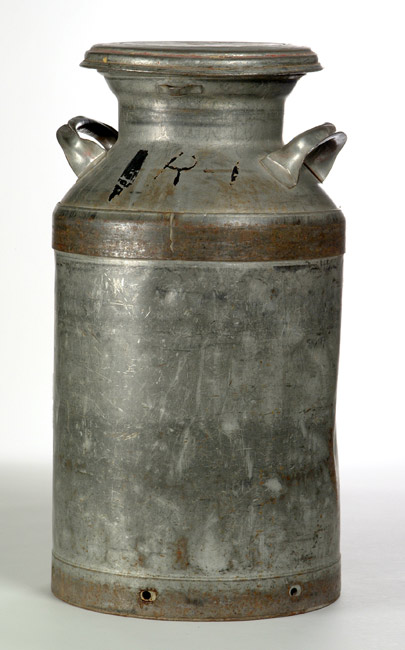
Monday, December 29, 1913:  Earned ten cents this morning a-doing darling sister’s milking. She doesn’t always pay me, but that was the bargain this morning.

Inflation.1910-1915

Data Source:  Consumer Price Index (Estimate), 1800 –, The Federal Reserve Bank of Minneapolis

Her middle-aged granddaughter’s comments 100 years later:

10 cents!?!?!? I don’t think that I would have agreed to milk the cows for only 10 cents.  I guess that it’s better to be paid than not paid, but even by 1913 standards, 10 cents wasn’t much.

According to an online inflation calculator a dollar in 1913 is now worth $23.81—so a dime in 1913 is now worth $2.38.

There’s been a lot of inflation over the years—though the inflation rate was only 2.4 % in 1913.

Sunday School Attendance Pins

18-year-old Helena Muffly wrote exactly 100 years ago today: 

Sunday, December 28, 1913:  Went to Sunday School this afternoon for this last time in this year. Would like to say “I haven’t missed any,” but I can’t. The missing amounts to two.

Her middle-aged granddaughter’s comments 100 years later:

sunday,school.pin

I think that this Sunday School attendance pin is from the mid-1900s. Does anyone know if there were attendance pins a hundred years ago?

Grandma—

Don’t beat yourself up for missing two Sundays.  I’m impressed that you made it to Sunday School for 50 of the 52 weeks in 1913.


Expected Visitor Didn’t Come

18-year-old Helena Muffly wrote exactly 100 years ago today: 

Saturday, December 27, 1913:  Expected company today, but was doomed to disappointment, no sign of cousin Alma appeared.

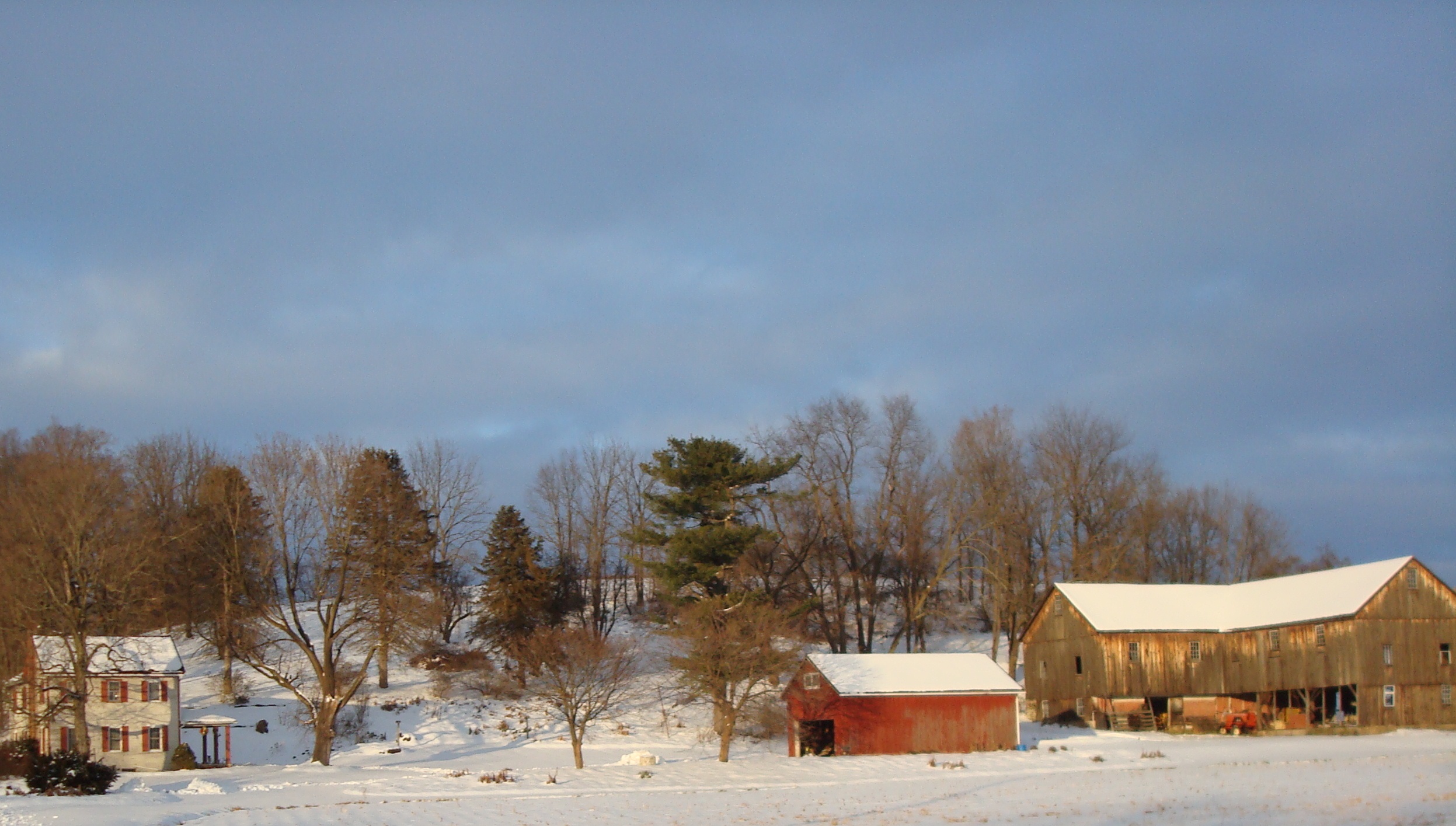
Grandma probably looked out the window, across the frozen filed.s, as she waited for the train (that hopefully contained Alma) to come down tracks.
Grandma probably looked out the window, across the frozen fields, as she waited for the train (that hopefully contained Alma) to come down tracks.

Her middle-aged granddaughter’s comments 100 years later:

A hundred years ago visits were often planned via letter—and when plans changed  at the last minute there was no way to let the other person know.

Grandma’s cousin. Alma Derr, lived on a farm in Montour County, Pennsylvania  near the hamlet of California. Alma was the daughter of Judson Derr. He was a brother of Grandma’s mother.

Grandma probably expected Alma to come on the Susquehanna, Bloomsburg, and Berwick (S. B. & B.) train. There was a whistle stop for the train at a feed mill near the Muffly farm.

Alma was 15-years-old—and was three years younger than Grandma; but despite the age difference they apparently were good friends.

The previous summer Grandma spent several days at Alma’s. For example, on August  16, 1913 Grandma wrote:

 Went out to Alma’s this morning on the train. We went to a festival over at California this evening. That was the first country festival I was ever to. We went up to the Hall this afternoon to tap the packers and then we swiped a dish of ice cream. When we finished it, we washed the dish and spoon in salt water.

A White Christmas After All

18-year-old Helena Muffly wrote exactly 100 years ago today: 

Friday, December 26, 1913:  My music teacher didn’t come this morning, perhaps on account of the snow. There was a white Christmas after all. It came in the evening.

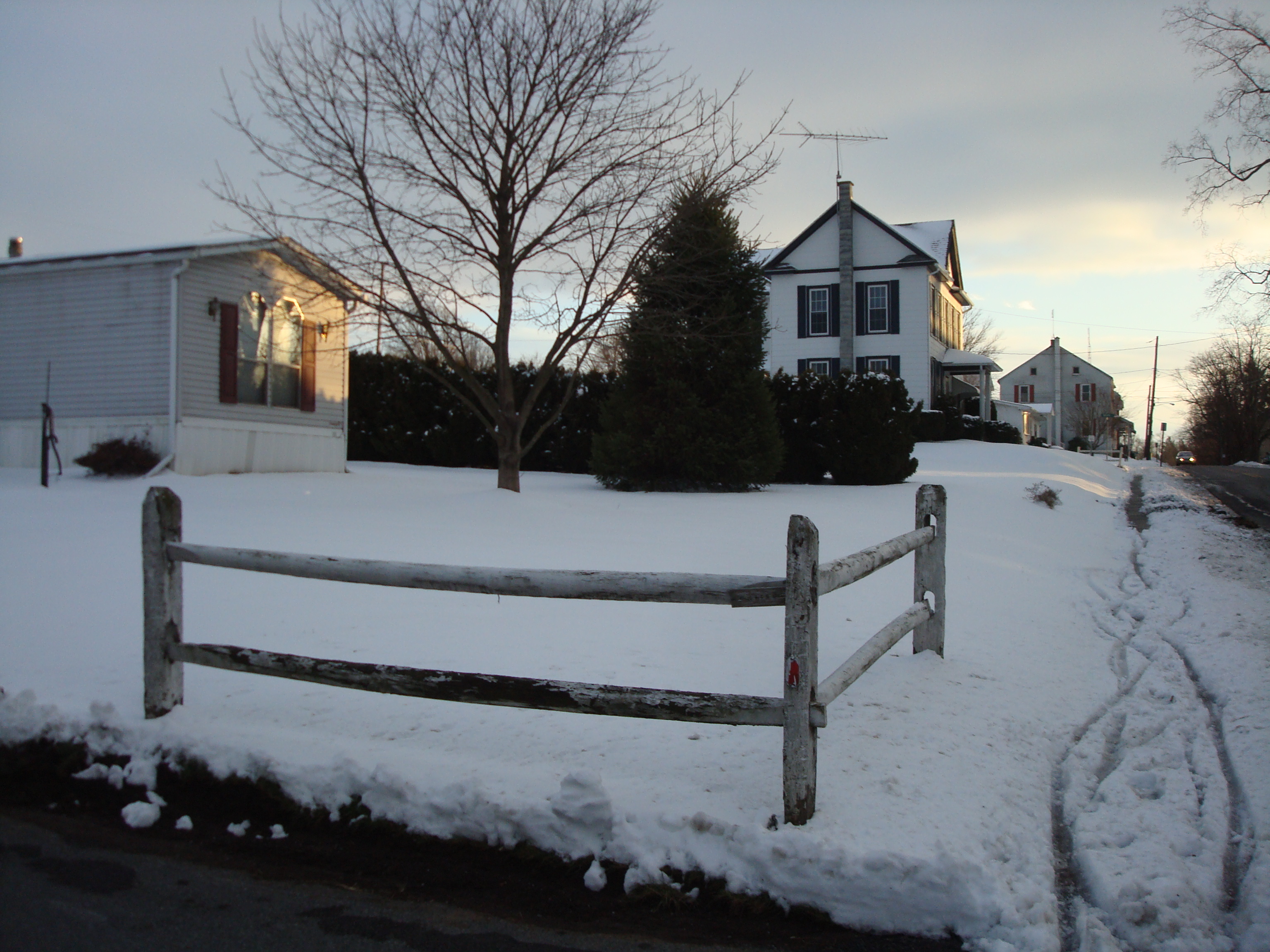
DSC07023

Her middle-aged granddaughter’s comments 100 years later:

Snow! What a beautiful way for the 26th to dawn. The beauty of fresh snow after a brown Christmas (at least during the daylight hours) must have been wonderful antidote to any post-holiday blues.

Music Teacher

The music teacher came to Grandma’s house to give her piano lessons?  When Grandma had previously mentioned the lessons, I’d always assumed that she’d gone to the teacher’s home.

Sometimes I don’t even realize what I don’t know something until I read a diary entry that makes me realize that I’d previously misinterpreted it.

It’s amazing how a word here and there over multiple diary entries across the course of time fills in the pieces of the puzzle.

A Wonderful Christmas Day

18-year-old Helena Muffly wrote exactly 100 years ago today: 

Thursday, December 25, 1913:  The day of preparation and expectation has dawned at last. Arose earlier than usual because it was Christmas. Am very much pleased with my presents. Have fourteen of them.

Besse and Curt were out for dinner. We had roast chickens.

Am not so sorry that the day is almost over, for e’er another year has gone its round and she will be with us again.

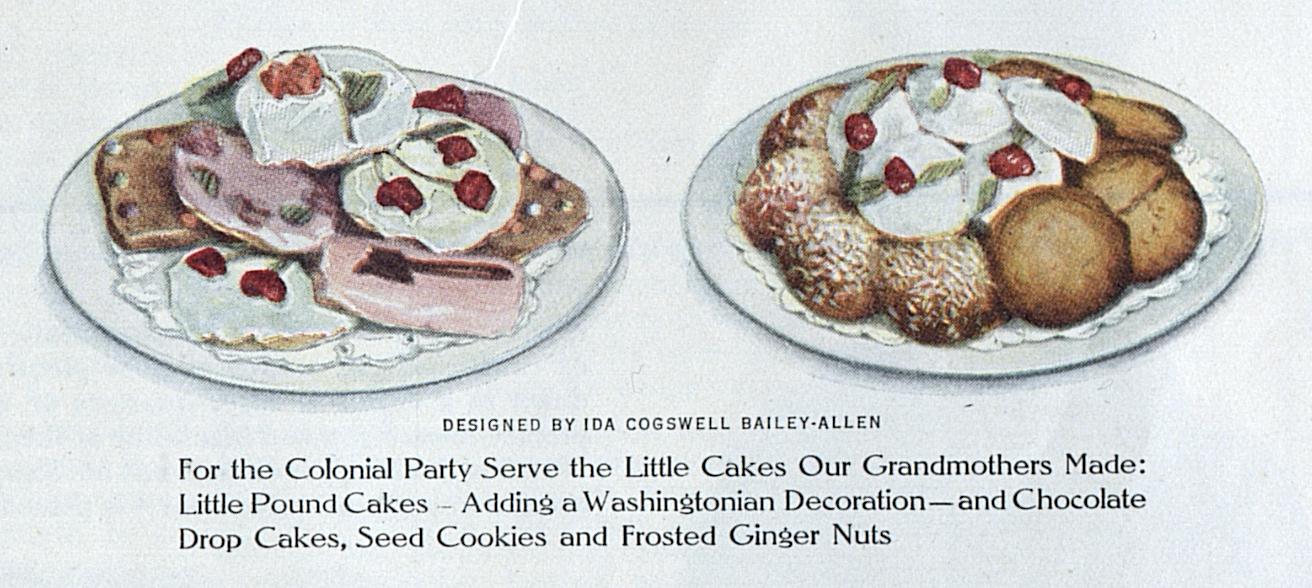
Source: Ladies Home Journal (December, 1913)

Her middle-aged granddaughter’s comments 100 years later:

Grandma—

It sounds like you had an absolutely perfect day.

Merry Christmas!