What Did 18-year-old Girls Think About a Hundred Years Ago?

18-year-old Helena Muffly wrote exactly 100 years ago today: 

Saturday, September 27, 1913:  Ditto

Her middle-aged granddaughter’s comments 100 years later:

The previous day Grandma wrote that she was “still pegging away.” In order words, she was using a husking peg to remove the husks from corn as it was being harvested.

Photo source: Wikimedia Commons

Click here to see an awesome YouTube video of people husking corn the old-fashioned way at the 2009 Nebraska State Hand Corn Huskers competition.

Husking corn sounds like a mindless, repetitive  task.  I bet that Grandma’s mind wandered while she pegged away.

What was Grandma thinking? . . . hmm, what did I think about when I was 18? . . . guys? . . . my friends?. . . chores? . . . nice things someone said about me? . . . not so nice things that others might be whispering about me?  . . . books I was reading? . . . the future? . . .

.

On Duty in the Corn Field

 18-year-old Helena Muffly wrote exactly 100 years ago today: 

Thursday, September 25, 1913:  Went to Watsontown this morning. I’m on duty now out in the corn field. The beginning took place this afternoon. Somehow or other I imaged I would accomplish more than what I did. This is an opportunity to earn some money of which I always seem in need.

DSC06518

Last year on the farm where Grandma grew up, there was corn in the field right next to the barn.  Was Grandma working in the same field a hundred years ago today?

Her middle-aged granddaughter’s comments 100 years later:

Grandma, I’m glad you’re earning some money, but exactly what are you doing in the corn field? It’s the right season to harvest corn, so I suppose that you are somehow helping with it.

.

A Ride Home in a Buggy

 18-year-old Helena Muffly wrote exactly 100 years ago today: 

Sunday, September 21, 1913:  Went to Sunday School all afternoon. It rained nearly all afternoon. Ruth and I were in quite a pickle about getting home. She had on her bestest dress. The questions were solved when a nice boy brought us home in his buggy.

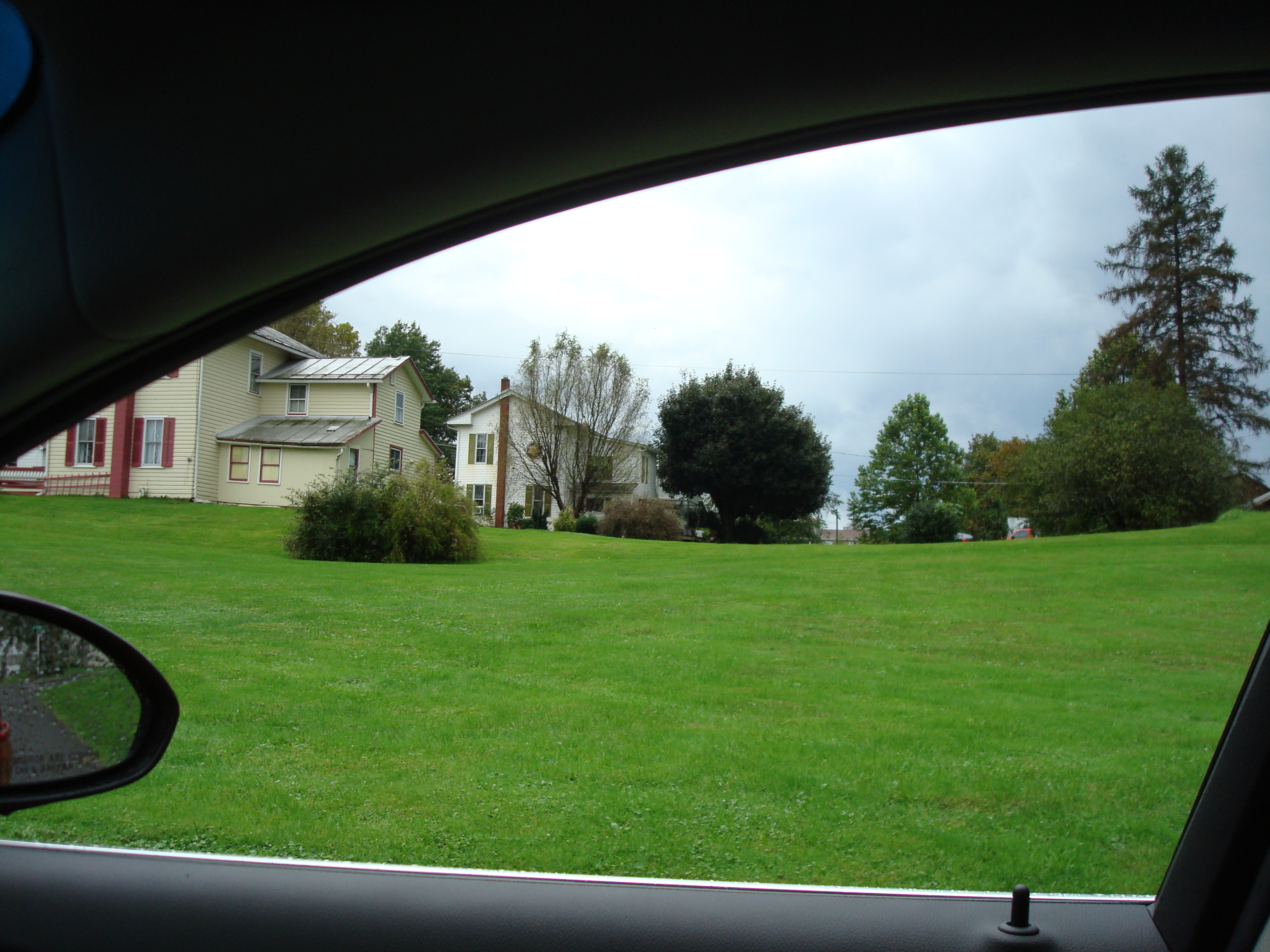
A recent stormy day in McEwensville

Her middle-aged granddaughter’s comments 100 years later:

Grandma and her sister Ruth usually walked the mile or so home from Sunday School. It would have been a miserable walk if they’d had to tramp home in the rain.

But all’s well that ends well. . . hmm. . . Who was the nice boy who brought them home?

.

Unexpected Visitors and Harvest Home Sunday

18-year-old Helena Muffly wrote exactly 100 years ago today: 

Sunday, September 9, 1913:  We got company today for a wonder. It was Alma and her folks. They took us by surprise.

Ruth and I went up to church this evening. They had Harvest Home services.

squash

Her middle-aged granddaughter’s comments 100 years later:

Alma was Grandma’s cousin—as well as a friend. In August Grandma visited Alma for three days.

A hundred years ago many families–including the Muffly’s–didn’t have phones, so if people wanted to let someone know that they were coming to visit, they needed to send a post card or letter.

Back then it was considered much more acceptable to just drop in than what it is now. . . and Sunday was considered one of the best times to go “visiting.”

Harvest Home

Harvest home Sunday was an annual event that churches held in the fall to celebrate, and to thank the Lord for, the bountiful harvest.

Often people decorated the church for the service with fruits and vegetables from their farms and gardens. After the service the food would be given to a needy family. Did Grandma and her sister Ruth take any produce to the service?

1913 Books That Have Stood the Test of Time

18-year-old Helena Muffly wrote exactly 100 years ago today: 

Wednesday, September 10, 1913:  Didn’t feel the best the morning. Commenced reading a book.

o.pioneers

Her middle-aged granddaughter’s comments 100 years later:

What book was Grandma reading?

Goodreads lists two hundred books published in 1913 that are still in widely read. They probably were not the most popular books at the time, but rather they are the books that have endured –and whose message apparently continues to resonate a hundred years later.

Fifteen books on the list that I recognized the title or author are listed below:

1. O Pioneers by Willa Cather

2. Sons and Lovers by D.H. Lawrence

3. The Custom of the Country by Edith Wharton

4. Theodore Roosevelt: An Autobiography by Theodore Roosevelt

5. The Tale of Pigling Bland by Beatrix Potter

6. The Bobbsey Twins’ Mystery at School (Bobbsey Twins #4) by Laure Lee Hope

7. Chance by Joseph Conrad

8. Desert Gold by Zane Grey

9.  The Adventure of the Dying Detective by Arthur Conan Doyle

10. The Inland Voyage and Travels with a Donkey by Robert Louis Stevenson

11. The Story of My Boyhood and Youth by John Muir

12. Little Wars by H. G. Wells

13. The Night Born by Jack London

14. The War Correspondence of Leon Trotsky: The Balkan Wars 1912-1913 by Leon Trotsky

15. La Follette’s Autobiography: A Personal Narrative of Political Experiences by Robert M. La Follette

You may also enjoy similar posts that I did for books published in 1911 and 1912:

1912 Books That Have Stood the Test of Time

1911 Books That Have Stood the Test of Time

Shopping in Small, Medium-Sized, and Large Towns a Hundred Years Ago

18-year-old Helena Muffly wrote exactly 100 years ago today: 

Tuesday, September 9, 1913:  Went to Watsontown this afternoon to get some things.

DSC03659.crop
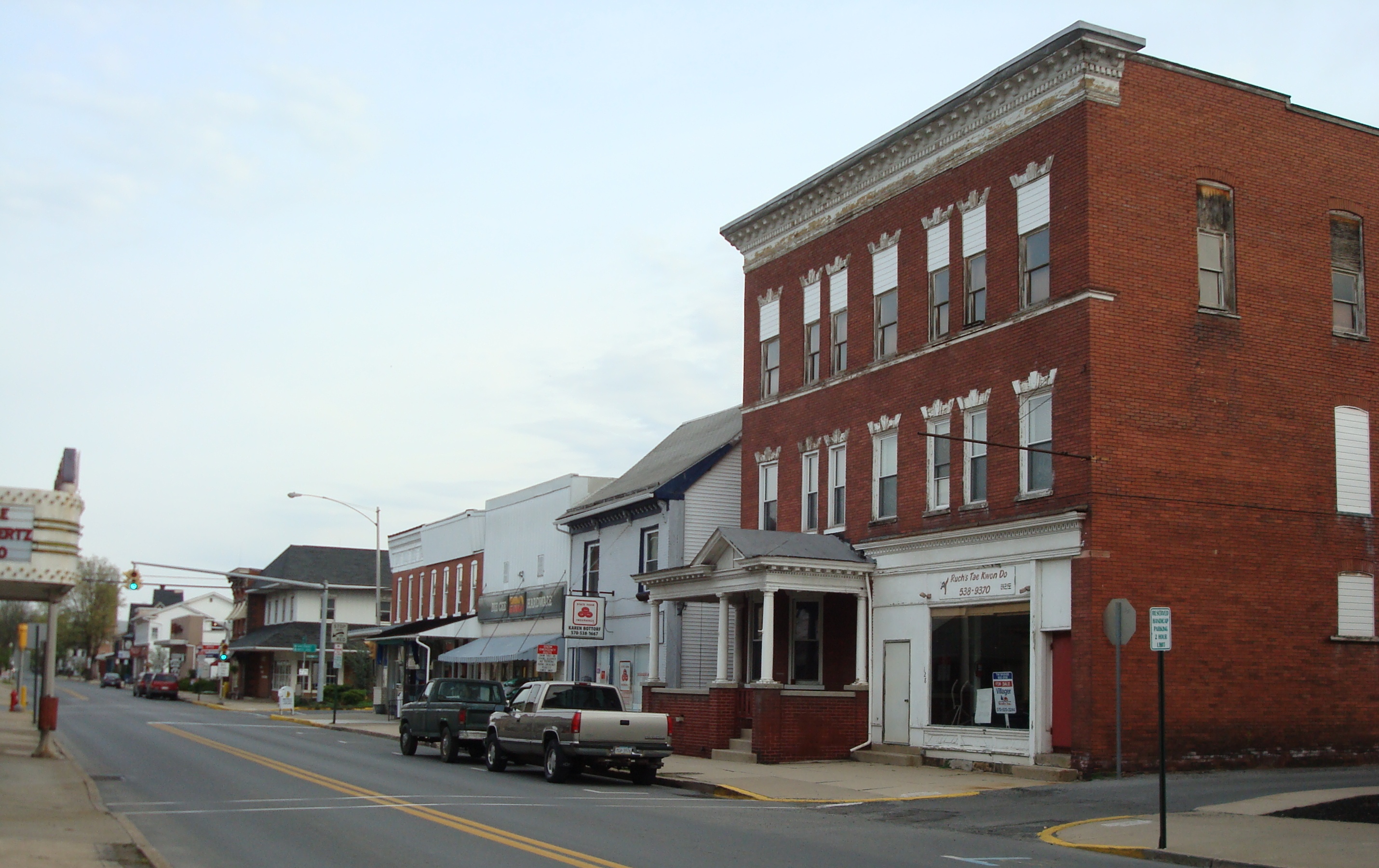
A recent photo of downtown Watsontown

Her middle-aged granddaughter’s comments 100 years later:

When I go shopping, the items that I want to buy determine where I go.  If I just need a gallon of milk I walk to the local convenience store, but if I need to buy a week’s worth of groceries I drive to the nearest strip mall. And, if I want to buy some new clothes I head to a more distant large mall.

It was the same in Grandma’s day. She often shopped in three towns–McEwensville, Watsontown, and Milton.

McEwensville had a general store and pharmacy—and sometimes Grandma could buy what she needed there. Watsontown was a somewhat larger town and had a small shopping district. And, Milton was a little further away, but had more stores.

Grandma could have easily walked to McEwensville or Watsontown; a trip to Milton would have required to train or buggy ride.

A hundred years ago today Grandma must have needed some things that were relatively common—but not so common that the McEwensville stores would have had them; so she had to visit the medium-sized town.

An aside–Maybe the title of this post isn’t really right, since by most standards McEwensville, Watsontown, and Milton are all small towns–but in Grandma’s world she definitely would have differentiated between them and considered one small, the other medium, and the third large.

Did Sister’s Milking

18-year-old Helena Muffly wrote exactly 100 years ago today: 

Sunday, September 7, 1913:  Went to Sunday School this afternoon. We got a most refreshing rain towards evening. Ruthie is away to spend the day and I had the milking to do.

"Broken" cows standing still while being milked. (Photo source: Kimball's Diary Farmer Magazine, December 15, 1911)
 Grandma probably milked cows in a barn that looked similar to this one. (Photo source: Kimball’s Dairy Farmer Magazine: December 15, 1911) .

Her middle-aged granddaughter’s comments 100 years later:

Based on the diary, I think that Grandma and her sister Ruth shared the chore of milking the cows. The family probably had 6 or 8 cows—and each girl milked 3 or 4.

If one sister went somewhere, the other would milk all the cows.  Over time the informal trading of the milking chore would balance out—and each sister got some needed breaks.

Grandma visited her cousin Alma for three days in August—and Ruth probably milked all the cows while she was gone.  Now it was payback time.