Raspberry Patties en Surprise

Raspberries on round puff pastries

I’m always intrigued by hundred-year-old recipes that include drawings of the finished product since such recipes are few and far between. So when I recently came across a drawing of a beautifully presented recipe for a raspberry dessert called Patties en Surprise in a 1919 advertisement for Minute Tapioca, I decided to give it a try. This dessert is basically puff pastry cut into rounds, and filled with a raspberry and tapioca filling.

Here’s the picture and original recipe:

Picture of, and recipe for, Raspberry Patties en Surprise
Source: Ladies Home Journal (June, 1919)

The verdict: Raspberries Patties en Surprise is a very pretty dessert. The filling is delightfully refreshing with a vibrant, fruity flavor. I had left-over filling after I used all the puff pastry rounds, so I spooned the left-overs into a small dishes – and it was even better than when served with the pastries. I will definitely make the filling again – I may (or may not) make the pastry portion of this recipe again.

Since the original recipe did not provide directions for making puff pastry, I bought a package of puff pastry at the store when I made this dessert rather than making puff pastry from scratch (though I realize this is not a fully authentic way to approach this recipe).  Here’s the recipe updated for modern cooks:

Raspberry Patties en Surprise

  • Servings: 8 - 10
  • Difficulty: moderate
  • Print

2 cups water

1/2 cup Minute Tapioca

1 pint (2 half-pint boxes) red raspberries, crushed (approximately 1 cup pulp)

1/2 cup sugar

1 package puff pastry (2 sheets)

Raspberry Filling:  Using high heat, bring water to a boil in a saucepan; reduce heat to medium and stir in tapioca. Continue cooking while stirring constantly until the tapioca is clear (about 5 minutes); stir in raspberry pulp (including juice) and sugar. Continue cooking and stirring an additional two minutes, then remove from heat and put the mixture into a bowl. Chill in the refrigerator for at least three hours.

Pastry Shells: Preheat oven to 400° F. Unroll puff pastry sheets, and cut rounds (approximately 4-inches in diameter) using a cookie cutter (or an inverted water glass can be used as a cutter). Place on a lightly greased baking sheet. Using a smaller round cutter (about 1 1/2 inches in diameter) cut another circle in the center of the large circles of puff pastry dough. (Press firmly when cutting the small circles. It is okay if it goes all the way through. It is more problematic when assembling this recipe if the small circles aren’t cut deeply enough than if they are cut all the way through.). Bake 20 minutes or until puffy and lightly browned. Remove pastries from baking sheet. Allow to cool before serving.

To Assemble: For each pastry, gently remove the top portion of the small pastry circle. Spoon the chilled raspberry tapioca mixture into the center of the pastry. Put the circular “cap” back on the pastry.

Old-fashioned Coconut and Orange Dessert

coconut and orange dessert

Sometimes simple desserts are the best. I recently found an easy-to-make, hundred-year-old recipe for Coconut and Orange Dessert that fits the bill. It is light and refreshing, and is just right on hot summer days.

Here is the original recipe:

coconut and orange dessert image and recie
Source: Sunkist Orange Advertisement, Ladies Home Journal (June, 1919)

And, here is the recipe updated for modern cooks:

Coconut and Orange Dessert

  • Servings: 3-4
  • Difficulty: easy
  • Print

4 oranges

1/3 cup shredded coconut

Peel oranges, and remove white inner skin. Separate oranges into segments, and remove any seeds. Cut each segment into 1-inch pieces. Place orange pieces in a bowl and gently stir in most of the coconut (reserve about 2 tablespoons). Put orange and coconut mixture in serving bowl. Garnish with reserved coconut.

Old-fashioned Sour Milk or Sour Cream Muffins

muffins in muffin tin

I recently came across a delightful and very versatile hundred-year-old muffin recipe. Sour Milk or Sour Cream Muffins are quick and easy to make. They are tasty with butter – and even better with a little jelly or jam. They also can serve as the basis for a plethora of other muffins; just stir in blueberries, raisins, nuts or other add-ins.

Here is the original recipe:

Recipe for Sour Milk or Sour Cream Muffins
Source: Recipes for Everyday by Janet McKenzie Hill (1919)

And, here is the recipe updated for modern cooks:

Sour Milk or Sour Cream Muffins

  • Servings: approximately 10-12 muffins
  • Difficulty: easy
  • Print

1 1/2 cups flour

1/2 teaspoon salt

1/2 teaspoon baking soda

1 1/2 teaspoons baking powder

1 egg, beaten

3 tablespoons shortening or butter, melted

1 cup sour milk or sour cream (I used sour cream. If milk is used, it can be “soured” by adding 1 tablespoon vinegar.)

Preheat oven to 400° F. Sift together flour, salt, baking soda, and baking powder. Add egg, shortening or butter, and sour milk or sour cream; stir to combine. Grease muffin tins (or use paper liners), and then fill each muffin cup 3/4th full with batter. Bake for approximately 20 – 25 minutes or until lightly browned.

Old-Time Country Club Shake Recipe

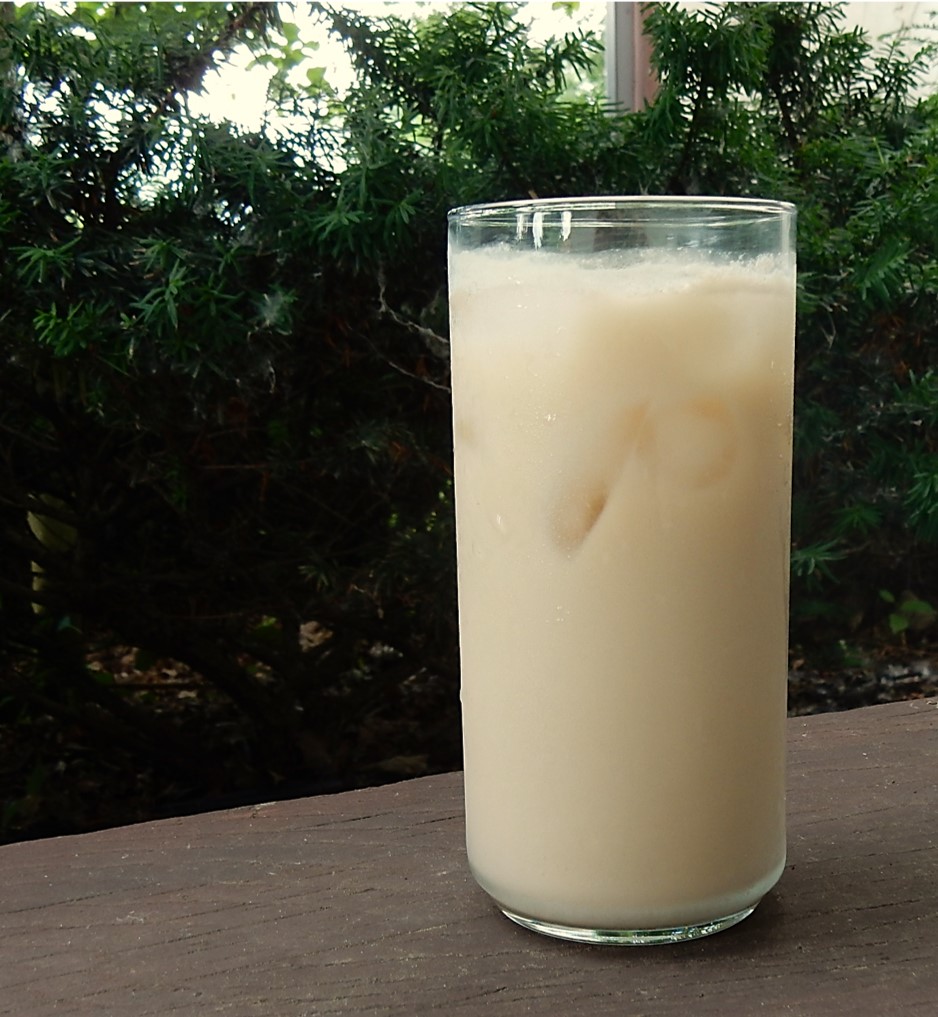
country club shake

Looking for the perfect summer mocktail? I found a great recipe in a hundred-year-old magazine that fits the bill. Country Club Shake combines orange juice, white grape juice, and ginger ale to create a sunny, sophisticated, nonalcoholic drink.

1919 was the heyday of mocktails, and Country Club Shake is one of the best. Prohibition was slated to begin in January, 1920 – and, in preparation, magazines contained lots of nonalcoholic drink options.

Recipe for Country Club Shake
Source: American Cookery (May, 1919)

Here’s the recipe updated for modern cooks:

Country Club Shake (Mocktail)

  • Servings: 3-4
  • Difficulty: easy
  • Print

1 cup orange juice

1 cup white grape juice

1 cup ginger ale

2 tablespoons sugar syrup (see recipe below)

4 tablespoons cracked ice

orange slices or other fruit for garnishing, optional

Combine all ingredients, and serve. If desired, serve on ice, and garnish with orange slices or other fruit.

Sugar Syrup

1 cup sugar

1/2 cup warm water

Put the sugar in a sauce pan. Pour the warm water over the sugar, and stir. Let sit a few minutes until the sugar is dissolved, then using medium heat bring to a boil. Remove from heat. Store in a covered jar for use when needed.

Old-Fashioned Sponge Drops

drop cookies on plate

On hot summer days many cookies seem too heavy, so I browsed through my hundred-year-old cookbooks for a light, summer cookie. And, I think that I found the perfect recipe. Sponge Drops are the “angel food” of cookies. They are light and airy with a hint of vanilla.

Though I didn’t try it, I think that these cookies would work well to make ice cream sandwiches.

I’m still intrigued by how many desserts a hundred years ago had the word “sponge” in the title. There were sponge cakes, sponge pies, this sponge cookie recipe – and two weeks ago, I made a recipe for Apricot Sponge. I think that sponge refers to desserts with lots of beaten eggs that give them a certain lightness or creaminess.

Here is the original recipe:

recipe for sponge drops
Source: The Old Reliable Farm and Home Cook Book (1919)

Here’s the recipe updated for modern cooks:

Sponge Drops

  • Servings: approximately 30 cookies
  • Difficulty: easy
  • Print

1 cup flour

1 teaspoon cream of tartar

1/2 teaspoon baking soda

3 eggs

1 cup sugar

1 teaspoon vanilla

Preheat oven to 400° F. Sift together flour, cream of tartar, and baking soda; set aside.

In a mixing bowl beat eggs, then add sugar and beat. Stir in flour mixture and vanilla. Drop by rounded teaspoons on greased baking sheet. (The teaspoons should just be round – not heaping. These cookies spread out quite a bit.) Bake about 10 minutes or until lightly browned.

Old-fashioned Chicken, Rice, and Celery Salad

I’m sometimes asked how I decide which hundred-year-old recipes to make. Often I make recipes that sound like something I think I might like; other times I select recipes because I’m intrigued by an unusual combination of ingredients or preparation methods.

This week, was a first. Another blogger’s post inspired me to select a particular hundred-year-old recipe.

I recently read Automatic Gardening and Real Gluten Free Food’s recipe for Cold Chicken Rice Salad – and thought, “I think that I’ve seen a similar recipe in a hundred-year-old cookbook.” Next thing I knew, I was making a 1919 recipe for Chicken, Rice, and Celery Salad.

Chicken, Rice, and Celery Salad has a nice texture, and is packed with flavor. Both a hundred years ago and now, this salad is perfect for a summer lunch or picnic.

Recipe for Chicken, Rice, and Celery Salad
Source: Recipes for Everyday by Janet McKenzie Hill (1919)

Here is the original recipe:

When I made the recipe, I used some lettuce, but not an entire head. Similarly I used less mayonnaise than the old recipe called for.

Here’s the recipe updated for modern cooks:

Chicken, Rice, and Celery Salad

  • Servings: 6 - 8
  • Difficulty: easy
  • Print

2 cups cooked chicken, chopped

1 cup cold long-grain cooked rice

1 cup celery, chopped

1 cup lettuce, shredded

1/2 cup mayonnaise

1/4 teaspoon salt

1/4 teaspoon paprika

Put chicken, rice, celery, and lettuce in a bowl, then gently mix together.

In a separate small bowl, stir together mayonnaise, salt, and paprika, then add to the chicken mixture and gently stir to combine.

Apricot Sponge Recipe

apricot sponge

Apricots are my favorite June fruit. Around here, they are only available a few weeks, and each year I eagerly look forward to their appearance at the store. I recently bought some apricots, so was thrilled to find a hundred-year-old recipe for Apricot Sponge.

Apricot Sponge is a smooth, silky dessert that is served with whipped cream.

My daughter ate some Apricot Sponge, and said, “A top-five recipe.”  In her opinion, this is one of the top five hundred-year-old recipes that I’ve served her. She thinks that it tastes like a luscious dessert that she ate at a fancy restaurant.

Here’s the recipe updated for modern cooks:

Apricot Sponge

  • Servings: 3 - 4
  • Difficulty: moderate
  • Print

1 pound apricots (about 7 medium apricots)

water for peeling apricots

1/4 cup water + 1/4 cup water

1/4 cup sugar

1 envelope (0.25 ounce) unflavored gelatin

2  egg whites (pasteurized)

whipped cream (see below)

First, peel apricots. To do this, fill a saucepan two-thirds full with water. Using high heat bring to a boil. Drop apricots into the boiling water for 30 seconds. Remove from water with a spoon. Pinch a piece of the loosened apricot skin, then peel by slipping the skin off.

Cut the peeled apricots in half and remove stones. Place the apricots halves in a saucepan; add 1/4 cup of water. Using medium heat, heat until the apricots are softened, while stirring occasionally (about 5 minutes).  Remove from heat, then push the cooked apricots through a sieve. (I used a Foley mill). Measure the apricot pulp. There should be approximately 1 cup. Return to pan and reheat.

In the meantime, put 1/4 cup cold water in a small bowl; sprinkle the gelatin on the water. Let sit for about 3 minutes. Then stir the softened gelatin and the sugar into the hot apricot pulp.

Remove from heat, put into refrigerator and chill at least 3 hours.

After the mixture has chilled, beat the egg whites until stiff peaks form. Then, beat the chilled apricot mixture until smooth. Gently fold the beaten apricot mixture into the beaten egg whites. Spoon into serving bowls or cups.  Serve with whipped cream.

Whipped Cream

1/2 cup heavy whipping cream

2 tablespoons confectioners’ sugar

Put cream in a bowl; beat until stiff peaks form. Add confectioners’ sugar; beat until combined.