Old-Fashioned Witches’ Layer Cake

Witches' Cake

Bakers have been making spooky Halloween Cakes for at least a hundred years. The October, 1924 issue of American Cookery magazine had a recipe for Witches’ Cake. The recipe intrigued me. It called for making a chocolate layer cake, and decorating it by putting the two parts of the cake together with a red frosting, then icing it with chocolate frosting, and decorating with small red candies that are arranged to make an outline of a witch.

This was a fun recipe to make. The cake was a rich and fudgy cake with an almost brownie-like texture.

Witches' Cake

Witches' Cake

Here’s the original recipe:

Recipe for Witches' Cake
Source: American Cookery (October, 1924)

The old recipe called for tinting some of the frosting red with cochineal. I wasn’t familiar with cochineal so I did an online search. According to an article in Smithsonian Magazine, cochineal is a crimson dye made from an insect.

An average trip to the grocery store can yield a cartful of colorful foods. Bright among the rainbow are the reds, lending hues to products such as raspberry jam, canned cherries, strawberry licorice and red velvet cake. Often, their source is a certain small insect.

Cochineal bugs — oval-shaped scale insects around 0.2 inches long — are harvested and turned into the natural dyes cochineal extract, carmine and the pure pigment carminic acid. They have been used to color food, textiles and cosmetics for centuries.

Smithsonian Magazine (March 29, 2022)

I had no idea where I could buy cochineal, so I used dark red food coloring to tint the icing for the filling.

I didn’t find any small red wintergreen candies at the store where I shop, so I bought small red “sugar pearls” in the cake and cookie decorating section.

Squares of unsweetened baking chocolate have gotten smaller over the last hundred years. Back then a square was an ounce in size; today a square of a popular baking chocolate is 1/2 ounce.

This recipe doesn’t call for any baking powder or baking soda. The beaten egg whites provided the leavening.

I used 2/3 cup of milk, and I substituted all-purpose flour for the pastry flour.

I found recipes for Plain Frosting and Chocolate Frosting in a hundred-year-old cookbook:

Recipe for Plain Frosting
Source: Modern Priscilla Cook Book (1924)
Recipe for Chocolate Frosting
Source: Modern Priscilla Cook Book (1924)

I quadrupled the Plain Frosting recipe so that I’d have enough frosting to ice the cake. I did not use any water when making the Chocolate Frosting. I just used milk to get it to the right consistency. I used less chocolate than called for in the old recipe, since a square of chocolate was 1-ounce a hundred-years ago and the squares are smaller today- but it still was very chocolatey.

Here’s the recipe updated for modern cooks:

Witches' Layer Cake

  • Servings: 8 - 10
  • Difficulty: moderate
  • Print

Cake

4 eggs, separated

1 1/3 cups butter, softened

2 ounces unsweetened baking chocolate, melted (4 1/2-ounce squares)

3/4 cup sugar

2 1/2 cups all purpose or pastry flour

1/2 teaspoon salt

1 teaspoon cinnamon

2/3 cup milk

small red candies (can use wintergreen candies or sugar pearls)

Preheat oven to 350° F. Grease two 9-inch round cake pans; line with waxed paper or parchment paper, then grease again and lightly flour.

Put egg whites into a mixing bowl, and beat until peaks form. Set aside.

Cream 1/3 cup butter, then add the remaining 1 cup butter and the melted chocolate; beat until smooth. Stir in egg yolks and sugar. Sift together flour, salt, and cinnamon, then stir  into the chocolate mixture alternately with the milk; continue stirring until thoroughly combined. Fold in the beaten egg whites. Pour the 1/2 of the batter into each of the cake pans.

Bake the layers for 30 to 35 minutes or until a toothpick inserted in center comes out clean. Cool 5 minutes. Remove from pans. Cool 1 hour or until completely cooled.

Make frosting (see below).

To assemble cake, trim cake layers if needed to make even, then put a layer on a plate. Spread with red frosting, and then put the other layer on top of it. Ice with the chocolate frosting, then decorate with red candies. I used a template of a witch as a guide when arranging the candies to make an outline of the witch.

Frosting

4 cups flour confectioners’ sugar

1/3 – 1/2 cup milk

2 teaspoons vanilla

red food coloring (I used “dark red” food coloring)

2 ounces unsweetened chocolate (4 1/2-ounce squares)

Combine confectioners’ sugar and 1/3 cup milk in a mixing bowl; beat until smooth. Add vanilla, and beat until combined.   If the mixture to too thick add additional milk.

Red Filling: Put about 3/4 cup of the frosting into a small bowl. Add enough red food coloring to make the filling a bright red. Stir to combine.

Chocolate Frosting; Stir the melted chocolate into the remaining frosting.

http://www.ahundredyearsago.com

Old-Fashioned Scalloped Fish

Scalloped Fish

Both a hundred years ago and now, cooks sometimes struggle to figure out how to use leftovers. I recently had some leftover fish and some leftover mashed potatoes, so when I saw  a recipe for Scalloped Fish in a 1924 cookbook that called for both cooked fish and mashed potatoes it seemed serendipitous, and I knew that I needed to give it a try.

The recipe was a winner. The Scalloped Fish was delightful, and I felt like I was being very frugal by using left-overs.

Here’s the original recipe:

Recipe for Scalloped Fish
Source: The New Butterick Cook Book (1924)

I did not cook the milk mixture for the entire 20 minutes called for in the recipe. It seemed like it might begin to scorch on the bottom of the pan if I cooked it that long. I just cooked it until it came to a boil and thickened.

I added 1/2 teaspoon of salt and 1/4 teaspoon of pepper when I made this recipe.

Here’s the recipe updated for modern cooks:

Scalloped Fish

  • Servings: 3 - 5
  • Difficulty: moderate
  • Print

2 hard-boiled eggs

2 cups milk

2 tablespoons cornstarch

1 tablespoon butter + additional butter for topping

1/2 teaspoon salt

1/4 teaspoon pepper

2 cups cooked  or canned fish, flaked (I used flounder.)

1/2 cup mashed potatoes

1 cup fine bread crumbs (I grated a slice of bread.)

Preheat oven to 400° F. Cut hard-boiled eggs in half. Mash the yolks with a fork. Press the whites through a sieve. (I used a Foley mill.)  Set aside.

Put the cornstarch and 1/4 cup milk into a small bowl; stir until smooth. Put the milk mixture into a saucepan, then add the remaining 1 3/4 cups milk and stir together. Add 1 tablespoon butter. Bring to a boil using medium heat while stirring constantly. Reduce heat and gently simmer until the liquid thickens. Stir in the mashed egg yolks and egg whites that have been put through a sieve. Remove from the heat and add the flaked fish and the mashed potatoes; stir until combined. Put in a baking dish. Sprinkle the bread crumbs on top and dot with small pieces of butter. Bake in oven until hot and bubbly (approximately 15-25 minutes).

http://www.ahundredyearsago.com

Old-Fashioned Cider Frappe

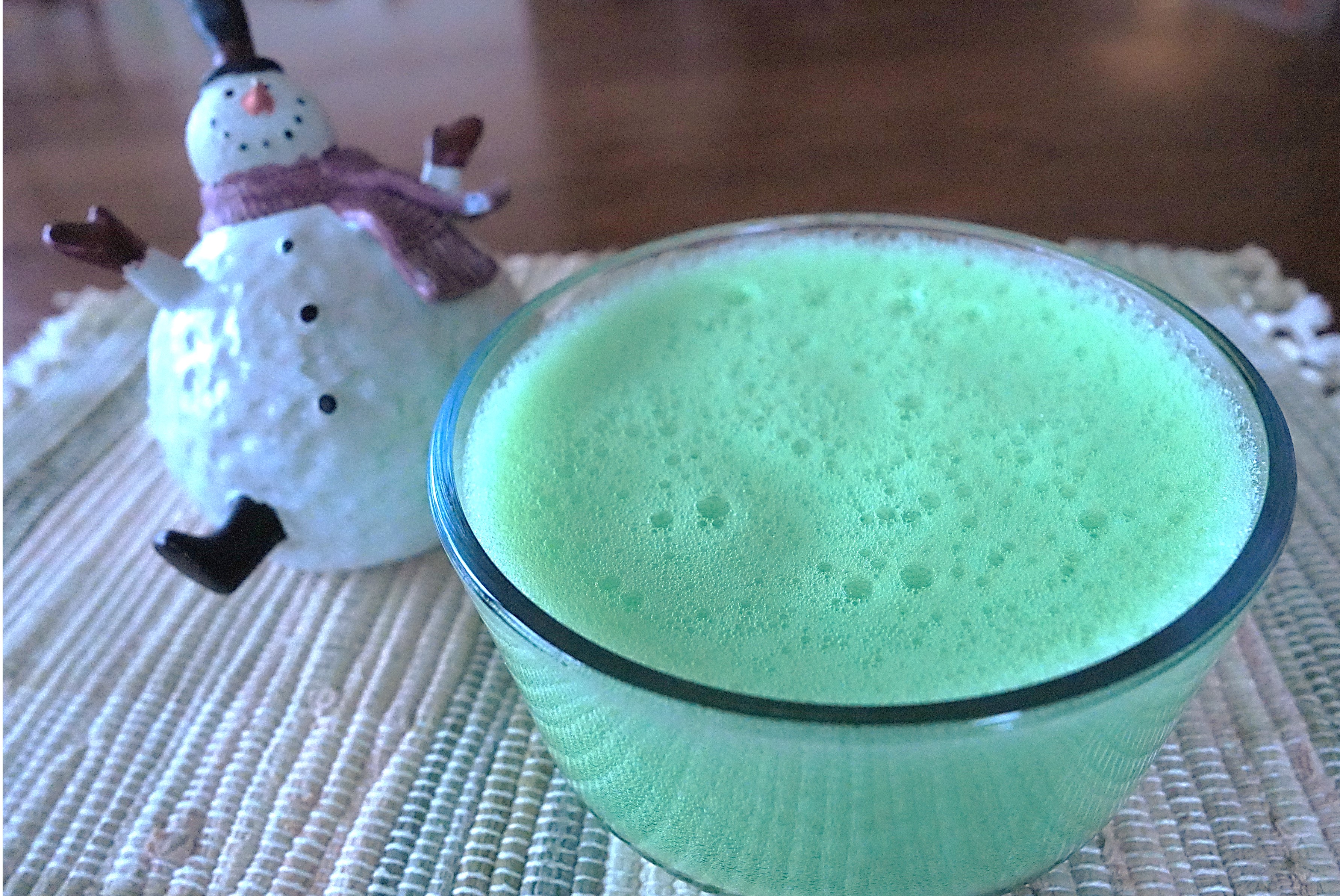
I tend to think of frappes as a fairly modern cold coffee drink, but frappes actually have been around for at least a hundred years – and they are not necessarily a coffee drink.  They actually are just a chilled drink served with ice or frozen to a slush. I recently came across a hundred-year-old recipe for Cider Frappe and decided to give it a try.

The Frappe was wonderful. The recipe called for mixing cider, orange juice, and lemon juice together. This worked really well. The sweetness of the apples in the cider blended nicely with the citrus undertones provided by the orange and lemon juice.

Here’s the original recipe:

Recipe for Cider Frappe
Source: The New Butterick Cook Book (1924)

Here’s the recipe updated for modern cooks:

Cider Frappe

  • Servings: 6 - 8
  • Difficulty: moderate
  • Print

1 1/2 cups sugar

2 cups water

4 cups cider

2 cups orange juice

1/2 cup lemon juice

Put sugar and water in a saucepan. Using medium heat bring to a boil; stir occasionally. Reduce heat and gently simmer for 20 minutes. Remove from heat and stir in cider, orange juice, and lemon juice. Put the mixture in ice cube trays or freezer boxes. Freeze until a slush. If desired put the slushy mixture into the blender and blend for a few seconds to make the mixture smoother.  Put into glasses and serve.

http://www.ahundredyearsago.com

Old-Fashioned Spinach with Noodles

Spinach with Noodles

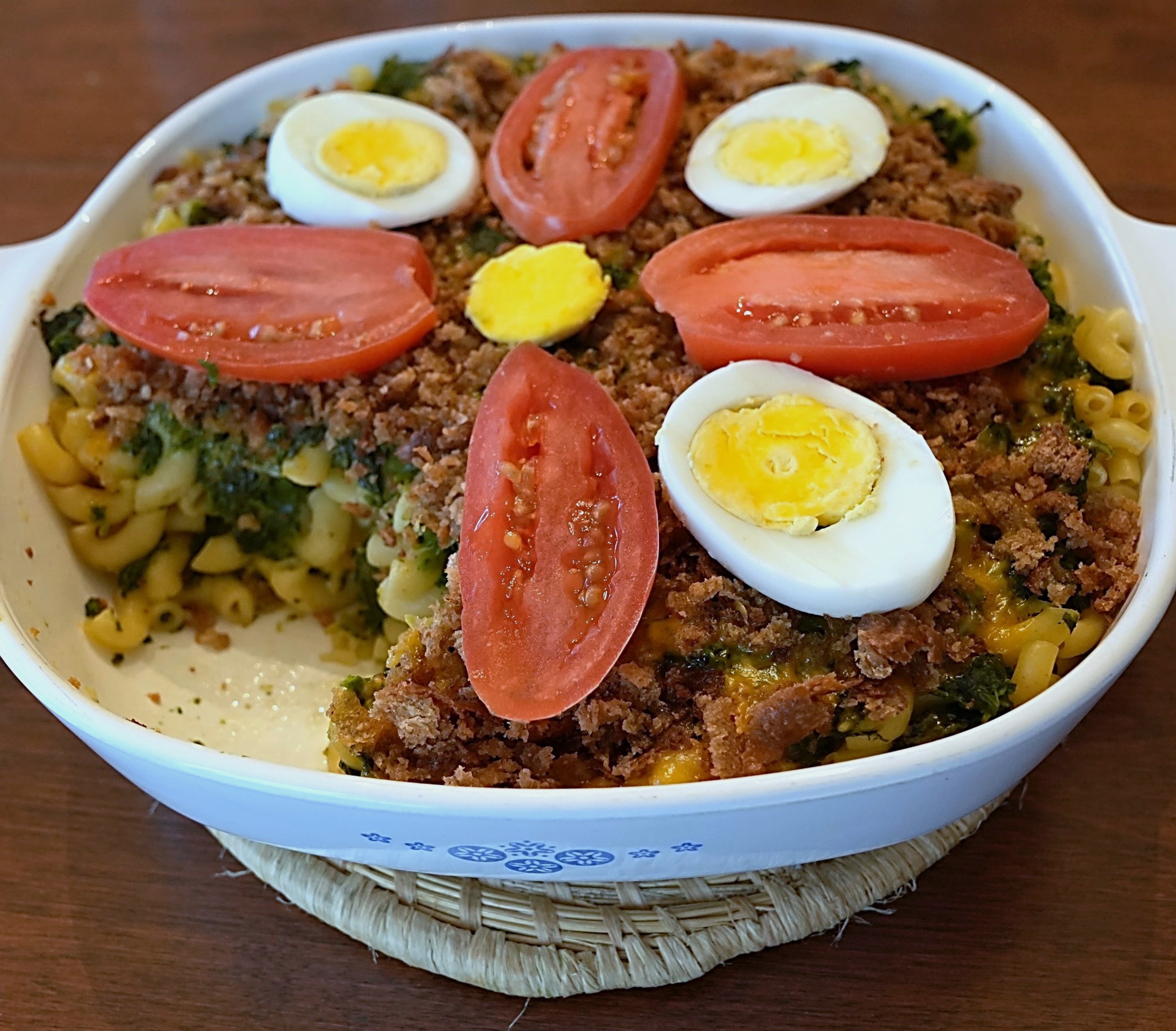
I recently came across a  lovely recipe for Spinach with Noodles in a hundred-year-old cookbook. The spinach and noodles were smothered with cheese and milk, and then baked until hot and bubbly. It makes a nice side dish – though it is hardy enough that it could be the entree.

Spinach with Noodles

Here’s the original recipe:

Recipe for Spinach with Noodles
Source: Modern Priscilla Cook Book (1924)

This recipes calls for a lot of milk. The key to it not being too juicy, is to not cook the noodles too thoroughly. They should just be cooked in boiling water until they are al dente. They then will absorb the milk and soften some more while in the oven baking.

Here’s the recipe updated for modern cooks:

Spinach with Noodles

  • Servings: 3 - 4
  • Difficulty: moderate
  • Print

1 1/2 cups chopped cooked spinach

water

1 1/4 cups noodles

1 teaspoon salt

1/4 teaspoon pepper

1 cup cheese, grated (I used cheddar cheese.)

1 cup milk

Preheat oven to 350° F. Put water in a large saucepan, place on the stove and bring to a boil using high heat. Add noodles and reduce heat; simmer until the noodles are al dente. Remove from heat and drain.

In a separate pan heat the spinach; then remove from heat and drain any excess liquid.

Put half of the noodles in a baking dish. (I used a 3-cup baking dish; a quart dish would also work well.) Top with half of the spinach. Sprinkle with half of the salt and pepper, then add half the cheese. Add the other half of the noodles, followed by the remaining spinach. Sprinkle with the remaining half of the salt and pepper. Top with the remaining half of the cheese. Pour the milk over the layered mixture, then bake in the oven until hot and bubbly (about 45 minutes).

http://www.ahundredyearsago.com

Old-Fashioned Date and Nut Bread

Date and Nut Bread

Summer is coming to an end, and students are back in school.  I did a post several weeks ago for the back-to-school season on suggestions in a hundred-year-old year old cookbook for packed lunches.  Date and nut sandwiches were one suggestion. A reader commented, “Date/nut bread with creamy cream cheese… um.”

I’d never had Date and Nut Bread, so the next thing I knew, I was searching through my hundred-year-old cookbooks to see if I could find any recipes for Date and Nut Bread. Happily, I found a recipe, and made it yesterday.

The Date and Nut Bread was moist, and chock full of dates and pecans. Now that I’ve eaten Date and Nut Bread, I can state with confidence that I agree with the reader, “Date/nut bread with creamy cream cheese… um.” It would be lovely in a packed lunch.

Date and Nut Bread

Here’s the original recipe:

Recipe for Date and Nut Bread
Source: Cook Book of the Susquehanna Valley Country Club, Sunbury, PA (1924)

I interpreted “hot wheat breakfast cereal” as cream of wheat. I was surprised that it was listed as an ingredient in the recipe, but it worked fine.

When, I made the recipe, I substituted a packet of dry yeast for the yeast cake.

Here’s the recipe updated for modern cooks:

Date and Nut Bread

  • Servings: 2 loaves
  • Difficulty: moderate
  • Print

2 cups of hot cream of wheat cereal (prepare the cereal following package direction)

1/2 cup brown sugar

1 teaspoon salt

1 1/2 cups dates, chopped

1 1/2 cups pecans, chopped

2 tablespoons butter

1 packet active dry yeast

1/2 cup lukewarm milk (105 – 115° F.)

approximately 5 cups bread flour

In a large bowl mix together the hot cream of wheat cereal, brown sugar, salt, dates, and pecans. Allow to partially cool for a few minutes.

In a small bowl, dissolve the yeast in the lukewarm milk. When the cereal mixture is lukewarm (105-115° F.), add the dissolved yeast and stir to combine. Add half of the flour and stir to combine, then gradually add the remaining flour until the dough reaches a consistency where it can be handled. Turn onto a floured surface and knead until the dough is smooth and elastic (about 10 minutes). Put in a large greased bowl, cover and place in a warm spot that is free from drafts until doubled in size (about 1 1/2 hours).

Punch dough down, then divide dough into two equal parts and shape into loaves. Place in two greased loaf pans, and cover. Let rise until doubled in size (about 1 hour).

Bake loaves in 375° F. oven for 35 -45 minutes or until lightly browned.

http://www.ahundredyearsago.com

Old-Fashioned Leeks (and Potatoes) au Gratin

Leeks au Gratin

It’s so much fun to go to the farmers’ market. The variety of produce available is at its peak, and it’s wonderful to support local farmers who sell incredibly fresh vegetables and fruits. When I go to the farmer’s market I always quickly walk through the entire area to see what looks particularly enticing, and then go around a second time to make my purchases. This past week several sellers had lovely leeks, so I decided that it was time to dig out my hundred-year-old cookbooks and find a leek recipe.

I found a lovely recipe for Leeks au Gratin. The title of the old recipe wasn’t totally accurate because it also called for potatoes. Regardless of whether this recipe is called Leeks au Gratin or Leeks and Potatoes au Gratin, it’s a winner. Sliced leeks and potatoes are smothered in a white sauce, and then topped with cheese and bread crumbs. The delicate, slightly sweet, mild onion-flavored leeks well paired with the earthy potatoes to create a rustic side dish.

Here’s the original recipe:

Recipe for Leeks au Gratin
Source: The New Butterick Cook Book (1924)

Twelve leeks and six potatoes seemed like a lot, so I halved the recipe when I made it. The halved recipes fit into a 1-quart baking dish.

I put a little salt and pepper in the white sauce rather than sprinkling it on top of the cheese and bread crumb topping.

The recipe calls for a relatively small amount of white sauce compared to many recipes for “creamed” or “au gratin” vegetables, but it worked fine, and I was pleased with how the recipe turned out.

I layered the leek and potato slices in the baking dish, and put half of the white sauce of top of them after doing the first layers.

Here’s the recipe updated for modern cooks:

Leeks (and Potatoes) au Gratin

  • Servings: 3 - 4
  • Difficulty: moderate
  • Print

6 leeks

3 medium potatoes

1/2 teaspoon salt + 1/2 teaspoon salt + 1/4 teaspoon salt

1 tablespoon butter

1 tablespoon flour

1/8 teaspoon pepper

1/2  cup milk

1/4 cup grated cheese (I used cheddar.)

1/3 cup fine bread crumbs (I grated a slice of bread to get the bread crumbs.)

Preheat oven to 350° F. Clean and trim the leeks. Slice the white and light green parts of the leeks into 1/2-inch pieces.  Place in a saucepan and cover with water; add 1/2 teaspoon salt. Using high heat bring to a boil, then reduce heat and cook until the leeks are tender (about 10 minutes). Remove from heat and drain.

Peel and then slice the potatoes into 1/4-inch slices. (If the slices are large, cut each slice in half.) Place in another saucepan, and cover with water; add 1/2 teaspoon salt. Using high heat bring to a boil, then reduce heat and cook until the sliced potatoes are tender (about 10 minutes). Remove from heat and drain.

In the meantime, in another pan, using medium heat, melt  butter, then stir in the flour,  1/4 teaspoon salt, and pepper. Gradually, add the milk while stirring constantly. Continue stirring until the white sauce begins to thicken.

Put 1/2 of the cooked potatoes in a baking dish. (I used a 1-quart baking dish.). Add 1/2 of the cooked leeks. Spread 1/2 of the white sauce over the vegetables in the dish. Add the remainder of the potatoes, and then the remainder of the leeks. Spread the rest of the white sauce over the vegetables in the dish. Sprinkle the grated cheese, and then the bread crumbs, on top. Bake for 15 minutes or until hot and the bread crumbs are lightly browned.

http://www.ahundredyearsago.com

Old-Fashioned Broiled Tomatoes

broiled tomatoes on plate

I recently came across a hundred-year-old recipe for Broiled Tomatoes, and decided to give it a try. But I then wondered . . . What type of tomatoes should I use in the recipe? Should I use purple, chocolate, yellow, or orange heirloom tomatoes? . . . or should I use red tomatoes. . . . beefsteak? . . . plum?

What did tomatoes look like a hundred years ago? When I search on “tomato” and “history” I get articles about wild tomatoes that were small and yellow or orange. The Aztecs and Mayans raised tomatoes, and tomato seeds went from Latin America to Europe in the 1500s. They became very popular, though some people thought that they weren’t safe to eat. The number of tomato varieties increased and they were bred for various characteristics. Tomatoes were then brought back to North American during the colonial era.  But, I’m not finding information about what tomatoes were like in 1924. I think that they generally were red, so I decided to use red, medium-sized tomatoes.

The Broiled Tomatoes were easy to make and tasty. They are topped with just salt, pepper, and a little butter, which allows the naturally balanced flavors to shine.

Here’s the original recipe:

recipe for broiled tomatoes
Source: American Cookery, August/September, 1924

Here’s the recipe updated for modern cooks:

Broiled Tomatoes

  • Servings: 2-3
  • Difficulty: easy
  • Print

2 medium tomatoes

salt and pepper

2 teaspoons butter

Cut tomatoes into slices 1/2 inch thick. Put on a foil-lined baking sheet. Sprinkle with salt and pepper. Top with small dabs of butter. Place under the broiler and broil until hot (about 3-4 minutes).

http://www.ahundredyearsago.com