Women’s Shoes a Hundred Years Ago

17-year-old Helena Muffly wrote exactly 100 years ago today: 

Saturday, November 9, 1912:  Was real busy today. Got a new pair of shoes, but I wasn’t away to get them. As I said before that I was busy today.
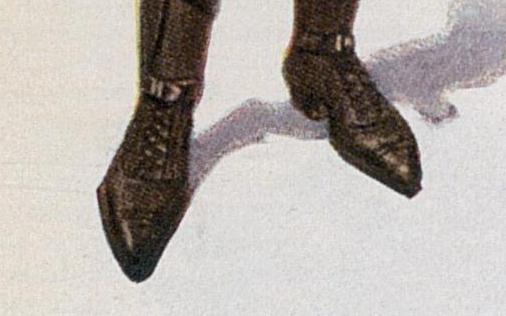
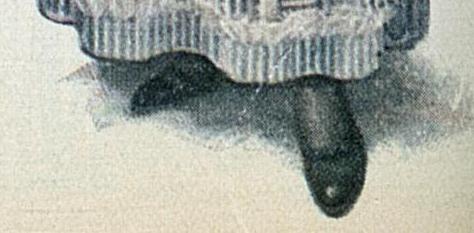
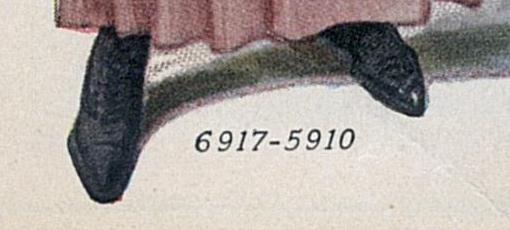
Source of pictures: Ladies Home Journal (1912)

Her middle-aged granddaughter’s comments 100 years later:

Hmm . . . How did Grandma get shoes without going anywhere?  Did her mother or sister buy them for her?
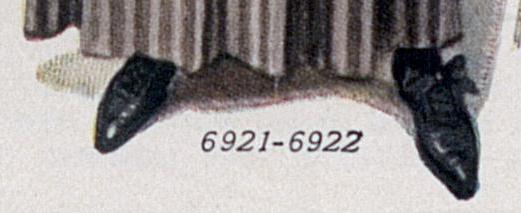
I’ve posted lots of pictures of 1912 fashions from Ladies Home Journal—and many of the pictures showed shoes peeking out beneath the dresses.  Today, I cropped a few of the pictures to just show the shoes.


You can get a sense of what stylish shoes looked like a hundred years ago—though many of the shoes were drawn in a soft, slightly blurry way since they weren’t the focus of pictures.
Parties, Dinners, and Flinch Games

17-year-old Helena Muffly wrote exactly 100 years ago today: 

Friday, November 8, 1912: Postponed my lessons until tomorrow since today is Friday.

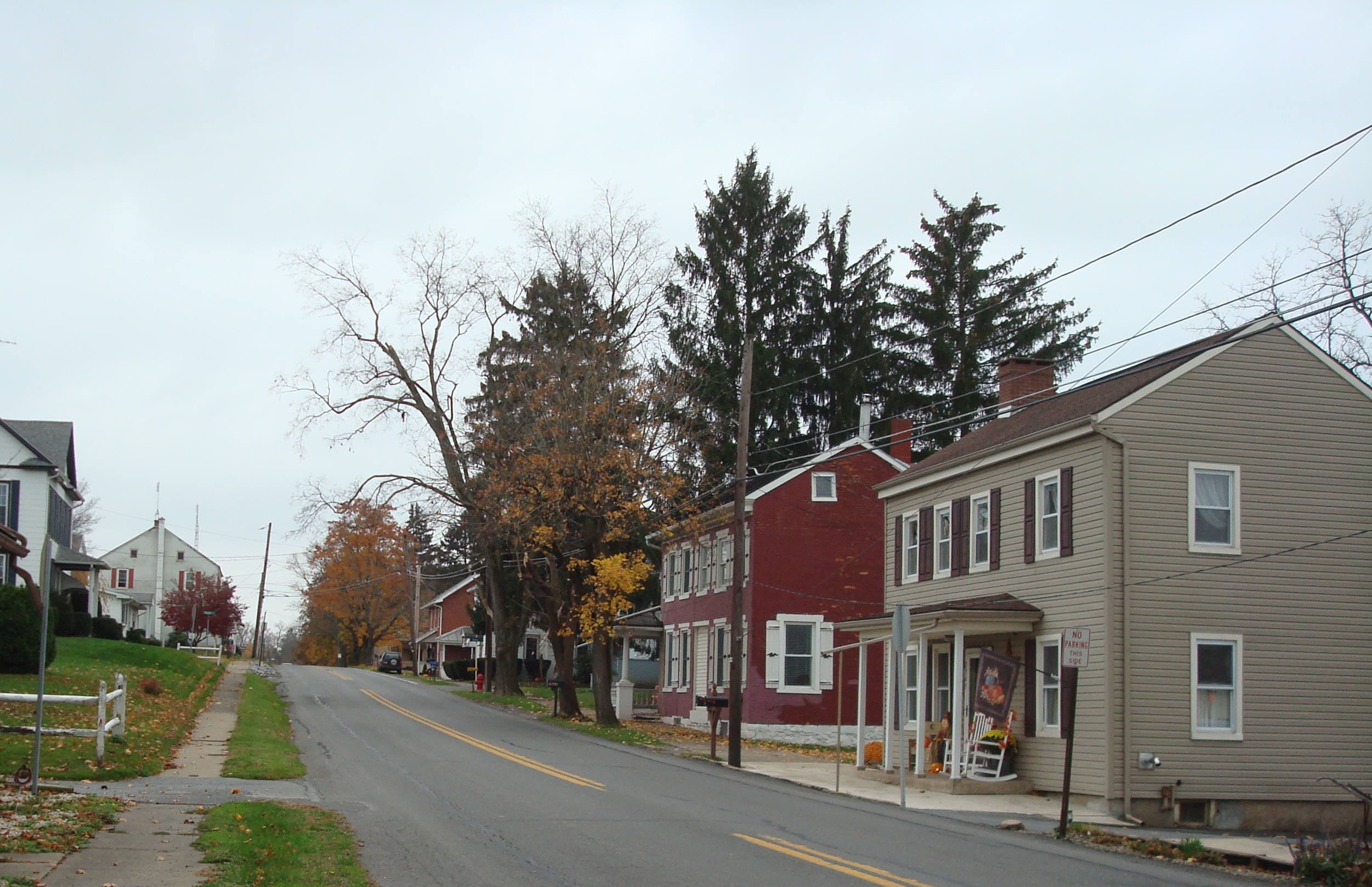
Recent picture of McEwensville. Was it a hot time in the old town a hundred years ago tonight?

Her middle-aged granddaughter’s comments 100 years later:

Sounds like a plan!  If I had been Grandma I probably would have postponed my lessons until Sunday evening.

Did Grandma do any fun things on this Friday evening? She hasn’t mentioned any exciting social activities in recent diary entries, but in the past  she’s mentioned going to out to dinner and to parties:

I went to a party this evening in McEwensville up at Watson’s. I had a very pleasant time. It was almost two o’clock when I got home.

February 17, 1911

I was invited to dine out this evening and accepted the invitation. It was up at Gauger’s. My beauteous or rather vain sister was up also. It was, as I supposed in honor of the senior class. I had quite a pleasant evening. I played Flinch part of the time. My partner and I winning two games.

March 1, 1911

Just got home from a party a little while ago. It was up at Amelia Seibert’s. I had a real nice time. As I thought, B.G. was there

August 3, 1911

Whew, those entries are all from 1911. Grandma attended some parties in 1912—but they aren’t the diary entries that are memorable. It almost seems like her social life was in the doldrums. . . but I’m keeping my fingers crossed that she had a fun Friday evening and just didn’t write about it.

Book Review: Daddy-Long-Legs

17-year-old Helena Muffly wrote exactly 100 years ago today: 

Thursday, November 7, 1912:  I just finished reading a book a few minutes ago. I have ever so much stuff to read now, but I don’t like to neglect my studies too much. I don’t get them any too well as it is.

Her middle-aged granddaughter’s comments 100 years later:

Grandma was a member of the recently organized Literary Society at her school.

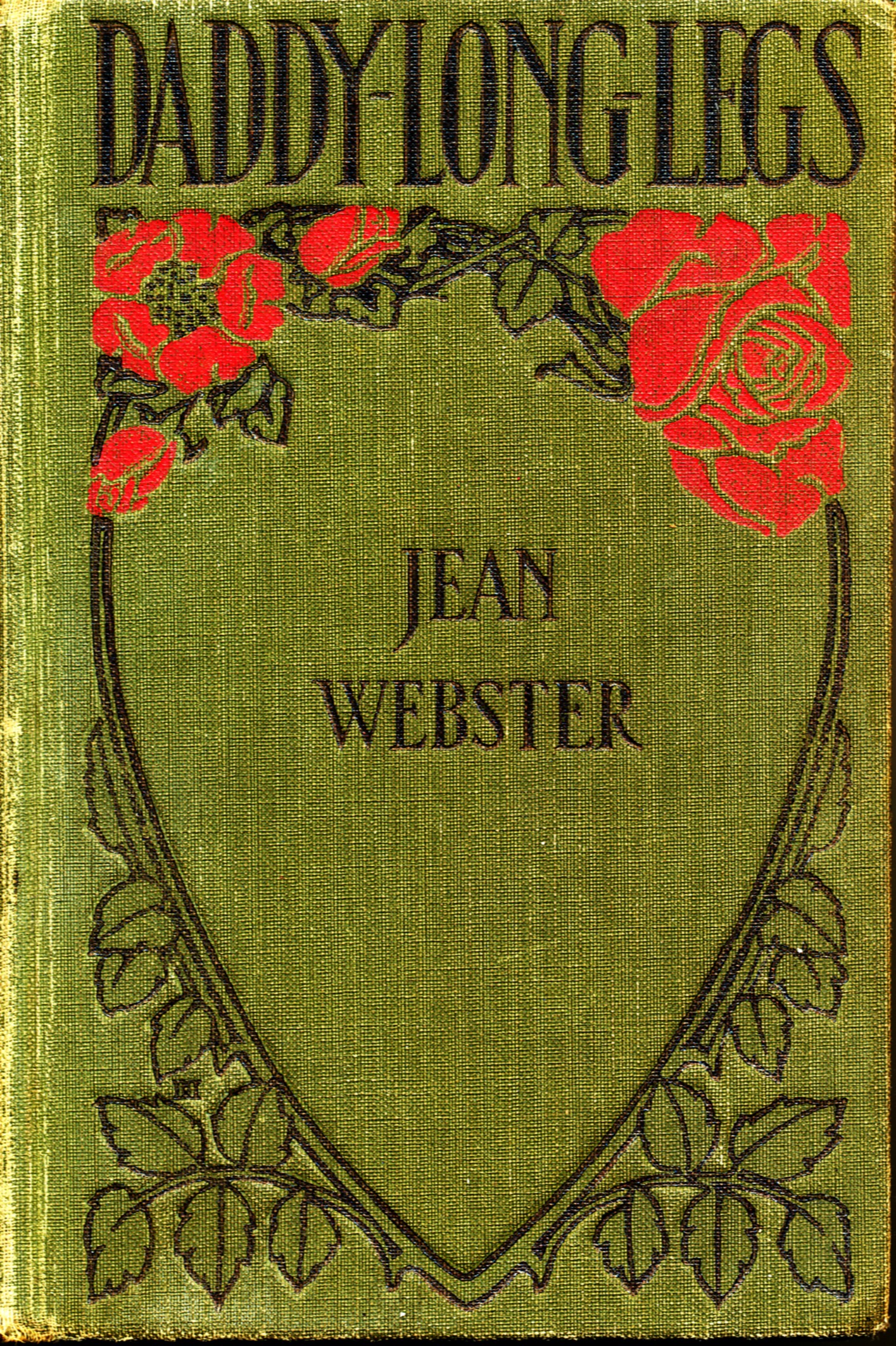
I recently came across a copy a book published in 1912—Daddy-Long-Legs by Jean Webster. I wonder if Grandma read it.

Daddy-Long-Legs is a good-old-fashioned story with a happy ending. It was a fun, relaxing read compared to the many depressing modern books; and I couldn’t put it down. But the novel also touched upon important issues—Should women have careers?  What role does fate (and hard work) play in success?

The book tells the story of Jerusha, a bright young orphan who wrote humorous stories in her high school English class.

An anonymous trustee of the orphanage where Jerusha lived recognized her brilliance—and offered to pay for her to attend college so that she could become a writer. There was only one requirement—she needed to write him a letter each month to tell him how school was going.

Jerusha did not meet the trustee—but saw his shadow reflected on a wall the evening he agreed to send her to college. The shadow was tall and slender, and looked like a Daddy-Long-Legs spider.

The format of most of the book is letters that Jerusha wrote to her anonymous benefactor—Daddy-Long-Legs.

A developing romance, and Jerusha’s transformation from an orphan into an interesting young woman who went by the name of Judy, kept me turning the pages. The book also gave me a better understanding of the college and career opportunities that women had a hundred years ago.

1912 Bestsellers

17-year-old Helena Muffly wrote exactly 100 years ago today: 

Wednesday, November 6, 1912:  Am ever so busy these days getting my lessons out, and helping make out that program for our first Literary meeting.

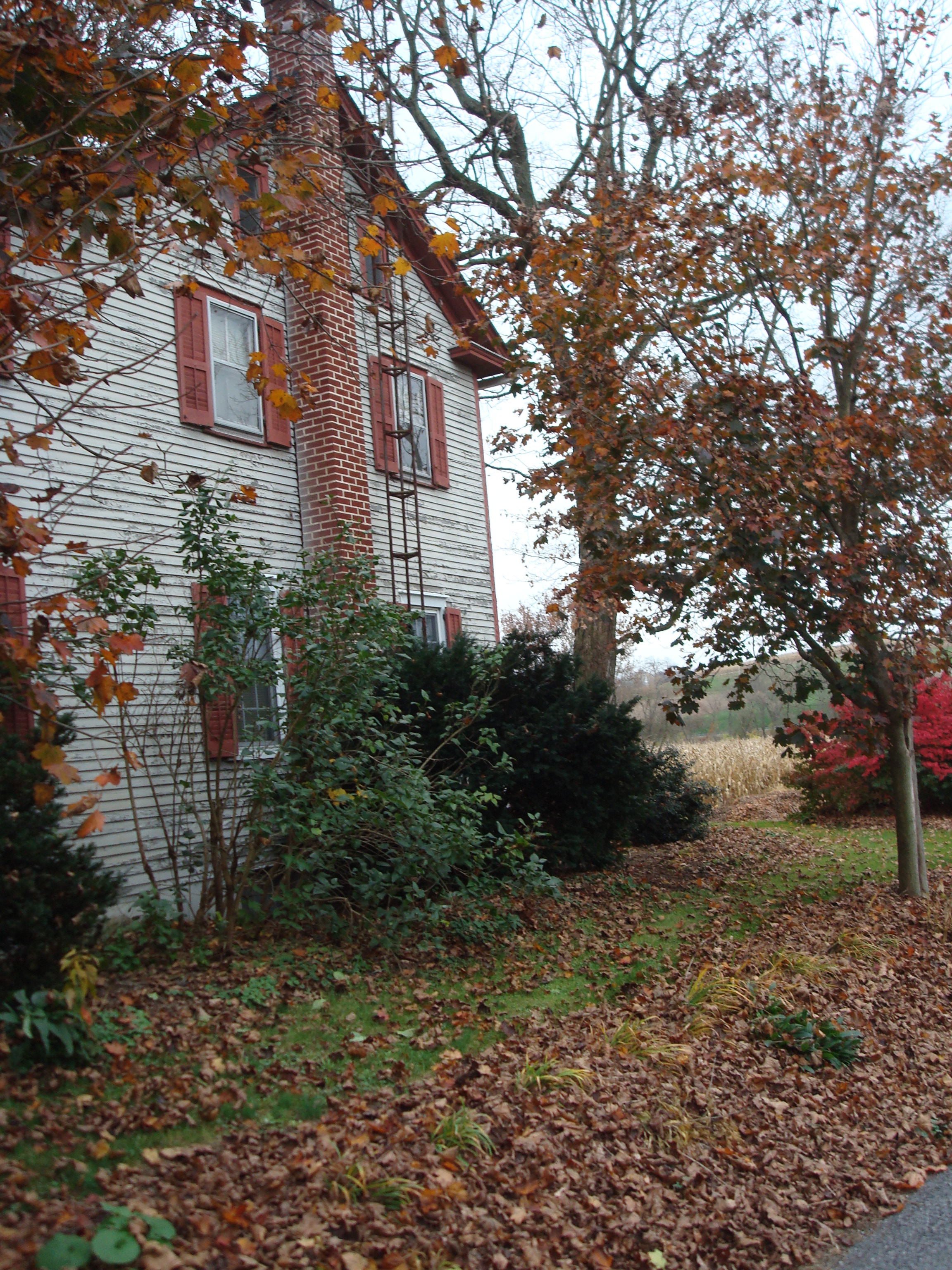
A hundred years ago today Grandma was sitting inside this house writing about how she was trying to juggle many things.

Her middle-aged granddaughter’s comments 100 years later:

On November 1, Grandma wrote that they’d organized a Literary Society at school and that she was on a committee.

Hmm—I wonder what is involved in figuring out the program for the Literary Society.  Did they read classics or popular books?

According to Wikipedia, the Publisher’s Weekly bestsellers for 1912 were:

1. The Harvester by Gene Stratton Porter

2. The Street Called Straight by Basil King

3. Their Yesterdays by Harold Bell Wright

4. The Melting of Molly by Maria Thompson Davies

5. A Hoosier Chronicle by Meredith Nicholson

6. The Winning of Barbara Worth by Harold Bell Wright

7. The Just and the Unjust by Vaughan Kester

8. The Net by Rex Beach

9. Tante by Anne Douglas Sedgwick

10. Fran by J. Breckenridge Ellis

Hmm—I’ve never heard of any of these books. Are any of you familiar with any of them?

In a previous post, I listed some of the books on the Goodreads list for 1912 of  books that are still widely read —and that list is very different from this list of 1912 bestsellers. It’s amazing how bestseller status may not mean enduring popularity.

Time Required to Complete Housework Tasks a Hundred Years Ago

17-year-old Helena Muffly wrote exactly 100 years ago today

Tuesday, November 5, 1912:  I must excuse myself for this day.

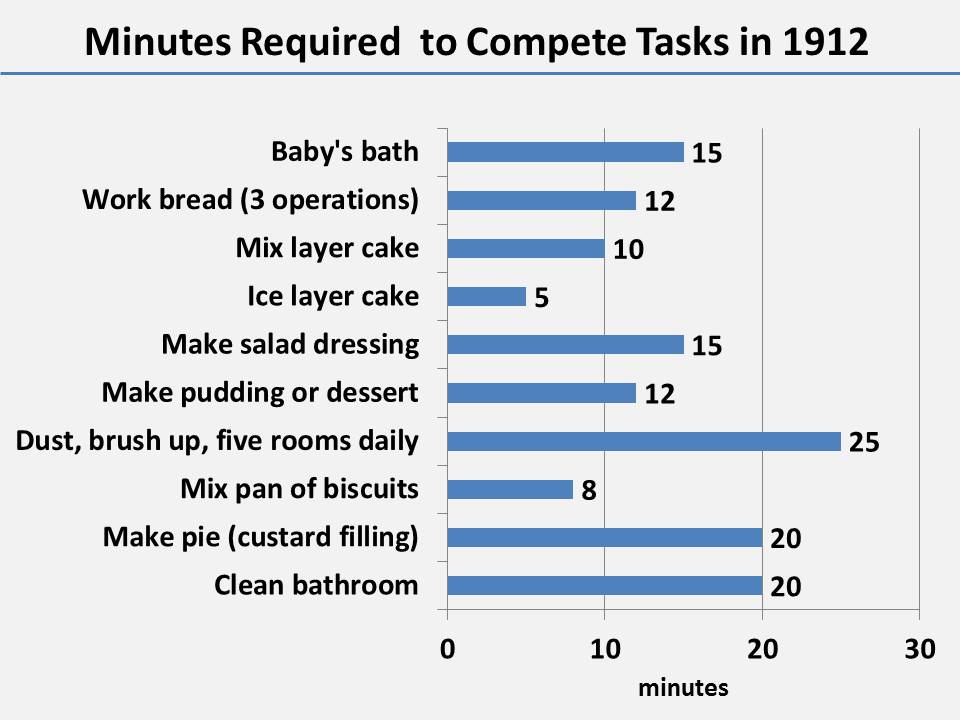
Data Source: “Time Required to Complete Certain Tasks” in the October, 1912 issue of Ladies Home Journal. (Click on graph to enlarge.)

Her middle-aged granddaughter’s comments 100 years later:

Since Grandma didn’t write much a hundred years ago today, I’ll tell you how long it took to complete several household tasks in 1912.

Factory managers in the 1910s believed that workers should be timed doing various tasks to determine how long it took to complete each one.

There also was a movement toward the scientific management of households. Homemakers were encouraged to time how long it took to complete common tasks so that they could better plan their daily schedule.

Old-fashioned Croup Cure

17-year-old Helena Muffly wrote exactly 100 years ago today: 

Sunday, November 3, 1912:  Saw some snowflakes yesterday. Had croup this evening so you see that put my studies back somewhat.

Her middle-aged granddaughter’s comments 100 years later:

Croup is no fun. It’s awful to have a bad cough that sounds like a seal!

The old- fashioned way to treat croup was to bring some water to a boil on the stove. The ill person would then very, very carefully lean over boiling water and breathe deeply for several minutes. The steam would calm the coughing.

I can picture Grandma leaning over a pot of boiling water on a wood or coal stove trying to sooth her cough—while thinking about the homework that needed to be done.

What Were Sunday School Classes Like a Hundred Years Ago?

17-year-old Helena Muffly wrote exactly 100 years ago today: 

Sunday, November 3, 1912:  Went to Sunday School this afternoon. Besse and Curt were out. Wasn’t here when they came.

Her middle-aged granddaughter’s comments 100 years later:

Grandma seldom missed Sunday School. What was it like? She attended a small church—probably a Baptist one—in the small village of McEwensville. Most weeks there probably were only a few other students in her class.

A book published in 1911 called Practical Pedagogy in the Sunday School described what an engaging class looked like:

The class was seated in three double pews at the rear of the auditorium of the church. Standing in front of the rows of well-dressed young women was a teacher not much older than her pupils.

She had her Bible open in her hand and proceeded to ask questions therefrom and give explanations. Although she frequently looked at the Bible, it seemed as if her eyes were continuously on her class, taking them all in as she glanced along row after row.

When she noticed the least tendency to inattention, she quietly leaned over the pew in front of her and lifted up something in such a way that on one could tell just what it was.

Her very action was intended to appeal to the curiosity of the young ladies. It did not take many seconds for every eye to be riveted upon her. The she showed what was in her hand—a picture illustrating that part of the lesson text on which she was engaged.

When the picture was laid down the teacher proceeded with her conversational instruction.

In conversation with this instructor it was ascertained that she never makes an appeal twice in exactly the same way.

Every Sunday she has something to excite the curiosity of her pupils, which she satisfies in such a way as to leave an impression of the truth she has to teach.

No formula can be given nor rules laid down. The alert, intelligent instructor, who is fully conscious of the power that lies in the appeal to curiosity, will devise her own methods in accordance with the age of her pupils and the circumstances under which she labors.

 Besse and Curt

Besse and Curt refer to Grandma’s married sister Besse and her husband Curt Hester. They lived near Watsontown, about a mile from the Muffly farm.