A Chicken for Supper

17-year-old Helena Muffly wrote exactly 100 years ago today: 

Tuesday, June 25, 1912:  My Daddy gave me a lecture today. The cause was the killing of a hen whose death I might have prevented had I made more use of my eyes. We had her for supper.
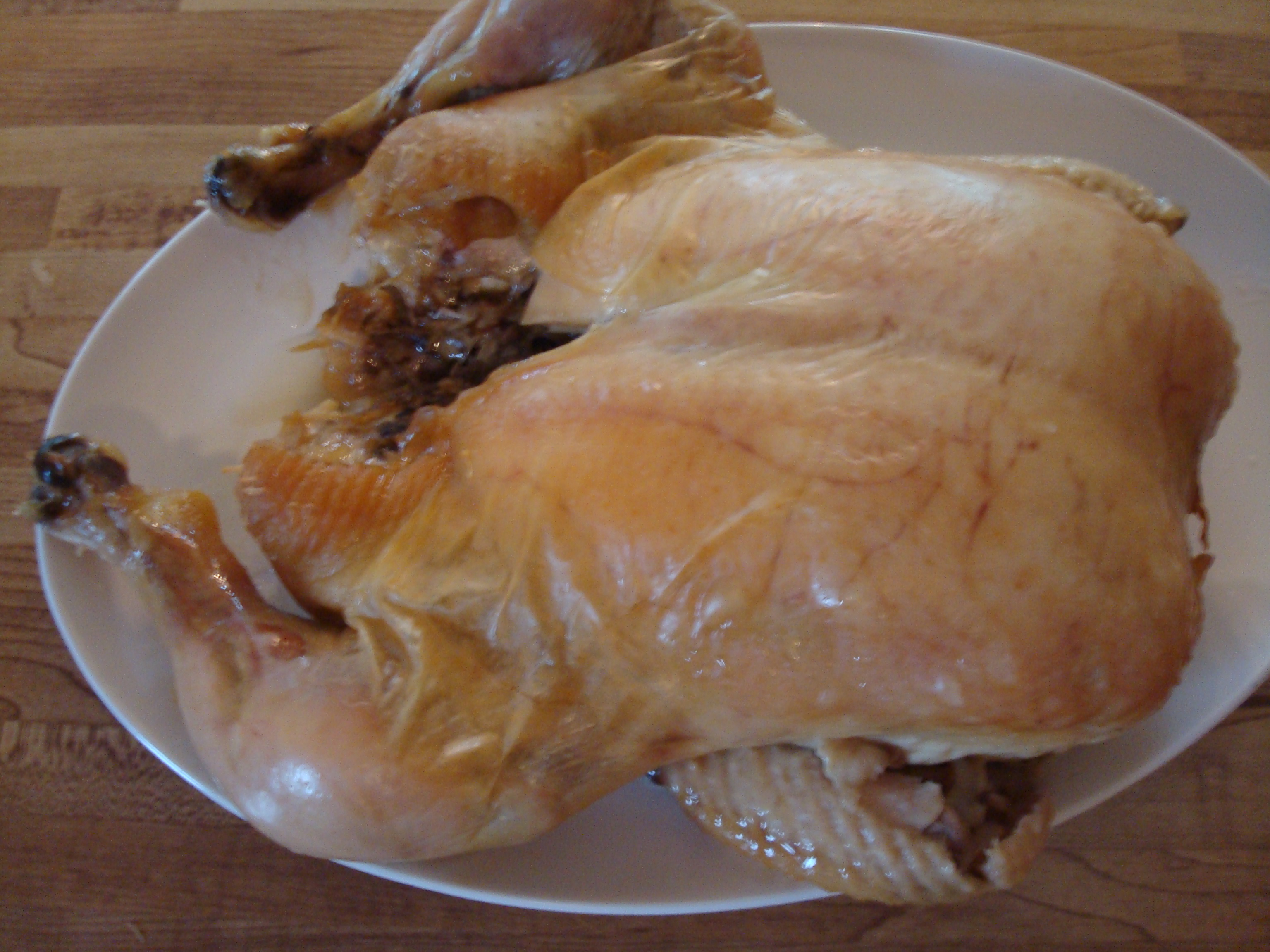
The chicken that we had last night for supper.

Her middle-aged granddaughter’s comments 100 years later:

What happened? How did Grandma not notice something that led to the death of a chicken?

I asked my father about this entry. He thinks that the chicken might have been injured by a dog.

In rural areas dogs often are allowed to roam free—and perhaps a neighbor’s dog wondered onto the Muffly farm and attacked a hen. Maybe Grandma didn’t notice the dog –or ignored it.

In any case chicken for supper sounds good—so good in fact that I decided to roast a chicken for dinner last night.

An aside—When my children were in soccer and little league, I often put a chicken or roast in the oven before games (as well as some baking potatoes)—and the meal would be ready to eat when we home.

Old-time Tips for Washing Dishes

17-year-old Helena Muffly wrote exactly 100 years ago today: 

Saturday, June 22, 1912: Went to Watsontown this afternoon. I managed to get through with the dishes and then went for the cows. I found them having a picnic in the corn field, and they were quickly dispatched to safer premises.

Her middle-aged granddaughter’s comments 100 years later:

Here’s some advice from the early 1900s for doing the dishes. It is abridged from a 1902 cookbook.

Do not be afraid of hot water in washing up dishes and dirty cooking utensils. As these are essentially greasy, lukewarm water cannot possibly have the effect of cleansing them effectively.

After you have washed your saucepans, fish-kettle, &c., stand them before the fire for a few minutes to get thoroughly dry inside, before putting them away. They should then be kept in a dry place, in order that they may escape the deteriorating influence of rust.

Never leave saucepans dirty from one day’s use to be cleaned the next.

After washing up your dishes, wash your dish-tubs with a little soap and water and soda, and scrub them often.

Do not throw anything but water down the sink, as the pipe is liable to get choked, thereby causing expense and annoyance.

Mrs. Beeton’s Cookery Book (1902)

Cows Escaped

Whew–the cows escaped from the pasture, again! This must be at least the fourth or fifth time in 1912. (It’s happened so many times that I’ve lost track of the exact number.)

Pulled Little Brother’s Baby Tooth

17-year-old Helena Muffly wrote exactly 100 years ago today: 

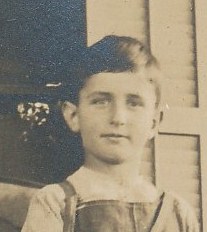
Thursday, June 19, 1912: Pulled a tooth for Jimmie. It was the first one to go, and then he got another yanked out before the day was over.

Jimmie Muffly

Her middle-aged granddaughter’s comments 100 years later:

How did Grandma pull her little brother’s baby tooth? Did she tie a string around it and pull? . . . twist and wiggle the tooth back and forth with her finger?  . . . give it a quick tug?

Patent Medicine Cartoon

17-year-old Helena Muffly wrote exactly 100 years ago today: 

Tuesday, June 18, 1912: I seemed to have had sort of a hard time today.

Her middle-aged granddaughter’s comments 100 years later:

Sounds like things still weren’t going well. The previous day Grandma wrote that she didn’t feel well, but that no one took it seriously.

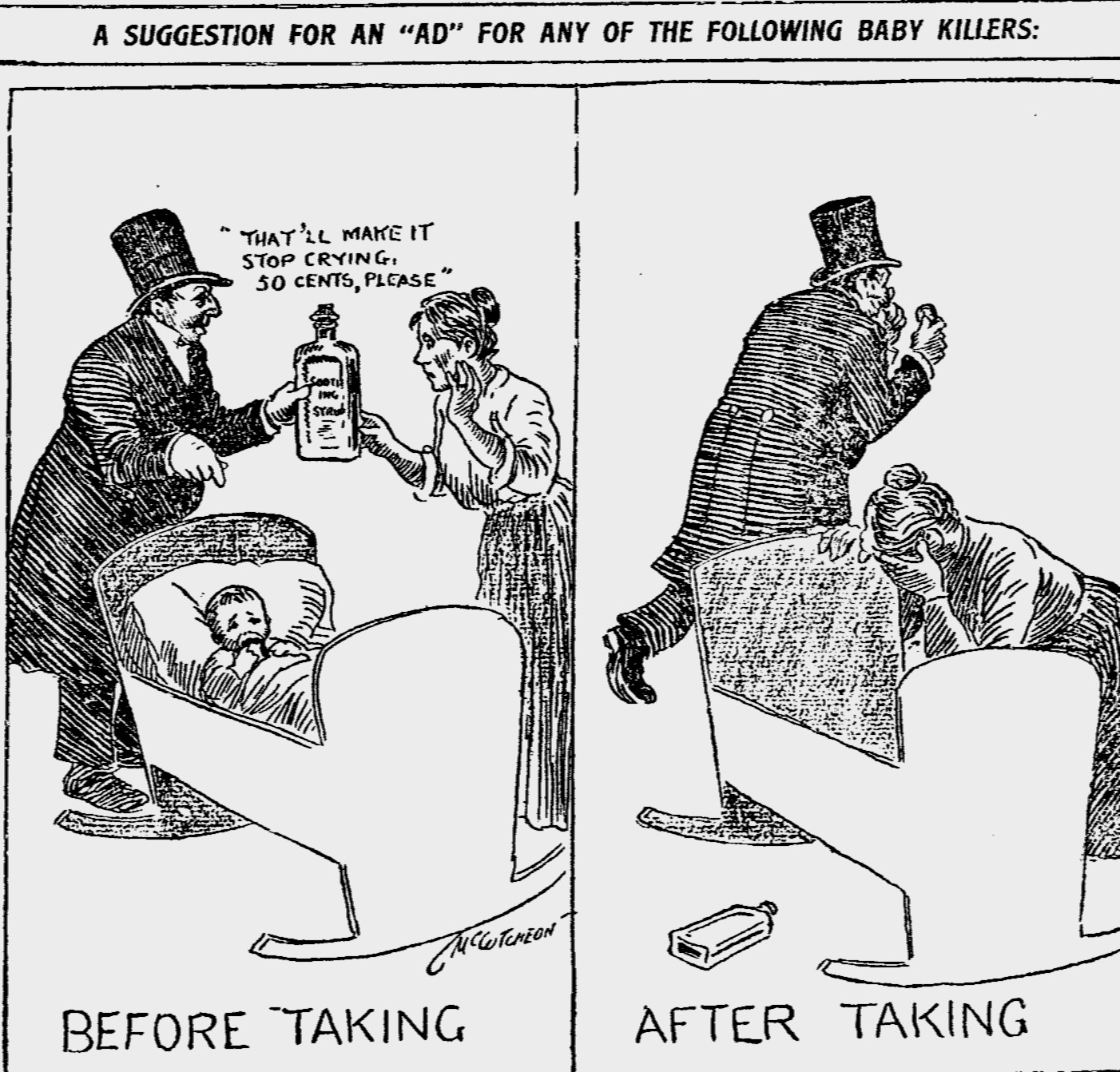
Yesterday, I posted an old advertisement for a patent medicine. A hundred years ago, they were controversial and were just beginning to be regulated by the government.

Here’s a cartoon about patent medicines that appeared in the September, 1910 issue of National Food Magazine.

A SUGGESTION FOR AN “AD” FOR ANY OF THE FOLLOWING BABY KILLERS:

BEFORE TAKING

“That’ll make it stop crying, 50 cents, please.”

AFTER TAKING

<<drawing of crying mother>>

Doing Some Fancy Work

17-year-old Helena Muffly wrote exactly 100 years ago today: 

Saturday, June 15, 1912:  Well this is Saturday. Saturday, that’s the way my brain must be of the dull sort. Did some fancy work this afternoon.

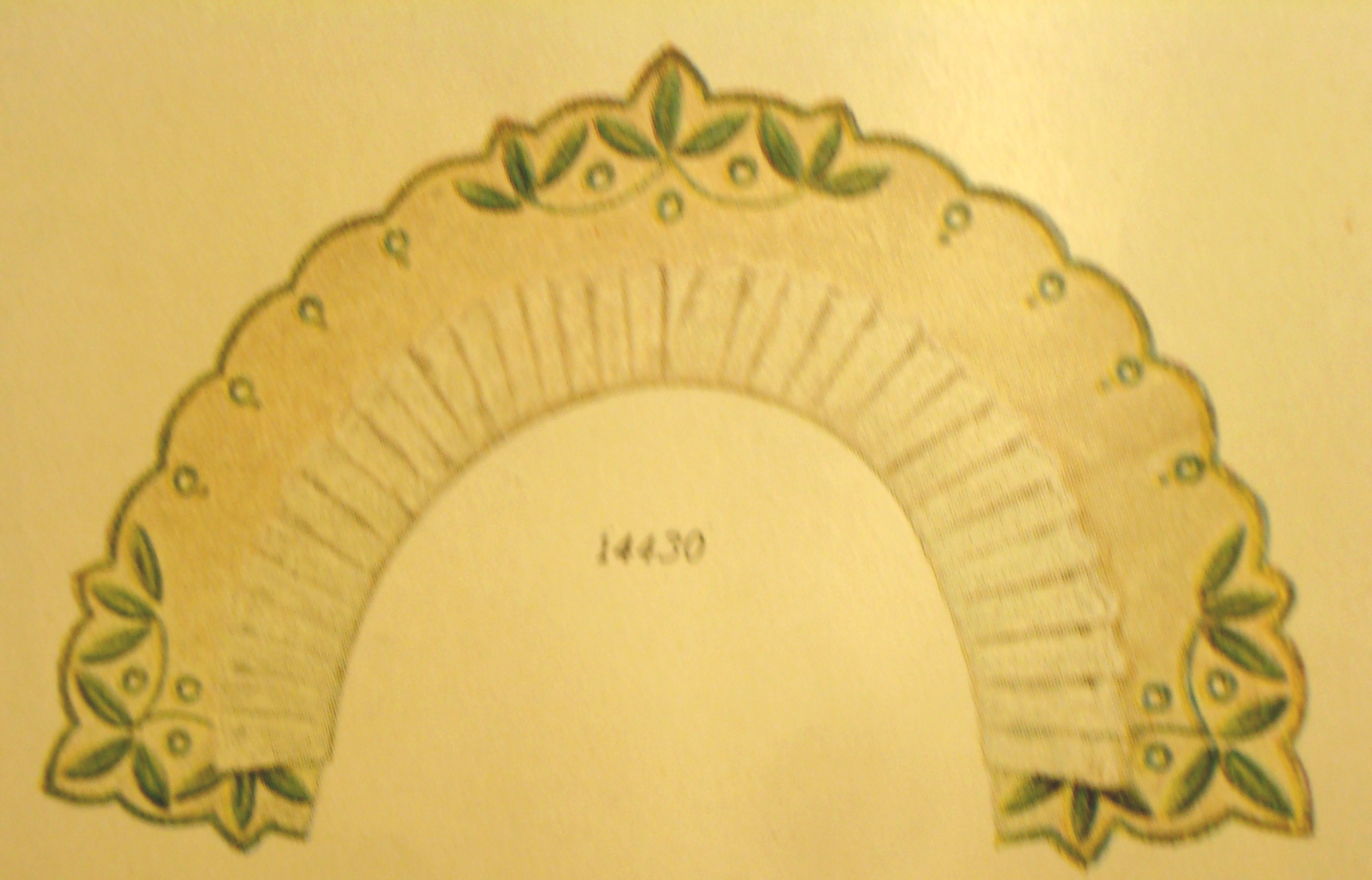
Detachable Collar (Source: Ladies Home Journal: October, 1911)

Her middle-aged granddaughter’s comments 100 years later:

What type of “fancy work” was Grandma doing? . . . . embroidery . . .  tatting. . .  crocheting . . .?

Was she making something that would decorate her clothes? . . . or was she making it to give as a gift? . . . or to put in her hope chest?

I want to picture her sitting in the living room doing fancy embroidery on pillow cases and sheets in anticipation of finding the right guy and getting married someday—but maybe it was for more immediate needs such as decorating a dress collar.

Put Cows in Wrong Field

17-year-old Helena Muffly wrote exactly 100 years ago today: 

Tuesday, June 11, 1912:  Such a time as I had with the cows this morning. I got them in the wrong field and then had to take them out.

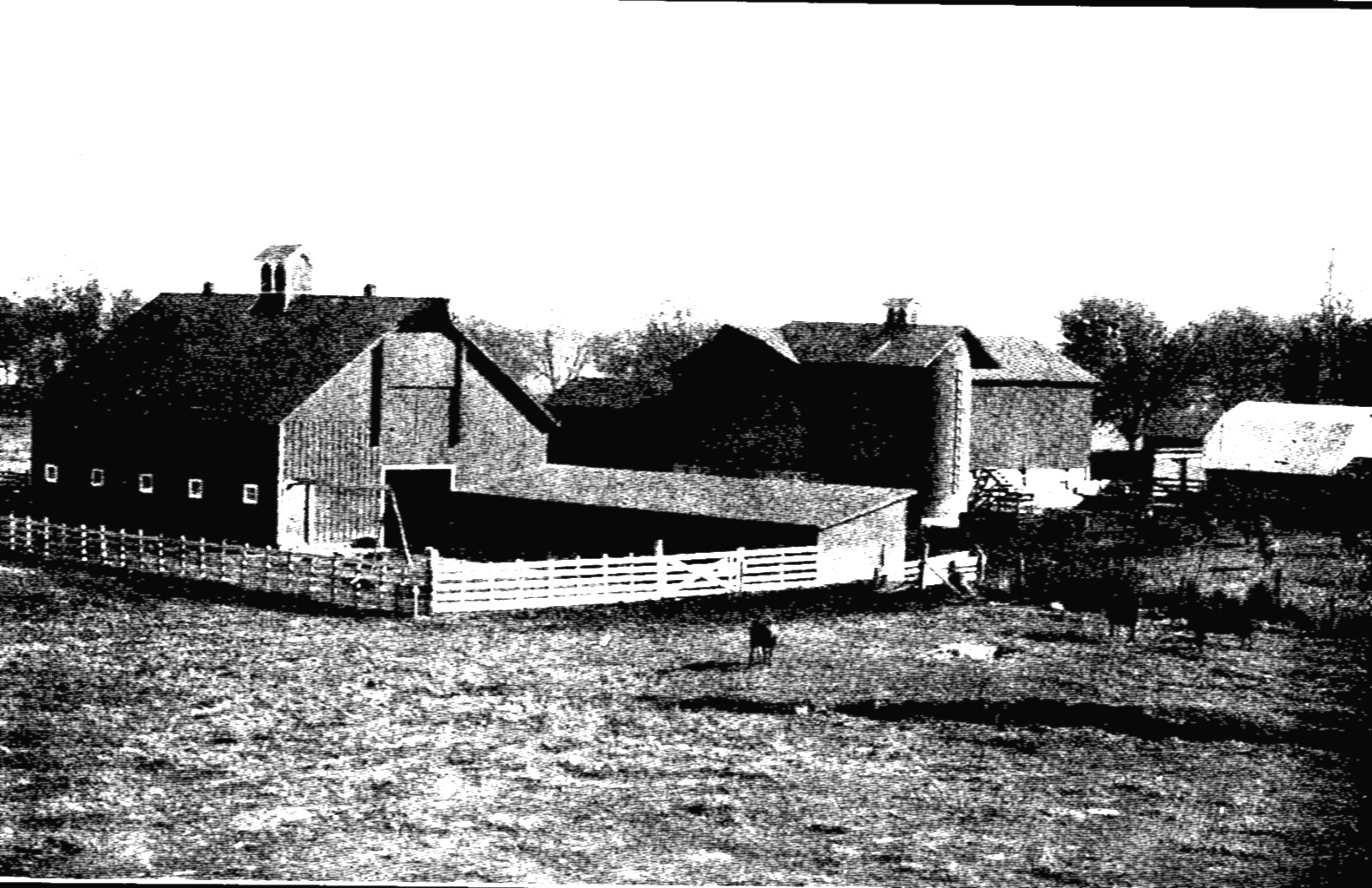
Picture of an early 20th century dairy farm. Photo source: The Farm Dairy (1908) by H.B. Gurler

Her middle-aged granddaughter’s comments 100 years later:

To give the grass time to grow, farmers generally rotated cows between several pastures.

The cows would have been brought into the barn for milking— and then they’d have been herded back to the pasture.

I assume that Grandma’s father decided that it was time to move the cows to another pasture, but that she somehow failed to herd them into the correct field.  Maybe he hadn’t clearly communicated the change to her  . . . or maybe she hadn’t been paying attention . . . or maybe she’d been thinking of other things and had just plain forgotten.

Picking (and Eating) Strawberries

17-year-old Helena Muffly wrote exactly 100 years ago today: 

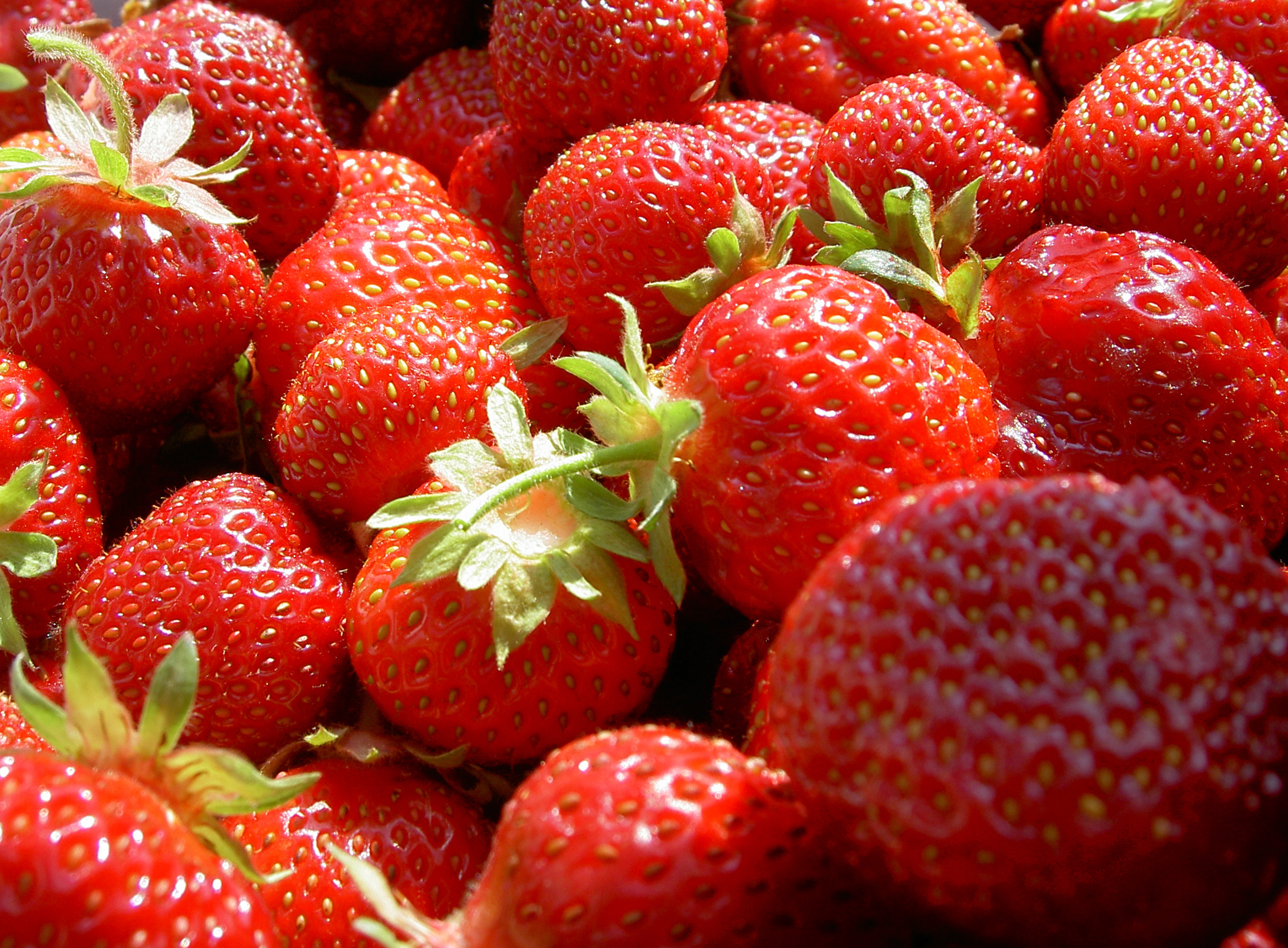
Monday, June 10, 1912: This morning I picked berries and helped myself to some. I wonder if anyone saw me. I want Ruth to help me with a jigger to-night, but I guess she doesn’t have the inclination to.

Her middle-aged granddaughter’s comments 100 years later:

I always think that eating strawberries is half the fun of picking them—but perhaps Grandma was being paid by a neighbor to harvest them.  The previous year, on June 12, 1911, she wrote:

Started to pick strawberries this morning. Of course it will mean some early rising and loss of sleep, but just look at what I can earn.

I’m not sure what a jigger refers to in this entry, but one definition is a tool. Webster’s online dictionary mentions says that a jigger is a “small pointed metal instrument, resembling sharpened pencil, used in assembling ribs of expansion metal watch bands.” I don’t know if metal watchbands existed a hundred years ago, but if they did I can picture that Grandma may have had a watchband that needed adjustment.