A Typical Day for a Farm Kid a Hundred Years Ago

17-year-old Helena Muffly wrote exactly 100 years ago today: 

Wednesday, February 26, 1913:  We practiced tonight.
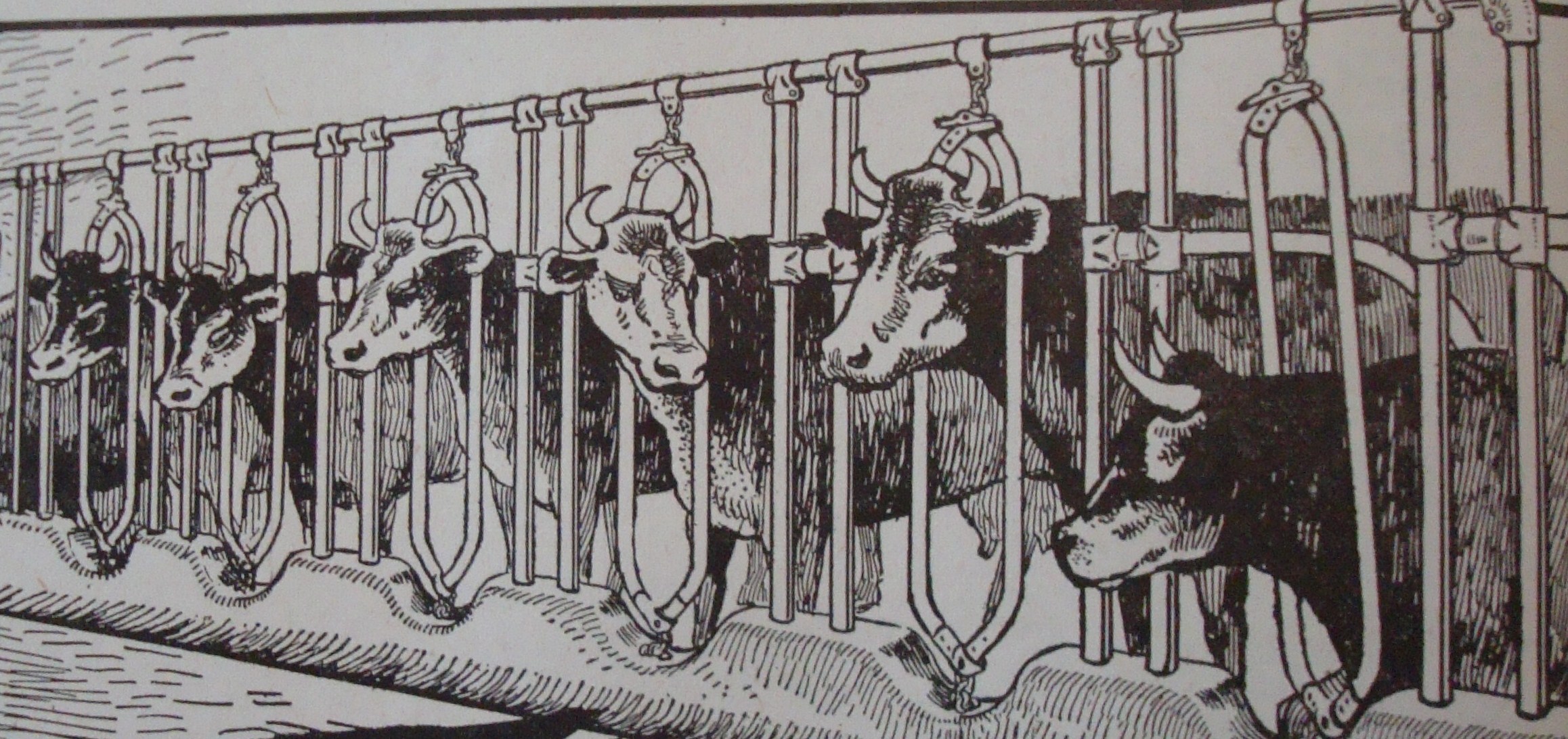
Source: Kimball's Dairy Farmer Magazine (April 1, 1913)
Source: Kimball’s Dairy Farmer Magazine (April 1, 1913)

Her middle-aged granddaughter’s comments 100 years later:

Grandma was referring to play practice. She had the role of Chloe, the servant, in the class play.

Here’s my best guess as to what Grandma’s schedule looked like on this date a hundred years ago:

  1. It was probably still dark when Grandma got  up and dressed in work clothes.
  2. Went to the barn to feed and milk the cows.
  3. Came back to the house, ate a quick breakfast, and changed into school clothes.
  4. Walked 1 1/2 miles to  McEwensville.
  5. Attended school.
  6. Walked 1 1/2 miles home after school.
  7. Grabbed a quick snack—and changed  into work clothes.
  8. Went to the barn to do the evening chores (clean the cow stalls, feed cows, milk cows). She may have also fed the chickens and gathered eggs.
  9. Went back to the house and ate a quick supper.
  10. Changed into clean clothes and walked 1 1/2 miles to McEwensville.
  11. Participated in play practice.
  12. Walked 1 1/2 miles home.
  13. Did homework.
  14. Wrote this brief entry in the diary.
  15. Went to bed.

Whew, I’m exhausted just thinking about Grandma’s schedule.  I probably don’t have all the details exactly right—maybe someone gave her a ride home after play practice . . . or maybe her little brother Jimmie gathered the eggs. . . or. . . . maybe she didn’t do any homework. . .

But, even if Grandma only did three-quarters of the things on this list (and my gut feeling is that she did most of them),  she had one crazy, busy day.
1913 Perspectives on the Importance of the American Revolution

17-year-old Helena Muffly wrote exactly 100 years ago today:

Monday, February 24, 1913:  My essay is almost done, all but the conclusion. Think it will be finished by tomorrow night.

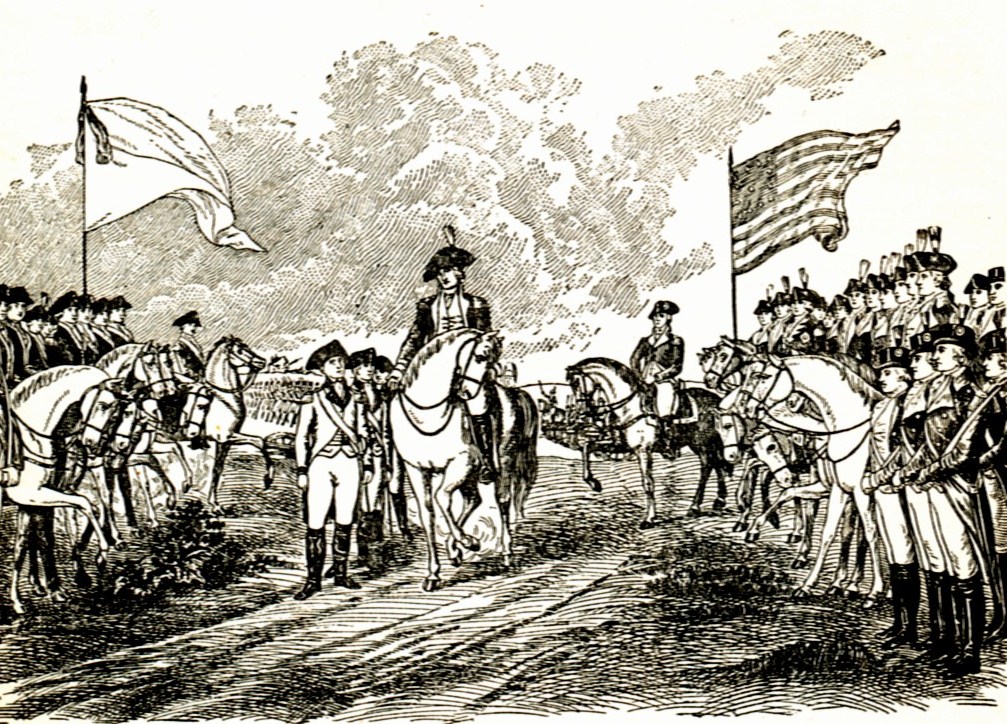
Surrender of Cornwallis at YorktownPicture Caption: The Surrender of Cornwallis at Yorktown, October 19, 1781; From the painting by Turnbull in the Capitol at Washington (Source: American History for Schools, 1913)

Her middle-aged granddaughter’s comments 100 years later:

Grandma was writing an essay on the American Revolution. I always think that the Introduction and the Conclusion are the hardest parts to write.

A few days ago, I told you how the chapter on the Revolutionary War in a 1913 history textbook began. Today, I’ll share the concluding paragraph of the same chapter:

The peace concluded at Paris in 1783 closed one of the most heroic struggles for human liberty that the world has known; but it opened, for the Americans, problems of peace no less serious and difficult of solution than those of war.

American History for Schools (1913) by R.B. Cousins and J.A. Hill

Having Fun Being the President

17-year-old Helena Muffly wrote exactly 100 years ago today: 

Friday, February 21, 1913:  Our Literary Society met again today. It is rather fun being president.

McEwensville School (in the background)

Her middle-aged granddaughter’s comments 100 years later:

Two weeks earlier, on February 7, Grandma wrote:

We had our literary meeting this afternoon and also elected officers to take the place of the old ones. They had to go and elect me president.

When I posted that entry, I was uncertain whether Grandma was secretly pleased that she was the new president or if she had qualms.

In any case, I’m glad Grandma was now enjoying her new role.

I wonder what she liked about being president:

  • Did she like being able to choose what the Society did?
  • Did the presidency may her feel more popular?
  • Did she like the power?
  • Did she . . . ?

American Revolution as Described in 1913 Texbook

17-year-old Helena Muffly wrote exactly 100 years ago today: 

Thursday, February 20, 1913:  Am working at my essay. I have it pretty well on its way.

Map Titled Land Claims of the Thirteen Original Colonies in American History for Schools (1913)
Map Titled “Land Claims of the Thirteen Original Colonies” in American History for Schools (1913)

Her middle-aged granddaughter’s comments 100 years later:

Grandma was writing an essay on the American Revolution. Her teacher was going to give a two and a half-dollar gold piece to whoever wrote the best essay.

The American Revolution seems like an awfully broad topic. There must have been some additional directions to narrow it down—but they didn’t make it into the diary.

I found an American History textbook that was published in 1913. Here’s how the chapter on the American Revolution began:

The Revolutionary War

In the war which she had begun, Great Britain would find both advantage and difficulty in the geographical conditions of the country which she had undertaken to subdue.

The coast line, indented with harbors, and with rivers flowing into the sea at convenient intervals, at first offered to a powerful navy little resistance beyond that of inertia, which condition, however, might prove distinctly embarrassing from the fact that it was temporary and therefore invited a naval commander to possible destruction through necessity for his acting with extreme haste in seizing important towns on the seaboard. But in holding even Boston, the storm center of insurgency, the British power was already largely occupied; and , in the end, events proved that while the coast towns might be taken, their capture would cost more than the results were worth; for the strength of the American colonies was not in the cities, but in the rural regions, where every man and boy knew every stream and mountain, and a column of British never left the coast and marched into the interior without sooner or later coming to grief. . . .

American History for Schools (1913) by R.B. Cousins and J.A. Hill

No Play Practice

17-year-old Helena Muffly wrote exactly 100 years ago today: 

Wednesday, February 19, 1913:  We went up to practice this evening, and then didn’t have any after all.

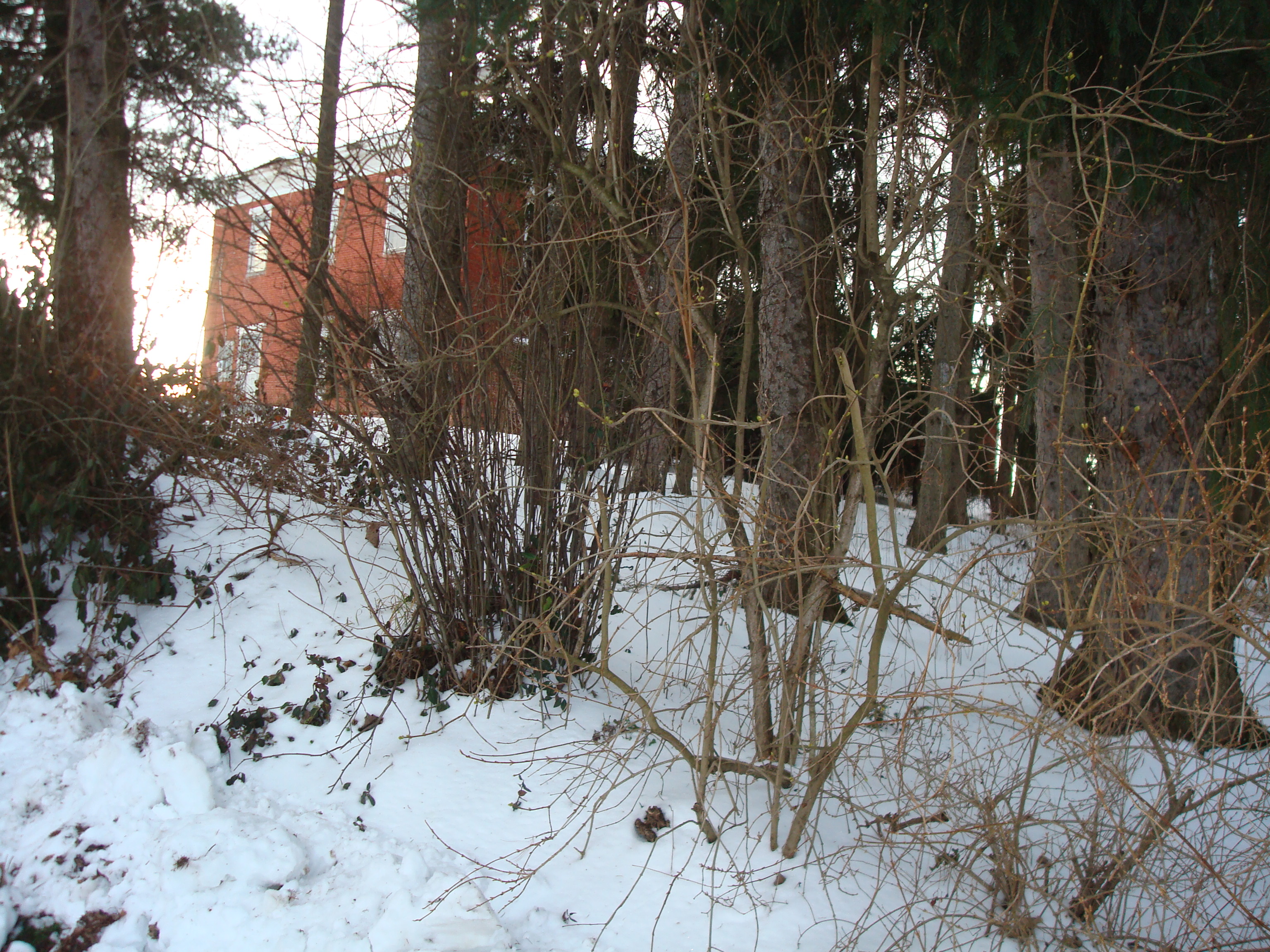
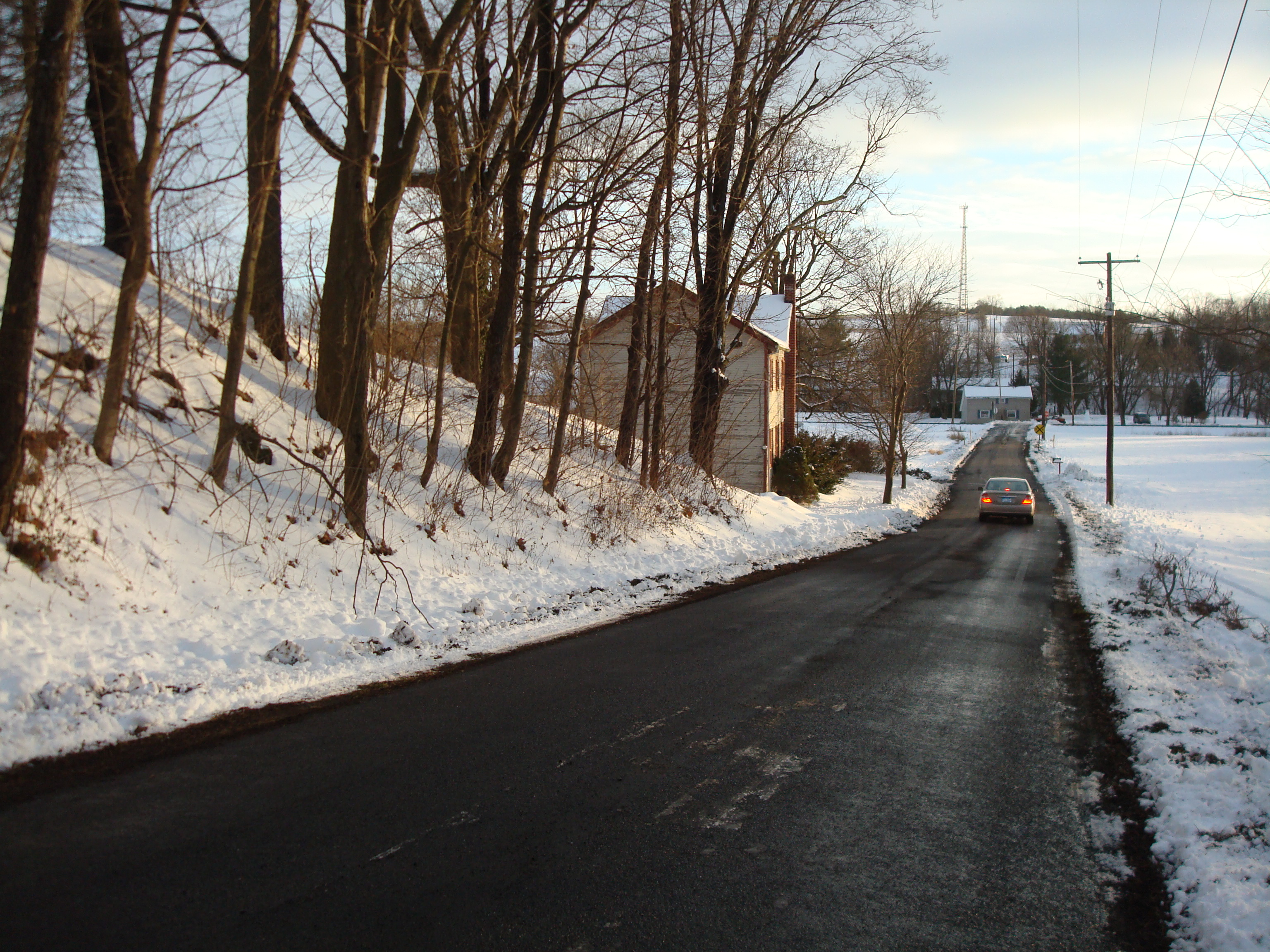
Recent photo of the house Grandma lived in when she was writing the diary--and the road she would have walked to get to McEwensville.
Recent photo of the house Grandma lived in when she was writing the diary–and the road she would have walked down to get to McEwensville.

Her middle-aged granddaughter’s comments 100 years later:

I hate it when signals get crossed. I bet Grandma was ticked off.

Grandma (and probably her sister Ruth) would have walked a mile and a half from their farm into McEwensville for a play practice that didn’t take place. Grandma had the role of Chloe, the servant, in the play.

No Valentines

17-year-old Helena Muffly wrote exactly 100 years ago today: 

Friday, February 14, 1913:  Cupid didn’t send me any valentines. Didn’t feel very well this morning.

My dearest sister was going to a box social, and then didn’t go because no one came for her. I’m glad I wasn’t going for then I would have been disappointed.

Her middle-aged granddaughter’s comments 100 years later:

Grandma didn't get any, but here is an example of a nice 1912 valentine postcard.
Hundred-year-old Valentine Postcard

I bet Grandma wished that a special guy had sent her a valentine like this one.

February must be the month for box socials. Grandma and her sister Ruth went to one the previous week-end.

Poor Ruth—it’s hard to be stood up. (Maybe I should be looking at this from Grandma’s perspective and feel happy—but I can’t help feeling bad for Ruth.)

—–

Grandma’s matured a lot. In 1911 and 1912 she was really into sending ugly valentines–sometimes called vinegar valentines–to people who annoyed her; but in 1913 she never mentioned them. You might enjoy these posts  from previous years:

Anonymous Comic Valentines

Valentines: The Good, the Bad, and the Horrid

Bought Some Vinegar Valentines

Sending Ugly Valentines

Writing Essay on American Revolution

17-year-old Helena Muffly wrote exactly 100 years ago today: 

Thursday, February 13, 1913:  Have started my American Revolution essay. I have the introduction written.

Washington Crossing the Delaware by Emanuel Leutze (1851) (Source: Wikipedia)

Her middle-aged granddaughter’s comments 100 years later:

Grandma wrote in a previous diary entry that her teacher was going to give a two and a half dollar gold piece to whoever wrote the best essay on the American Revolution.

Why did her teacher select this topic? How did Grandma frame what she wrote?

Grandma—I’m keeping my fingers crossed that you win.