Kids Won’t Practice Their Dialogue

17-year-old Helena Muffly wrote exactly 100 years ago today: 

Wednesday, November 14, 1912:  We are having such an awful time at school a getting the kids to practice their dialogue. I didn’t think it would be so hard.
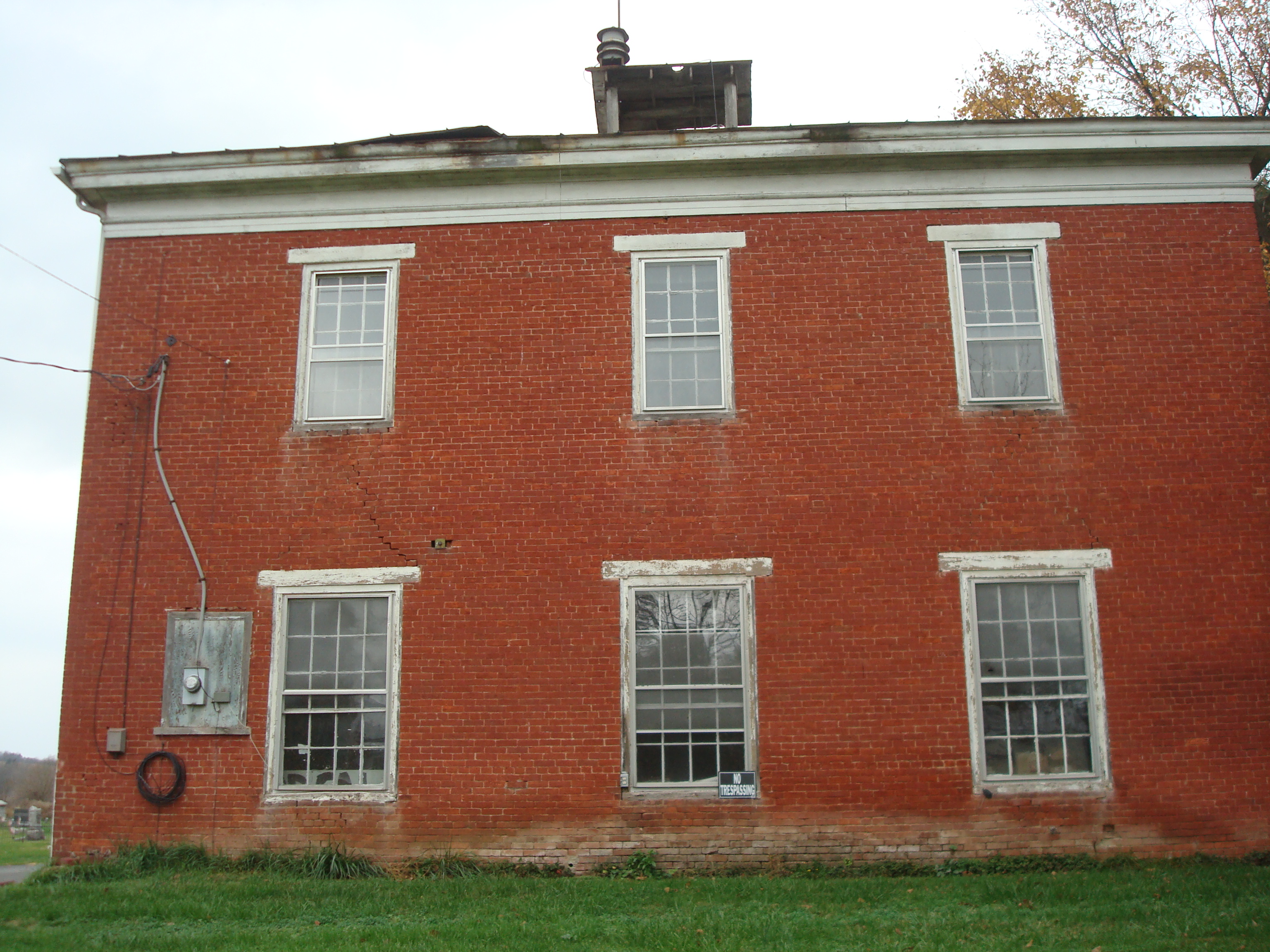
Building that once housed the McEwensville School.

Her middle-aged granddaughter’s comments 100 years later:

I’m always excited when a diary entry has lots of information; but then sometimes , like today, I end up  being frustrated because I can’t put the pieces together.

Hmm—Obviously Grandma is having difficulty getting some group of students or children to memorize their parts for some sort of presentation.

Many recent diary entries have discussed the new Literary Society that was started at Grandma’s school in late October. She was very excited to be a committee member—and several recent entries have discussed how busy she’d  been reading books and preparing for the Literary Society meeting. I’m not really sure what the Literary Society did—and, in past entries, I’ve leaned towards it being a book club. But, maybe the members really were supposed  orally present parts of famous works .

. . . or maybe I’m headed in totally the wrong direction. . .

Maybe Grandma was helping  downstairs in the primary school (the high school was on the second floor of the school building and the primary school was on the first)  and working with the younger children to prepare for some sort of show or presentation.

or. . .

In any case—I can empathize with Grandma. It’s frustrating when people won’t do what you want them to do.
Not Studying Very Hard

17-year-old Helena Muffly wrote exactly 100 years ago today: 

Tuesday, November 12, 1912:  It seems to me that I’m not studying very hard these days.

Her middle-aged granddaughter’s comments 100 years later:

Was the schoolwork easy or did Grandma have senioritis?

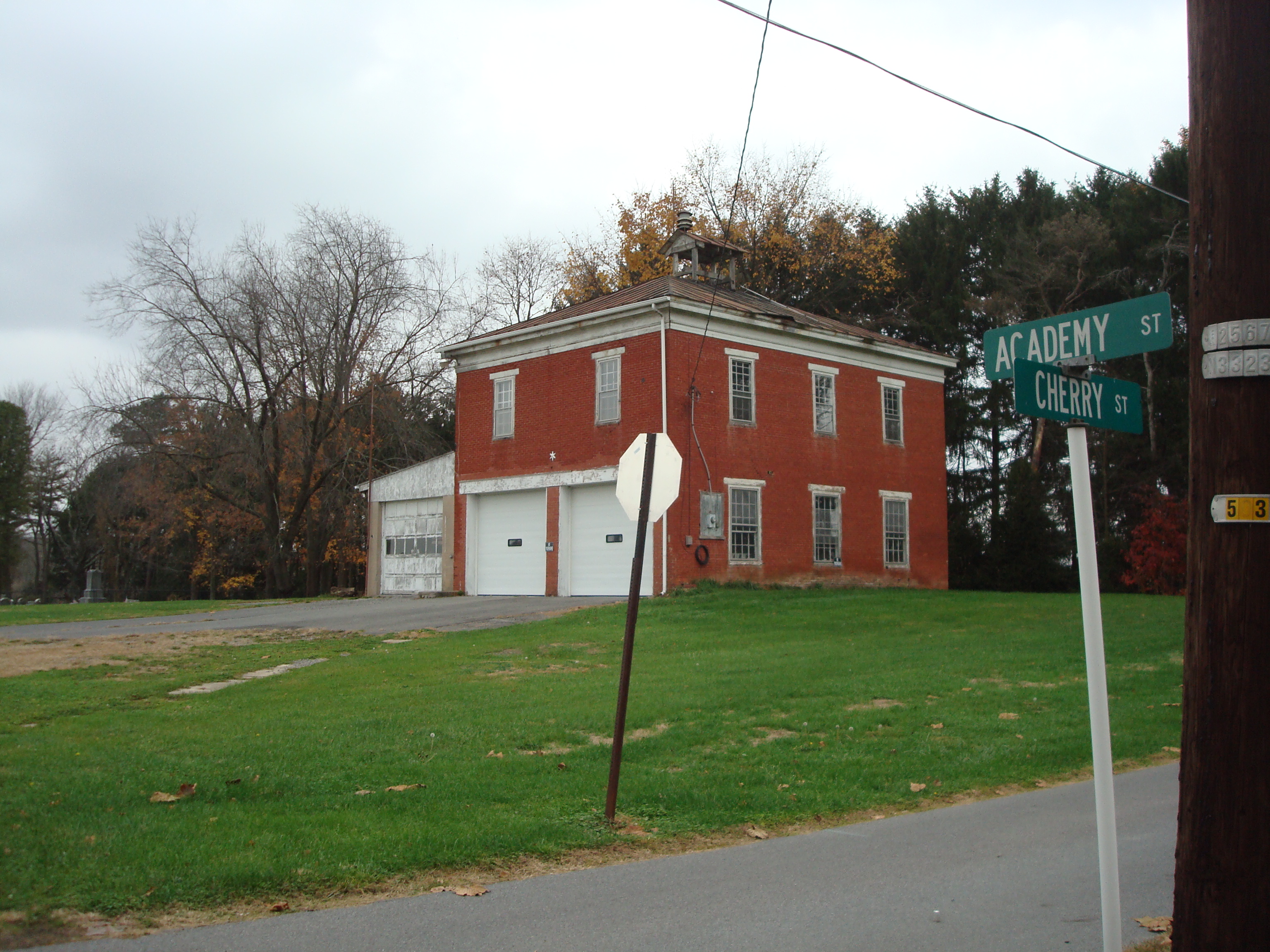
Recent photo of the building that once housed the McEwenville School. The high school was on the second floor.

Recent photo of the room that once was the high school classroom. The old slate chalkboard still sits along the wall. I can picture Grandma sitting in this room struggling to concentrate on her lessons.  Click here for more about the school building today.

Crawling Under Fences

17-year-old Helena Muffly wrote exactly 100 years ago today: 

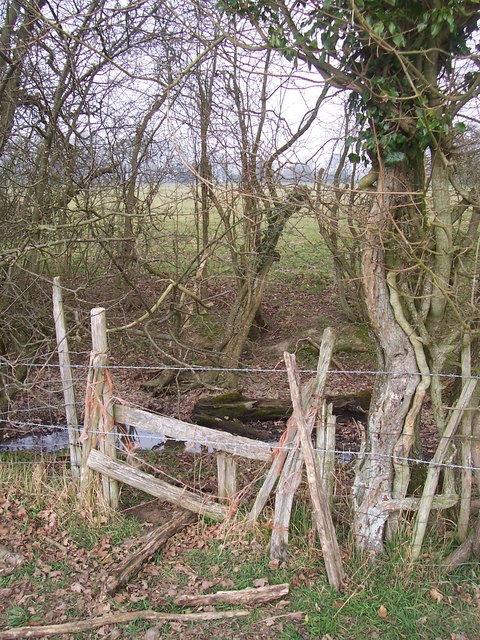
Sunday, November 10, 1912:  Went out to Sunday School this morning. This afternoon I went over to see Margaret. Such a time as I had getting there a crawling under fences and so on.

Source: Wikimedia Commons

Her middle-aged granddaughter’s comments 100 years later:

Whew, it sounds like a lot of work to crawl under fences and so on (whatever that means) to visit a friend.

I don’t know who Margaret was; I don’t think that she’s ever previously been mentioned in the diary.

Until this diary entry, I’d always assumed that Grandma walked along roads to when visiting friends.

Women’s Shoes a Hundred Years Ago

17-year-old Helena Muffly wrote exactly 100 years ago today: 

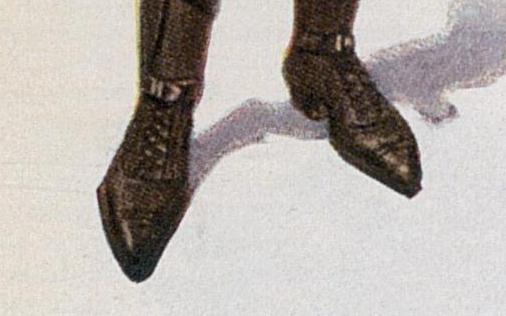
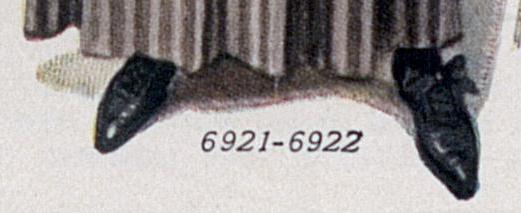
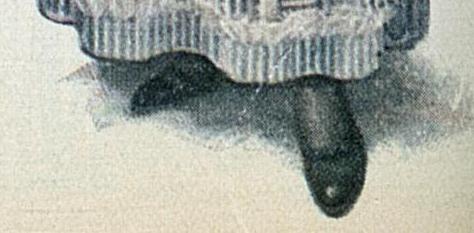
Saturday, November 9, 1912:  Was real busy today. Got a new pair of shoes, but I wasn’t away to get them. As I said before that I was busy today.

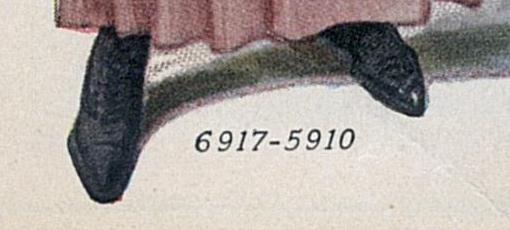
Source of pictures: Ladies Home Journal (1912)

Her middle-aged granddaughter’s comments 100 years later:

Hmm . . . How did Grandma get shoes without going anywhere?  Did her mother or sister buy them for her?

I’ve posted lots of pictures of 1912 fashions from Ladies Home Journal—and many of the pictures showed shoes peeking out beneath the dresses.  Today, I cropped a few of the pictures to just show the shoes.


You can get a sense of what stylish shoes looked like a hundred years ago—though many of the shoes were drawn in a soft, slightly blurry way since they weren’t the focus of pictures.

Parties, Dinners, and Flinch Games

17-year-old Helena Muffly wrote exactly 100 years ago today: 

Friday, November 8, 1912: Postponed my lessons until tomorrow since today is Friday.

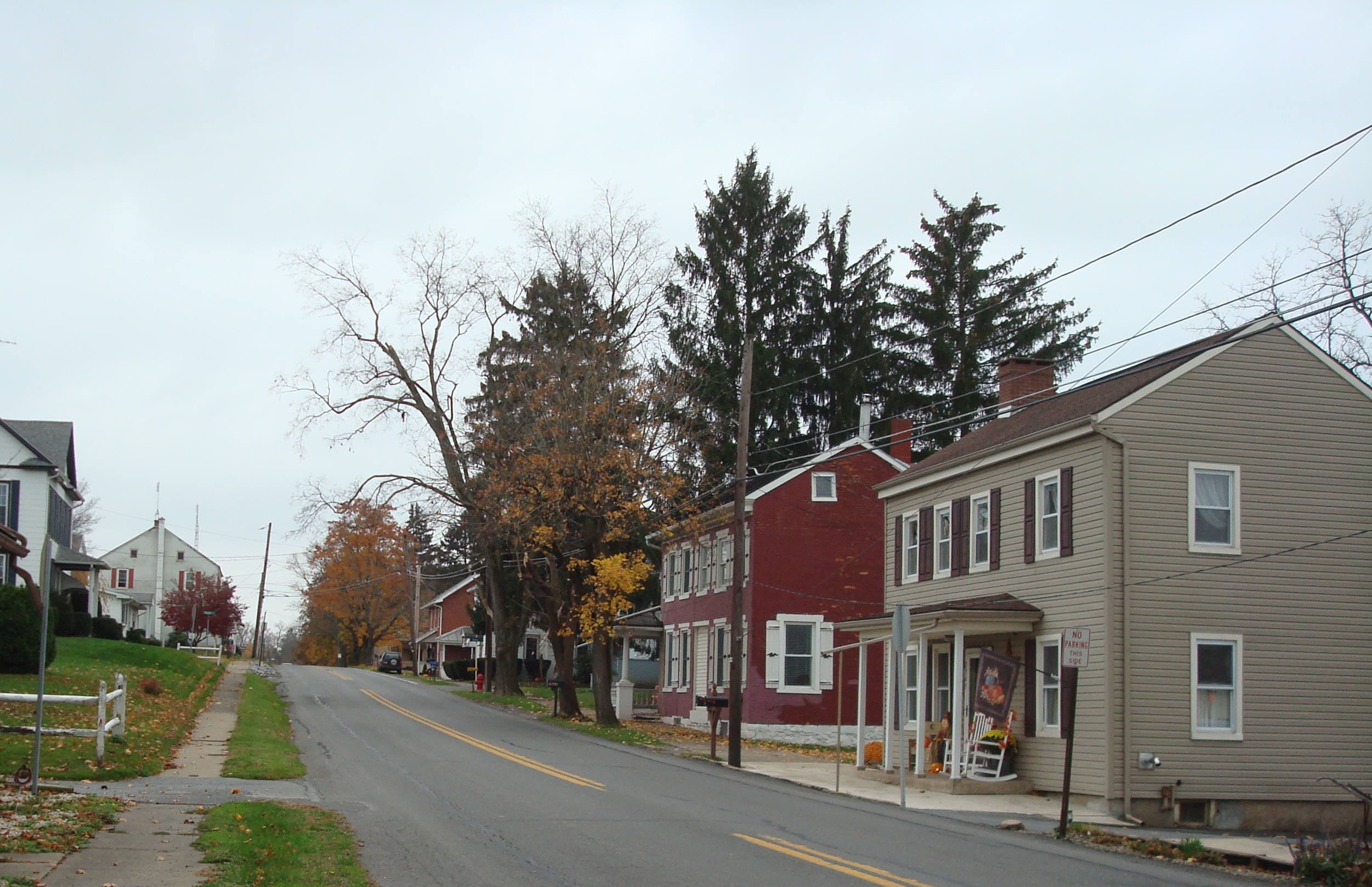
Recent picture of McEwensville. Was it a hot time in the old town a hundred years ago tonight?

Her middle-aged granddaughter’s comments 100 years later:

Sounds like a plan!  If I had been Grandma I probably would have postponed my lessons until Sunday evening.

Did Grandma do any fun things on this Friday evening? She hasn’t mentioned any exciting social activities in recent diary entries, but in the past  she’s mentioned going to out to dinner and to parties:

I went to a party this evening in McEwensville up at Watson’s. I had a very pleasant time. It was almost two o’clock when I got home.

February 17, 1911

I was invited to dine out this evening and accepted the invitation. It was up at Gauger’s. My beauteous or rather vain sister was up also. It was, as I supposed in honor of the senior class. I had quite a pleasant evening. I played Flinch part of the time. My partner and I winning two games.

March 1, 1911

Just got home from a party a little while ago. It was up at Amelia Seibert’s. I had a real nice time. As I thought, B.G. was there

August 3, 1911

Whew, those entries are all from 1911. Grandma attended some parties in 1912—but they aren’t the diary entries that are memorable. It almost seems like her social life was in the doldrums. . . but I’m keeping my fingers crossed that she had a fun Friday evening and just didn’t write about it.

Book Review: Daddy-Long-Legs

17-year-old Helena Muffly wrote exactly 100 years ago today: 

Thursday, November 7, 1912:  I just finished reading a book a few minutes ago. I have ever so much stuff to read now, but I don’t like to neglect my studies too much. I don’t get them any too well as it is.

Her middle-aged granddaughter’s comments 100 years later:

Grandma was a member of the recently organized Literary Society at her school.

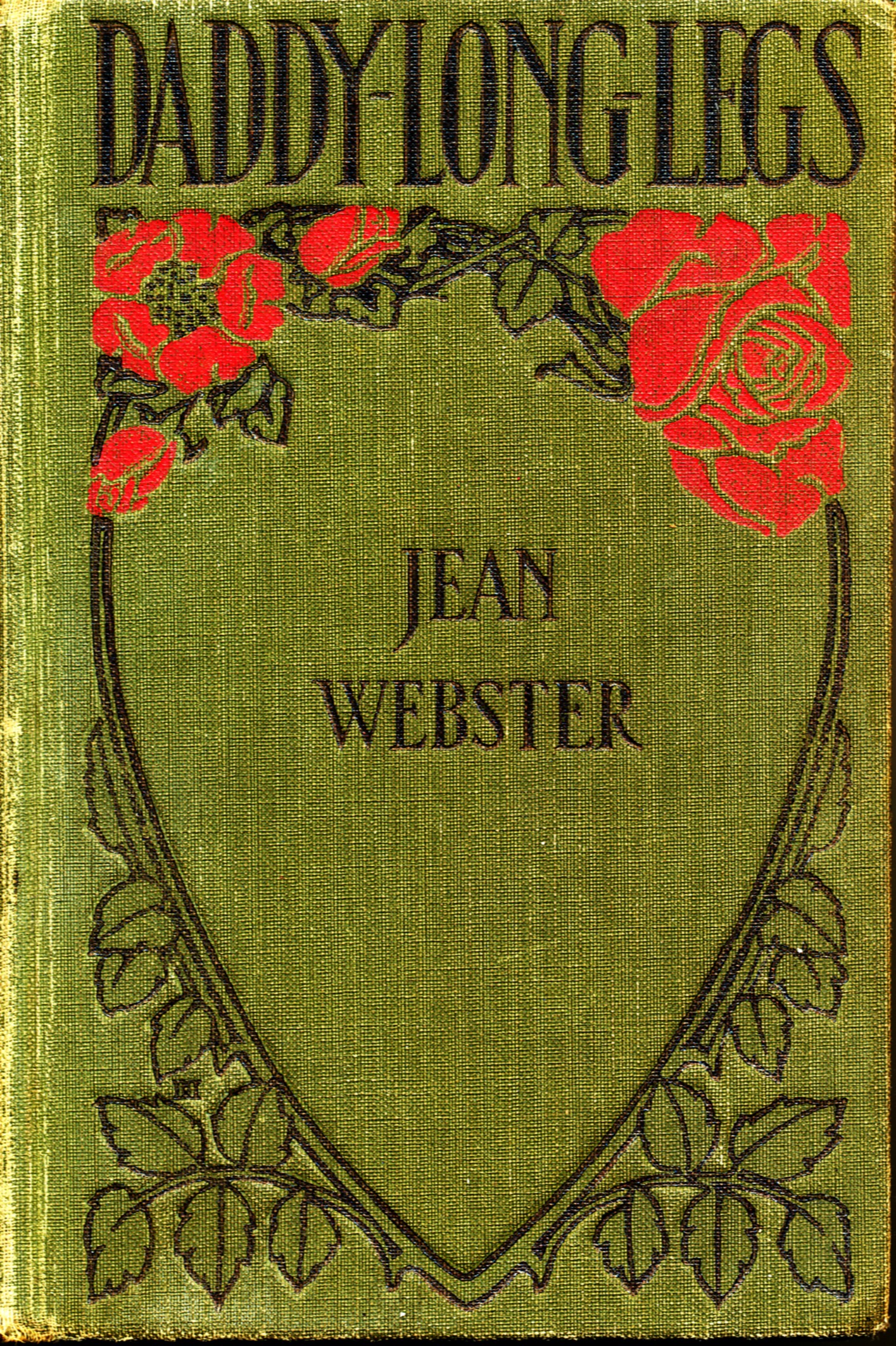
I recently came across a copy a book published in 1912—Daddy-Long-Legs by Jean Webster. I wonder if Grandma read it.

Daddy-Long-Legs is a good-old-fashioned story with a happy ending. It was a fun, relaxing read compared to the many depressing modern books; and I couldn’t put it down. But the novel also touched upon important issues—Should women have careers?  What role does fate (and hard work) play in success?

The book tells the story of Jerusha, a bright young orphan who wrote humorous stories in her high school English class.

An anonymous trustee of the orphanage where Jerusha lived recognized her brilliance—and offered to pay for her to attend college so that she could become a writer. There was only one requirement—she needed to write him a letter each month to tell him how school was going.

Jerusha did not meet the trustee—but saw his shadow reflected on a wall the evening he agreed to send her to college. The shadow was tall and slender, and looked like a Daddy-Long-Legs spider.

The format of most of the book is letters that Jerusha wrote to her anonymous benefactor—Daddy-Long-Legs.

A developing romance, and Jerusha’s transformation from an orphan into an interesting young woman who went by the name of Judy, kept me turning the pages. The book also gave me a better understanding of the college and career opportunities that women had a hundred years ago.

1912 Bestsellers

17-year-old Helena Muffly wrote exactly 100 years ago today: 

Wednesday, November 6, 1912:  Am ever so busy these days getting my lessons out, and helping make out that program for our first Literary meeting.

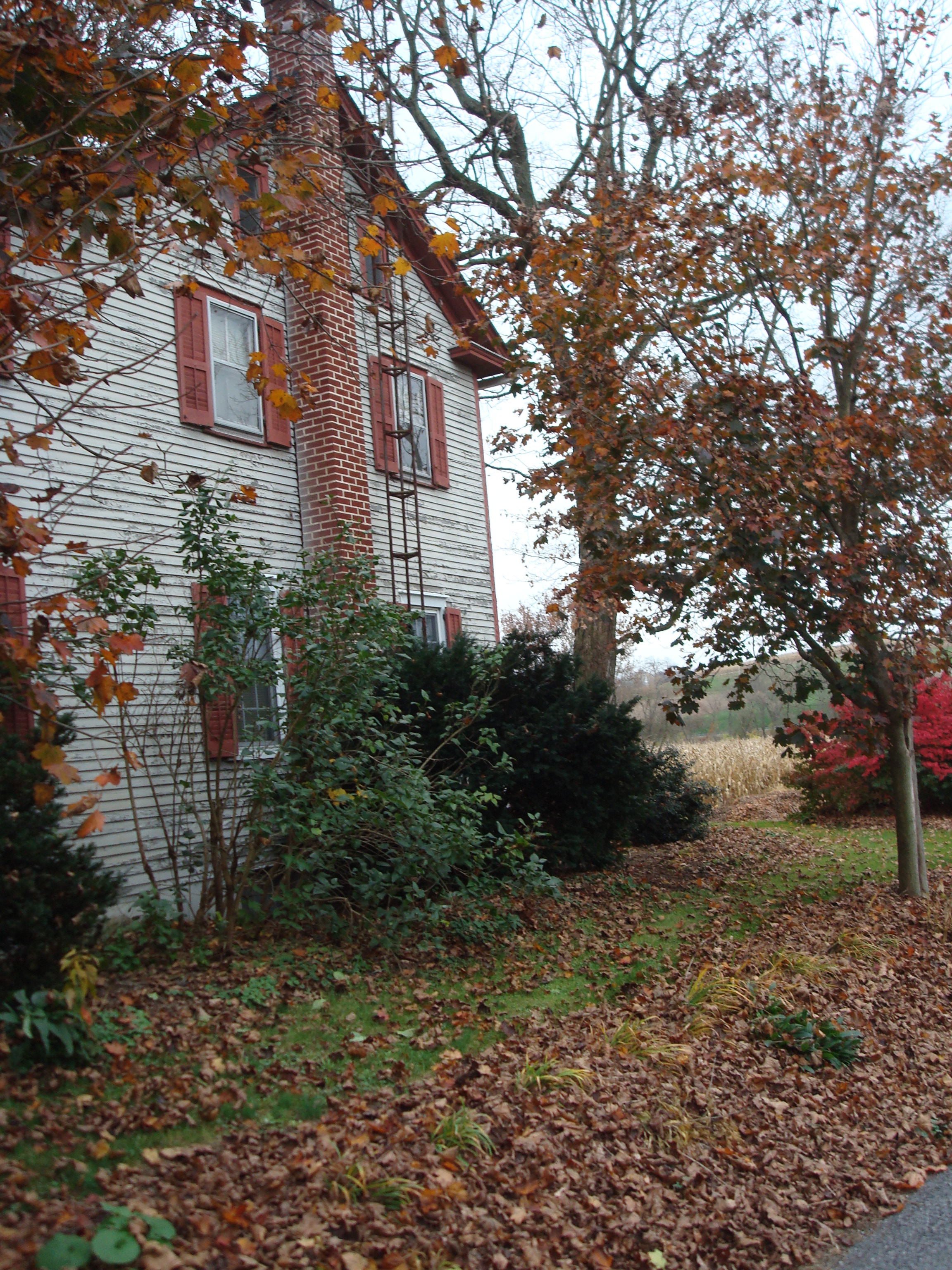
A hundred years ago today Grandma was sitting inside this house writing about how she was trying to juggle many things.

Her middle-aged granddaughter’s comments 100 years later:

On November 1, Grandma wrote that they’d organized a Literary Society at school and that she was on a committee.

Hmm—I wonder what is involved in figuring out the program for the Literary Society.  Did they read classics or popular books?

According to Wikipedia, the Publisher’s Weekly bestsellers for 1912 were:

1. The Harvester by Gene Stratton Porter

2. The Street Called Straight by Basil King

3. Their Yesterdays by Harold Bell Wright

4. The Melting of Molly by Maria Thompson Davies

5. A Hoosier Chronicle by Meredith Nicholson

6. The Winning of Barbara Worth by Harold Bell Wright

7. The Just and the Unjust by Vaughan Kester

8. The Net by Rex Beach

9. Tante by Anne Douglas Sedgwick

10. Fran by J. Breckenridge Ellis

Hmm—I’ve never heard of any of these books. Are any of you familiar with any of them?

In a previous post, I listed some of the books on the Goodreads list for 1912 of  books that are still widely read —and that list is very different from this list of 1912 bestsellers. It’s amazing how bestseller status may not mean enduring popularity.