What is History? A Hundred Year Old Definition

17-year-old Helena Muffly wrote exactly 100 years ago today: 

Thursday, November 21, 1912: Nothing doing for today except that I got rather sad.
Her middle-aged granddaughter’s comments 100 years later:

Maybe Grandma was sad because she got her General History test back and was unhappy about the grade. The previous day, she’d written:

Had an exam in General History and although I looked over it some last evening, I got some questions that I was unable to answer correctly.

I’m still browsing through the hundred-year-old history book that I quoted yesterday.  Here’s how the book defines history:

What History Is—History is an ordered account of the growth of human societies. It treats principally of political events, and must  tell also about many other things which have influenced the progress of nations. Religion, science, art, literature, education and commerce are important in the history of every country.

Outlines of General History (1909) by V.A. Renouf

I wonder how a historian today would define history. . . and how the modern definition would differ (or not differ) from the hundred-year-old definition.

The Roman Empire in a Hundred-Year-Old History Book

17-year-old Helena Muffly wrote exactly 100 years ago today: 

Wednesday, November 20, 1912:  Had an exam in General History and although I looked over it some last evening, I got some questions that I was unable to answer correctly.

Picture of Roman Fleet and Harbor in the the hundred-year-old textbook

Her middle-aged granddaughter’s comments 100 years later:

What was the test on?

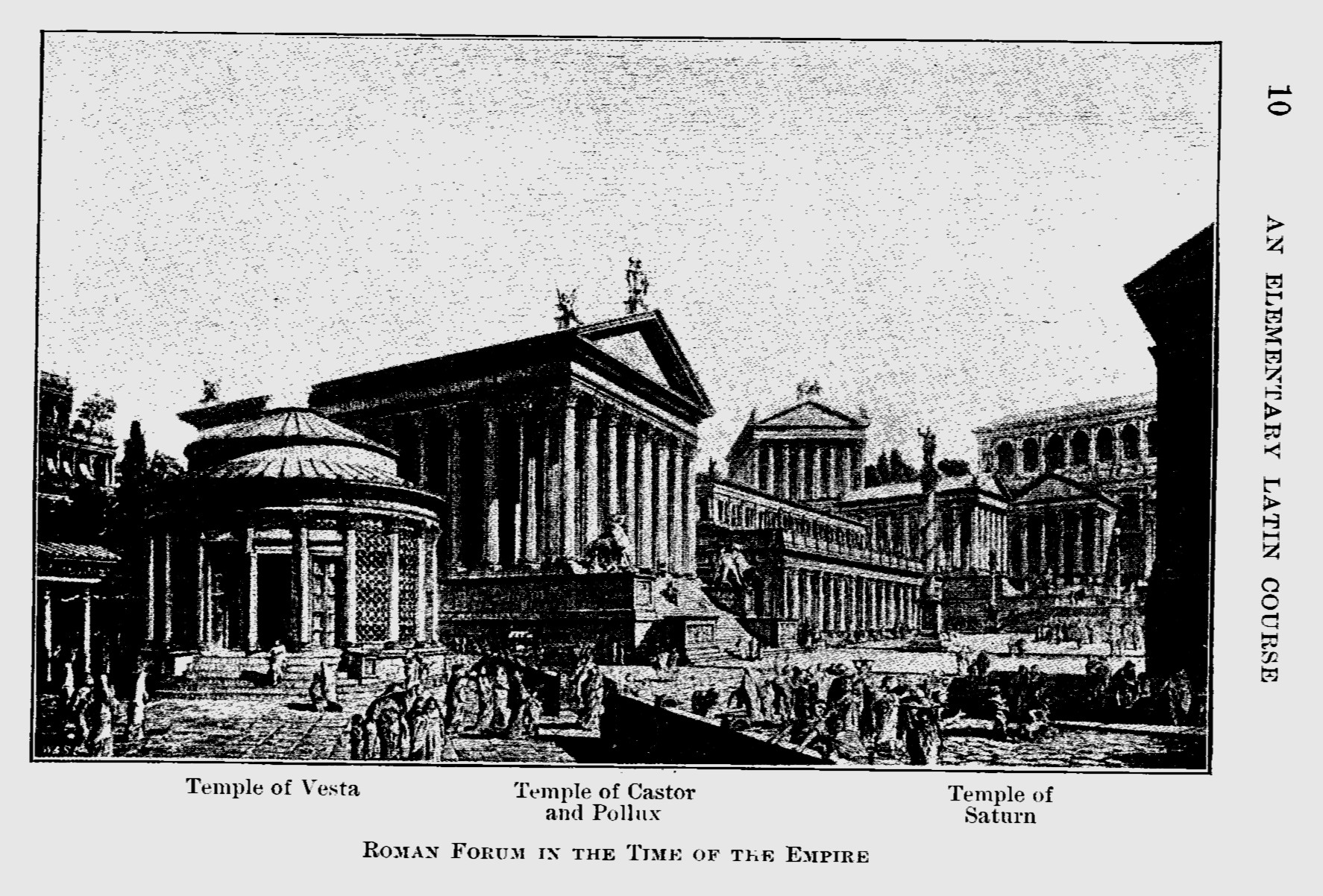
Well . . . <<<drum roll please>>>>. . . . Grandma might have been studying the downfall of the Roman Empire.

Here’s how I figured it out:

I found a General History textbook published in 1909. (I bet Grandma’s book was at least a couple of years old).  Since it’s  about one-third of the way through the school year, the class was probably about one-third of the way through the book.

Hmm. . .. the book’s 476 pages long, so a third of the way through the book would have been  around page 159. Page 159 is in a chapter titled,  The Decay of the Roman Republic and the Growth of One-Man Power.

The chapter begins:

Political and Social Conditions of Rome After the Punic Wars.—The republican constitution of Rome was made for the government of a small city state. When the great part of the Mediterranean countries fell under the sway of Rome, her municipal government proved quite inadequate for the task of ruling so vast an empire. The earliest political result of the foreign wars was that the senate assumed almost exclusive control of the government. The popular assemblies could not understand the difficult questions  of foreign policy, and were glad to leave their settlement to the senate, which was made up of experienced statesmen and generals . . .

Outlines of General History by V.A. Renouf (1909)

Little Brother Sick

17-year-old Helena Muffly wrote exactly 100 years ago today: 

Tuesday, November 19, 1912:  Poor little Jimmie got sick last night and had to miss his first day of school.

Jimmie Muffly

Her middle-aged granddaughter’s comments 100 years later:

Poor Jimmie— He was Grandma’s 7-year-old brother. It’s no fun to be sick—especially when you’re little. I wonder what was wrong. It sounds like whatever it was came on suddenly.  I’m leaning towards him having the stomach flu.

And, poor Grandma’s mother—

Grandma had written in her diary the previous day:

. . . I was afraid I’d have to miss school when Pa had his threshing done. They started today . . .

November 18, 1912

This suggest that the threshers were still there. Grandma’s mother was probably trying to prepare food and serve it to a threshing crew—while also taking care of a sick (vomiting?)  child.

Threshing

17-year-old Helena Muffly wrote exactly 100 years ago today: 

Monday, November 18, 1912:  I’m half way out of something that I worried about before school started, and that was that I was afraid I’d have to miss school when Pa had his threshing done. They started today and well I went to school today, too. So glad I don’t have to miss, that would be too bad for me.

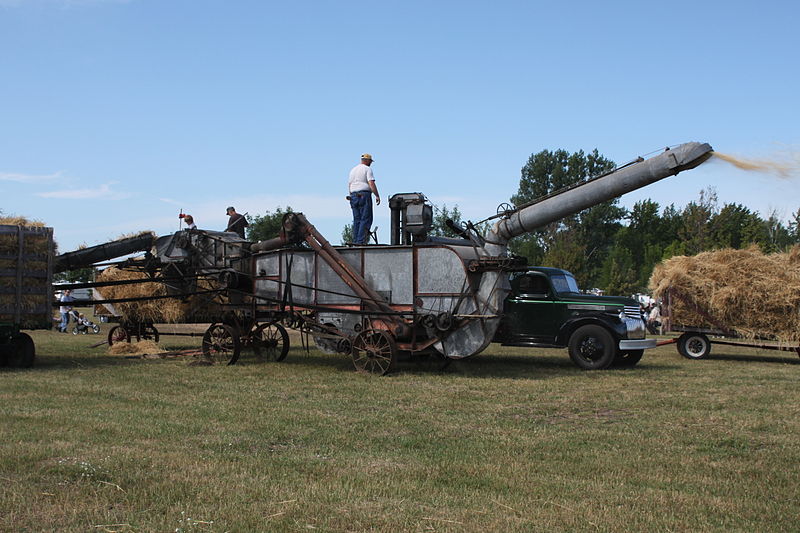
Picture of an antique threshing machine demonstration (Source: Wikimedia Commons)

Her middle-aged granddaughter’s comments 100 years later:

In the days before combines, threshing machines separated wheat (and other small grains)  from the straw.  Huge steam-operated threshing machines went from farm to farm. It took lots of labor to operate them —and the men who came to help expected a big meal.

I’m amazed that Grandma had worried about the possibility of missing school for months. (I think that I might have looked forward to missing school when the threshers came, rather than dreading the possibility). In any case, I’m glad Grandma didn’t have to stay home and help with the cooking, serving, and cleaning up if she didn’t want to.

The wheat would have been cut in late July and put into sheaves to dry for a while before it was threshed. I’m surprised how late in the year it was threshed. The previous year, it was done on September 13.

Here’s a YouTube video that shows a demonstration of how wheat was threshed years ago.

Fixing the Stove

17-year-old Helena Muffly wrote exactly 100 years ago today: 

Sunday, November 17, 1912:  Went to Sunday School this afternoon. The house was simply topsy-turvy today. Such a mess. Pa and Ma were fixing the stove.

This isn’t a very good picture, but you can see what a stove in a kitchen looked like a hundred years ago. (Source: Good Housekeeping, May, 1911)

Her middle-aged granddaughter’s comments 100 years later:

I don’t know much about wood/coal stoves. What might go wrong that would require immediate repairs on a Sunday in November? How long was the stove out of commission?

What was the weather like? Was the house cold while they were fixing it? . . . Or did the house have two stoves—one in the kitchen and one in the living room?

What did they eat if they were unable to cook hot foods?

Feels Funny When You Have Nothing to Do

17-year-old Helena Muffly wrote exactly 100 years ago today: 

Saturday, November 16, 1912:  Didn’t have much at all to do this afternoon. I think you feel so funny when you have nothing at all to do.

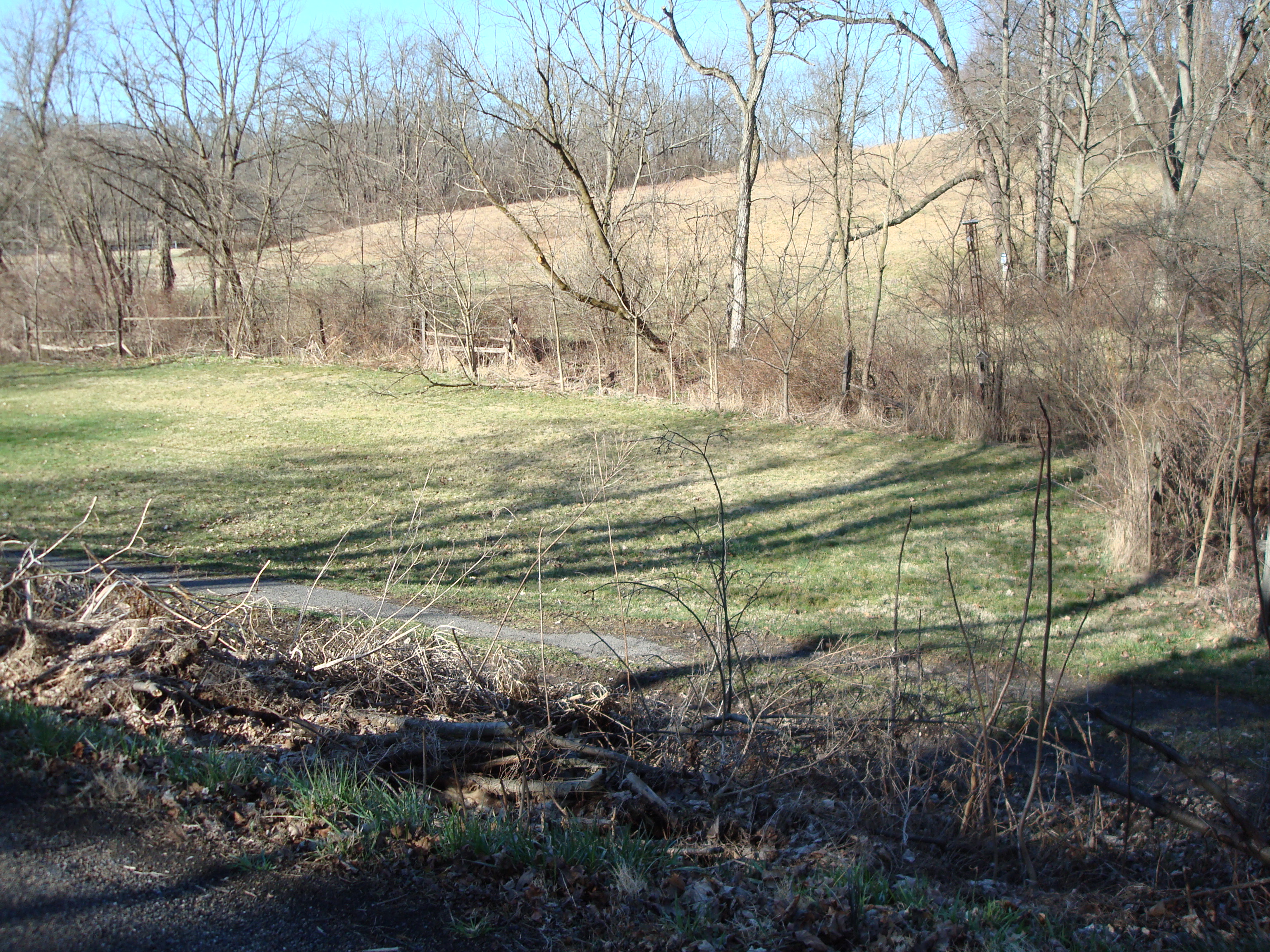
Recent view of the field across the road from the house that Grandma lived in.

Her middle-aged granddaughter’s comments 100 years later:

Many days when I read what Grandma wrote, I am surprised how similar teens a hundred years ago are to teens today.

But occasionally, like today, I’m amazed how astute Grandma was—even though she was only 17. I don’t think that I learned until I was well into my 40s that it feels funny when I have nothing to do—and that I’m happier when I’m busy doing things that are meaningful to me.

A Busy Day

17-year-old Helena Muffly wrote exactly 100 years ago today: 

Friday, November 15, 1912:  Today we had the first meeting of our Literary Society. Everything went off pretty well. But all the same I’ve been having a terrible head-ache today. It is a little better at present.

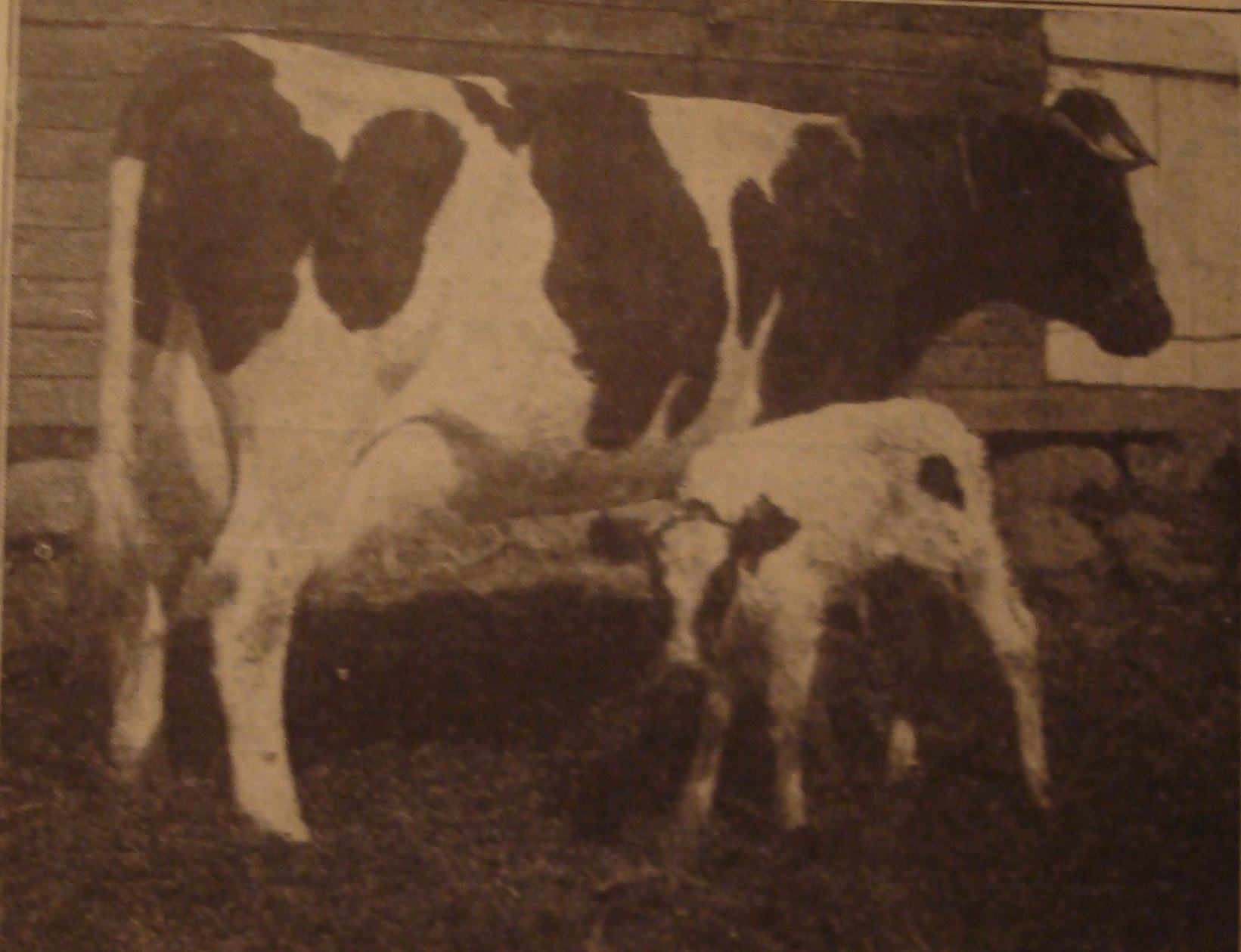
And now what do you think?  Why when I come home, and had gone to the barn to gather eggs, I saw Mollie out there with a little calf, hers it was. Was rather surprised you see, I had waited so long for my ship to come in that I didn’t mind waiting.

Source: Kimball’s Dairy Farmer Magazine (October 1, 1911)

Her middle-aged granddaughter’s comments 100 years later:

Lots happened in Grandma’s life  a hundred years ago today. . . and this is one of her longer diary entries.

Grandma’s school started  the Literary Society and Grandma has been very involved in planning  for this meeting. She’s  been really excited about this club—and seemed to enjoy getting ready for the meeting, but she’s also seemed stressed. I’m glad that it went well.

Mollie was Grandma’s cow. The previous year, she also was excited when Mollie had a calf—and eventually got some cash when the male calf was sold.

I think that Grandma’s parents gave (or sold) each of their children  one calf. When the calf grew up and had its own calves—the child’s personal herd grew if it was a female, and the child got some money when the calf was sold if it was male.

For more on how farm children owned their own cows, see my post from last year when Mollie’s calf was sold:

Teaching Farm Kids the Value of Money