1913 Easter Sunday

18-year-old Helena Muffly wrote exactly 100 years ago today: 

Sunday, March 23, 1913:  Easter Sunday. Quite a few joined the church this afternoon. I would have like to but decided otherwise. The Bunny didn’t bring me any eggs. Rufus got three and Jimmie got two.

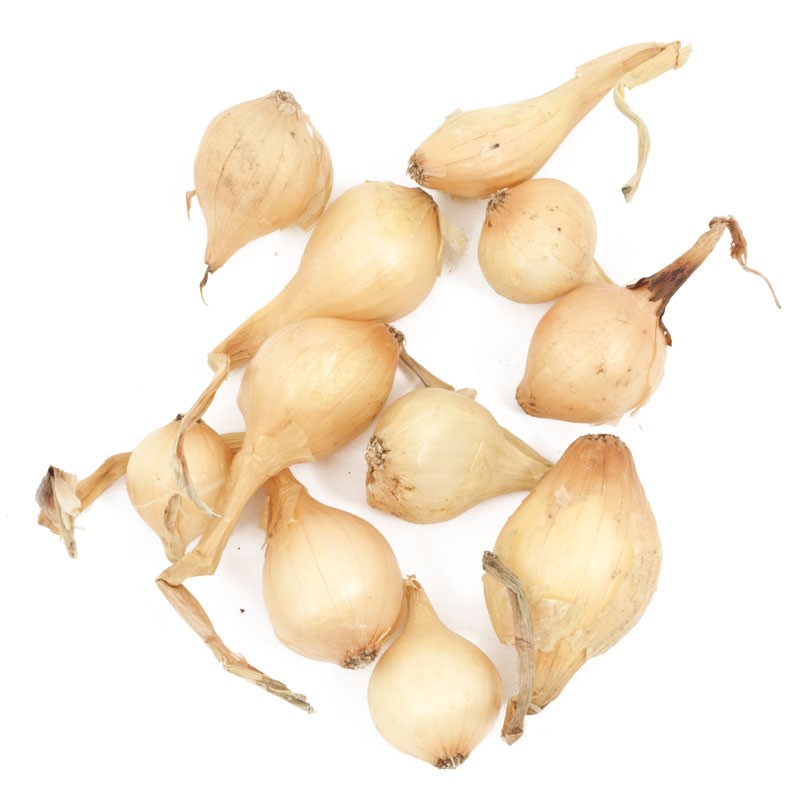
Old-fashioned Easter eggs dyed using onion skins

Her middle-aged granddaughter’s comments 100 years later:

Lots of “whys” today . . . .

1. Why did Grandma decide not to join the church?  She occasionally mentioned catechism classes that must have been preparing her to join the .old McEwensville Baptist Church. I’d think that she would automatically join when she completed the classes, but I don’t know much about what joining a Baptist church entailed.

2. Why didn’t Grandma get any Easter eggs?  Grandma’s little brother Jimmie was just 7-years-old; but her sister Ruth was 21. It doesn’t make sense that the Easter bunny skipped the child in the middle.

You might enjoy this previous post on dying eggs with onion skins:

Coloring Easter Eggs with Onion Skins

Getting Old

18-year-old Helena Muffly wrote exactly 100 years ago today: 

Friday, March 21, 1913:  Seems rather queer to be eighteen. I realize I am getting old. Am tugging away at my old essay.  It is almost finished.

DSC02316

Her middle-aged granddaughter’s comments 100 years later:

You might feel old but, you’re still young!

I almost feel like I’ve been growing up with you over the past several years. You were just 15 when you began the diary—and this is the third birthday we’ve celebrated together via this blog.

Happy Birthday, Grandma!!

The Last Day of Winter in 1913

17-year-old Helena Muffly wrote exactly 100 years ago today: 

Thursday, March 20, 1913:  Am resting and sleeping like a log from my two nights out. Am glad this is the last day of winter.

calendar

Her middle-aged granddaughter’s comments 100 years later:

When I was young, the first day of spring was always on March 21. So when Grandma wrote this diary entry, the 20th was the last day of winter.  Now it seems like the first day of spring varies from your to year. This year it is today—March 20.

Grandma attended parties on March 17 and 18. They must have really worn her out. My mind often races after exciting events and I struggle to sleep—but it sounds like that wasn’t a problem for Grandma.

What Does “Got It Put on Me” Mean?

17-year-old Helena Muffly wrote exactly 100 years ago today: 

Wednesday, March 19, 1913:  Got it put on me tonight. Nothing serious though. Think I’ll soon recover.

Recent photo of the house that Grandma lived in when she was writing the diary.

Her middle-aged granddaughter’s comments 100 years later:

Hmm. . . I’m not sure what this means. Did someone tease Grandma?  . . .pull a joke on her?. . .hit her? . . . ????

Went to Two Parties in Two Days

17-year-old Helena Muffly wrote exactly 100 years ago today:

Tuesday, March 18, 1913:  Carrie came home from the party this morning. I had a very nice time. Went to another party tonight. Think this will be about enough for this week. Didn’t have quite as good a time tonight as I had last night.

McEwensville
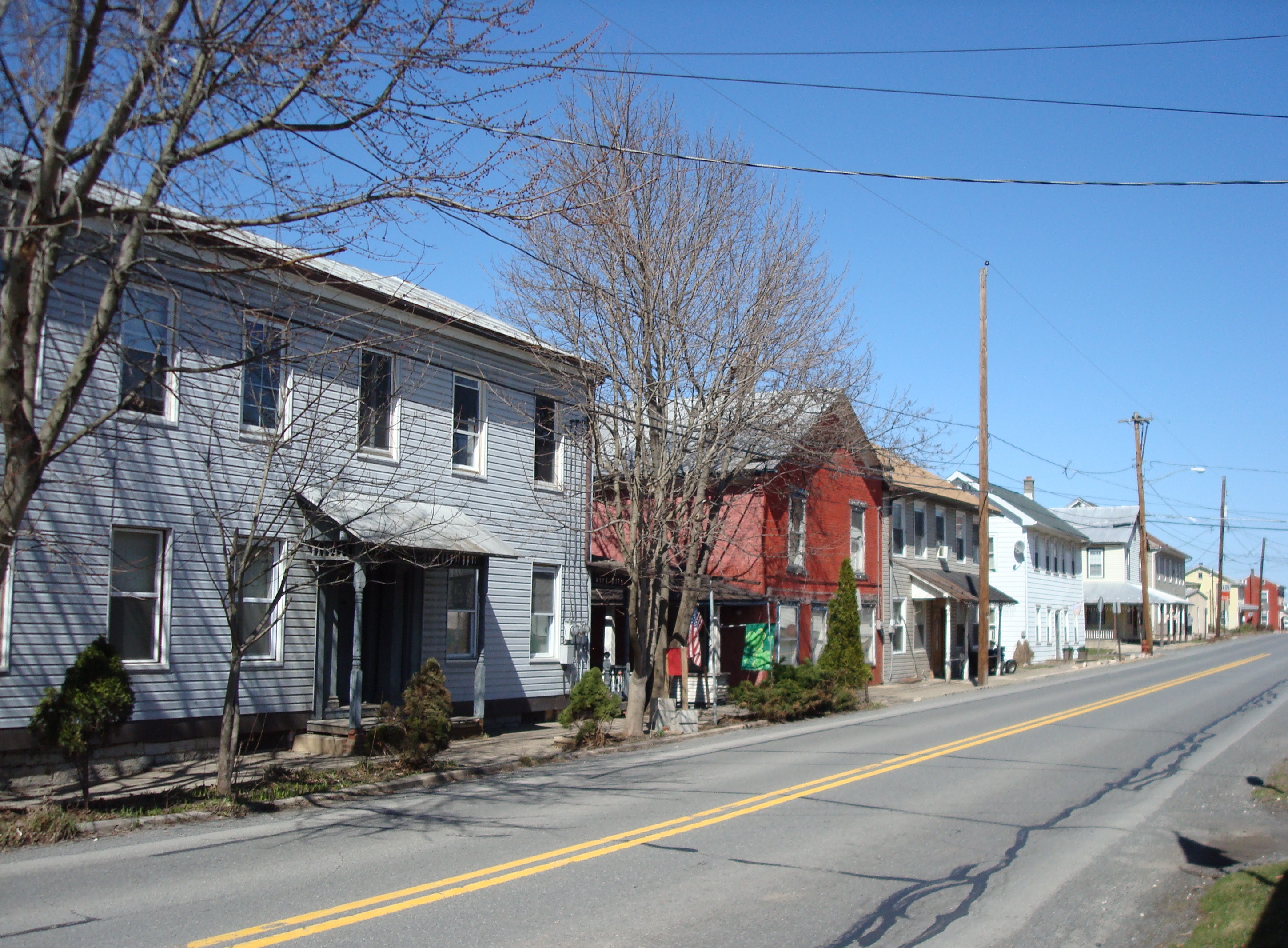
Were the parties at one of these homes in McEwensville?

Her middle-aged granddaughter’s comments 100 years later:

It sounds like Grandma was having fun–even if the party wasn’t as good as the one the day before. The previous day, Grandma wrote that she and her sister Ruth had gone to a party in McEwensville.

Carrie Stout was a friend. I’m not quite sure what it means that Carrie came home  “this morning”. Did Carrie stay at the party until after midnight? . . . or did she stay all night at the host’s home?

Two weeknight parties in one week seems like plenty to me.

I think that this entry and the one from the previous day are the first diary entries where Grandma wrote about going to a  party on a weeknight.

For much of the diary, it seemed like Grandma attended very few parties—and sometimes months passed with any mention of a party. I’m glad her social life was improving (but I hope her school work didn’t suffer).

Onion Snow

17-year-old Helena Muffly wrote exactly 100 years ago today: 

Monday, March 17, 1913:  The green was in evidence today. Got caught in a blizzard this morning going to school but it didn’t last very long.

Ruth and I went to a party this evening up at McEwensville. It was going to be a surprise party, but it didn’t quite turn out that way.

onions

Her middle-aged granddaughter’s comments 100 years later:

It sounds like they had an “onion snow.”  We used to always try to plant our onions by mid-March; and, we’d say that there’d be one more snow storm—the onion snow— after the onions were planted.

What was the party?. . . a St.Patrick’s Day party?  . . . a birthday party?. .  and why didn’t it end up being a surprise party?

HAPPY ST. PATRICK’S DAY!

The Choice of Friends

17-year-old Helena Muffly wrote exactly 100 years ago today: 

Sunday, March 16, 1913: Went to Sunday School this morning. Was over to Carrie’s this afternoon.

Grandma would have walked over this hill toward McEwensville to reach the Stout home. A hundred years ago the road was still dirt.
Grandma would have walked over this hill toward McEwensville to reach Carrie’s home.

Her middle-aged granddaughter’s comments 100 years later:

Carrie Stout was a friend of Grandma’s who was often mentioned in the diary.

Here’s what a hundred-year-old book had to say about the choice of friends:

The Choice of Friends

All of our greatest intellectual leaders, from time immemorial have been unanimous in their teachings that one of the most important elements in the molding of the mind and character was the nature of our friendships.

Tennyson says, “I am a part of all that I have met.”  The immortal bard puts it, “It is certain that either wise bearing or ignorant carriage is caught, as men take disease from one another; therefore let men take heed of their company.”

A friend should be congenial, with similar tastes, opportunities, and training: frank in criticism, yet sympathetic in spirit; loyal and staunch in adversity, and one who disseminates an atmosphere which is broadening, elevating, and uplifting. Such a friend is to be desired and to be sought after.

Physical Hygiene and Physical Training for Women (1911) by Anna M. Galbraith